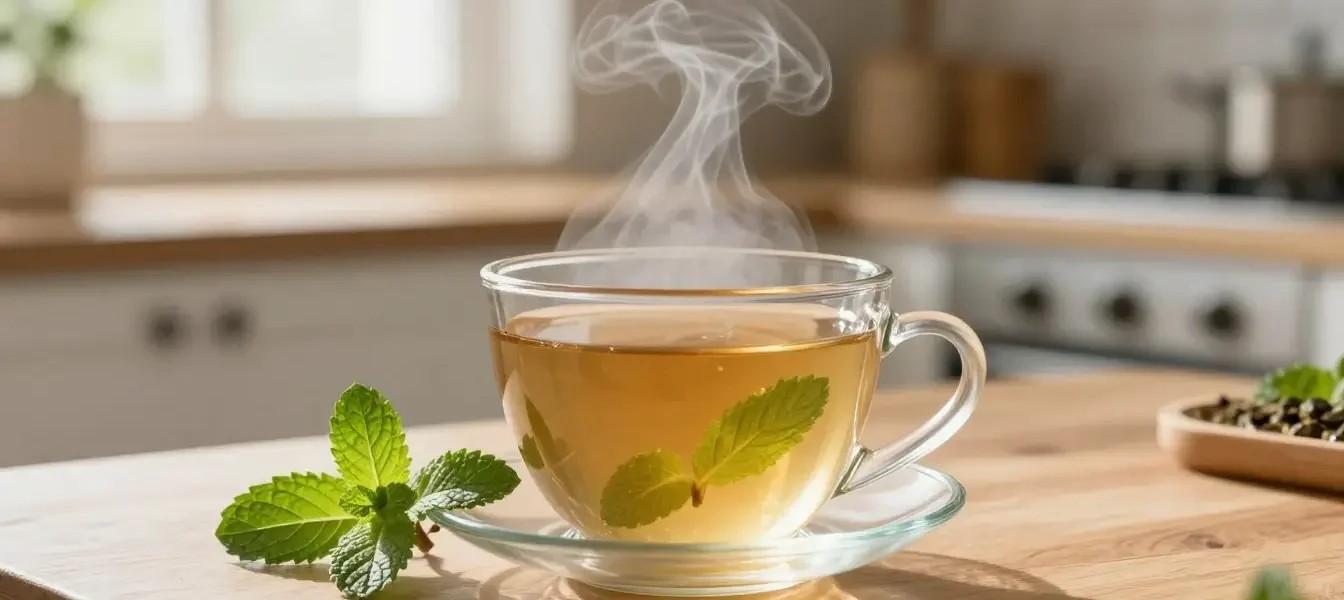
Ever thought if mint tea make you poop more regularly? Many grab a warm cup after eating, hoping it will ease their stomach. It’s believed this drink is a natural fix for irregular bowel movements.
Peppermint has menthol, a natural muscle relaxer. This helps calm down your gut muscles, which might ease discomfort. It’s not a strong laxative but can help your body’s natural rhythm.
Knowing how herbs affect your body is key to better health. We’ll look into the science behind this popular drink. Let’s see if it really helps with digestive regularity.
Key Takeaways
Peppermint acts as a natural antispasmodic for the gut.
Menthol helps relax digestive muscles to ease discomfort.
This herbal drink is not a strong laxative but supports regularity.
Warm liquids can stimulate the digestive system naturally.
Individual results may vary based on your specific health needs.
The Science Behind Mint Tea and Digestion
Ever wondered why mint tea feels soothing after a big meal? Many turn to it for digestive health benefits. Let’s explore the science behind this natural remedy.
Understanding the chemical composition of peppermint leaves
Peppermint leaves are full of volatile oils, giving them a strong scent and healing power. The main compound is menthol, a big part of the essential oil. Other compounds like menthone and limonene also play a role in peppermint tea digestion.
These oils are in tiny glands on the leaves’ underside. When you steep the leaves, these oils mix with hot water. This makes a strong extract your body can absorb to soothe your insides.
How menthol interacts with your digestive system
After drinking the tea, the menthol effects on the gut start. Menthol relaxes the muscles in your digestive tract. This eases bloating and discomfort.
This relaxation is great when your stomach feels tight. It’s like a gentle massage inside. Many find it helps their stomach settle after eating.
Does mint tea make you poop?
Are you wondering if mint tea can help with digestive issues? Many people try herbal teas when they feel bloated. But, it’s key to know how mint tea affects your body.
Some say mint tea makes you poop, but it’s not a strong laxative. Instead, it gently helps your digestive system work better.
Distinguishing between laxative effects and digestive soothing
It’s important to know the difference between harsh laxatives and soothing teas. Harsh laxatives can cause cramps and make you dependent.
Mint tea, on the other hand, relaxes your gut muscles. This lets your digestive system work smoothly, without the harsh push of natural laxative alternatives.
“The true power of herbal tea lies in its ability to calm the gut, allowing the body to perform its natural processes without unnecessary interference.”
The role of hydration in bowel movements
Drinking warm tea is more than just a habit. It’s good for your digestive health. Staying hydrated keeps your stools soft and your system lubricated.
Drinking warm tea helps in several ways:
Increased fluid intake: Drinking more water prevents hard stools in the colon.
Temperature benefits: Warm drinks can stimulate your digestive system and help with bowel movements.
Mindful habits: Enjoying a cup of tea can help you relax, which is good for digestion.
Mint tea isn’t a magic solution, but it’s a great natural laxative alternative. If mint tea makes you poop, it’s because of the menthol and the hydration it brings to your gut.
How Peppermint Oil Affects Your Gastrointestinal Tract
Learning how peppermint oil works in your gut can help you feel better. Many people love the taste of a warm cup. But, it’s the menthol effects on gut health that really help.
This natural oil targets the gut’s internal pathways. It helps control digestion.
The mechanism of smooth muscle relaxation
Peppermint oil works as an antispasmodic agent. It relaxes the smooth muscles in your digestive tract. These muscles can get too tense or active.
By relaxing them, your body can digest food better. This avoids unnecessary strain or sudden contractions.
This is key for peppermint tea digestion support. When muscles are relaxed, digestion is smoother.
Impact on irritable bowel syndrome symptoms
Many people find peppermint oil for IBS greatly improves their life. It’s known for soothing the digestive tract during flare-ups. It helps balance your gut by addressing muscle tension.
Reducing abdominal cramping
Cramping happens when intestines contract too hard. Peppermint oil helps by:
Blocking calcium channels in muscle cells.
Lessening involuntary spasms.
Calming the abdominal wall.
Managing bloating and gas
Bloating is often due to trapped air or slow digestion. Peppermint oil’s menthol effects on gut nerves help release gas. This reduces the feeling of fullness and pressure after eating.
Potential Benefits of Mint Tea for Bowel Regularity
Did you know a simple cup of mint tea can help with bowel regularity? It’s not just refreshing; it also offers digestive health benefits. Drinking it daily gives your body a natural boost.
Stimulating bile flow for better digestion
Mint tea helps your liver make more bile. Bile is key for breaking down fats. With more bile, your digestive system works better, leading to regular bowel movements.
Reducing inflammation in the gut lining
Chronic irritation can slow digestion. Mint’s natural compounds soothe and reduce gut inflammation. This soothing effect is why many use herbal remedies for gut health.
The psychological effect of warm beverages on peristalsis
The drink’s temperature matters a lot. Drinking warm tea for constipation relaxes your nervous system. This calm helps your gut and brain work better together.
Feeling relaxed helps your body move waste naturally. Choosing warm tea for constipation is a comforting way to support your body’s rhythm. Mint tea’s digestive health benefits make it a great addition to your wellness routine.
When Mint Tea Might Cause Digestive Discomfort
It might surprise you to find out that your favorite herbal tea could be causing your stomach problems. Many people love the cool feeling of peppermint tea. But, it’s key to know that mint tea side effects can bother some people. Understanding how your body reacts to herbal ingredients is the first step to better digestion.
The link between peppermint and acid reflux
The connection between acid reflux and mint is clear in studies. Peppermint has natural compounds that relax muscles in your digestive system. This can help with cramps but might not be good for your esophagus.
When your lower esophageal sphincter muscles relax too much, they can’t close well. This lets stomach acid move up into your throat, causing heartburn. If you often get heartburn, be careful with mint tea.
Why some people experience heartburn after drinking mint tea
Heartburn happens when the barrier between your stomach and esophagus gets weak. Peppermint’s muscle-relaxing effect can be too much for your esophagus. This can lead to heartburn.
For those who are sensitive to acid reflux and mint, they might feel discomfort right after drinking. This is more likely if you drink it on a full stomach. Keeping a food diary can help you see if your symptoms are linked to mint tea.
Identifying sensitivities to menthol
Menthol is the main ingredient in peppermint, giving it its cooling and muscle-relaxing effects. Some people are more sensitive to menthol than others. If you think mint tea is causing problems, here’s how to figure out your sensitivity:
Monitor your symptoms: Watch how you feel 30 to 60 minutes after drinking the tea.
Try a smaller serving: A weaker tea might help you see if the menthol is the problem.
Switch to alternatives: If you keep getting mint tea side effects, try ginger or chamomile instead. They’re soothing and don’t have menthol.
By watching how your body reacts, you can make better choices for your daily habits. What works for one person might not be right for you.
Not all mint teas are the same. Knowing the differences helps you find your favorite. When you do a herbal tea comparison, you’ll see many options. Each one is made for different tastes and health needs.
Peppermint versus spearmint profiles
Peppermint has a lot of menthol, which gives a strong, cool feeling. It’s great for easing digestive issues and relaxing muscles.
Spearmint, on the other hand, tastes milder and sweeter. It has less menthol, making it good for those who like a softer flavor or have a sensitive stomach.
Caffeinated versus herbal mint blends
Most mint teas don’t have caffeine because they come from herbal plants. But, some blends mix mint with black or green tea.
Check the label for caffeine in mint tea if you’re sensitive to it. For a calming tea before bed, choose a pure herbal infusion to avoid energy boosts.
Fresh leaves versus dried tea bags
Fresh mint leaves give a lively, aromatic taste that’s hard to beat. Just steep a few leaves in hot water for a strong brew.
Dried tea bags are super convenient for busy days. They might lose some oils, but they’re easy to use and last a long time.
Tea Type
Flavor Intensity
Best Use
Peppermint
Strong/Cooling
Digestive Support
Spearmint
Mild/Sweet
Daily Hydration
Caffeinated Blend
Bold/Complex
Morning Energy
Fresh Leaves
Bright/Aromatic
Gourmet Brewing
Best Practices for Incorporating Mint Tea into Your Routine
Starting healthy tea habits can change how your body handles food. A regular schedule helps your digestive system enjoy peppermint’s calming effects. Being consistent leads to better digestion over time.
Optimal timing for drinking tea after meals
It’s best to drink your tea 30 to 60 minutes after eating. Drinking it too soon can weaken your stomach acids. This might slow down digestion. Waiting a bit lets your body start digesting before the mint’s calming effects kick in.
Recommended daily intake for digestive support
Mint tea is good, but don’t overdo it. Most people need one to three cups a day for support. Adjust how much you drink based on how you feel after each cup.
Combining mint tea with a fiber-rich diet
For better digestion, pair mint tea with a fiber-rich diet. Fiber cleanses your digestive tract, while mint tea relaxes the muscles. Together, they keep your system running smoothly.
Add more whole grains, fruits, and veggies to your meals with tea. This fiber and tea pairing boosts your gut’s health. It creates a synergistic effect that supports your digestive system’s efficiency.
Other Natural Remedies for Constipation
If you’re looking for natural laxative alternatives, you’ll find many simple changes help. Herbal teas are popular, but a holistic approach often works best for long-term comfort.
The importance of magnesium-rich foods
Magnesium is key for your digestive health. It relaxes intestinal muscles and draws water into your intestines. This makes your stool softer and easier to pass.
Boost your magnesium by eating these foods:
Leafy greens like spinach and Swiss chard.
Nuts and seeds, like pumpkin seeds and almonds.
Whole grains such as quinoa or brown rice.
Legumes like black beans and lentils.
Incorporating ginger tea for motility
Ginger tea is great for warm tea for constipation. It boosts digestive enzymes and helps food move through your system.
Drink ginger tea after a big meal to ease your stomach and reduce bloating. Its spicy warmth gently encourages a sluggish system to move.
Physical activity and its role in bowel health
Movement is a top gut motility tip. Regular exercise stimulates your intestines’ natural contractions, called peristalsis.
A brisk twenty-minute walk can greatly improve your regularity. Staying active helps your body process waste efficiently and keeps your digestive rhythm healthy.
Conclusion
Mint tea is a gentle friend for your stomach, not a magic cure for regularity. It’s best seen as part of a bigger picture for your gut health.
Creating healthy tea habits helps you tune into your body’s needs. A warm cup of Twinings or Bigelow peppermint tea can comfort you after a big meal.
True digestive balance comes from your daily choices. Enjoy your favorite teas with lots of water, fiber-rich veggies, and regular exercise. These small steps lead to feeling great every day.
Watch how your body responds to different teas. Your path to better digestion is unique. By keeping up healthy tea habits and a balanced lifestyle, you naturally support your body.
No, peppermint tea is not a harsh laxative. It’s a gentle digestive aid. It doesn’t force a bowel movement but relaxes your gastrointestinal tract. This can help you stay regular by easing waste passage.
How exactly does menthol help your digestion?
A: Menthol in quality leaves, like those from Traditional Medicinals or Twinings, works directly on your gut. It calms your digestive system muscles. This reduces abdominal cramping and makes digestion easier, avoiding bloating and gas.
Can sipping on warm mint tea improve your bowel regularity?
Yes, it can! Drinking warm Yogi Tea Peppermint can trigger the gastrocolic reflex. This encourages peristalsis, the muscle contractions that move food through your colon. Staying hydrated also helps soften your stool and prevent constipation.
Why do some people experience heartburn after drinking peppermint tea?
The muscle-relaxing effects of menthol are great for your lower gut. But they can relax the lower esophageal sphincter (LES) too much. This can let stomach acid back up, causing acid reflux or heartburn. If you have GERD, drink your tea in smaller amounts to see how you react.
Should you use fresh mint leaves or dried tea bags like Bigelow?
Both fresh leaves and dried tea bags are good for your herbal infusion! Fresh leaves offer a vibrant flavor and potent oils. But brands like Bigelow or Pukka provide measured doses and quality dried peppermint for your digestive health.
Is there a difference between peppermint and spearmint for your gut?
For maximum digestive support, peppermint is best because it has more menthol. Spearmint is milder and better for sensitive stomachs or if peppermint’s cooling is too intense.
When is the best time for you to drink mint tea to help you poop?
Drink a cup 30 to 60 minutes after a meal for the best benefits. This timing helps stimulate bile flow and prevents abdominal discomfort after a heavy dinner.
What other natural remedies can you pair with mint tea for better motility?
For better bowel health, pair your tea with magnesium-rich foods and a fiber-rich diet. Adding ginger tea can also help stimulate gut motility. Daily walks are also great for keeping your digestive tract moving.
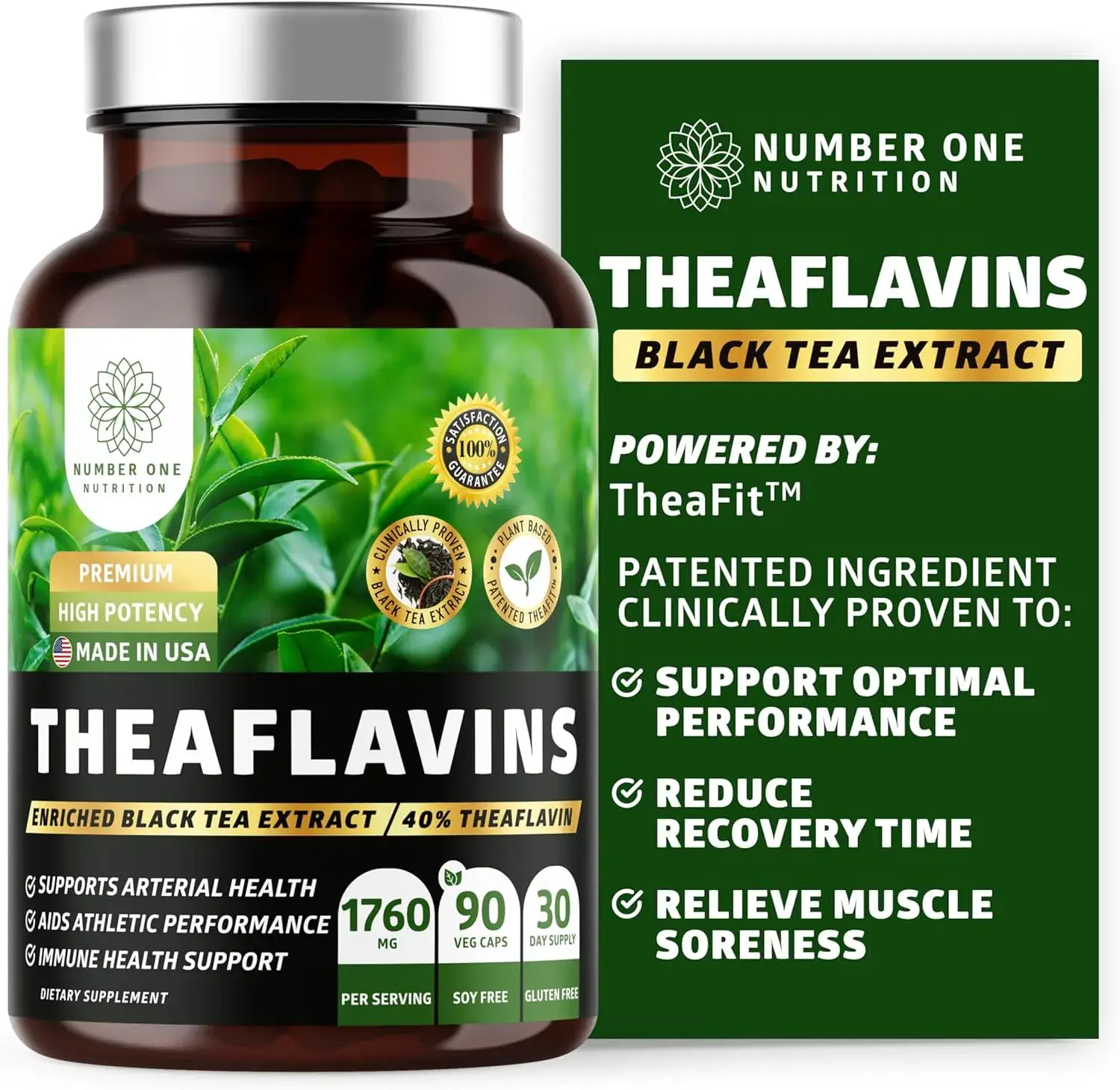
Black Tea Extract that is rich in natural theaflavins and polyphenols that help protect your body from free radicals, promoting overall immune health and well-being
Contains blended amounts of Fruits and Veggies. All natural, with whole foods, fruit and vegetable supplement.Perfect for everyone looking to live a healthier lifestyle.