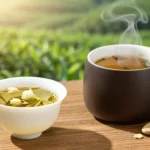
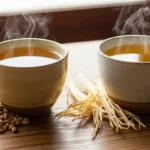
Genmaicha and green tea are both popular drinks, but they’re not quite the same. You might be wondering what makes them different, especially if you’re just getting into tea. Genmaicha has this unique twist with roasted rice, which changes things up quite a bit compared to plain green tea. This article will break down the genmaicha tea vs green tea differences, covering what they are, how they taste, and even how to brew them. Let’s get to it.
Key Takeaways
Genmaicha is a Japanese tea made by mixing green tea leaves with roasted brown rice, while green tea is just the leaves of the Camellia sinensis plant.
The roasted rice in Genmaicha gives it a nutty, toasty flavor that’s milder than the often grassy or vegetal taste of plain green tea.
Genmaicha typically has less caffeine than most green teas because the rice dilutes it.
Both teas offer health benefits; green tea is known for antioxidants, while Genmaicha’s rice can aid digestion.
Brewing Genmaicha is similar to green tea, but it can often be steeped a bit longer without becoming bitter.
Understanding Genmaicha Tea vs Green Tea
When you’re looking at Japanese teas, you’ll often come across genmaicha and green tea. They’re related, but definitely not the same thing. Understanding genmaicha tea means knowing it’s a specific kind of green tea blend. So, is genmaicha a type of green tea? Yes, it is, but with a twist. It’s essentially green tea mixed with roasted brown rice. This is how genmaicha differs from regular green tea.
What Is Genmaicha?
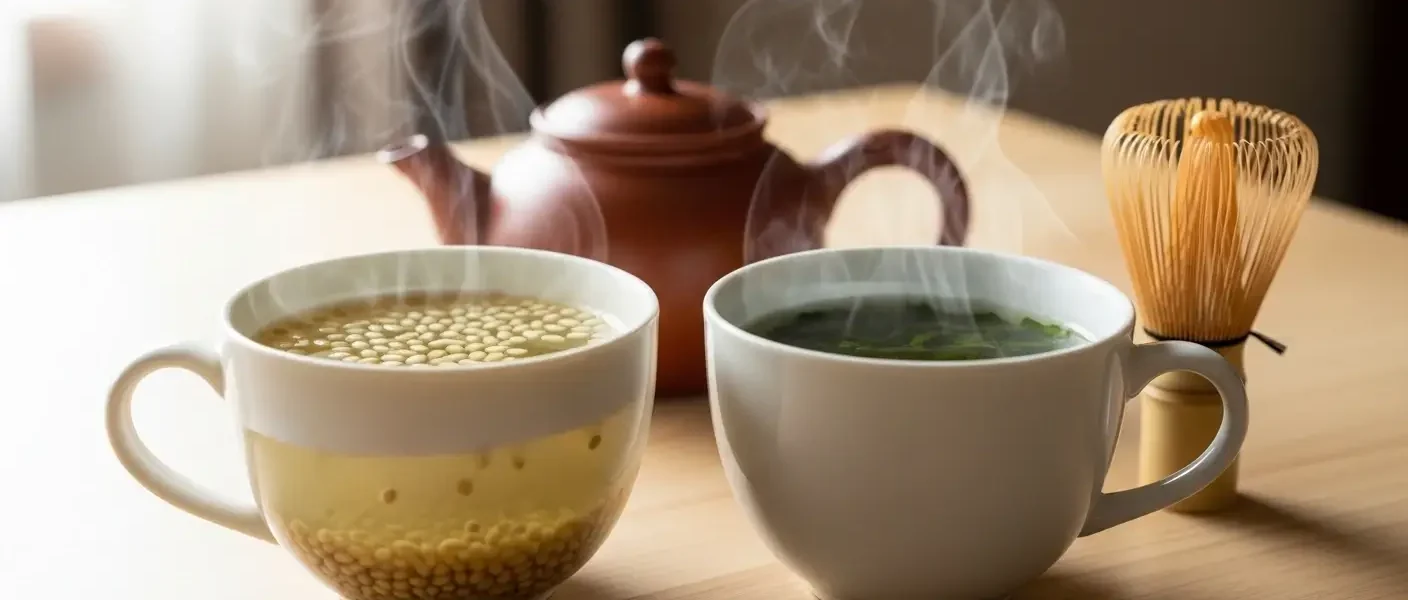
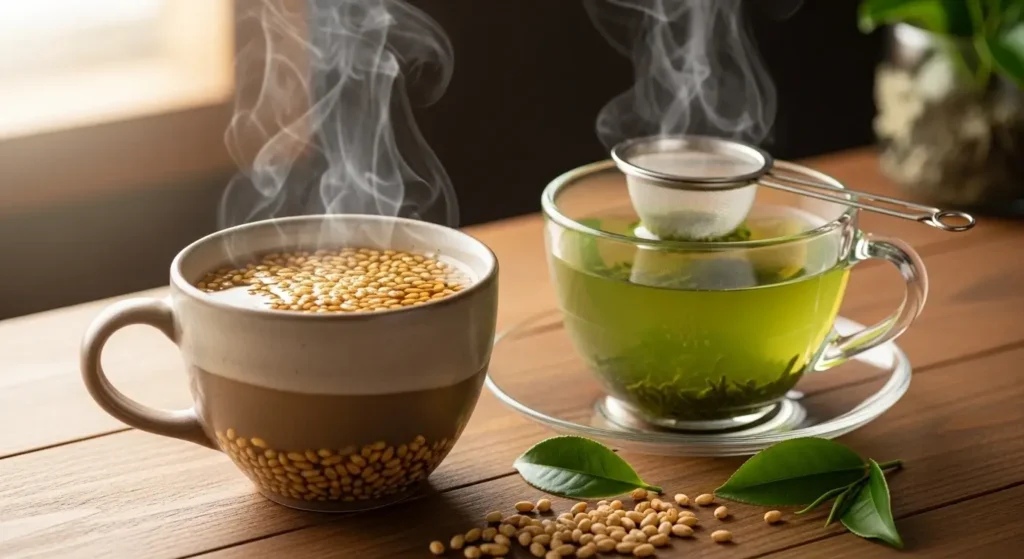
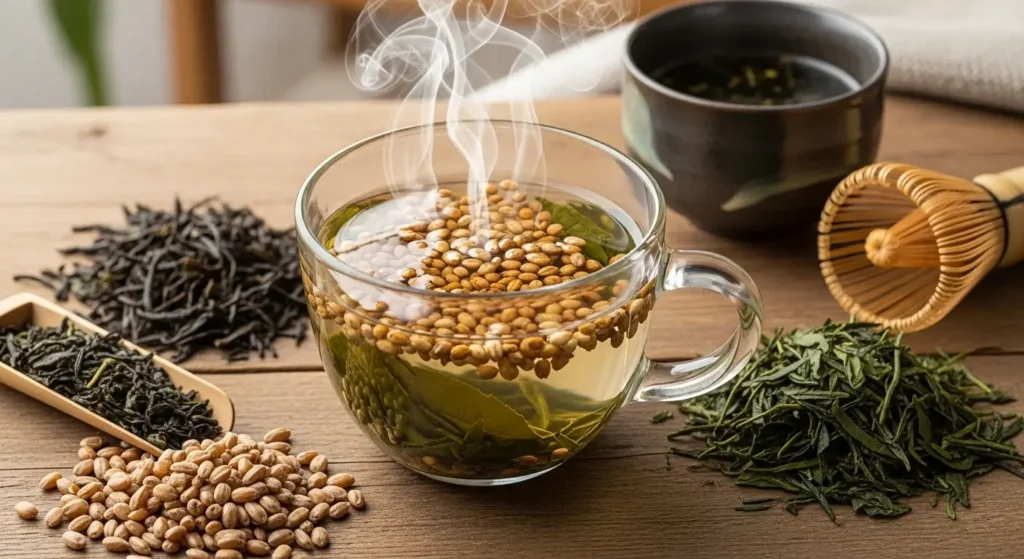
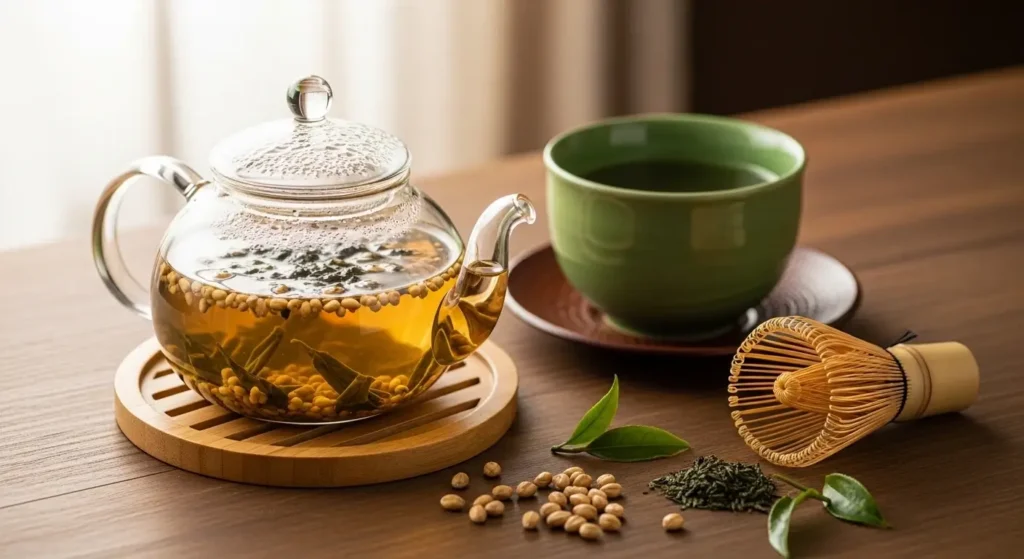
Genmaicha, sometimes called popcorn tea or brown rice tea, is a Japanese beverage made from green tea leaves and roasted brown rice. The rice is often toasted until it pops, resembling popcorn, though not all the grains pop. This combination gives genmaicha its unique character. The addition of roasted rice is what truly sets it apart from plain green tea.
It’s known for a mild, nutty flavor and a comforting aroma, making it a favorite for many. It’s a popular choice for those who find straight green tea a bit too grassy or vegetal. You can find it made with different types of green tea as the base, like sencha or bancha, which influences the final taste. If you’re interested in exploring this unique blend, you might start by comparing genmaicha and sencha to see how the base tea affects the flavor.
What Is Green Tea?
Green tea, on the other hand, is a broad category. It refers to tea made from the leaves of the Camellia sinensis plant that have undergone minimal oxidation during processing. This means the leaves are typically steamed or pan-fired soon after harvesting to halt oxidation. This process preserves the natural green color and fresh, often grassy or vegetal, flavor profile of the leaves. There are many types of green tea, each with its own characteristics, such as sencha, matcha, and gyokuro. When we talk about genmaicha vs regular green tea, we’re usually comparing the genmaicha blend to a pure green tea like sencha or bancha.
Key Differences in Genmaicha Tea vs Green Tea
When you’re looking at the world of Japanese tea differences, Genmaicha and standard green tea stand out for their unique characteristics. It’s not just about the name; there are some pretty clear distinctions that affect how they taste, look, and even how they make you feel. Understanding these differences in tea types can really help you pick the perfect cup for any moment.
Flavor Profile Comparison
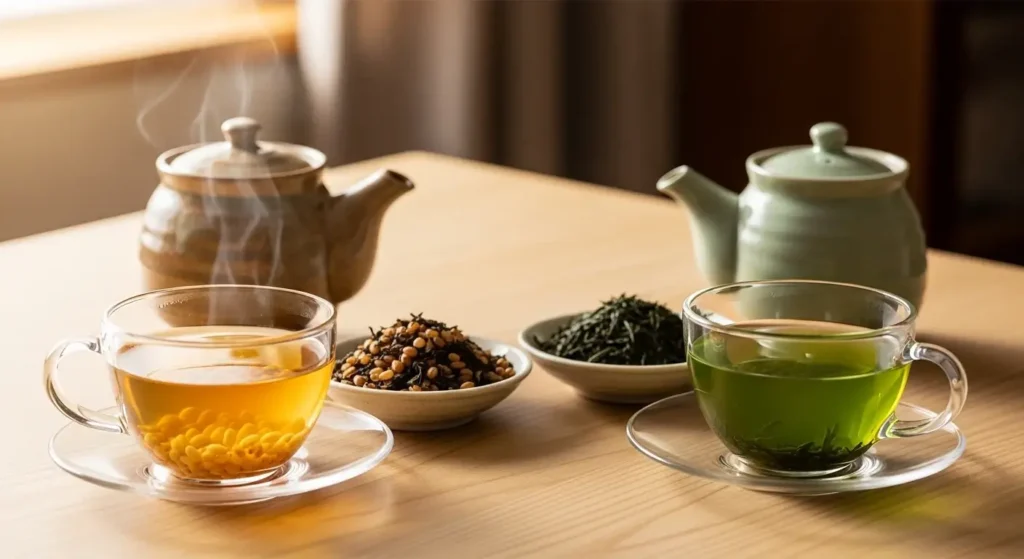
This is probably the most noticeable difference. Pure green tea, like Sencha, often has a fresh, sometimes grassy or vegetal taste. It can be a bit brisk, and some varieties might even have a hint of bitterness. Genmaicha, on the other hand, is a blend. It takes a green tea base and mixes it with roasted brown rice.
This addition gives Genmaicha a distinctly nutty, toasty flavor. It’s often described as savory and comforting, with a subtle sweetness from the roasted grains. The roasted rice mellows out the green tea’s natural sharpness, making Genmaicha a more approachable option for many. It’s a fantastic example of how combining ingredients can create something entirely new, offering a unique experience compared to a genmaicha vs sencha comparison.
Appearance and Aroma
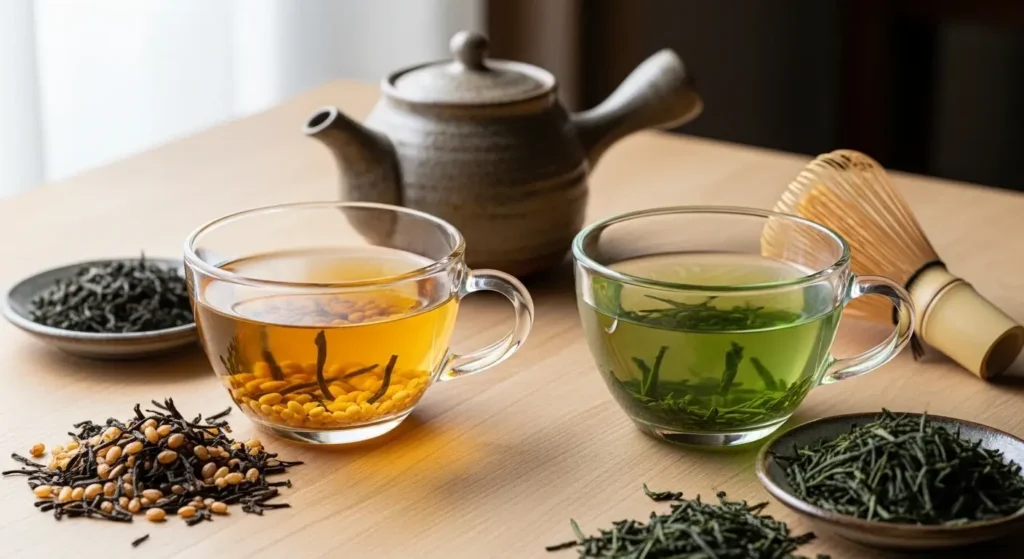
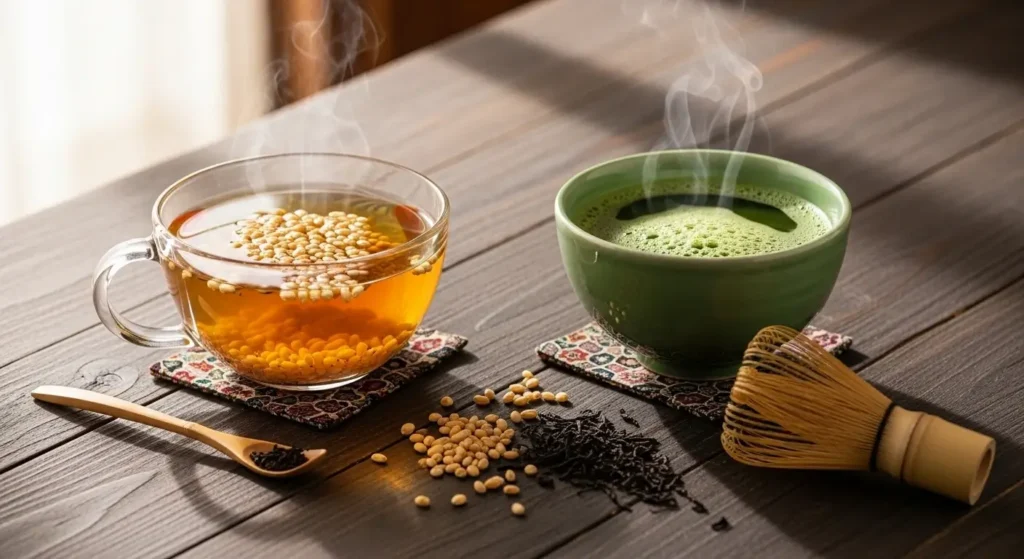
Visually, Genmaicha often looks different in the tin or bag. You’ll see the green tea leaves mixed with small, golden-brown grains of roasted rice. Some of these rice grains might even have popped, resembling tiny popcorn kernels. When brewed, Genmaicha typically has a lighter, more golden hue compared to the vibrant green of many pure green teas. The aroma is also a giveaway. Pure green tea usually smells fresh, sometimes like cut grass or the sea. Genmaicha, however, carries that warm, inviting scent of toasted rice, which is quite distinct and comforting.
Caffeine Content
This is a significant point for many tea drinkers. Pure green teas can vary in caffeine, but they generally have a moderate amount, often comparable to a weaker cup of coffee. Genmaicha, however, usually has less caffeine. The roasted rice acts as a diluent, and some believe the roasting process itself might slightly reduce the caffeine in the tea leaves it’s mixed with. This makes Genmaicha a great choice if you’re sensitive to caffeine or want a tea later in the day. So, while both are green teas in a way, the addition of rice changes the overall profile, including its stimulating effects. This is one of the key characteristics of Genmaicha tea that sets it apart.
Both Genmaicha and green tea are pretty good for you, but they offer slightly different perks. Think of it like this: green tea is the classic health drink, packed with all sorts of good stuff, while Genmaicha is green tea with a little something extra from the roasted rice.
Nutritional Breakdown
When we look at what’s inside, green tea generally has more catechins, which are powerful antioxidants. Genmaicha has these too, but usually in a bit less quantity because of the rice. The rice, however, brings its own unique compounds, like gamma-oryzanol, which is known to help with things like upset stomachs and blood sugar levels. It’s interesting to note that Genmaicha is also a bit higher in calories than plain green tea, usually around 2-3 calories per cup, mostly from the starch in the rice. This might sound odd, but it can actually help you feel fuller.
Here’s a quick look:
Nutrient
Genmaicha
Green Tea
Catechins
Moderate
High
Caffeine
Low to Moderate
Moderate to High
Calories
~2-3 per cup
Near zero
Gamma-oryzanol
Present (from rice)
Absent
Health Advantages of Genmaicha
Genmaicha is often praised for its digestive support. The roasted rice is thought to be quite soothing for the stomach and can help with things like bloating because of its diuretic properties. It also contains fiber, which is great for gut health and can help with constipation. Plus, that lower caffeine content makes it a good choice if you’re sensitive or want something calming in the evening. Some people even find it helps with stress relief.
Health Advantages of Green Tea
Green tea, on its own, is famous for its high antioxidant content, which helps protect your body from damage. It’s also linked to boosting metabolism, which can be helpful for weight management, and improving brain function. The antioxidants in green tea are thought to play a role in reducing the risk of various chronic diseases over time.
While both teas are beneficial, Genmaicha’s unique blend offers a gentler experience with added digestive perks, making it a comforting choice for many.
Here are some of the key benefits you might find:
Digestive Aid: The roasted rice can be very soothing for the stomach.
Stress Reduction: Its milder flavor and lower caffeine can promote a sense of calm.
Antioxidant Boost: Benefits from the green tea base, helping fight cell damage.
Hydration and Detox: Acts as a mild diuretic, helping to flush out excess fluid.
Brewing Genmaicha Tea vs Green Tea
Optimal Brewing for Genmaicha
Brewing genmaicha, that lovely roasted rice green tea, is pretty straightforward, but a few things can make it even better. You want to aim for water that’s not boiling, around 80°C (176°F) is usually a good spot. Pop your genmaicha leaves in, and let them steep for about 2 to 3 minutes. Don’t let it sit too long, though, or it can get a bit bitter. It’s a forgiving tea, but a little attention goes a long way.
Optimal Brewing for Green Tea
Green tea, on the other hand, can be a bit more sensitive. For most green teas, you’ll want your water a little cooler, maybe between 70°C and 80°C (158°F-176°F). Steeping time is also shorter, usually just 1 to 2 minutes. This is because green tea leaves are more delicate and can release bitter compounds more easily if brewed too hot or too long. Getting this right means you get all those fresh, grassy notes without any unpleasantness.
Here’s a quick look at the differences:
Genmaicha:
Water Temperature: ~80°C (176°F)
Steep Time: 2-3 minutes
Notes: More forgiving, can handle slightly longer steeps.
Green Tea:
Water Temperature: 70°C-80°C (158°F-176°F)
Steep Time: 1-2 minutes
Notes: More sensitive, requires precise temperature and timing.
Paying attention to these small details can really change your tea experience. It’s not just about throwing leaves in hot water; it’s about coaxing out the best flavors each tea has to offer.
Choosing between genmaicha and green tea often comes down to the time of day and what you’re looking for in a beverage. Both offer unique experiences, but their suitability for different moments can really make a difference.
Best Times for Genmaicha
Genmaicha is a fantastic choice for later in the day, and here’s why: its unique blend with roasted rice significantly lowers the caffeine content compared to pure green tea. This makes it a wonderfully soothing drink when you want to unwind without the jitters. Think of it as a gentle companion for your evening relaxation. The nutty, comforting flavor profile also lends itself well to quiet moments, perhaps while reading a book or catching up with family. It’s also a great option if you’re looking for something to sip on between meals, as the rice can offer a subtle sense of fullness, which is one of the subtle genmaicha tea benefits.
Evening Relaxation: Its low caffeine makes it ideal for winding down before bed.
Afternoon Pick-Me-Up (Gentle): When you need a little something but want to avoid a caffeine crash later.
Digestive Aid: Often enjoyed after meals to help settle the stomach.
The gentle nature of genmaicha, stemming from both its lower caffeine and its comforting roasted rice notes, positions it as a go-to for moments of calm and quiet enjoyment. It’s less about a jolt of energy and more about a warm, steady presence.
Best Times for Green Tea
Pure green tea, on the other hand, is often the star of the morning or early afternoon. Its moderate to higher caffeine content provides a clean, focused energy boost that can help you tackle your day. Whether you’re starting your workday, need a mid-morning refresh, or a little lift before an afternoon task, green tea fits the bill perfectly.
The bright, sometimes grassy notes of green tea are invigorating and can help sharpen your focus. It’s also a popular choice for those interested in the metabolism-boosting aspects and the rich antioxidant profile, contributing to the overall health benefits of genmaicha tea and green tea alike. Remember, the harvest season for young green tea leaves, known as shincha, typically begins in mid-spring, offering a particularly fresh and vibrant cup. early spring harvest.
Morning Start: Kickstart your day with a clean energy boost.
Mid-day Refresh: Combat afternoon slumps with its invigorating qualities.
Pre-Workout: Provides sustained energy without the jitters of coffee.
While both teas are healthy and can be enjoyed daily, understanding their caffeine levels and flavor profiles helps you pick the perfect cup for any moment.
Exploring Genmaicha Varieties
Genmaicha isn’t just a one-trick pony. While the core idea of green tea mixed with roasted rice remains, there are actually a few different ways this popular brew comes about. The type of green tea used really changes the game, affecting everything from the taste to the caffeine kick. Understanding these variations helps you pick the perfect cup.
Sencha Genmaicha
This is probably the most common type you’ll find. It uses Sencha, which is the most widely consumed green tea in Japan. Sencha leaves are typically harvested in the first or second flush of the year. When mixed with roasted rice, it creates a pleasant, slightly vegetal flavor profile that’s a bit different from genmaicha made with older leaves. It tends to have a bit more caffeine and can be a little pricier because Sencha leaves are generally more delicate and sought after.
Hoji Genmaicha
Now, this one’s a bit unique because it’s made with Hojicha (roasted green tea leaves) and roasted rice. Since both components are roasted, you get this wonderfully smooth, smoky, and toasty flavor. It’s a really comforting cup. A big plus here is that Hoji Genmaicha is usually very low in caffeine, making it a great choice for later in the day or for those sensitive to caffeine.
Matcha-iri Genmaicha
This variety is pretty cool because it includes powdered green tea, matcha, along with the green tea leaves and roasted rice. If you’re a big fan of matcha, you’ll likely enjoy this one the most. The matcha adds a richer, more intense green tea flavor and a vibrant color. It’s a great way to get a bit of that matcha goodness in your genmaicha.
The magic of genmaicha ingredients explained lies in the balance. The nutty, sometimes popcorn-like notes from the roasted rice (genmai) perfectly complement the fresh, vegetal notes of the green tea (cha). This combination is what gives genmaicha its distinctive roasted rice tea flavor, making it a comforting and approachable brew for many.
So, Which Tea Is For You?
Ultimately, both genmaicha and traditional green tea offer delightful experiences, just in different ways. If you’re after that comforting, nutty flavor with a bit less caffeine, genmaicha is a fantastic choice, perfect for winding down. On the other hand, if you prefer the bright, grassy notes and a more potent antioxidant punch, classic green tea might be your go-to. Think of genmaicha as green tea’s cozy, slightly more laid-back cousin. Whichever you pick, you’re in for a treat. Give them both a try and see which one fits your tea time best!
What makes Genmaicha different from regular green tea?
The biggest difference is that Genmaicha has roasted brown rice mixed in with green tea leaves. This gives it a nutty, toasty flavor that regular green tea doesn’t have. Regular green tea is just made from tea leaves.
Does Genmaicha have more or less caffeine than green tea?
Genmaicha usually has less caffeine. The roasted rice helps to lower the amount of caffeine in the tea, making it a good choice if you want something milder or want to drink tea later in the day.
What does Genmaicha taste like?
Genmaicha tastes nutty and a little bit toasty, almost like popcorn. It also has the fresh, grassy taste of green tea, but the rice makes it milder and warmer tasting.
Is Genmaicha good for you?
Yes, both Genmaicha and green tea are healthy! Green tea has lots of antioxidants that are good for your body. The rice in Genmaicha can also help with digestion and make it easier on your stomach.
Can I drink Genmaicha in the evening?
Because Genmaicha has less caffeine than most green teas, it’s a great option for drinking in the evening without worrying too much about staying awake. It’s also quite soothing.
What are some types of Genmaicha?
There are a few kinds! Sencha Genmaicha uses Sencha green tea, Hoji Genmaicha uses roasted tea leaves for a smoky flavor, and Matcha-iri Genmaicha has green tea leaves mixed with matcha powder for a richer taste.
Black Tea Extract that is rich in natural theaflavins and polyphenols that help protect your body from free radicals, promoting overall immune health and well-being
Contains blended amounts of Fruits and Veggies. All natural, with whole foods, fruit and vegetable supplement.Perfect for everyone looking to live a healthier lifestyle.