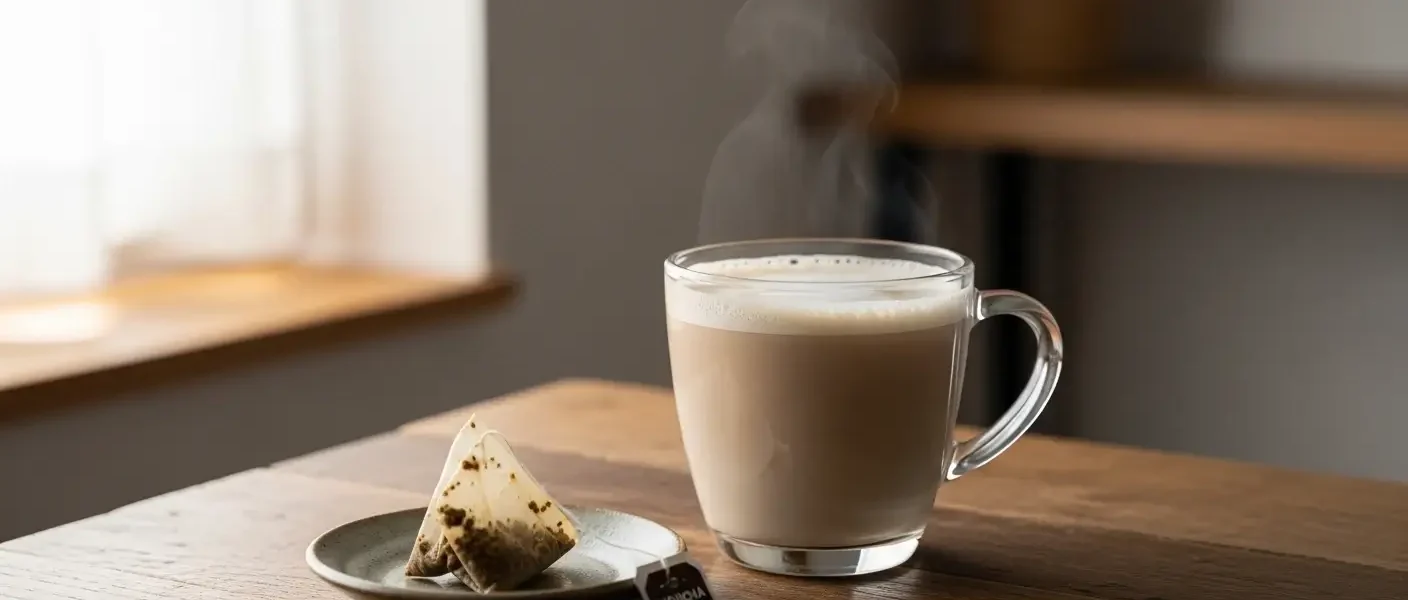
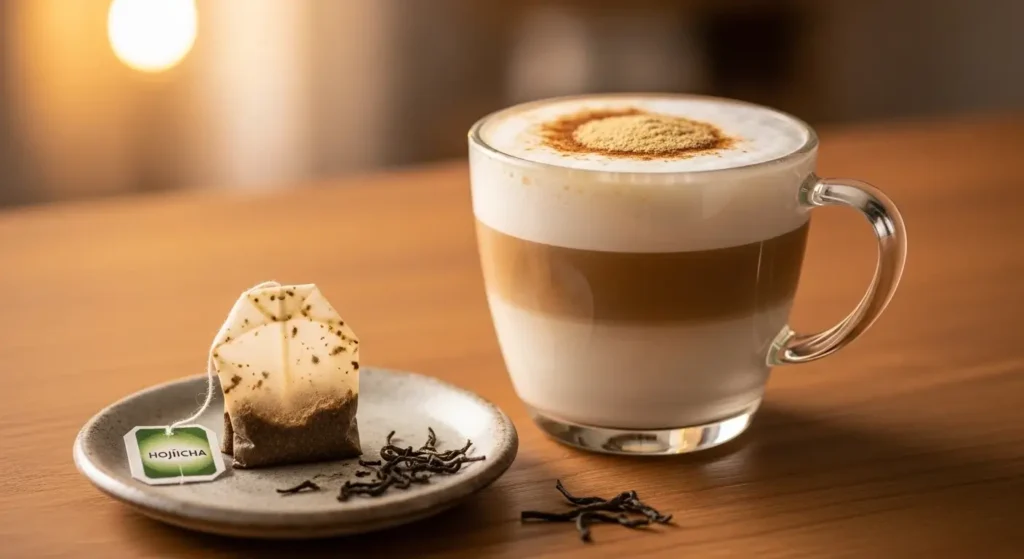
Did you know that making a delicious hojicha latte using tea bags is easier than you might think? Unlike regular green tea, hojicha is actually reddish-brown in color because the stems and leaves are roasted rather than steamed during the drying process.
This unique roasting process not only gives hojicha its distinctive burgundy-orange hue but also creates a warm, nutty flavor with delightful notes of caramel and a slightly smoky undertone. If you enjoy coffee but dislike its bitterness, you’ll appreciate hojicha’s similar profile without the harsh aftertaste. Additionally, hojicha contains less caffeine than regular green tea because most of it is removed during roasting, making it perfect for afternoon or evening enjoyment.
In this guide, we’ll walk you through creating the perfect hojicha latte using simple tea bags. Whether you prefer it hot for cozy moments or iced for refreshment, we’ve got you covered with a foolproof recipe that brings this Japanese café favorite right to your kitchen.
What Makes Hojicha Unique
How hojicha is different from matcha
Hojicha stands apart from other Japanese teas through its distinctive roasting process. While both hojicha and matcha come from the same plant (Camellia sinensis), the preparation method creates entirely different experiences. Matcha is made from shade-grown tea leaves (tencha) that are steamed, dried, and stone-milled into a fine powder. In contrast, hojicha undergoes an additional crucial step—the leaves are roasted at temperatures reaching 200°C, transforming them from green to a warm reddish-brown color.
This roasting process was first developed in Kyoto during the 1920s as a clever way for Japanese tea farmers to use leftover stems and leaves. What began as an experiment soon became a beloved tradition, creating a tea with distinct characteristics all its own.
Flavor profile and caffeine content
Hojicha delivers a completely different flavor experience compared to matcha’s grassy, umami-rich profile. The roasting process creates a smooth, nutty, and toasty flavor with hints of caramel, chocolate, and smoky notes. Furthermore, this roasting significantly reduces the bitterness and astringency typically associated with green teas, making hojicha remarkably approachable even for those who find other green teas too intense.
Perhaps most notably, hojicha contains substantially less caffeine than both matcha and coffee. A standard cup of hojicha contains approximately 7.7 mg of caffeine, while coffee typically contains 95-200 mg. This low caffeine content means you can enjoy a hojicha latte in the evening without worrying about it disrupting your sleep.
The roasting process not only reduces caffeine consequently, it produces a chemical called pyrazine. This compound is what gives hojicha its distinctive “roasted” scent, similar to other comforting aromas like brewing coffee or baking.
Why it works well in lattes
Hojicha’s roasted, caramel-like flavor profile pairs exceptionally well with milk, creating a beverage that’s both comforting and sophisticated. The toasty notes complement the creaminess of milk, while the natural sweetness means you can use less added sugar in your hojicha latte recipe.
Meanwhile, the low caffeine content makes hojicha latte a perfect afternoon or evening drink when you want something warm and soothing without the stimulation of coffee. The presence of L-Theanine in hojicha provides a calming effect that, combined with milk’s soothing properties, creates a genuinely relaxing beverage experience.
Hojicha powder, specifically, creates a bolder, smokier flavor and creamier consistency than loose leaf tea, making it ideal for lattes. This versatility explains why hojicha lattes have become increasingly popular in cafés worldwide as people discover this perfect balance of flavor, comfort, and wellness benefits.
Choosing the Right Tea Bags for Hojicha Latte
The format of hojicha you select makes a significant difference in your latte experience. Let’s explore your options to help you create that perfect cup.
Loose leaf vs tea bags vs powder
Each hojicha format offers distinct advantages. Loose leaf hojicha provides the most aromatic cup with nuanced flavors, making it excellent for cold-brew preparations and multiple steepings, which reduces the cost per cup to approximately £0.15–£0.35 per serving. Nevertheless, this format requires infusers or traditional kyusu teapots.
Tea bags offer unparalleled convenience—ideal for offices, travel, or anywhere without proper tea equipment. Although they typically cost £0.30–£0.55 per serving, the predictable strength and zero-cleanup factor make them worth considering for daily use.
For latte enthusiasts, hojicha powder remains the premier choice. It dissolves completely, creating rich, creamy beverages without straining. Particularly for culinary applications like smoothies and baking, powder proves invaluable despite its slightly higher price point of £0.25–£0.45 per serving.
What to look for in quality hojicha tea bags
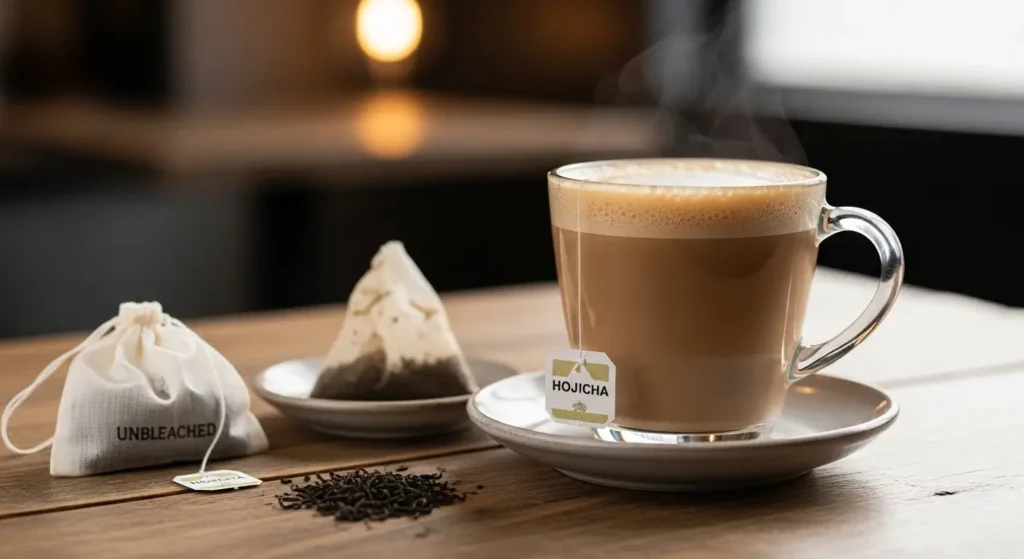
Quality hojicha tea bags share several distinctive characteristics. First, examine the shape—pyramid-style sachets allow tea leaves proper expansion room, enhancing extraction and flavor development. Flat bags often contain finely cut leaves that lack complexity.
Second, inspect the visible contents. High-quality bags contain recognizable leaf pieces rather than dust-like particles. The color should display a deep yet bright brown hue—never black, which indicates burnt leaves.
Finally, packaging matters tremendously. Look for tea bags sealed in airtight, light-blocking materials to preserve freshness, aroma, and flavor integrity.
Where to buy authentic Japanese hojicha
Several reputable brands consistently deliver exceptional hojicha tea bags. Yamamotoyama offers individually wrapped tea bags featuring two varieties of leaves roasted at different intensities—creating balanced flavor with both refreshing brightness and nutty depth. Their pyramidal bags with extra-long strings make brewing effortless even in large mugs.
Ippodo Tea produces premium sachets containing a blend of roasted mecha (shoots and buds) and konacha (flakes), yielding a light-bodied brew with remarkable roasted character.
Other trustworthy options include Ito En, Sugimoto, and Marukyu-Koyamaen. When selecting a supplier, verify they provide details about tea origin, harvesting region, and processing methods—indicators of transparency and quality commitment.
Ready to create your perfect hojicha latte at home? The process is surprisingly straightforward once you understand the key steps and techniques.
Ingredients and tools you’ll need
For the perfect hojicha latte, gather:
1 hojicha tea bag
60ml (3 tablespoons) filtered water
180ml milk (oat milk works exceptionally well)
1 teaspoon sweetener (optional)
Kettle for heating water
Milk frother, whisk, or small jar with lid
Your favorite mug
How to brew hojicha tea from a tea bag
First, heat water to exactly 80°C (175°F)—never use boiling water as it creates bitterness. Place your tea bag in the mug, pour the hot water over it, then steep for 1-3 minutes. For a stronger brew, use two tea bags or steep longer. Afterward, gently squeeze the tea bag before removing to extract maximum flavor.
How to heat and froth milk properly
Heat your milk to approximately 65°C (150°F), either via microwave, stovetop, or steamer. This temperature maximizes sweetness without scalding. For frothing, use a handheld frother for 10-15 seconds or shake vigorously in a sealed jar. The ideal consistency is silky and pourable with tiny bubbles—not stiff peaks.
Combining tea and milk for the perfect balance
Pour your frothed milk slowly into the brewed tea. The standard ratio is 1:3 (tea to milk), yet feel free to adjust according to your preference. For visual appeal, pour in a circular motion from about 2 inches above the cup.
Optional sweeteners and flavorings
Although completely optional, sweeteners enhance hojicha’s roasted notes. Maple syrup complements hojicha beautifully without overpowering its natural flavor. Brown sugar, honey, or simple syrup work well too. Incorporate sweetener while the tea is still hot for best dissolution.
Customizing Your Hojicha Latte
The magic of making hojicha latte at home lies in personalizing it to your exact preferences. Moreover, experimenting with variations can transform this simple tea-based beverage into something extraordinary.
Making it iced or hot
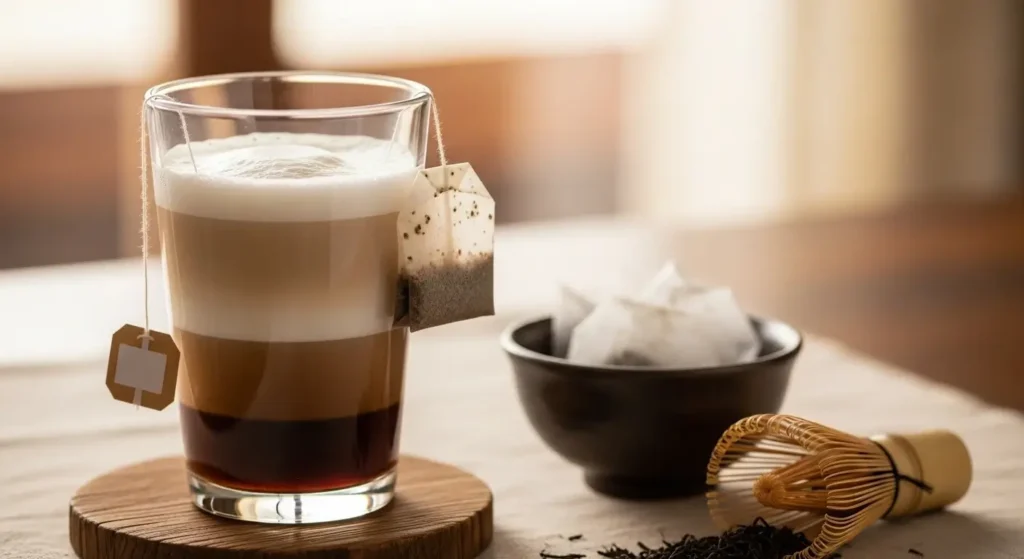
For a refreshing iced hojicha latte, brew your tea bag in hot water, stir in sweetener, then pour over ice cubes before adding cold milk. For extra visual appeal, aim for the ice cube when pouring to create beautiful layers that remain separate.
For the hot version, steep your tea bag, add sweetener if desired, then heat your milk separately until steam rises (never boil!). Froth the warm milk using a handheld frother, whisk, or by shaking vigorously in a sealed jar.
Toppings: whipped cream, caramel, shiratama
Elevate your hojicha latte with these delightful additions:
Shiratama: These chewy rice flour balls add authentic Japanese flair—simply mix glutinous rice flour, roll into balls, and cook in hot water until they float
Whipped cream: A swirl creates a cafe-worthy presentation, especially on iced versions
For a creamier experience, choose thick milk like oat or whole milk. To intensify flavor, either adjust the standard 1:3 water-to-milk ratio by adding more water, or simply increase the amount of tea bags used.
Common mistakes to avoid
Prevent common pitfalls by never using boiling water—keep temperature at 80°C (175°F) to avoid bitterness. Don’t overload with ice as it dilutes flavor, and ensure proper milk frothing for ideal texture.
Hojicha latte represents the perfect blend of traditional Japanese tea culture and modern café enjoyment. Throughout this guide, we’ve explored how this uniquely roasted tea creates a delightful experience with its nutty, caramel-like flavor profile and minimal caffeine content. The roasting process truly transforms ordinary green tea into something extraordinary – a warm, comforting beverage without the bitterness often associated with coffee or regular green tea.
Tea bags offer perhaps the most convenient entry point for anyone wanting to experience hojicha lattes at home. Quality matters significantly when selecting your tea bags, therefore look for pyramid-shaped sachets with visible tea pieces rather than dust-like particles. Brands like Yamamotoyama, Ippodo Tea, and Ito En provide authentic Japanese options worth exploring.
Making your perfect hojicha latte actually requires minimal equipment and effort. The key lies in proper water temperature, correct steeping time, and achieving the right balance between tea and milk. We recommend experimenting with different milk types – oat milk pairs exceptionally well with hojicha’s roasted notes.
Additionally, personalizing your latte opens up endless possibilities. Whether you prefer it hot for cozy evenings or iced for refreshing afternoons, hojicha adapts beautifully to both preparations. Toppings like shiratama or a drizzle of caramel can elevate your homemade creation to café-quality standards.
Undoubtedly, hojicha lattes offer a wonderful alternative for anyone seeking a soothing beverage with less caffeine but plenty of character. The next time you crave something warm and comforting yet sophisticated, reach for those hojicha tea bags and create your own perfect latte. This Japanese secret deserves a permanent place in your beverage rotation – simple to make yet remarkably satisfying.
Key Takeaways
Master the art of hojicha latte making with these essential insights that will transform your home brewing experience:
• Use 80°C water, never boiling – Steep hojicha tea bags for 1-3 minutes to avoid bitterness and extract optimal nutty, caramel flavors
• Choose pyramid-shaped tea bags with visible leaf pieces – Quality brands like Yamamotoyama and Ippodo offer authentic Japanese hojicha for superior taste
• Perfect the 1:3 tea-to-milk ratio – Heat milk to 65°C and froth gently for creamy texture without overpowering the roasted tea notes
• Enjoy low-caffeine comfort anytime – With only 7.7mg caffeine per cup, hojicha lattes are perfect for evening relaxation unlike coffee’s 95-200mg
• Customize hot or iced with authentic toppings – Add shiratama rice balls, caramel syrup, or whipped cream to elevate your homemade creation
Hojicha’s unique roasting process creates a sophisticated alternative to coffee – delivering warmth and complexity without harsh bitterness. This Japanese café favorite transforms simple tea bags into a premium beverage experience that’s both accessible and endlessly customizable for any time of day.
Q1. What is the ideal ratio for making a hojicha latte? The standard ratio for a hojicha latte is 1:3 tea to milk. For a stronger flavor, you can use more water or tea. When using hojicha powder, start by whisking it with a small amount of water before adding more liquid for easier dissolution.
Q2. Can I make a latte using tea bags? Yes, you can make a latte using tea bags. Steep the tea bag in hot water for about 1-3 minutes, remove it, and then combine the brewed tea with frothed milk. You can also add sweeteners or spices to taste.
Q3. How do I froth milk for a hojicha latte? To froth milk for a hojicha latte, heat it to about 65°C (150°F). Then use a handheld frother for 10-15 seconds, or shake vigorously in a sealed jar. The ideal consistency should be silky and pourable with tiny bubbles, not stiff peaks.
Q4. What’s the best way to customize my hojicha latte? You can customize your hojicha latte by serving it hot or iced, adding toppings like whipped cream or caramel syrup, or incorporating Japanese elements like shiratama (chewy rice flour balls). Experiment with different milk types, such as oat milk, which pairs well with hojicha’s roasted notes.
Q5. Why is hojicha a good alternative to coffee? Hojicha is an excellent alternative to coffee because it has a rich, roasted flavor profile similar to coffee but without the bitterness. It also contains significantly less caffeine (about 7.7 mg per cup compared to coffee’s 95-200 mg), making it suitable for evening consumption without disrupting sleep.
Black Tea Extract that is rich in natural theaflavins and polyphenols that help protect your body from free radicals, promoting overall immune health and well-being
Contains blended amounts of Fruits and Veggies. All natural, with whole foods, fruit and vegetable supplement.Perfect for everyone looking to live a healthier lifestyle.