Tea culture of the world flowery bouquet began with a fortuitous accident in ancient China, when Emperor Shen Nong discovered tea around 2737 BCE after wind blew wild tea leaves into his boiling water. This serendipitous moment launched what would become one of the most widely consumed beverages across the globe. Throughout history, the practice of infusing tea with flower petals has transformed this simple beverage into an extraordinary sensory experience that transcends the sum of its parts.
In fact, by the time of China’s Song Dynasty (960-1279 CE), jasmine-scented teas had already achieved prominence for their exquisite fragrance and subtle flavor profiles. The origins of tea extend back 4000-5000 years, with early Chinese civilizations recognizing its therapeutic potential. When European merchants encountered these aromatic blends in the 17th and 18th centuries via maritime trade routes, floral tea traditions quickly spread westward. Today, black tea dominates global production at 78%, while green tea and oolong represent 20% and 2% respectively.
In this article, we’ll explore the ancient beginnings of flower-infused teas, examine how different cultures have embraced and adapted floral blends, and discover the unique characteristics of Flowery Bouquet Tea. Additionally, we’ll investigate the health benefits these fragrant brews offer and why they continue to captivate tea enthusiasts worldwide.
Key Takeaways
Discover how flower-infused teas evolved from ancient Chinese traditions into today’s wellness-focused beverage culture, offering both sensory delight and therapeutic benefits.
• Flowery bouquet teas originated 4,000+ years ago in China, spreading globally through trade routes and cultural exchange across continents.
• Each culture developed unique floral tea traditions—jasmine in China symbolizes hospitality, while Middle Eastern mint ceremonies express respect and connection.
• Modern Flowery Bouquet Tea combines rose, hibiscus, and green tea for visual beauty, creating a multisensory experience that transforms drinking into mindful ritual.
• Flower-infused teas provide proven health benefits: chamomile improves sleep quality, hibiscus reduces blood pressure by 7+ points, and rose petals fight inflammation.
• The brewing process itself becomes therapeutic, activating the body’s “rest and digest” state while creating meaningful pauses in our fast-paced lives.
The marriage of ancient botanical wisdom with contemporary wellness needs makes flowery bouquet tea more than just a beverage—it’s a bridge connecting us to thousands of years of cultural heritage while supporting modern health and mindfulness practices.
The ancient roots of tea and flower infusion
The legendary beginnings of tea trace back to ancient China, where a serendipitous moment forever changed beverage history.
The story of Emperor Shen Nong and the birth of tea
According to Chinese lore, Emperor Shen Nong—known as the “Divine Farmer” and venerated as a deity in Chinese folk religion—discovered tea around 2737 BCE. Unlike the brief mention in the introduction, the full legend reveals fascinating details: Shen Nong possessed a transparent body that allowed him to observe how different plants affected his internal organs. After testing 72 herbs (some poisonous), he discovered tea leaves acted as an antidote, clearing toxins from his system.
Mythology portrays Shen Nong boiling water beneath a wild tea tree when a gentle breeze carried leaves into his pot. This unexpected infusion created an enticing aroma that captivated the emperor, marking the birth of tea culture. Though this charming origin story remains unverifiable, it underscores tea’s deep cultural significance.
When flowers first met tea: early Chinese herbal practices
Furthermore, the practice of infusing flowers with tea emerged naturally from China’s herbal traditions. Early Chinese herbalists recognized that certain blossoms could complement tea’s characteristics while introducing new dimensions of flavor, aroma, and medicinal properties.
Jasmine flowers stand out as the first and most beloved floral addition to tea in China. Notably, by the Song Dynasty (960-1279 CE), jasmine-scented teas had become highly prized for their exquisite fragrance. The process was remarkably precise—freshly picked jasmine blossoms were layered with tea leaves overnight, allowing flowers to open and release essential oils into the tea. This labor-intensive process might be repeated several times to achieve the desired intensity.
How long has tea been around? A look at ancient tea rituals
Throughout history, tea rituals evolved into profound cultural expressions. Although written records are relatively recent—the earliest Chinese tea guide appeared between 760-762 CE—archeological evidence suggests much older origins. Last year, researchers discovered tea cake remains in a Han dynasty emperor’s tomb, predating formal tea writings by at least 500 years.
Prior to formal documentation, chrysanthemum tea gained popularity for its medicinal properties and delicate flavor, spreading to Japan by the 5th century and later to Korea. Chinese historical legend dates tea consumption to nearly 4,000 years ago, though fossil evidence shows roses—another common tea flower—have existed for 35 million years.
Tea rituals worldwide reflect distinct cultural values—Chinese Gongfu ceremonies emphasize patience and precision, Japanese Chanoyu embodies harmony and respect, Tibetan Butter Tea rituals symbolize hospitality, while Middle Eastern traditions focus on communal bonding.
Across continents, flower-infused teas evolved distinctively, reflecting regional tastes and cultural values that persist today.
Jasmine in China: the first floral infusion
Throughout southern China, jasmine tea traditionally welcomes guests, symbolizing hospitality and cultural refinement. Particularly in Fuzhou, where jasmine is the municipal flower, ideal growing conditions created by the warm climate and fertile soil nourished by the Minjiang River established the region as the premier jasmine cultivation center. During the Ming dynasty (1368-1644), the folk song “Mo Li Hua” emerged, celebrating the flower’s purity and elegance. This composition eventually gained worldwide recognition at major international events. Moreover, Empress Cixi elevated jasmine’s status by decreeing that only she could wear jasmine in her hair, consequently making Fuzhou jasmine tea exclusive to the royal family.
Chrysanthemum and lotus in East Asia
First cultivated in China around 1500 BCE, chrysanthemum became popularized as a tea during the Song dynasty (960-1279). Traditional preparation involves steeping dried flowers in hot water with rock sugar, creating a transparent, bright yellow brew with distinctive floral aroma. In Chinese culture, chrysanthemum symbolizes longevity, stemming from its health-giving properties. Since the Han dynasty (206 BCE–220 CE), people drank chrysanthemum wine on the ninth day of the ninth lunar month to promote long life. Similarly, lotus tea embodies purity, since the flower emerges unsullied from mud. The word for lotus (he) is a homophone with “harmony,” making it doubly significant.
Rose and lavender in British tea culture
Following tea’s introduction to Britain in the 1660s, floral infusions gained popularity among the aristocracy. Rose-scented black teas and lavender varieties became fashionable among upper classes, perfectly complementing the elaborate afternoon tea service tradition. During the Victorian era, roses served as a secret language—red symbolizing true love and passion, pink representing desire and friendship. Currently, many British tea blends feature these floral notes, especially for special occasions and high tea services inspired by Regency period esthetics.
Mint and orange blossom in Middle Eastern traditions
In Morocco, mint tea ceremonies transcend simple refreshment to become expressions of hospitality and respect. The preparation ritual involves careful mixing of gunpowder green tea with fresh spearmint leaves, sugar, and occasionally orange blossom water. Pouring technique holds special significance—the higher the pour, the greater the honor shown to guests. Traditionally, the head of the household prepares this beverage, which is served throughout the day. Regional variations exist, with some areas incorporating saffron, amber, or cinnamon.
The samovar and floral blends in Russia
Russian tea culture centers around the samovar, a traditional metal urn. Many Russian blends derived from old recipes feature robust teas enhanced with local flowers and herbs. These intense flavors complement the traditional Russian method of drinking tea through a sugar cube held between the teeth, transforming bitter notes into sweet complexity. Russia’s love for tea began with imports from China through Mongolia, eventually becoming the country’s most popular non-alcoholic beverage.
Seasonal flowers in Japanese tea ceremonies
Japanese tea ceremonies deeply value seasonality, using flowers in bloom at the exact moment of the gathering to express nature’s transience. As an old saying states, “Flowers make us appreciate time,” reminding participants of life’s impermanence. The calendar divides into two main seasons—Ro (hearth) from November to April, featuring camellia and chrysanthemum; and Furo (brazier) from May to October, showcasing mukuge (rose of Sharon) and iris. Each flower carries symbolic meaning, connecting tea practitioners to nature’s rhythms and enhancing the ceremonial experience.
The rise of Flowery Bouquet Tea in modern tea culture
In today’s wellness-focused landscape, floral teas have experienced remarkable growth, offering consumers both esthetic beauty and therapeutic benefits. Presently, these botanical infusions represent an exciting frontier in contemporary tea culture.
What is Flowery Bouquet Tea?
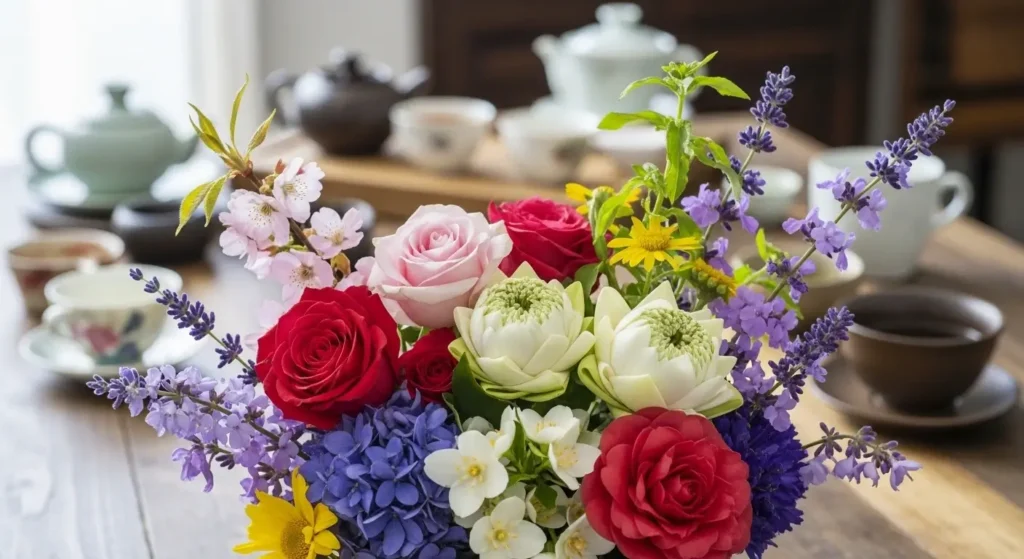
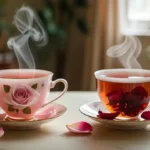
Flowery Bouquet Tea represents the perfect marriage of visual delight and flavor complexity. This distinctive blend combines rose and hibiscus flowers with earthy licorice roots and the mild character of green tea, creating a pink, fragrant brew with delicate sweetness and subtle umami notes. Ideal for mid-morning enjoyment, it offers low caffeine content—providing calm energy without jitters. The unique composition delivers a cooling, soothing effect on the body alongside immunity-boosting properties through its rich vitamin C content.
Tea Culture of the World Flowery Bouquet review
Consumer feedback consistently highlights Flowery Bouquet’s sensory richness. Reviews describe it as “pure serenity in every sip” and “luxury wrapped in every blend”. Customers specifically praise its ability to create moments of calm amid hectic days. One reviewer noted it provides “a comforting ritual I look forward to,” while another described it as “truly a cup of mindful indulgence”. Many appreciate its authentic flavor without artificial additives, making it particularly attractive to health-conscious consumers.
Visual appeal and blooming tea trends
Certainly, the market has embraced the visual spectacle of flowering teas. These handcrafted creations unfurl dramatically when steeped, offering a theatrical experience that transforms tea drinking into entertainment. Each tea ball is meticulously crafted, with tea leaves and flowers tied together to create stunning displays. This trend aligns with broader movements toward more sophisticated flavor experiences and transparent sourcing. The blooming tea market shows consistent demand from both tea enthusiasts and gift-givers, with the visual aspect being a major draw.
Premium packaging and presentation
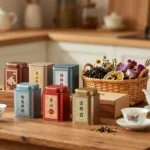
Premium packaging has become essential for luxury floral teas, with brands presenting their creations in elegant containers that protect ingredients while serving as beautiful objects themselves. This attention to presentation transforms tea drinking into a multisensory ritual beginning well before the first sip. Attractive packaging significantly drives sales, with gifting representing 39.24% of usage scenarios.
Tea as a multisensory experience
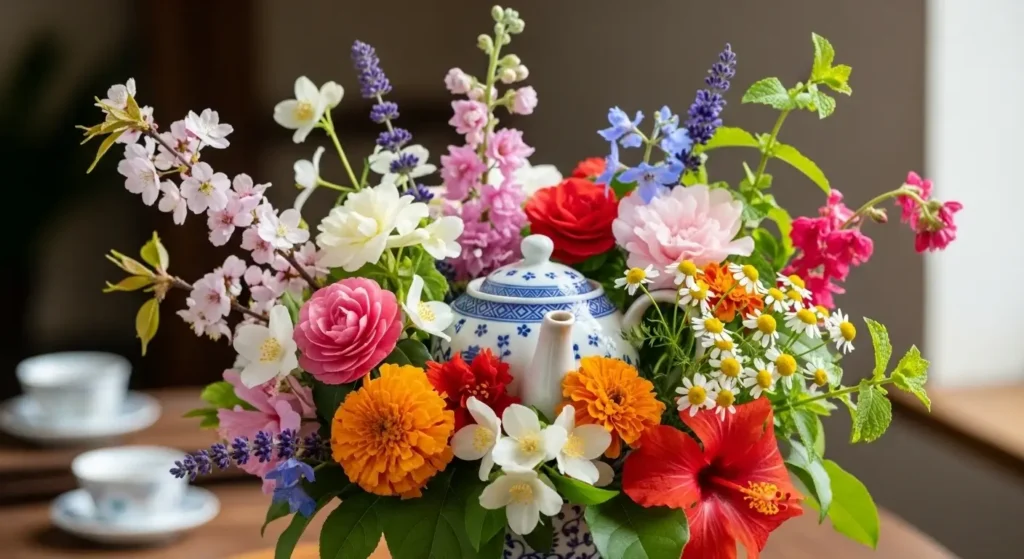
Beyond taste alone, Flowery Bouquet Tea engages multiple senses—creating a holistic experience. As blooming teas unfurl, they release fragrant bouquets that tantalize the nose and evoke tranquility. Essentially, the brewing process becomes meditative, inviting drinkers to slow down and appreciate nature’s beauty. The traditional belief that “medicine and food share the same origin” underlies this approach, with tea serving as gentle daily medicine for beauty, health, and longevity.
Health and wellness benefits of flower-infused teas
Beyond their delightful flavors, flower-infused teas offer remarkable therapeutic properties backed by both traditional wisdom and modern research.
Chamomile for sleep and relaxation
Chamomile tea contains apigenin, a flavonoid that binds to benzodiazepine receptors in the brain, promoting relaxation without sedation. Studies show it significantly reduces PSQI (sleep quality) scores and improves sleep onset latency. Indeed, research indicates chamomile may be about 60% as effective as certain hydrocortisone creams for skin conditions. After 2-4 weeks of treatment, people with generalized anxiety disorder experienced noticeable symptom improvement.
Hibiscus and cardiovascular health
Hibiscus demonstrates powerful heart-protective qualities, reducing systolic blood pressure by 7.58 mmHg and diastolic pressure by 3.53 mmHg on average. Remarkably, one study found drinking three cups daily resulted in a 7.2-point drop in systolic blood pressure. Hibiscus also significantly lowers LDL cholesterol compared to other teas, with studies showing it effectively reduces total cholesterol and increases beneficial HDL cholesterol.
Rose petals and anti-inflammatory effects
Rose petals contain substantial antioxidants, polyphenols, anthocyanins, and flavonoids. These compounds effectively block both iNOS-NO and COX-2-PG inflammatory pathways. Furthermore, teenage girls who drank rose tea reported less menstrual pain and better psychological well-being across six menstrual cycles.
The synergy of flowers and green tea
When combined, flowers and green tea create enhanced antioxidant effects. The tea culture of the world flowery bouquet exemplifies this principle through strategic pairing of floral elements with tea bases. This synergy increases the tea’s overall therapeutic potential, as catechins from green tea complement the unique polyphenols found in various flowers.
Mindfulness and the visual beauty of tea
The sensory experience of flower teas—watching blossoms unfurl and release their fragrances—activates the parasympathetic “rest and digest” state. This mini-ceremony acts as a mindfulness practice, shifting from fight-or-flight to grounded presence. Regular flower tea rituals provide gentle cues to pause during stressful days and transform ordinary hydration into meaningful self-care moments.
Conclusion
From ancient China to modern teacups worldwide, the journey of flowery bouquet tea represents thousands of years of cultural evolution and botanical wisdom. Throughout this exploration, we’ve witnessed how a fortuitous accident involving Emperor Shen Nong transformed into sophisticated tea traditions spanning continents and centuries.
The humble beginnings of flower-infused teas eventually blossomed into distinctive cultural expressions—jasmine symbolizing hospitality in China, chrysanthemum representing longevity in East Asia, roses adding elegance to British afternoon rituals, and mint creating moments of connection in Middle Eastern ceremonies. Each tradition tells a unique story while sharing the universal language of botanical harmony.
Tea Culture of the World Flowery Bouquet stands as a testament to this rich heritage. The careful combination of rose, hibiscus, licorice root, and green tea creates not just a beverage but an experience that engages all senses. Additionally, the visual spectacle of blooming teas has elevated this ancient drink into an art form worthy of premium packaging and thoughtful presentation.
Beyond esthetic pleasure, flower-infused teas offer substantial health benefits. Chamomile soothes our nervous system, hibiscus supports heart health, and rose petals fight inflammation. The strategic pairing of flowers with tea bases creates powerful synergy that enhances overall therapeutic potential.
Perhaps most significantly, these fragrant blends provide something increasingly precious in our fast-paced world—moments of mindfulness. The ritual of preparing and savoring flowery bouquet tea creates a natural pause, allowing us to step outside time’s rush and connect with centuries-old traditions.
After understanding the extraordinary journey from wild tea leaves blowing into an emperor’s pot to today’s sophisticated floral blends, we might view our next cup differently—not merely as a beverage but as a living connection to human history, cultural wisdom, and nature’s remarkable gifts. The story of flowery bouquet tea reminds us that sometimes, the most profound pleasures come from the simplest combinations of earth’s offerings.
Q1. What is Flowery Bouquet Tea? Flowery Bouquet Tea is a unique blend that combines green tea with floral elements like rose and hibiscus, along with licorice root. It offers a delicate sweetness with subtle umami notes, creating a pink, fragrant brew that’s both visually appealing and flavorful.
Q2. How long has tea been part of human culture? Tea has been a part of human culture for thousands of years, with its origins traced back to ancient China. According to legend, tea was discovered around 2737 BCE by Emperor Shen Nong, though archeological evidence suggests it may have been consumed even earlier.
Q3. What are some health benefits of flower-infused teas? Flower-infused teas offer various health benefits. For example, chamomile can aid in sleep and relaxation, hibiscus may support cardiovascular health, and rose petals have anti-inflammatory properties. The combination of flowers with tea can also enhance overall antioxidant effects.
Q4. How do different cultures incorporate flowers in their tea traditions? Different cultures have unique floral tea traditions. In China, jasmine tea symbolizes hospitality. British tea culture embraces rose and lavender infusions. Middle Eastern traditions often include mint and orange blossom. Japanese tea ceremonies incorporate seasonal flowers to express nature’s transience.
Q5. Why has Flowery Bouquet Tea gained popularity in modern tea culture? Flowery Bouquet Tea has gained popularity due to its multisensory appeal. It offers a visually stunning experience, especially with blooming teas, alongside complex flavors and aromas. Its perceived health benefits, premium packaging, and ability to create mindful moments in busy lives have also contributed to its rise in modern tea culture.
Black Tea Extract that is rich in natural theaflavins and polyphenols that help protect your body from free radicals, promoting overall immune health and well-being
Contains blended amounts of Fruits and Veggies. All natural, with whole foods, fruit and vegetable supplement.Perfect for everyone looking to live a healthier lifestyle.