Strong, aromatic black tea used in chai forms the backbone of India’s most beloved daily ritual. What Americans often call “chai tea” is actually just “chai” in Hindi—which itself means tea, so you’d essentially be saying “tea tea”. In fact, authentic Indian chai is a rich, milky brew that’s deeply colored, steaming hot, and boldly flavorful.
Whether you call it masala chai, Indian chai tea, or simply chai, this traditional beverage elevates regular tea with warming spices, making it remarkably relaxing and soothing to the senses. The secret to a truly spectacular chai? A strong Assam black tea as the base. Additionally, chai is typically brewed with milk, sugar, and a blend of spices often referred to as “masala”. As a result, each sip delivers explosive flavor with a subtle burn at the back of the throat that commercial versions simply can’t match.
We’ve perfected our authentic chai recipe after countless brewing sessions, and today, I’m sharing exactly how to create this comforting beverage at home. From selecting the right tea to balancing your spice blend, this guide will help you master traditional Indian chai from scratch.
What Makes Chai Authentic?
The rich tradition of chai runs deeper than most Western tea drinkers realize. Masala chai has its roots firmly planted in Indian culture, where it transcends mere beverage status to become a daily ritual shared across households and street corners alike. Understanding what makes chai truly authentic requires looking beyond commercial interpretations to its cultural foundations and traditional preparation methods.
Understanding the roots of Indian chai
Contrary to popular belief, chai’s origins stretch back approximately 5,000 years to the Assam region of India. Initially, it wasn’t even a tea at all. The original concoction began as a medicinal Ayurvedic drink called Kadha—a mixture of warming spices created to cleanse and heal the body. This ancient remedy contained no tea leaves whatsoever but rather focused on the healing properties of spices like ginger and black pepper.
The transformation into what we now recognize as chai occurred during British colonization in the 1800s. After discovering tea plants growing wild in Assam, British colonists began cultivating tea plantations locally to break China’s monopoly on tea exports. By 1900, Indian tea had largely replaced Chinese varieties, accounting for 50% of British tea consumption.
Nonetheless, Indians themselves weren’t initially tea drinkers. It took deliberate marketing campaigns by the Indian Tea Association in the early 20th century to popularize tea consumption in India. Factory workers were given mandatory tea breaks, and independent tea vendors (chaiwallas) emerged throughout the growing railway system. These vendors began adding milk, sugar, and spices to the tea—much to the disapproval of British tea purists—thus creating what would become masala chai.
Chai vs Masala Chai vs Chai Tea
Terminology matters when discussing authentic preparation. First, understand that “chai” simply means “tea” in Hindi and many other languages. Therefore, saying “chai tea” is redundantly saying “tea tea.” When you want the spiced Indian version, “masala chai” is the correct term—”masala” meaning a mixture of spices.
Here’s how these terms differ:
Chai: In India, this generic term refers to any tea, though it commonly implies a preparation with milk and sugar
Masala Chai: The authentic Indian version containing black tea, freshly ground spices, milk, and sweetener
Chai Tea/Chai Latte: Western adaptations often made with pre-made syrups, concentrates, or powders, frequently missing the authentic brewing process
Why ‘authentic’ matters in flavor and method
The preparation method profoundly influences chai’s distinctive character. Authentic masala chai is never simply steeped like regular tea—instead, the ingredients are actively simmered together. This crucial simmering process allows the flavors to meld completely, creating a deeply infused beverage with remarkable depth.
Traditional preparation involves first boiling water with spices, then adding black tea (typically Assam, Darjeeling, or CTC), followed by incorporating milk and sugar. This method creates a rich, intense flavor profile that cannot be replicated with tea bags or instant mixes. The specific black tea used in chai contributes significantly to its robust foundation—Assam tea being particularly valued for its deep color and strong flavor.
Furthermore, authentic chai reflects regional and family variations. No two recipes are identical, with each household developing its own particular blend of spices and preparation techniques. This diversity is part of what makes masala chai special—it’s a personalized experience rooted in tradition rather than a standardized product. Consequently, when seeking authenticity, understanding both the historical context and traditional preparation methods becomes essential.
Creating authentic chai begins with selecting the proper ingredients—each component plays a crucial role in developing the rich, complex flavor profile that defines this beloved beverage. While recipes vary across households, certain essential elements remain consistent in traditional preparation.
Choosing the right black tea (Assam, Darjeeling, CTC)
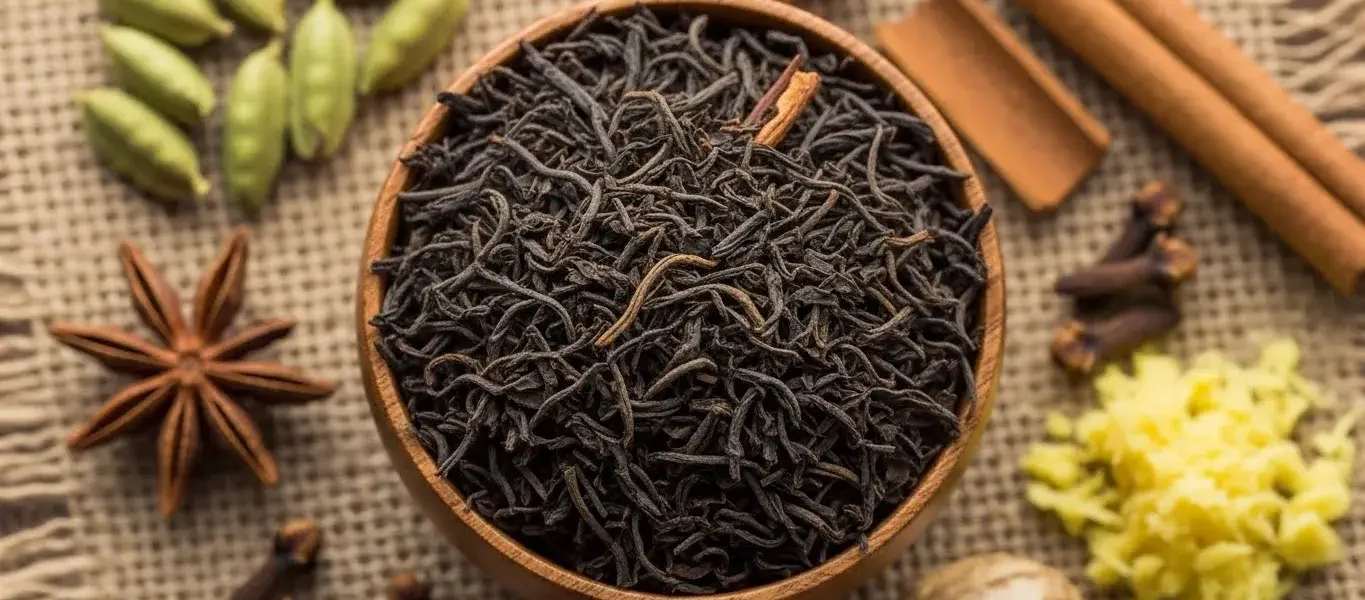
The foundation of any authentic chai starts with strong black tea. Assam tea stands out as the preferred choice, renowned for its robust, full-bodied character, deep amber color, and distinctive malty flavor that cuts through milk beautifully. This variety grows exclusively in India’s northeast Assam region near the Himalayan foothills.
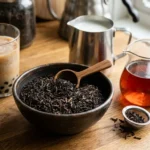
For chai specifically, CTC (Crush, Tear, Curl) tea—a processing method where leaves are mechanically processed into small granules—has become the predominant choice throughout India. Unlike hand-rolled varieties, CTC enhances flavor extraction, color, and strength, making it ideal for absorbing and amplifying the warmth of spices. The mechanical processing creates tiny, pellet-like tea particles that release intense flavor rapidly.
Alternatively, Darjeeling tea offers a more delicate, floral profile with muscatel notes, while Nilgiri provides a balance between Darjeeling’s aroma and Assam’s strength. Regardless of variety, loose leaf tea typically delivers superior flavor compared to tea bags, although high-quality tea bags specifically designed for chai (like Tapal, Wagh Bakri, Ahmad Tea, or Tetley) can work well in a pinch.
Common whole spices used in masala chai
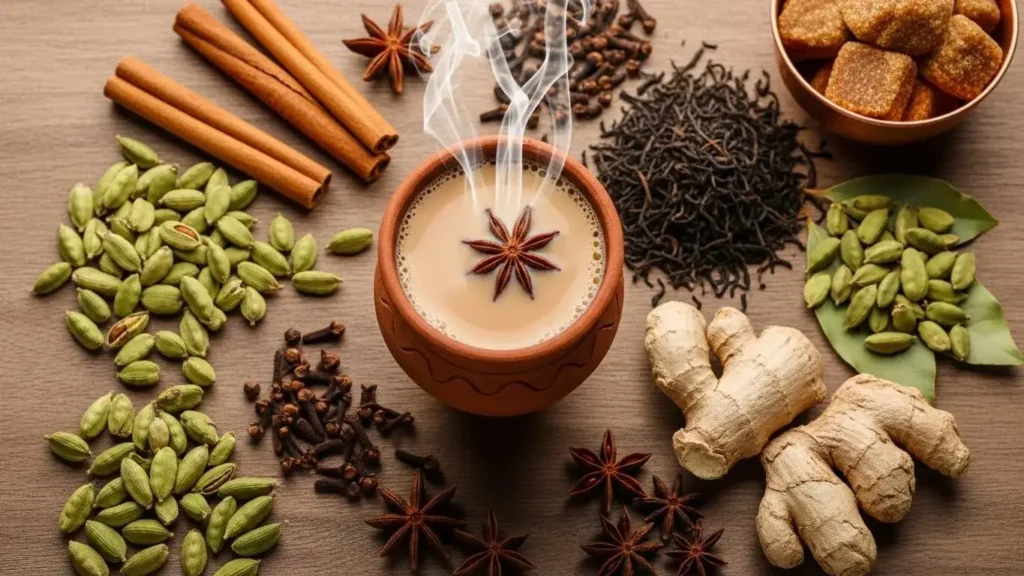
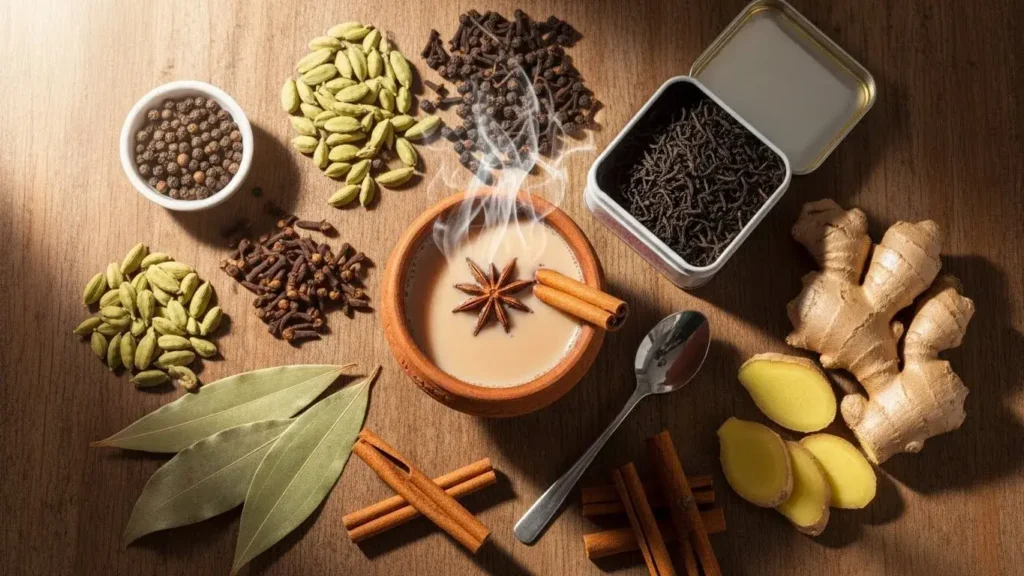
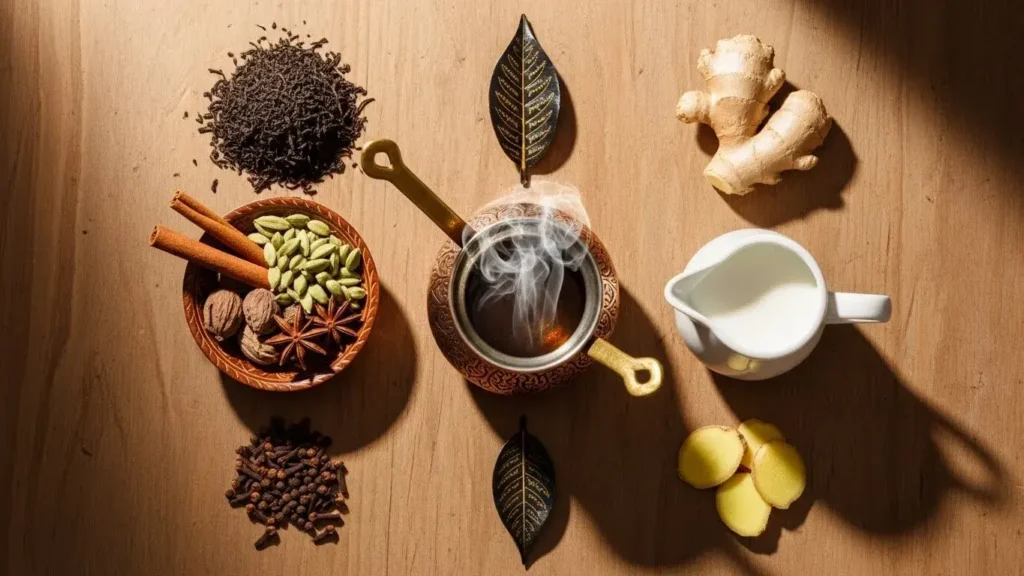
The spice blend (masala) gives chai its distinctive character. While endless variations exist, traditional masala typically includes:
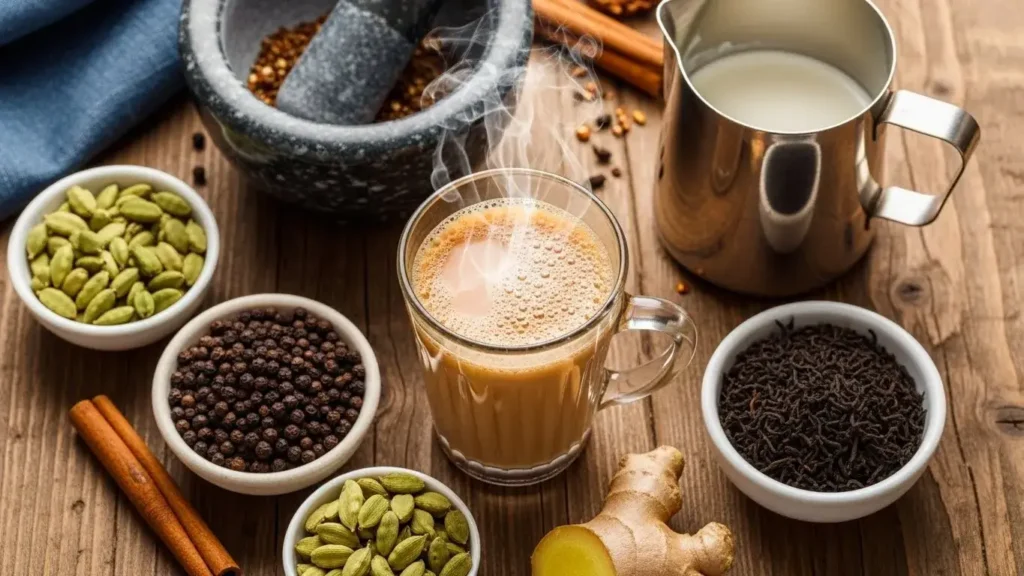
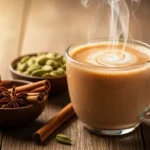
Cardamom – The primary spice in masala chai, adding sweet, floral aroma that balances black tea’s boldness
Ginger – Enhances warmth with a spicy kick; can be used fresh, ground, or dried
Cinnamon – Introduces sweet, woody depth and natural sweetness
Cloves – Provides a strong, slightly numbing sensation that enhances richness
Black peppercorns – Adds subtle heat and fruitiness that complements the tea’s malty notes
Other traditional additions include nutmeg (for complexity) and star anise (for licorice-like sweetness). Importantly, whole spices generally infuse flavor better than ground versions, although pre-ground ginger is commonly used since fresh would turn into a paste when ground.
Milk and sweetener options
Traditionally, masala chai incorporates whole milk for its higher fat content, which provides the perfect creaminess to balance the spices. The milk-to-water ratio typically ranges from 1:1 to 3:1 depending on milk type and personal preference.
For plant-based alternatives, oat milk offers a creamy texture closest to dairy, while soy milk takes well to boiling. Almond milk adds a slight nuttiness, and coconut milk contributes natural sweetness.
Sweetener is crucial for drawing out and balancing chai’s spices. White granulated sugar remains most common, while brown sugar (especially dark) brings caramel-like sweetness that pairs well with cinnamon and cloves. Jaggery (unrefined cane sugar) offers concentrated sweetness with traditional significance. For natural options, honey or maple syrup work beautifully—the latter adding earthy complexity.
Optional add-ins like fennel or mint
Beyond core ingredients, several additions can customize your chai:
Fennel seeds make chai more vibrant with a subtle anise flavor. Fresh mint leaves—particularly popular in Northern India—add refreshing brightness. Some recipes incorporate tulsi (holy basil) for its medicinal properties.
Rose petals can be added for floral notes and aroma, while lemongrass contributes citrusy freshness. Each addition creates distinct character variations while maintaining chai’s warming essence.
How to Make Authentic Chai Step-by-Step
Making authentic chai involves a cooking process rather than simple steeping, with each step contributing to its rich, complex flavor profile. Unlike the Western habit of adding hot water to tea bags, traditional chai requires patience and technique to extract maximum flavor from each ingredient.
Boiling water with spices
First, begin by adding water to a deep saucepan and placing it over medium to high heat. For authentic chai, you’ll start by bringing water to a boil before introducing whole spices. This initial boiling is crucial—expert chai makers insist you can’t simply put all ingredients in cold water and then bring to a boil.
The early introduction of spices allows their flavors to fully infuse into the water. While heating, add your chosen whole spices like cardamom pods, cinnamon sticks, and fresh ginger. For two servings, use approximately 1½ cups of water. Allow the water and spices to come to a gentle bubbling boil, which typically takes about 3 minutes.
Adding tea and simmering
Once your spiced water reaches a rolling boil, it’s time to add the black tea used in chai. Add 3-4 teaspoons of tea leaves for a robust flavor—four being appropriate for stronger chai. After adding tea, reduce the heat immediately to maintain a gentle simmer.
This simmering stage is critical—steeping chai doesn’t work effectively for extracting flavor from spices. The low, steady heat allows the tea to release its full character without becoming bitter from excessive tannins. Let the tea and spices simmer together for 5-10 minutes, which provides ample time for the flavors to merge completely.
Incorporating milk and sugar
Next, pour milk directly into the simmering tea mixture—typically in equal proportions to water (1:1). For two cups, add approximately ½ cup of full-fat milk. The milk doesn’t need warming beforehand. The addition will immediately stop the boiling, yet maintain the same heat level throughout this process.
Now add your preferred sweetener. For authentic chai, add the sweetener while the mixture returns to a boil. Bring the combined mixture back to a gentle boil and let it simmer for another 3-5 minutes, stirring occasionally to prevent the milk from sticking to the bottom. This continued simmering integrates the milk completely with the tea and spices.
Straining and serving
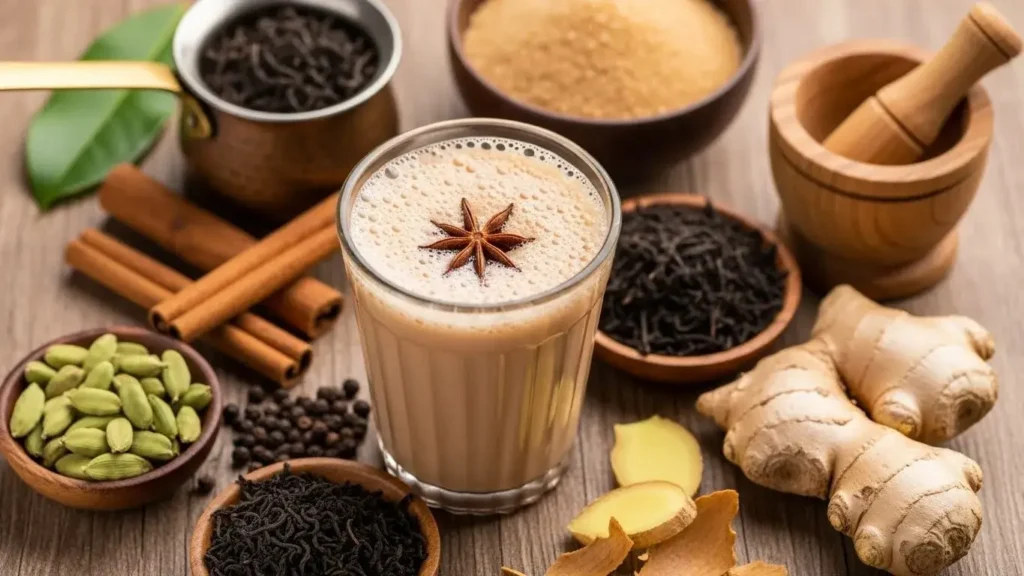
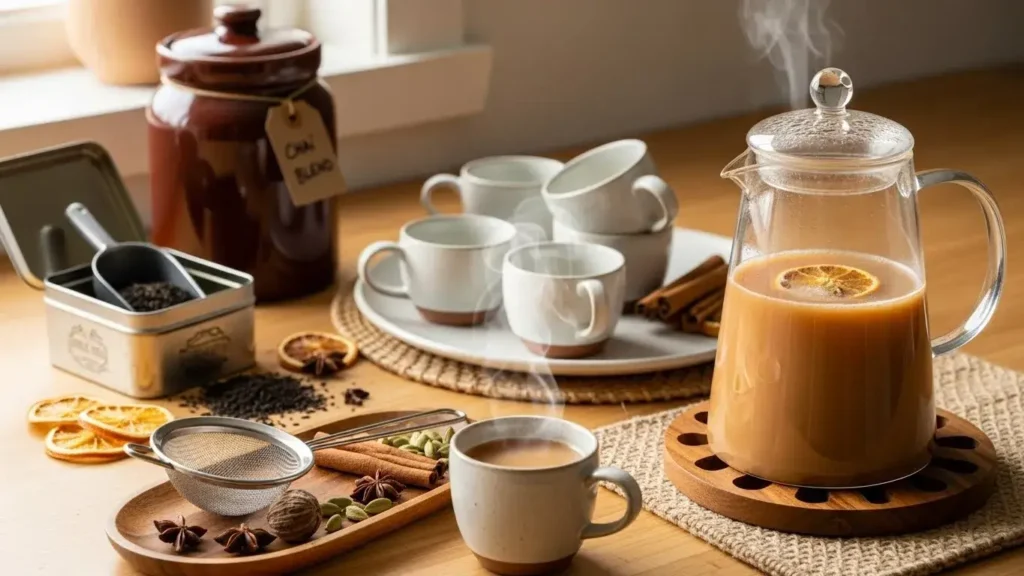
Finally, once your chai reaches your desired strength and color, it’s ready for straining. Pour the hot chai through a fine strainer into cups to remove the tea leaves and whole spices. Some recipes recommend straining into a large mug first, then dividing it between two cups by pouring from a height to create froth.
For optimal enjoyment, serve immediately while piping hot. If you prefer not to strain, an alternative approach involves placing spices in a muslin bag before brewing, making them easily removable afterward.
Traditional chai is always served hot, often accompanied by savory or sweet snacks that complement its rich spice profile.
Personalizing your chai experience allows you to create a signature brew that perfectly matches your preferences. Even the most traditional chai recipes encourage experimentation, enabling you to craft a cup that satisfies your unique taste.
Adjusting spice levels to taste
Experiment with different ratios of spices in small batches to discover your perfect blend. Some spices like clove and cardamom can quickly overpower others, so adjust gradually. For those finding chai too spicy, decrease black pepper initially—perhaps start by cutting the amount in half, then incrementally add back 10g at a time until reaching your ideal spice level.
Toast whole spices before grinding for a more intense flavor profile. This step, best done over low heat while stirring frequently, ensures spices toast thoroughly without burning. The low heat guarantees spices toast entirely through rather than just on the surface, preventing bitter flavors.
Using tea bags vs loose leaf
The primary difference between loose leaf and tea bags lies in quality and flavor extraction. Whole-leaf tea contains intact flavor compounds like essential oils and tannins that provide aroma, body, and complex flavors. When tea leaves are broken into smaller particles for tea bags, they lose these compounds and dry out quickly.
For convenience, tea bags work well, primarily in situations demanding speed. Yet for depth and complexity of flavor, loose leaf tea remains superior. If using loose leaf chai tea, weigh out approximately 1.5 teaspoons per cup—slightly more than you would use with tea bags.
Making vegan or dairy-free chai
Cashew milk proves remarkably close to traditional dairy in chai preparation, with oat milk ranking as the next best alternative. Interestingly, the standard technique of adding plant milk to boiling chai changes the final flavor—not always favorably.
For optimal results with plant-based milks, brew tea with spices separately, simultaneously heating the plant milk, subsequently combining both. This modification preserves the authentic flavor profile while accommodating dietary preferences.
How to make iced chai tea
Creating refreshing iced chai requires adjustments to compensate for temperature differences. Cold dilutes both spice intensity and sweetness, meaning you’ll need more robust flavoring than in hot chai. Moreover, grinding spices finer than usual helps their flavors withstand cold temperatures.
Adding slightly more sweetener than in hot chai enhances all the spice notes. A little sugar actually amplifies spiciness rather than merely adding sweetness. For authentic iced chai, prepare a concentrate by simmering tea and spices, cooling completely, subsequently mixing with cold milk over ice.
Serving and Storing Homemade Chai
Enjoying your homemade chai becomes a complete ritual with the right accompaniments and proper storage techniques. The perfect pairing can elevate your black tea used in chai to new heights, whilst knowing how to store and reheat ensures every cup remains as delicious as the first.
Best snacks to pair with chai
Traditional Indian snacks create harmonious flavor combinations with masala chai. Crispy samosas and pakoras balance the drink’s bold spices wonderfully, offering savory contrast to the sweetness. For lighter options, spinach and cheese rolls or spiced nuts echo chai’s aromatic profile. Those with a sweet tooth might prefer shortbread or ginger snaps that complement the warming notes. Caramel slices paired with traditional chai create a decadent experience, the buttery sweetness highlighting the robust tea foundation.
How to store leftover chai
Fresh-brewed chai requires careful storage to maintain its complex flavors. Allow it to cool completely, formerly transferring to an airtight glass container—never plastic, which affects taste. Store in the back of your refrigerator for maximum temperature stability, consuming within 5-7 days. For dry chai blends, avoid refrigeration entirely as moisture causes spices to clump and lose potency. Henceforth, store dry mixes in a cool, dark cupboard in an opaque, airtight container where they’ll remain fresh for up to a year.
Reheating without losing flavor
The gentle “double boiler” method preserves chai’s delicate flavor profile. Place cold chai in a clean mug inside a pot of boiling water for 3-4 minutes. Alternatively, microwave on half power for 30-second intervals, stirring between each cycle. Notwithstanding, never reheat tea that’s been at room temperature beyond four hours, owing to potential bacterial growth.
Masala chai truly stands as one of the most beloved and misunderstood beverages outside India. After mastering this authentic recipe, you’ll never look back to commercial versions or incorrectly prepared “chai tea” again. The rich, aromatic blend of strong Assam tea with freshly ground spices creates a warming experience that transcends mere refreshment.
Undoubtedly, the secret lies in both quality ingredients and proper technique. The simmering method allows spices to fully release their essential oils while the robust black tea forms a perfect foundation. Additionally, taking time to understand the cultural context behind chai enriches your appreciation for each steaming cup.
Remember, authentic chai welcomes personalization. You might prefer more ginger for extra warmth during cold seasons or perhaps a touch of mint for summertime refreshment. Though recipes vary widely across regions and families, the fundamental elements remain consistent—strong tea, aromatic spices, creamy milk, and balanced sweetness.
What makes this beverage particularly special is how it connects us to centuries of tradition. Each time you prepare chai the traditional way, you participate in a ritual shared by millions across generations. Ultimately, mastering homemade chai offers both culinary satisfaction and cultural connection that commercial versions simply cannot provide.
Therefore, gather your ingredients, take your time with the process, and savor every sip of your handcrafted chai. This isn’t just about making tea—it’s about creating a moment of warmth and comfort that honors one of India’s greatest contributions to global beverage culture.
Key Takeaways
Master the art of authentic chai with these essential insights that will transform your tea-making experience and connect you to centuries of Indian tradition.
• Use strong Assam black tea as your foundation – it provides the robust, malty flavor that cuts through milk and spices perfectly
• Simmer, don’t steep – boil water with whole spices first, add tea, then incorporate milk and sugar while maintaining gentle heat
• Start with core spices: cardamom, ginger, cinnamon, cloves, and black peppercorns for traditional masala chai flavor
• Customize gradually by adjusting spice ratios in small batches to discover your perfect personal blend
• Store leftover chai in glass containers in the refrigerator for 5-7 days, reheating gently to preserve complex flavors
The key to exceptional chai lies in understanding that it’s a cooking process, not just tea preparation. This traditional method creates depth and complexity that commercial versions simply cannot match, offering both culinary satisfaction and cultural connection with every warming cup.
FAQs
Q1. What type of tea is traditionally used in authentic chai? Authentic chai typically uses strong black tea as its base, with Assam being the most common choice. Assam tea provides a robust, full-bodied flavor that pairs well with milk and spices, creating the characteristic taste of traditional chai.
Q2. How is traditional chai prepared? Traditional chai is prepared by first simmering whole spices in water, then adding black tea and allowing it to brew. Milk and sweetener are then incorporated, and the mixture is brought to a gentle boil. Finally, the chai is strained and served hot.
Q3. What are the essential spices used in masala chai? The core spices used in masala chai typically include cardamom, ginger, cinnamon, cloves, and black peppercorns. However, variations may include additional spices like nutmeg, star anise, or fennel seeds depending on regional or personal preferences.
Q4. Can chai be made dairy-free or vegan? Yes, chai can be made dairy-free or vegan by using plant-based milk alternatives. Cashew milk and oat milk are popular choices that closely mimic the creaminess of traditional dairy in chai. When using plant-based milks, it’s best to heat them separately and combine with the brewed chai afterwards for optimal flavor.
Q5. How should leftover chai be stored and reheated? Leftover chai should be cooled completely and stored in an airtight glass container in the refrigerator for up to 5-7 days. To reheat, use a gentle method like a double boiler or microwave on half power in short intervals, stirring between each cycle. This helps preserve the complex flavors of the chai.
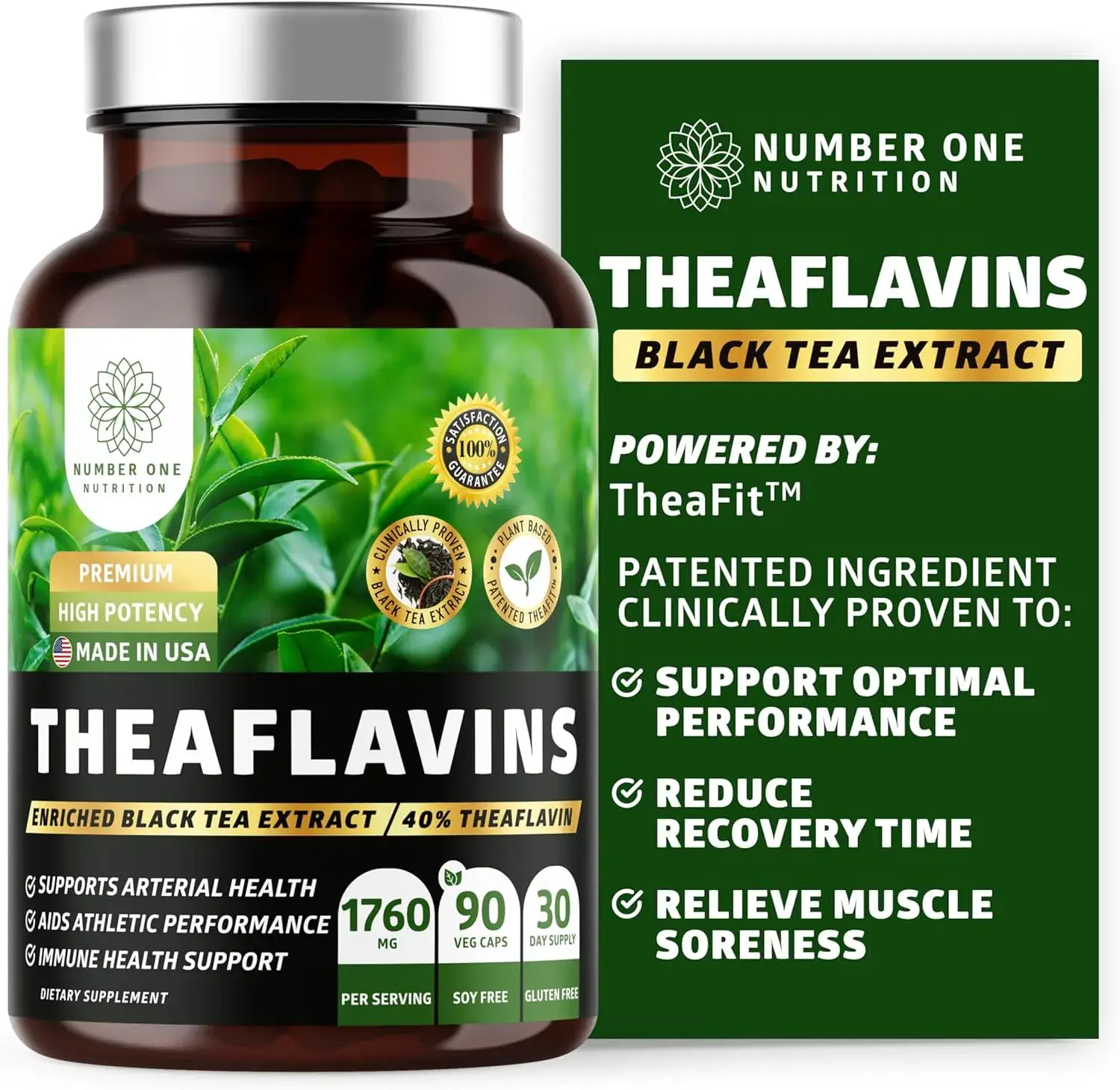
Black Tea Extract that is rich in natural theaflavins and polyphenols that help protect your body from free radicals, promoting overall immune health and well-being
Contains blended amounts of Fruits and Veggies. All natural, with whole foods, fruit and vegetable supplement.Perfect for everyone looking to live a healthier lifestyle.