Ever thought your daily black tea could do more than just relax you? It might even help balance your hormones, like the 5 alpha reductase enzyme. This enzyme is key in changing testosterone to DHT.
Studies show that black tea might affect this enzyme. This could change DHT levels in your body. DHT is linked to health issues, so understanding the black tea 5 alpha reductase connection could reveal its health perks.
Key Takeaways
Black tea may influence 5 alpha reductase activity.
This influence could potentially affect DHT levels.
Understanding this relationship can provide insights into black tea’s health benefits.
Compounds in black tea may have a regulatory effect on hormonal balance.
Further research is needed to fully understand the implications.
Understanding 5 Alpha Reductase and Its Role in Your Body
To understand how black tea affects 5 alpha reductase, we must first know what it is. This enzyme is key in changing testosterone into dihydrotestosterone (DHT). DHT is a stronger hormone that impacts many body functions.
What Is the 5 Alpha Reductase Enzyme?
The 5 alpha reductase enzyme is a protein that turns testosterone into DHT. This is important because DHT affects how our bodies grow and develop. It impacts hair growth and prostate size, among other things.
The Two Types of 5 Alpha Reductase You Should Know
There are two types of 5 alpha reductase: type 1 and type 2. Type 1 is mainly in the skin and liver. Type 2 is found more in the prostate and hair follicles. Knowing about these types is important because they work differently and are affected by things like black tea consumption.
Why This Enzyme Matters for Your Overall Health
The activity of 5 alpha reductase and DHT levels are very important for health. High DHT levels can lead to hair loss and prostate issues. Learning how to control 5 alpha reductase can help prevent these problems and keep you healthy.
The Connection Between DHT and 5 Alpha Reductase Activity
DHT is made from testosterone in your body. It’s a strong form of testosterone that affects many bodily functions and conditions.
The 5 alpha reductase enzyme is key in making DHT from testosterone. This enzyme works in certain body tissues.
How Your Body Converts Testosterone to DHT
The 5 alpha reductase enzyme turns testosterone into DHT. There are two types of this enzyme in your body. Type 2 is important in the prostate and hair follicles.
DHT is more powerful than testosterone. It affects hair growth, prostate health, and overall well-being.
DHT’s Impact on Your Hair Follicles
DHT affects hair follicles a lot. It can make hair thinner and shorter in people prone to balding. This can stop hair from growing in some follicles.
Knowing how DHT affects hair is important. It’s a focus for research on hair loss treatments.
Understanding DHT’s Effects on Prostate Health
DHT also affects prostate health. It helps prostate tissue grow. High DHT levels can increase the risk of prostate problems.
5 alpha reductase is targeted in treatments for prostate issues. It aims to reduce prostate size and lower disease risk.
What Makes Black Tea’s Chemical Composition Special
Black tea stands out because of its complex mix of chemicals. This mix comes from how black tea is made, including fermentation and oxidation. This process gives black tea a special nutritional profile, full of good stuff for your health.
Polyphenols and Catechins: Your Body’s Natural Allies
Polyphenols are key in black tea, acting as antioxidants in your body. They protect your cells from harm caused by free radicals. This helps keep you healthy. Catechins, a type of polyphenol, are also good for you.
Even though black tea has less catechins than green tea, they’re important. They help fight oxidative stress in your body. The way black tea is made changes some catechins into other compounds, which we’ll look at next.
Theaflavins: The Unique Compounds Formed During Oxidation
Theaflavins are special because they’re made during oxidation. This process gives black tea its color and flavor. Studies show they might help protect your heart and fight off free radicals.
Additional Bioactive Components in Black Tea
Black tea has more than just polyphenols and theaflavins. It also has thearubigins and flavonoids. These add to its nutritional value.
Thearubigins and Their Properties
Thearubigins are made during black tea’s fermentation. They give tea its reddish-brown color and have antioxidant properties. Scientists are studying them to learn more about their health benefits.
Flavonoids and Tannins
Flavonoids in black tea might help your heart and fight off free radicals. Tannins, which give tea its astringent taste, also add to its nutritional profile. Together, they make black tea special.
Learning about these compounds helps us see why black tea is good for us. As scientists learn more, drinking black tea could be a simple way to boost your health.
Black Tea 5 Alpha Reductase: The Scientific Connection Explained
Recent studies have shown how black tea affects 5 alpha reductase, an important enzyme. This research helps us understand how our diet can influence our health.
What Research Studies Reveal About Black Tea’s Inhibitory Effects
Studies have looked into black tea’s effect on 5 alpha reductase. In vitro tests show black tea extracts can block testosterone turning into DHT. DHT is a strong form of testosterone linked to health issues.
“Black tea’s ability to block 5 alpha reductase has been seen in many studies,” a review of herbal remedies notes. “It could be a natural way to fight DHT.”
The Biological Mechanisms Behind Black Tea’s Action
Black tea’s effect on 5 alpha reductase involves complex interactions. Theaflavins, special compounds in black tea, are key players in this process.
Theaflavins may bind to 5 alpha reductase, reducing its activity.
Other catechins and polyphenols in black tea may also contribute to its inhibitory effects.
Comparing Black Tea’s Potency to Pharmaceutical Inhibitors
It’s important to compare black tea’s effect to drugs like finasteride. Finasteride works well but can have side effects.
In Vitro Studies: Laboratory Findings
Laboratory studies have shown black tea’s effects. For example, one study found black tea extract could block 5 alpha reductase by up to 50% in cell cultures.
Study
Inhibition Rate
Concentration
Study A
50%
100 mg/mL
Study B
30%
50 mg/mL
In Vivo Studies: Real-World Effects
In vivo studies give a more realistic look at black tea’s effects. Animal studies have shown black tea can lower DHT levels.
“Drinking black tea has been linked to lower DHT levels and better prostate health in animal studies,” a study found.
As research grows, the link between black tea and 5 alpha reductase becomes clearer. This offers health benefits for those who drink black tea regularly.
How Black Tea May Support Your Hair Health Goals
Struggling with hair loss? Black tea might help. It’s full of antioxidants and compounds that could benefit your hair. These might help block dihydrotestosterone (DHT), a hormone linked to hair loss.
The Science Behind DHT Inhibition and Hair Loss Prevention
DHT is a strong form of testosterone that shrinks hair follicles. This leads to thinner, shorter hairs and hair loss. Black tea might block the enzyme that makes DHT, helping to keep your hair healthy.
What Clinical Evidence Shows About Tea and Hair Growth
Research is ongoing, but studies look promising. A study in the Journal of Agricultural and Food Chemistry found black tea extract helped hair grow in mice. More human studies are needed, but it’s a hopeful sign for hair care.
Setting Realistic Expectations for Your Hair Journey
Be realistic about hair health. Black tea might help, but it’s not a quick fix. Hair growth takes time, and results vary. Adding black tea to a healthy diet and lifestyle can support your hair, but be patient and consistent.
In conclusion, black tea could be a good addition to your hair care routine. It might block DHT and support hair health. Understanding its effects and setting realistic goals can help you use black tea wisely for your hair health.
Black Tea’s Possible Benefits for Your Prostate Wellness
Exploring black tea’s health benefits is key to understanding its impact on prostate wellness. Many men worry about prostate health, which becomes more important with age. Black tea, with its rich mix of bioactive compounds, might help support prostate health.
Understanding Benign Prostatic Hyperplasia and DHT’s Role
Benign Prostatic Hyperplasia (BPH) is when the prostate gland gets bigger. This can cause urinary problems and discomfort. Dihydrotestosterone (DHT), a strong form of testosterone, is linked to BPH. The enzyme 5 alpha reductase turns testosterone into DHT. High DHT levels are tied to a higher risk of BPH.
Studies show that blocking 5 alpha reductase can lessen BPH symptoms. Black tea might help here, as it can block this enzyme.
Research Findings on Tea Consumption and Prostate Health
Many studies have looked into tea’s effect on prostate health. A detailed review of these studies suggests that black tea could be good for prostate wellness.
Study
Tea Type
Findings
Study 1
Black Tea
Reduced risk of prostate cancer
Study 2
Green Tea
Improved prostate health markers
Study 3
Black Tea
Inhibited 5 alpha reductase activity
How Black Tea Fits Into Prostate Health Management
Adding black tea to your daily routine could be good for prostate health. The bioactive compounds in black tea, like theaflavins, have anti-inflammatory and antioxidant effects. These can help support prostate health.
To get the most benefits, drink 2-3 cups of black tea a day. But, always talk to your doctor before changing your diet or lifestyle.
How You Can Consume Black Tea for Maximum 5 Alpha Reductase Effects
To get the most from black tea, knowing how to drink it is key. The way you make and drink black tea affects its impact on 5 alpha reductase.
Optimal Brewing Methods and Water Temperature for Your Tea
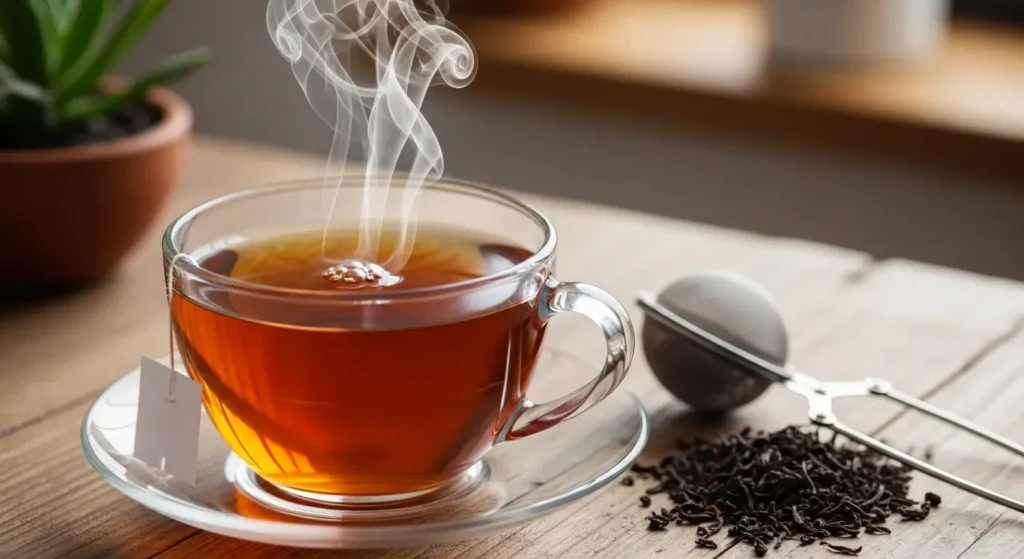
Brewing black tea right is important for its benefits. Use water between 200°F and 212°F. Boiling water extracts the good stuff well.
Steeping time is also important. Steep your tea for 3 to 5 minutes for the best results.
Recommended Daily Intake and Best Timing for Consumption
Drinking 2 to 3 cups of black tea a day is good for health. But, the right amount for 5 alpha reductase might be different. Start with a small amount and see how you feel.
When you drink tea matters too. Tea between meals is best for absorbing its good stuff.
Factors That Affect How Your Body Absorbs Tea Compounds
Many things affect how your body takes in tea’s good stuff. Knowing these can help you drink tea better.
The Role of Steeping Time
Steeping time is key for getting tea’s benefits. Longer steeping means stronger tea with more good stuff.
Adding Milk or Lemon: What You Need to Know
Milk or lemon in your tea can change how your body gets its benefits. Milk might lower some catechins’ effect, but lemon can help others.
Try different ways to make your tea to find what works best for you.
Comparing Black Tea to Green Tea and Other Natural DHT Blockers
Are you curious about how black tea compares to other natural DHT blockers like green tea and herbal supplements? It’s important to know the benefits and drawbacks of each option when managing DHT levels.
Green Tea vs. Black Tea: Which Works Better for You?
Green tea and black tea have been studied for their ability to block DHT. They share similarities but also have differences.
Green tea has more catechins, like EGCG, which may help block DHT.
Black tea has more theaflavins, formed during oxidation, which may offer unique benefits.
The way black and green tea are processed affects their active compounds.
Both teas may be beneficial, but your choice depends on your needs and preferences.
Other Natural 5 Alpha Reductase Inhibitors Worth Considering
There are other natural substances that may help block 5 alpha reductase and manage DHT levels. Some include:
Saw Palmetto Extract: Supports prostate health and hair growth.
Pumpkin Seed Oil: May promote healthy hair growth and reduce DHT levels.
Stinging Nettle Root: Traditionally used for prostate health and may inhibit DHT.
Saw Palmetto Extract
Saw palmetto extract comes from the berries of the saw palmetto plant. It has been used for centuries to support prostate health. Some studies suggest it may inhibit 5 alpha reductase, reducing DHT levels and promoting hair growth.
Pumpkin Seed Oil
Pumpkin seed oil is rich in nutrients and may inhibit 5 alpha reductase. It’s also full of antioxidants, supporting hair and scalp health.
Stinging Nettle Root
Stinging nettle root has been used in traditional medicine for prostate health. Some research shows it may reduce DHT levels and promote hair growth.
Creating a Comprehensivie Approach with Black Tea
Black tea can be beneficial on its own, but combining it with other natural DHT blockers may be more effective. Mixing different natural substances into your daily routine could enhance their benefits.
Safety Considerations and Possible Side Effects You Should Know
Adding black tea to your daily routine is great, but knowing the safety tips is key. Most people find black tea safe, but some should be careful. It’s important to know who might need to watch their intake.
Who Should Exercise Caution with High Black Tea Consumption?
Some folks might want to drink less black tea because of its caffeine. This includes:
People with caffeine sensitivity: Black tea’s caffeine can make you feel jittery, anxious, or keep you awake.
Pregnant or breastfeeding women: Too much caffeine might not be good for them, so they should drink it in moderation.
Individuals with certain medical conditions: If you have high blood pressure, heart issues, or anxiety, talk to your doctor about how much black tea is safe for you.
Possible Interactions Between Black Tea and Your Medications
Black tea might not get along with some medicines. This could make your meds less effective or cause more side effects. Some things to watch out for are:
Blood thinners: The vitamin K in some black teas might not mix well with blood thinners.
Stimulant medications: Drinking black tea with stimulant drugs could lead to jitters or heart problems.
Certain antibiotics: The catechins in black tea might affect how your body absorbs some antibiotics.
If you’re on any meds, it’s smart to talk to your doctor about black tea and its possible effects.
Managing Caffeine-Related Concerns in Your Daily Routine
To enjoy black tea without caffeine worries, try these tips:
Keep track of all the caffeine you get, from coffee, energy drinks, and some meds.
Try decaf black tea or herbal teas if caffeine bothers you.
Make your black tea with shorter brewing times to get less caffeine.
Drink black tea at different times to avoid too much caffeine at once.
Knowing about these safety tips and possible side effects lets you enjoy black tea safely. If you’re unsure, always ask a healthcare expert for advice.
Black tea is more than just a warm drink. It has a special connection to 5 alpha reductase, which is linked to hair loss and prostate issues. This makes black tea a great choice for your health.
Adding black tea to your daily routine can help your hair and prostate. The special compounds in black tea, like theaflavins, help block 5 alpha reductase.
Even though everyone’s body is different, studies show black tea can be good for you. If you’re thinking about trying black tea, talk to a doctor first. They can help you figure out what’s best for you.
FAQ
How does black tea influence 5 alpha reductase activity?
Black tea can slow down 5 alpha reductase. This enzyme changes testosterone into DHT. DHT is linked to hair loss and prostate problems.
What are the benefits of inhibiting 5 alpha reductase?
Slowing down 5 alpha reductase can lower DHT levels. This might improve hair health and reduce prostate risks.
How much black tea should I drink to see benefits?
Drinking 2-3 cups of black tea daily is often suggested. It may help with 5 alpha reductase inhibition.
Can I get the same benefits from green tea or other types of tea?
Green tea and other teas may also offer benefits. But black tea’s theaflavins might give it an edge in 5 alpha reductase inhibition.
Are there any potentially side effects or interactions I should be aware of?
Drinking a lot of black tea might affect some medications or increase caffeine sensitivity. Be careful and adjust your intake if needed.
Can black tea be used in conjunction with other natural DHT blockers?
Yes, black tea can be part of a plan to manage DHT. It can be used with natural inhibitors like saw palmetto, pumpkin seed oil, or stinging nettle root.
How long does it take to see the effects of black tea on hair health or prostate wellness?
Seeing benefits can take different times for everyone. It depends on how much you drink, your health, and how you react to black tea’s compounds.
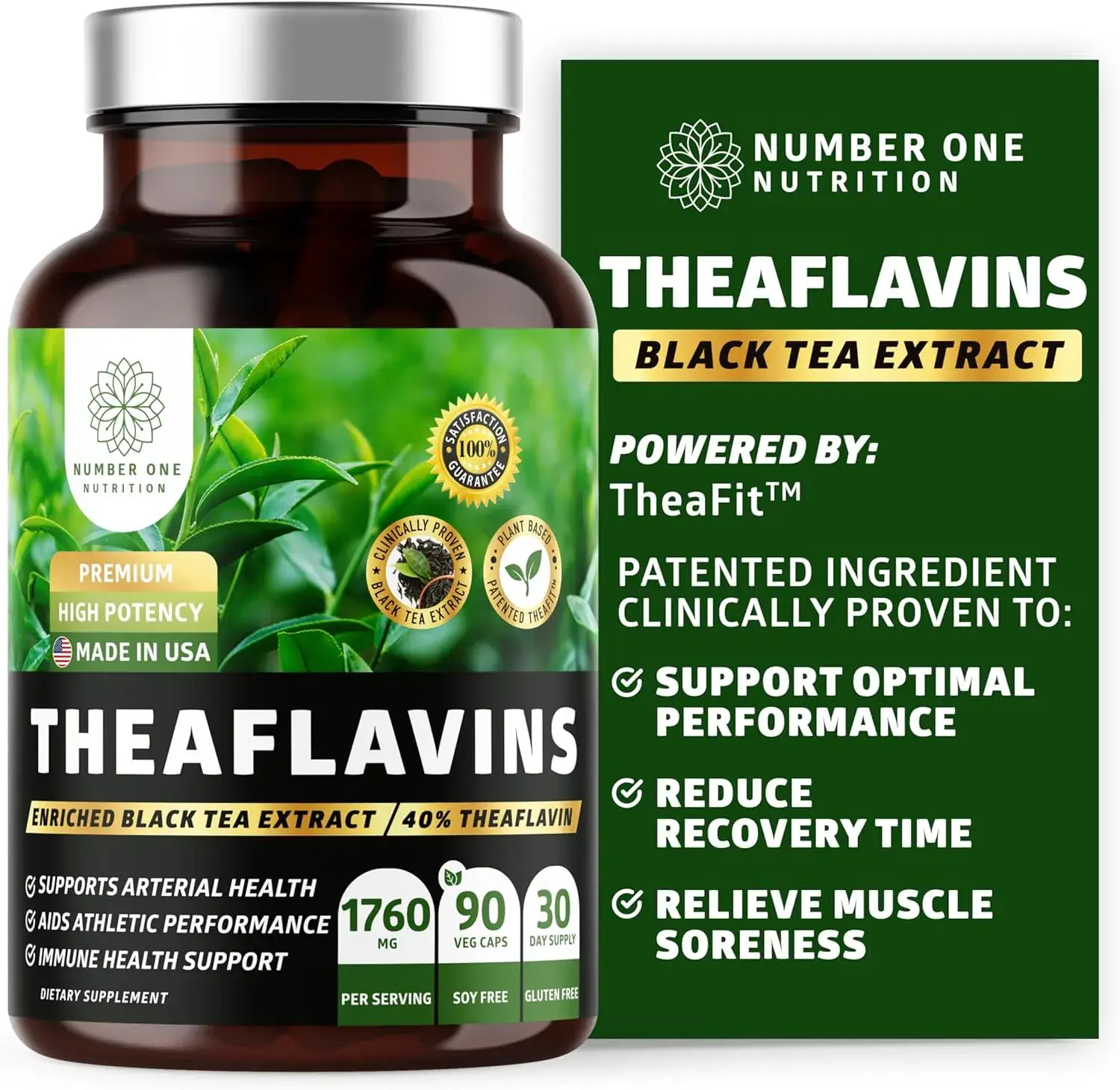
Black Tea Extract that is rich in natural theaflavins and polyphenols that help protect your body from free radicals, promoting overall immune health and well-being
Contains blended amounts of Fruits and Veggies. All natural, with whole foods, fruit and vegetable supplement.Perfect for everyone looking to live a healthier lifestyle.