Yellow tea might not be the first thing that comes to mind when you think of tea, but it’s got a lot going for it. I remember the first time I tried it—honestly, I was just curious about the name. Turns out, it’s not just about color; yellow tea is made with a special process that gives it a smooth taste, somewhere between green and white tea.
But what really caught my attention were all the health perks people talk about. From helping your heart to giving you a bit of a mental lift, yellow tea effects on body and mind are worth a closer look. Let’s break down what happens when you make this rare tea a part of your daily routine.
Key Takeaways
Yellow tea is packed with antioxidants and polyphenols, which help protect your cells from damage and support your overall health.
It can support your heart, help manage weight, and may even help keep cholesterol and blood sugar in check.
The combo of caffeine and L-theanine in yellow tea can boost your alertness while keeping you calm—no jitters like coffee sometimes gives.
Drinking yellow tea regularly might help your immune system, keep your skin looking healthy, and support your gut.
Some folks might get side effects from the caffeine or have trouble absorbing iron, so it’s smart to pay attention to how your body reacts and talk to your doctor if you have health concerns.
Nutritional Profile and Unique Compounds in Yellow Tea
Yellow tea isn’t your everyday brew. Not only does it stand out with its smoothness and gentle taste, but it also packs a surprising nutritional punch. Let’s break down what actually makes up this tea and why so many people trust its benefits.
Antioxidants and Polyphenols Abundance
Yellow tea is loaded with powerful antioxidants, especially polyphenols. These give it impressive “yellow tea antioxidant properties.”
Polyphenols in yellow tea can help reduce oxidative stress. That’s good news for anyone who cares about overall wellness and protecting their cells.
Some studies even suggest that regular sipping may lower the risk of chronic issues like heart disease, thanks in part to these potent compounds.
Drinking yellow tea can be an easy, enjoyable way to help your body combat daily stress and support cell health.
Catechins and Their Protective Role
Catechins are a type of antioxidant mainly found in tea—yellow tea is no exception, and it’s especially rich in EGCG (a well-known catechin).
Benefits of catechins include:
Helping balance blood sugar
Supporting healthy circulation and cholesterol
Slowing the growth of harmful cells, which might help protect against certain diseases
It’s the abundant catechins that give yellow tea a solid reputation for being more than just a comforting drink.
Vitamin and Mineral Content
You’ll find a range of vitamins and minerals in yellow tea. According to some nutrition experts, yellow tea offers essential vitamins such as A, B-complex, and C, plus minerals like potassium, manganese, and zinc. It also contains a moderate amount of caffeine, but not enough to make most people jittery.
Here’s a quick table showing the most common nutrients in a typical cup:
Nutrient
Purpose in the Body
Vitamin C
Immune support, skin health
Vitamin A
Vision and immune function
B-complex
Energy, brain, skin, red blood cells
Potassium
Heart, muscle, nerve function
Zinc
Immunity, wound healing
Manganese
Bone, metabolism support
So, yellow tea is more than a tasty beverage—it’s a source of ingredients your body actually needs. If you’re hunting for a drink that goes beyond flavor, this one deserves a spot in your kitchen.
Yellow Tea Effects on Body: Physical Well-Being
Cardiovascular Health Benefits
Yellow tea is packed with heart-friendly polyphenols. Regularly drinking yellow tea could help lower LDL (bad) cholesterol and keep your blood vessels healthy. Its antioxidants, especially catechins, may assist blood flow and reduce strain on the heart. Plus, these natural compounds have been shown to decrease some inflammation in the body, which is crucial for heart wellness. When it comes to yellow tea and energy levels, many people also notice a steady, moderate pick-me-up, without the crashes typical of stronger caffeinated drinks. If you’re curious how yellow tea affects the body compared to green tea, some believe yellow tea’s smoother profile makes it easier for daily use for the heart, too.
Effect
Yellow Tea
Green Tea
Black Tea
LDL Cholesterol Impact
Lowers
Lowers
Neutral
Caffeine Content
Moderate
Higher
Highest
Polyphenol Content
High
High
Moderate
Taste Sensitivity
Gentle
Grassy
Strong
Keeping up with a moderate yellow tea routine might be a simple way to support your heart each day, with little risk of overstimulation or bitterness.
Weight Management Support
Trying to keep your weight in check? There’s some light evidence that drinking yellow tea could help. The mix of catechins and caffeine in yellow tea may mildly increase how your body burns calories. You won’t see dramatic changes overnight, but the gentle metabolic boost adds up, especially combined with healthy eating and activity. In the ongoing debate of yellow tea vs green tea health impact, yellow tea is often hailed for being less harsh on the stomach, so more people find it a friendlier daily option.
Here’s how yellow tea may gently help with weight control:
Promotes fat oxidation during moderate activity
Helps curb appetite, making it easier to snack less
Provides steady energy, which supports physical activity throughout the day
Digestive System Support
If you deal with mild digestive discomfort, sipping on yellow tea could ease you through. The mild astringent qualities help calm the stomach, making yellow tea for digestion a go-to drink for many with sensitive guts. It’s especially soothing compared to the sometimes sharp or grassy taste of green tea. People looking for a drink that settles well before or after meals might find yellow tea an easy winner.
Aids in reducing occasional bloating
Calms mild stomach upset
May gently stimulate healthy gut bacteria
Cholesterol and Blood Sugar Regulation
Yellow tea health advantages stretch well into cholesterol and blood sugar territory. Catechins help your body process and clear out LDL cholesterol, supporting artery health. Antioxidants also help your liver function more smoothly, backing up the body’s own regulatory processes. If you want to see a comparison of yellow tea vs green tea effects, both help with cholesterol, but yellow tea tends to be easier on those who want a mild, everyday beverage for wellness.
Drinking yellow tea regularly:
Lowers LDL cholesterol
Supports healthier blood sugar swings throughout the day
May help your body use insulin more effectively, which is great for those already managing blood sugar issues
It’s honestly surprising how this gentle tea fits into daily life. Yellow tea for overall health is not just a trendy idea—it’s something you feel over weeks and months. If you’re considering yellow tea vs green tea health, you’re not alone. Researchers recently looked into both teas for brain and energy support, too. With the right routine, yellow tea impact on wellness just feels simple and steady.
Yellow tea seems like a hidden gem when it comes to everyday health routines. People often wonder, is yellow tea good for you or does yellow tea boost energy? But the real answers sit in its gentler effect on the body, thanks to unique compounds.
Impact on Overall Immune Defense
Yellow tea quietly supports your immune system, mostly thanks to its abundance of antioxidants. The polyphenols and catechins in yellow tea team up to help fight off the stuff that makes us feel run down. These compounds may help:
Strengthen natural immune defenses
Reduce damage from free radicals
Support a healthy inflammatory response
If you already eat well and try to avoid germs, adding yellow tea could tip the odds in your favor during cold and flu season.
A calming cup of yellow tea might be the daily “armor” your immune system needs to handle life’s little attacks.
Antimicrobial Properties for Oral Health
When people ask, “what are the benefits of drinking yellow tea?”, they’re surprised that it can promote mouth health too. Some key details:
Catechins and mild astringency help limit bacterial growth in the mouth
May fight back against plaque-causing germs
Could reduce the risk of bad breath or minor gum troubles
It’s not a replacement for brushing, but sipping yellow tea after meals gives your mouth an easy antimicrobial boost.
Skin Resilience and Anti-Aging Effects
Another reason people praise the health benefits of yellow tea is what it seems to do for skin. Here’s what stands out:
Antioxidants guard against early signs of aging from sun and stress
May support collagen production, helping with skin firmness
Gentle anti-inflammatory actions can help irritated or sensitive skin
Yellow Tea Compound
Skin Effect
Polyphenols
Fights oxidative stress
Catechins
May reduce inflammation
Vitamin C (trace)
Supports natural radiance
Your skin won’t change overnight, but with regular use, you could notice a difference in hydration and texture over time.
In the end, does yellow tea boost energy? Yes, in a subtle way. But perhaps more notably, its gentle, daily dose of wellness works quietly in the background—teasing out a healthier you with every cup.
Yellow Tea Effects on Mind: Cognitive and Mood Benefits
Yellow tea isn’t just for your physical health—it’s pretty good for your mind too. Thanks to a bunch of unique compounds, it serves as a gentle boost for mental clarity, stress relief, and even a calmer mood. Whether you’re tackling a tough project or just need to reset, yellow tea for mental clarity might be exactly what you’re after.
L-Theanine’s Calming Influence
Let’s talk about L-theanine for a second. This amino acid is a big reason why many people turn to yellow tea and stress relief routines. When you brew a cup, you’re not just getting a warm drink—you’re actually helping your brain wind down, even while you’re still feeling alert. L-theanine moves through your system and encourages the production of relaxing neurotransmitters, so your stress feels a little less heavy without making you sleepy.
Supports a sense of calm without sedation
May reduce perceived stress
Smooths out the stimulatory buzz from caffeine
For those long, hectic afternoons, a cup of yellow tea can soften mental fatigue and restore a bit of calm, making it perfect for anyone craving mental wellness without the crash.
Caffeine and Mental Alertness
Yellow tea does contain caffeine—but not as much as coffee or black tea. Its moderate caffeine level provides a nice lift in alertness, but usually without jitteriness. People who value yellow tea and mental clarity often say they feel sharper without the side effects typical of strong coffee.
Here’s a quick look at how yellow tea fits in the caffeine landscape:
Beverage
Average Caffeine (mg per cup)
Coffee
80-100
Black tea
40-70
Yellow tea
25-45
Green tea
20-45
Herbal tea
0
Gentle pick-me-up for morning routines
Can be used as a midday substitute for stronger drinks
Less likely to disrupt focus or cause caffeine crash
Focus, Memory, and Mood Elevation
One of the best things about yellow tea for mental wellness is the combined effect of L-theanine and caffeine. The two work together in a way that supports sustained focus, a brighter mood, and even better memory for some people. This balancing act is a big reason yellow tea was often prized by old emperors looking for clear thinking and steady hands (support mental well-being).
Can help keep distractions at bay
May enhance your mood, even during stressful periods
Regularly enjoyed for its gentle but noticeable impact on memory and reaction speed
If you’re searching for a tea that doesn’t just taste nice, but also brings subtle support to your mind, yellow tea and mental clarity make a strong combination. It’s not a magic bullet, but for lots of people, it’s a reliable way to greet the day with more ease and less tension.
Potential Side Effects and Considerations for Yellow Tea Consumption
Yellow tea can be a nice treat, but it’s smart to know what might come with drinking it often. Honestly, most of us won’t notice much if we keep it to a few cups a day. Go overboard, though, and some issues aren’t hard to miss.
Caffeine Sensitivity and Sleep Concerns
Yellow tea does have caffeine. If you’re sensitive to caffeine, you might find yourself tossing and turning at night or feeling a bit too wired after a cup too many. Some people get jittery or anxious, especially if they already drink coffee or energy drinks. For the most part, yellow tea has less caffeine than black tea or coffee, but it still adds up. A good rule: avoid it late in the day if you value your sleep, and know your own limits.
May cause restless nights if sipped before bedtime.
Possible increase in feelings of anxiety or heart fluttering.
Safe average: 3–4 cups daily for most folks.
Gastrointestinal Reactions and Stomach Issues
A lot of tea lovers notice that yellow tea, like other teas, isn’t easy on an empty stomach. Tannins and catechins might cause mild acid reflux, nausea, or make your stomach feel unsettled. Some people (like me, the hard way) realize that more isn’t always better—the joy of that extra cup can quickly wear off.
Possible GI Issues
Likelihood
Mild nausea
Medium
Acid reflux
Medium
Stomach cramps
Low
Interaction with Iron Absorption
Did you know that yellow tea can actually make it tougher for your body to absorb iron from food? It’s the polyphenols and tannins doing this.
To dodge this little hiccup:
Avoid drinking tea with iron-rich meals.
Leave at least an hour after eating before you reach for your cup.
Watch out if you have anemia—chat with your doctor about how much tea is okay.
Tea can be part of a healthy routine, but it’s good to keep an eye on side effects and take breaks if you notice anything odd.
Risks for Special Health Conditions
Some people need to be extra careful:
Pregnant and breastfeeding women—caffeine and some other compounds can be risky.
Heart conditions—caffeine can sometimes mess with heart rhythms.
Kidney or stomach issues—yellow tea’s unique mix of compounds may make your symptoms worse.
Folks with mental health conditions might also want to limit caffeine.
If you take medications for blood pressure, heart problems, or use stimulants, double-check with your doctor to rule out any interactions.
On top of that, drinking too much tea can lead to reduced iron absorption, increased anxiety and restlessness, poor sleep quality, and nausea (more on side effects).
Honestly, I learned it’s best to keep things moderate. Yellow tea is refreshing and a nice daily habit for many, but too much of a good thing can be, well, not so good. Remember, everyone’s body reacts differently, so listen to yours.
How Yellow Tea Compares to Other Categories of Tea
When I first gave yellow tea a shot, it was a surprise—almost familiar, but not quite green or black. The process really sets it apart. Unlike green tea, yellow tea goes through a gentle, slow oxidation. This step changes its flavor and color. The makers wrap or steam the leaves after they’re partially dried, keeping a sweet hint and wiping out any grassy tang. The resulting brew shows a golden-yellow hue and offers a soft, layered sweetness, with a mellow aftertaste that’s hard to match.
Here’s the rundown on how it’s made, compared to other teas:
Tea Type
Oxidation Level
Processing Steps
Flavor Profile
Green Tea
Minimal
Steamed or pan-fired, no wrapping
Fresh, grassy, sometimes nutty
Yellow Tea
Low (slightly more than green)
Steamed, wrapped, slow-oxidized
Mild, sweet, less grassy
Oolong Tea
Moderate
Partially oxidized, rolled, roasted
Floral, complex, semi-roasted
Black Tea
Full
Fully oxidized & dried
Strong, malty, robust
What’s cool is the flavor of yellow tea sticks with you, changing as the cup cools. If you’re looking for a tea that falls between light and bold, yellow tea is the sweet spot.
So, after all that, what’s the deal with yellow tea? Honestly, it’s a pretty neat drink. It’s not just about the taste—though that mellow, slightly sweet flavor is hard to beat—it’s also about what it can do for you. Yellow tea has some good stuff in it, like antioxidants and a bit of caffeine, which might help your heart, your focus, and even your waistline. I’ve found it gives me a gentle lift without making me jittery, which is a win in my book.
But, like with anything, it’s best not to go overboard. Too much can mess with your sleep or your stomach, and if you have any health issues, it’s smart to check with your doctor first. At the end of the day, yellow tea is a nice way to treat yourself and maybe do your body a favor at the same time. If you’re curious, give it a try—just don’t expect it to fix everything overnight. Sometimes, it’s the little changes that make the biggest difference.
Frequently Asked Questions
What makes yellow tea different from green or black tea?
Yellow tea is made using a special process that lets the leaves oxidize a bit more than green tea but less than black tea. This gives it a smooth, mellow taste without the strong grassy flavor of green tea or the bold taste of black tea.
Does yellow tea have caffeine?
Yes, yellow tea has caffeine, but usually less than coffee or black tea. It also contains L-theanine, which can help you feel calm and focused without making you jittery.
Can yellow tea help you lose weight?
Yellow tea might help with weight management. The mix of caffeine and catechins in yellow tea can boost your metabolism and help your body burn fat, but it works best when combined with healthy eating and exercise.
Is it safe to drink yellow tea every day?
For most people, drinking yellow tea daily is safe if you stick to a few cups a day. But if you are sensitive to caffeine or have health problems like heart issues or are pregnant, you should talk to your doctor first.
Can yellow tea upset your stomach?
Some people might get an upset stomach or feel nauseous if they drink yellow tea on an empty stomach or have too much. Try drinking it with food or limiting your intake if you notice any problems.
Does yellow tea affect how your body absorbs iron?
Yes, yellow tea has antioxidants called polyphenols that can make it harder for your body to absorb iron from food. If you are low on iron, try not to drink yellow tea with your meals.
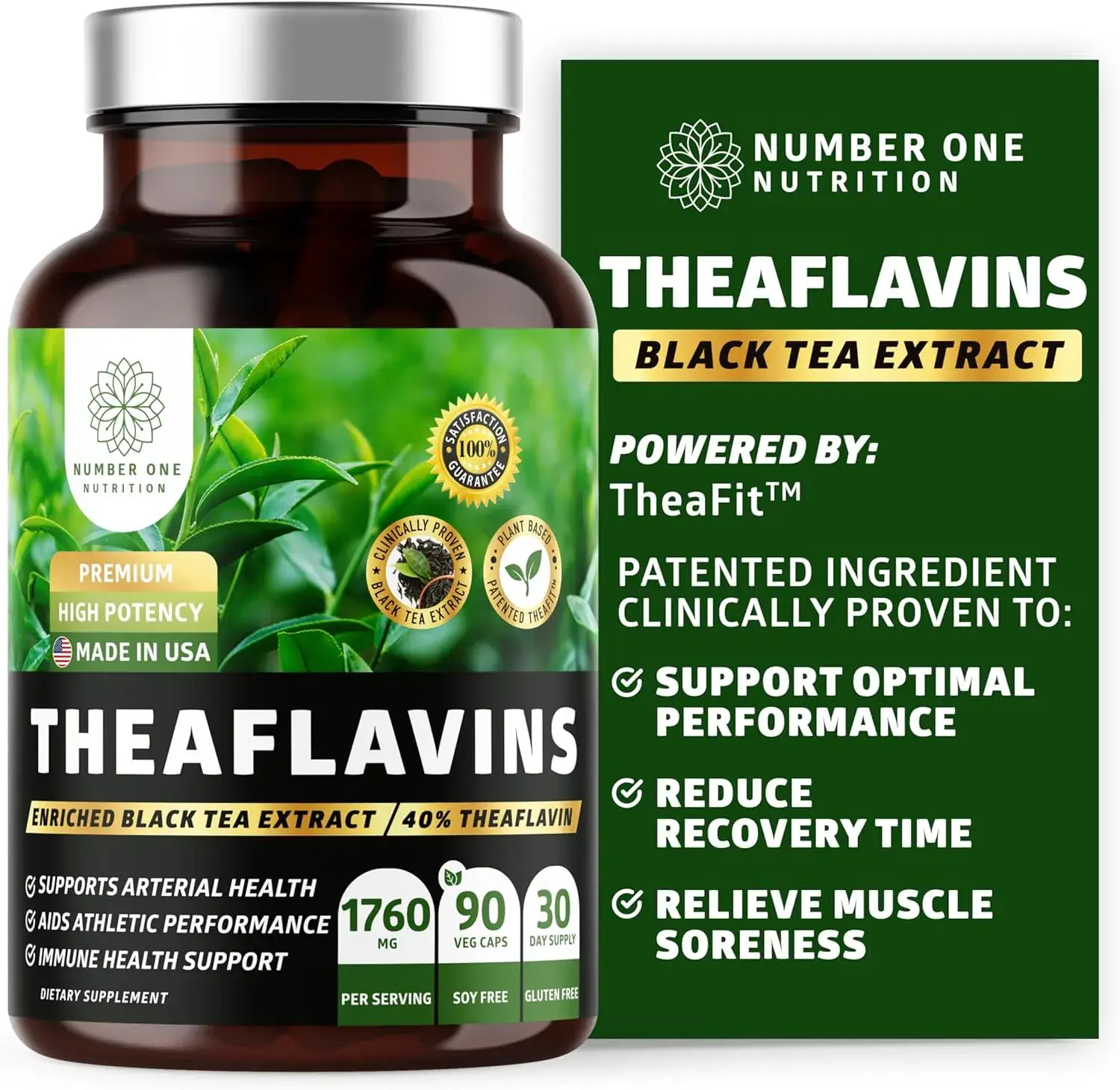
Black Tea Extract that is rich in natural theaflavins and polyphenols that help protect your body from free radicals, promoting overall immune health and well-being
Contains blended amounts of Fruits and Veggies. All natural, with whole foods, fruit and vegetable supplement.Perfect for everyone looking to live a healthier lifestyle.