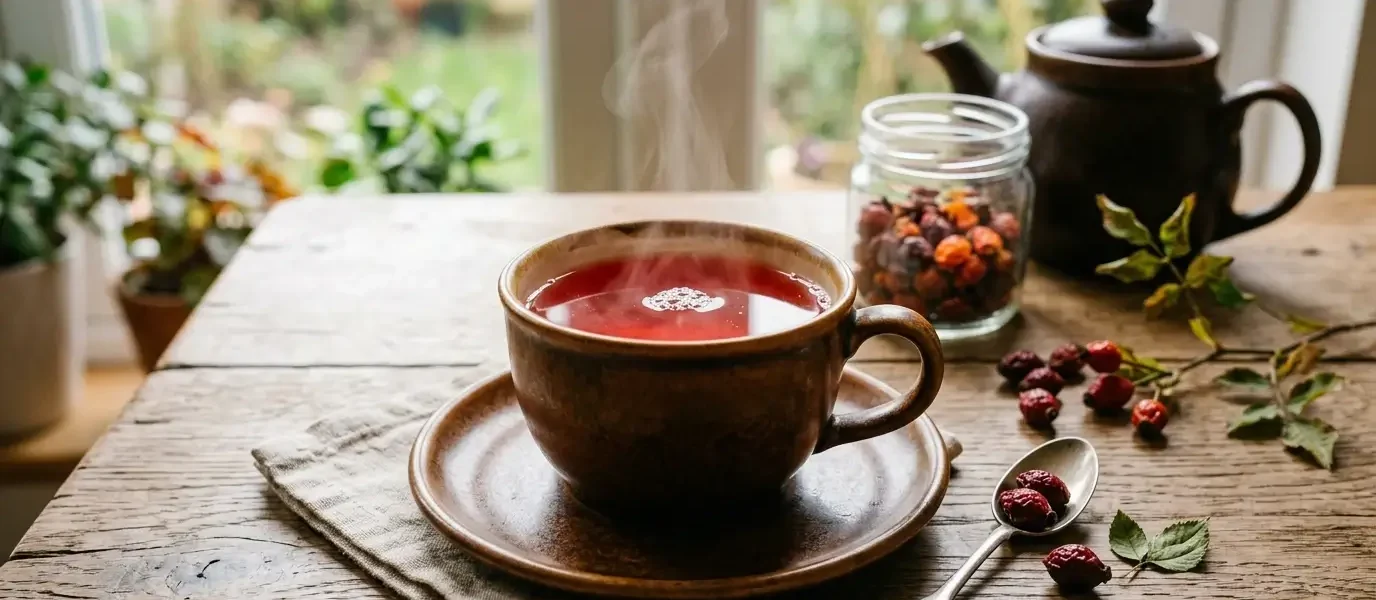
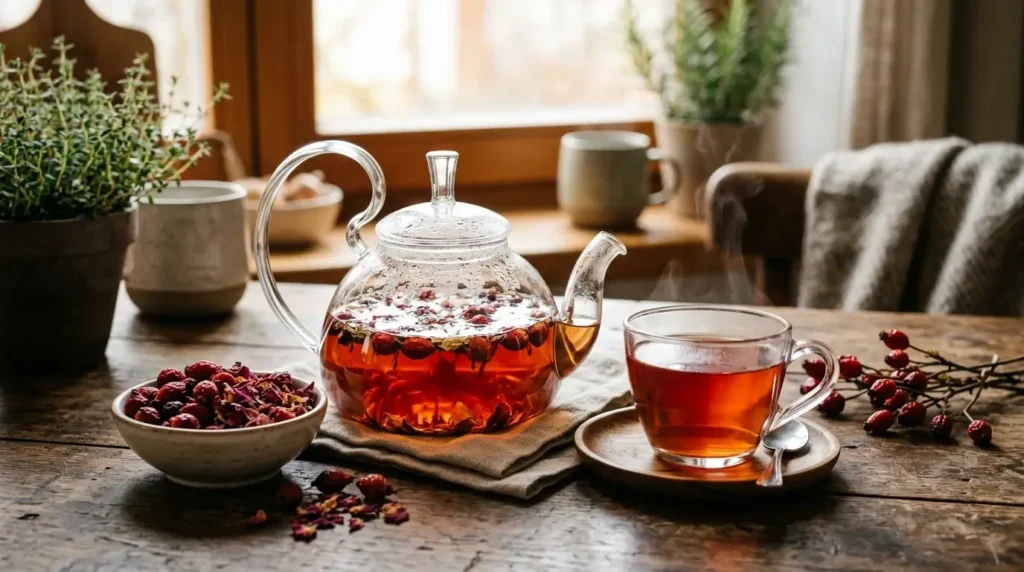
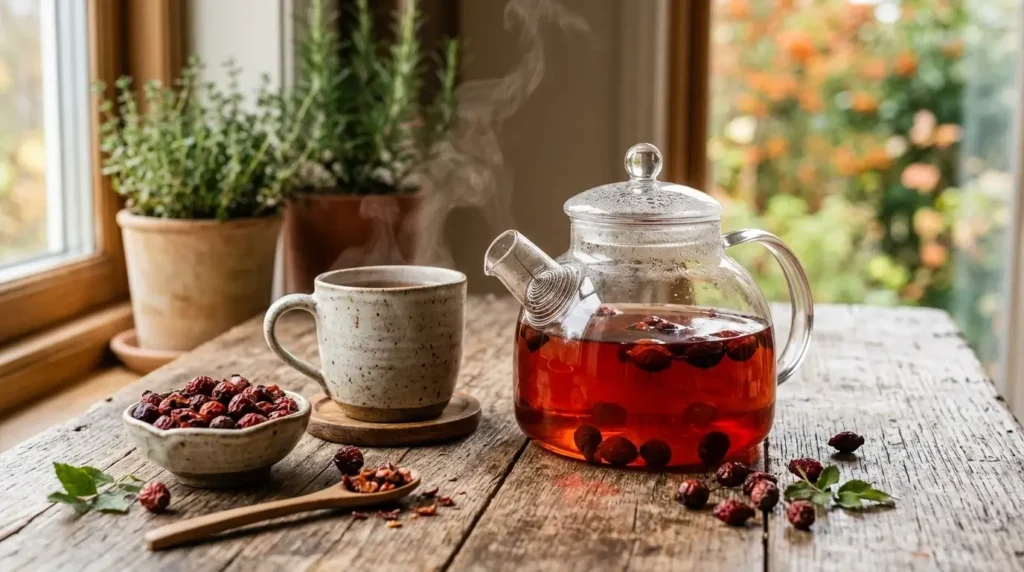
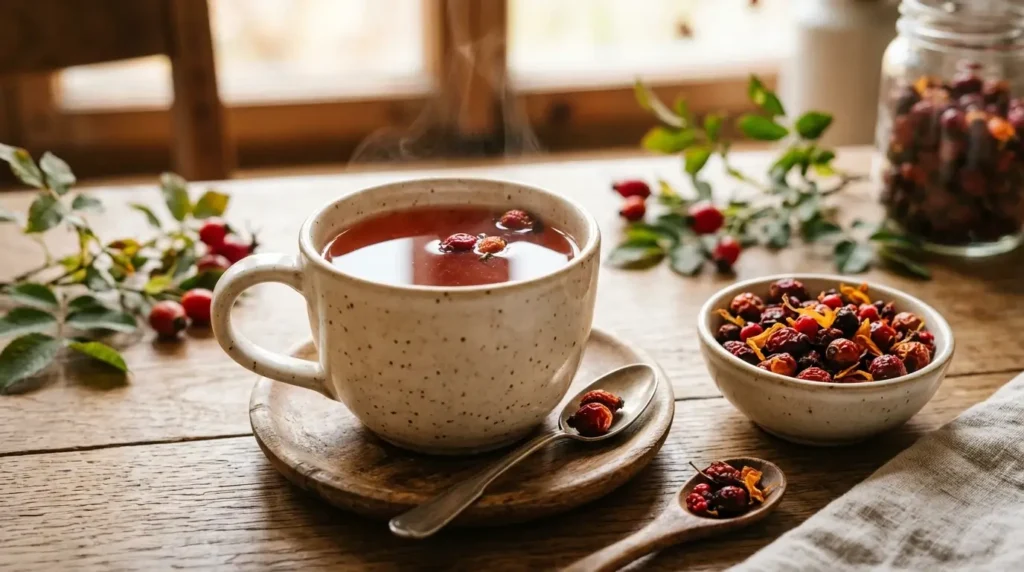
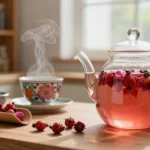
So, you’re pregnant and wondering about rosehip tea safe for pregnancy concerns. It’s completely normal to question what’s safe to consume during this special time. Rosehip tea is often mentioned for its vitamin C content, but when you’re expecting, it’s important to look closely at both the potential benefits and possible risks. Let’s break down what the current information says about drinking rosehip tea during pregnancy.
Key Takeaways
Occasional cups of rosehip tea, made from culinary-grade rose petals or hips, are generally considered okay during pregnancy, but always check the ingredients.
There’s limited specific research on rosehip tea’s safety during pregnancy, so it’s best to consume it in moderation.
Rosehip tea is a good source of Vitamin C, which can help with your immune system and how your body uses iron.
Always choose single-ingredient rosehip products from trusted brands and be aware of potential hidden ingredients in blends.
If you have any health conditions, are taking medications, or are unsure, it’s always a good idea to talk to your doctor before drinking rosehip tea regularly.
Understanding Rosehip Tea During Pregnancy
So, you’re curious about drinking rosehip tea while pregnant? It’s totally normal to wonder about what’s safe and what’s not when you’re expecting. Rosehip, which comes from the fruit of the rose plant, is often talked about for its potential health perks. It’s naturally caffeine-free, which is a big plus when you’re trying to cut back on caffeine during pregnancy. Many women look for herbal teas for pregnant women as a way to stay hydrated and get some extra nutrients without the jitters. When considering drinking rosehip while pregnant, it’s good to know a bit about what it is and what it contains.
What Is Rosehip?
Rosehips are essentially the accessory fruits of the rose plant. After a rose flower is pollinated and loses its petals, the hip develops. They’re often a vibrant red or orange color and have a slightly tart, floral flavor. You can find them used in jams, syrups, and, of course, teas. When people talk about rosehip tea, they’re usually referring to tea made from these dried rose hips.
Nutritional Value of Rosehip
Rosehips are pretty well-known for packing a punch when it comes to vitamins. They are particularly famous for their high vitamin C content. Think of it as a natural way to get a boost. Besides vitamin C, they also contain other vitamins and minerals that are generally good for you. However, it’s important to remember that the exact amounts can vary depending on the type of rose and how the tea is prepared. While these nutrients are beneficial, the focus for pregnancy often shifts to safety and what’s been studied.
When you’re pregnant, it’s always a good idea to be extra mindful of what you’re consuming. While rosehip tea is caffeine-free, the general advice for herbal teas during pregnancy is to consume them in moderation. This is because not all herbs have been thoroughly studied for their effects on pregnant individuals and developing babies.
Here’s a quick look at what rosehips can offer:
Vitamin C: A significant amount, which is great for immune support.
Other Vitamins: Some B vitamins and vitamin E.
Minerals: Trace amounts of iron, potassium, and calcium.
Antioxidants: Compounds that help protect your body’s cells.
While these components sound great, the key question remains: can pregnant women drink rosehip tea safely? The answer usually involves a bit of caution and checking with your doctor, especially since there isn’t extensive research specifically on rosehip tea and pregnancy. It’s part of navigating pregnancy nutrition with care.
Assessing Rosehip Tea Safety for Pregnancy
When you’re expecting, figuring out what’s safe to sip can feel like a minefield. Rosehip tea often pops up as a natural, caffeine-free option, and it’s true, it has some nice qualities. But when it comes to herbal tea pregnancy safety, especially for rosehip, the scientific data isn’t exactly overflowing. Most experts lean towards caution, suggesting that while occasional cups might be okay, it’s not something to rely on heavily without a doctor’s nod.
Limited Scientific Data on Rosehip Tea
Honestly, there haven’t been many studies specifically looking at how rosehip tea affects pregnant people and their babies. This lack of research is the main reason for the general advice to be careful. It’s not that we know it’s unsafe, but rather that we don’t have enough information to say it’s completely in the clear for everyone, all the time. This is a common theme with many safe herbal remedies pregnancy discussions – if it hasn’t been thoroughly studied in pregnant populations, it’s best to approach with a bit of reserve.
Potential Risks and Considerations
While rosehip is generally considered safe for most people, there are a few things to keep in mind during pregnancy:
Ingredient Check: Many rosehip teas aren’t just plain rosehips. They can be blended with other herbs, and some of those might not be suitable for pregnancy. Always check the full ingredient list. You don’t want any surprises like stimulant herbs or laxatives sneaking in.
Vitamin C Overload: Rosehips are packed with Vitamin C. While Vitamin C is good, getting too much, especially from concentrated sources, could potentially lead to digestive upset like diarrhea or stomach cramps. This is more of a concern with supplements or very strong preparations than a typical cup of tea, but it’s worth noting.
Individual Reactions: Just like with any food or drink, some people might have an allergic reaction or sensitivity to rosehip. If you notice anything unusual after drinking it, stop and check in with your healthcare provider.
The general rule of thumb for any new beverage or supplement during pregnancy is to start small and see how your body reacts. If you’re considering rosehip tea as one of your safe pregnancy beverages, a single cup now and then is usually the recommended approach.
Caffeine-Free Hydration Benefits
One of the big draws of rosehip tea is that it’s naturally caffeine-free. This is a plus because keeping caffeine intake low is important during pregnancy. While moderate caffeine is generally considered okay (usually under 200mg per day), many pregnant individuals prefer to cut it out where they can. Rosehip tea offers a warm, comforting drink that contributes to your daily fluid intake without adding any caffeine. This can be a nice alternative to water or other non-caffeinated options, helping you stay hydrated, which is super important for both you and the baby.
Ultimately, while rosehip tea can be a pleasant, caffeine-free drink, it’s wise to consume it in moderation and always consult your doctor or midwife before making it a regular part of your pregnancy diet, especially if you’re considering rosehip oil pregnancy safety or other forms of rosehip.
So, you’re curious about what good rosehip tea might do for you during pregnancy? It’s not just a tasty, caffeine-free drink; it actually packs a pretty good nutritional punch.
Rich Source of Vitamin C
Rosehips are famous for being loaded with Vitamin C. We’re talking a lot more than your average orange! This vitamin is super important for a few reasons. It helps your body make collagen, which is key for healing and keeping your skin healthy. Plus, it’s an antioxidant, which means it helps protect your cells from damage. While the amount of Vitamin C in the tea can vary depending on how it’s made and the type of rosehip used, it’s still a nice boost.
Supporting Immune Function
Because of that high Vitamin C content, rosehip tea can give your immune system a little extra support. Staying healthy during pregnancy is a big deal, and anything that helps your body fight off those common colds or sniffles is a win. It’s like giving your body a gentle nudge to keep things running smoothly.
Enhancing Iron Absorption
This is a really neat benefit, especially during pregnancy when iron levels can sometimes dip. The Vitamin C in rosehip tea can help your body absorb iron from the foods you eat more effectively. This is particularly helpful for non-heme iron, which is the type found in plant-based foods. Getting enough iron is important for both you and your growing baby, so this little assist can be quite beneficial. It’s a good idea to chat with your doctor about your iron intake, but incorporating things like rosehip tea might help.
Here’s a quick look at some key nutrients found in rosehips:
Vitamin C: A powerful antioxidant and vital for collagen production.
Vitamin A (Provitamin A): Important for vision and immune function.
Dietary Fiber: Aids in digestion and can help prevent constipation.
Antioxidants: Help protect cells from damage.
While rosehip tea offers several potential upsides, it’s always wise to remember that research specifically on its use during pregnancy is limited. Moderation is key, and discussing any new additions to your diet with your healthcare provider is the best approach.
Navigating Rosehip Tea Consumption
So, you’re thinking about adding rosehip tea to your pregnancy routine? That’s great that you’re looking into natural options! But like with anything new during pregnancy, it’s smart to know the ins and outs. Let’s break down how to approach rosehip tea.
Choosing Quality Rosehip Products
When you’re picking out rosehip tea, the most important thing is to know exactly what you’re getting. Look for products that are single-ingredient, meaning they are just rose petals or rose hips. It’s best to stick with food-grade options from brands you trust. Always check the ingredient list carefully. Avoid those “proprietary blend” teas where they don’t tell you everything that’s inside. You don’t want any surprises, especially when you’re pregnant.
Recommended Consumption Amounts
There isn’t a ton of research specifically on rosehip tea and pregnancy, so moderation is key. Most experts suggest limiting yourself to about one to two cups per day. This is generally considered a safe amount for occasional enjoyment. If you’re thinking about drinking more than that, or if you have any health concerns, it’s always a good idea to chat with your doctor or midwife first. They can give you personalized advice based on your situation.
Understanding Blends and Hidden Ingredients
This is a big one. Rosehip tea is often blended with other herbs. While some blends might be perfectly fine, others could contain ingredients that aren’t recommended during pregnancy. Things like stimulant herbs or laxatives should be avoided. If a product doesn’t clearly list every single herb in the blend, it’s best to steer clear. You want to be sure you’re only consuming what’s safe for you and your baby. If you’re ever unsure about the ingredients in a blend, it’s better to skip it or ask your healthcare provider.
When you’re pregnant, your body is going through a lot of changes, and what might be fine for someone else could be different for you. It’s always better to be a little extra cautious with anything you consume, especially herbal products where the research might be limited.
While rosehip tea can be a nice, caffeine-free drink, it’s not a free-for-all, especially when you’re pregnant. There’s just not a ton of research out there specifically on how rosehip affects pregnant people and their babies. Because of this, it’s always best to be a little careful and know when to pause and ask your doctor or midwife.
Situations Requiring Medical Consultation
Before you make rosehip tea a regular part of your pregnancy routine, it’s smart to chat with your healthcare provider in a few specific scenarios. If you’re already taking high doses of Vitamin C supplements, adding more from rosehip tea might be too much. Also, if your tea blend includes other herbs you’re not familiar with, especially anything that might stimulate you or act as a laxative, it’s a good idea to get the all-clear. Don’t forget to mention it if you have any ongoing medical conditions or are taking medications, as some herbs can interact.
Potential Side Effects to Monitor
Even though it’s generally considered mild, rosehip tea can sometimes cause a few less-than-pleasant side effects. Some people report experiencing things like diarrhea or stomach cramps, which isn’t exactly what you want to deal with when you’re already feeling a bit off. Others might notice heartburn or even nausea. If you start experiencing any of these, it’s probably a good idea to cut back or stop drinking the tea and see if things improve.
Diarrhea
Stomach cramps
Heartburn
Nausea
Allergic reactions (though rare)
Specific Health Conditions to Consider
There are a few health conditions where you might want to be extra cautious or avoid rosehip tea altogether. For instance, if you have a condition where your body holds onto too much iron, like hemochromatosis, the extra Vitamin C from rosehip could potentially make things worse. Similarly, if you have certain blood disorders or are prone to kidney stones, it’s wise to discuss this with your doctor. Rosehip’s Vitamin C content can make the blood more acidic, which might be a concern for individuals with sickle cell disease. Always err on the side of caution and get professional advice.
It’s important to remember that while many herbal teas are seen as natural and therefore safe, they can still have potent effects on your body. Pregnancy is a time when your body is going through significant changes, and what might be fine for one person could be different for another. Always prioritize a conversation with your healthcare provider before introducing new teas or supplements.
Incorporating Rosehip Safely
So, you’re curious about adding rosehip into your routine while pregnant? It’s totally understandable to look for natural ways to support your well-being. When it comes to rosehip, there are a few different ways you might consider using it, and it’s good to know the ins and outs of each.
Safe Use of Rosehip Oil
Rosehip oil is often talked about for its skin benefits, especially during pregnancy. It’s packed with things like vitamins A and E, plus those good fatty acids, omega-3 and omega-6. Many people find it helpful for things like stretch marks and general skin hydration. While there isn’t a ton of research on drinking rosehip during pregnancy, using the oil on your skin is generally considered okay. It’s always a good idea to patch-test any new product on a small area of skin first, though.
Preparing Rosehip Tea at Home
Making your own rosehip tea can be a nice way to enjoy it. You can use either fresh or dried rose hips. The process is pretty straightforward:
Fresh Rosehips: Wash and trim your fresh rose hips, then cut them in half and remove the seeds. Boil some water, pour it over the prepared hips in a teapot, cover, and let it steep for about ten minutes. Strain and enjoy.
Dried Rosehips: Combine about four tablespoons of dried rose hips with four cups of water in a saucepan. Bring it to a boil, then reduce the heat and let it simmer for five minutes. Strain and drink.
Remember, even though you’re making it at home, the advice about consulting your doctor before drinking it still stands.
Other Ways to Include Rosehip
Beyond tea and oil, you might see rosehip in other forms. Some people add a bit of rosehip powder to smoothies for an extra nutrient boost, or even infuse it into water for a subtle flavor. You can also find rosehip syrups or jams. If you’re considering any of these, just double-check the ingredients list to make sure there aren’t any added sugars or other things you’d prefer to avoid. It’s all about making informed choices that feel right for you and your pregnancy.
Alright, so after all that, what’s the takeaway? Basically, sipping on a cup of rosehip tea now and then while you’re expecting is probably fine. It’s caffeine-free, and rose hips do pack a good dose of Vitamin C, which is always a plus. Just make sure it’s made from food-grade petals or hips and that you’re not downing a ton of it – maybe one or two cups a day at most.
The biggest thing is that there isn’t a whole lot of solid research specifically on rosehip tea and pregnancy. So, while occasional, moderate enjoyment seems okay, it’s always best to chat with your doctor or midwife before making it a regular part of your routine, especially if you’re considering any other herbal remedies or have any health concerns. Better safe than sorry, right?
Frequently Asked Questions
Is rosehip tea generally safe to drink during pregnancy?
While occasional cups of rosehip tea are usually okay, there isn’t a lot of research specifically on its safety during pregnancy. It’s naturally caffeine-free, which is a plus. However, it’s always best to talk to your doctor before drinking it regularly or if you have any health concerns.
What are the potential benefits of drinking rosehip tea while pregnant?
Rosehips are packed with Vitamin C, which is great for your immune system. This vitamin can also help your body absorb iron better, which is super important during pregnancy. Plus, it’s a good way to stay hydrated without any caffeine.
Are there any risks associated with drinking rosehip tea during pregnancy?
Because there’s not much research, it’s hard to say for sure. Some people might experience stomach upset or diarrhea, especially if they drink too much. Also, be careful with blended teas, as they might contain other herbs that aren’t recommended during pregnancy.
How much rosehip tea can I safely drink while pregnant?
Most experts suggest limiting herbal teas, including rosehip, to about 1 to 2 cups a day. It’s always wise to stick to smaller amounts and check with your doctor, especially if you plan to drink it often.
Can I use rosehip oil during pregnancy?
Using rosehip oil on your skin is generally considered safe and can be helpful for things like stretch marks and dry skin. However, it’s still a good idea to mention it to your doctor, especially before using it on large areas of your body.
When should I avoid rosehip tea or consult my doctor?
You should definitely talk to your doctor before drinking rosehip tea if you have any specific health conditions, are taking medications, or if the tea contains other herbs you’re unsure about. If you notice any unusual side effects after drinking it, stop and ask your doctor.
Black Tea Extract that is rich in natural theaflavins and polyphenols that help protect your body from free radicals, promoting overall immune health and well-being
Contains blended amounts of Fruits and Veggies. All natural, with whole foods, fruit and vegetable supplement.Perfect for everyone looking to live a healthier lifestyle.