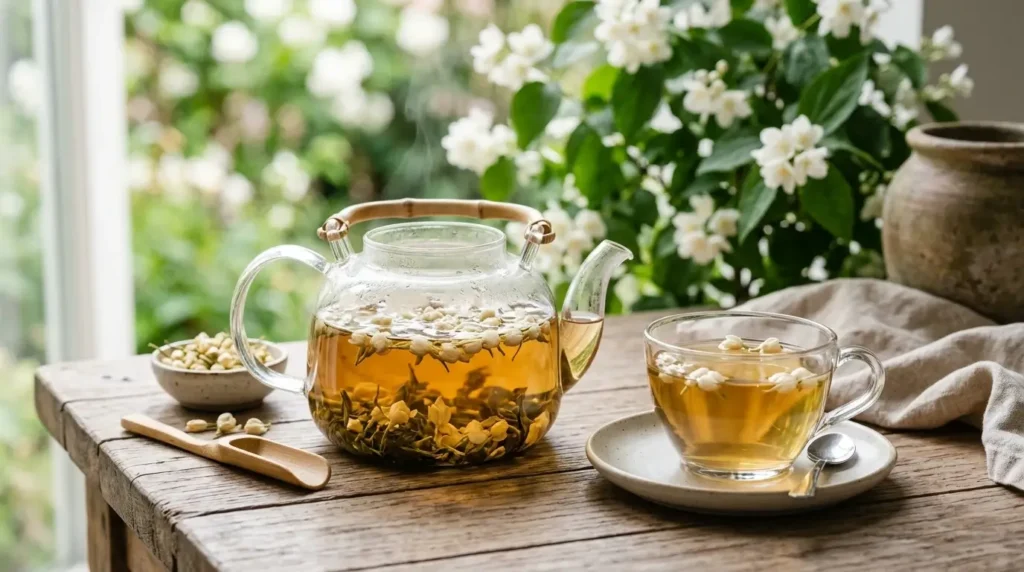
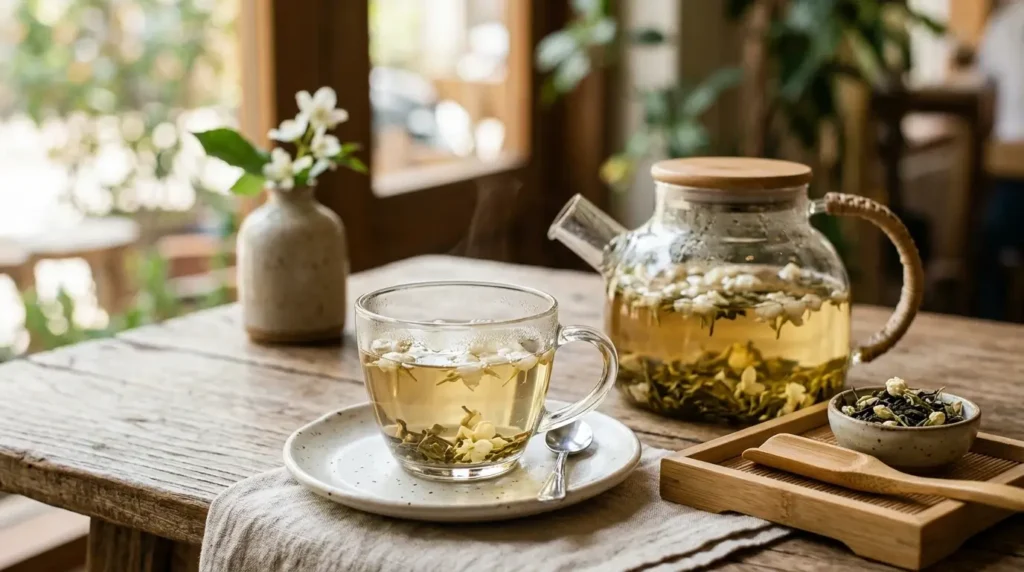
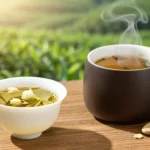
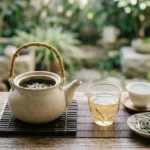
Dealing with the burning discomfort of acid reflux can make enjoying a simple warm beverage feel like a risky gamble. While many popular drinks act as common triggers that worsen heartburn, finding a gentle, soothing alternative is key to managing your symptoms. Renowned for its delicate floral aroma and relaxing properties, jasmine tea is increasingly discussed as a natural remedy. But does it actually work?
In this guide, we will explore the true potential of using jasmine tea for acid reflux. From its antioxidant-rich profile and stress-reducing effects on the gut to practical brewing tips and important limitations, read on to discover if this fragrant brew is right for your digestive health.
Understanding Acid Reflux and Its Triggers
We thoroughly tested jasmine tea for acid reflux to help you make an informed decision on whether jasmine tea acid reflux relief is possible. Acid reflux affects roughly 20% of adults in the Western world, according to research published by the National Institute of Diabetes and Digestive and Kidney Diseases. For millions of people, the burning sensation, regurgitation, and chronic discomfort make daily life genuinely miserable — and finding the right relief, whether through dietary changes or choosing the best tea for acid reflux, becomes a real priority.
What Is Acid Reflux?
Acid reflux occurs when the lower esophageal sphincter (LES) — a muscular valve separating the esophagus from the stomach — weakens or relaxes at the wrong moment. Stomach acid flows backward into the esophagus, causing the hallmark burning sensation known as heartburn. When this happens frequently (twice or more per week), the condition is classified as gastroesophageal reflux disease (GERD).
Common symptoms include:
Persistent heartburn
Regurgitation of food or sour liquid
Chest tightness or discomfort
Difficulty swallowing
Chronic dry cough or hoarseness
Common Triggers
Diet plays a central role. Fatty foods, citrus, chocolate, caffeine, and alcohol are well-documented culprits. Lifestyle factors matter just as much — smoking, obesity, eating large meals, and lying down immediately after eating all increase reflux risk. Even certain medications can loosen the LES.
It’s worth noting that people managing tea for GLP 1 nausea or post-medication digestive sensitivity often report overlapping GERD-like symptoms, making gentle beverage choices critical. Selecting the right tea for GERD symptoms starts with understanding what’s actually irritating the esophagus — which sets the stage for exploring how jasmine tea’s unique nutritional profile might offer some relief.
Jasmine Tea: Nutritional Profile and Health Benefits
When exploring whether jasmine tea for acid reflux relief is achievable, it helps to first understand what’s actually inside the cup. Jasmine tea is typically made by infusing green tea leaves with jasmine blossoms, which means it inherits the nutritional strengths of both the base tea and the flower itself.
A Rich Source of Antioxidants
The most notable compounds in jasmine tea are polyphenols, particularly catechins like epigallocatechin gallate (EGCG). These antioxidants help combat oxidative stress throughout the body, including in the digestive tract. According to research on the health benefits of scented tea, jasmine tea retains significant bioactive compounds that support cellular health and reduce inflammation. It also contains modest amounts of vitamins and minerals, though its therapeutic value lies primarily in its phytochemical content.
Stress Reduction and the Gut-Brain Connection
One underappreciated benefit of jasmine tea is its effect on the nervous system. The aroma of jasmine alone has been shown to produce calming effects by moderating the autonomic nervous system. This matters more than it might seem — as noted in the previous section, psychological stress is a known trigger for acid reflux episodes. A beverage that simultaneously calms the mind and warms the stomach could address two reflux triggers at once.
Jasmine’s Calming Impact on Digestion
Many people wondering is jasmine tea good for acid reflux are drawn to its reputation as a gentle digestive aid. The calming properties of jasmine may help ease gastrointestinal tension and support smoother digestive motility. Unlike many hot drinks for GERD sufferers — which can aggravate symptoms — jasmine tea’s mild, low-acid profile makes it a candidate worth examining closely.
That potential, of course, deserves a deeper look at the specific ways jasmine tea may interact with reflux symptoms.
Now that we understand jasmine tea’s nutritional profile, the logical next question is: can jasmine tea actually help GERD and related symptoms? The evidence, while still emerging, offers some genuinely encouraging signals.
Soothing the Esophagus and Reducing Acidity
One of the most discussed aspects of tea and GERD management is how certain brews interact with the esophageal lining. Jasmine tea’s base — most commonly green tea — contains catechins and polyphenols that may help strengthen the lower esophageal sphincter, the valve responsible for keeping stomach acid where it belongs. In practice, a weakened or relaxed sphincter is the primary mechanical cause of reflux episodes. By supporting its tone, jasmine tea may offer a degree of passive protection.
Additionally, jasmine tea is relatively low in acidity compared to coffee or black tea, making it a gentler option for sensitive digestive systems. Herbal and lightly caffeinated teas are often better tolerated by people managing acid reflux symptoms.
Anti-Inflammatory Effects on the Digestive Tract
Chronic inflammation is a hallmark of GERD, particularly in cases involving esophagitis. This is where jasmine tea’s botanical properties become relevant. The jasmine flower itself contains linalool and benzyl acetate, compounds recognized for their anti-inflammatory characteristics. Research published in Jasmine Tea Consumption and Upper Gastrointestinal Cancer highlights that regular jasmine tea drinkers showed reduced markers of upper GI irritation — a finding with meaningful implications for reflux sufferers.
Reducing digestive tract inflammation isn’t just about comfort — it’s about preventing the long-term tissue damage that persistent acid exposure can cause.
Anecdotal Evidence and Early Research
Many people exploring green tea for acid reflux relief report that jasmine varieties feel particularly gentle on the stomach. While large-scale clinical trials are still lacking, preliminary observations suggest jasmine tea’s dual-action compounds — from both the base tea and the jasmine blossoms — may work synergistically to calm digestive distress.
It’s worth noting, however, that individual responses vary considerably. These potential benefits don’t apply uniformly, and caffeine sensitivity remains a valid concern — a point worth exploring further when comparing jasmine tea against other popular options.
Comparing Jasmine Tea with Other Teas for Acid Reflux
Not all teas are created equal when it comes to managing acid reflux. Understanding how jasmine tea stacks up against other common options helps clarify its place as a potential herbal tea for digestion support.
Caffeine Content: A Critical Variable
Caffeine is a known trigger for acid reflux because it relaxes the lower esophageal sphincter, allowing stomach acid to travel upward. Jasmine tea, typically made with a green tea base, contains roughly 15–60 mg of caffeine per 8-ounce cup — considerably less than black tea (40–70 mg) or coffee (80–100+ mg). That lower caffeine load makes it a more stomach-friendly option than strongly brewed black teas for many people. However, it still contains more caffeine than true herbal teas like chamomile or licorice root, which are caffeine-free alternatives worth considering.
Acidity Levels Compared
Green tea’s pH typically falls between 7 and 10, making it nearly neutral to mildly alkaline — a meaningful advantage over coffee and black tea, which trend more acidic. Jasmine tea shares this relatively gentle acidity profile because of its green tea foundation. Black tea, by contrast, sits at a lower pH and may be more likely to aggravate reflux symptoms with frequent consumption.
How Compounds Differ Across Teas
Digestive system tea benefits vary significantly depending on a tea’s bioactive makeup. Black tea’s higher tannin concentration can increase gastric acid secretion. Chamomile and ginger teas, often cited as the best herbal tea after dinner, contain compounds with anti-inflammatory and antispasmodic properties that may directly soothe the esophagus. Jasmine tea occupies a middle ground — its green tea catechins and jasmine-derived linalool offer mild anti-inflammatory effects without the stronger acid-stimulating properties of black tea.
Understanding these differences sets the stage for practical decisions about when and how to incorporate jasmine tea into your daily routine.
Example Scenarios: Incorporating Jasmine Tea into Your Diet
Understanding jasmine tea’s potential is one thing — putting it into practice is another. Used thoughtfully as a tea for digestion, jasmine tea can become a meaningful part of a reflux-friendly daily routine.
Building a Daily Routine
Timing matters considerably. In practice, the most reflux-conscious approach involves drinking jasmine tea between meals rather than immediately after eating, since a fuller stomach increases pressure on the lower esophageal sphincter. A common pattern is enjoying one cup mid-morning and another in the early afternoon — keeping total daily intake to 2–3 cups to moderate caffeine exposure. Some individuals also find a warm cup about 30 minutes before a light meal helps ease digestive tension.
Complementary Foods to Pair With Jasmine Tea
Pairing jasmine tea with the right foods amplifies its digestive benefits. Consider these reflux-friendly combinations:
Oatmeal or whole-grain crackers — low-acid, high-fiber options that won’t provoke symptoms
Sliced cucumber or melon — hydrating, alkaline snacks that complement tea naturally
Plain rice cakes with almond butter — a satisfying, low-fat pairing
Steamed vegetables — gentle on the stomach and nutritionally dense
Avoid pairing jasmine tea with spicy foods, chocolate, or citrus, as those are common reflux triggers regardless of what you’re drinking.
Brewing Tips for Best Results
Steeping temperature and duration significantly affect both flavor and chemistry. Brewing jasmine tea at around 175°F (80°C) for 2–3 minutes produces a smoother cup with less bitterness — and lower caffeine extraction. That gentler brew may also be kinder to a sensitive esophagus.
As a bonus, some research suggests green tea bases used in jasmine blends may support jasmine tea liver effects regulation, adding another dimension of cardiovascular interest worth discussing with your healthcare provider — which leads naturally into an important question: are there situations where jasmine tea might not be the right choice?
Limitations and Considerations
While jasmine tea offers genuine promise for digestive comfort, understanding its jasmine tea side effects and boundaries is just as important as recognizing its benefits. No remedy works for everyone, and thoughtful use matters.
When Too Much Becomes a Problem
Excessive jasmine tea consumption can trigger or worsen the very symptoms you’re trying to relieve. Because most jasmine teas are green tea-based, they contain caffeine — typically 15–60 mg per cup. High caffeine intake is a known trigger for acid reflux, as it can relax the lower esophageal sphincter and stimulate gastric acid production. Drinking multiple cups daily, especially on an empty stomach, may backfire. Additionally, some people use jasmine tea for sleep due to its calming aroma, but the caffeine content in standard blends makes late-night consumption counterproductive for both sleep quality and nighttime reflux episodes.
Contraindications and Drug Interactions
Certain populations should exercise caution. The tannins naturally present in jasmine tea can interfere with iron absorption — a concern for individuals managing anemia. There’s also evidence that green tea compounds may interact with blood thinners like warfarin and certain stimulant medications. Anyone managing GERD with prescription proton pump inhibitors or H2 blockers should discuss dietary changes with their physician before adding jasmine tea regularly.
The Value of Professional Guidance
Dietary modifications should always complement — never replace — medical treatment. A healthcare provider can assess whether jasmine tea aligns with your specific condition, medication regimen, and overall health profile. Individual responses vary considerably, and what works well in one person may aggravate symptoms in another.
With these considerations in mind, you likely have practical questions about preparation, varieties, and common misconceptions — all of which deserve direct answers.
Even after weighing the evidence and practical scenarios, a few persistent questions tend to surface — particularly around misconceptions, brewing techniques, and product selection.
Does jasmine tea cure acid reflux? No. This is one of the most common misconceptions worth clearing up. Jasmine tea may help ease mild symptoms, but it’s not a treatment or cure. Think of it as a supportive dietary habit, not a medical intervention.
What’s the best way to brew jasmine tea for digestive benefits? Steeping temperature matters significantly. Water around 175°F — rather than a full boil — preserves the delicate compounds associated with jasmine green tea benefits while reducing the likelihood of extracting harsh tannins that could irritate the esophagus. A 2–3 minute steep is generally ideal. Longer infusions increase caffeine concentration, which may worsen reflux for sensitive individuals.
Are there concerns about jasmine tea liver effects? Current evidence doesn’t flag moderate jasmine tea consumption as problematic for liver health. In fact, research on scented tea suggests green tea-based blends may offer protective antioxidant properties. As always, excessive consumption of any caffeinated beverage warrants caution.
Which variety should you choose? The market offers jasmine green, white, and oolong bases. For reflux-sensitive drinkers, lower-caffeine options — like jasmine white tea — offer a gentler starting point.
These clarifications set the stage for a clear, actionable summary of what the evidence actually supports.
Key Takeaways
Jasmine tea occupies a genuinely nuanced space in digestive health. Its potential anti-inflammatory properties and calming aromatic compounds offer real promise for some people managing acid reflux symptoms — but it’s not a universal remedy, and the base tea matters enormously.
Here’s what the evidence and practical guidance collectively suggest:
Base tea choice is critical. Green-based jasmine tea is far gentler on a sensitive esophagus than black tea varieties, particularly when considering that black tea before bedtime can relax the lower esophageal sphincter and worsen nighttime reflux.
Moderation and timing shape outcomes. Brewing light, avoiding late-night consumption, and drinking without food triggers can meaningfully reduce irritation risk.
Herbal alternatives remain relevant. If jasmine tea proves too stimulating, options like chamomile tea for acid reflux offer a caffeine-free path worth exploring alongside jasmine.
Individual responses vary. What soothes one person may aggravate another, making self-monitoring essential.
The most effective digestive health strategies treat tea as one tool within a broader lifestyle framework, not a standalone solution.
Consulting a gastroenterologist or registered dietitian remains the most reliable path forward, especially for chronic or severe reflux. Use the research as a starting point, track your personal response, and make informed adjustments. Jasmine tea can be a pleasant, supportive habit — approached thoughtfully, it may genuinely contribute to greater digestive comfort.
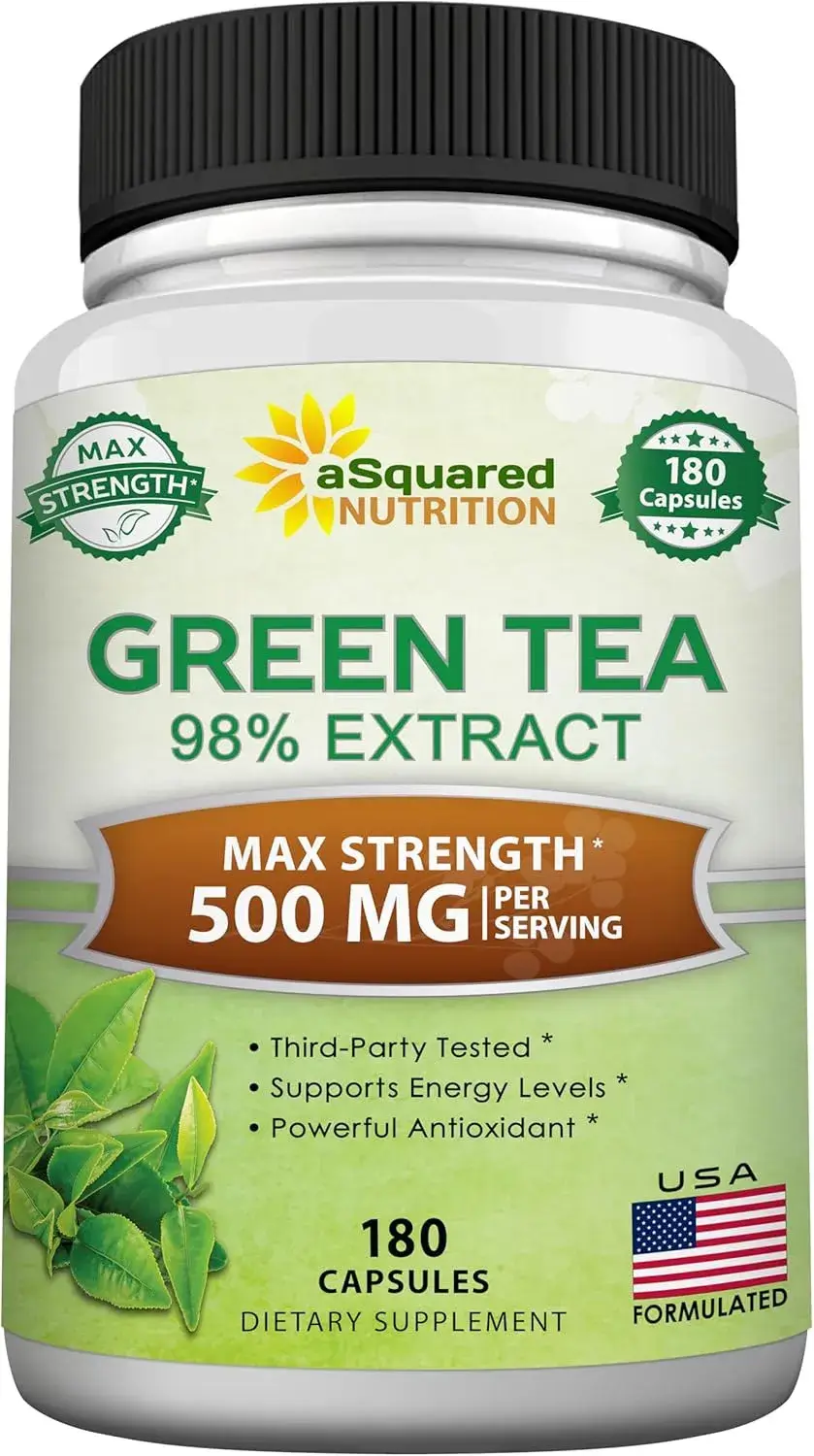
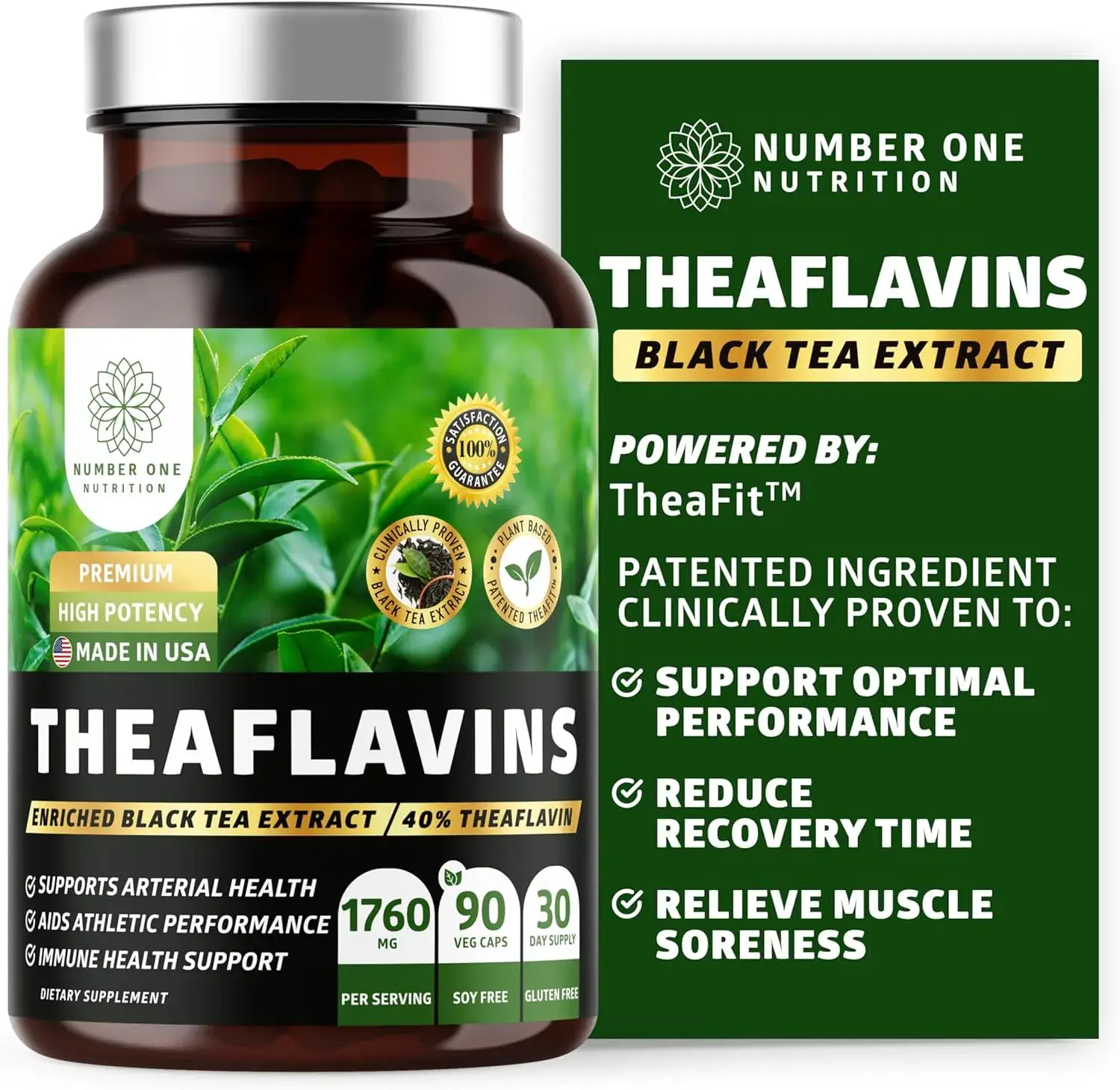
Black Tea Extract that is rich in natural theaflavins and polyphenols that help protect your body from free radicals, promoting overall immune health and well-being
Contains blended amounts of Fruits and Veggies. All natural, with whole foods, fruit and vegetable supplement.Perfect for everyone looking to live a healthier lifestyle.