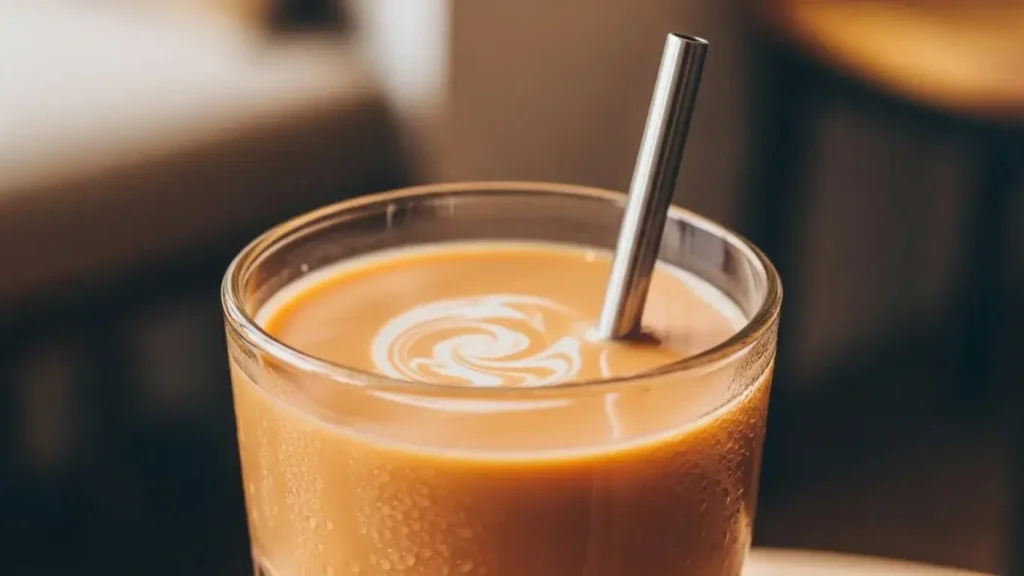
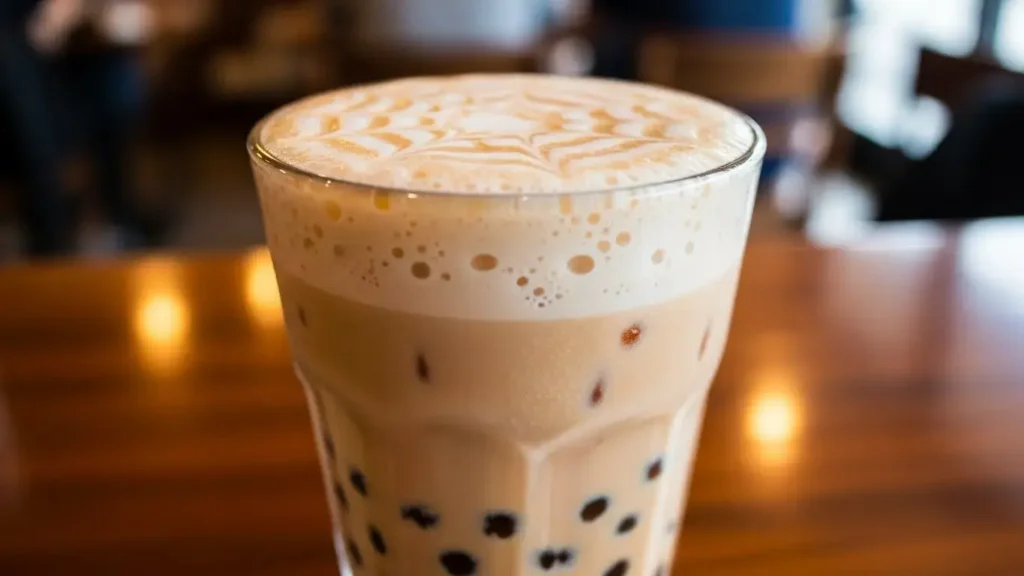
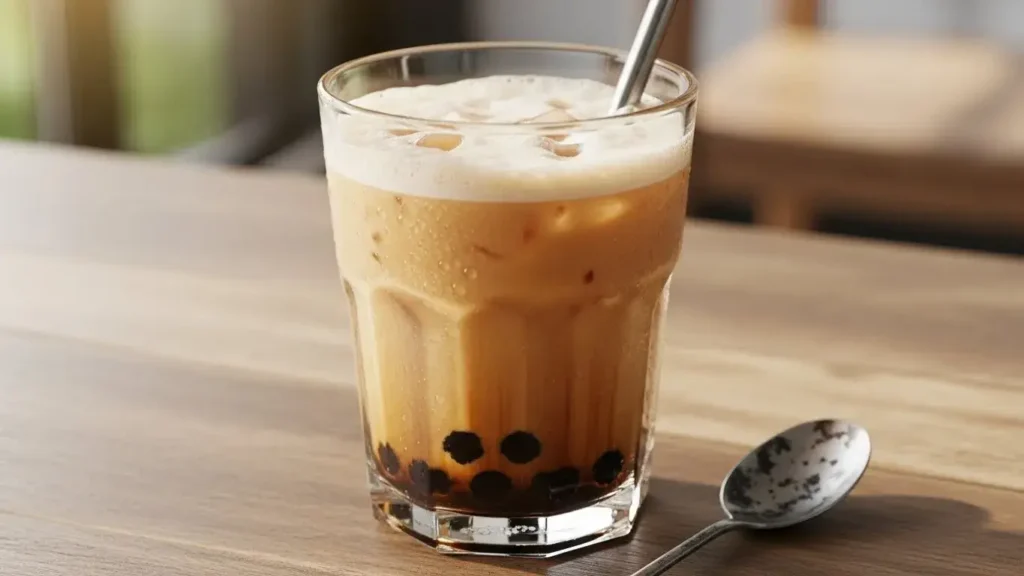
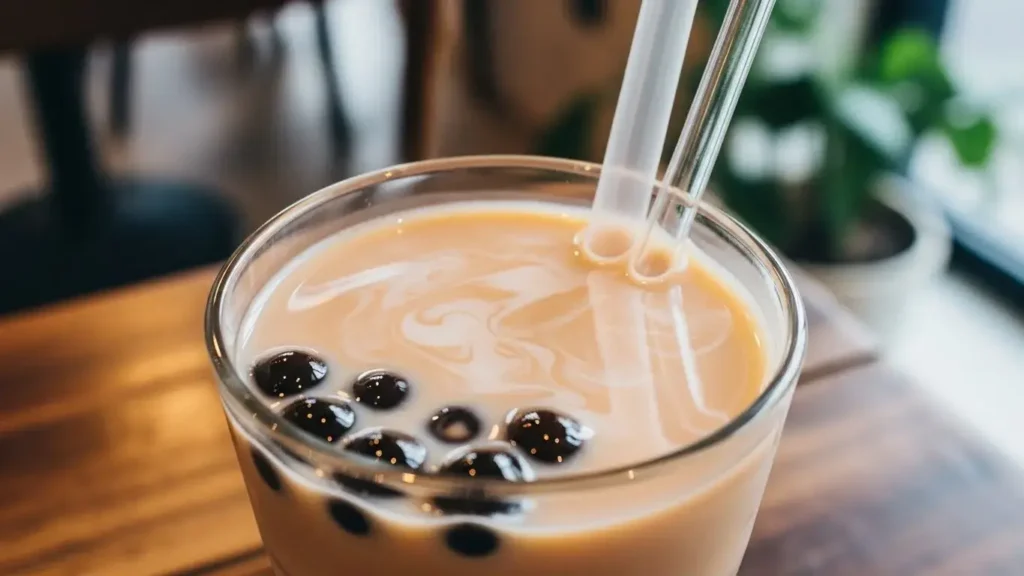
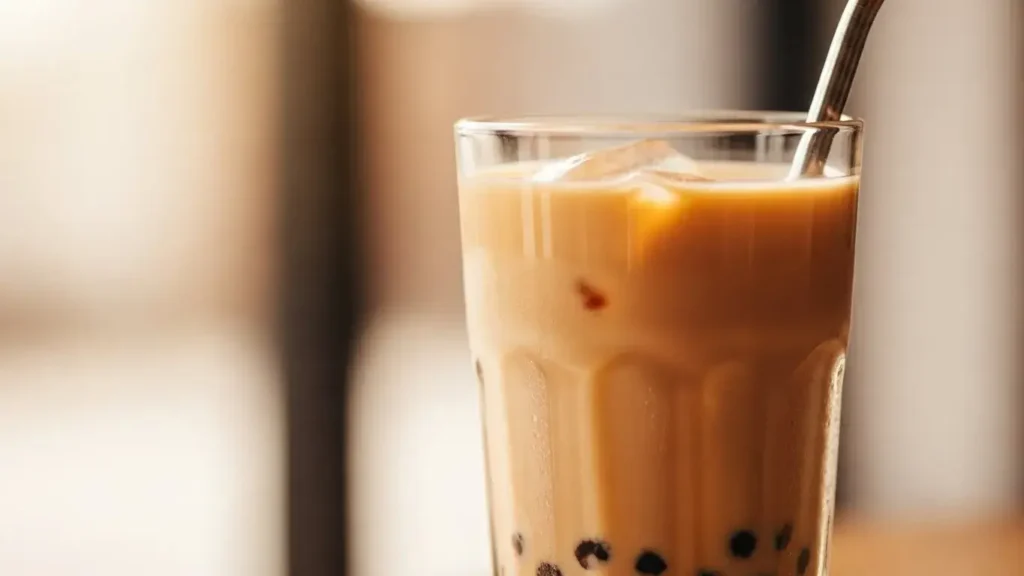
Did you know some Hong Kong shops serve over a million cups of milk tea every year? When I brew tea for milk tea at home, I’m always reminded that this seemingly simple beverage is actually an art form requiring precision and care.
Although the process might seem straightforward, creating the perfect milk tea involves understanding the right tea varieties and brewing techniques. Black teas like Assam and Darjeeling are traditional favorites for making black milk tea because their strong flavors complement the creaminess of milk. Moreover, Hong Kong-style milk tea (also called “silk stocking tea” for its ultra-smooth texture) achieves its distinctive bold, velvety taste by blending multiple black tea varieties with evaporated or condensed milk.
Importantly, black tea offers more than just flavor. It’s rich in polyphenols that fight free radicals and support overall health. Additionally, the combination of caffeine and theophylline in black tea boosts energy levels and improves concentration—perfect reasons to master how to make milk tea at home.
In this step-by-step guide, I’ll walk you through everything you need to know about brewing the perfect base for your milk tea, whether you prefer classic black milk tea or want to explore other exciting variations.
Understanding Milk Tea and Its Variants
Milk tea has become a global sensation with countless variations that reflect regional tastes and traditions. Let me guide you through the fascinating world of this beloved beverage.
What is milk tea?
Milk tea is fundamentally a tea-based drink combined with milk or creamer. While this might sound simple, the magic lies in the countless ways these two ingredients come together. Essentially, what distinguishes milk tea is its creamy texture and balanced flavor profile that comes from the harmonious blend of tea and milk.
I’ve found that milk tea serves as a broader category that encompasses many specialized drinks. For instance, bubble tea can refer to any tea-based beverage with or without toppings, whereas milk tea specifically requires the combination of tea with milk or creamer. The drink offers a naturally sweet, creamy, and balanced taste that can be enhanced with spices, sweeteners, or bold flavors like fresh fruit.
Popular types of milk tea around the world
The versatility of milk tea has led to distinctive regional variations:
Hong Kong-style milk tea combines black tea with evaporated or condensed milk, creating a silky texture often called “pantyhose tea” due to its traditional filtration method
Taiwanese bubble tea features tapioca pearls (boba) added to milk tea, celebrating its cultural significance with National Bubble Tea Day on April 30
Thai milk tea blends strong black tea with condensed milk and sometimes spices, creating its signature orange color
Masala chai from India incorporates black tea, milk, and spices like cardamom, cinnamon, and ginger
Japanese Hokkaido-style milk tea includes brown sugar and half-and-half for a richer taste experience
Why brewing matters in milk tea
The brewing process significantly impacts your milk tea’s final taste. Furthermore, the strength of your tea base determines how well it stands up to milk without becoming diluted.
I’ve learned that proper brewing creates the foundation for balanced flavor. For instance, to make standard milk tea, steeping black tea for five minutes yields a brew that is strong but not bitter. This initial brewing step is crucial since milk’s proteins bind to tea’s polyphenols, reducing astringency while creating the smooth texture milk tea is known for.
The brewing technique varies by tea type—black teas like Assam, Ceylon, and breakfast blends bring full-bodied flavor that complements milk perfectly. Throughout my experience, I’ve found that mastering the brewing process is what separates an average milk tea from an exceptional one.
Selecting the proper tea forms the foundation of exceptional milk tea. The right choice can make the difference between a mediocre cup and one with perfect balance and depth.
How to brew black tea for milk tea
Black tea requires specific brewing techniques for milk tea. Ideally, use water between 95-100°C (203-212°F) for robust extraction. For milk tea specifically, I steep black tea longer than usual—about 4-6 minutes—to create a concentrate strong enough to stand up to milk. Consequently, this prevents the final beverage from tasting watery or diluted. When brewing for milk tea, use approximately 4g of tea per 200ml of water to achieve the perfect strength.
Best teas for milk tea: Assam, Ceylon, and more
Assam and Ceylon teas stand out as premier choices for milk tea:
Assam: Grown in northeastern India, it delivers a bold, malty flavor with caramel sweetness and a deep red color. Its high tannin content (15-25% of dry weight) creates a rich taste that cuts through milk fats beautifully.
Ceylon: From Sri Lanka, it offers a brighter, crisper profile with refreshing qualities and sometimes citrus notes. Its moderate astringency mellows wonderfully with milk.
English Breakfast blends often combine both, creating perfect balance. Notably, many shops blend these teas together for boba milk tea to leverage Assam’s maltiness and Ceylon’s brightness.
Green and oolong options for milk tea
Besides black tea, oolong provides an excellent alternative. Sitting between green and black tea, it requires water at 185-205°F (85-96°C) and steeps for 3-5 minutes. Oolong creates a milk tea with toasty, sometimes fruity notes. Dark oolongs particularly shine in milk tea applications.
Green tea works surprisingly well too, especially matcha, which pairs beautifully with milk’s creaminess. Indeed, green tea makes an excellent base for Taiwanese bubble tea.
Using tea bags vs loose leaf
Loose-leaf tea generally offers fuller flavor because it contains whole tea leaves rather than the dust often found in tea bags. Loose leaves have more space to expand during brewing, releasing more complex flavors. Nevertheless, quality pyramid-shaped tea bags can provide convenience without sacrificing too much quality.
How to Brew Tea for Milk Tea: Step-by-Step Guide
Brewing the perfect base is crucial for creating exceptional milk tea. Let me walk you through the process step by step.
1. Measure your tea and water
For standard milk tea, use a ratio of 1:40 tea to water by weight. This translates to about 6g of tea (or 2-3 tea bags) per cup of water. For Hong Kong-style milk tea, increase to approximately 10 tablespoons of tea leaves for 6 cups of water to achieve that signature robust flavor.
2. Heat water to the right temperature
Black tea requires water between 95-98°C for optimal extraction. Once your water reaches this temperature (when you see large bubbles forming), remove it from heat. For green tea options, lower the temperature to 75-80°C to prevent bitterness.
3. Steep time and strength control
Black tea needs 3-5 minutes for regular strength, yet for milk tea, extend this to 5-7 minutes. Hong Kong-style milk tea traditionally requires 10-15 minutes of steeping for maximum richness. Afterward, remove tea bags or strain leaves immediately to prevent over-extraction and bitterness.
4. Straining and filtering tips
For authentic Hong Kong-style milk tea, strain through a fine-meshed strainer lined with cotton cheesecloth. This “silk stocking” method creates the signature smooth texture by removing all tea particles and sediment.
5. When to add milk and sweeteners
Always add milk after brewing your tea base. Research indicates adding milk to the cup first may cause uneven heating of milk proteins. For sweeteners, add while the tea is still warm to ensure proper dissolution before adding milk.
6. Adjusting for hot vs iced milk tea
For iced milk tea, brew stronger by using double the tea amount then pour over ice. Alternatively, replace ice with an equivalent amount of hot water when making hot milk tea to maintain consistent flavor intensity.
Mastering the nuances of milk tea brewing helps avoid common pitfalls that can ruin your perfect cup. Let me share professional insights to elevate your milk tea experience.
Avoiding curdling and bitterness
To prevent milk from curdling, allow tea to cool slightly before adding milk, or gently warm the milk first. Stir milk slowly into tea. In fact, adding milk gradually reduces the temperature shock that causes proteins to separate. Steep black tea for only 3-5 minutes to avoid excessive tannin release.
How to make black milk tea taste better
Use fresh, filtered water for smoother flavor. Maintain a balanced ratio of tea, milk, and sweetener so milk doesn’t overpower the tea. Try brown sugar instead of white for a caramel-like molasses flavor that complements black tea’s natural notes.
Using non-dairy milk alternatives
Oat milk creates the creamiest texture for milk tea with a balanced flavor profile. Soya milk produces a sweeter, less distinct taste that works especially well with Earl Gray. Meanwhile, almond milk offers a lighter option but may struggle with stronger black teas.
Common brewing mistakes to avoid
Using water that’s too hot can “stew” delicate leaves. Brewing for too long releases excess tannins, causing bitterness. Moreover, reusing boiled water removes valuable oxygen, resulting in flat-tasting tea.
How to make milk tea at home like a pro
For authentic flavor, brew stronger by using twice the normal amount of tea leaves. Immediately afterward, chill completely before adding ice to prevent watery texture. Lastly, experiment with seasonal additions like cinnamon in winter or fruit syrups in summer.
Conclusion
Brewing the perfect tea base stands as the cornerstone of exceptional milk tea. Throughout this guide, we’ve explored everything from traditional Hong Kong-style milk tea to vibrant Thai variations. Most importantly, the quality of your brew directly affects the final taste experience.
After trying countless methods over the years, I’ve found that attention to detail makes all the difference. The right tea selection—whether robust Assam or bright Ceylon—paired with proper water temperature and steeping time creates a foundation that holds up beautifully against milk.
Remember that experimentation remains part of the joy of making milk tea at home. You might discover that oat milk works wonderfully with your favorite black tea blend, or that a touch of brown sugar elevates your morning cup beyond what any café offers.
Additionally, the techniques shared here work equally well for both hot and cold preparations. Simply adjust the tea strength accordingly when making iced versions.
The art of brewing tea for milk tea certainly takes practice, but the rewards prove worth every effort. My hope is that you’ll take these steps and make them your own, perhaps creating signature variations that become favorites among friends and family.
Your perfect cup awaits—rich, smooth, and balanced exactly to your taste. Happy brewing!
Master the art of brewing tea for milk tea with these essential techniques that transform a simple beverage into a café-quality experience at home.
• Use the right tea-to-water ratio: 6g of tea per cup of water, with black teas like Assam and Ceylon providing the best flavor foundation for milk tea.
• Control temperature and timing precisely: Heat water to 95-98°C and steep black tea for 5-7 minutes to create a strong base that won’t dilute when milk is added.
• Add milk after brewing, not before: Always brew your tea base first, then gradually add warm milk to prevent curdling and ensure smooth texture.
• Avoid common mistakes: Don’t over-steep (causes bitterness), use fresh filtered water, and never reuse boiled water as it creates flat-tasting tea.
• Experiment with alternatives: Oat milk creates the creamiest non-dairy option, while brown sugar adds caramel notes that complement black tea’s natural flavors.
The key to professional-quality milk tea lies in building a strong, well-balanced tea foundation that can stand up to milk while maintaining its distinctive character and avoiding common pitfalls like bitterness or curdling.
FAQs
Q1. What’s the secret to making milk tea taste like it’s from a boba shop? The key is using powdered non-dairy creamer instead of milk, brewing a very strong tea concentrate, and adding the right amount of sweetener. Many shops use a blend of black teas like Assam and Ceylon for a full-bodied flavor that stands up to the creamer.
Q2. How do you brew tea properly for milk tea? For a standard milk tea, use about 6g of tea leaves per cup of water. Steep black tea in water heated to 95-98°C for 5-7 minutes to create a strong concentrate. This longer steeping time ensures the tea flavor isn’t diluted when mixed with creamer and ice.
Q3. What type of sweetener works best for milk tea? While preferences vary, many shops use simple syrup or brown sugar syrup. For a richer flavor, try caramelizing brown sugar before adding water to make the syrup. Honey or agave nectar can also work well, offering different flavor profiles.
Q4. Can you make milk tea without dairy? Absolutely! In fact, most boba shops use non-dairy creamer powder instead of milk. This creates a creamier texture and more consistent flavor. You can also experiment with plant-based milks like oat or soy milk for different tastes and textures.
Q5. How long can homemade milk tea be stored? When stored properly in the refrigerator, homemade milk tea can last 3-4 days. However, for the best taste and texture, it’s recommended to consume it within 24 hours. If you’ve added boba pearls, they should be consumed within 4 hours as they don’t store well and can become hard or mushy.
Black Tea Extract that is rich in natural theaflavins and polyphenols that help protect your body from free radicals, promoting overall immune health and well-being
Contains blended amounts of Fruits and Veggies. All natural, with whole foods, fruit and vegetable supplement.Perfect for everyone looking to live a healthier lifestyle.