Wondering can yellow tea lose weight? Yellow tea might be the answer we’ve been overlooking. This rare and valuable tea contains powerful catechins that help burn body fat effectively and accelerate weight loss goals.
When exploring teas for weight loss, yellow tea stands out for its exceptional metabolism-boosting properties. Scientific investigations have shown that consuming yellow tea improves metabolism and speeds up fat burning. Furthermore, yellow tea contains catechins that increase metabolism by stimulating the body to break fats down more quickly and burn more calories. Perhaps most impressively, this nutritious beverage contains only two calories per 8-oz serving, making it an excellent alternative to sugary drinks.
In this article, we’ll examine the scientific evidence behind yellow tea’s weight loss benefits, explore how it compares to other teas for weight loss, and discover the proper ways to brew this unique tea for maximum results.
What is Yellow Tea and Why is it Unique?
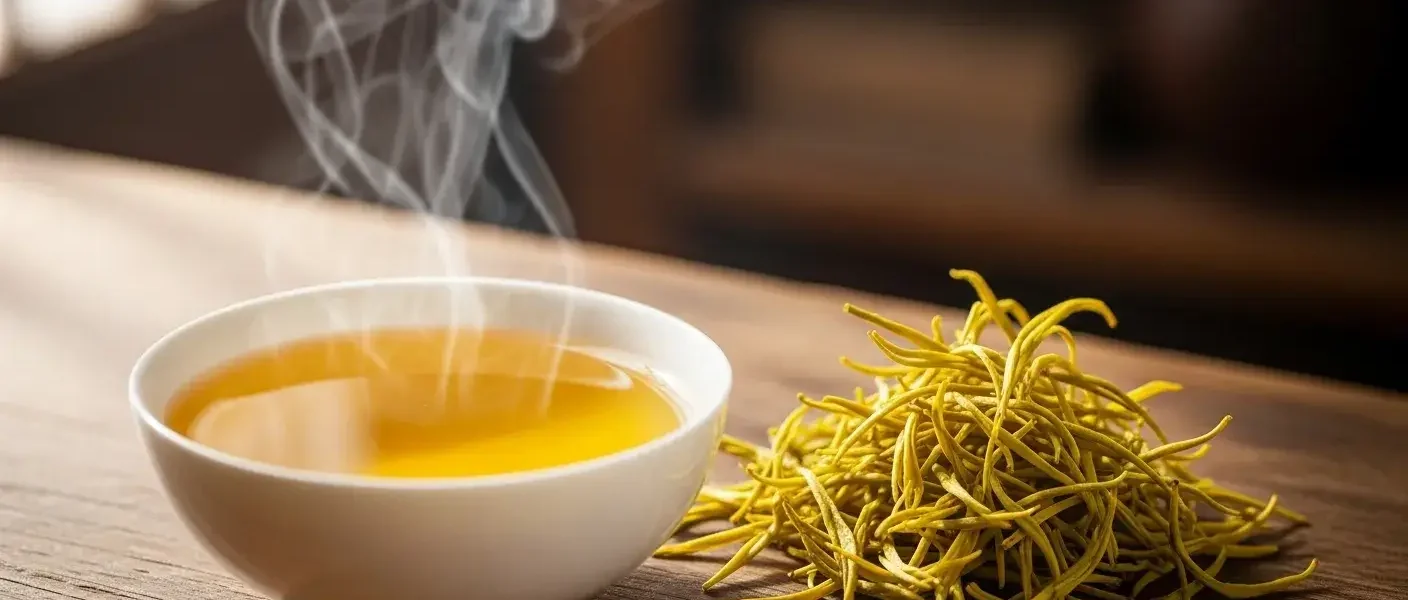
Yellow tea remains one of the most mysterious and least known members of the tea family, despite its centuries-old heritage. This partially oxidized tea sits somewhere between green and oolong teas in terms of oxidation levels, with a range of 10-25% oxidation. Its defining characteristic lies not just in its golden hue but in its remarkably smooth and mellow flavor profile that lacks the grassy notes often associated with green tea.
How Yellow Tea is made
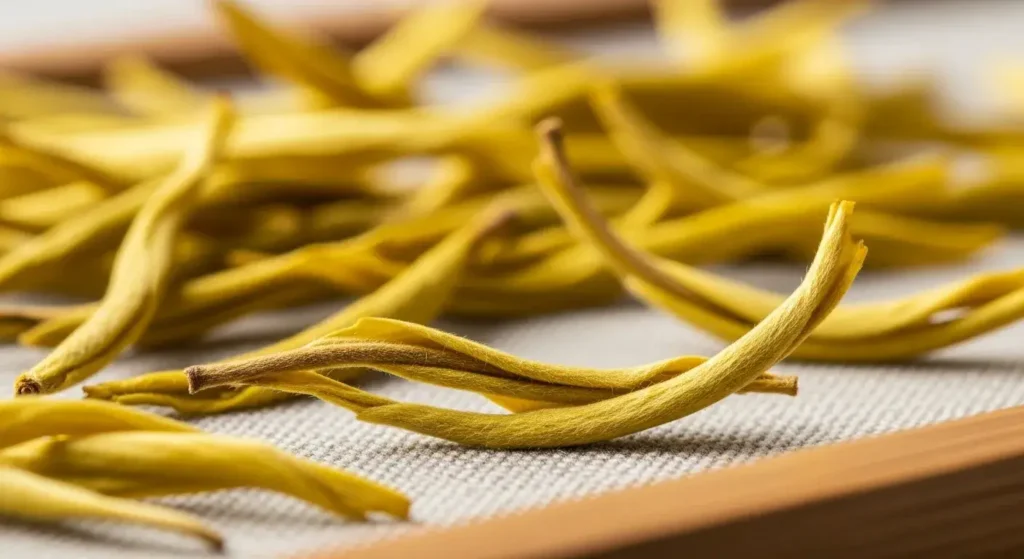
The production of yellow tea follows a meticulous process that sets it apart from all other tea varieties. Initially, the process resembles green tea production with one crucial additional step called “Men Huang” (闷黄) or “yellowing”. This unique processing sequence typically includes:
Harvesting – Only the finest buds and young leaves are carefully picked, primarily in spring starting as early as March
Fixation – Leaves are heated at temperatures between 120-150°C to halt oxidation, though at lower temperatures than green tea
Men Huang – The warm, moist leaves are wrapped in cloth or paper or piled in bamboo baskets, causing the leaves to slowly change from green to yellow
Drying – The yellowed leaves undergo a final drying process, sometimes repeated multiple times at lower temperatures than other teas
The Men Huang step is what truly defines yellow tea. During this process, the leaves undergo a controlled “yellowing” where they are allowed to oxidize slowly in a warm, moist environment. This step can take anywhere from a few hours to several days depending on the specific variety and desired outcome.
How it differs from Green and Oolong Tea
While green tea undergoes virtually no oxidation (0-5%), yellow tea experiences a light oxidation of 10-25%, giving it distinctive characteristics. Unlike green tea’s grassy profile with pronounced astringency, yellow tea offers a more balanced sweetness with delicate fruity notes.
The key distinction lies in the additional Men Huang step that green tea doesn’t undergo. This process effectively removes the characteristic grassy smell of green tea, resulting in a smoother, more mellow flavor.
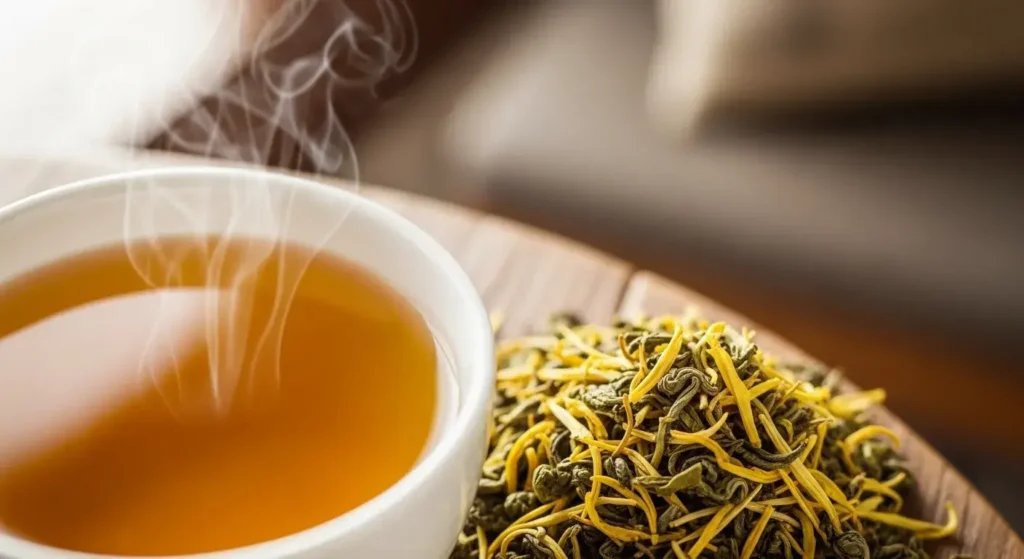
Compared to oolong teas (20-80% oxidation), yellow tea generally has less oxidation and lacks the more intense floral complexity, instead offering a more subtle and refined taste profile. The unique processing gives yellow tea its signature attributes: yellow tea liquid, yellow tea leaves, and an elegant aroma with a refreshing taste that’s gentle on the palate.
Why it’s considered rare and valuable
Yellow tea’s exceptional rarity stems from several factors. Primarily, its production method requires extraordinary skill and precision. The Men Huang process is so complex and time-consuming that only a few artisans in the world fully possess the technical mastery required.
Moreover, historical significance adds to its value. Yellow tea was once an imperial tribute tea reserved exclusively for Chinese emperors. In traditional Chinese culture, the color yellow represented the earth element and symbolized imperial power—only the emperor could wear yellow garments or use decorations of this sacred color.
Additionally, yellow tea accounts for less than 1% of global tea production. Some varieties, like Jun Shan Yin Zhen from Hunan province, are grown on an island measuring just 1 square kilometer, severely limiting production. For centuries, it was even illegal to sell yellow tea outside of China, further contributing to its obscurity in global markets.
The combination of complex processing, historical significance, and limited production makes yellow tea one of the world’s most valuable and sought-after teas—a true treasure for those seeking unique tea experiences beyond the ordinary.
The scientific evidence supporting yellow tea’s weight loss properties continues to grow. With each new study, researchers uncover more about how this ancient beverage might help those seeking to manage their weight through natural means.
Scientific studies on yellow tea and fat burning
Recent laboratory investigations have demonstrated that yellow tea significantly reduces body weight gain in test subjects. In fact, one particularly noteworthy study found that cold-brewed yellow tea exhibited stronger anti-obesity effects than its hot-brewed counterpart in mice fed high-fat diets. This effect primarily stems from yellow tea’s ability to inhibit pancreatic lipase—an enzyme responsible for fat digestion.
Consequently, more substantial evidence comes from studies examining the effects of Mogan large-leaf yellow tea (MG-LYT) on metabolic health. When researchers provided db/db mice (a model for diabetes and obesity) with yellow tea extract, they observed reduced food consumption and water intake throughout the experimental period. Specifically, these mice showed lower serum levels of total cholesterol, low-density lipoprotein cholesterol, and triglycerides.
The therapeutic potential extends beyond just weight management. Studies show that yellow tea supplementation effectively prevented fatty liver formation and restored normal hepatic structure in mice models. According to researchers, this ability to reduce hepatic lipid accumulation represents one of yellow tea’s most promising health benefits.
How catechins and polyphenols affect metabolism
Yellow tea contains significant amounts of catechins—powerful phenolic compounds that directly influence how our bodies process fat. These bioactive compounds work through multiple mechanisms to boost metabolism and facilitate weight loss.
First, catechins increase metabolism by stimulating the body to break down fats more quickly and burn more calories. In particular, epigallocatechin gallate (EGCG)—the most abundant catechin in tea—contributes significantly to these metabolic benefits.
Notably, yellow tea’s catechins appear to work directly on fat cells. Research suggests these compounds interfere with the process of fat absorption and metabolism. At the molecular level, studies reveal that yellow tea extract activates SIRT6 (a protein involved in metabolism) while decreasing the expression of key lipogenesis-related molecules like SREBP1, FAS, and DGAT1 in the liver.
The metabolic effects occur at several levels:
Decreasing the expression of genes involved in fat synthesis (Acaca, Fasn, and Srebf1)
Reducing protein expression of fatty acid synthase (FAS) and sterol regulatory element-binding protein 1 (SREBP1)
Improving glucose tolerance and insulin resistance
Comparison with other teas for weight loss
Although most weight loss tea discussions center around green tea, yellow tea offers several distinct advantages. In clinical trials, yellow tea demonstrated a more significant anti-hyperglycemic effect compared to green, black, and dark tea varieties.
The catechin profile of yellow tea closely resembles that of white tea, which has been shown to “speed up the breakdown of fat cells and block the formation of new ones”. However, yellow tea’s unique processing method creates a slightly different catechin composition, potentially enhancing its fat-burning capabilities.
Green tea’s weight loss effects primarily come from the combined action of EGCG and caffeine, which work synergistically. Studies indicate green tea only effectively assists weight loss when combined with 80 to 300 mg of caffeine daily. Yellow tea contains these same compounds but in different proportions due to its specialized production process.
Black tea, in contrast, appears to work through different mechanisms—its polyphenols lower calorie intake and decrease the absorption of fats and carbohydrates while also altering gut bacteria in ways that combat obesity.
Perhaps the most comparable tea for weight loss purposes is oolong tea, which has demonstrated impressive results in clinical settings. One study found that drinking 4 cups of oolong tea daily helped overweight or obese adults lose weight, with approximately 70 percent of severely obese subjects losing more than 2.2 pounds within six weeks.
The combination of catechins, minimal processing, and metabolism-boosting properties makes yellow tea a promising option for those seeking natural weight management solutions.
Other Health Benefits of Yellow Tea
Beyond its impressive weight loss properties, yellow tea offers a range of health benefits that make it a valuable addition to any wellness routine.
Supports heart health
The abundant polyphenols in yellow tea provide robust cardiovascular protection through multiple mechanisms. These powerful compounds enhance the antioxidant defense of endothelial cells and exhibit anti-inflammatory properties that help prevent inflammation-related heart ailments like coronary heart disease and myocardial infarction. Yellow tea’s heart benefits work in two key ways: first, its chemical composition actively lowers levels of low-density lipoprotein (bad fat), and second, it prevents the absorption of cholesterol from food into your body.
Studies demonstrate that yellow tea administration significantly reduces serum concentrations of total cholesterol, triglyceride, and free fatty acids in animal models. Additionally, the flavanols present in yellow tea help maintain balanced cholesterol levels by promoting the removal of LDL cholesterol from the body.
May help regulate blood sugar
Yellow tea shows remarkable potential for blood sugar management. Research indicates that regular consumption might reduce the risk of developing diabetes by approximately 33%. In laboratory studies, yellow tea infusions reduced diabetic symptoms including polydipsia (excessive thirst) and polyuria (excessive urination), enhanced glucose tolerance and insulin sensitivity, and lowered fasting blood glucose levels.
The mechanisms behind these effects are fascinating. Yellow tea appears to work by downregulating gluconeogenesis, upregulating lipid catabolism, downregulating lipogenesis, and beneficially modifying gut microbiota to modulate metabolic homeostasis. One study with diabetic mice found that after just four weeks of dietary supplementation with large yellow tea, blood glucose levels decreased almost to normal levels.
Promotes skin health and anti-aging
The antioxidants in yellow tea offer significant benefits for skin health and aging. Polyphenols derived from Camellia sinensis leaves protect human skin from the signs of photoaging by fighting oxidative stress—a major contributor to skin aging.
Particularly impressive is the research on yellow tea protein-derived oligopeptides (TPP), which demonstrate potent free radical scavenging properties that mitigate oxidative damage. These compounds have shown the ability to promote cell migration, which assists in skin repair processes.
When tested on UV-exposed mice, TPP intervention significantly ameliorated oxidative stress and skin inflammation by restoring endogenous antioxidant enzyme activity and suppressing pro-inflammatory cytokines including IL-1β, IL-6, and TNF-α. Furthermore, topical application of yellow tea has been found to inhibit UV-induced skin damage, potentially offering protection from sunburns.
These wide-ranging benefits make yellow tea not just a weight-management aid but a comprehensive addition to any health-focused lifestyle.
If you’re considering yellow tea for its weight loss benefits, understanding its caffeine content is essential for maximizing results while avoiding potential side effects.
How much caffeine is in yellow tea?
Yellow tea contains moderate caffeine levels, typically around 32-63 mg per 8-ounce cup. This places it somewhere between green tea and black tea in the caffeine spectrum. Yet research findings vary—one source found yellow tea to be quite potent with 3.18% caffeine content, meaning 1 gram of yellow tea yields approximately 32 mg of caffeine.
The processing method directly influences caffeine content. Studies suggest that longer piling processes result in lower caffeine levels. For example, Huang Da Cha yellow tea contains roughly 18.8 mg of caffeine per gram. Primarily, the oxidation level affects the caffeine content—as a general rule, more oxidized teas contain higher caffeine levels.
Caffeine vs. L-theanine: alertness without jitters
What makes yellow tea truly remarkable is the natural combination of caffeine with L-theanine, a unique amino acid found abundantly in tea leaves. This powerful pairing creates a balanced energy experience unlike coffee or energy drinks.
L-theanine increases alpha wave formation in the brain, which is associated with alert relaxation. Simultaneously, it affects neurotransmitters like GABA and dopamine. Clinical studies have shown that the combination of L-theanine and caffeine significantly improves accuracy during demanding cognitive tasks and enhances self-reported alertness while reducing tiredness.
First, the caffeine delivers energy and focus. Second, the L-theanine prevents the jittery feeling often associated with caffeine consumption. Additionally, tea caffeine is absorbed more slowly by your body compared to coffee, creating a smoother rise and fall in energy levels.
Is it safe for everyone?
Certainly, yellow tea’s moderate caffeine content makes it suitable for most adults. Indeed, its approximately 33 mg of caffeine per cup is significantly lower than coffee’s 90-150 mg.
Nevertheless, certain individuals should exercise caution:
Caffeine-sensitive people might experience insomnia, jitteriness, or increased heart rate
Pregnant women should consult healthcare providers before consumption
People taking medications, especially those affecting blood pressure or heart conditions, should seek medical advice as compounds in yellow tea may interact with certain medications
Naturally, the L-theanine content helps mitigate many negative effects by promoting relaxation while maintaining alertness.
How to Brew Yellow Tea for Maximum Benefits
Brewing yellow tea correctly is critical for extracting its full weight-loss potential. This rare tea requires specific preparation techniques to preserve its delicate flavor profile as well as its fat-burning compounds.
Best brewing temperature and time
The ideal temperature for brewing yellow tea ranges from 160°F to 175°F. Using water that’s too hot can damage the delicate leaves and negatively affect both flavor and nutritional content. Essentially, look for what tea experts call “column of steam steadily rising” water. For precise brewing, use a temperature-controlled kettle or let boiled water rest for 3-4 minutes.
Steep yellow tea leaves for 2-3 minutes when using Western brewing methods. Subsequently, taste test every 30 seconds to discover your preferred flavor profile. The steeping time might vary depending on the specific yellow tea variety, as some benefit from longer steeping while others develop bitterness.
Western vs. Gongfu brewing methods
Western brewing involves using larger teapots with about 3-4 grams (one teaspoon) of tea per 8 ounces of water. This method is perfect for casual drinking or when multitasking.
Gongfu brewing requires:
A gaiwan (lidded bowl) or small teapot (150ml)
Higher leaf-to-water ratio (4-6g per 100ml)
Much shorter steeping times (30-90 seconds)
Multiple infusions (up to 8+)
Primarily, gongfu brewing produces a more concentrated, flavorful cup with greater depth. Above all, it allows you to experience how the flavor evolves across multiple infusions.
Tips to enhance flavor and preserve nutrients
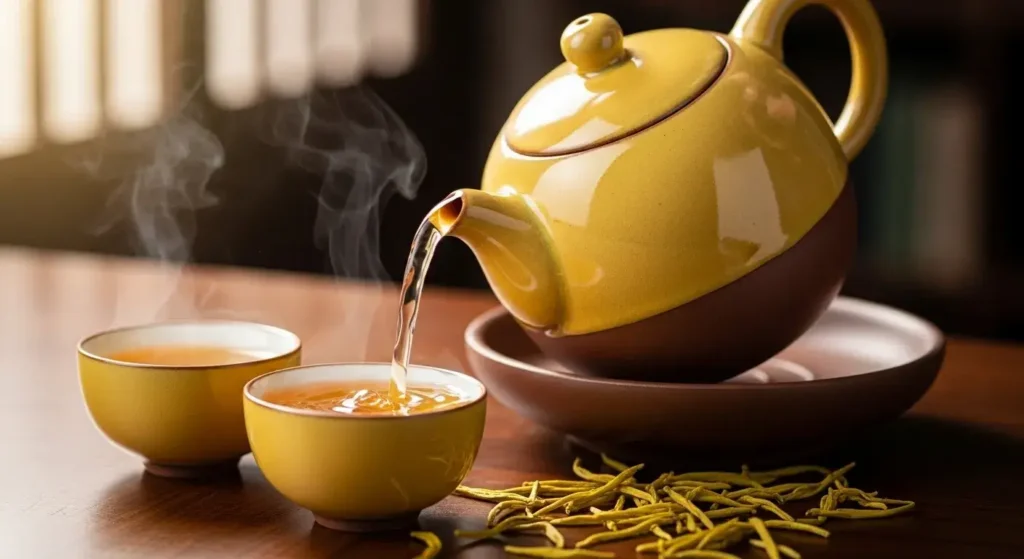
Use high-quality spring or filtered water as tap water minerals can alter taste. Preheat your teapot by rinsing with hot water to maintain brewing temperature. Yellow tea leaves can be brewed multiple times—3-6 infusions typically—by increasing steeping time by 30 seconds with each subsequent brew.
Glass brewing vessels showcase the beautiful yellow tea leaves as well as prevent heat retention that might damage the tea. For those seeking natural sweetness without added calories, try brewing with a slice of citrus or fresh berries to complement yellow tea’s delicate profile.
Yellow tea stands out as a remarkable option for those seeking natural weight management solutions. This rare beverage offers numerous advantages beyond its delicious taste profile. Scientific research clearly demonstrates its effectiveness in boosting metabolism, burning fat, and supporting overall weight loss goals. The unique catechins found in yellow tea work directly on fat cells, interfering with fat absorption while stimulating the body to break down fats more quickly.
What makes yellow tea particularly valuable is how it compares favorably to other weight loss teas. Unlike many alternatives, yellow tea provides a balanced approach to energy – thanks to its perfect combination of caffeine and L-theanine. This combination delivers alertness without the jitters commonly associated with other caffeinated beverages.
Additionally, yellow tea offers impressive health benefits beyond weight management. Heart health improves as polyphenols work to lower bad cholesterol levels. Blood sugar regulation benefits from yellow tea’s ability to enhance glucose tolerance and insulin sensitivity. Even your skin gains advantages from the powerful antioxidants that fight oxidative stress and signs of aging.
Proper brewing techniques certainly matter when preparing yellow tea for maximum benefits. The ideal temperature range of 160°F to 175°F preserves both the delicate flavor profile and the essential compounds responsible for its health-promoting properties.
Therefore, if you’re looking for a natural, effective addition to your weight loss regimen, yellow tea deserves serious consideration. This ancient beverage combines centuries of tradition with modern scientific backing to provide a truly exceptional option for health-conscious individuals. Though rare and sometimes difficult to find, the potential benefits of incorporating yellow tea into your daily routine make it well worth the effort.
Key Takeaways
Yellow tea emerges as a scientifically-backed weight loss ally with unique properties that set it apart from other teas. Here’s what the research reveals about this rare beverage’s potential:
• Yellow tea significantly boosts fat burning – Studies show it reduces body weight gain by inhibiting pancreatic lipase and activating metabolism-regulating proteins like SIRT6.
• Contains powerful catechins that break down fat cells faster – These compounds stimulate the body to burn more calories while blocking formation of new fat cells.
• Offers balanced energy without jitters – The natural combination of caffeine (32-63mg per cup) and L-theanine provides sustained alertness without the crash.
• Brew at 160-175°F for 2-3 minutes – Proper temperature preserves delicate compounds responsible for weight loss benefits while maintaining optimal flavor.
• Provides additional health benefits beyond weight loss – Regular consumption may reduce diabetes risk by 33%, lower bad cholesterol, and protect skin from aging.
While yellow tea accounts for less than 1% of global tea production, making it rare and valuable, the scientific evidence supporting its weight management properties makes it worth seeking out for those pursuing natural weight loss solutions.
FAQs
Q1. How does yellow tea contribute to weight loss? Yellow tea boosts metabolism and fat burning by containing powerful catechins that stimulate the body to break down fats more quickly. It also has only two calories per 8-oz serving, making it an excellent low-calorie beverage option.
Q2. What makes yellow tea unique compared to other teas? Yellow tea undergoes a special “yellowing” process during production, resulting in a smooth, mellow flavor without the grassy notes of green tea. It has a light oxidation level between green and oolong teas and is considered rare and valuable.
Q3. Are there additional health benefits to drinking yellow tea? Yes, yellow tea may help support heart health by lowering bad cholesterol levels, regulate blood sugar, and promote skin health through its antioxidant properties. It also shows potential in reducing the risk of developing diabetes.
Q4. How much caffeine does yellow tea contain? Yellow tea typically contains moderate caffeine levels, ranging from 32-63 mg per 8-ounce cup. This is less than coffee but provides a balanced energy boost without jitters due to its L-theanine content.
Q5. What’s the best way to brew yellow tea for maximum benefits? For optimal results, brew yellow tea at temperatures between 160°F to 175°F for 2-3 minutes. Use about 3-4 grams of tea per 8 ounces of water. Multiple infusions are possible, increasing steeping time by 30 seconds with each subsequent brew.
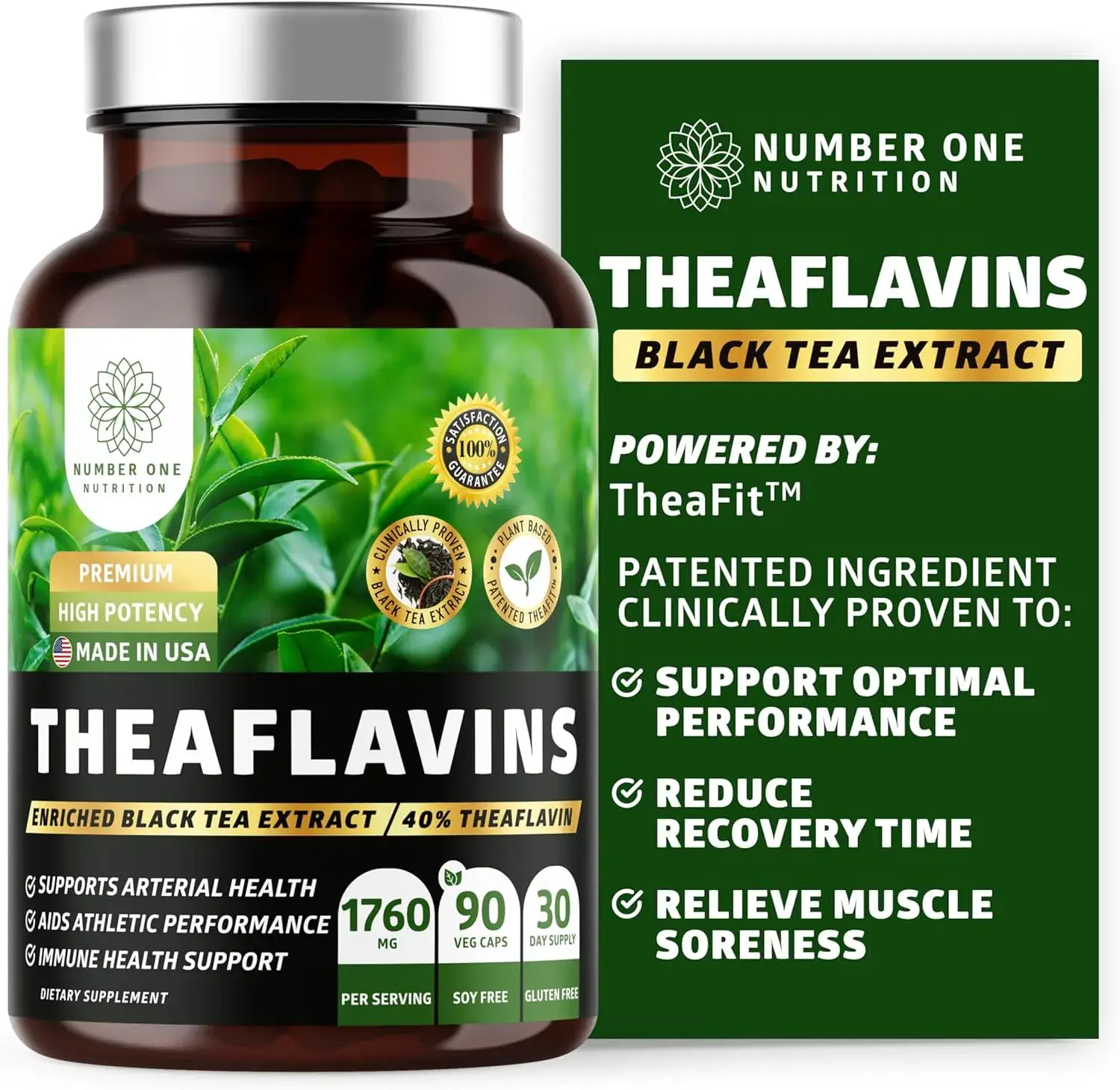
Black Tea Extract that is rich in natural theaflavins and polyphenols that help protect your body from free radicals, promoting overall immune health and well-being
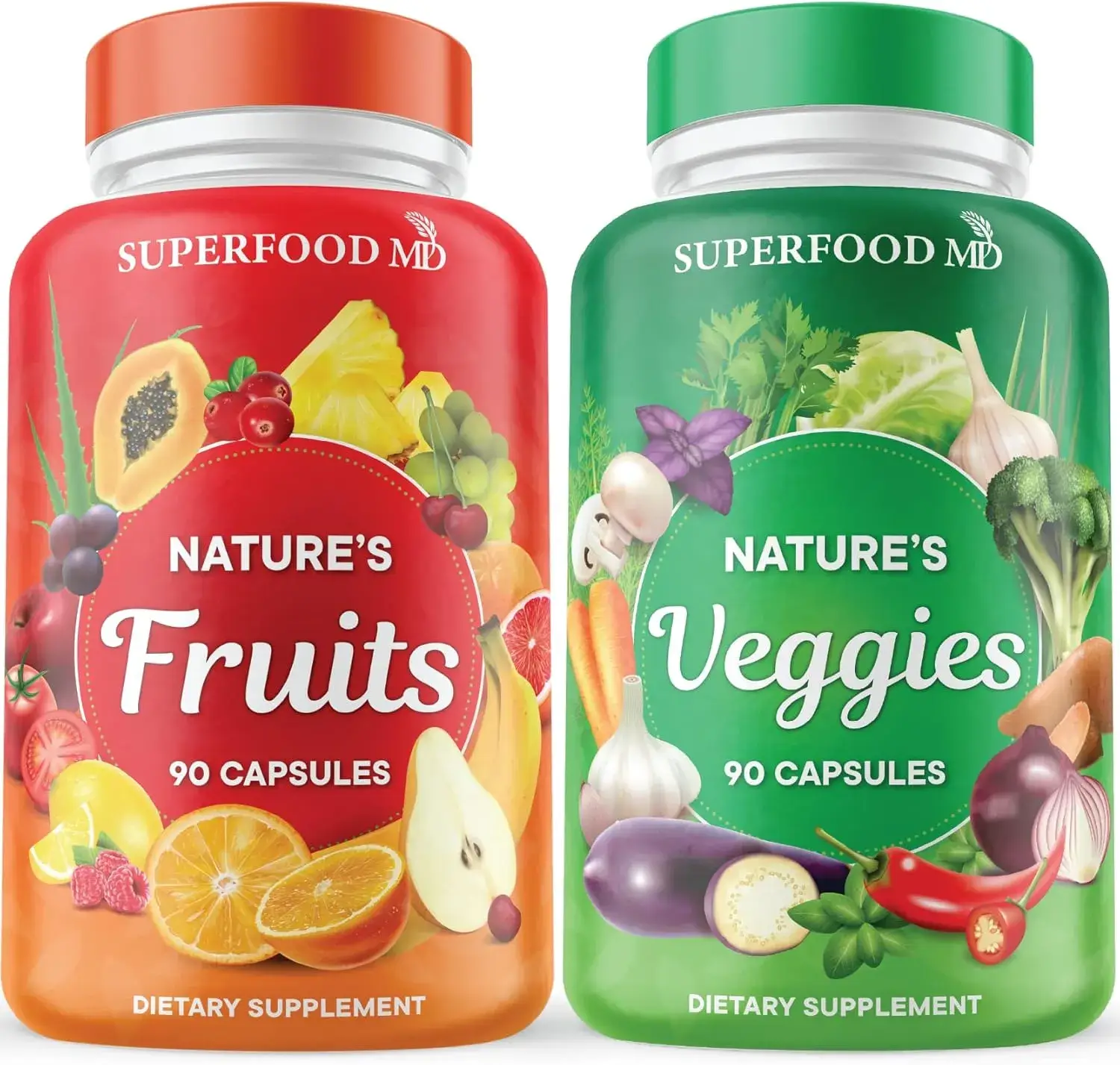
Contains blended amounts of Fruits and Veggies. All natural, with whole foods, fruit and vegetable supplement.Perfect for everyone looking to live a healthier lifestyle.