Have you ever wondered what exactly chai tea is? Maybe you’ve seen it on menus, heard people rave about it, or even tried a chai latte. It’s become super popular, showing up everywhere from fancy coffee shops to home kitchens. But what’s the real story behind this spiced, milky drink? Let’s break down what chai tea is all about, where it comes from, and why so many people love it.
Key Takeaways
Chai is the Hindi word for tea, making “chai tea” technically mean “tea tea.” The authentic Indian version is called Masala Chai, which means spiced tea.
Chai originated in India, evolving from British tea traditions with the addition of local spices like ginger, cinnamon, and cardamom.
Traditional chai is made with black tea, milk, sugar, and a blend of aromatic spices, with variations existing across different regions of India.
Chai gained global popularity through Western coffee shops, often adapted into sweeter, milkier “chai lattes” with added flavors.
Beyond its taste, chai is known for potential health benefits, including antioxidants, support for heart health, and a gentler energy boost compared to coffee.
Chai Tea What Is It? Understanding This Spiced Drink
The True Meaning of Chai
So, what exactly is chai? If you’ve ever ordered a “chai tea” at a coffee shop, you might be surprised to learn that the word “chai” itself simply means “tea” in Hindi. This means that “chai tea” is technically redundant, like saying “tea tea.” In India, “chai” refers to the way tea is prepared – a strong, spiced, milky, and sweetened beverage. It’s not a specific flavor, but rather the standard method of enjoying tea across the country. The term “masala chai” is more accurate if you’re referring to the spiced version, as “masala” means “spice” in Hindi.
Masala Chai: The Authentic Spiced Tea
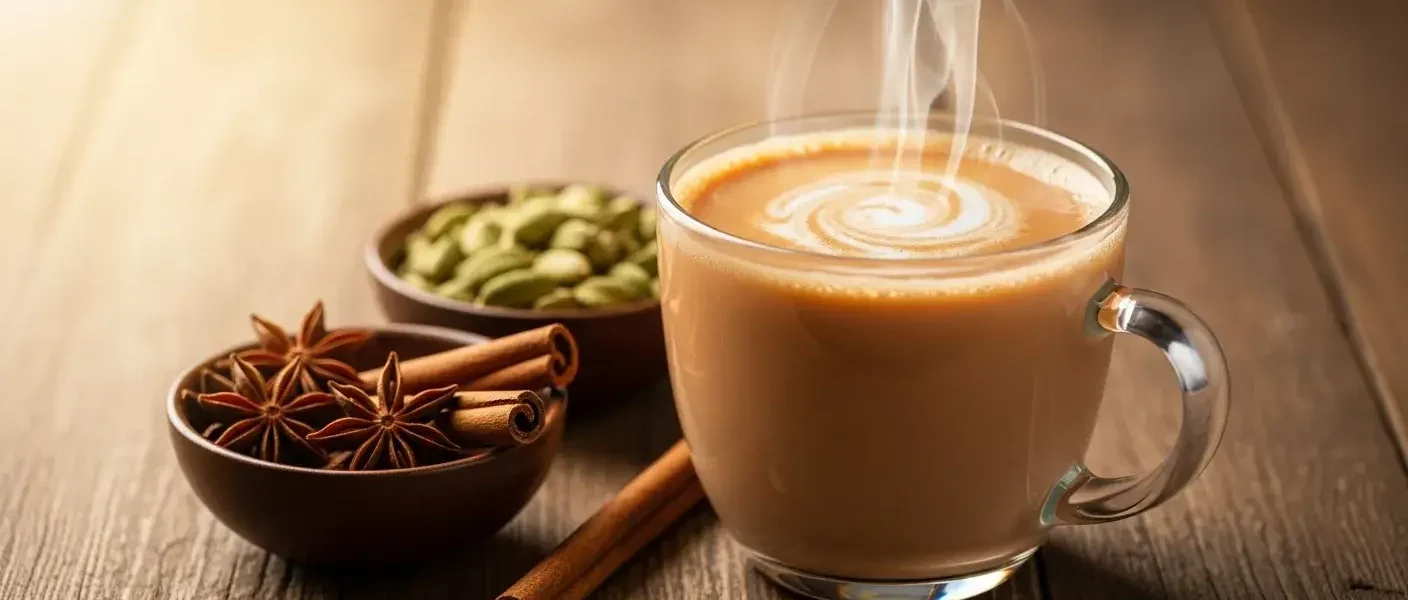
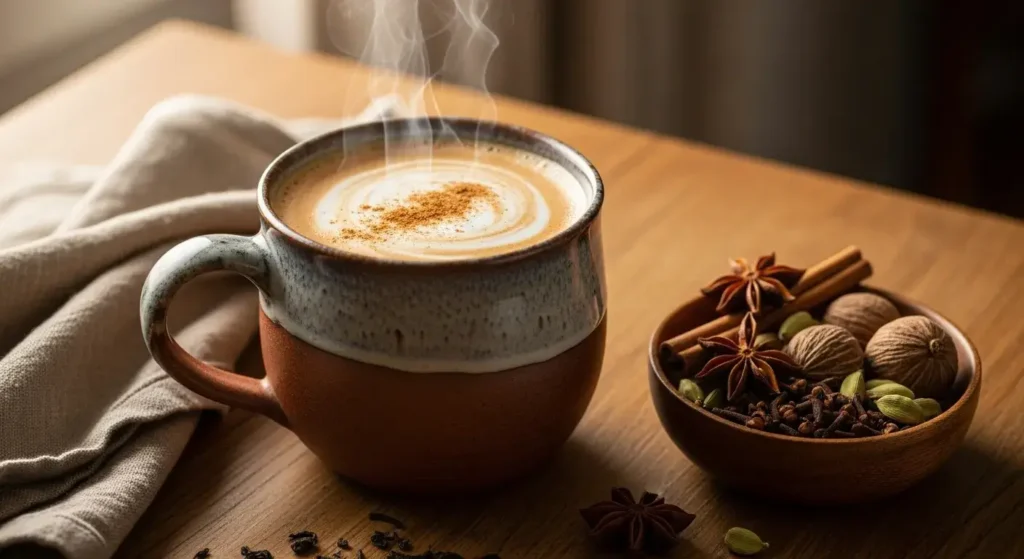
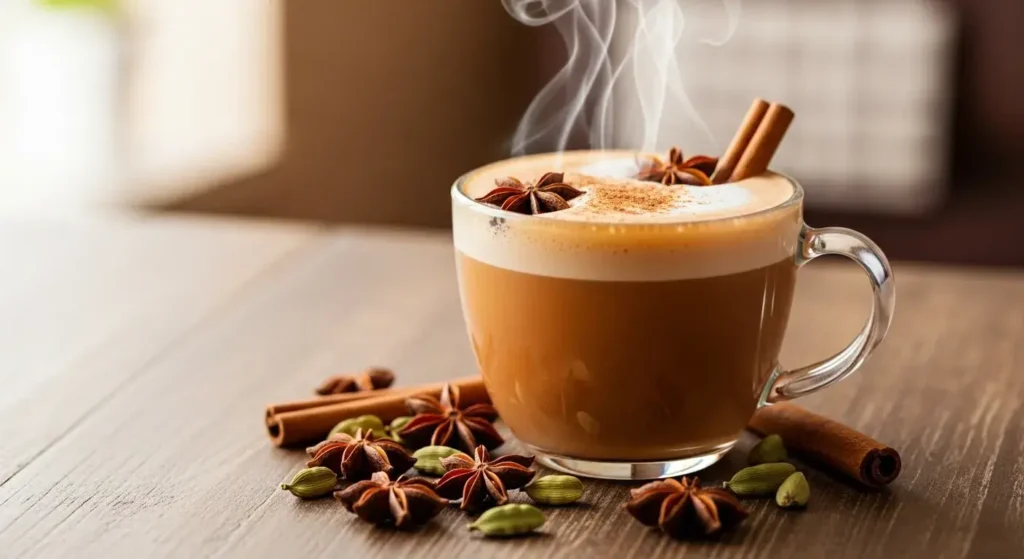
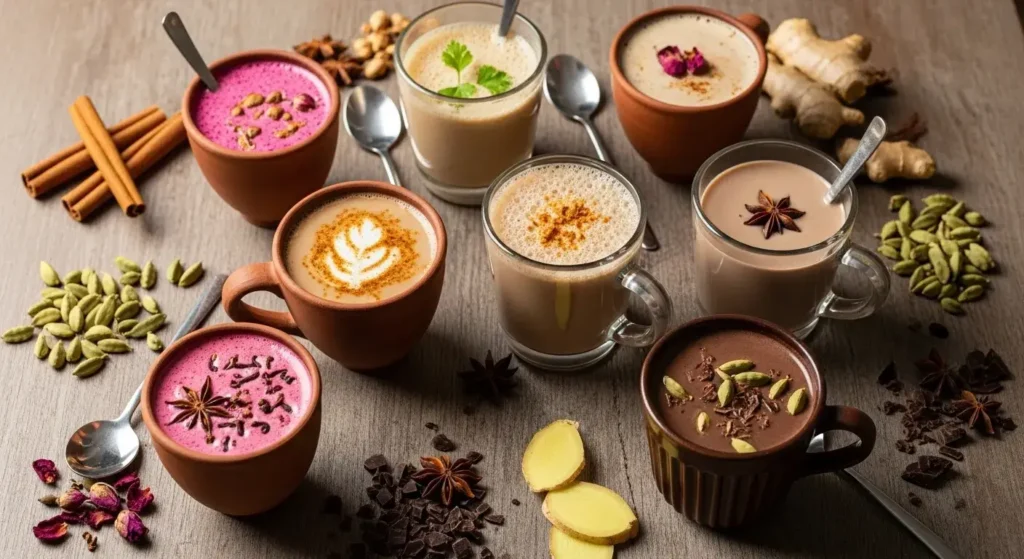
Masala chai is the traditional Indian preparation that most people in the West associate with the word “chai.” It’s a comforting blend that typically starts with a robust black tea base, often Assam or Darjeeling, known for their full-bodied flavors. To this, a medley of aromatic spices is added. While recipes vary from family to family, common spices include cardamom, cinnamon, ginger, cloves, and black pepper. Some variations might also include star anise, nutmeg, or fennel. This spiced tea is then brewed strong, mixed with milk (traditionally whole milk for richness), and sweetened, often with sugar or jaggery.
The Redundancy of “Chai Tea”
As mentioned, calling it “chai tea” is a bit like calling it “tea tea.” This redundancy likely arose in Western markets to help consumers understand that “chai” referred to a type of tea, rather than just a generic term. However, for those seeking authenticity, “masala chai” is the more precise term for the spiced Indian tea. The sweetened, milkier version often found in cafes, known as a “chai latte,” is a distinct variation that has become popular globally, but it differs from the traditional Indian preparation in its sweetness and creamy texture.
The Rich History and Cultural Significance of Chai
Origins During British Colonization
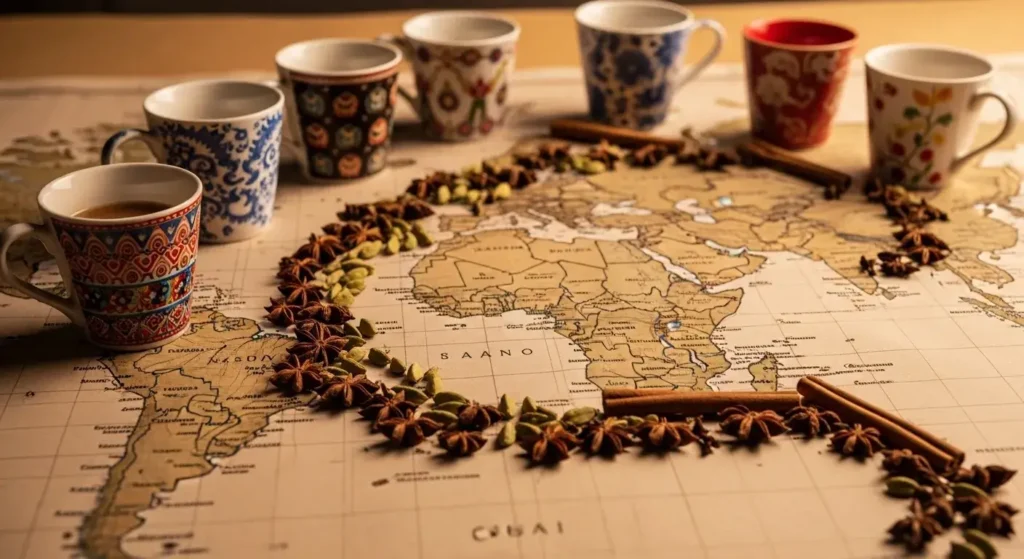
Chai’s journey to becoming a global phenomenon didn’t start with a grand plan, but rather as a consequence of historical events. Back in the 1830s, the British East India Company was really into tea, especially from regions like Assam in India. They set up massive tea plantations, not just to export, but also to encourage consumption within India itself. Before this, most of the world’s tea came from China, and Britain was importing a ton of it.
With colonization expanding and easier access to sugar (thanks to plantations elsewhere), tea became a popular drink for many, not just the wealthy. The British brought tea plants from China and planted them alongside native wild teas found in the mountains. This whole setup turned tea into a huge export for India, giving us unique varieties like Darjeeling and Assam.
Chai as a Way of Life in India
In India, chai isn’t just a drink; it’s practically a daily ritual, a social lubricant, and a constant companion. You’ll find it everywhere – on bustling street corners, during train journeys, in shops, and of course, in homes. It’s offered as a gesture of hospitality, a way to start conversations, or simply a comforting pause in the day. Seriously, it’s offered with breakfast, after dinner, and even when it’s scorching hot outside. People often drink multiple cups a day. It’s made fresh constantly, and the spice blend can be unique to each preparation, making every cup a little bit different.
Regional Variations Across India
While the core elements of chai – tea, milk, spices, and sweetener – remain consistent, there are some cool regional twists. For instance, in Kashmir, you might find green tea used instead of black, often with almonds added for extra richness. And in some places, like Bhopal, a tiny pinch of salt might be added to the mix, which sounds unusual but apparently works! These variations show how chai has been adapted and embraced differently across the vast landscape of India, reflecting local tastes and ingredients.
So, what actually goes into a cup of traditional masala chai? It’s not just a random mix of stuff; there’s a method to the madness, and understanding these core elements is key to how to make authentic chai that tastes like the real deal. Forget those pre-made powders for a second and let’s talk about the building blocks.
The Base: Black Tea Varieties
Most authentic chai starts with a robust black tea. It needs to be strong enough to stand up to the spices and milk. Assam tea is a popular choice because it’s full-bodied and has a deep flavor. Some folks like to mix teas, maybe a bit of Darjeeling for its aroma alongside the Assam for color and body. It’s all about creating a balanced foundation.
The Creaminess: Milk’s Role
Milk is pretty much non-negotiable in traditional masala chai. Whole milk is usually the go-to because it adds a richness that really helps the spices shine. It’s not just about diluting the tea; it’s about creating a creamy, comforting texture that makes chai so satisfying. If you’re aiming for that authentic chai latte ingredients vibe, milk is where it’s at.
The Soul: Aromatic Spices
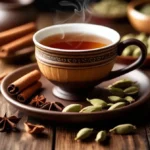
This is where the magic happens. The specific blend of spices is what gives chai its distinctive character, and every family often has its own secret recipe. While cardamom is almost always present, you’ll commonly find a mix of:
Ginger: Adds a warm, zesty kick.
Cinnamon: Brings a sweet, woody aroma.
Cloves: Offer a pungent, slightly sweet note.
Star Anise: Contributes a licorice-like flavor.
Less common, but still used, are spices like black pepper, fennel, and nutmeg. Using fresh, whole spices – like cinnamon sticks, whole cloves, and cardamom pods – makes a noticeable difference in the final taste. This is the heart of masala chai ingredients.
The Sweetness: Sugar and Alternatives
Chai is typically sweetened, and plain white sugar is the most common choice. Some people prefer jaggery, which is unrefined cane sugar, for a deeper, more concentrated sweetness. Don’t be shy with the sugar; a good amount is often needed to bring out the full flavor of the spices. It’s a balance, you know? Too little, and the spices can taste harsh; too much, and it’s just sickly sweet.
Making authentic chai is a bit of an art form. It’s about layering flavors and textures, starting with a strong tea base, adding creamy milk, infusing it with a symphony of spices, and finishing with just the right amount of sweetness. It’s a warm hug in a mug, really.
When you’re thinking about chai latte ingredients, it’s basically these same components, just often prepared differently, maybe with a concentrate or frothed milk. But for that true, traditional masala chai experience, these four elements are what you need to focus on.
Chai’s Journey to Global Popularity
It’s kind of wild to think about how a drink that’s so deeply ingrained in Indian culture became a global phenomenon, right? But chai’s journey from the bustling streets of India to coffee shops everywhere is a pretty interesting one. The late 1990s really marked a turning point when major coffee chains started introducing their own versions of chai.
Introduction to Western Coffee Shops
Before chai became a household name in the West, it was mostly an Indian staple. But then, places like Starbucks began experimenting. They noticed the appeal of this spiced, milky tea and decided to offer it. Initially, it was often adapted to suit Western palates, sometimes with added flavors like vanilla or cocoa to make it more familiar. This was a smart move, as it made the drink accessible to a wider audience who might not have been familiar with the traditional spice blends.
The Rise of Chai Lattes and Flavors
Once chai hit the mainstream coffee scene, things really took off. The “chai latte” became a hugely popular menu item. It’s basically a chai concentrate mixed with steamed milk, and it’s incredibly comforting. Beyond just the latte, we started seeing chai pop up in all sorts of unexpected places. Think chai-flavored doughnuts, cookies, and even ice cream. It seemed like every bakery and dessert shop wanted to get in on the chai trend, offering their own unique twists on the classic flavor profile.
Celebrity Endorsements and Mainstreaming
Big names definitely helped push chai into the spotlight even further. A notable example is Oprah Winfrey’s collaboration with Starbucks and Teavana to create “Oprah Chai Tea.” This partnership brought chai to an even larger audience and introduced variations that included ingredients like lemongrass and rooibos. When a figure like Oprah gets behind a product, it’s pretty much guaranteed to become a mainstream hit. This kind of visibility solidified chai’s place not just as a niche beverage, but as a popular, everyday drink for many people around the world.
While the classic masala chai is a beloved staple, the world of chai is surprisingly diverse. You’re not limited to just one way to enjoy this spiced tea. In fact, there are many different types of chai that cater to various tastes and preferences.
Beyond Black Tea: Green Tea and Rooibos
Not all chai has to start with a robust black tea base. For those looking for something a bit lighter or a caffeine-free option, alternatives exist. Green tea chai offers a brighter, sometimes more citrusy profile, blending the grassy notes of green tea with traditional chai spices like cardamom, cinnamon, and ginger. It’s a refreshing twist that feels both familiar and new. Then there’s rooibos chai, a fantastic choice for anyone avoiding caffeine. Rooibos, a South African herb, has a naturally sweet, earthy flavor that pairs beautifully with chai spices, creating a comforting and soothing brew without the jolt.
Unique Regional and Modern Twists
India itself boasts regional variations, and the global spread of chai has only led to more creative interpretations. Some areas might add a pinch of salt, while others incorporate nuts or even floral elements. Modern cafes and tea makers have also experimented with adding ingredients like lavender, rose, or even a hint of chili for a spicy kick. These variations show how adaptable chai is, moving beyond its traditional roots to embrace new flavors and ingredients.
Caffeine-Free Options
As mentioned, rooibos is a popular base for caffeine-free chai. However, other herbal infusions can also be used. Think of blends that use ingredients like hibiscus, peppermint, or even chamomile as the base, infused with those signature chai spices. These options are perfect for an evening treat or for anyone sensitive to caffeine, proving that you can still get that warm, spiced flavor without the stimulant. The beauty of chai lies in its adaptability, allowing for endless delicious possibilities.
The Health and Wellness Aspects of Chai
So, is chai tea actually good for you? The short answer is yes, and it’s not just about the cozy feeling it gives you. The blend of spices and tea leaves in a traditional cup of chai offers a surprising number of health perks. It’s more than just a tasty drink; it’s a little wellness ritual in a mug.
Richness in Antioxidants
One of the biggest pluses of chai is its antioxidant content. Both the black tea base and many of the spices, like cinnamon and cloves, are packed with these helpful compounds. Antioxidants are like the body’s cleanup crew, fighting off unstable molecules called free radicals that can cause damage over time. This means drinking chai could play a role in protecting your cells and potentially lowering the risk of certain long-term health issues. It’s a nice bonus when you’re just trying to enjoy a warm beverage.
Support for Heart Health
Chai’s ingredients might also give your heart a little love. The black tea in chai contains flavonoids, which are known to be good for cardiovascular health. They can help keep your arteries clear, reducing strain on your heart. Plus, spices like cinnamon have been linked to managing cholesterol levels and supporting overall heart function. So, that daily cup could be doing more than just waking you up.
Digestive Benefits
If you’ve ever had a stomach ache, you might find relief in a warm cup of chai. Ginger, a star player in most chai blends, is famous for its digestive properties. It can help soothe an upset stomach and promote better gut function. Cardamom is another spice that gets a nod for aiding digestion. It’s a comforting drink that can also help your digestive system run more smoothly.
Energizing Yet Calming Effects
This is where chai really shines, especially when you compare it to coffee. While chai does contain caffeine from the black tea, it’s usually a much lower amount than you’d find in coffee. More importantly, the caffeine in tea interacts with other compounds, like L-theanine, to provide a smoother, more sustained energy boost. You get that alert feeling without the jitters or the dreaded afternoon crash. It’s often described as a calm focus, which is pretty neat. For those sensitive to caffeine, exploring options like rooibos chai can be a great alternative.
The combination of spices and tea in chai creates a unique profile that offers both a gentle lift and a sense of calm. It’s a beverage that can help you feel more present and focused without overstimulation. This makes the benefits of drinking chai particularly appealing for those seeking a balanced energy source throughout their day.
Here’s a quick look at some of the key components and their contributions:
Black Tea: Provides caffeine for energy and L-theanine for calm focus. Also a source of antioxidants.
Ginger: Known for its anti-inflammatory and digestive benefits.
Cinnamon: May help regulate blood sugar and supports heart health.
Cardamom: Aids digestion and adds a distinct aromatic flavor.
Cloves: Rich in antioxidants and have anti-inflammatory properties.
When considering the benefits of masala chai, it’s the synergistic effect of these ingredients working together that truly makes it a healthful choice.
Commercial Forms: Concentrate, Powder, and Loose Leaf
When you’re looking to make chai at home, you’ve got a few options to get started. You can find chai as a concentrate, which is basically a pre-brewed, strong version of the tea. Then there’s the powder mix, which is super convenient – just add hot water or milk. And of course, there’s the classic loose leaf tea, which gives you the most control over the final taste. Each has its own vibe, really.
Concentrate: Often brewed under specific conditions, so it can have a bolder flavor. Great for a quick, strong cup.
Powder Mix: The easiest option for speed and convenience. Just stir and go.
Loose Leaf: Lets you be the master of your brew, controlling steeping time and spice levels.
The Art of Homemade Chai
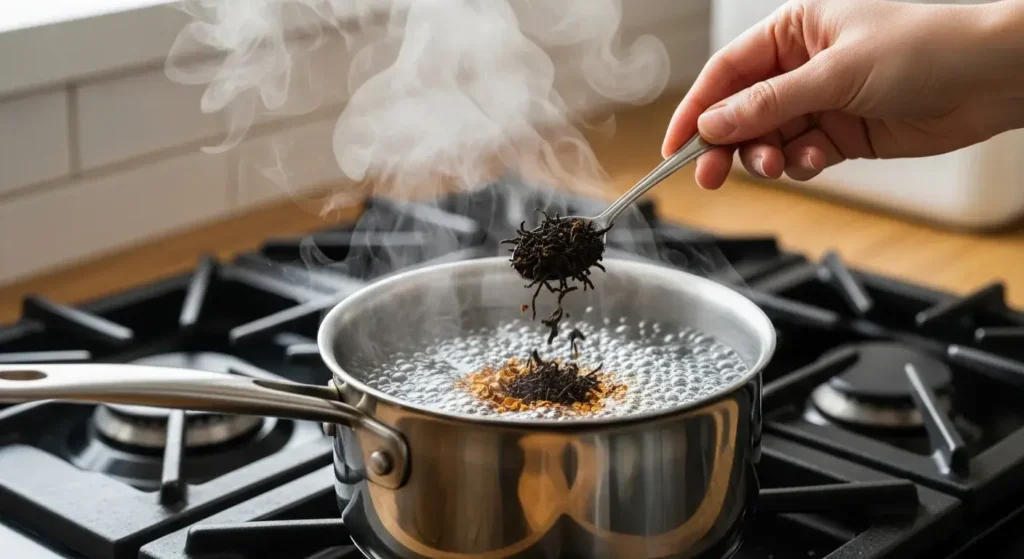
Making chai from scratch is where the real magic happens, and honestly, it’s not as complicated as you might think. The basic idea is to simmer water, tea, milk, sweetener, and those wonderful spices together. But there’s a bit of an art to it, and people have their favorite ways of doing things. Some folks swear by boiling the water first, then adding spices, followed by the tea and milk. Others might do it differently. The key is patience; letting those flavors meld together properly. It’s all about finding what works for your taste buds.
If you’re curious about how to make chai latte at home, it usually starts with a good quality black tea, like Assam, and a blend of spices such as cardamom, ginger, cinnamon, and cloves. You’ll simmer these with water, then add milk and your preferred sweetener. For a truly authentic experience, using fresh spices makes a big difference. Don’t be afraid to experiment with the spice ratios until you find your perfect blend. Remember, how to make chai latte is a journey, not a destination!
Pairing Chai with Snacks
Chai isn’t just a drink; it’s an experience, and it goes perfectly with certain snacks. In India, you’ll often see chai served with things that are meant to be dipped or are a bit crunchy. Think about biscuits, especially the kind that soak up liquid well – Parle-G cookies are a classic for a reason. Then there are savory options like samosas (those yummy fried pastries filled with spiced potatoes and peas) or pakoras (fritters made with vegetables). Even simple little sandwiches, sometimes just cucumber and onion on white bread, are a popular choice. These pairings aren’t random; they complement the warmth and spice of the chai beautifully.
The tradition of serving chai with snacks is deeply ingrained. It’s about creating a moment of comfort and enjoyment, whether it’s a quick bite on the go or a more leisurely gathering with friends and family. The textures and flavors of the snacks are chosen to balance and enhance the chai itself.
So, What’s the Big Deal with Chai?
So there you have it. Chai isn’t just some trendy drink that popped up out of nowhere. It’s got a whole history, starting way back in India and eventually making its way over here, getting a little tweaked along the way. Whether you’re grabbing a quick cup from a coffee shop or taking the time to brew your own at home with all the right spices, there’s something really comforting about it.
It’s that mix of familiar tea, warm milk, and those cozy spices that just hits the spot. Plus, knowing it’s been a go-to drink for so many people for so long makes it feel even more special. It’s more than just a beverage; it’s a little bit of warmth and tradition in a mug.
Chai is basically the Indian word for ‘tea.’ So, when people say ‘chai tea,’ they’re actually saying ‘tea tea.’ In India, chai is just the regular way people drink tea. It’s usually made with black tea, milk, sugar, and a mix of warm, tasty spices like cinnamon, cardamom, and ginger.
What’s the difference between chai and masala chai?
Masala chai is the more accurate name, as ‘masala’ means ‘spices’ in Hindi. So, masala chai means ‘spiced tea.’ The exact spices and how much of each can change depending on where you are in India. What many people in Western countries call ‘chai’ is often a version of masala chai that’s been made a bit sweeter and less spicy to suit different tastes.
Is a ‘chai latte’ the same as regular chai?
Not exactly. A chai latte is typically made with a concentrated chai syrup mixed with steamed milk. This makes it much milkier and often sweeter than traditional Indian chai, which is brewed more strongly with spices and milk.
Can chai help me feel healthier?
Yes, the ingredients in chai can offer health benefits! The spices and black tea are packed with antioxidants, which help protect your body. Some studies suggest chai can be good for your heart and help with digestion. Plus, the caffeine gives you a gentle energy boost without the jitters you might get from coffee.
Are there different kinds of chai?
Absolutely! While black tea is the most common base, you can find chai made with green tea or even rooibos (a caffeine-free herbal tea). Many places also add unique flavors or spices to create special regional or modern twists on the classic drink.
How do I make chai at home?
Making chai at home is pretty simple! You’ll need some strong black tea, milk (whole milk is often recommended for richness), your favorite spices (like cinnamon sticks, cardamom pods, ginger, and cloves), and a sweetener like sugar. You just brew the tea and spices, add milk and sugar, and let it simmer until it’s just right.
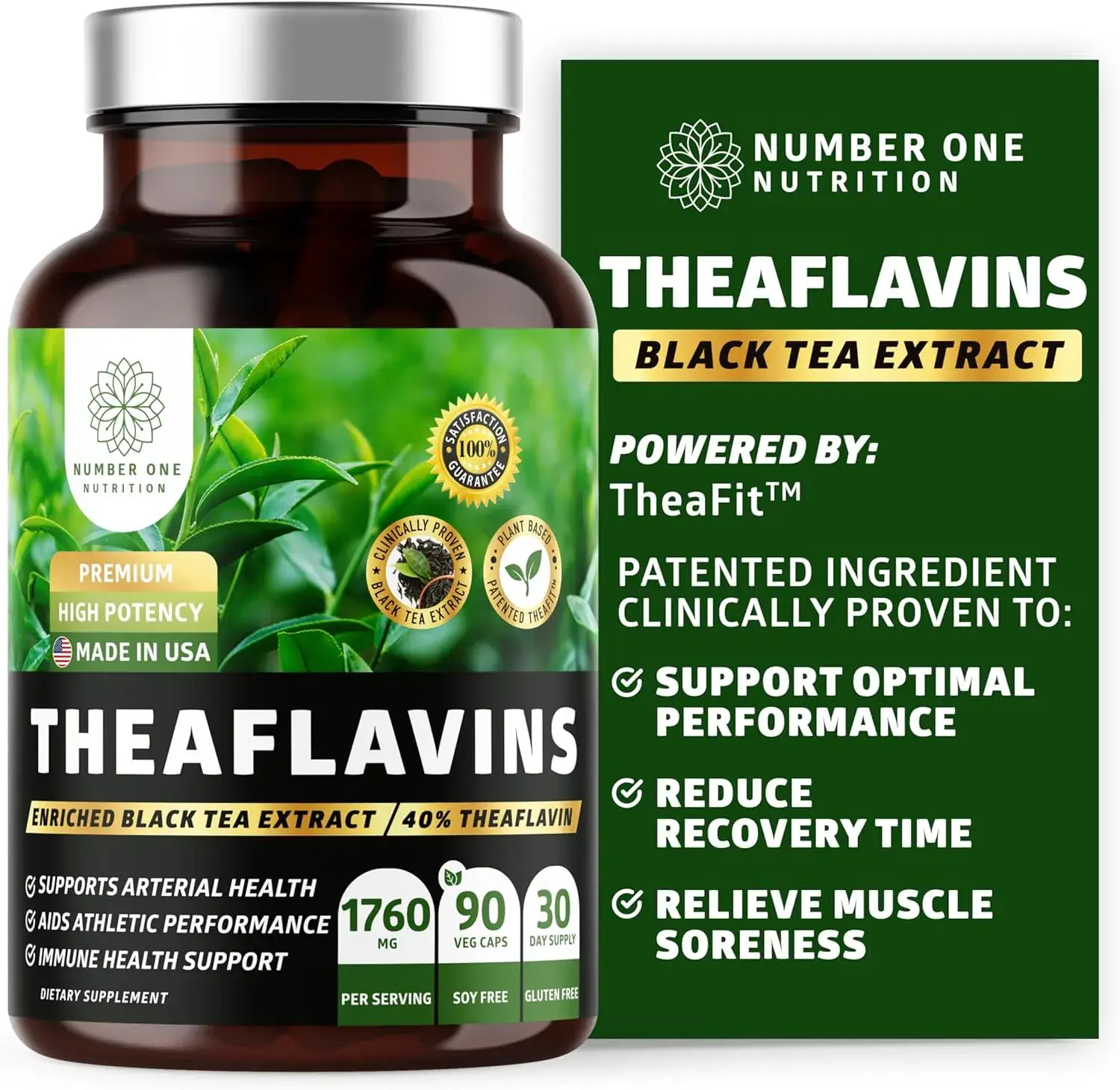
Black Tea Extract that is rich in natural theaflavins and polyphenols that help protect your body from free radicals, promoting overall immune health and well-being
Contains blended amounts of Fruits and Veggies. All natural, with whole foods, fruit and vegetable supplement.Perfect for everyone looking to live a healthier lifestyle.