Most people have yanked dandelions out of their lawn without a second thought. But before you toss that so-called “weed,” consider this: the same plant you’ve been pulling has been used in traditional medicine for centuries — and modern science is starting to back up many of those ancient claims.
Dandelion tea leaf and root is one of the most versatile herbal drinks available today. Whether you’re sipping a floral leaf infusion or a deep, roasted root brew, each part of the dandelion plant offers a distinct set of health-promoting compounds. From liver support and kidney function to antioxidant power and blood sugar control, the benefits run surprisingly deep.
In this guide, you’ll discover exactly what makes dandelion tea so valuable, how the leaf and root differ, what the research says, and how to use it safely as part of your daily wellness routine.
What Is Dandelion Tea Leaf and Root?
Dandelion (Taraxacum officinale) is a flowering plant native to Eurasia but now found across North America, Asia, and Europe. It’s officially classified as an herb, and virtually every part of it — the flowers, stems, leaves, and roots — is edible and usable in some form.
When people talk about dandelion tea leaf and root, they’re referring to one of two primary preparations:
Dandelion leaf tea: Made by steeping fresh or dried dandelion leaves (sometimes called greens) in hot water. It has a milder, slightly sweet or grassy flavor and is particularly rich in vitamins and minerals.
Dandelion root tea: Made from the dried or roasted root of the dandelion plant. It has a deeper, earthier, sometimes coffee-like flavor. Roasted dandelion root tea is often used as a caffeine-free coffee substitute.
Some teas — like Traditional Medicinals’ Organic Dandelion Leaf & Root — combine both parts of the plant to deliver a broader range of benefits in a single cup. Both are naturally caffeine-free, making them ideal for people looking to cut back on stimulants without sacrificing a warm, satisfying beverage.
In traditional herbal medicine traditions across Europe and Asia, dandelion tea has long been used as a remedy for digestive complaints, liver sluggishness, skin issues, and urinary tract infections. Today, herbalists and integrative medicine practitioners continue to recommend it — and researchers are increasingly exploring its mechanisms in the lab.
Leaf vs. Root: Key Differences You Should Know
The leaf and the root of the dandelion are both beneficial, but they work in somewhat different ways. Understanding these differences helps you choose the right preparation for your specific wellness goals.
Nutritionist and herbalist Geib explains it clearly: the dandelion root has a stronger detoxifying action on the liver than the leaves, making it the go-to choice for people dealing with sluggish digestion or skin disruptions linked to liver congestion. The leaf, on the other hand, shines when it comes to supporting the kidneys and flushing excess fluid from the body.
Using both together — as many commercial blends do — gives you the full spectrum of what this remarkable plant has to offer.
Top Health Benefits of Dandelion Tea Leaf and Root
Here’s where things get genuinely exciting. The research on dandelion tea leaf and root spans liver function, kidney health, antioxidants, blood sugar regulation, and even early cancer research. Here’s a breakdown of the most compelling benefits.
Liver Support and Detoxification
The liver is your body’s primary detox organ — it filters blood, metabolizes nutrients, and neutralizes toxins. And dandelion root is one of the most well-regarded herbal allies for liver health.
A 2017 study found that polysaccharides extracted from dandelion root demonstrated meaningful hepatoprotective (liver-protecting) effects. Naturopathic practitioners have long recommended dandelion root tea to stimulate bile production, which is essential for breaking down dietary fats and clearing metabolic waste from the liver.
Dandelion root is also associated with clearing skin disruptions that have a root cause in liver congestion — including acne, eczema, and dull skin. When the liver is overloaded, it can manifest on your skin. Supporting liver function through daily dandelion root tea is a gentle, natural approach many herbalists endorse.
Kidney Health and Natural Diuretic Effect
Dandelion leaf tea is a well-established natural diuretic — meaning it helps the kidneys flush out excess water, salt, and waste products through increased urination. In French, dandelion is called pissenlit, which loosely translates to “wet the bed.” That name has stuck for a reason.
In a 2009 clinical study, participants who consumed high-quality dandelion leaf extract showed a significant increase in urine output — evidence that the leaf genuinely delivers on its diuretic reputation. Crucially, unlike pharmaceutical diuretics, dandelion leaf is rich in potassium, which means it helps replace the potassium lost through increased urination rather than depleting it.
This makes dandelion leaf tea particularly useful for people dealing with bloating, water retention, or mild hypertension caused by excess sodium. By supporting the kidney’s natural filtration process, it may also help inhibit bacterial growth in the urinary tract and reduce the risk of UTIs, especially when combined with herbs like uva ursi.
Rich in Antioxidants and Anti-Inflammatory Compounds
Both the leaf and root of dandelion are loaded with antioxidants — compounds that protect your cells from oxidative stress caused by free radicals. The primary antioxidants found in dandelion tea include:
Beta-carotene: A powerful antioxidant and precursor to Vitamin A, known to protect against cell damage and reduce the risk of certain chronic diseases.
Polyphenols: Anti-inflammatory plant compounds found in both the leaf and root that have been linked to improved heart health and reduced systemic inflammation.
Chicoric acid: Found in dandelion fruit extracts and leaf fractions, chicoric acid has shown antioxidant activity in human plasma and blood platelets in laboratory studies.
Hydroxycinnamic acids: Found in dandelion root fractions, these compounds have demonstrated strong antioxidant properties at even low concentrations.
Chronic low-grade inflammation is at the root of many modern diseases — including heart disease, type 2 diabetes, and certain cancers. Regularly drinking dandelion tea leaf and root may help modulate inflammatory responses throughout the body and provide ongoing cellular protection.
Digestive Health and Gut Support
Dandelion has a long history in traditional medicine as a digestive tonic, and there are good reasons why it earned that reputation. The root in particular contains inulin, a prebiotic soluble fiber that feeds beneficial bacteria in the gut and supports a healthy microbiome.
Beyond that, dandelion acts as a mild laxative that encourages regular bowel movements, stimulates appetite, and helps balance natural bacteria in the intestines. It can also increase the release of stomach acid and bile, which improves the digestion of fats and proteins — especially helpful after heavy meals.
For people who struggle with constipation, bloating, or sluggish digestion, adding dandelion root tea to their daily routine may offer gentle, natural relief. Unlike harsh laxatives or digestive aids, dandelion works with your body’s own processes rather than overriding them.
Blood Sugar and Cholesterol Management
Research suggests that dandelion tea leaf and root may have meaningful benefits for metabolic health, particularly for those managing or at risk for type 2 diabetes.
Studies have shown that dandelion may help regulate lipid and sugar metabolism. The root specifically has been found to inhibit lipase — an enzyme that breaks down fat during digestion — which may help moderate fat absorption. A Korean study found that dandelion extract had similar fat-inhibiting effects to Orlistat, a pharmaceutical weight-loss drug, in animal models.
When it comes to cholesterol, a 2012 animal study found that dandelion root extract was associated with reduced hyperlipidemia (high blood lipid levels), including reduced triglycerides and LDL cholesterol. Dandelion’s potassium content may also reduce strain on blood vessel walls and support healthy blood pressure — an important factor in overall cardiovascular health.
While these findings are mostly from animal or test-tube studies, they paint a promising picture and have prompted calls for larger human clinical trials.
Potential Cancer-Fighting Properties
Perhaps the most intriguing area of dandelion research is its potential anti-cancer activity. A 2011 Canadian study found that dandelion root extract induced cell death in melanoma cells without harming non-cancerous cells — a property known as selective cytotoxicity. A separate study found similar effects on pancreatic cancer cells.
While dandelion tea itself hasn’t been directly tested for anti-cancer effects in humans, these early laboratory findings are encouraging. Researchers believe the plant’s rich combination of antioxidants, polyphenols, and bioactive compounds may play a role in disrupting the growth of cancer cells. More research — including human trials — is needed before any definitive claims can be made.
Nutritional Profile: What’s Actually in Dandelion Tea?
Part of what makes dandelion tea leaf and root so compelling is its impressive nutrient density. While the exact concentration depends on whether you’re using the leaf or root — and whether it’s fresh or dried — here’s a general overview of what you’re getting in a cup:
Vitamin A (as beta-carotene): Supports vision, immune function, and skin health. Studies show Vitamin A may lower the risk of cataracts, measles, and certain cancers.
Vitamin C: An immune-boosting antioxidant that supports collagen synthesis and skin repair.
Vitamin K: Critical for bone health and blood clotting — especially concentrated in dandelion leaves.
Potassium: An electrolyte that supports kidney function, heart rhythm, and blood pressure regulation.
Calcium: Supports bone density and muscle function.
Iron: Important for red blood cell production and energy metabolism.
Inulin (root): A prebiotic fiber that supports gut microbiome balance and satiety.
Polyphenols & flavonoids: Antioxidant and anti-inflammatory plant compounds with broad health benefits.
Dandelion is naturally caffeine-free, making it a smart choice for anyone limiting stimulant intake — whether for sleep quality, anxiety management, or general wellbeing.
One of the most appealing things about dandelion tea leaf and root is how accessible it is. You don’t need expensive equipment or hard-to-find ingredients. Here’s how to brew it at home:
Using Fresh or Dried Dandelion Leaves
Collect young dandelion leaves from a pesticide-free area (avoid roadsides or chemically treated lawns).
Rinse thoroughly under cold water.
Place a small handful (about 1–2 tablespoons) of fresh leaves — or 1 teaspoon of dried leaves — into a cup or teapot.
Pour 8 oz of freshly boiled water over the leaves.
Cover and steep for 5–10 minutes.
Strain and enjoy. Add honey, lemon, or mint to taste.
Using Dandelion Root (Roasted)
Dig up dandelion roots, clean them, chop into small pieces, and roast in the oven at 200°F (93°C) for about 1 hour until dark brown.
Alternatively, purchase pre-roasted dandelion root from a health food store.
Steep 1–2 teaspoons of roasted root in 8 oz of hot water for 10–15 minutes.
Strain and serve. The result is a dark, coffee-like brew with earthy, slightly bitter notes.
Pro tip: If using a commercial tea bag (such as Traditional Medicinals’ Dandelion Leaf & Root), steep for 10–15 minutes and squeeze the bag before removing to extract maximum goodness. Enjoy up to 3 cups per day. Herbalists generally recommend taking a one-week break after consistent use to allow your kidneys to return to their natural baseline.
Possible Side Effects and Safety Considerations
Dandelion tea leaf and root is considered safe for most adults when consumed in typical amounts. That said, there are some important precautions to keep in mind:
Allergies: If you’re allergic to plants in the daisy family — including daisies, marigolds, chrysanthemums, or ragweed — you may also be allergic to dandelion. Watch for itching, rash, or digestive upset.
Diuretic interactions: Dandelion is a natural diuretic. If you’re already taking a pharmaceutical diuretic, combining it with dandelion tea could compound the effect and cause excessive fluid loss.
Medication interactions: Dandelion may interact with certain antibiotics (such as fluoroquinolones like Cipro), blood thinners, and lithium. Always consult your doctor if you’re on medication before starting any herbal supplement.
Liver and kidney conditions: Though dandelion is often used to support these organs, individuals already being treated for liver or kidney disease should avoid it unless specifically advised by their healthcare provider.
Pregnancy and breastfeeding: The effects of dandelion tea during pregnancy and nursing are not well studied. Err on the side of caution and consult a healthcare professional first.
Digestive sensitivity: Some people may experience mild digestive discomfort when first introducing dandelion tea. Start with a smaller quantity and build up gradually.
As with any herbal supplement, it’s always smart to check with your healthcare provider before adding dandelion tea leaf and root to your routine — especially if you have a pre-existing condition or take prescription medications.
What is the difference between dandelion leaf tea and dandelion root tea?
Dandelion leaf tea is primarily known for its diuretic properties and high vitamin content, making it well-suited for kidney support and reducing water retention. Dandelion root tea has a stronger detoxifying action on the liver and supports digestion more directly. Root tea has a darker, more robust flavor reminiscent of coffee, while leaf tea is milder and slightly sweet. Many people choose a blend of both to get the full range of benefits.
How often should I drink dandelion tea?
Most herbalists recommend up to 2–3 cups per day. Start with one cup and allow your body to adjust, particularly because of dandelion’s diuretic properties. Long-term, consistent use is generally recommended for best results. It’s also advisable to take a one-week break after every few weeks of regular consumption to give your kidneys a rest.
Can dandelion tea help with weight loss?
Dandelion tea may support weight management in several indirect ways. As a natural diuretic, it can help reduce water weight and bloating. Additionally, dandelion root has been found to inhibit lipase — the enzyme responsible for fat absorption — which may modestly support fat metabolism. However, any weight reduction from dandelion tea is primarily water loss rather than fat loss, so it should be viewed as a supportive tool rather than a standalone solution.
Is dandelion tea safe to drink every day?
For most healthy adults, yes — daily consumption of dandelion tea leaf and root is generally considered safe. However, those with known allergies to the daisy plant family, people taking certain medications, and those with liver or kidney conditions should consult a doctor first. Taking occasional breaks from regular use is also a good practice recommended by many herbalists.
Does dandelion tea really detox the liver?
Research supports the idea that dandelion root — in particular — can support healthy liver function. Studies have shown that dandelion polysaccharides may protect the liver from damage and stimulate bile production, which is key to the liver’s detoxification process. Dandelion root tea is not a miracle cleanse, but it does appear to work synergistically with the liver’s natural filtering functions when used consistently over time.
Where can I buy dandelion tea leaf and root?
Dandelion leaf and root tea is widely available at health food stores, pharmacies, and online retailers. Reputable brands like Traditional Medicinals offer organic certified blends that combine both leaf and root. You can also make it at home using fresh or dried dandelion from your garden — just ensure the plants haven’t been treated with pesticides or herbicides.
Final Thoughts
For a plant that most people write off as a persistent garden nuisance, the dandelion has a remarkably impressive résumé. Dandelion tea leaf and root offers a broad range of potential health benefits — liver support, kidney function, antioxidant protection, digestive relief, blood sugar regulation, and more — all wrapped up in a naturally caffeine-free, easy-to-brew herbal tea.
The leaf and root each bring something unique to the table. The leaf excels at supporting your kidneys and replenishing vitamins, while the root goes deeper on liver health, detoxification, and digestive balance. Used together, they form one of the most well-rounded herbal teas in the natural wellness toolkit.
While more large-scale human studies are still needed to confirm many of these benefits conclusively, the existing research — combined with centuries of traditional use — makes a compelling case for including dandelion tea in your daily routine. Start slowly, listen to your body, and consult your healthcare provider if you’re on medications or managing a health condition.
The humble dandelion has been thriving in your backyard all along. Maybe it’s time to invite it into your cup.
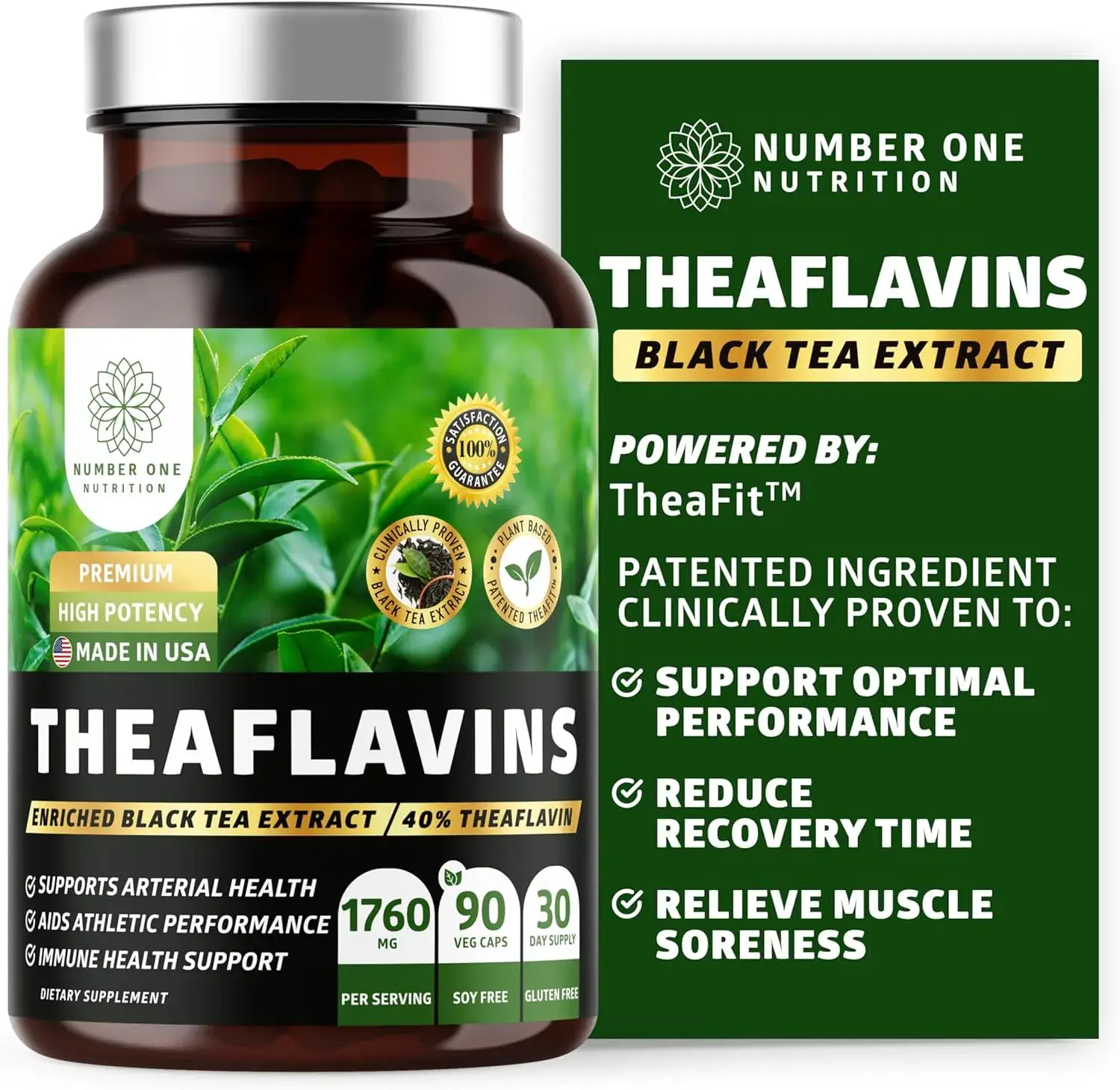
Black Tea Extract that is rich in natural theaflavins and polyphenols that help protect your body from free radicals, promoting overall immune health and well-being
Contains blended amounts of Fruits and Veggies. All natural, with whole foods, fruit and vegetable supplement.Perfect for everyone looking to live a healthier lifestyle.