Are you unsure what to choose in the dandelion tea vs roasted dandelion tea debate? You’re not alone. Many people wonder about the differences between these two herbal teas.
Both dandelion tea and roasted dandelion tea are known for their health benefits. They share some similarities but also have unique differences. These differences might make one better for you than the other.
In this article, we’ll compare dandelion tea and roasted dandelion tea in detail. We’ll look at their benefits and help you choose the best one for you.
Key Takeaways
Understand the differences between dandelion tea and roasted dandelion tea.
Learn about the unique health benefits of each tea.
Discover which tea is more suitable for your specific needs.
Explore the comparison of their nutritional profiles.
Dandelion tea is made from the leaves, roots, or flowers of the dandelion plant. It’s known for its health benefits and is a caffeine-free option. This herbal tea has been used in traditional medicine for centuries.
Origins and Traditional Uses
Dandelion tea comes from ancient herbal practices. It’s traditionally used to help the liver and aid digestion. The dandelion plant is from Europe and Asia but is now found worldwide.
In traditional medicine, dandelion tea is valued for its ability to help with digestion and overall health. Its versatility in using different plant parts makes it special.
Parts of the Dandelion Used
The leaves, roots, and flowers of the dandelion plant are used to make tea. The leaves add a bitter taste and health benefits. The roots are roasted or dried for a coffee-like taste. The flowers give the tea a floral flavor.
Using different parts of the dandelion plant creates various flavors and health benefits. This makes dandelion tea a great choice for those interested in herbal teas.
What is Roasted Dandelion Tea?
Roasting dandelion roots changes the flavor and nutritional value, making a unique tea. This tea is made by roasting the roots of the dandelion plant. It alters the taste and may boost some health benefits.
The Roasting Process
The roasting process heats the dandelion roots to high temperatures. This method brings out a deep, earthy taste, like coffee but without caffeine. The roasting time and temperature can be adjusted to create different flavors.
Roasting for a longer time makes the flavor darker and more intense. You can tweak the roasting to match your taste, making it a flexible drink choice.
Historical Background
Dandelion roots have been used in traditional medicine for centuries. Roasting them for tea is a European tradition, valued for their health benefits.
Roasted dandelion tea became a hit as a coffee substitute when coffee was hard to find. Its rich history and cultural importance make it a special beverage.
Dandelion Tea vs Roasted Dandelion Tea: Key Differences
When you compare dandelion tea and roasted dandelion tea, you’ll notice some key differences. These differences affect taste, health benefits, and even caffeine content. They also vary in how they’re made and what they look and smell like.
Processing Methods Compared
Dandelion tea is made by drying the leaves or roots of the dandelion plant. Roasted dandelion tea, on the other hand, is made by roasting the roots. This roasting process brings out a unique flavor and aroma.
Roasting makes the roots sweeter and gives the tea a deeper taste.
Appearance and Aroma Differences
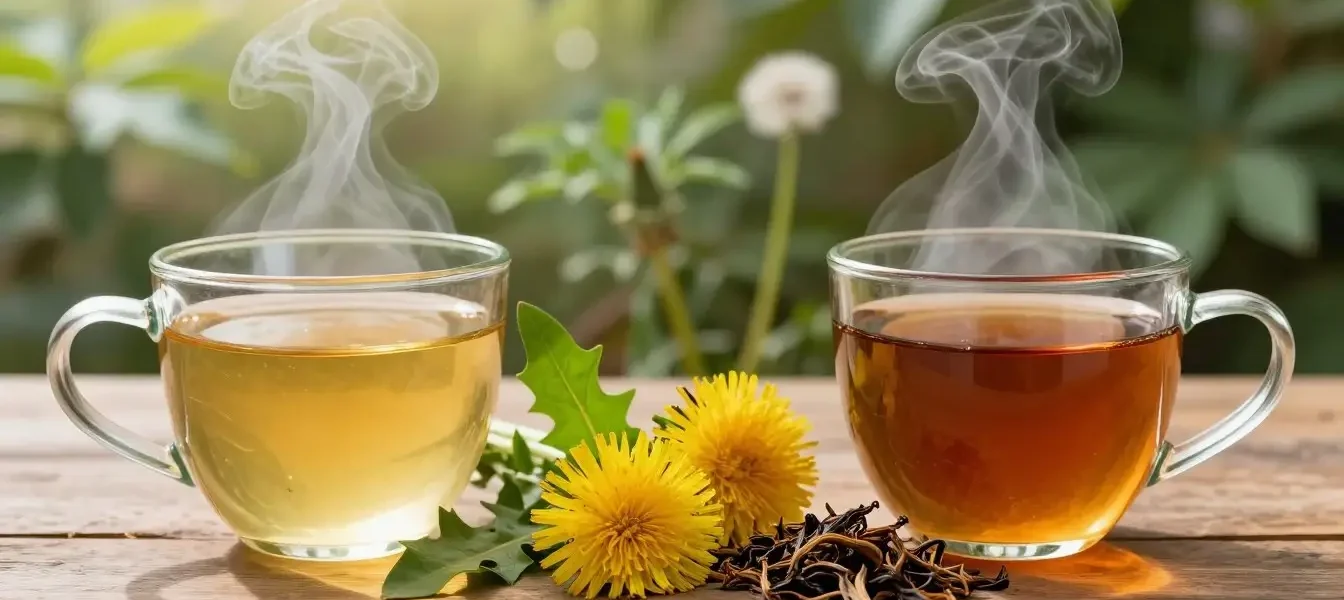
Dandelion tea and roasted dandelion tea look and smell different. Dandelion tea is lighter in color and has a milder scent. Roasted dandelion tea, by contrast, is darker and has a stronger, coffee-like aroma.
The roasting process changes the roots’ color and texture, affecting their appearance.
Characteristics
Dandelion Tea
Roasted Dandelion Tea
Processing Method
Drying of leaves or roots
Roasting of roots
Appearance
Lighter color
Darker color
Aroma
Subtle
Robust, coffee-like
Caffeine Content Comparison
Both dandelion tea and roasted dandelion tea are caffeine-free. This makes them great options for those who want to avoid caffeine. The roasting process doesn’t add caffeine, so you can enjoy roasted dandelion tea without caffeine worries.
Nutritional Profile of Dandelion Tea
Dandelion tea is a great way to boost your diet. It’s packed with vitamins and antioxidants. The leaves and roots of the dandelion plant are the main ingredients.
Vitamins and Minerals
Dandelion tea is full of vitamins A, C, and K, and minerals like potassium and iron. Vitamin A is good for your eyes. Vitamin C strengthens your immune system. Vitamin K helps with blood clotting and bone health.
Potassium in dandelion tea helps control blood pressure. Iron is important for healthy red blood cells.
Antioxidant Content
Dandelion tea is also rich in antioxidants. These protect your cells from damage by free radicals. The antioxidants in dandelion tea can reduce inflammation.
They may also lower the risk of heart disease and cancer. Drinking dandelion tea daily can improve your health and well-being.
Roasted dandelion tea has a unique nutritional profile compared to unroasted tea. The roasting process changes the flavor and aroma. It also affects the nutritional content.
How Roasting Affects Nutrients
Roasting can make some nutrients in dandelion tea better while reducing others. For example, it can boost the tea’s antioxidant activity. But, it might lower the levels of some heat-sensitive vitamins.
The impact of roasting on nutrients is complex. While some nutrients are lost, new compounds with health benefits may be created.
Unique Compounds in Roasted Version
Roasted dandelion tea has compounds not found in unroasted tea. Melanoidins, formed during roasting, have prebiotic properties.
These unique compounds give roasted dandelion tea a distinct nutritional profile. It makes a great addition to a healthy diet.
Health Benefits of Dandelion Tea
Dandelion tea is packed with nutrients and has healing properties. It’s been used in traditional medicine for centuries. It offers a natural way to support your body’s functions.
Liver Support and Detoxification
Dandelion tea is great for your liver. It helps detoxify and supports liver health. The antioxidants and compounds in the tea help remove toxins from your body.
Digestive Health Benefits
Dandelion tea is good for your digestive system. It can help with digestion and ease indigestion and bloating. Its anti-inflammatory properties soothe your digestive tract, keeping your gut healthy.
Anti-inflammatory Properties
Dandelion tea has anti-inflammatory properties. It can reduce inflammation in your body. Drinking dandelion tea may lower your risk of certain health problems.
Health Benefit
Description
Liver Support
Aids in liver detoxification and promotes overall liver health
Digestive Health
Stimulates digestion, relieves indigestion and bloating
Anti-inflammatory
Reduces inflammation associated with chronic conditions
Knowing the health benefits of dandelion tea helps you make smart choices. It’s a natural way to support your liver, improve digestion, or reduce inflammation. Adding dandelion tea to your wellness routine could be beneficial.
Health Benefits of Roasted Dandelion Tea
Roasted dandelion tea is a natural, caffeine-free option. It’s been loved for centuries for its earthy taste and health perks. Adding it to your daily routine can boost your health in many ways.
Coffee Alternative Benefits
Roasted dandelion tea is great for those wanting less caffeine. It tastes like coffee but without the caffeine. This makes it perfect for evening or for those who get jitters from caffeine.
Prebiotic Properties
The dandelion roots, when roasted, are full of prebiotic fibers. These fibers help feed the good bacteria in your gut. Drinking roasted dandelion tea can help grow these beneficial bacteria, improving digestion and immune strength.
Blood Sugar Regulation
Research shows dandelion root, roasted, might help control blood sugar. Its anti-hyperglycemic effects could aid in managing blood sugar levels. While more studies are needed, adding roasted dandelion tea to your diet could be beneficial for blood sugar monitoring.
In summary, roasted dandelion tea is more than a coffee substitute. It’s packed with health benefits, from supporting gut health to possibly regulating blood sugar. It’s a great choice for anyone looking to improve their health.
Creating dandelion tea at home is easy. You can control the quality and taste. This way, you get a fresh and healthy drink.
Harvesting and Drying Dandelions
Start by picking dandelion plants. Choose ones without pesticides. You can use leaves, flowers, or roots for different teas.
To dry them, tie the plants in small bunches. Hang them upside down in a warm, dry spot. Or, spread them on a baking sheet and dry in a low oven.
Dandelion Part
Drying Method
Usage
Leaves
Air dry or oven dry
Regular dandelion tea
Roots
Oven dry
Roasted dandelion root tea
Flowers
Air dry
Herbal infusion
Homemade Regular Dandelion Tea
For regular dandelion tea, use dried leaves or flowers. Steep 1-2 teaspoons in boiling water for 5-10 minutes. Adjust to taste and add honey or lemon if you like.
Homemade Roasted Dandelion Root Tea
For roasted dandelion root tea, roast the roots at 350°F for 10-15 minutes. They should be dark and fragrant. Then, grind them and steep 1 teaspoon in boiling water for 5-7 minutes. This tea is a great coffee substitute and can be enjoyed hot or iced.
Taste Profiles and Brewing Methods
Dandelion tea and roasted dandelion tea have different tastes. You can change these tastes by how you brew them. Knowing how to brew them can make your tea time better.
Regular Dandelion Tea Flavor and Preparation
Dandelion tea tastes bright and slightly bitter. It’s earthy and herb-like. To make it, steep 1-2 teaspoons of dried dandelion leaves or roots in boiling water for 5-7 minutes.
Tip: You can adjust the steeping time. Steeping it longer makes it more bitter. Steeping it shorter keeps its delicate taste.
Roasted Dandelion Tea Flavor and Preparation
Roasted dandelion tea tastes richer and more robust. It’s like coffee but without caffeine. The roasting makes it deep and nutty. To make it, steep 1 teaspoon of roasted dandelion root in boiling water for 5-10 minutes.
Creative Recipe Ideas for Both Teas
Try new things with your dandelion teas. Here are some ideas:
Add dandelion tea to smoothies for extra nutrition.
Make a caffeine-free coffee substitute with roasted dandelion tea in lattes.
Blend dandelion tea with herbs like peppermint or chamomile for a special tea mix.
Dandelion teas have many health benefits. But, it’s important to know about their side effects and precautions. Most people can safely drink them in moderation. Yet, some might face issues or drug interactions.
Who Should Avoid Dandelion Teas
Some groups should not drink dandelion teas. This includes those allergic to plants like ragweed or marigolds. Pregnant or breastfeeding women should be careful, as these teas might affect their health.
People with bleeding disorders or diabetes should talk to their doctor first. This is to ensure it’s safe for them to drink dandelion teas.
Medication Interactions
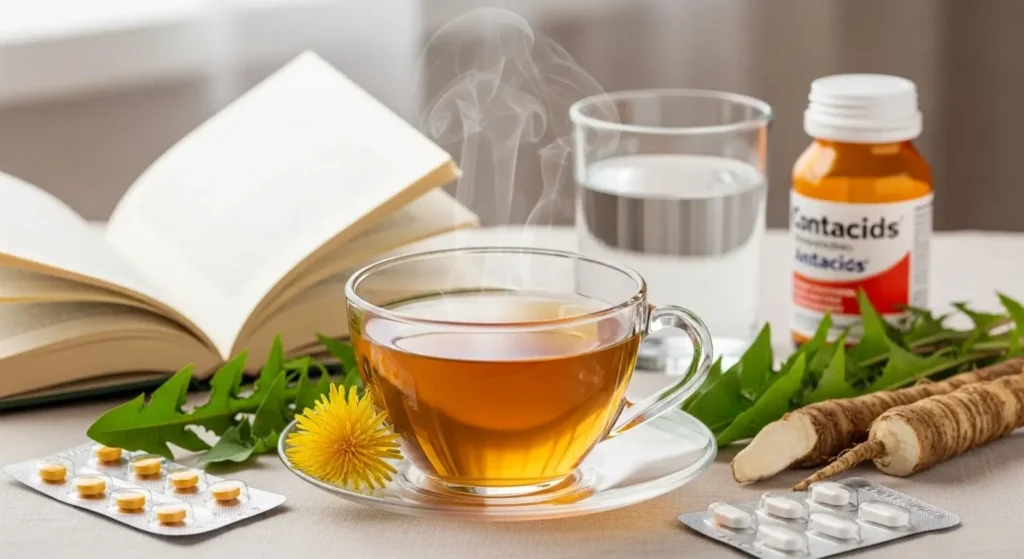
Dandelion teas can affect how some medicines work. This includes blood thinners, diuretics, and antibiotics. They might also change blood sugar levels, affecting diabetes meds.
It’s key to talk to your doctor before adding dandelion teas to your diet. This is true if you’re on any prescription drugs.
Medication Type
Potential Interaction with Dandelion Tea
Blood Thinners
Increased risk of bleeding
Diuretics
Enhanced diuretic effect, possible dehydration
Diabetes Medications
Possible effect on blood sugar levels
Conclusion: Which Dandelion Tea is Right for You?
Now you know about dandelion teas, and you have to decide: dandelion tea or roasted dandelion tea. Both have their own benefits. The choice depends on what you need and like.
Dandelion tea is great if you want a drink that’s good for your liver and digestion. It’s also caffeine-free and full of nutrients. Roasted dandelion tea, on the other hand, tastes like coffee but is better for your gut. It has a rich flavor and might help your gut health.
Think about what you like to drink, your health goals, and your daily life. You might want to try both teas to see which one you like best. The most important thing is to pick the tea that feels right for you. If you have health concerns, talk to a doctor first.
By choosing wisely, you can enjoy all the good things dandelion tea has to offer. Whether it’s the classic or roasted version, you’ll find something great.
What is the main difference between dandelion tea and roasted dandelion tea?
Dandelion tea comes from raw roots or leaves. Roasted dandelion tea, on the other hand, uses roasted roots. This gives it a unique taste and smell.
Are dandelion tea and roasted dandelion tea caffeinated?
No, both teas are caffeine-free. They’re a nice choice for those who want to avoid caffeine.
Can I make dandelion tea and roasted dandelion tea at home?
Yes, you can make them at home. Just harvest and dry dandelion roots or leaves. Then, brew them as you like.
What are the health benefits of consuming dandelion tea?
Dandelion tea supports the liver and helps detoxify. It also aids digestion and has anti-inflammatory effects. It’s a healthy addition to your diet.
Is roasted dandelion tea a good coffee substitute?
Yes, it’s a great coffee substitute. It tastes rich and earthy. It also has health benefits like prebiotic properties and helps regulate blood sugar.
Can I consume dandelion tea if I have certain medical conditions or take medications?
It’s best to talk to a doctor first. This is true if you have health issues or take medicines. Dandelion tea might affect some medications or worsen some conditions.
How do I brew dandelion tea and roasted dandelion tea?
To brew, steep dried roots or leaves in hot water. The brewing time and temperature depend on your taste preferences.
Are there any potentially side effects of consuming dandelion tea or roasted dandelion tea?
They’re usually safe but can cause allergies or interact with some medicines. Be aware of these risks. If you’re concerned, talk to a healthcare professional.
Black Tea Extract that is rich in natural theaflavins and polyphenols that help protect your body from free radicals, promoting overall immune health and well-being
Contains blended amounts of Fruits and Veggies. All natural, with whole foods, fruit and vegetable supplement.Perfect for everyone looking to live a healthier lifestyle.