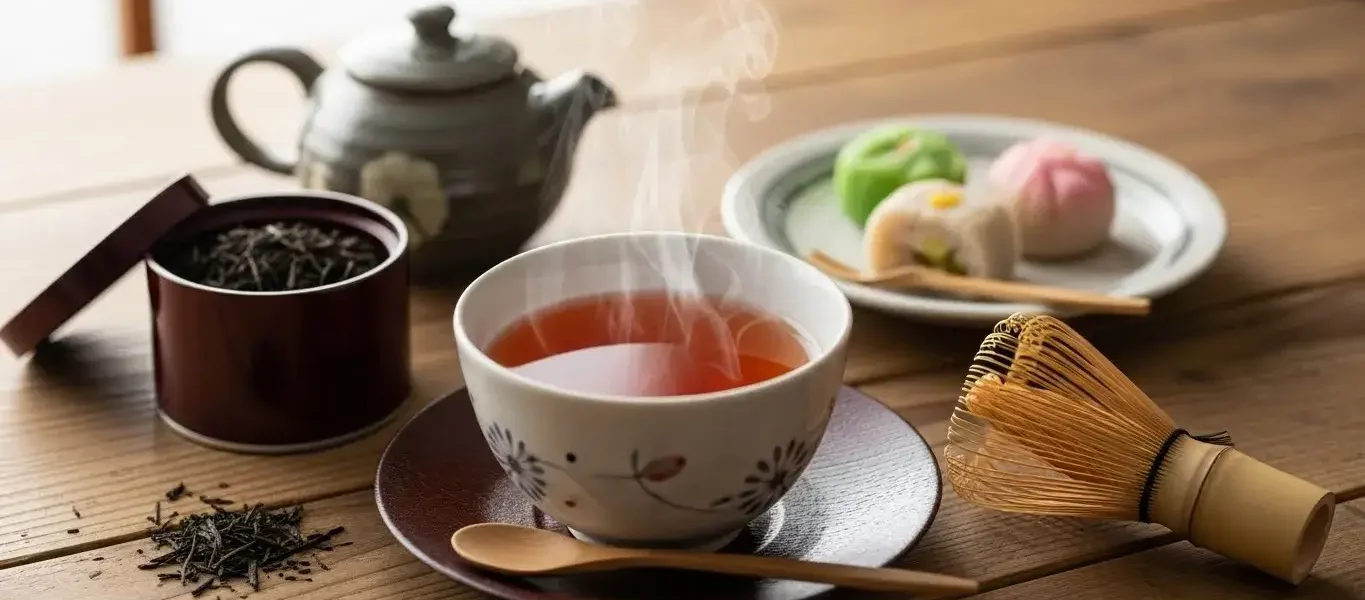
So, you’ve heard about hojicha, that wonderfully toasty Japanese green tea, and you’re wondering how to actually get your hands on some. It comes in a couple of different forms, mainly tea bags and powder, and honestly, choosing between them can feel a little confusing at first. Each one offers a slightly different experience, from how you make it to how it tastes and when it’s best to use it. Let’s break down the hojicha tea bag vs powder situation so you can pick the perfect one for your next cup.
Key Takeaways
Hojicha powder is great for quick lattes and baking because it dissolves easily and has a strong flavor.
Hojicha tea bags offer super simple, mess-free brewing, making them ideal for busy days or when you’re on the go.
Powder gives a creamier, bolder taste, while tea bags provide a more traditional, straightforward cup.
Consider your routine: powder is fast for instant drinks, while tea bags are convenient with minimal cleanup.
Both formats are good for enjoying hojicha’s unique smoky, nutty, and sweet notes, but the intensity and preparation differ.
Understanding Hojicha Formats: Tea Bags vs. Powder
Hojicha, that wonderfully toasty and nutty roasted green tea, isn’t just one thing. It shows up in our cups in a few different ways, and knowing these formats is key to picking the right one for your mood and your mug. We’ve got tea bags and powder, and they really do offer different experiences. It’s not just about how they look, but how they taste, how fast you can get them into your cup, and what you can even make with them.
The Essence of Hojicha: Roasted Green Tea
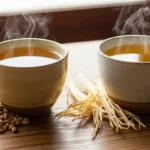
At its heart, hojicha is green tea that’s been roasted. This roasting process is what gives it that signature warm, inviting flavor, kind of like toasted nuts or caramel. It also makes it lower in caffeine compared to unroasted green teas like matcha. This makes it a great choice for later in the day or if you’re sensitive to caffeine. The roasting also changes the color, giving it a reddish-brown or amber hue instead of the vibrant green you see in matcha.
Exploring the Different Ways Hojicha is Prepared
Hojicha can come to you in a few forms, each with its own way of getting into your cup. You’ll most commonly find it as loose leaves, finely milled powder, or conveniently pre-portioned tea bags. Each method has its own set of tools and steps, and understanding these differences helps you figure out which one fits your lifestyle best. For example, loose leaf often requires a bit more attention, while powder is designed for quick mixing.
Key Differences in Hojicha Tea Bag vs Powder
So, what’s the real scoop when comparing hojicha tea bag vs powder? Well, they’re quite different, even though they start from the same roasted tea leaves. Powder is essentially the whole leaf ground down to a super-fine dust. This means when you prepare it, you’re consuming the entire tea leaf, which gives you a richer flavor and a thicker texture, especially noticeable when you’re thinking about how to make hojicha latte powder vs bags.
Tea bags, on the other hand, usually contain cut or broken leaves. While they offer incredible convenience, the flavor might not be as intense or complex as powder or even good quality loose leaf. The convenience of hojicha tea bags is a big draw for many, but it’s worth noting that the quality can vary a lot. Some bags are packed with good quality leaf pieces, while others might contain more dust.
Here’s a quick look:
Hojicha Powder: You consume the whole leaf. This means a richer, more intense flavor and a creamy texture, perfect for lattes and baking. It dissolves easily, making it super fast. It’s also great for iced drinks because it mixes well with cold liquids.
Hojicha Tea Bags: These are super easy and tidy. You just steep them and toss the bag. They’re ideal for on-the-go or when you want a simple cup without much fuss. The hojicha tea bag benefits really shine in terms of speed and minimal cleanup. However, the flavor might be less robust compared to powder, and you’re not consuming the whole leaf.
When you’re comparing hojicha tea bag and loose leaf, remember that tea bags are essentially a convenient version of loose leaf, but often with smaller leaf particles. The quality of the tea inside the bag is what really matters for flavor. Some higher-end tea bags use pyramid shapes to give the leaves more room to unfurl, which helps with flavor extraction, making them a better option than standard flat bags.
Flavor Profiles and Brewing Experiences
Taste Nuances: Smoky, Nutty, and Sweet Notes
Hojicha’s unique flavor comes from its roasting process. Unlike other green teas, which are often steamed or pan-fired, hojicha is roasted over charcoal. This gives it a distinct profile that’s less grassy and more approachable. You’ll often pick up on notes of toasted nuts, a gentle smokiness, and a subtle sweetness. It’s a comforting taste, kind of like a warm hug in a mug. The intensity can vary, with some hojicha tasting more deeply roasted and others having a lighter, brighter character. It’s a tea that really plays well with other flavors, too.
Brewing Methods: Steeping vs. Whisking
When you’re brewing hojicha, the method you choose really impacts the final cup. Using tea bags is pretty straightforward: just steep them in hot water like you would any other tea. It’s simple and gets the job done. On the other hand, hojicha powder, often called matcha (though technically different), is usually whisked into water or milk. This method incorporates the entire tea leaf into your drink, leading to a richer texture and a more intense flavor. It takes a little more effort, but many find the result worth it.
Here’s a quick look at how the brewing methods differ:
Tea Bags: Simple steeping, minimal cleanup, good for a quick cup.
Powder: Whisking required, uses the whole leaf, results in a richer, more full-bodied drink.
Achieving the Perfect Cup: Hojicha Tea Bag vs Powder
Getting that perfect cup of hojicha really comes down to what you’re looking for. If you’re using tea bags, aim for water that’s just off the boil, around 175-195°F (80-90°C). Steeping for 1-2 minutes usually does the trick. Too long, and it might get a bit bitter. With hojicha powder, you’ll want to use a whisk (a bamboo chasen is traditional) to blend it smoothly into hot water or milk. The water temperature is similar, but the whisking action is key to avoiding clumps and getting that velvety texture. The powder method allows for a more customizable strength and texture, especially if you’re making lattes.
When you’re making hojicha, especially if you’re using powder, the quality of your water matters. Using filtered water can make a noticeable difference in the smoothness and overall taste of your tea. It’s a small step, but it really helps bring out the best in the roasted leaves.
When you’re trying to figure out which hojicha format is best for you, how much time and effort you want to put in really matters. Some days you just need a quick cup, right? And other times, you might have a bit more room to play.
Instant Gratification: The Speed of Hojicha Powder
Hojicha powder is pretty much the speed demon of the hojicha world. Because it’s already ground down to a fine dust, you don’t need to wait for leaves to steep. You just whisk it with hot water, or even shake it with milk for a latte, and boom – you’re done. It’s perfect for those mornings when every second counts. No straining, no fuss, just a smooth, rich drink in seconds. It’s also great if you’re making iced drinks or even baking, as it mixes in really easily without leaving bits behind.
Effortless Brewing: The Simplicity of Tea Bags
Tea bags are the definition of easy. You just toss one in your mug, add hot water, wait a couple of minutes, and take it out. It’s about as simple as it gets. This makes them super convenient for brewing at work, when you’re traveling, or if you just don’t want to deal with any cleanup. You get a predictable cup every time, and there’s no need for any special equipment like infusers or strainers. It’s a no-muss, no-fuss way to enjoy your hojicha.
Comparing Hojicha Tea Bag vs Powder for Busy Lifestyles
Hojicha Powder: Your go-to for speed. Ideal for busy mornings, quick lattes, or when you want a strong flavor without any brewing time. Just whisk and go.
Hojicha Tea Bags: Your travel buddy and office staple. Perfect for situations where cleanup is a hassle or you have limited brewing tools. Just steep and discard.
When time is tight, both powder and tea bags offer quick ways to get your hojicha fix. Powder wins for speed and versatility in drinks like lattes, while tea bags are unbeatable for ultimate simplicity and zero cleanup, especially when you’re away from home.
Best Uses for Each Hojicha Type
Hojicha Powder for Lattes and Baking
Hojicha powder is where things get really interesting, especially if you’re looking to get creative in the kitchen or whip up a fancy drink. Because it’s finely ground, it dissolves completely, making it the ideal choice for things like lattes, smoothies, and even baked goods. When you whisk hojicha powder with a bit of hot water, it creates a smooth, rich base that blends beautifully into milk for a creamy hojicha latte.
It’s also fantastic for baking; think hojicha cookies, cakes, or even ice cream. The powder infuses the entire dessert with that signature smoky, nutty flavor, unlike tea bags or loose leaves which can’t fully integrate. For baking, you really want that full flavor infusion, and powder is the way to go. You can find some great recipes online for hojicha cookies that specifically call for powder.
Hojicha Tea Bags for On-the-Go Enjoyment
When you’re short on time or just want a straightforward cup of tea without any fuss, hojicha tea bags are your best friend. They’re super convenient for busy mornings, office breaks, or travel. Just pop a bag in your mug, add hot water, and you’ve got a comforting cup of roasted green tea in minutes. While they might not offer the same depth of flavor as powder or carefully brewed loose leaf, they provide a consistent and mess-free experience. It’s the simplest way to enjoy hojicha when you’re out and about or just don’t feel like dealing with extra equipment. The preparation is straightforward, making it a go-to for many.
Versatility: When to Choose Hojicha Tea Bag vs Powder
Deciding between hojicha tea bags and powder really comes down to what you want to achieve. If you’re aiming for rich, creamy beverages like lattes or want to bake with it, hojicha powder is the clear winner. Its ability to fully incorporate into liquids and batters is unmatched. On the other hand, if your priority is speed and simplicity for a quick cup of tea, especially when you’re away from home, tea bags are incredibly practical. They offer a no-fuss brewing experience that’s hard to beat for convenience. Both forms have their place, and understanding their strengths helps you pick the best hojicha format for brewing your desired outcome. It’s all about matching the preparation method to your needs.
The choice between hojicha powder and tea bags often hinges on the desired end product. Powder excels in applications where a smooth, integrated flavor is key, such as in beverages and baked goods. Tea bags, conversely, shine in situations demanding ultimate convenience and minimal cleanup, providing a simple way to enjoy a warm cup of tea.
Alright, so you’ve got your hojicha, whether it’s the fine powder or the convenient tea bags. Now, how do you keep it tasting great? It’s not super complicated, but paying a little attention can make a big difference. Roasting does make hojicha pretty forgiving, which is nice, but things like air, light, and heat can still sneak in and dull that lovely roasted flavor.
Keeping Hojicha Powder Optimal
For hojicha powder, the main enemy is air. Every time you open the container, some air gets in, and over time, it can make the powder go stale. The best thing you can do is store it in an airtight container. If your powder came in a resealable pouch, make sure you press out as much air as possible before sealing it up again after each use. It’s also a good idea to keep it in a cool, dry spot, away from the stove or any windows where sunlight might hit it. Generally, you’ll want to use up your hojicha powder within about 2 to 3 months of opening it for the best taste.
Maintaining the Quality of Hojicha Tea Bags
Tea bags are a bit more straightforward. They’re usually individually wrapped, which helps keep them fresh for longer. Once you open the box or sleeve, it’s still a good idea to keep them in a container that seals well, like a tin or a sturdy jar. This protects them from moisture and strong odors in your pantry. Unlike powder, tea bags tend to hold their quality for a bit longer, often up to a year if stored properly, though the flavor might start to fade a little after several months.
Storage Tips for Hojicha Tea Bag vs Powder
Here’s a quick rundown to keep both formats happy:
Powder: Always use an airtight container. Try to use it within 2-3 months of opening. Keep it in a cool, dark, dry place.
Tea Bags: Store the opened box or sleeve in a sealed container. They’re generally good for about a year, but aim to use them within 6 months for peak flavor.
General Rule: Avoid storing your hojicha anywhere humid or hot. Think cupboard, not near the kettle or oven.
Stale hojicha isn’t harmful, but it just won’t give you that satisfying smoky, nutty taste you’re looking for. It’s worth taking a moment to store it right to enjoy every cup.
Making the Final Choice: Hojicha Tea Bag vs Powder
So, you’ve learned about the different ways to enjoy hojicha, from the smoky notes of loose leaf to the convenience of tea bags and the versatility of powder. Now comes the big question: which one is right for you? It really boils down to what you’re looking for in your tea experience.
Assessing Your Personal Preferences
Think about what you like in a cup of tea. Do you enjoy the ritual of brewing, perhaps with a bit of whisking or steeping time? If you appreciate the subtle nuances and want to really taste the roasted character of the tea, then maybe hojicha loose leaf vs powder isn’t the right comparison for you; you might lean towards loose leaf for its complexity. However, if you’re all about speed and a consistent, strong flavor, especially when adding milk, hojicha powder is likely your winner. It’s like comparing a carefully crafted meal to a quick, satisfying smoothie – both are good, but they offer different things.
Considering Your Daily Routine
Your lifestyle plays a huge part. Are you usually rushing out the door in the morning, needing something quick and easy? Hojicha powder is fantastic for this – just whisk it with hot water or milk, and you’re good to go. It’s also great for baking or making lattes without any fuss. On the other hand, if you have a bit more time, maybe during a quiet afternoon or a relaxed weekend, steeping hojicha tea bags is super simple and requires minimal cleanup, making it ideal for the office or travel. It’s a no-brainer when you want a decent cup without any mess.
Selecting the Right Hojicha for Your Needs
Ultimately, the choice between hojicha tea bags and powder (or even loose leaf) depends on your priorities. Here’s a quick rundown to help you decide:
For Lattes & Baking: Hojicha powder is your best bet. It dissolves easily and creates a rich, creamy texture that’s perfect for milk-based drinks and adding flavor to baked goods. It’s the go-to for that café-style experience at home.
For On-the-Go & Simplicity: Hojicha tea bags offer ultimate convenience. They’re pre-portioned and require no special equipment, making them ideal for busy mornings, work, or travel. Just add hot water and steep.
For Flavor Exploration: If you enjoy exploring the finer points of tea, loose leaf hojicha might be more your style, offering a more nuanced flavor profile that can be appreciated when sipped plain.
When comparing hojicha loose leaf vs instant powder, remember that ‘instant’ often means powder. While loose leaf offers a more traditional brewing experience, powder is designed for speed and ease, dissolving completely into your drink. Think about whether you want to consume the tea leaves themselves (powder) or just extract their flavor (loose leaf/tea bags).
Don’t be afraid to try different formats! Many hojicha fans keep both powder and tea bags on hand to suit different occasions. Maybe you use powder for your morning latte and a tea bag for an afternoon pick-me-up. It’s all about finding what works best for your taste buds and your schedule.
Alright, so we’ve looked at the different ways you can enjoy hojicha – the tea bags, the powder, and the loose leaves. Honestly, there’s no single ‘best’ option here. It really just boils down to what you’re looking for in your tea moment. If you’re always on the go and need something super quick, especially for lattes, the powder is probably your best bet. It mixes in fast and gives you that strong flavor.
For those times when you want to really savor your tea, maybe a quiet afternoon or a weekend morning, loose leaf lets you get all those subtle, smoky notes. And the tea bags? They’re just plain convenient, perfect for the office or when you’re traveling and don’t want to fuss with extra gear. You might even find, like a lot of people do, that having both powder and loose leaf on hand works out great. One for busy weekdays, the other for relaxed weekends. Give them a try and see what fits your routine!
Frequently Asked Questions
What exactly is Hojicha?
Hojicha is a type of Japanese green tea that’s been roasted. This roasting process gives it a different flavor than regular green tea – it’s less bitter and has a warm, toasty, sometimes nutty or caramel-like taste. Because it’s roasted, it also tends to have less caffeine.
Is Hojicha powder the same as matcha powder?
No, they are quite different! While both are powders, Hojicha powder comes from roasted green tea leaves and has a brown color with a toasty flavor. Matcha is made from unroasted, shade-grown green tea leaves, giving it a bright green color and a more grassy, slightly sweet taste.
Can I use Hojicha tea bags for lattes?
You can, but Hojicha powder is usually better for lattes. Powder mixes in smoothly and gives a stronger, creamier flavor that holds up well with milk. Tea bags can work, but you might need to use two bags or brew a stronger tea first to get a rich latte taste.
Which Hojicha type is best for baking?
Hojicha powder is generally the top choice for baking. Its fine texture and concentrated flavor mix easily into batters and doughs, infusing your baked goods like cookies, cakes, or bread with that delicious roasted tea taste.
How should I store my Hojicha?
To keep Hojicha fresh, store it in an airtight container away from light, heat, and moisture. Powder should be used within a few months and resealed tightly after each use. Tea bags can be kept in their original packaging or an airtight container. Keeping it in a cool, dark cupboard is usually best.
Is loose leaf Hojicha better than tea bags?
It depends on what you’re looking for! Loose leaf Hojicha often offers a more complex and nuanced flavor because the leaves have more room to unfurl while steeping. Tea bags offer super convenience and less mess, making them great for travel or the office, but the flavor might be less intense.
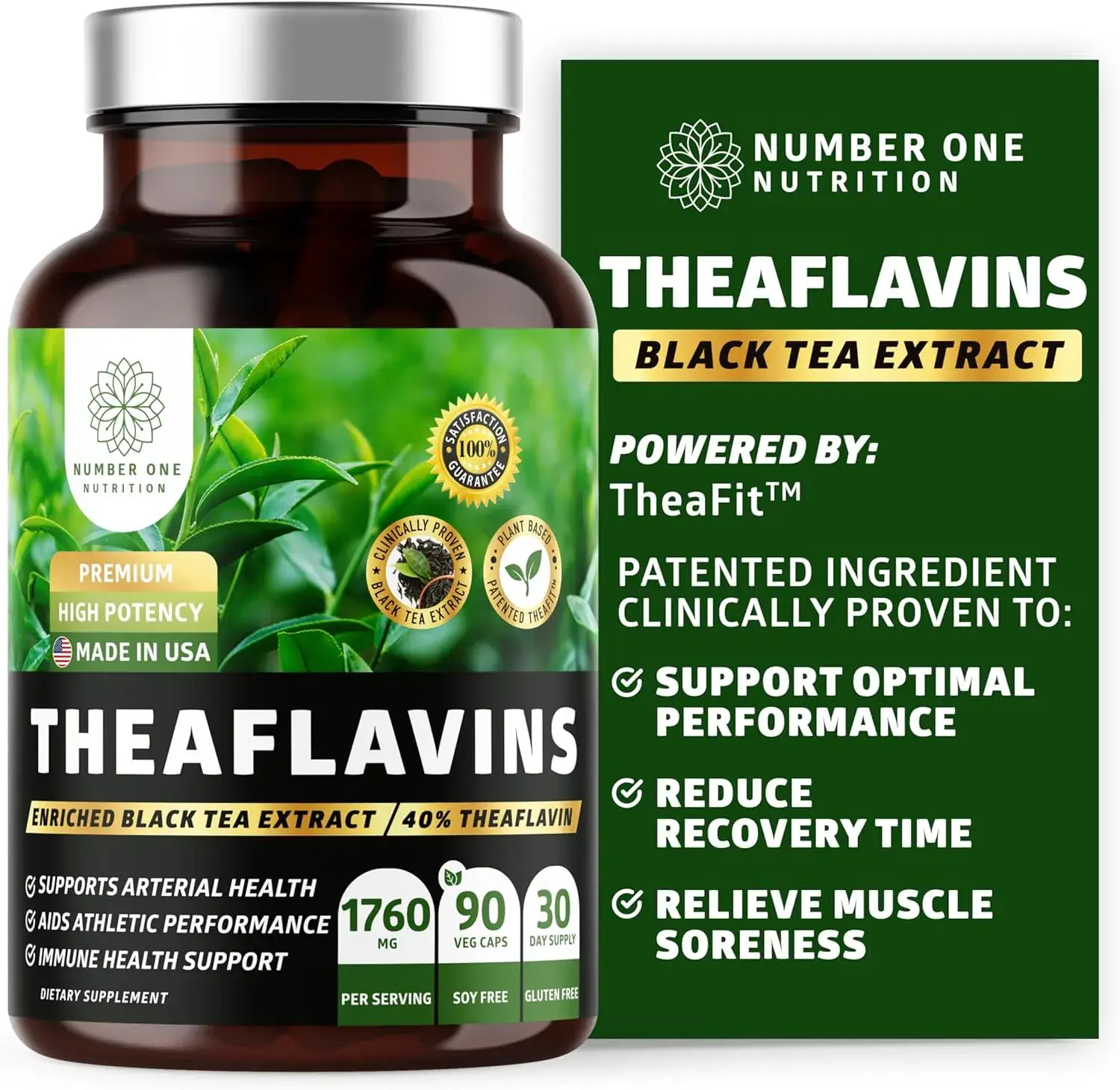
Black Tea Extract that is rich in natural theaflavins and polyphenols that help protect your body from free radicals, promoting overall immune health and well-being
Contains blended amounts of Fruits and Veggies. All natural, with whole foods, fruit and vegetable supplement.Perfect for everyone looking to live a healthier lifestyle.