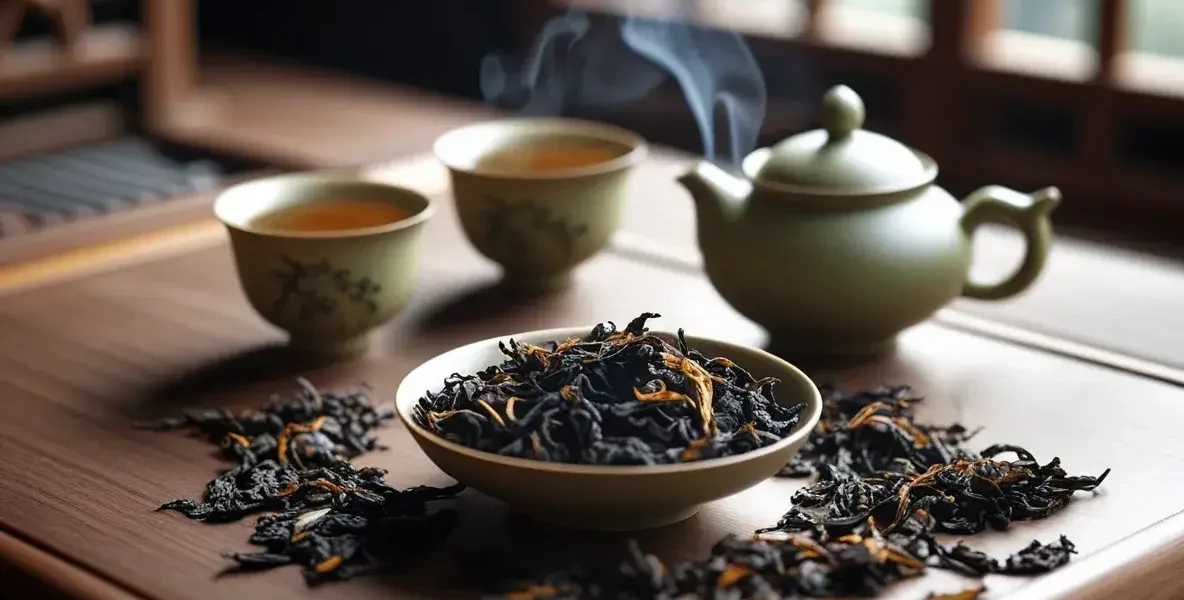
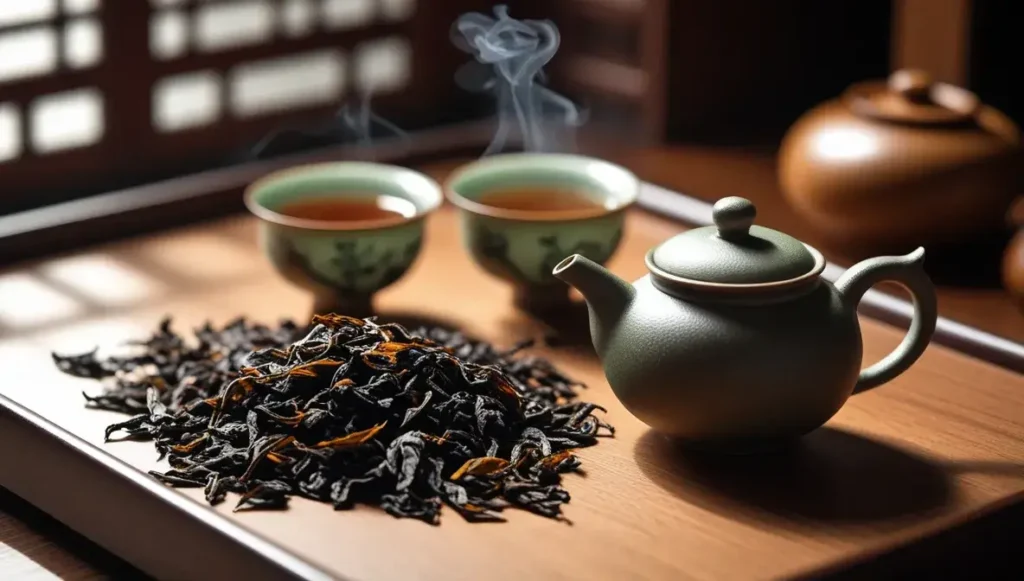
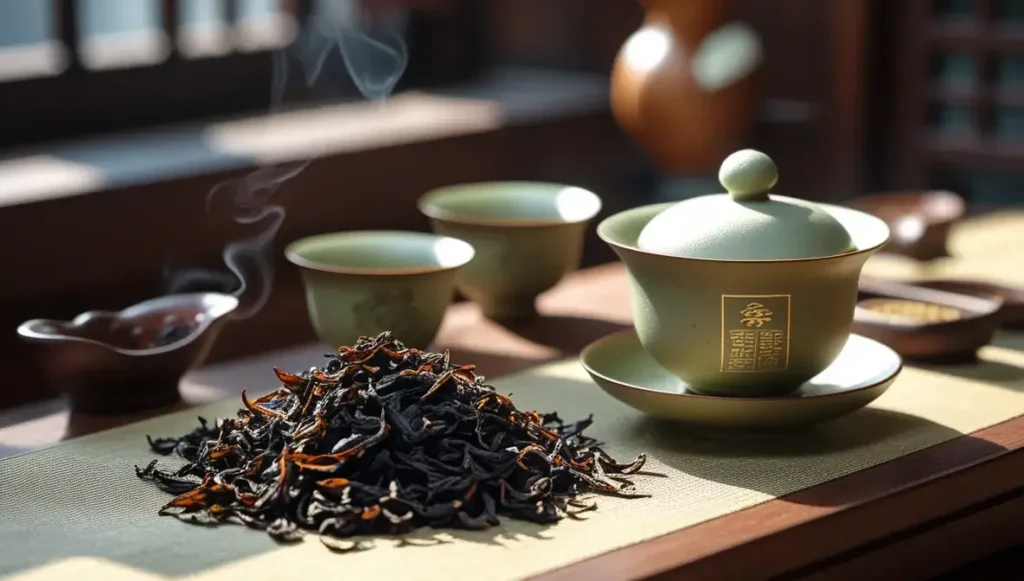
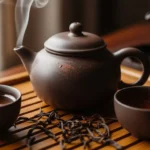
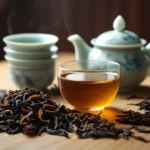
Lapsang Souchong tea is a unique smoked tea from China. It’s known for its smoky taste, which comes from drying over pinewood fires. While some love its strong flavor, others wonder, is Lapsang Souchong tea bad for you?
There are concerns about Lapsang Souchong tea and its health risks. Some studies say the smoking process might add harmful substances. But, how big of a risk it is, is not yet clear.
Key Takeaways
Lapsang Souchong tea is a smoked tea with a unique flavor profile.
The smoking process may introduce possible health risks.
Research is ongoing to fully understand the health impacts.
Moderation is key when consuming Lapsang Souchong tea.
Individual reactions to the tea may vary.
What is Lapsang Souchong Tea?
Lapsang Souchong tea comes from the mountains of Fujian. It’s been made there for centuries. Its smoky taste comes from drying the tea leaves over pinewood fires.
Origin and History
Lapsang Souchong tea is from the Wuyi Mountains in Fujian, China. It has a long history, dating back to the Qing Dynasty. It was first made for the imperial court.
The smoky flavor comes from drying the leaves over pinewood fires. This method was used to speed up drying back then.
Today, the traditional ways of making Lapsang Souchong are kept alive. This makes it one of the most unique black teas around.
Traditional Production Methods
Making Lapsang Souchong tea involves several steps. These include withering, rolling, oxidation, and firing. The smoky flavor comes from drying the leaves over pinewood fires.
This process is very detailed and requires skill. It ensures the tea’s smoky taste is always there.
Lapsang Souchong tea is loved for its strong flavor. It’s often enjoyed on its own or with savory foods. Its unique taste makes it a hit with those who like smoky flavors.
Characteristics
Description
Origin
Fujian Province, China
Flavor Profile
Smoky, Robust
Production Method
Dried over pinewood fires
The Unique Composition of Lapsang Souchong
Lapsang Souchong tea comes from Chinese tea culture. It’s known for its smoky taste and smell. This comes from drying the tea leaves over pinewood fires.
Smoking Process and Chemical Compounds
The tea’s smoky flavor comes from drying it over pinewood fires. This process adds unique chemical compounds. Polycyclic aromatic hydrocarbons (PAHs) are among these compounds, sparking health discussions.
Nutritional Profile and Active Ingredients
Lapsang Souchong tea is special in taste and nutrients. It’s full of antioxidants that fight free radicals. It also has vitamins and minerals, making it nutritious.
The antioxidants in Lapsang Souchong, like catechins and theaflavins, are good for health. They help reduce oxidative stress and may improve overall health.
Lapsang Souchong tea is known for its smoky aroma. It has many health benefits. This tea can improve your overall well-being.
Antioxidant Properties and Free Radical Protection
Lapsang Souchong tea is full of antioxidants. These help protect the body from free radicals. Free radicals can damage cells and lead to diseases.
The antioxidants in Lapsang Souchong tea can reduce the risk of heart disease and some cancers. Drinking this tea regularly can help keep your body healthy.
Digestive Health Support
Lapsang Souchong tea may also help with digestion. It has compounds that can soothe the digestive system. This can help with indigestion and other stomach problems.
Some studies show that the tea’s antimicrobial properties can keep the gut healthy. This supports better digestion.
Digestive Benefits
Potential Effects
Soothing Digestive System
Relieves Indigestion
Antimicrobial Properties
Supports Healthy Gut Microbiome
Cognitive Function and Mental Alertness
Lapsang Souchong tea has caffeine, which boosts mental alertness. It can improve focus and concentration. Drinking this tea in moderation can help keep your mind sharp.
In conclusion, Lapsang Souchong tea has many health benefits. It supports digestion and mental function. Adding it to your daily routine can improve your overall health.
Is Lapsang Souchong Tea Bad for You?
Let’s explore if Lapsang Souchong tea is harmful. This tea is known for its smoky taste. It has both fans and those worried about its health effects.
Common Health Concerns
People worry about the smoking process in Lapsang Souchong tea. Polycyclic aromatic hydrocarbons (PAHs) are a concern. These substances might be harmful and even cause cancer.
“The smoking process of Lapsang Souchong tea may lead to the formation of PAHs, which have been linked to various health issues.”
A study showed Lapsang Souchong has more PAHs than non-smoked teas. But, it’s important to look at how much PAHs we get from all foods.
Tea Type
PAH Levels (ng/g)
Lapsang Souchong
120-150
Green Tea
20-50
Black Tea
30-70
What Scientific Research Tells Us
Research on Lapsang Souchong tea shows mixed results. Some studies point to health risks from smoking. Others talk about its antioxidants and possible health perks.
Looking at both sides, we see a balanced view. Drinking Lapsang Souchong tea in moderation is likely safe. It lets us enjoy its special taste without big risks.
Polycyclic Aromatic Hydrocarbons (PAHs) in Smoked Tea
The smoking process that gives Lapsang Souchong its unique taste also leads to the formation of PAHs. These compounds have health risks. PAHs are formed when organic materials, like wood, burn incompletely.
Understanding PAHs and Their Health Implications
PAHs are harmful because some are carcinogenic and mutagenic. They can build up in the body over time. Research shows that long-term exposure to PAHs may raise cancer risks.
PAH Levels in Lapsang Souchong vs. Safety Thresholds
Studies have looked at PAH levels in Lapsang Souchong tea. They compare these levels to safety thresholds. The European Food Safety Authority sets these limits to reduce exposure.
Tea Type
PAH Level (µg/kg)
Compliance with Safety Threshold
Lapsang Souchong
150-200
Within Limits
Green Tea
50-100
Within Limits
Smoked Tea (Other)
200-300
Within Limits
Comparing PAH Exposure from Different Food Sources
It’s key to look at PAH exposure from Lapsang Souchong tea in the bigger picture. PAHs are in many foods, like grilled meats and smoked fish. A study comparing PAH exposure from different sources helps understand the risks of Lapsang Souchong tea.
By knowing PAH levels in Lapsang Souchong tea and comparing them to other foods, we can make better choices about our tea intake.
Caffeine Content and Possible Side Effects
Knowing how much caffeine is in Lapsang Souchong tea is key for those who are sensitive to it. Like other teas, it has caffeine, which can impact the body in different ways.
Caffeine Levels Compared to Other Teas and Coffee
Lapsang Souchong tea has less caffeine than coffee but more than some teas. An 8-ounce cup usually has 40 to 70 milligrams of caffeine. Coffee, on the other hand, can have 80 to 200 milligrams in an 8-ounce cup.
Black tea generally has more caffeine than green tea but less than coffee. The way Lapsang Souchong is made, by smoking over pinewood fires, doesn’t change its caffeine amount much.
Possible Negative Effects of Caffeine Consumption
Most adults can safely drink moderate amounts of caffeine. But too much can cause problems like jitteriness, anxiety, and trouble sleeping. People who are very sensitive to caffeine should be careful with Lapsang Souchong tea, if they’re not used to it.
Caffeine can also mix badly with some medicines and make health issues worse.
The quality of Lapsang Souchong tea is key to its health benefits. It’s important to pick the right one. Look for authenticity and how it’s made.
Authentic vs. Low-Quality Lapsang Souchong
Real Lapsang Souchong is made the old way, smoked over pinewood. This gives it a unique taste and health effects. Cheap versions might use fake flavors or different smoking, changing its health benefits.
Choosing authentic Lapsang Souchong means you get a tea made the traditional way. This affects its nutrients and chemicals.
Organic vs. Conventional Production Methods
How Lapsang Souchong is made, organic or conventional, matters too. Organic tea is grown without harmful chemicals. This makes it cleaner and possibly safer.
Production Method
Characteristics
Potential Health Impact
Organic
No synthetic pesticides or fertilizers
Lower risk of chemical contaminants
Conventional
May use synthetic pesticides or fertilizers
Potential for higher chemical residue
Knowing the difference between real and fake Lapsang Souchong helps. Also, understanding organic vs. conventional production lets you choose better tea.
Who Should Exercise Caution with Lapsang Souchong?
Lapsang Souchong tea has unique qualities that make it important for some people to be careful. It has health benefits, but certain groups should be cautious. This is because of its specific properties.
Pregnant and Nursing Women
Pregnant and nursing women should be careful with Lapsang Souchong tea. It has caffeine, which can affect the fetus or baby. Caffeine can pass through the placenta and into breast milk, which might change the baby’s heart rate and metabolism.
It’s best for pregnant women to limit their caffeine. Nursing mothers should watch how their baby reacts to caffeine.
People with Sensitive Stomachs or Acid Reflux
Those with sensitive stomachs or acid reflux should be careful with Lapsang Souchong. Its smoky flavor and acidity might make digestive issues worse. If you feel uncomfortable after drinking it, try brewing it for less time or choose a less acidic tea.
Medication Interactions and Health Conditions
People with health issues or taking certain medications should talk to their doctor before drinking Lapsang Souchong often. The tea might affect medications or health conditions like gastroesophageal reflux disease (GERD) or caffeine sensitivity. Knowing these risks helps ensure safe drinking.
Being aware of these points lets you enjoy Lapsang Souchong tea safely. Always check with a healthcare professional if you’re unsure about adding it to your diet.
Lapsang Souchong tea has a smoky taste that many enjoy. To drink it safely, follow some key steps. Knowing the best ways to brew and how much to drink is important.
Optimal Brewing Methods to Reduce Any Risks
Correctly brewing Lapsang Souchong tea can lower risks. Here are some tips:
Use filtered water to brew your tea, as it reduces impurities.
Steep for the right amount of time; typically, 3-5 minutes is ideal.
Avoid boiling the tea leaves, as this can increase the release of certain compounds.
Recommended Consumption Patterns
To safely enjoy Lapsang Souchong tea, consider these patterns:
Moderation is key; limit your intake to 2-3 cups per day.
Be mindful of your body’s response and adjust your consumption as needed.
If you’re sensitive to caffeine or certain compounds, consider alternatives or consult a healthcare professional.
By following these guidelines, you can enjoy Lapsang Souchong tea’s unique flavor. This way, you can also reduce any risks.
Conclusion
Lapsang Souchong tea is known for its smoky taste. This article looked into its health effects. It covered its making process, health benefits, and risks.
A Lapsang Souchong tea summary shows it has antioxidants and may help with digestion. But, it also has polycyclic aromatic hydrocarbons (PAHs) from smoking. Knowing this helps understand its health effects better.
The Lapsang Souchong tea health impacts are complex. Drinking it in moderation might boost health thanks to antioxidants. But, PAHs and caffeine mean it’s not safe for everyone, like those with certain health issues.
In smoked tea conclusion, Lapsang Souchong can be good for you if you drink it carefully. Knowing what’s in it lets tea lovers enjoy its taste without risks.
Lapsang Souchong is a black tea from China’s Fujian province. It’s known for its smoky taste. This comes from drying the tea over pinewood fires.
Is Lapsang Souchong tea high in antioxidants?
Yes, it’s packed with antioxidants, like other black teas. These help fight off free radicals and oxidative stress.
Does Lapsang Souchong tea contain caffeine?
Yes, it has caffeine, but the amount varies. It’s less than coffee but more than some teas.
Can Lapsang Souchong tea be consumed by pregnant women?
Pregnant women should be careful with Lapsang Souchong tea. It has caffeine, which might affect the fetus. Always check with a doctor first.
How can I minimize the health risks of drinking Lapsang Souchong tea?
To reduce risks, follow brewing guidelines and drink it in moderation. Choose high-quality, authentic Lapsang Souchong tea.
What are PAHs, and are they a concern in Lapsang Souchong tea?
PAHs are compounds that can form when tea is smoked. They’re a concern, but levels in Lapsang Souchong tea vary. Drinking it in moderation is usually safe.
Can I drink Lapsang Souchong tea if I have acid reflux?
People with acid reflux should be careful with Lapsang Souchong tea. Caffeine and certain compounds might make symptoms worse.
How does the quality of Lapsang Souchong tea affect its health impact?
The quality of Lapsang Souchong tea matters. Organic or high-quality tea tends to have fewer contaminants and more consistent nutrients.
Are there any interactions between Lapsang Souchong tea and medications?
Yes, Lapsang Souchong tea can interact with some medications. Always talk to a healthcare provider if you’re taking any.
What is the optimal way to brew Lapsang Souchong tea?
For the best brew, use the right amount of tea leaves and water at the right temperature. Brew for 3-5 minutes to get the flavor right without too much caffeine.
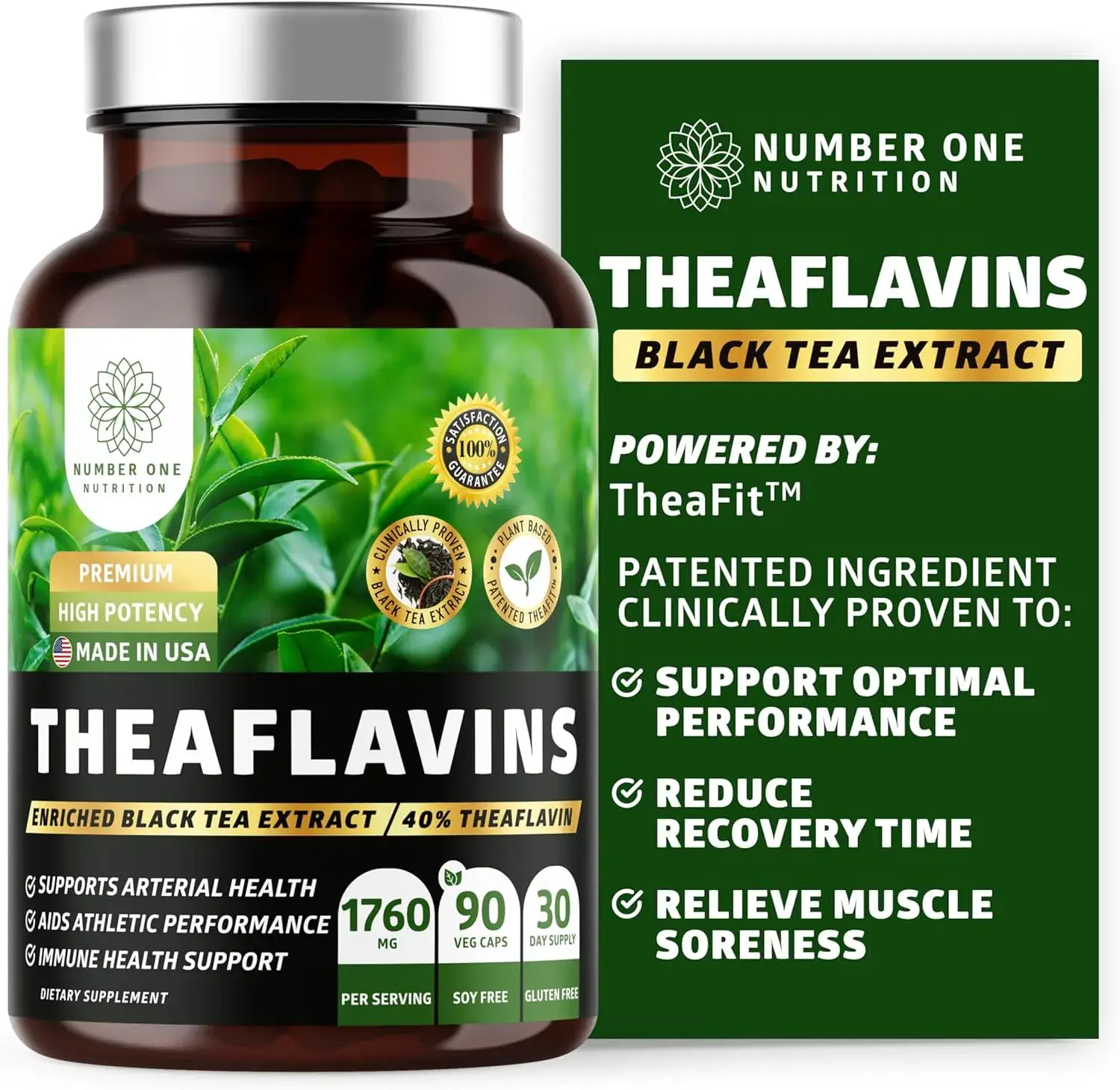
Black Tea Extract that is rich in natural theaflavins and polyphenols that help protect your body from free radicals, promoting overall immune health and well-being
Contains blended amounts of Fruits and Veggies. All natural, with whole foods, fruit and vegetable supplement.Perfect for everyone looking to live a healthier lifestyle.