Is spiced tea good for you? This aromatic beverage has been cherished across cultures for thousands of years, with popular varieties like Masala Chai dating back at least 5,000 years in India. Although many of us enjoy spiced tea primarily for its rich flavors and comforting qualities, the scientific evidence suggests it offers far more than just a pleasant taste experience.
In fact, chai tea contains powerful antioxidants like catechins and theaflavins that fight oxidative stress and may help prevent certain cancers. Not only is chai naturally lower in caffeine than coffee (about 40-61 milligrams per serving), but it also contains an impressive array of health-promoting compounds. The black tea base provides heart-healthy flavonoids that can prevent arterial plaque buildup, while spices like cloves and cinnamon are exceptionally high in antioxidants. Beyond these benefits, research shows that regular black tea consumption can lower blood pressure by several points, and spices like turmeric, black pepper, and ginger offer excellent anti-inflammatory properties.
In this article, we’ll examine what science really says about spiced tea’s health benefits, from its digestion-supporting qualities to its potential role in weight management and heart health.
What is Spiced Tea and Where Did It Come From?
Spiced tea represents one of the world’s oldest beverage traditions, with a rich history spanning thousands of years. The journey of this aromatic drink takes us across continents and through centuries of cultural evolution.
The origins of chai and spiced tea
The story of spiced tea begins in ancient royal courts. According to various legends, masala chai (meaning “spiced tea”) originated between 5,000 and 9,000 years ago, initially created as a healing Ayurvedic beverage. Surprisingly, the earliest versions contained no actual tea leaves at all—instead, they were caffeine-free mixtures of spices used for medicinal purposes.
The word “chai” itself simply means “tea” in Hindi, derived from the Chinese word “cha”. This linguistic connection hints at the complex cultural exchanges that shaped this beverage throughout history.
Initially, this ancient spiced concoction was used primarily for health benefits rather than enjoyment. A king in what is now India reportedly developed it as a cleansing, vivifying Ayurvedic drink. Moreover, the spices were selected specifically for their healing properties—ginger and black pepper to stimulate digestion, cloves for pain relief, cardamom as a mood elevator, and cinnamon to support circulation.
Tea plants had grown wild in the Assam region of India since antiquity; nevertheless, Indians viewed tea primarily as herbal medicine rather than a recreational beverage. The turning point came during British colonization in the 1830s when the British East India Company, concerned about China’s tea monopoly, began cultivating tea plantations in India.
Traditional ingredients used in spiced tea
The traditional components of spiced chai typically include:
Tea Base: Usually black tea, particularly Assam or Darjeeling varieties native to India. Some regional variations use green tea instead, as seen in Kashmir.
Milk: Traditionally buffalo milk in India, though whole cow’s milk or plant-based alternatives are now common worldwide.
Sweeteners: Jaggery (unrefined cane sugar) is traditional in India, whereas honey, white sugar, or brown sugar are popular elsewhere.
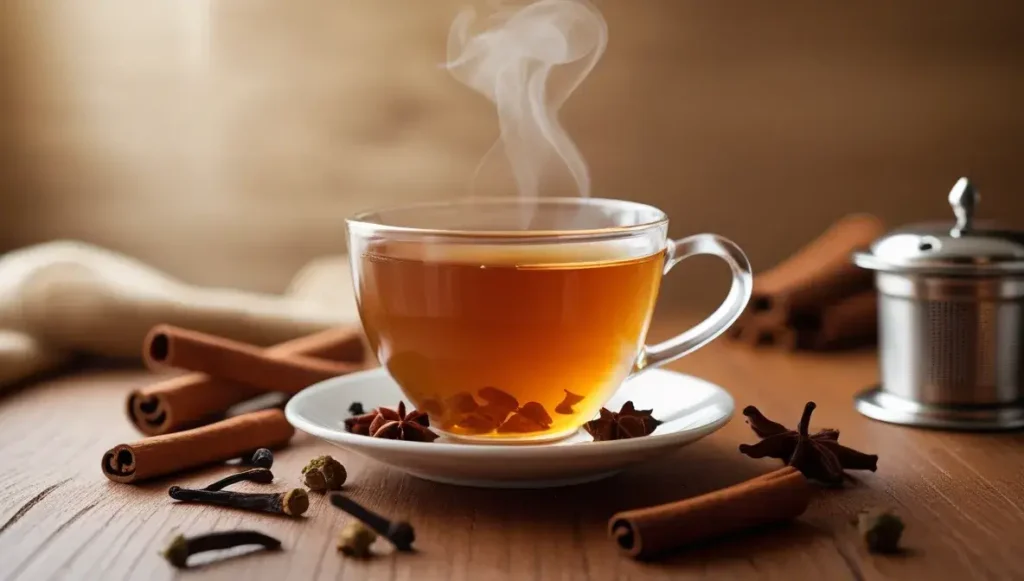
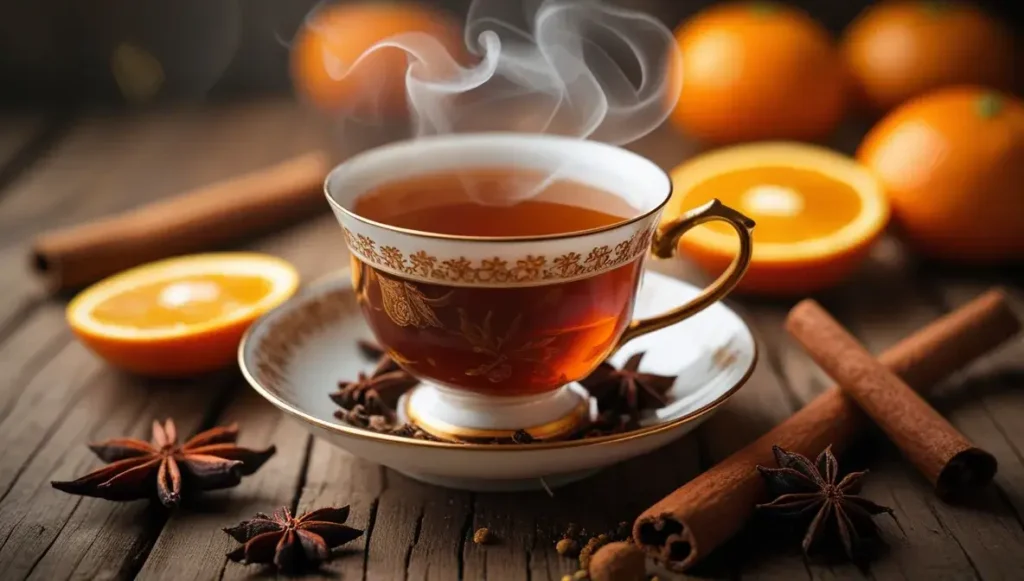
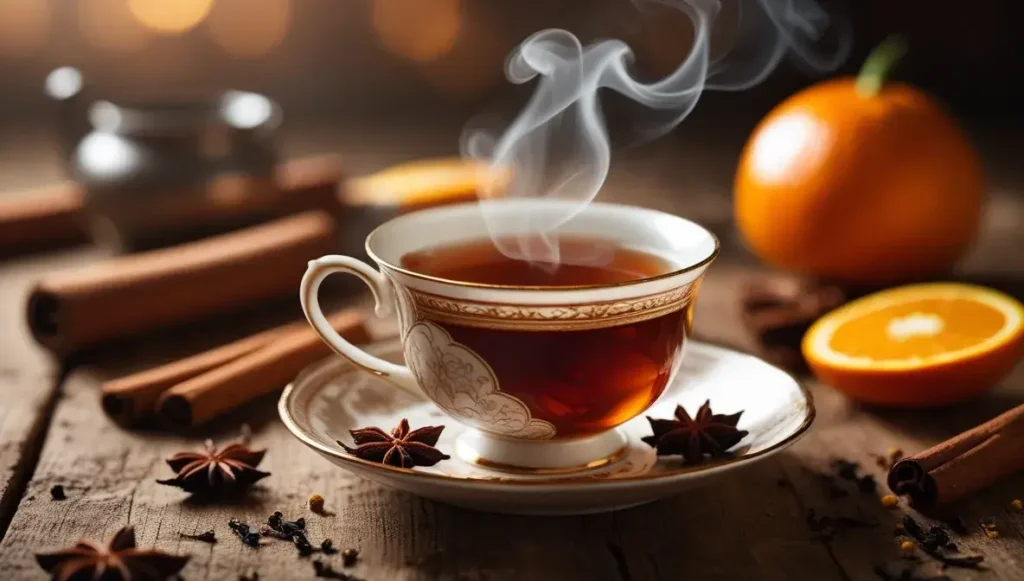
Spices: The signature element that defines spiced tea, with cardamom, ginger, cloves, cinnamon, and black peppercorns being the most common.
Interestingly, the spice mix (called “masala”) varies significantly by region, climate, and cultural preference. Furthermore, some recipes include additional spices like nutmeg, star anise, fennel, or even saffron.
How spiced tea differs from regular tea
Spiced tea and regular tea diverge substantially in several aspects. First, regarding ingredients, masala chai combines black tea with milk, sweetener, and a mix of aromatic spices, whereas regular tea typically consists of just tea leaves steeped in water, with milk or sugar as optional additions.
The preparation methods likewise differ considerably. Masala chai is typically simmered on the stovetop, allowing the tea leaves, spices, milk, and sugar to infuse together—creating a rich, creamy beverage. Conversely, regular tea is usually steeped by pouring hot water over tea leaves or a tea bag, with milk and sugar added afterward if desired.
Perhaps the most striking difference lies in the flavor profile. Masala chai offers a bold, spicy, and complex taste with balanced sweetness and warmth from the spices. Meanwhile, regular tea provides a purer, more straightforward flavor that focuses on the natural characteristics of the tea leaves themselves.
Beyond taste, masala chai holds deep cultural significance in India, where it remains an integral part of hospitality and daily life. This stands in contrast to the less elaborate cultural practices surrounding regular tea consumption in many parts of the world.
Beyond its delightful aroma and comforting warmth, spiced tea offers impressive health benefits backed by scientific research. From traditional Ayurvedic medicine to modern laboratory studies, evidence supports that drinking this flavorful beverage can positively impact your wellbeing.
Rich in antioxidants
Spiced tea delivers a powerful punch of antioxidants that help neutralize free radicals and prevent oxidative damage to your cells. Both black and green tea bases contain polyphenols with antioxidant, anti-inflammatory, and cholesterol-lowering properties. Additionally, many common chai spices are exceptionally high in these protective compounds:
Cloves and cinnamon rank among the highest antioxidant-containing spices
Cardamom contains antioxidant and anti-inflammatory properties
Cinnamon can help improve blood sugar levels and reduce heart disease risk
Research shows that the antioxidants in spiced tea may even help prevent degenerative diseases and certain forms of cancer.
Supports digestion and gut health
Traditional spiced teas have long been valued for their digestive benefits. A well-crafted spice blend can calm an angry digestive system and address various gut issues. Ginger stands out as a powerful digestive aid that helps improve gastrointestinal symptoms and promotes proper function of the digestive system. Similarly, spices like star anise assist the digestive process, helping reduce nausea and easing gastric distress, especially when consumed after meals.
For those struggling with digestive problems, certain spice combinations work remarkably well. One traditional recipe combining cumin seeds, coriander seeds, and fennel seeds boiled for 10 minutes creates a powerful digestive tea. This simple remedy effectively addresses bloating, indigestion, flatulence, and acidity by calming the digestive system.
Reduces inflammation and pain
Many spices in chai tea contain potent anti-inflammatory properties that can help soothe chronic pain and reduce inflammation. Turmeric, black pepper, and ginger are particularly effective anti-inflammatory agents. Black tea itself helps reduce inflammation, which can alleviate muscle soreness, chronic pain, and ward off inflammation-related diseases like arthritis and autoimmune disorders.
Cloves deserve special mention for their pain-relieving qualities. They serve as an excellent remedy for toothache, gum pain, and sore throats. Besides containing magnesium, vitamin C, and vitamin K, cloves have been used for centuries in herbal medicine for their powerful anti-inflammatory effects.
The spices themselves contribute significant immune-boosting power. Ginger possesses potent antibacterial properties that help ward off dangerous pathogens. Meanwhile, a hot cup of tea spiced with ginger and turmeric can help fight winter colds while soothing sore throats and easing coughs.
Improves mood and mental clarity
Perhaps most surprisingly, spiced tea can enhance your psychological wellbeing. Traditional chai blends with cloves, nutmeg, ginger, cardamom, cinnamon, and black pepper help the body relax while promoting a calmer, more peaceful mind.
The L-theanine found in teas from the Camellia sinensis plant can dramatically elevate mood and help combat symptoms of depression. Furthermore, preliminary studies suggest that cinnamon enhances cognition and reduces cognitive impairment, while ginger improves cognitive function, increases concentration, and boosts energy levels.
The science is clear—spiced tea offers substantial health benefits that extend far beyond simple refreshment.
Does Spiced Tea Help With Weight Loss and Energy?
Many weight-conscious individuals turn to spiced tea as a flavorful alternative to high-calorie beverages. Let’s examine what science actually says about its effectiveness for weight management and energy enhancement.
Low-calorie and metabolism-boosting
Plain spiced tea contains almost no calories—typically under 5 per cup when made with just tea and spices. This makes it an excellent beverage choice for those monitoring calorie intake. However, additions dramatically change this profile. A chai latte made with whole milk can contain 160-180 calories per cup, while commercial spiced tea mixes may pack 140 calories in just 34 grams.
Beyond the calorie count, certain spices in chai possess metabolism-enhancing properties. Cardamom, cloves, and nutmeg can help increase metabolic rate, consequently promoting weight loss. Studies show that consuming functional ingredients like ginger, black pepper, and cinnamon produces significant effects on thermogenesis and fat oxidation.
Research confirms that spices affect energy metabolism through various mechanisms related to thermal effect, basal metabolic rate, total energy expenditure, and lipid oxidation. Ginger, for instance, demonstrates positive effects on weight control through its thermogenic properties.
Caffeine in chai tea and its effects
Generally, chai tea contains about one-third the caffeine of regular coffee. A typical cup offers between 20-100mg of caffeine, depending on preparation method. Interestingly, reducing the steeping time can decrease caffeine content by up to 80%.
The caffeine experience from chai differs from coffee due to its interaction with tannins in black tea. These compounds help your body absorb caffeine more slowly, creating a calmer, more focused state without the jitteriness often associated with coffee. Furthermore, caffeine in tea primarily affects the cerebral cortex rather than directly impacting heart rate as coffee does.
Appetite control and satiety
Several spices found in chai tea effectively suppress appetite and increase feelings of fullness. A clinical study examining fennel and fenugreek teas found they significantly decreased hunger, reduced prospective food consumption, and increased feelings of fullness compared to placebo tea.
The protein content in traditional chai (when made with milk) further contributes to satiety. Protein is known to reduce hunger and promote feelings of fullness, potentially preventing overeating later in the day. Additionally, spices like cinnamon and ginger act as natural appetite suppressants, helping maintain stable blood sugar levels.
Research demonstrates that compounds in black tea may promote fat breakdown and potentially reduce calorie absorption from foods. One high-quality study reported that consuming three cups of black tea daily helped prevent unwanted weight gain and accumulation of belly fat.
Is Spiced Tea Good for Your Heart and Blood Sugar?
Research suggests that spiced tea offers notable benefits for cardiovascular health and blood sugar management. The specific ingredients in your chai blend can make a significant difference in these effects.
Cinnamon and blood pressure regulation
Cinnamon stands out as a powerful spice for heart health. Clinical studies reveal that consuming cinnamon can decrease mean ambulatory systolic blood pressure in a statistically significant way. This aromatic spice contains bioactive compounds like cinnamaldehyde that help relax blood vessels and improve blood flow.
Even more impressively, cinnamon appears to support overall heart health by reducing total cholesterol by approximately 10% and LDL (“bad”) cholesterol by 19%. Certain studies show cinnamon can lower serum lipids and blood glucose levels, as well as triglycerides.
Despite these promising findings, results remain somewhat mixed. The American Diabetes Association does not officially endorse cinnamon for diabetes treatment. For those considering cinnamon supplementation, consulting with a healthcare provider first is essential.
Black tea and cholesterol levels
The black tea base in most chai blends contains potent plant compounds including theaflavins and thearubigins with antioxidant and blood-sugar-lowering properties. One controlled study found that consuming five servings of black tea daily reduced total cholesterol by 6.5% and LDL cholesterol by 11.1%.
Nonetheless, other well-designed research shows conflicting results. A double-blind randomized crossover trial involving 57 borderline hypercholesterolemic individuals found no significant changes in total cholesterol or LDL when drinking five cups of black tea daily.
Ginger and blood sugar control
Ginger enhances chai tea’s potential benefits for blood sugar regulation. This zesty root appears particularly valuable for people with type 2 diabetes. A meta-analysis demonstrated that ginger consumption significantly improved HbA1c levels (a long-term blood sugar marker) in patients with type 2 diabetes.
Beyond blood sugar control, ginger shows promise for preventing diabetic complications including microvascular retinopathy, and protecting the liver, kidney, and neural system. Regular consumption of up to 4 grams daily may help lower blood sugar and regulate insulin production.
Above all, remember that spiced tea works best as part of a comprehensive approach to health rather than a standalone treatment for heart or blood sugar conditions.
Popular Types of Spiced Teas to Try
Exploring different varieties of spiced teas can enhance your wellness journey with their unique flavor profiles and health attributes. Each blend offers distinctive benefits worth experiencing first-hand.
Masala chai
This iconic Indian beverage combines black tea with aromatic spices including cardamom, cinnamon, ginger, and cloves. Throughout India, masala chai (which literally means “spiced tea”) has evolved with countless regional variations. Traditional masala chai features a strong black tea base—typically Assam or Darjeeling—simmered with milk and sweetener. The preparation method involves cooking down the milk with the tea and spices, creating a rich, creamy texture unlike regular steeped tea.
Ginger spiced tea
Often treasured for its warming properties, ginger tea helps increase circulation and creates a temporary feeling of increased warmth. This powerful root contains aromatic compounds that trigger spice receptors on your tongue while potentially easing digestive discomfort. Preparing fresh ginger tea simply requires simmering thinly sliced ginger root in water for 10-20 minutes, optionally adding lemon and honey.
Cardamom and cinnamon blends
These aromatic combinations deliver both flavor complexity and therapeutic benefits. Cardamom-cinnamon tea offers a warm, sweet profile with subtle spiciness. Many commercial blends pair these spices with black tea for a robust foundation, creating what some describe as “a warm, toasty hug” in beverage form.
Green vs black tea bases
Black tea provides a stronger foundation for spices and appears more frequently in traditional spiced blends. Green tea bases, conversely, offer a lighter, grassier profile that pairs beautifully with certain spices like lemongrass.
Spiced tea clearly offers far more than just a comforting flavor experience. Throughout history, this aromatic beverage has maintained its status as both a delicious drink and a powerful wellness tool. The scientific evidence undoubtedly supports what traditional cultures have known for thousands of years – the combination of tea with carefully selected spices creates a beverage with remarkable health-promoting properties.
From fighting inflammation to supporting digestion, boosting immunity to potentially aiding weight management, spiced tea delivers an impressive array of benefits in each cup. The antioxidant-rich nature of both the tea base and added spices like cloves, cinnamon, and cardamom helps protect your cells while the compounds in ginger and turmeric work to reduce inflammation throughout your body.
Perhaps most significantly, you can easily customize your spiced tea experience based on your specific health goals. Someone focusing on heart health might emphasize cinnamon in their blend, while a person seeking digestive benefits might add extra ginger or fennel. This versatility makes spiced tea an accessible addition to virtually any wellness routine.
Remember that preparation matters, though. Adding excessive sugar or full-fat milk can diminish some health benefits, especially if weight management is your goal. Additionally, the quality of your ingredients significantly impacts both flavor and therapeutic potential.
Whether you prefer the robust tradition of masala chai or the gentle warmth of a cardamom-cinnamon blend, spiced tea offers a delicious way to support your overall health. Traditional wisdom and modern science align perfectly in this ancient beverage, confirming what chai drinkers have experienced for generations – spiced tea tastes good and does good for your body.
Key Takeaways
Science confirms that spiced tea offers impressive health benefits beyond its delicious taste, making it a powerful addition to your daily wellness routine.
• Spiced tea is packed with antioxidants from both tea leaves and spices like cloves and cinnamon, helping fight inflammation and potentially preventing certain cancers.
• Traditional chai spices support digestion, boost immunity naturally, and may help with weight management when consumed without excessive sugar or milk.
• Cinnamon and ginger in spiced tea can help regulate blood pressure and blood sugar levels, offering cardiovascular and metabolic benefits.
• With only 5 calories per cup (plain) and one-third the caffeine of coffee, spiced tea provides sustained energy without jitters while supporting appetite control.
The key is choosing quality ingredients and avoiding high-calorie additions to maximize these science-backed health benefits while enjoying this ancient, flavorful beverage.
Q1. Is spiced tea beneficial for overall health? Spiced tea offers numerous health benefits, including anti-inflammatory and antioxidant properties. It can help relieve muscle pain, prevent headaches, and boost the immune system. The combination of tea and spices provides a range of protective compounds that support overall wellness.
Q2. What are the scientifically proven benefits of drinking tea? Recent studies have shown that higher consumption of tea, particularly black and green tea, is associated with reduced risks of heart disease, high blood pressure, stroke, diabetes, and early death. These findings support the long-held belief in tea’s health-promoting properties.
Q3. How does spiced tea compare to regular tea in terms of health benefits? Spiced tea offers additional health benefits compared to regular tea due to the inclusion of various spices. While regular tea provides antioxidants, spiced tea combines these with the therapeutic properties of spices like ginger, cinnamon, and cardamom, potentially enhancing its impact on digestion, inflammation, and metabolism.
Q4. Can spiced tea help with weight management? Spiced tea can support weight management efforts when consumed without added sugar or high-fat milk. It’s low in calories, can boost metabolism, and contains compounds that may help suppress appetite and promote feelings of fullness. However, it should be part of a balanced diet and healthy lifestyle for optimal results.
Q5. Are there any precautions to consider when drinking spiced tea? While spiced tea is generally safe for most people, those with high blood pressure should be cautious due to its caffeine content, which may temporarily elevate blood pressure. It’s always advisable to consult with a healthcare provider, especially if you have any pre-existing health conditions or are taking medications.
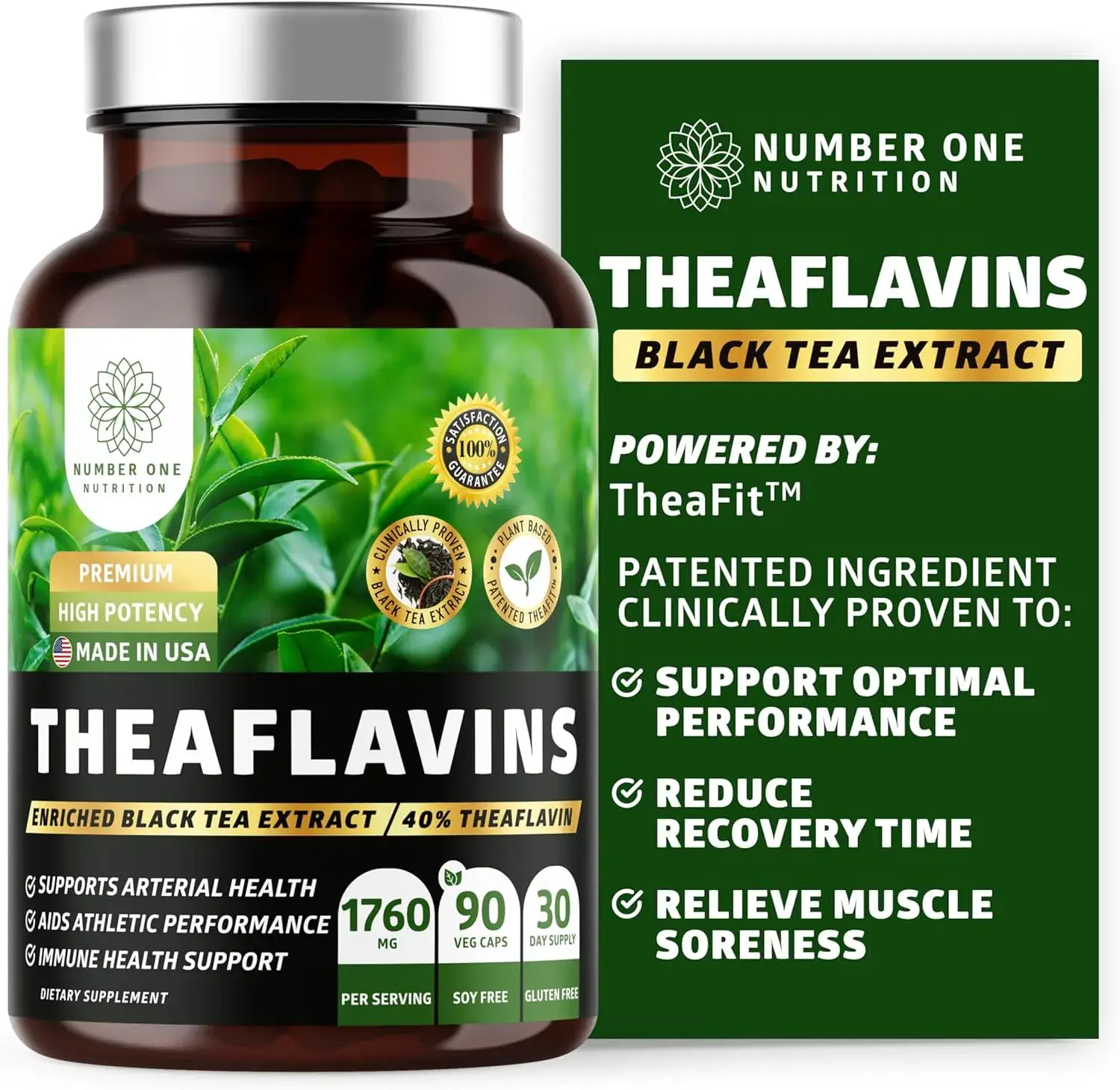
Black Tea Extract that is rich in natural theaflavins and polyphenols that help protect your body from free radicals, promoting overall immune health and well-being
Contains blended amounts of Fruits and Veggies. All natural, with whole foods, fruit and vegetable supplement.Perfect for everyone looking to live a healthier lifestyle.