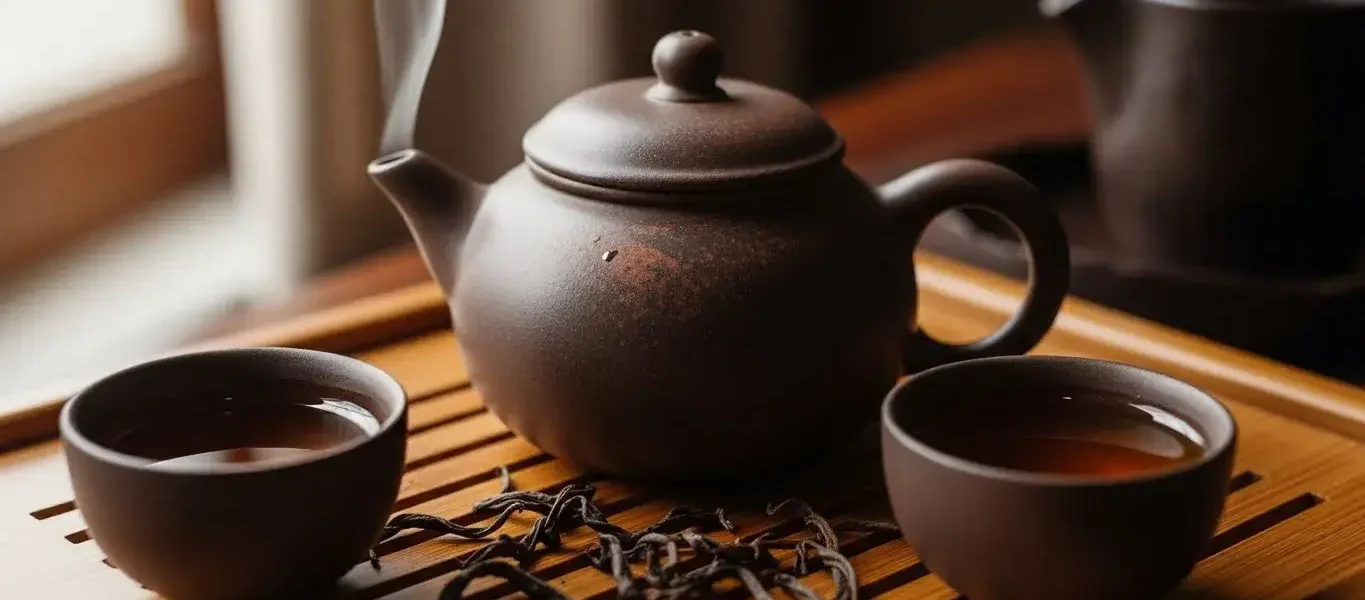
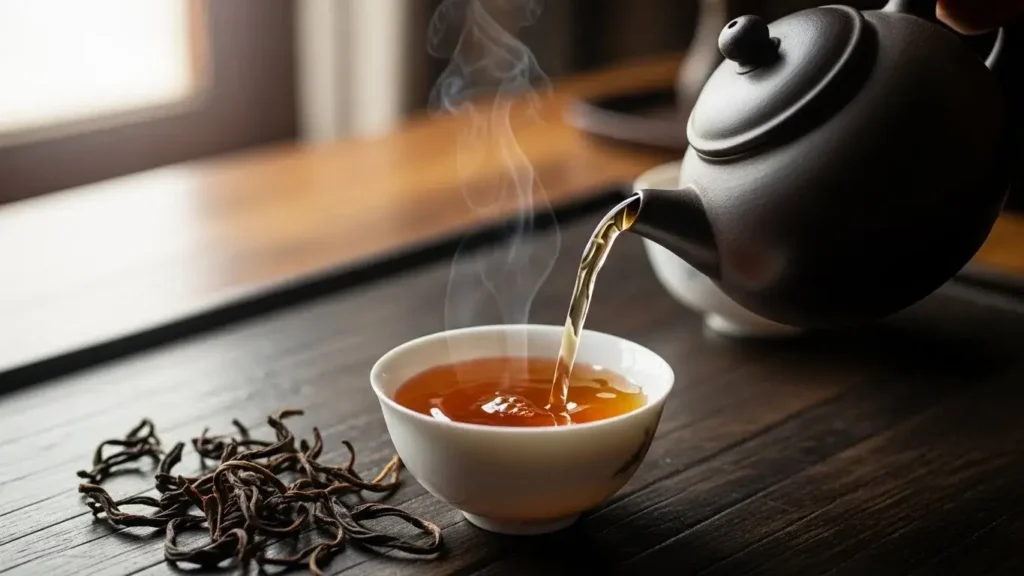
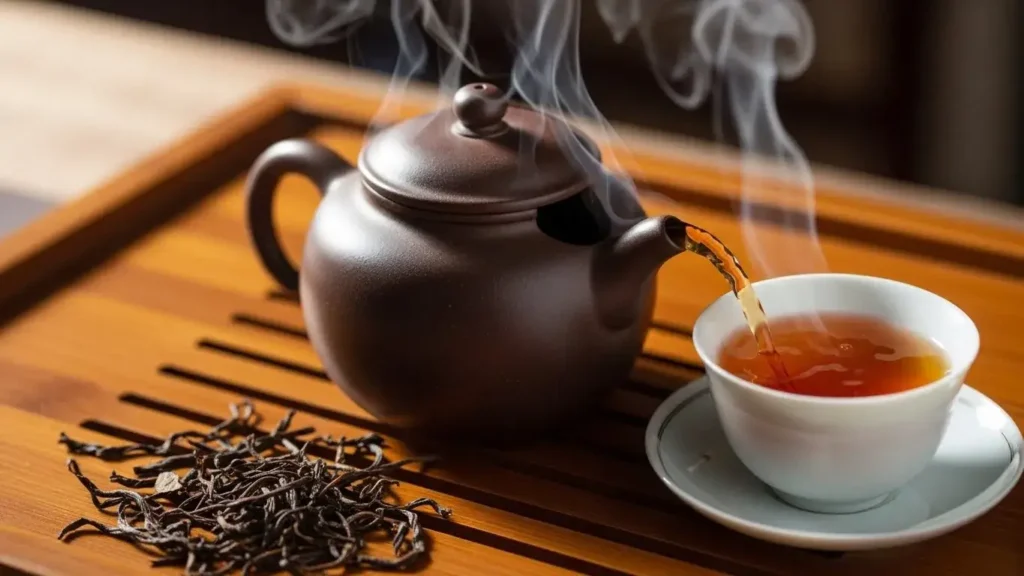
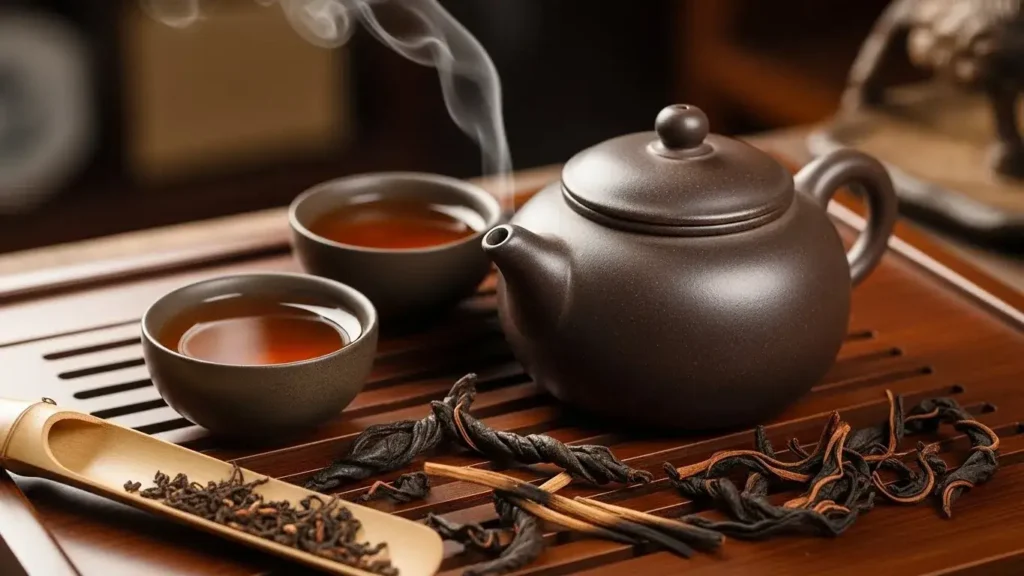
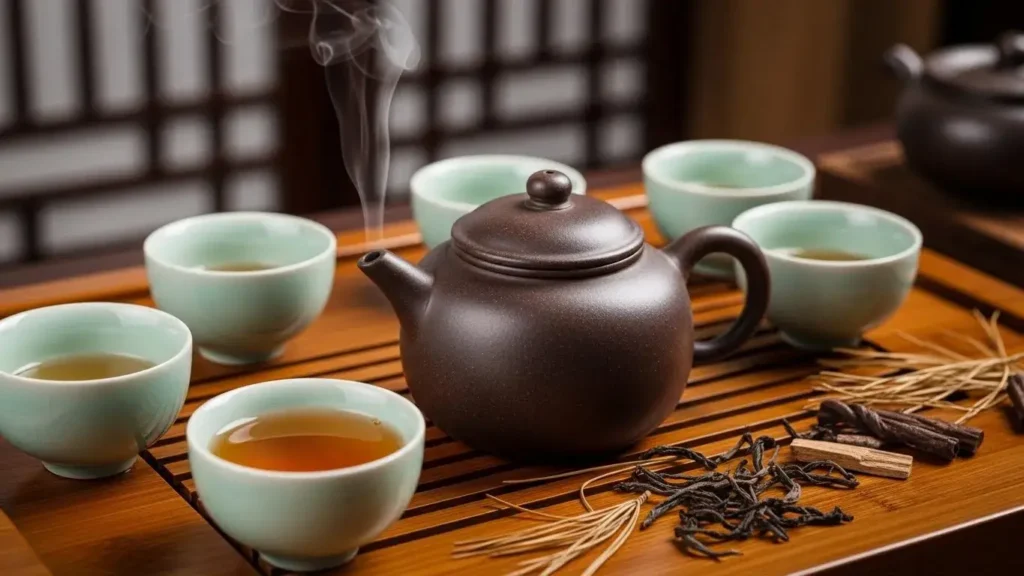
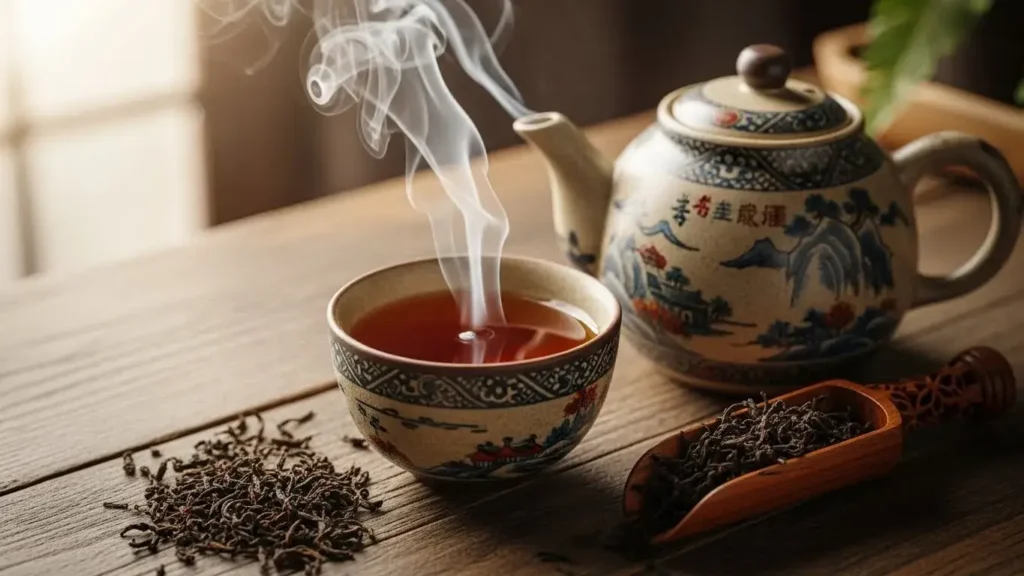
Finding the finest Lapsang Souchong tea South Africa has to offer guarantees a truly remarkable sensory experience with its distinctive smoky aroma that can transport you to a campfire in just one sip. Originally from the South China province of Fujian, this unique black tea boasts beautiful leaves and a smooth, full-bodied flavor infused with the rare scent of Chinese pine.
What is Lapsang Souchong tea? It’s a famous black tea from Wuyi Mountain that undergoes a special smoking process. The tea leaves are fired over pinewoods grown in the region, which creates its characteristic smoky taste. Additionally, this tea isn’t just delicious—it offers health benefits too, including reducing the risk of cardiovascular diseases and fighting inflammation. In this guide, we’ll explore everything about this exotic brew, from its fascinating production process to where you can find it in South Africa. Whether you’re a seasoned tea enthusiast or curious first-timer, we’ll help you discover why this rich, syrupy, and smoky tea makes a delightful addition to your tea collection.
The origin story of Lapsang Souchong
The story of Lapsang Souchong begins over 400 years ago in the misty Wuyi Mountains of Fujian Province, China. This remarkable tea holds a significant place in tea history as it’s widely considered the world’s first black tea.
From Wuyi Mountains to the world
The birth of this distinctive tea occurred during the tumultuous Qing dynasty, with several origin stories circulating throughout history. The most credible account dates back to 1646, when villagers in the Wuyi Mountains fled from advancing Qing soldiers during the Manchu unification campaign. To prevent spoilage of freshly harvested leaves, locals quickly dried them over pine fires and buried them in sacks.
Initially, these smoke-infused leaves weren’t intended for consumption. However, when Dutch traders discovered the tea, they were captivated by its unusual pine-smoke scent. Subsequently, they returned annually to purchase large quantities for export to European countries. By 1760, the British East India Company reported shipping 62,900 pounds of Lapsang Souchong to Europe.
Throughout history, this tea significantly influenced Western tea culture. When Portuguese Princess Catherine married King Charles II in 1662, she brought several boxes of Lapsang Souchong as part of her dowry. Later, Queen Anne advocated replacing wine with tea, helping establish the afternoon tea tradition that persists today.
What type of tea is Lapsang Souchong?
Lapsang Souchong is a fully oxidized black tea, known in China as “hong cha” (red tea) because of the amber-red color of its brewed liquid. The name “Lapsang Souchong” comes from the Fuzhou dialect: “La” (pine) “Sang” (wood), with “souchong” meaning “small sort” referring to the leaf variety used.
The tea grows semi-wild on the rocky slopes of Wuyi Mountains, primarily in an area called Tongmu village. Due to the challenging terrain, the tea bushes develop relatively small leaves, hence earning the name “Xiaozhong” (small leaf variety).
Why it’s different from other black teas
While most black teas undergo similar processing steps, Lapsang Souchong stands apart because of its unique smoking process. Traditional production takes place in a special three to four-story wooden building called a “Qinglou” or “Yan Lou”.
This smoking technique was born of necessity. The Wuyi region’s misty climate and humid air interfered with conventional tea processing, as leaves required additional heat to remove internal moisture. With abundant pine trees surrounding Tongmu, farmers had a ready source of fuel.
Moreover, unlike other Chinese teas, authentic Lapsang Souchong from Tongmu produces a balanced flavor profile with layers of pine smoke and tropical fruit notes, rather than an overwhelming smokiness. This complex character, coupled with its historical significance as the ancestor of all black teas, continues to make it a treasured beverage for tea enthusiasts worldwide.
The production process of Lapsang Souchong stands as a remarkable testament to tea craftsmanship, with each step carefully designed to create its signature smoky profile.
Traditional pinewood smoking method
At the heart of authentic Lapsang Souchong production lies a multi-story smokehouse with slotted bamboo floors, traditionally called a “Qing Lou” (black house). Inside these specialized structures, smoke rises from a pine wood fire pit through multiple floors where tea leaves are spread out. Specifically, Pinus taiwanensis is the preferred species for smoking, though some producers occasionally use cedar or cypress.
The tea leaves absorb the resinous pine smoke throughout the process, gradually developing their distinctive character. Traditional production takes place in Tongmu village, located within a protected national forest where foreigners rarely gain access.
How the drying process creates the flavor
The magic happens as tea leaves are laid out on bamboo trays suspended above burning pinewood. This method originated as a practical solution—tea producers needed to speed up drying times and discovered the pinewood smoke infusion as a fortunate accident.
Through the smoking process, the tea absorbs aromatic compounds from the wood combustion, creating the characteristic smoky, resinous notes. The flavor intensity is controlled through three key variables:
Distance between leaves and embers
Temperature of the smoke
Total duration of smoking
Modern vs traditional production techniques
In recent years, production methods have evolved. Traditional Lapsang Souchong isn’t actually intensely smoky—pine smoking should enhance the tea’s innate characteristics without overwhelming them.
Nevertheless, many producers now create more heavily smoked versions to meet Western expectations of “that smoky tea”. Some modern producers have shifted away from smoking altogether, preferring light roasting techniques instead. This change stems from health concerns for tea makers and environmental protection of Chinese red pines.
How is Lapsang Souchong tea made?
The complete process follows these essential stages:
Withering: Leaves lose moisture either through sunlight or heated indoor withering
Rolling: Leaves are twisted to break cell walls and release juices
Oxidation: Covered with cloth in bamboo baskets, leaves ferment and turn reddish-brown
Pan-firing: Quick stir-frying in a hot wok halts oxidation and preserves flavors
Pine-smoke drying: The distinctive step where leaves absorb smoky character
Final drying: Stabilizes moisture content and evens out aroma
This meticulous process creates a tea with complex flavor that balances smokiness with natural tea character.
Tasting the magic: flavor, aroma, and brewing tips
First and foremost, diving into a cup of Lapsang Souchong is an adventure for your senses. This isn’t your ordinary afternoon tea—it’s an experience that demands attention.
What does Lapsang Souchong taste like?
The flavor profile of Lapsang Souchong is unmistakable—bold, smoky, and slightly piney with a mellow natural sweetness underneath. Its clear, bright orange-brown liquor offers woody aromas with subtle hints of fruit and flowers. Many compare its taste to a barbecue or peated whiskey, with notes of pine resin, smoked paprika, and tobacco surfacing as you sip. Despite its intensity, quality Lapsang reveals delicate layers that balance the smoke without overwhelming your palate.
Best brewing practices for full flavor
To extract perfect flavor from Lapsang Souchong:
Start with fresh, cold filtered water brought to a full boil (212°F/100°C)
Pre-warm your teapot or cup with hot water to maintain optimal brewing temperature
Use 1-2 teaspoons of loose-leaf tea per 8 ounces of water
Begin with a short steeping time (2-3 minutes), then adjust to your preference
Test the tea after the first minute, then every 30 seconds until you find your ideal smokiness
Be careful not to over-brew as this causes bitterness. The sweet spot for most drinkers is around 2.5 minutes.
Pairing ideas: what goes well with it
This robust tea pairs beautifully with:
Salty and spicy foods that complement its smoky character
Savory dishes like broiled meats, game, and eggs
Surprisingly, cinnamon buns with cream cheese frosting
Dark chocolate and caramel for a decadent treat
Beyond drinking, Lapsang Souchong shines as a culinary ingredient in marinades, spice rubs, and smoked dishes.
Tips for first-time drinkers
If you’re new to this distinctive tea, consider these approaches:
Start with a milder brew using fewer leaves or shorter steeping time
Add a splash of milk, honey, or vanilla to mellow the smokiness
Try it with a slice of lemon to add brightness against the smoky depth
Remember it’s an acquired taste for many—approach with an open mind
Beginners often find it helpful to think of Lapsang Souchong as similar to enjoying fine whiskey or dark chocolate—complex flavors that reward patience.
For tea enthusiasts in South Africa, finding authentic Lapsang Souchong doesn’t have to be a challenge. Several local and online retailers offer this distinctive smoky brew across the country.
Where to buy Lapsang Souchong tea locally
Peacock Tea and Coffee stands as a reliable source, offering large-leafed Lapsang Souchong at R139.00 for 125 grams. Their version is described as rich, syrupy and smoky, perfect for those seeking the authentic taste. They also provide free delivery to major cities on orders over R850.
TeamMill presents another excellent option with their 65-gram package priced at R150.00. Their Lapsang Souchong features a distinctive flavor with subtle smoky licorice notes.
The Tea Chest carries Imperial Lapsang Souchong, a luxury TWG black tea with beautiful leaves and a smooth, full-bodied flavor.
Online stores that ship to South Africa
Takealot.com carries Lapsang Souchong in bamboo jars, making it accessible throughout the country. Furthermore, international specialty tea shops like HojoTea accept email orders from international customers.
What to look for when buying
When purchasing Lapsang Souchong, examine these key aspects:
Origin certification – Authentic tea comes from China’s Wuyi Mountains
Appearance – Look for large, whole leaves with a glossy finish
Aroma – Genuine Lapsang Souchong offers balanced smokiness without overpowering the natural tea character
Brewing instructions – Quality sellers provide specific steeping guidelines (95-100°C water, 2-3 minute steeping time)
Final Thoughts on Lapsang Souchong Tea South Africa
Lapsang Souchong stands as a truly remarkable tea experience unlike any other. Throughout this journey, we’ve explored how this extraordinary brew travels from the misty Wuyi Mountains to South African teacups, carrying centuries of Chinese tea tradition with every sip. This distinctive tea certainly offers more than just an unusual flavor profile—it provides a window into tea history and craftsmanship.
The pine-smoked character of Lapsang Souchong initially surprises many tea drinkers. Nevertheless, those who approach it with curiosity often discover its complex layers of flavor that extend far beyond mere smokiness. Much like appreciating fine whiskey or dark chocolate, developing a taste for this bold tea rewards patience and openness to new sensory experiences.
South African tea enthusiasts now have several options to purchase authentic Lapsang Souchong, both through local specialty shops and online retailers. The growing availability reflects increasing appreciation for diverse tea experiences beyond conventional choices.
Whether you enjoy it straight, with a splash of milk, or as a culinary ingredient in your kitchen creations, Lapsang Souchong delivers an unforgettable sensory journey. We encourage you to brew a cup, close your eyes, and let the aromatic pine-smoke transport you to the ancient tea forests of China’s Fujian Province. After all, few beverages can claim such a fascinating origin story while delivering such a distinctive taste experience.
The next time you seek something beyond ordinary tea, remember the smoky magic of Lapsang Souchong waiting to be discovered. Your tea collection will undoubtedly be richer for including this ancient, character-filled brew from the mountains of China.
Discover the fascinating world of Lapsang Souchong, a unique smoky tea with centuries of history and distinctive production methods that make it a standout choice for adventurous tea lovers.
• Lapsang Souchong is the world’s first black tea, originating 400+ years ago in China’s Wuyi Mountains through accidental pine-smoke drying during wartime.
• The signature smoky flavor comes from traditional pine wood smoking in multi-story wooden buildings, creating complex layers beyond simple smokiness.
• Brew with boiling water for 2-3 minutes using 1-2 teaspoons per cup; start with shorter steeping times to control intensity.
• South African tea lovers can find authentic Lapsang Souchong at Peacock Tea, TeamMill, and The Tea Chest, with prices ranging from R139-150.
• This bold tea pairs excellently with savory foods, dark chocolate, and works as a culinary ingredient in marinades and spice rubs.
For first-time drinkers, approach this distinctive tea with an open mind—like fine whiskey or dark chocolate, it’s an acquired taste that rewards patience and curiosity with its rich, complex character.
FAQs
Q1. What gives Lapsang Souchong tea its distinctive smoky flavor?Lapsang Souchong tea gets its unique smoky flavor from being dried over pinewood fires. This traditional process infuses the tea leaves with a rich, smoky aroma reminiscent of a campfire, creating a deep and intoxicating taste.
Q2. Is Lapsang Souchong tea still widely available? While traditional Lapsang Souchong from Tongmu Village is less commonly exported due to high prices, various versions of this tea are still available in South Africa and internationally. Local tea shops and online retailers offer Lapsang Souchong to meet consumer demand.
Q3. How should Lapsang Souchong tea be brewed for the best flavor? For optimal flavor, brew Lapsang Souchong using freshly boiled water (100°C). Use 1-2 teaspoons of tea per cup and steep for 2-3 minutes. Adjust the steeping time to your preference, starting with shorter durations to control the intensity of the smoky flavor.
Q4. What foods pair well with Lapsang Souchong tea? Lapsang Souchong pairs excellently with savory dishes, particularly grilled or smoked meats. It also complements spicy foods, dark chocolate, and surprisingly, cinnamon buns with cream cheese frosting. The tea’s robust flavor makes it a versatile pairing option for various cuisines.
Q5. How can first-time drinkers best enjoy Lapsang Souchong tea? First-time drinkers should approach Lapsang Souchong with an open mind. Start with a milder brew using fewer leaves or a shorter steeping time. Adding a splash of milk or honey can help mellow the smokiness. Remember, like fine whiskey or dark chocolate, it’s an acquired taste that rewards patience and exploration.
Black Tea Extract that is rich in natural theaflavins and polyphenols that help protect your body from free radicals, promoting overall immune health and well-being
Contains blended amounts of Fruits and Veggies. All natural, with whole foods, fruit and vegetable supplement.Perfect for everyone looking to live a healthier lifestyle.