Looking for a simple way to boost your health and wellbeing? You’re not alone. Adding a certain type of tea to your daily routine can change the game.
Oolong tea, partially fermented, offers unique health benefits. It can enhance your diet in many ways. From aiding in weight loss to improving skin health, oolong tea’s advantages are vast. In this article, we’ll explore seven compelling reasons to make oolong tea a staple in your daily routine. We’ll uncover exactly oolong tea is good for what and how it can positively impact your life.
Key Takeaways
Discover how oolong tea can aid in weight loss
Learn about the antioxidant properties of oolong tea
Understand the impact of oolong tea on skin health
Explore the impact of oolong tea on heart health
Find out how oolong tea can boost your mental wellbeing
What Is Oolong Tea?
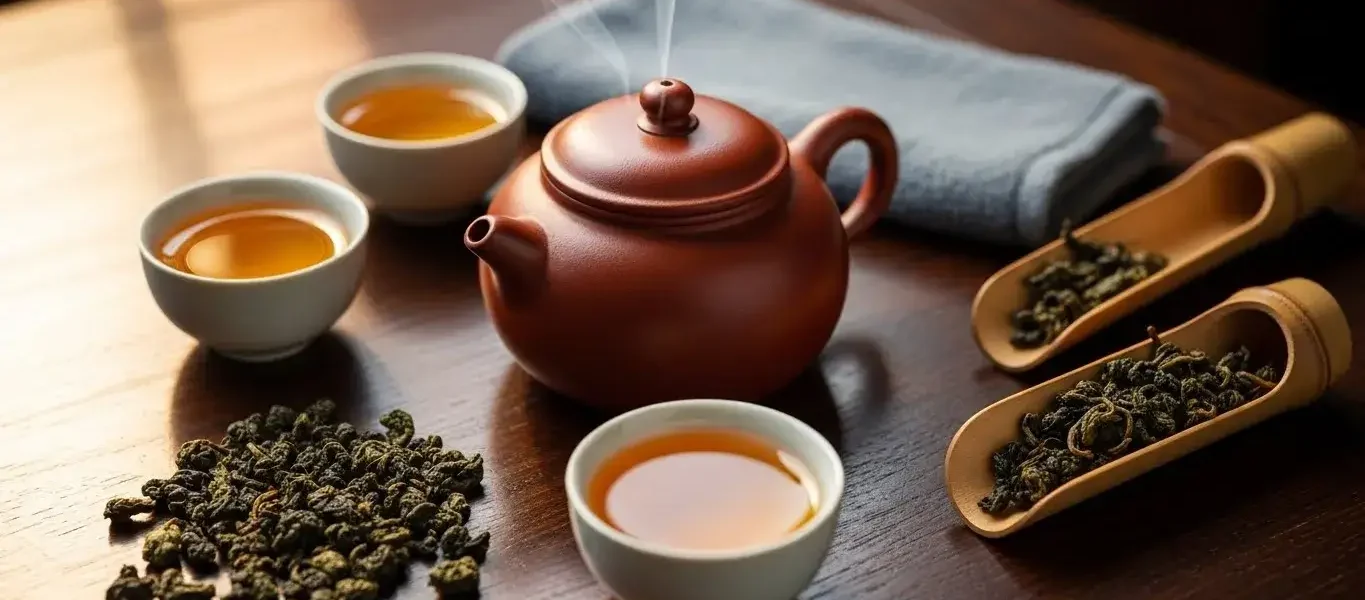
Oolong tea is a special type of tea from China. It’s made by partially fermenting the leaves. This makes it taste different from green and black teas.
The Origins and Processing of Oolong Tea
Oolong tea comes from Fujian, China. It’s been made there for a long time. The making of oolong tea is hard work. It includes steps like withering, rolling, oxidation, and firing.
Oolong Tea vs. Other Tea Varieties
Oolong tea is special because it’s only partially fermented. Here’s how it compares to green and black tea:
Comparison with Green Tea
Oolong tea tastes richer than green tea because it’s more oxidized. Green tea is steamed to stop oxidation. Oolong tea gets a bit of oxidation, making it smoother but more complex.
Comparison with Black Tea
Oolong tea is less oxidized than black tea. This makes it taste more delicate. The way it’s made is different too, needing careful control over oxidation.
Unique Characteristics of Oolong
Oolong tea has floral and fruity flavors. These come from the oxidation process. You can brew it many times, getting different tastes each time.
Oolong tea is loved for its unique taste and smell. Its special making and partial fermentation make it stand out. It offers a complex and enjoyable tea experience.
The Nutritional Profile of Oolong Tea
Oolong tea is known for its rich nutritional profile. It offers many health benefits. This tea is partially fermented and packed with essential compounds for your health.
Essential Compounds in Oolong Tea
Oolong tea is full of bioactive compounds like polyphenols and antioxidants. These are key in fighting chronic diseases. They neutralize free radicals and lower oxidative stress.
Polyphenols and Antioxidants
Polyphenols in oolong tea have anti-inflammatory effects. Antioxidants protect your cells from damage. This supports your health and well-being.
Minerals and Vitamins
Oolong tea is rich in minerals and vitamins. It has vitamins C and E, and minerals like potassium and manganese. These are vital for your body’s functions.
Caffeine Content and Other Components
Oolong tea has a moderate caffeine level. It boosts your mental alertness and metabolism. Its caffeine is less than black tea but more than green tea.
Tea experts say, “Oolong tea’s unique processing method gives it a distinct nutritional profile.”
“The art of brewing oolong tea lies in its partial fermentation, which unlocks its complex flavor and nutritional benefits.”
Nutrient
Benefit
Polyphenols
Anti-inflammatory properties
Antioxidants
Protects against cell damage
Caffeine
Boosts metabolism and alertness
Oolong Tea Is Good for What? An Overview of Benefits
Oolong tea has been a key part of Chinese culture for centuries. It offers many health benefits. Being a mix of green and black tea, it has a unique set of advantages. Try oolong tea in your daily life to see its benefits.
Traditional Uses in Chinese Medicine
In traditional Chinese medicine, oolong tea is known for its health perks. It’s said to improve digestion and lower inflammation. Doctors often suggest it to help balance the body and boost health. The tea’s unique fermentation is thought to add to its healing powers.
Modern Scientific Research on Oolong Tea
Recent studies back up oolong tea’s traditional uses. They show it can help with weight, heart health, and even fight cancer. Research finds it can speed up metabolism, better cholesterol, and control blood sugar. As studies keep coming, oolong tea’s benefits are clear.
Oolong tea is a natural way to help manage weight. It’s partially fermented, falling between green and black tea. This unique blend may help with weight loss.
How Oolong Tea Boosts Metabolism
Oolong tea boosts your metabolic rate. This means your body burns calories better. It has catechins, antioxidants that help increase metabolism and aid in weight control.
Oolong Tea and Fat Oxidation
Oolong tea also improves fat oxidation. This is when your body breaks down fatty acids for energy. It’s great for using fat as fuel, which is helpful during exercise.
Research Studies on Weight Loss
Many studies have looked into oolong tea’s effect on weight loss. One study found it significantly reduced body weight and fat percentage.
How to Use Oolong Tea for Weight Management
To use oolong tea for weight management, drink it regularly. Aim for 2-3 cups a day, ideally between meals.
Benefit
Description
Boosts Metabolism
Enhances the body’s ability to burn calories
Improves Fat Oxidation
Increases the body’s use of fat as a fuel source
Aids in Weight Loss
Supports overall weight management efforts
Reason 2: Oolong Tea Promotes Heart Health
Adding oolong tea to your daily routine can boost your heart health. This tea, partially fermented, has a special mix of antioxidants and nutrients. These help your heart in many ways.
Impact on Cholesterol Levels
Oolong tea can help your cholesterol levels. It lowers bad cholesterol and raises good cholesterol. This is key for keeping your arteries healthy and preventing heart disease.
Blood Pressure Benefits
Drinking oolong tea regularly can also manage blood pressure. Its antioxidants improve blood vessel function. This might lower blood pressure in people with high blood pressure.
Cardiovascular Protection Mechanisms
Oolong tea protects your heart in several ways. It has anti-inflammatory effects, improves blood vessel function, and acts as an antioxidant. These actions help protect your cells from damage.
Recommended Consumption for Heart Health
To get heart health benefits, drink 2-3 cups of oolong tea a day. But, watch your caffeine intake and talk to a doctor if you have heart issues.
Reason 3: Oolong Tea May Improve Brain Function
Oolong tea is getting a lot of attention for its brain benefits. It’s a favorite among tea lovers. They say it can make your brain work better.
Cognitive Benefits of Oolong Tea
Oolong tea is known for its cognitive benefits. It can help you focus and concentrate better. The special mix of compounds in oolong tea boosts your mental skills.
Improved memory
Enhanced focus
Better concentration
Oolong Tea and Mental Alertness
Oolong tea is also good for staying alert. The L-theanine and caffeine synergy in it keeps you sharp all day.
L-theanine and Caffeine Synergy
The mix of L-theanine and caffeine in oolong tea is special. It helps you stay alert and focused. You won’t feel jittery.
Potential Benefits for Aging Brains
Studies show oolong tea might help older brains. It could improve thinking skills and lower the risk of brain decline with age. Drinking oolong tea daily could be good for your health as you get older.
Oolong tea is more than just a drink; it’s a powerful ally for your digestive health. For ages, people have enjoyed oolong tea for its health perks, mainly its good effects on digestion.
Gut Health Benefits
Oolong tea boosts gut health by supporting a balanced gut microbiome. The polyphenols in oolong tea feed the good bacteria in your gut. This improves your overall gut health. A healthy gut is key for good digestion, immune function, and mental well-being.
Oolong Tea for Digestive Disorders
Oolong tea has long been used to ease digestive issues. Its anti-inflammatory qualities can calm the digestive system. This helps lessen symptoms of irritable bowel syndrome (IBS).
Alkalizing Properties
Oolong tea helps make your body more alkaline. This can lessen stomach acid and reduce acid reflux symptoms. It’s great for those with digestive problems.
Prebiotics in Oolong Tea
Oolong tea’s prebiotic nature aids in growing good gut bacteria. Drinking oolong tea helps create a balanced gut environment. This is vital for the best digestive health.
Reason 5: Oolong Tea Has Anti-Cancer Properties
Oolong tea’s special mix might help fight cancer. You might wonder how a simple tea can be so powerful. It’s because of its rich nutrients and how it’s made.
Antioxidants in Oolong Tea
Oolong tea is full of antioxidants. These are key in fighting off harmful free radicals. Antioxidants like polyphenols and catechins help protect cells from damage. This could help prevent cancer.
Research on Cancer Prevention
Many studies look into oolong tea’s role in stopping cancer. Its oolong tea cancer prevention powers come from slowing cancer cell growth and making cells die. The results are encouraging, but more research is needed.
Studies on Specific Cancer Types
Some research has looked at oolong tea’s effect on cancers like breast, prostate, and colon. It seems oolong tea might protect against some cancers. But, the proof is not solid yet.
Limitations of Current Research
Even with promising research, there are big ifs. Most studies were done in vitro or on animals. More human trials are needed to confirm these findings. Also, we don’t know how much oolong tea is best for preventing cancer.
Reason 6: Oolong Tea May Help Manage Diabetes
Oolong tea might help control blood sugar levels, which is key for diabetes management. It’s partially fermented and has special compounds that could help diabetics.
Blood Sugar Regulation
Oolong tea can help keep blood sugar levels in check. Research shows it boosts glucose metabolism. This could lower the risk of type 2 diabetes.
Insulin Sensitivity Improvements
For diabetics, improving insulin sensitivity is vital. Oolong tea may boost this sensitivity. This makes it easier for glucose to get into cells, lowering blood sugar.
Clinical Studies on Diabetic Patients
Studies on diabetic patients have looked into oolong tea’s effects. They found it can greatly improve blood sugar control.
Recommended Consumption for Blood Sugar Control
For diabetes management, drinking 2-3 cups of oolong tea a day is suggested. But, always talk to a healthcare provider before changing your diet or diabetes plan.
Oolong tea is packed with antioxidants and nutrients. It’s great for healthy skin. Drinking it can help your skin from the inside.
“The antioxidants in oolong tea protect the skin from free radicals,” says a skincare expert. “This can prevent early aging and skin problems.” So, oolong tea is a good choice for your skincare.
Eczema and Skin Inflammation Relief
Oolong tea can help with eczema and skin inflammation. Its anti-inflammatory properties soothe and reduce redness.
A study showed oolong tea’s polyphenols can lessen eczema symptoms. This is because it can calm the immune system and lower inflammation.
Anti-Aging Properties for Skin
Oolong tea also fights aging. It reduces fine lines and wrinkles. The antioxidants in it keep skin looking young and healthy.
Oolong tea’s antioxidants are key for skin health. They protect the skin from damage, preventing aging signs and giving a brighter look.
Topical vs. Internal Benefits
Drinking oolong tea helps your skin from the inside. But, using it on your skin can also help. It’s good for acne and dark spots.
In short, oolong tea is great for your skin. Use it in your skincare to get its many benefits.
How to Brew and Enjoy Oolong Tea
To enjoy oolong tea, you must brew it right. The way you brew it affects its taste and smell. This is key to enjoying this complex drink.
Proper Brewing Techniques
Brewing oolong tea needs focus. The water’s temperature, tea leaves, and steeping time all matter. They help bring out the tea’s best flavors.
Use water between 180°F and 200°F for oolong tea. Let the tea leaves steep for 3 to 5 minutes. This depends on the tea type and your taste.
Traditional Gongfu Brewing Method
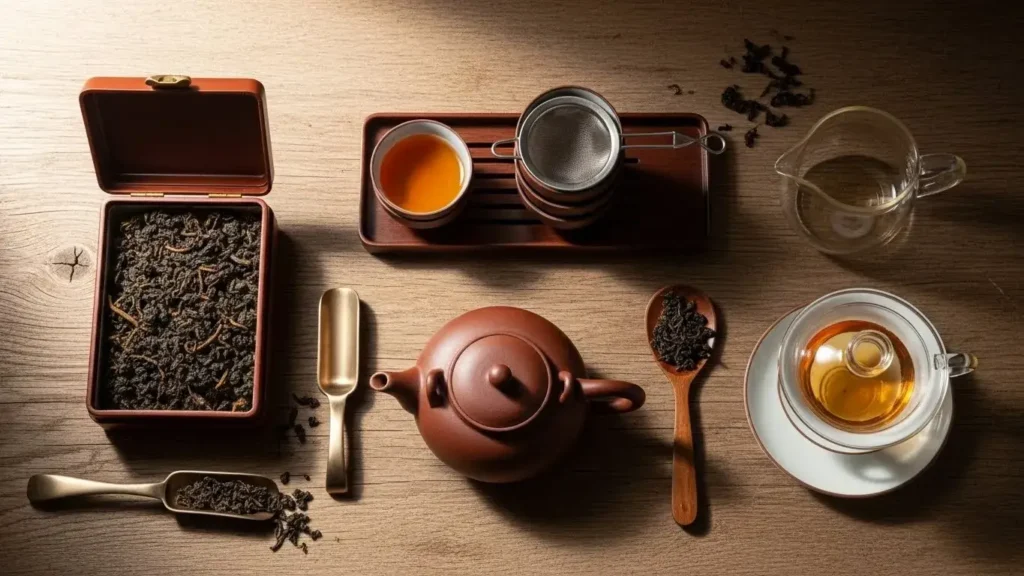
The Gongfu method uses a small teapot and short infusions. It’s a detailed way to explore the tea’s flavors.
Western-Style Brewing
Western-style brewing is simpler. It uses a big teapot and one infusion. It’s perfect for beginners.
Best Times to Drink Oolong Tea
Oolong tea is good at any time. It’s great for a morning boost or an afternoon pick-me-up.
Oolong Tea Recipes and Pairings
Oolong tea goes well with many foods. Try it with dim sum or light pastries for a tasty experience.
Brewing Method
Water Temperature
Steeping Time
Gongfu
200°F
3-5 minutes
Western-Style
180°F-200°F
3-5 minutes
Conclusion
Now you know seven good reasons to drink oolong tea every day. It helps with weight management and heart health. It also makes your skin look better.
Oolong tea is special because of how it’s made. Its partial fermentation gives it unique nutrients. It’s great for those who want a tea with more than antioxidants.
Adding oolong tea to your diet is easy. You can drink it at any time of day. It’s a healthy choice for a better lifestyle.
Remember, drinking oolong tea regularly is important. It helps you get the most benefits. Whether you want to speed up your metabolism or just enjoy a tasty drink, oolong tea is perfect.
Oolong tea is a special tea that’s partially fermented. It’s made from the leaves of the Camellia sinensis plant. The leaves are withered, rolled, and oxidized to different degrees.
How does oolong tea compare to green tea and black tea?
Oolong tea is more oxidized than green tea but less than black tea. This makes it taste unique. Green tea is light and refreshing, while black tea is robust. Oolong tea offers a complex taste.
What are the health benefits of oolong tea?
Oolong tea is good for many things. It helps with weight management, heart health, and brain function. It also improves digestion, fights cancer, manages diabetes, and keeps skin healthy. These benefits come from its antioxidants and other nutrients.
How can oolong tea aid in weight loss?
Oolong tea boosts metabolism and fat oxidation. Studies show it increases energy expenditure and fat burning. It’s a great addition to a diet for weight management.
Can oolong tea help lower cholesterol levels?
Yes, oolong tea can lower cholesterol levels. It improves lipid profiles. Regularly drinking oolong tea may reduce LDL cholesterol and increase HDL cholesterol, supporting heart health.
How do I brew oolong tea properly?
Use high-quality tea leaves and water at the right temperature (180°F to 200°F). The traditional Gongfu method involves multiple infusions. Western-style brewing is usually a single infusion. Adjust the steeping time based on your taste.
Are there any side effects of drinking oolong tea?
Oolong tea is generally safe. But too much can cause caffeine-related side effects like jitteriness or insomnia in sensitive people. Always drink in moderation.
Can I drink oolong tea if I’m pregnant or breastfeeding?
Oolong tea is usually safe, but pregnant or breastfeeding women should talk to their healthcare provider first. This is because of caffeine sensitivity or specific health concerns.
How much oolong tea should I drink daily?
The right amount of oolong tea varies by individual. A good starting point is 2-3 cups a day. Adjust based on your caffeine sensitivity and health goals.
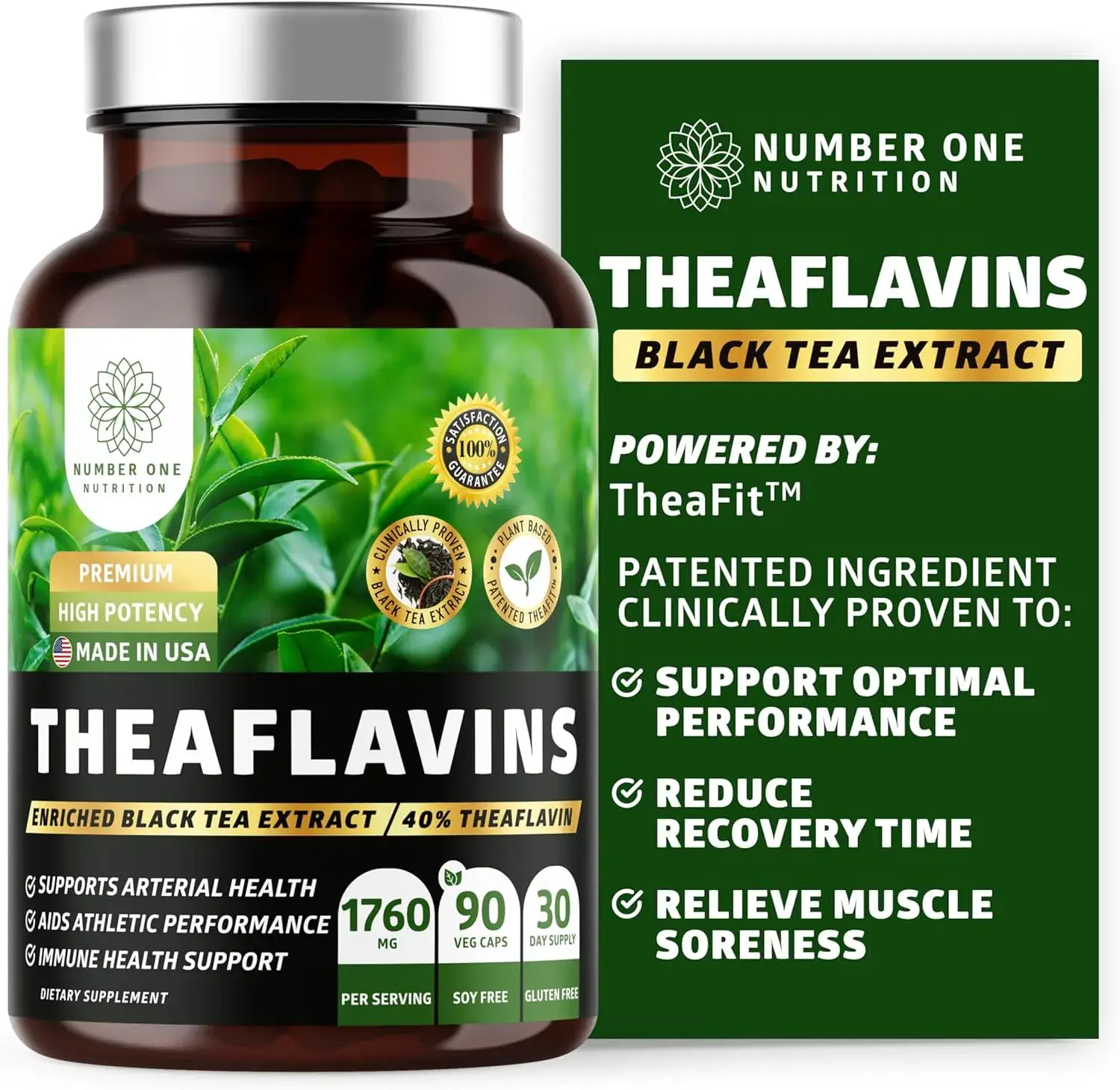
Black Tea Extract that is rich in natural theaflavins and polyphenols that help protect your body from free radicals, promoting overall immune health and well-being
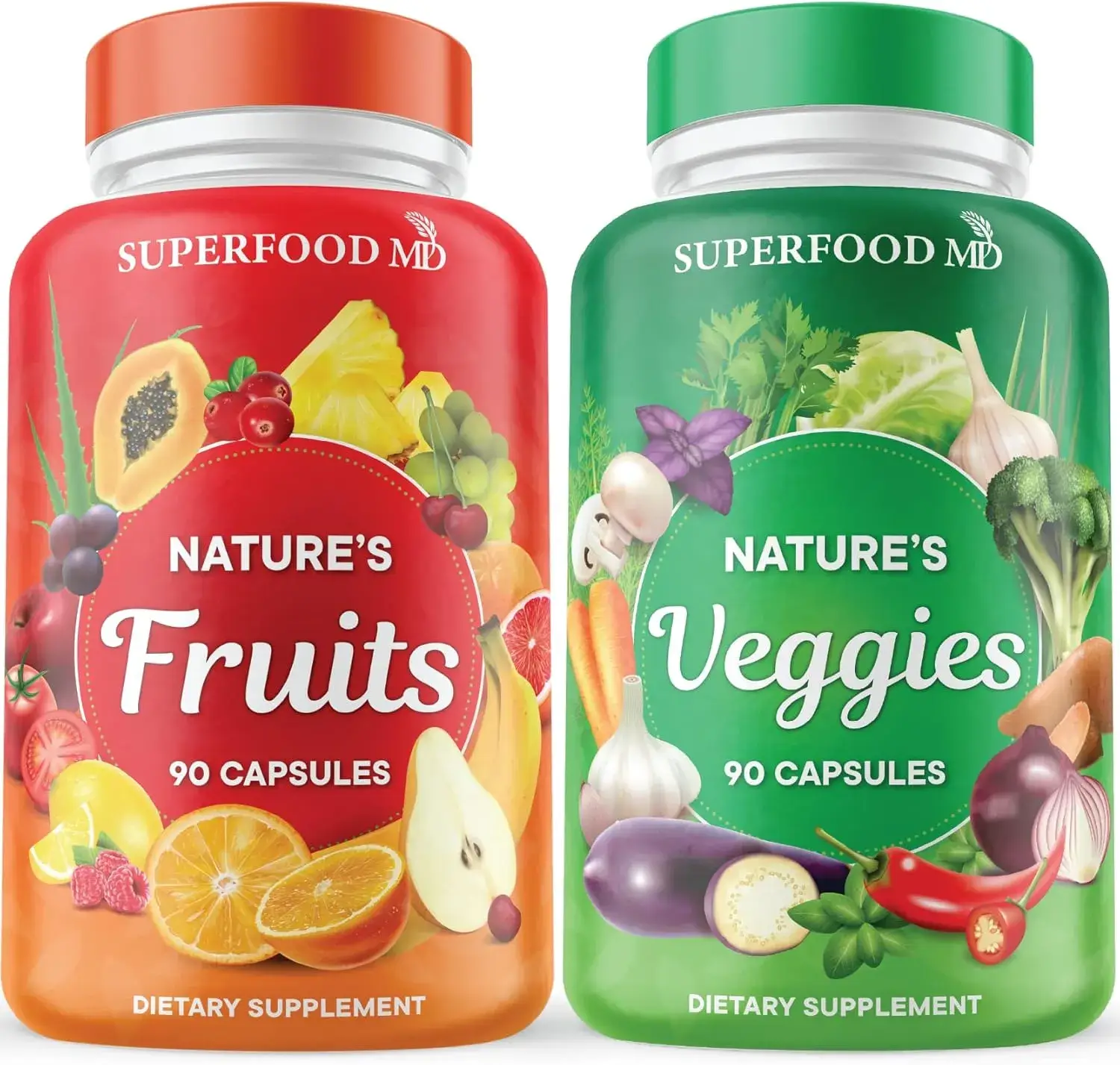
Contains blended amounts of Fruits and Veggies. All natural, with whole foods, fruit and vegetable supplement.Perfect for everyone looking to live a healthier lifestyle.