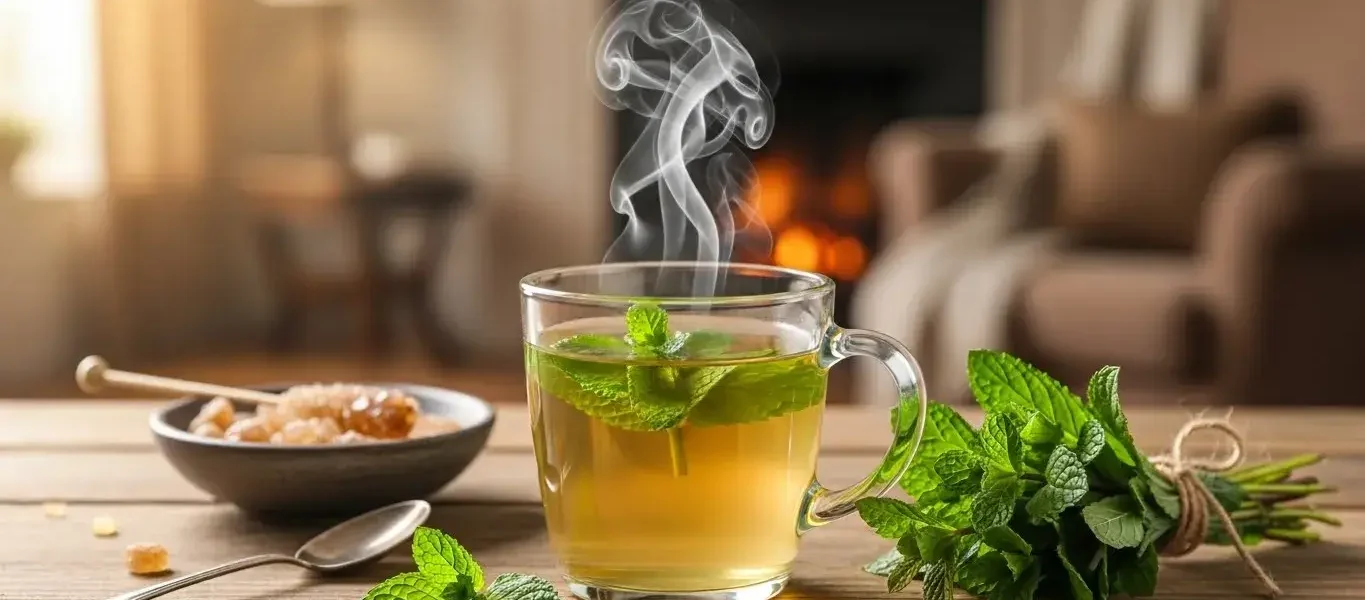
As the seasons change, you might get cold symptoms like a runny nose and a sore throat. You’re probably wondering: Is peppermint tea good for cold relief?
Peppermint tea has been a popular home remedy for easing cold symptoms. But does it really work? You’re about to find out how peppermint tea can help with cold relief and add to your natural remedies.
Key Takeaways
Peppermint tea may help alleviate cold symptoms.
Natural remedies like peppermint tea can be a great alternative to over-the-counter medications.
The benefits of peppermint tea extend beyond just cold relief.
You can easily incorporate peppermint tea into your daily routine.
Peppermint tea is a simple, soothing way to support your immune system.
Understanding the Common Cold and Its Symptoms
Cold symptoms can really get in the way of your day. It’s important to know what causes them and find good ways to feel better. The common cold is a viral infection that hits people of all ages. It brings uncomfortable symptoms that can mess up your daily routine.
What Causes the Common Cold
The common cold is mainly caused by viruses. Rhinoviruses are the top culprits. Other viruses like coronaviruses, adenoviruses, and respiratory syncytial viruses can also cause colds. These viruses spread through the air, close contact, or touching things that have the virus on them.
Typical Cold Symptoms and Duration
Common cold symptoms include a runny or stuffy nose, sneezing, a sore throat, coughing, and feeling a bit tired. These symptoms start 1-3 days after you get the virus. They can last from 7 to 14 days. Sometimes, they can stick around for up to 3 weeks.
Symptom
Duration
Runny or Stuffy Nose
7-10 days
Sneezing
5-7 days
Sore Throat
3-5 days
Why Natural Remedies Are Worth Considering
Natural remedies like peppermint tea are great because they’re safe and work well. They don’t have the harsh side effects some medicines do.
Peppermint tea can help ease some of the cold’s discomforts. It’s a good tool to have when fighting off a cold.
The Healing Properties of Peppermint
Peppermint has been a key part of natural medicine for centuries. It’s not just a tasty addition to teas and food. It’s also a strong natural cure for many health problems.
Active Compounds in Peppermint
The healing power of peppermint comes from its active compounds. Menthol is one of the most important for health.
Menthol and Its Effects
Menthol, found in peppermint oil, has a cooling effect. It helps relieve pain and discomfort. It’s a natural pain reliever and can ease headaches and muscle pain.
Other Beneficial Compounds
Peppermint also has compounds like menthone and antioxidants. These help fight off viruses. This makes peppermint good against many pathogens.
Traditional Uses of Peppermint in Medicine
Peppermint has been used for its digestive benefits and to fight colds and flu. Its antiviral properties help fight viruses. Its menthol helps with nasal congestion and coughing.
Knowing how peppermint heals helps us see why peppermint tea is a favorite for cold relief.
Looking for a natural way to ease cold symptoms? Peppermint tea might be the answer. It’s been used for centuries to soothe various health issues. Its popularity as a cold remedy is well-deserved.
Peppermint tea’s effectiveness in cold relief comes from its unique composition. Let’s explore the scientific evidence supporting its use.
Scientific Evidence Supporting Peppermint Tea for Colds
Research on peppermint tea’s cold-fighting properties is promising. Studies show that peppermint oil, a key component, has decongestant and anti-inflammatory properties. These can help alleviate cold symptoms.
“The menthol in peppermint oil can help thin mucus, making it easier to breathe when you’re congested.”
A study in the Journal of Alternative and Complementary Medicine found that inhaling peppermint oil vapors improved symptoms in patients with acute respiratory infections.
How Peppermint Affects Cold Symptoms
Peppermint tea can impact cold symptoms in several ways. Here are some benefits:
Decongestant properties to ease nasal congestion
Anti-inflammatory properties to soothe a sore throat
Menthol content to help suppress coughs
Invigorating aroma to boost energy and mood
Antiviral and Antibacterial Properties
Peppermint tea also has antiviral and antibacterial properties. These can help combat the underlying causes of a cold. The menthol in peppermint has antimicrobial effects against certain bacteria and viruses.
While more research is needed, the existing evidence suggests peppermint tea can be a valuable addition to your cold-fighting arsenal.
How Peppermint Tea Helps with Specific Cold Symptoms
Peppermint tea is a great help when you’re fighting a cold. It’s a natural remedy that has been used for centuries. It helps with many cold symptoms, making it a favorite choice.
Nasal Congestion Relief
Peppermint tea can ease nasal congestion. Its menthol content thins mucus, making breathing easier. The menthol acts as a natural decongestant, giving quick relief from a stuffy nose.
Sore Throat Soothing
A sore throat is common when you have a cold. Peppermint tea can soothe it. Its anti-inflammatory properties reduce throat irritation, and its cooling effect brings immediate comfort.
Cough Suppression
Peppermint tea can also stop coughs. The menthol relaxes throat muscles, reducing the need to cough. The warm liquid also soothes an irritated throat.
Headache and Fever Management
Peppermint tea’s cooling effect can ease headaches from colds. Its anti-inflammatory properties may also help manage fever. It promotes relaxation and lowers body temperature.
Cold Symptom
Peppermint Tea Benefit
Nasal Congestion
Relieves congestion with menthol
Sore Throat
Soothes with anti-inflammatory properties
Cough
Suppresses with menthol and soothes throat
Headache and Fever
Alleviates with cooling effect and anti-inflammatory properties
The Best Ways to Prepare Peppermint Tea for Maximum Benefits
To get the most out of peppermint tea, knowing how to prepare it is key. The right type of peppermint leaves and brewing method can boost its effectiveness in fighting cold symptoms.
Fresh vs. Dried Peppermint Leaves
Fresh and dried peppermint leaves both work well for tea. Fresh leaves give a stronger taste and smell. Dried leaves are easier to store and last longer. Choose what you like best.
Brewing Techniques for Optimal Medicinal Properties
To brew the best peppermint tea, use boiling water and steep for 5-7 minutes. This releases the tea’s active ingredients. You can adjust the steeping time to change the tea’s strength.
Recommended Dosage During a Cold
Drink 2-3 cups of peppermint tea a day to help with colds. Start with a cup in the morning and drink more as needed. Watch how your body reacts to peppermint and adjust your intake.
Storing Peppermint Tea for Long-Term Use
To keep peppermint tea fresh, store it in an airtight container. Keep it away from sunlight and moisture. If using dried leaves, make sure they are completely dry to avoid mold.
Peppermint Tea Preparation Tips
Benefits
Use fresh or dried peppermint leaves
Flexible and convenient options
Steep for 5-7 minutes
Optimal release of active compounds
Drink 2-3 cups per day
Effective cold relief
Enhancing Peppermint Tea with Other Cold-Fighting Ingredients
You can make peppermint tea even better by mixing it with other ingredients. These ingredients help fight colds. You can make a tea that fits your cold symptoms perfectly.
Honey and Lemon Additions
Adding honey and lemon to peppermint tea makes it even more soothing. Honey fights germs and soothes a sore throat. Lemon adds vitamin C, which helps fight infections. Dr. Jennifer Ashton says, “Honey is as good as cough medicines for kids, making it great for peppermint tea.”
“Honey is a natural cough suppressant and can be very effective in relieving a sore throat.”
Ginger and Other Complementary Herbs
Ginger is a great addition to peppermint tea. It has anti-inflammatory properties that help with congestion and sore throats. Herbs like echinacea and elderberry also boost the immune system. A study in the Journal of Ethnopharmacology shows ginger’s power to reduce pain and inflammation.
Creating a Powerful Cold-Fighting Blend
To make a strong cold-fighting tea, mix peppermint tea with honey, lemon, and ginger. This mix tackles cold symptoms like congestion and sore throats.
Timing Your Peppermint Tea Consumption for Best Results
When you drink peppermint tea matters a lot for cold relief. It’s key to think about the timing for the best results.
Morning vs. Evening Consumption
Peppermint tea in the morning boosts energy and clears sinuses. Drinking it at night helps relax and improves sleep. You can choose to drink it at either time, depending on your personal preference and schedule.
Frequency Throughout the Day
Drink peppermint tea several times a day for best cold relief. Aim for 2-3 cups, spread out to keep benefits. Here’s a plan:
Drink a cup in the morning to start your day refreshed
Have another cup in the afternoon to maintain the decongestant effects
Enjoy a final cup in the evening to relax and prepare for bed
Using Peppermint Tea at the First Signs of a Cold
Start drinking peppermint tea early when you feel a cold coming. It boosts your immune system support and may lessen cold symptoms. Keep peppermint tea ready to fight off the cold as soon as you notice symptoms.
Potential Side Effects and Precautions
Peppermint tea can help with colds, but it’s important to know the possible side effects. Most people can safely drink peppermint tea. But, some should be careful or avoid it.
Who Should Avoid Peppermint Tea
Not everyone can drink peppermint tea. This is true for people with certain health issues or in certain age groups.
Medical Conditions That May Be Affected
Those with GERD might find symptoms worse because peppermint relaxes the lower esophageal sphincter. People with hiatal hernia or gallstones should talk to their doctor first.
Age Considerations
Adults can usually drink peppermint tea safely. But, it’s wise to check with a pediatrician before giving it to kids, like infants. It might cause allergic reactions or mix badly with other medicines.
Possible Interactions with Medications
Peppermint tea can affect how some medicines work, like antacids and antibiotics. Knowing these interactions helps avoid bad side effects.
Medication Type
Potential Interaction
Precaution
Antacids
Peppermint may enhance the absorption of antacids, potentially leading to increased side effects.
Consult your doctor if you’re taking antacids regularly.
Antibiotics
Peppermint may interfere with the efficacy of certain antibiotics.
Separate consumption of peppermint tea and antibiotics by at least 2 hours.
Knowing about these side effects and precautions lets you enjoy peppermint tea safely. It can help with cold relief.
Comparing Peppermint Tea to Other Natural Cold Remedies
Peppermint tea, echinacea, elderberry, and ginger tea are top choices for fighting colds. Knowing how they compare can guide you in choosing the best remedies for your cold.
Peppermint Tea vs. Echinacea
Echinacea boosts your immune system. Peppermint tea helps with congestion and headaches. Together, they might prevent and treat colds more effectively.
Peppermint Tea vs. Elderberry
Elderberry fights viruses that cause colds. Peppermint tea relieves symptoms. Using both might speed up your recovery.
Peppermint Tea vs. Ginger Tea
Ginger tea soothes sore throats and reduces inflammation. Peppermint tea is better for congestion. Choose ginger for throat relief and peppermint for congestion.
Combining Remedies for Enhanced Effects
Using different remedies can be more effective. Try peppermint for congestion, echinacea for immunity, and ginger for sore throats.
Knowing each remedy’s strengths lets you craft a personalized cold-fighting plan. This way, you can use the most effective options for your needs.
Using Peppermint Tea Preventatively
Make peppermint tea a daily part of your health routine to stay healthy during cold seasons. It can help reduce the number and severity of colds.
Daily Consumption Benefits
Drinking peppermint tea daily can improve digestion and boost your immune system. Its antioxidants and menthol keep your respiratory system clear and healthy.
Immune System Support
Peppermint tea has vitamins and minerals that support your immune function. Regularly drinking it can help your body fight off infections better.
Seasonal Strategies for Cold Prevention
In the cold and flu season, drinking more peppermint tea is a smart move. Here’s a simple table to help you plan your peppermint tea intake:
Season
Recommended Peppermint Tea Consumption
Pre-cold season
1 cup per day
Cold season
2-3 cups per day
During illness
3-4 cups per day, with honey and lemon
By following these tips, peppermint tea can be a key part of your cold prevention plan.
Conclusion
Peppermint tea is a strong natural remedy for cold relief. It has a long history and scientific backing. By knowing its healing effects, you can use it to ease your cold symptoms.
Adding peppermint tea to your daily routine is easy and effective. It helps with nasal congestion, sore throat, and cough. It’s also good for preventing colds in the long run.
Peppermint tea is more than just a warm drink. You can mix it with honey, lemon, and ginger to make it even better. By using peppermint tea, you’re taking a healthy step towards a cold-free life.
Peppermint tea is usually safe, but some should be careful. Those with GERD, hiatal hernia, or who are pregnant or breastfeeding should talk to their doctor first.
Can peppermint tea help alleviate nasal congestion?
Yes, peppermint tea can ease nasal congestion. Its menthol helps thin mucus, making breathing easier.
How often should I drink peppermint tea when I have a cold?
Drink peppermint tea several times a day when you’re sick. Start with 2-3 cups and adjust as needed.
Can I combine peppermint tea with other herbal teas for cold relief?
Yes, mixing peppermint tea with ginger, echinacea, or elderberry might boost its benefits. Just watch the caffeine and herb interactions.
Are there any possible interactions between peppermint tea and medications?
Peppermint tea might affect some medications, like antacids or diabetes meds. Always check with your doctor if you’re on meds and want to drink peppermint tea.
Can children drink peppermint tea for cold relief?
Kids can have peppermint tea, but ask a pediatrician first. Adjust the amount and frequency based on the child’s age and health.
How should I store peppermint tea to maintain its effectiveness?
Store peppermint tea in an airtight container, away from sunlight, moisture, and heat. This keeps its flavor and medicinal value.
Can I use peppermint tea as a preventative measure against colds?
Yes, regular peppermint tea may boost your immune system. It could help lower cold frequency and severity due to its antiviral and antibacterial properties.
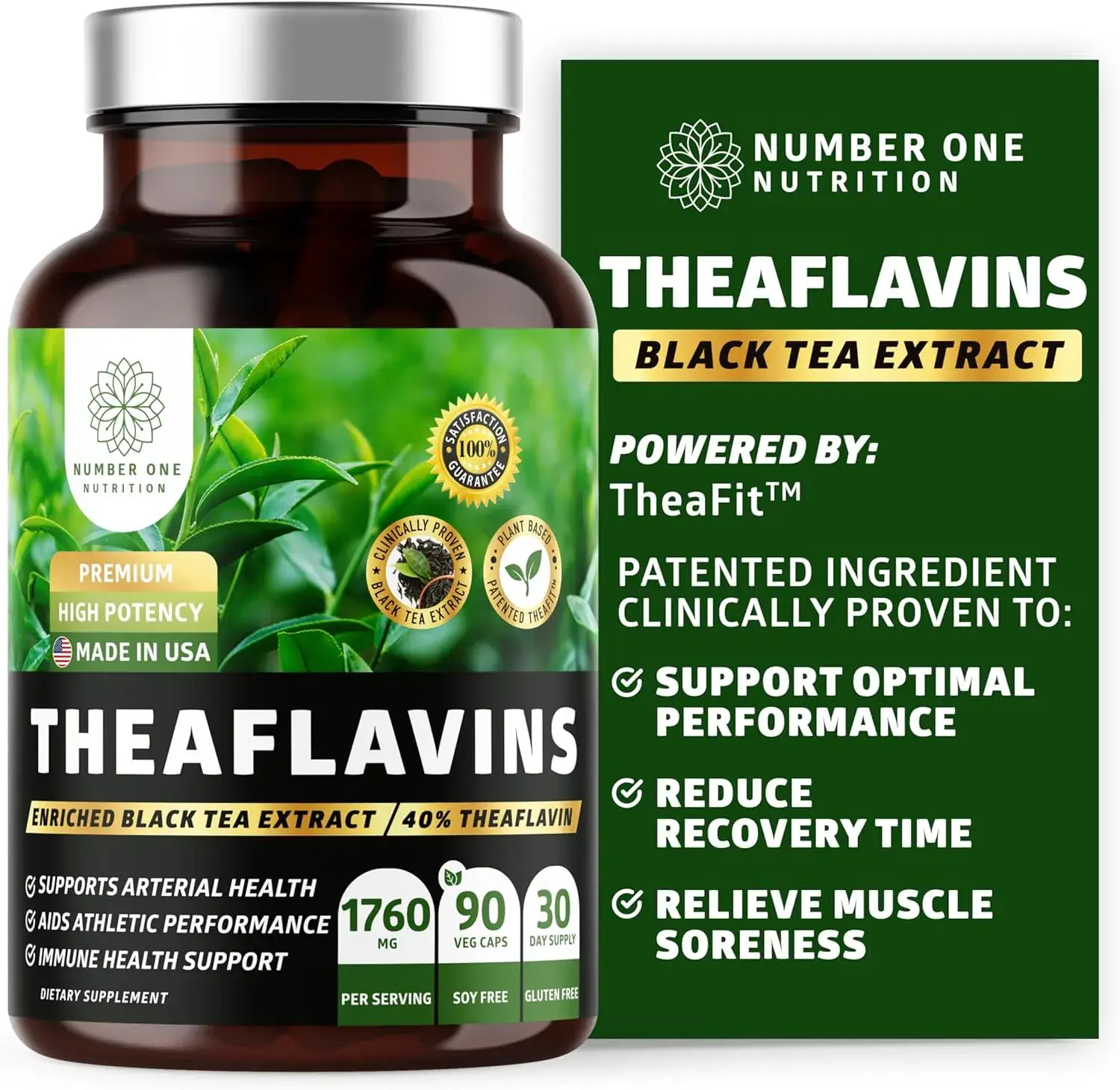
Black Tea Extract that is rich in natural theaflavins and polyphenols that help protect your body from free radicals, promoting overall immune health and well-being
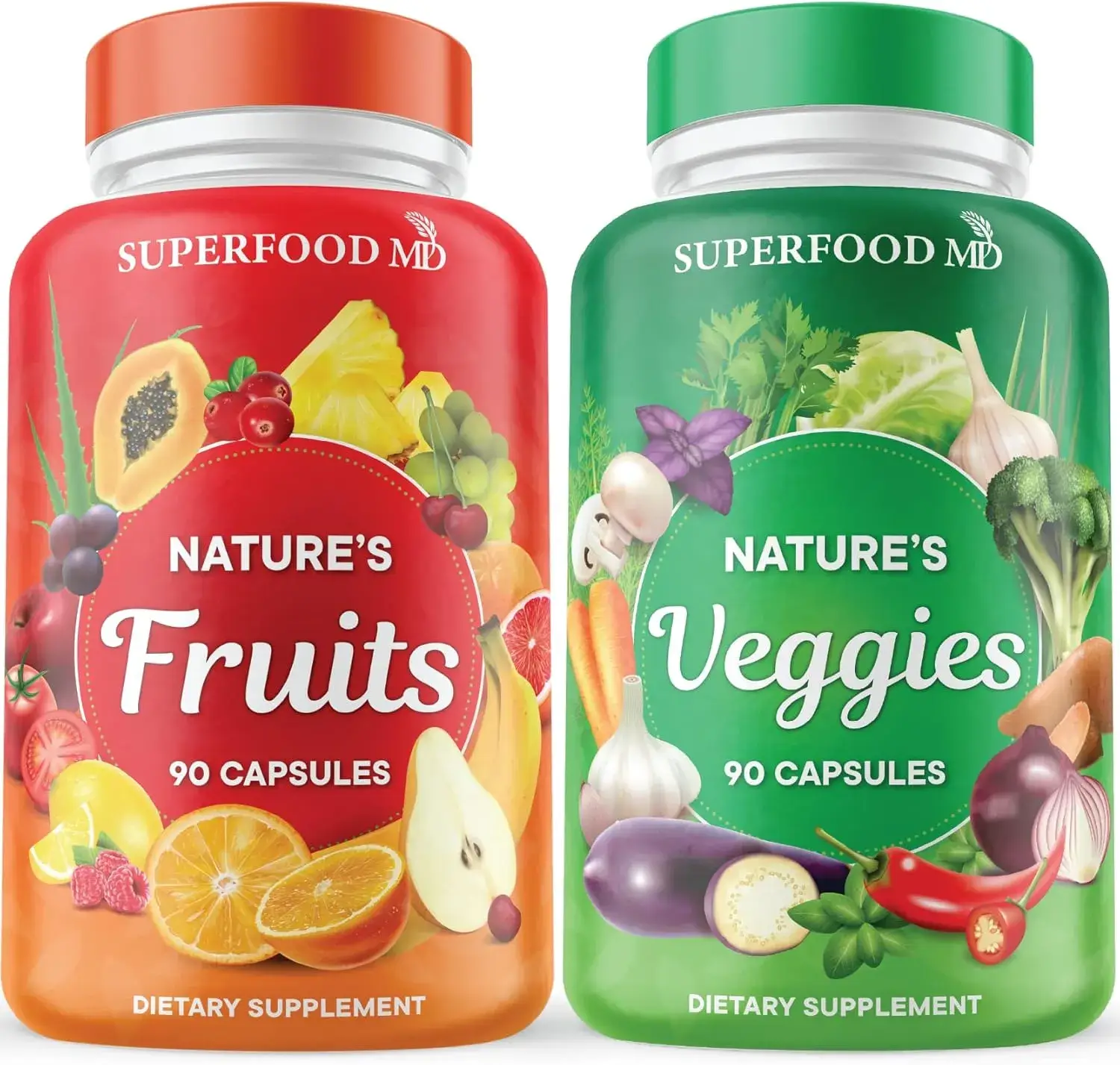
Contains blended amounts of Fruits and Veggies. All natural, with whole foods, fruit and vegetable supplement.Perfect for everyone looking to live a healthier lifestyle.