Is rooibos tea good for kidneys? This question has become increasingly relevant as we search for natural, kidney-friendly beverages. Unlike many popular teas, rooibos tea is completely caffeine-free and originates from South Africa, making it a unique option for those monitoring their kidney health.
What makes rooibos tea particularly beneficial is that it contains no oxalic acid, a compound that increases the risk of kidney stones. In fact, rooibos is considered safe for people with kidney disease. Additionally, research suggests that rooibos tea benefits extend beyond kidney health, as it has been shown to improve lipid profiles, boost antioxidant status, and lower blood glucose levels. This herbal tea also contains asphaltene, an antioxidant with unique properties, further enhancing its health-supporting qualities.
In this article, we’ll explore what science tells us about rooibos tea and kidney health in 2026, examining the evidence behind its benefits and how you can safely incorporate it into your wellness routine.
What is Rooibos Tea and How Is It Different?
Rooibos tea stands apart from traditional teas with its distinctive red color and unique health properties. This herbal infusion has gained worldwide popularity beyond its South African homeland.
Origin and plant source
Rooibos (pronounced ROY-boss) comes from the Aspalathus linearis plant, a broom-like member of the Fabaceae family that grows exclusively in South Africa’s Fynbos biome. The name “rooibos” is Afrikaans for “red bush,” referring to the plant’s reddish-brown mature leaves.
What makes this tea truly special is its geographical exclusivity. The plant thrives only in the Cederberg region, a mountainous area in South Africa’s Western Cape province, which provides the perfect Mediterranean-like climate with hot, dry summers and cold winters. Despite numerous attempts, no other region in the world has successfully cultivated rooibos commercially.
Fermented vs unfermented rooibos
Traditional rooibos undergoes a distinctive processing method that significantly impacts its flavor profile. During production, the leaves and stems are cut, bruised, fermented in piles, and then dried in the sun. This oxidation process transforms the leaves to their characteristic red-brown color and develops rooibos’ sweet, nutty flavor.
Green rooibos, meanwhile, represents the unfermented version. By skipping the oxidation process and drying the leaves immediately after harvesting, green rooibos retains more of its natural compounds. Consequently, it contains nearly twice the antioxidants of traditional rooibos and offers a lighter, more delicate herbal taste.
Does rooibos have caffeine?
One of rooibos tea’s most notable characteristics is its naturally caffeine-free composition. This is fundamentally different from decaffeinated beverages, which undergo processing to remove existing caffeine. Rooibos never contained caffeine to begin with, making it an excellent alternative for those sensitive to caffeine’s stimulating effects.
Moreover, rooibos contains significantly lower tannin levels (approximately 4.4%) compared to traditional black or green teas. This makes it gentler on the digestive system and gives it a smoother, less astringent taste.
Nutritional profile and antioxidants
Rooibos tea’s primary nutritional value lies in its rich antioxidant content. The tea contains several unique polyphenolic compounds, primarily:
Aspalathin and nothofagin (dihydrochalcones)
Flavones and flavonols
Phenylpropanoids
These compounds help prevent the formation of Reactive Oxygen Species (ROS), potentially protecting against chronic diseases. While rooibos contains minimal vitamins and minerals, it does provide trace amounts of:
Copper
Fluoride
Potassium
Iron
Calcium
Magnesium
An 8-ounce serving of plain rooibos tea contains zero calories, protein, fat, carbohydrates, fiber, or sugar, making it an excellent hydration option for those monitoring their nutritional intake.
When examining kidney health, the specific composition of what we drink becomes crucial. Rooibos tea offers several unique properties that directly affect kidney function and health.
No oxalic acid: safe for kidney stone prevention
The absence of oxalic acid in rooibos tea marks its most significant kidney-friendly characteristic. Oxalic acid, found in many traditional teas, can bind with minerals to form kidney stones. Notably, rooibos contains no detectable oxalic acid, making it an excellent choice for those concerned about kidney stone formation. This stands in stark contrast to black tea, which contains 4.68-5.11 milligrams of soluble oxalate per gram of tea.
People with a history of calcium oxalate kidney stones can safely enjoy rooibos without the concerns associated with higher-oxalate beverages. This makes rooibos a practical alternative for maintaining adequate hydration without increasing stone risk.
Impact on hydration and urinary volume
Regarding hydration, research has yielded interesting insights. In one study involving 23 dehydrated athletes, rooibos tea performed similarly to plain water for rehydration purposes, with both showing comparable effects on plasma and urine osmolarity.
Conversely, among kidney stone formers, a 30-day rooibos regimen actually reduced urinary volume by 17.83%. This seemingly contradictory finding highlights the need for individualized approaches to fluid intake based on specific kidney conditions.
Effects on kidney function markers
Long-term consumption may influence specific kidney markers. According to research, daily consumption of six cups of rooibos tea for six weeks led to increased serum creatinine levels. Additionally, a 21-day treatment with fermented rooibos resulted in elevated creatinine levels.
Nevertheless, most studies show that oxidative status in kidneys was maintained or improved with rooibos consumption. This suggests that while certain biomarkers may change, overall kidney tissue health appears unaffected.
Comparison with black and green tea
When contrasting with other teas, rooibos clearly offers advantages for kidney health. Black tea contains significantly higher oxalate levels (4.68-5.11 mg/g) compared to green tea (0.23-1.15 mg/g), while rooibos ranges from “not detected” to 3 mg/g.
For individuals prone to kidney stones, nephrologists recommend avoiding black tea altogether while suggesting adequate water intake. Although a 2021 review indicated potential protective effects of green tea against stone formation, conclusive evidence remains limited.
Scientific Evidence on Rooibos and Kidney Function
Research investigating rooibos tea’s effects on kidney function has expanded substantially in recent years. Here’s what science reveals about this South African brew’s renal impacts.
Findings from human studies
Several clinical trials have examined rooibos consumption’s physiological effects. In one comprehensive analysis reviewing 488 participants aged 6-83 years, researchers documented various kidney-related outcomes. A notable study involving individuals consuming six cups daily for six weeks revealed increases in serum creatinine by 24.4%. Furthermore, among kidney stone formers, a 30-day regimen reduced urinary volume by 17.83%. Other markers including liver enzymes (AST, ALT, ALP) increased by 35.9%, 45.7%, and 21.3% respectively.
Bioavailability of flavonoids in plasma and urine
Researchers have identified specific metabolic pathways for rooibos compounds. HPLC-MS/MS analysis detected seven distinct metabolites in urine samples, with methylated aspalathin being predominant. Following ingestion of 500ml unfermented rooibos, scientists found plasma flavonoid concentrations reached merely 0.76 nmol, representing just 0.26% of ingested amounts. Essentially, most aspalathin metabolites appeared within five hours post-consumption, suggesting small intestine absorption.
Short-term vs long-term effects
Immediate consumption shows minimal kidney impact, whereas extended use presents mixed outcomes. Specifically, six-week regimens improve antioxidant status with reduced glutathione increasing 35.76%. However, prolonged high-dose consumption may potentially affect kidney function.
Limitations of current research
Human studies remain insufficient, with inconsistent methodologies hampering definitive conclusions. Currently, researchers note varying fermentation processes across studies. Production seasons plus grade quality likewise alter phenolic profiles. Ultimately, evidence regarding kidney-specific benefits requires stronger clinical validation beyond laboratory settings.
Incorporating rooibos tea into your daily routine requires understanding proper consumption guidelines to maximize its kidney-friendly benefits.
Recommended daily intake
For optimal health benefits, consuming 1-3 cups daily represents a moderate approach. Some studies suggest up to six cups daily for maximum effect, as used in clinical research showing positive health outcomes. Primarily, moderation remains key to avoid potential side effects while still gaining the antioxidant advantages.
Best time to drink rooibos tea
First thing in the morning, rooibos makes an excellent caffeine-free alternative to traditional teas. Throughout the afternoon, it provides sustained energy without caffeine crashes. Naturally, evening consumption may be most beneficial since rooibos has properties that suppress cortisol production and promote relaxation.
Who should avoid rooibos tea?
Generally, rooibos is safe for most people. Nevertheless, individuals with liver conditions should exercise caution due to rare reports of hepatotoxicity. Pregnant women should consult healthcare providers before consumption. Finally, those taking medications affecting blood sugar, cholesterol, or blood pressure should be aware of potential interactions.
Tips for brewing and flavoring
Use 1.5-2 teaspoons (3 grams) of rooibos per 8 oz cup, or double for stronger flavor. Heat water to just below boiling (95°C/203°F). Steep for 5-10 minutes – longer steeping increases health benefits without bitterness. Rooibos pairs well with milk, honey, or citrus slices for added flavor.
Conclusion: Is Rooibos Tea Good for Kidneys?
Rooibos tea stands out as a promising option for those concerned about kidney health. Unlike conventional teas, this South African brew offers unique advantages due to its natural composition. Most importantly, the absence of oxalic acid makes rooibos a safer alternative for people prone to kidney stones.
Scientific evidence suggests that moderate consumption of rooibos tea can support overall health while remaining gentle on the kidneys. Though research specifically targeting kidney function continues to evolve, we now understand that rooibos provides hydration benefits comparable to water for most individuals.
Despite these positive attributes, caution remains warranted. Long-term studies show mixed results regarding certain kidney markers, therefore moderation proves essential when incorporating this herbal tea into your daily routine.
Rooibos also delivers additional health perks beyond kidney support. The rich antioxidant profile, zero calorie content, and naturally caffeine-free nature make it an excellent beverage choice for various health-conscious individuals.
Before making significant changes to your diet, consulting with a healthcare professional remains advisable, especially if you have existing kidney conditions or take medications. After all, individual responses to rooibos consumption may vary based on personal health circumstances.
Rooibos tea certainly deserves consideration as part of a kidney-friendly diet. The growing body of research continues to illuminate its benefits, and with proper brewing techniques, this distinctive red tea can become an enjoyable part of your wellness routine. Whether you prefer it hot, iced, or flavored, rooibos offers a tasty way to support your kidneys while staying hydrated throughout the day.
Based on 2026 scientific research, rooibos tea offers several kidney-friendly advantages that make it a smart beverage choice for those monitoring their renal health.
• Rooibos contains zero oxalic acid, making it safe for kidney stone prevention unlike black tea which contains 4.68-5.11 mg/g of oxalates
• Naturally caffeine-free and low in tannins, rooibos provides gentle hydration without the stimulating effects that can stress kidney function
• Moderate consumption of 1-3 cups daily appears safe for most people, though long-term high doses may affect certain kidney markers
• Rich in unique antioxidants like aspalathin, rooibos supports overall kidney tissue health while providing zero calories and essential hydration
• Consult healthcare providers before regular use if you have existing kidney conditions, as individual responses may vary based on personal health circumstances
While research continues to evolve, current evidence positions rooibos as a kidney-friendly alternative to traditional teas, offering both safety and health benefits when consumed mindfully.
FAQs
Q1. Is rooibos tea safe for people with kidney problems? Rooibos tea is generally considered safe for people with kidney issues. It contains no oxalic acid, which can contribute to kidney stone formation. However, individuals with existing kidney conditions should consult their healthcare provider before making significant changes to their diet.
Q2. How does rooibos tea compare to green tea for overall health? Rooibos tea is naturally caffeine-free and lower in tannins compared to green tea, making it a good alternative for those sensitive to caffeine or tannins. While both teas offer health benefits, rooibos is particularly noted for its unique antioxidants and kidney-friendly properties.
Q3. What are the potential benefits of drinking rooibos tea daily? Regular consumption of rooibos tea may support heart health, improve antioxidant status, and aid in hydration. Some studies suggest it could help lower blood pressure and improve cholesterol levels. However, moderation is key, with 1-3 cups daily generally considered a safe amount.
Q4. Can rooibos tea help prevent kidney stones? Rooibos tea may be beneficial for kidney stone prevention due to its lack of oxalic acid, a compound found in many other teas that can contribute to stone formation. However, it’s important to maintain overall hydration and a balanced diet for optimal kidney health.
Q5. Are there any side effects or precautions when drinking rooibos tea? While rooibos tea is generally safe, some studies have shown it may affect liver enzymes when consumed in very high amounts. People with liver conditions, pregnant women, and those on medications affecting blood sugar, cholesterol, or blood pressure should consult their doctor before regular consumption.
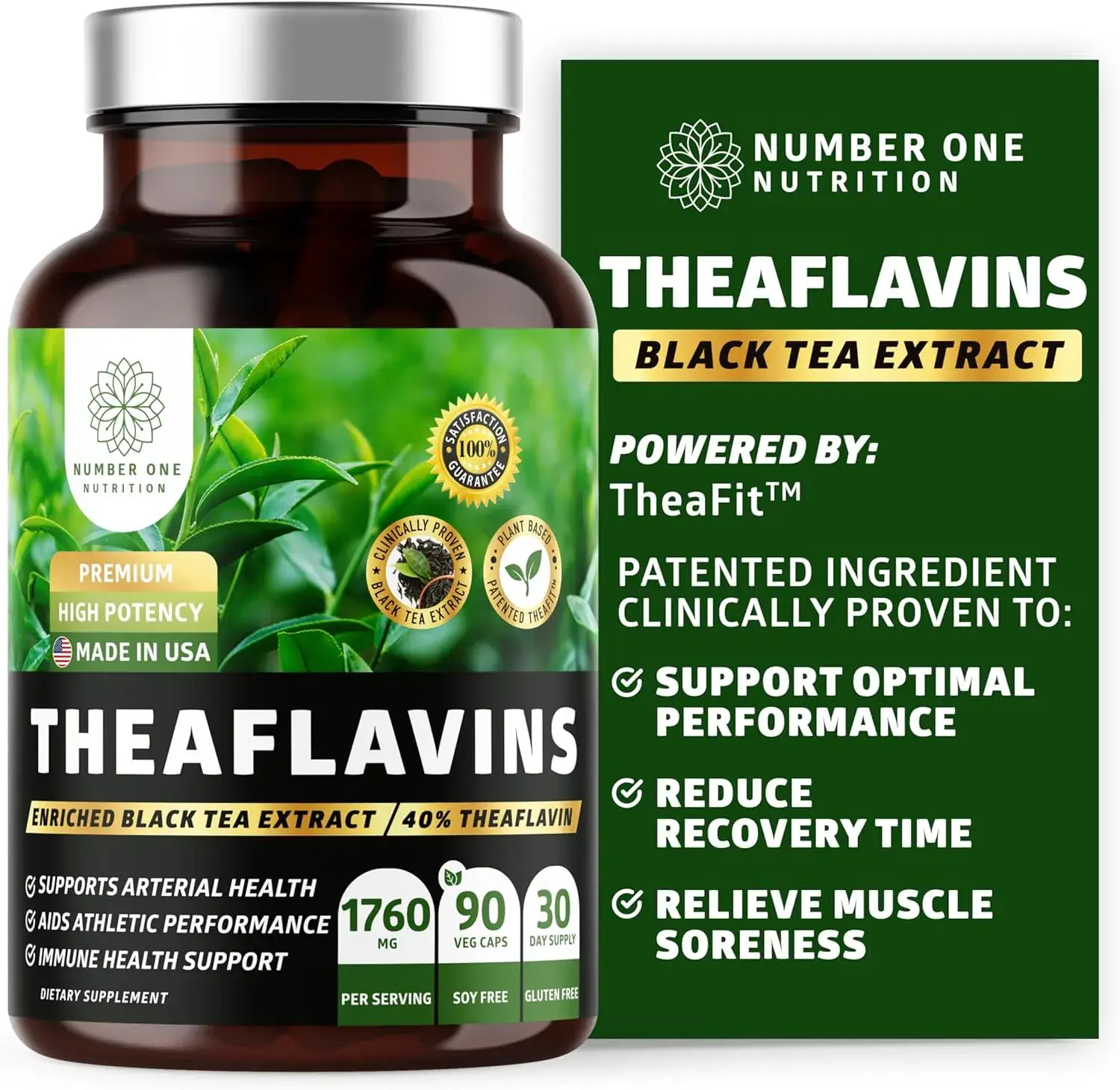
Black Tea Extract that is rich in natural theaflavins and polyphenols that help protect your body from free radicals, promoting overall immune health and well-being
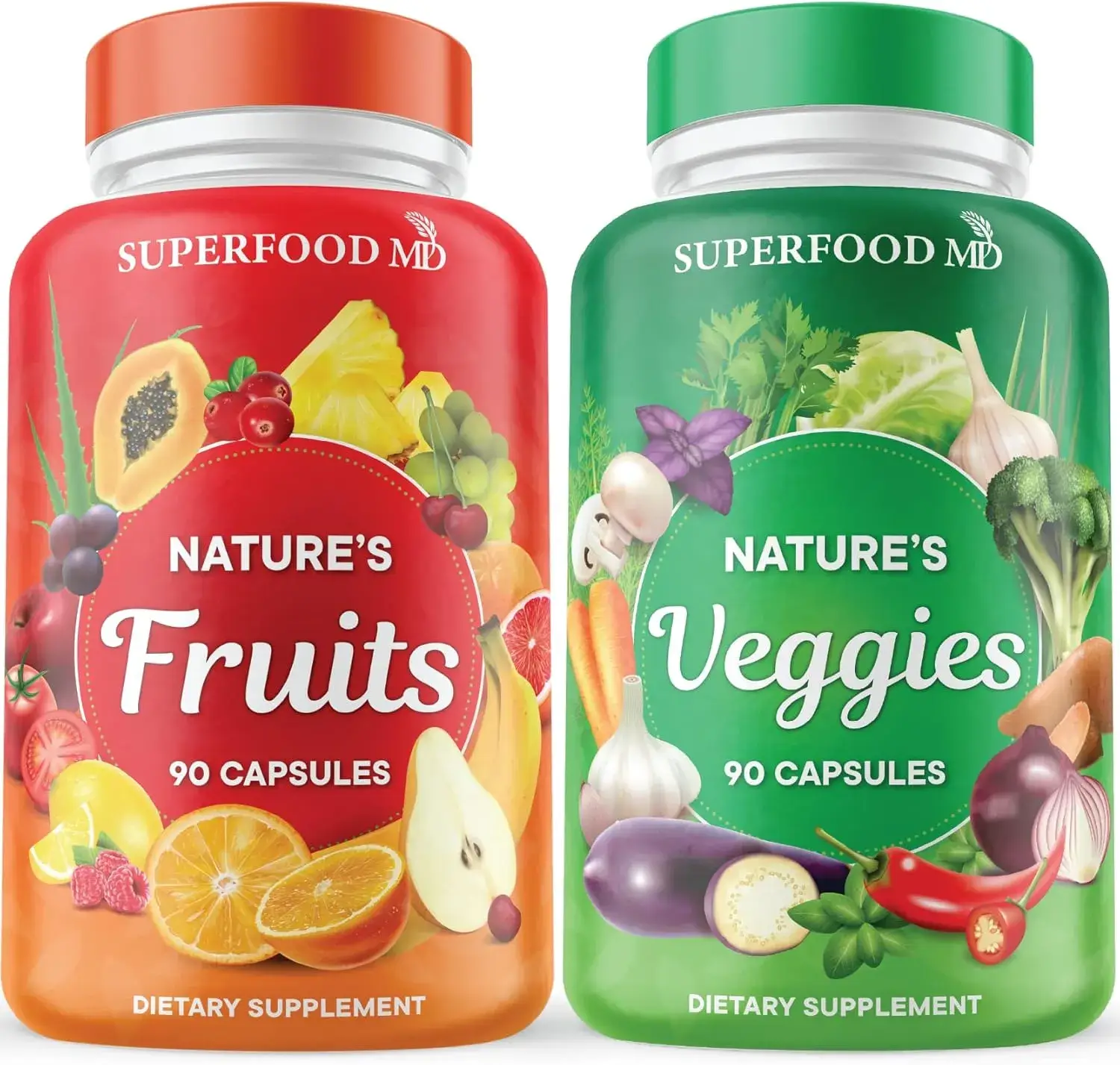
Contains blended amounts of Fruits and Veggies. All natural, with whole foods, fruit and vegetable supplement.Perfect for everyone looking to live a healthier lifestyle.