When you think of green tea, chances are you’re picturing Sencha. It’s the most common green tea in Japan, and honestly, it’s pretty popular worldwide too. But what exactly is sencha tea what is it, and why do so many people love it? It’s more than just a drink; it’s a whole tradition wrapped up in a simple, refreshing cup. Let’s explore what makes this tea so special, from how it’s made to its unique taste.
Key Takeaways
Sencha is the most widely consumed Japanese green tea, known for its fresh, grassy flavor and umami notes.
Its production involves steaming fresh leaves to stop oxidation, followed by rolling and drying, distinguishing it from pan-fired Chinese green teas.
Variations in steaming levels (asamushi, chumushi, fukamushi) and harvest times (especially Shincha, the first harvest) significantly impact Sencha’s flavor profile.
Historically, Sencha emerged in the Edo period, became a key export during trade expansion, and is now a symbol of modern Japanese identity.
Preparing Sencha involves specific water temperatures (60-80°C) and short steeping times (1-2 minutes) to avoid bitterness and bring out its best flavor.
What Is Sencha Tea?
The Essence Of Japanese Green Tea
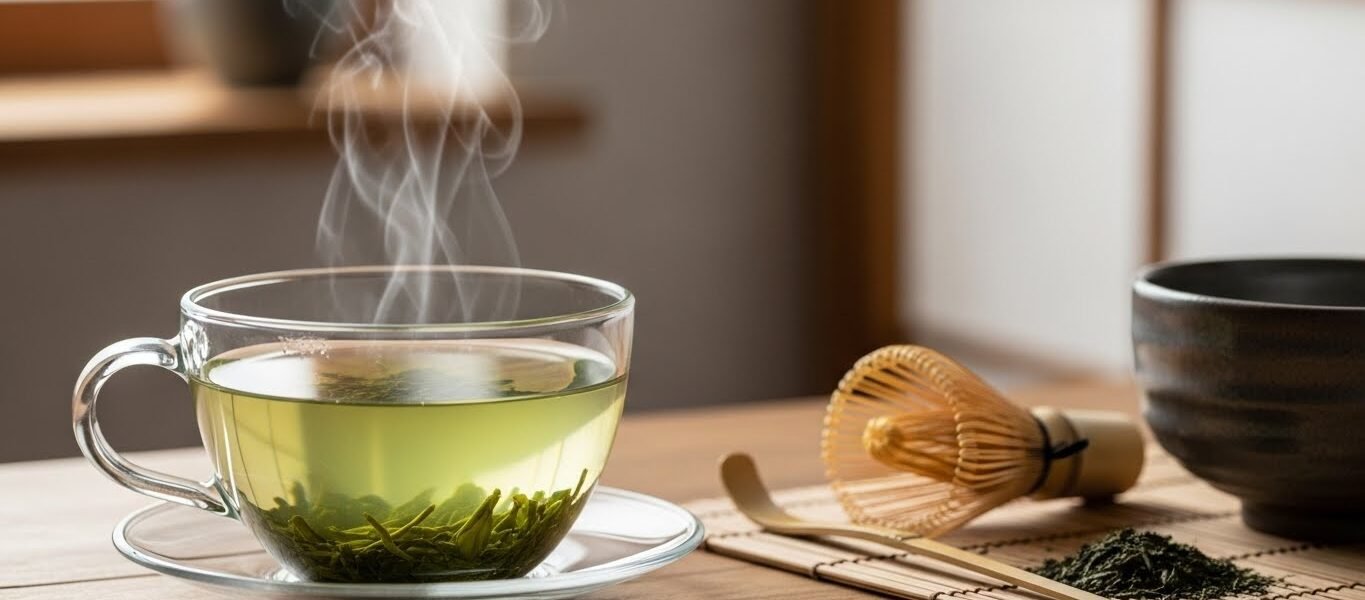
Sencha is pretty much the most popular green tea you’ll find in Japan. Seriously, it’s everywhere. While matcha gets a lot of the spotlight these days, sencha is the tea that most Japanese people drink every single day. It’s made from regular tea leaves, not ground up like matcha, and it’s steamed, rolled, and then dried. This whole process gives it a really refreshing taste that’s a bit vegetal and has that savory umami quality. It’s a staple, and for good reason.
Steamed, Rolled, And Dried Leaves
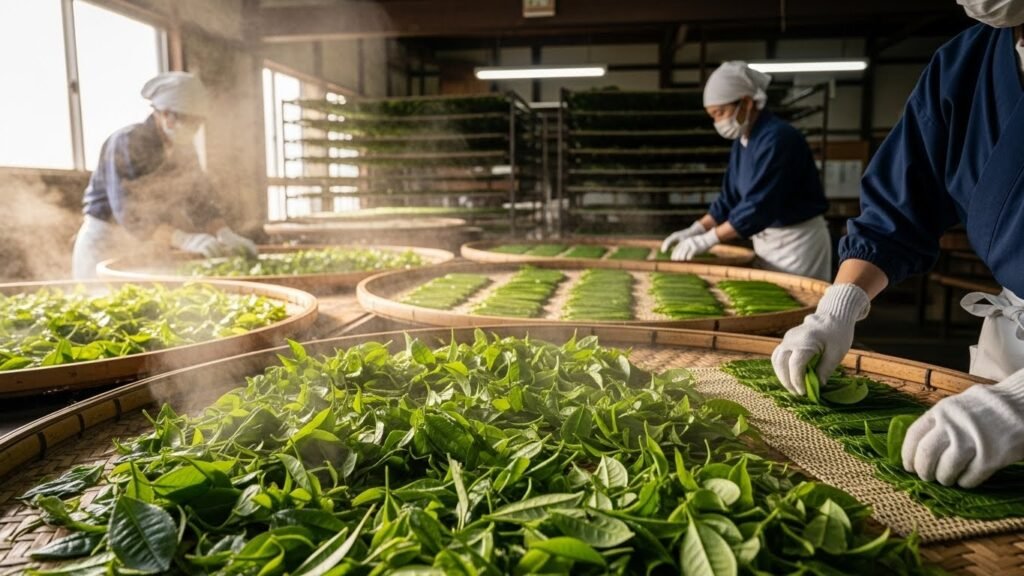
The way sencha is made is pretty distinct. Unlike some other teas that might be pan-fired, sencha leaves are steamed right after they’re picked. This steaming stops the oxidation process, which is key to keeping that vibrant green color and fresh flavor. After steaming, the leaves are rolled into those characteristic needle-like shapes. This rolling isn’t just for looks; it helps break down the cell walls a bit, which makes it easier for the flavor to come out when you brew it. Finally, the leaves are dried. The whole thing is a careful process that really defines what sencha is all about.
A Staple In Daily Japanese Life
Sencha isn’t just a fancy drink for special occasions; it’s a part of everyday life in Japan. Think of it like coffee in the US, but way more chill. People drink it at home, at work, and it’s often served free in restaurants. It’s seen as a simple pleasure that offers a moment of calm in a busy day. The origin of sencha tea goes back to the Edo period, and it’s really become ingrained in the culture as a way to connect and unwind. It’s a tea that’s both traditional and totally accessible, which is probably why it’s so well-loved.
The Unique Sencha Production Process
Steaming Vs. Roasting Fixation
So, what makes Sencha, well, Sencha? It all starts right after the leaves are plucked from the bush. They begin to oxidize, kind of like an apple turning brown when you cut it. To stop this and keep that fresh, green flavor, the leaves need a quick heat treatment. This is called ‘fixation’. In Japan, the go-to method for Sencha is steaming.
This steaming process is what gives Sencha its signature sweet, savory umami taste and that bright green color. It’s a big difference from how many Chinese green teas are made, which are often roasted in a pan. Roasting gives those teas a more toasty, sometimes nutty flavor and a browner hue. The steaming method is really key to Sencha’s distinct character.
The Impact Of Steaming Levels
It turns out, not all steaming is created equal. The amount of time the leaves spend steaming can really change the tea. Think of it like cooking – a little bit of heat is different from a lot.
Asamushi (Lightly Steamed): These leaves are steamed for a shorter time, usually around 30-45 seconds. This method tends to keep the leaves more intact and brings out a delicate sweetness.
Chumushi (Medium Steamed): This is the middle ground, offering a balance between the lighter and deeper steamed teas. It’s a good all-rounder.
Fukamushi (Deeply Steamed): Steamed for a longer period, 60-90 seconds, these leaves break down more. This results in a tea that brews up a deeper green, often a bit cloudy, and has a richer, more full-bodied taste that’s almost broth-like.
The Significance Of The First Harvest
When it comes to Sencha, timing is everything, especially the first harvest of the year. While tea plants are usually picked multiple times between spring and fall, that very first pick, called Shincha or “new tea,” is something special. The plant has been storing up energy all winter, so these young, tender buds are packed with flavor. Shincha is known for being exceptionally fresh, sweet, and vibrant. Later harvests, while still delicious, tend to have more intense, sometimes slightly more bitter notes as the plant focuses on growth rather than just sweetness. So, if you see Shincha, you know you’re getting the cream of the crop from the start of the season.
Sencha tea flavor profile is really something else. It’s not just one note; it’s a whole symphony. You get this fresh, grassy taste, right? But then there’s a subtle sweetness that sneaks in, followed by a tiny bit of bitterness that keeps things interesting. The real star, though, is the umami. It’s that savory, mouth-filling sensation that makes you go, “Wow, what was that?” It’s often called the fifth taste, and it’s what makes Sencha so unique.
The Role Of Growing Region And Harvest Time
Just like with wine, where a grape is grown and when it’s picked makes a huge difference. Early harvests? They tend to be sweeter, lighter. Later harvests? They get a bit more intense, a bit richer. The soil, how much sun it gets, even the rain – it all adds up. So, even two Senchas from the same area might taste different year to year. It’s pretty wild how much variation there can be.
Umami: The Fifth Taste Dimension
Umami is that savory depth you find in things like mushrooms or aged cheese, and it’s a big part of the sencha tea taste profile. It’s not sweet, not sour, not salty, not bitter – it’s its own thing. This savory quality comes from amino acids, especially L-theanine, which is boosted by shading the tea plants before harvest. It gives the tea a satisfying richness and a smooth finish that’s really pleasant. It’s what makes you want to go back for another sip.
Here’s a quick look at how different factors can influence the taste:
Factor
Impact on Flavor
Harvest Time
Early: Sweeter, lighter; Late: Richer, more intense
Growing Region
Varies greatly; influences minerality and aroma
Cultivar
Different types bring unique notes (e.g., grassy, floral)
Processing (Steaming)
Light: Delicate; Deep: Brothy, rich
Sencha’s Rich History And Cultural Significance
Origins in the Edo Period
Sencha, as we know it today, is a relatively young player in the grand history of Japanese tea. While tea itself arrived from China centuries earlier, the specific method of steaming, rolling, and drying leaves to create sencha really took off in the Edo period. A tea farmer named Nagatani Soen is credited with perfecting this steaming technique around 1738 in the Uji region. Before this, tea preparation was often more formal or less refined. Sencha’s fresh taste and bright green color quickly made it a hit, and it started its journey to becoming Japan’s most popular tea.
A Key Export During Trade Expansion
As Japan began to open up to the world, sencha played a role in international trade. While it was already a staple at home, its appeal wasn’t limited to Japanese shores. During periods of increased trade, sencha became a significant export. This helped introduce Japanese tea culture to other countries and established sencha as a recognizable name beyond its homeland. It was a way for Japan to share a piece of its daily life and refined agricultural practices with the global market.
A Symbol of Postwar Japanese Identity
After the challenges of World War II, Japan underwent a period of rebuilding and redefining its national identity. Sencha, being such a common and accessible part of everyday life, became a quiet symbol of this recovery and continuity. It represented a return to normalcy and the enduring traditions that were important to the Japanese people. Enjoying a cup of sencha was a simple, grounding ritual that connected people to their culture and to each other during a time of significant change. It was a taste of home and a reminder of the resilience of Japanese heritage.
Sencha isn’t just a tea for Japan anymore; it’s become a global favorite. You can find it in fancy tea shops all over the world, not just in Japan. These places often focus on giving you a real taste of Japanese tea culture. It’s pretty cool how a simple leaf can connect people from different places. This sun-grown green tea is now a common sight in many cafes, appreciated for its fresh taste and health benefits. It’s a sign that people everywhere are starting to appreciate the nuances of good quality tea.
Beyond Pure Sencha: Exciting Variations
While plain sencha is fantastic, there’s a whole world of sencha-based drinks out there. Think about Genmaicha, which is sencha mixed with roasted rice. It has this warm, toasty smell, sometimes called “popcorn tea.” Then there are blends where sencha’s clean flavor is a great base. You might find it mixed with citrus like bergamot for a twist on Earl Grey, or with mint for a really refreshing drink. These variations show how versatile sencha really is.
Here are a few popular types of green tea, including sencha and its relatives:
Sencha: The most common Japanese green tea, known for its balanced, fresh, and slightly grassy flavor.
Genmaicha: Sencha or bancha blended with roasted brown rice, giving it a nutty, toasty aroma.
Hojicha: Roasted green tea (often bancha or sencha), which results in a reddish-brown color and a mellow, toasty flavor with low caffeine.
Matcha: Finely ground powder of specially grown and processed green tea leaves, whisked into hot water.
Gyokuro: A shaded green tea, known for its deep umami flavor and rich sweetness.
Integrating Sencha Into Daily Rituals
Making sencha part of your day doesn’t have to be complicated. It’s about finding moments to slow down and enjoy a good cup. Whether it’s your morning wake-up drink, a midday break, or something to share with friends, sencha fits right in. It’s a simple way to add a bit of calm and mindfulness to your routine. The ritual of preparing and sipping sencha can be a small but meaningful part of your day, offering a moment of peace in a busy world. It’s a reminder that sometimes, the simplest things bring the most satisfaction.
Preparing The Perfect Cup Of Sencha
So, you’ve got some sencha and you’re wondering how to brew it right? It’s not complicated, but there are a few things that make a big difference. Getting the water temperature and steeping time just right is key to avoiding that bitter taste that can sometimes sneak into green tea.
Ideal Water Temperature and Steeping Time
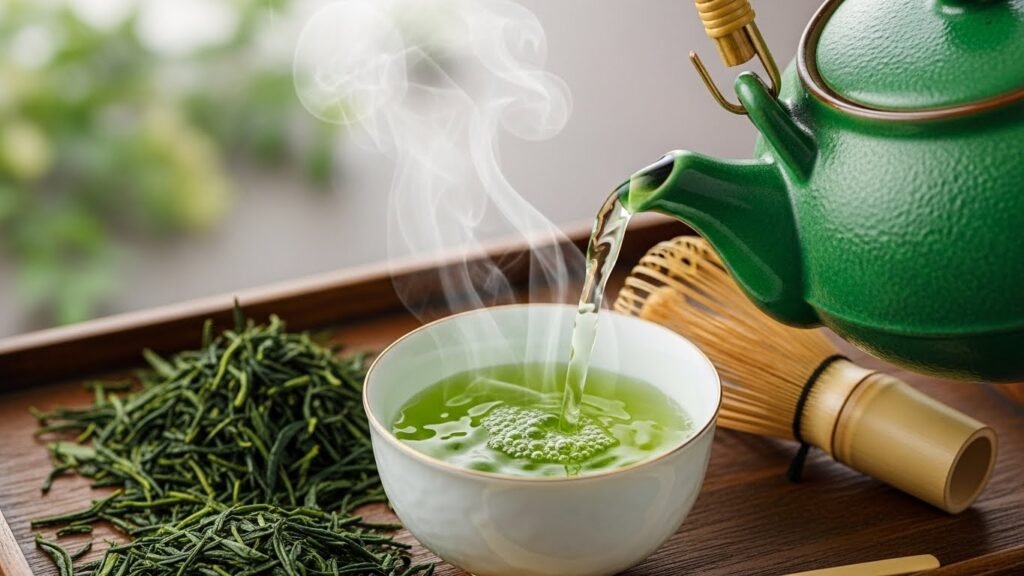
For sencha, you want to aim for water that’s not boiling. Think somewhere between 160°F and 175°F (70°C to 80°C). If the water is too hot, it can really scorch the delicate leaves and make your tea taste harsh. As for steeping, start with about 30 seconds to a minute. You can always steep a little longer if you want a stronger flavor, but it’s better to start short and adjust.
Here’s a quick guide:
Light Steeping (30-60 seconds): Best for early harvest sencha or if you prefer a lighter, sweeter cup.
Medium Steeping (60-90 seconds): Good for most senchas, offering a balanced flavor.
Longer Steeping (90-120 seconds): Use sparingly, perhaps for later harvest teas or if you like a more robust taste. Be careful not to overdo it.
The Importance Of Leaf Expansion
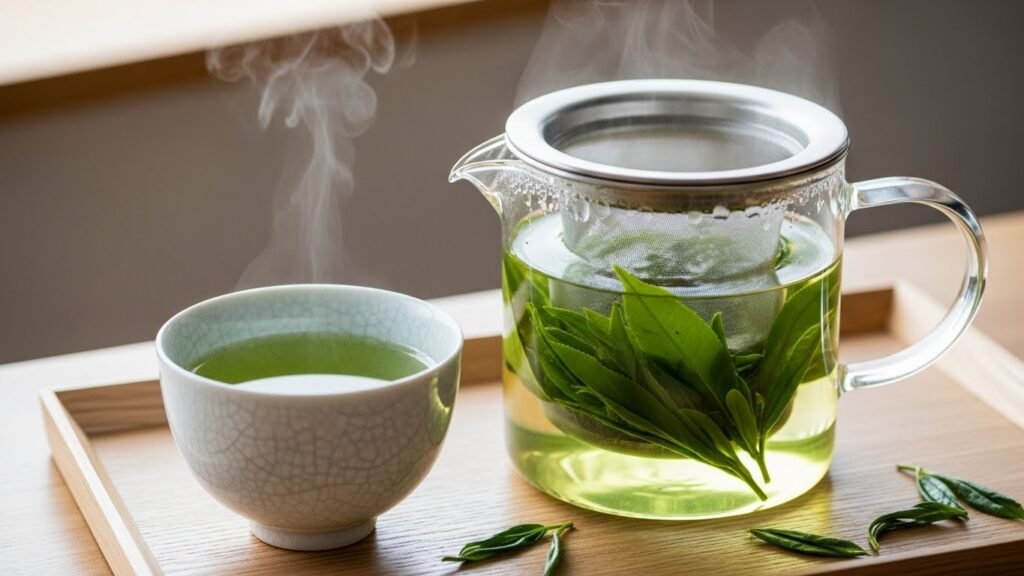
Sencha leaves are usually small and needle-like. When you add hot water, they need room to unfurl and release all their good stuff. This is why using a wide tea strainer or a teapot with plenty of space is a good idea. If the leaves are crammed together, they can’t expand properly, and you won’t get the full flavor. It’s kind of like giving them space to breathe.
Traditional Japanese Brewing Methods
In Japan, they often use a special teapot called a kyusu. It usually has a handle on the side and a built-in strainer, which makes brewing sencha pretty straightforward. You put the leaves in, add the water, and pour. Many people also enjoy cold brewing sencha, which is super simple. Just put the leaves in cold water and let it sit in the fridge for a few hours. It brings out a different kind of sweetness and is really refreshing on a warm day.
Brewing sencha isn’t just about making a drink; it’s a small ritual. Taking the time to measure the leaves, heat the water, and watch the leaves unfurl can be a really calming part of your day. It’s a moment to just be present.
So, Sencha Tea What Is It and Why Is It a Big Deal?
Alright, so we’ve talked about how Sencha is pretty much the go-to green tea in Japan, enjoyed by tons of people every single day. It’s not just some fancy tea for special occasions, though it does have its own ceremony, Senchado, which is pretty cool. It’s this everyday drink that’s also deeply traditional. Whether you’re trying it for the first time or you’re already a fan, Sencha offers a really nice, fresh taste that’s easy to get into. Plus, there are all sorts of ways to enjoy it, from plain Sencha to blends with mint or roasted rice. It’s definitely a tea worth checking out if you haven’t already.
Sencha is a popular type of Japanese green tea. It’s made from whole tea leaves that are steamed, then rolled and dried. Instead of grinding the leaves like matcha, you steep them in hot water to make Sencha. It’s the most common green tea enjoyed daily in Japan.
How is Sencha different from other green teas?
The main difference is how the leaves are treated after picking. Sencha leaves are steamed right away to keep them fresh and green. Other green teas might be pan-fired, which gives them a different flavor. Also, Sencha is grown in the sun, unlike shade-grown teas like Gyokuro.
What does Sencha taste like?
Sencha usually has a fresh, grassy flavor with a hint of sweetness. It often has a special savory taste called ‘umami,’ which is like a fifth taste. The exact flavor can change depending on where it’s grown and when it’s harvested.
What’s the best way to prepare Sencha?
To get the best taste, use hot water that isn’t boiling, around 170-175°F (75-80°C). Steep the leaves for just 1 to 2 minutes. If the water is too hot or you steep it too long, it can become bitter.
What is ‘Shincha’?
Shincha means ‘new tea’ and comes from the very first harvest in the spring. The tea plants have stored up lots of good stuff over the winter, so Shincha tastes extra fresh and sweet. It’s considered the most special and delicious Sencha of the year.
Can Sencha be enjoyed in different ways?
Yes! Besides drinking pure Sencha, there are fun variations. You can find blends with roasted rice (like Genmaicha) or mixed with flavors like mint or bergamot. It’s also a great base for creative tea blends.
Black Tea Extract that is rich in natural theaflavins and polyphenols that help protect your body from free radicals, promoting overall immune health and well-being
Contains blended amounts of Fruits and Veggies. All natural, with whole foods, fruit and vegetable supplement.Perfect for everyone looking to live a healthier lifestyle.