Is rooibos tea yin or yang, and where does it truly sit in the world of yin and yang? It’s a question that pops up when people start looking at tea beyond just its taste. We all know tea can be calming, or maybe invigorating, but what about its energetic properties? This article is going to break down what yin and yang mean, especially when it comes to your favorite brews, and then we’ll zoom in on rooibos. We’ll figure out if rooibos tea is yin or yang, or maybe something else entirely.
Key Takeaways
Yin and yang represent opposing yet complementary forces, found in nature and in things like tea.
Rooibos tea, often called red tea, is known for its naturally caffeine-free and soothing qualities.
Unlike green or black teas which can lean more yin or yang depending on processing, rooibos is generally considered to have a more neutral or slightly warming energy.
Its properties make it a good choice for balancing out more stimulating teas or for enjoying any time of day.
Ultimately, rooibos tea is best understood as a harmonizing brew that can help bring balance to your tea routine.
Understanding Yin and Yang in Tea
The Concept of Yin and Yang
In many Eastern philosophies, particularly within Traditional Chinese Medicine tea, the world is understood through the lens of Yin and Yang. These aren’t opposing forces, but rather complementary ones that exist in everything. Yin represents qualities like coolness, stillness, darkness, and passivity. Yang, on the other hand, embodies warmth, activity, light, and movement. The goal isn’t to eliminate one for the other, but to achieve a harmonious balance between them. Think of it like day and night, or winter and summer – each has its place and contributes to the natural order.
Tea’s Role in Balancing Energies
Tea, in its many forms, has long been recognized for its ability to influence the body’s energetic balance. Different teas are thought to possess distinct energetic properties, aligning more with Yin or Yang characteristics. This understanding helps us choose beverages that can support our well-being, whether we need to cool down a fiery disposition or warm up a sluggish system. The way tea is processed, from its growing conditions to its oxidation level, plays a significant role in determining its energetic profile. This is a core concept in yin and yang tea classification.
Is Rooibos Tea Yin or Yang?
This is the million-dollar question, isn’t it? When we look at the vast world of teas, figuring out where a specific brew like rooibos fits into the Yin and Yang spectrum can be tricky. It’s not always as straightforward as labeling a tea as purely ‘hot’ or ‘cold.’ Many factors contribute to a tea’s energetic signature, and understanding these nuances is key to appreciating its full effect. We’ll explore the unique qualities of rooibos to see how it aligns with these ancient principles of yin yang tea balance.
Rooibos Tea: A Closer Look
What is Rooibos Tea?
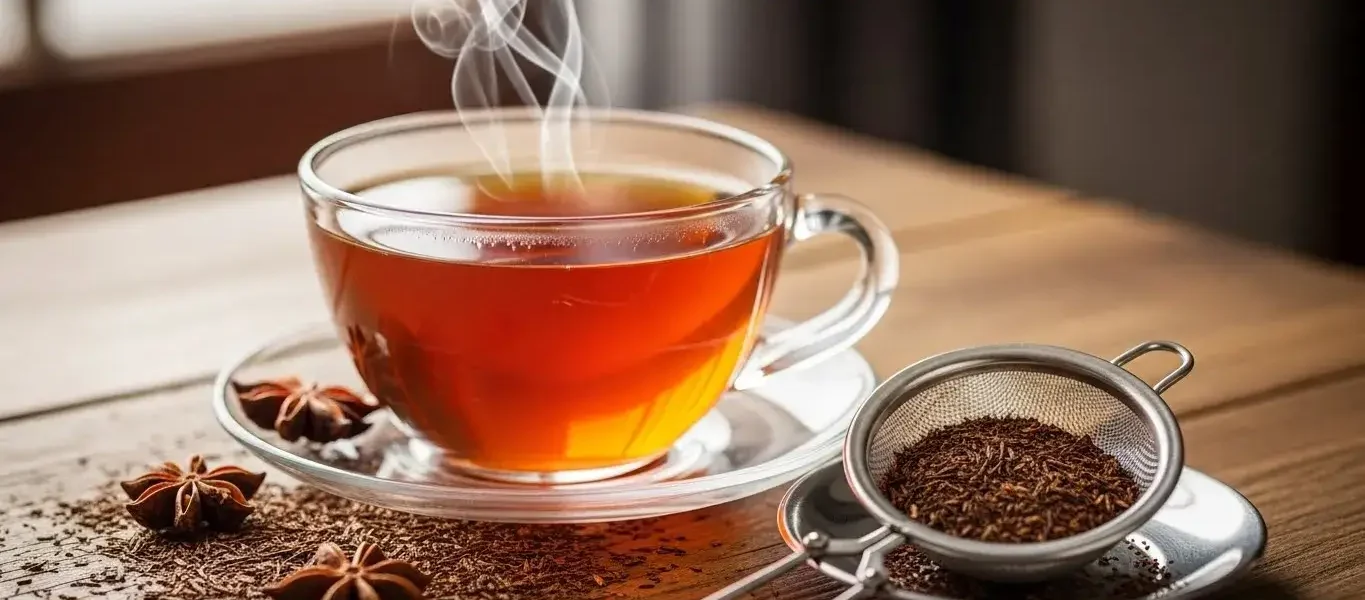
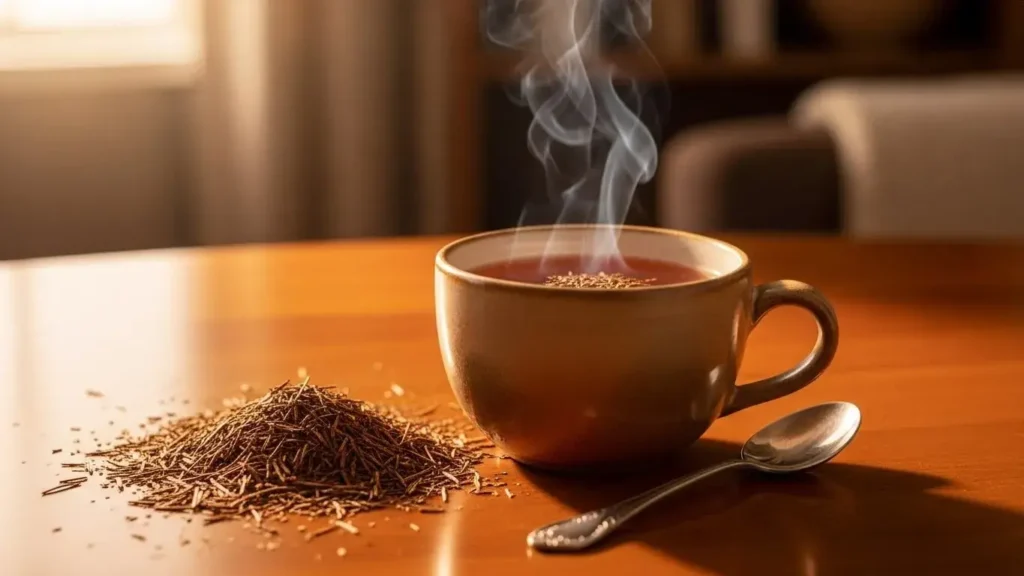
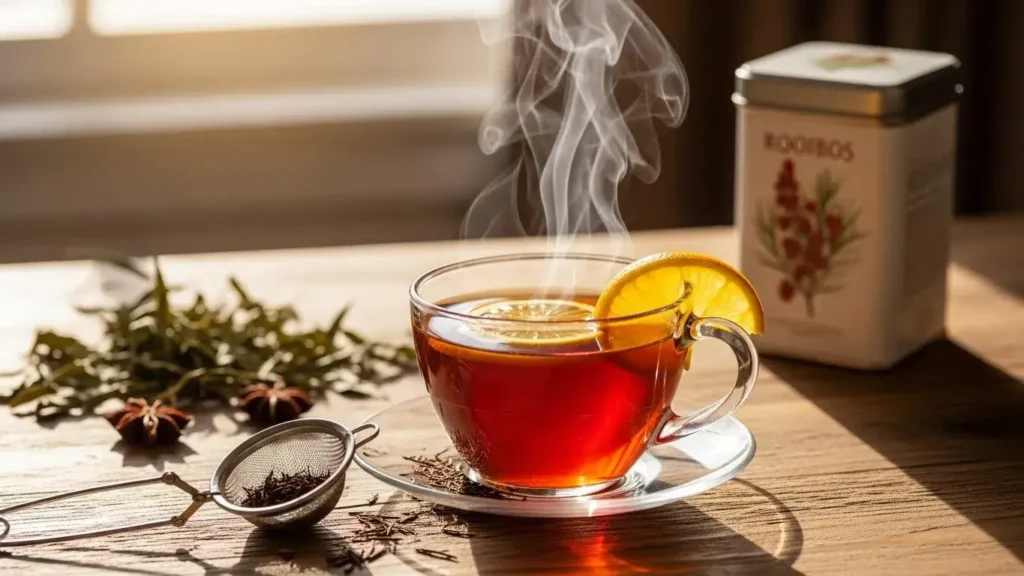
Rooibos tea, often called red bush tea, isn’t technically from the Camellia sinensis plant like green, black, or oolong teas. Instead, it comes from the Aspalathus linearis shrub, native to South Africa. The leaves are harvested, then oxidized, which gives the tea its characteristic reddish-brown color and slightly sweet, earthy flavor. It’s a unique beverage that’s gained a lot of popularity, and for good reason.
The Unique Properties of Rooibos
What makes rooibos stand out? Well, for starters, it’s packed with antioxidants. Studies suggest it contains a good amount of aspalathin, a potent antioxidant that’s not found in many other plants. It also has other beneficial compounds that contribute to its overall appeal. These rooibos tea properties are a big part of why people reach for it.
Here’s a quick look at some of its notable components:
Antioxidants: Including aspalathin and nothofagin.
Minerals: Contains small amounts of minerals like iron, potassium, and calcium.
Flavonoids: Known for their anti-inflammatory effects.
Caffeine-Free Nature of Rooibos
One of the most significant aspects of rooibos tea is that it’s naturally caffeine-free. This is a major draw for many people who are sensitive to caffeine or looking to reduce their intake. Unlike traditional teas that come from the Camellia sinensis plant, rooibos doesn’t contain any caffeine at all. This makes it a great choice for drinking any time of day, whether you need a calming evening beverage or a gentle start to your morning. The rooibos tea benefits explained often highlight this caffeine-free quality as a key advantage.
When we talk about the energy of rooibos tea, it’s helpful to think about whether it leans more towards warming or cooling. Unlike some teas that can make you feel jittery or overly heated, rooibos is generally considered to be neutral to slightly warming. This makes it a great choice for most people, regardless of their natural constitution. It doesn’t typically cause the intense heat associated with some black teas or the cooling sensation of certain green teas. It’s more of a gentle, comforting warmth that can be enjoyed any time of day.
Balancing Properties of Rooibos
The real magic of rooibos tea lies in its ability to promote balance. It’s not about pushing your energy too high or suppressing it too low. Instead, it works to harmonize your internal systems. This is why it’s often recommended for those looking to achieve a sense of equilibrium. The rooibos tea energy balance it offers is subtle but effective, helping to calm a restless mind and soothe an overactive body without making you feel sluggish. It’s a gentle nudge towards a more centered state.
How Rooibos Affects the Body
So, what are the actual rooibos tea effects on body energy? Well, it’s not about a sudden jolt. Think of it more like a steady hum. Because it’s caffeine-free, you don’t get that spike and crash. Instead, many people report feeling a sustained sense of calm alertness. It can help clear the mind, making it easier to focus on tasks without feeling stressed. For those who are sensitive to stimulants, this is a huge plus. The herbal tea energy type of rooibos is one that supports gentle revitalization, making it a go-to for winding down in the evening or starting the day on a peaceful note. It contributes to overall herbal tea energy balance by supporting the body’s natural rhythms.
Rooibos tea is often described as having a grounding effect. It doesn’t excite or agitate, but rather brings a sense of calm stability. This makes it a wonderful choice for anyone seeking to reduce feelings of stress or anxiety throughout their day. Its gentle nature means it can be a consistent part of a wellness routine without causing unwanted side effects.
Here’s a quick look at its energetic qualities:
Neutral to Slightly Warming: Offers comfort without overheating.
Calming: Helps to quiet a busy mind.
Balancing: Promotes a sense of equilibrium.
Non-Stimulating: Provides gentle energy without jitters.
These energetic qualities of herbal tea make rooibos a unique and versatile beverage. It’s a prime example of how herbal tea energetic properties can contribute to well-being. The rooibos tea energy properties are subtle yet significant, contributing to a feeling of overall harmony.
Comparing Rooibos to Other Teas
When we talk about tea, it’s easy to lump everything together, but the world of tea is actually pretty diverse. Each type has its own vibe, and understanding how rooibos stacks up against others can really help clarify its place in your daily ritual. Let’s look at a few popular ones.
Rooibos vs. Green Tea
Green tea, derived from the Camellia sinensis plant, is known for its minimal processing, which helps it retain a high concentration of antioxidants. It’s often associated with a more stimulating, energetic effect, partly due to its natural caffeine content. Rooibos, on the other hand, is caffeine-free and comes from a different plant altogether (Aspalathus linearis). While green tea might give you a quick boost, rooibos offers a gentler, more calming influence. Think of green tea as a bright spark and rooibos as a steady glow. The balancing properties of rooibos really shine here when you need a soothing cup without the jitters.
Rooibos vs. Black Tea
Black tea, also from Camellia sinensis, undergoes full oxidation, giving it a robust flavor and a darker color. It contains caffeine and is often seen as a more warming beverage. Rooibos, being naturally caffeine-free and having undergone a different kind of oxidation process (though not the same as black tea), offers a different kind of warmth – one that’s more about comfort and less about stimulation. If you’re looking for something to wind down with, rooibos is a great choice compared to the more invigorating black tea. Many people find that rooibos helps them relax after a long day, unlike some caffeinated options.
Rooibos vs. Oolong Tea
Oolong tea sits somewhere between green and black tea in terms of oxidation. This variety means oolong can have a wide range of flavors and properties, from light and floral to dark and toasty. Some oolongs can be quite stimulating due to their caffeine content, while others are milder. Rooibos, with its consistent caffeine-free nature and distinct earthy, slightly sweet flavor, provides a reliable option for those seeking calm. While oolong offers complexity and variety, rooibos provides a straightforward, soothing experience. It’s a good example of how different teas can serve different needs throughout the day.
The key difference often comes down to caffeine. If you’re sensitive or trying to reduce your intake, rooibos is a clear winner. Its inherent qualities make it a go-to for a peaceful moment.
Here’s a quick look at how they generally compare:
So, you’ve learned about rooibos and its unique qualities, but how do you actually make it a part of your day? It’s simpler than you might think, and honestly, pretty enjoyable.
Best Times to Drink Rooibos
Because rooibos is naturally caffeine-free, it’s a fantastic choice for almost any time. Mornings can be a bit hectic, right? Instead of reaching for coffee, a warm cup of rooibos can be a gentle way to start your day. It won’t give you that jittery feeling, just a calm sense of readiness. Then, as the afternoon rolls around and you might feel that familiar slump, rooibos can offer a comforting pick-me-up without the caffeine crash. And of course, it’s the perfect companion for winding down in the evening. Seriously, a cup before bed can be incredibly soothing.
Here’s a quick look at when rooibos shines:
Morning: A gentle start to the day, promoting focus without jitters.
Afternoon: A natural energy boost to combat that mid-day lull.
Evening: A calming ritual to prepare for restful sleep.
Anytime: When you need a warm, comforting beverage without the caffeine.
Pairing Rooibos with Food
Rooibos has a naturally sweet, slightly nutty flavor that pairs well with a variety of foods. It’s not overpowering, so it won’t compete with delicate tastes. Think about having it with biscuits or scones – it complements the baked goods nicely. It’s also great with lighter meals, like a simple salad or a bowl of soup. If you’re having something a bit richer, rooibos can help cleanse the palate. Some people even enjoy it with a splash of milk or a bit of honey, which brings out its sweeter notes even more.
Creating a Balanced Tea Ritual
Making tea can be more than just boiling water. It can be a moment for yourself, a small pause in a busy day. When you prepare your rooibos, take a moment to appreciate the aroma. Notice the color of the infusion. This simple act of mindfulness can make a big difference in how you feel. It’s about creating a little sanctuary, even if it’s just for five minutes. You can steep your rooibos for at least 10 minutes to really get the full flavor and benefits experience the benefits of rooibos tea. It’s a small step, but it’s a way to bring a bit more balance and calm into your life, one cup at a time.
The Verdict: Is Rooibos Tea Yin or Yang?
So, after all this talk about energies and tea properties, where does rooibos tea actually land on the yin and yang spectrum? It’s not as simple as a ‘yes’ or ‘no’ answer, really. Think of it more as a harmonizing brew.
Rooibos as a Harmonizing Brew
When we look at rooibos tea according to Chinese medicine, it doesn’t strongly lean towards being purely yin (cooling) or yang (warming). Instead, it’s often described as having a neutral thermal property. This means it’s generally suitable for most people, regardless of their dominant energy type. It doesn’t excessively cool you down like some herbal teas might, nor does it heat you up like a strong black tea can. This neutrality is actually one of its biggest strengths. It acts as a bridge, helping to bring balance rather than pushing things to one extreme.
Finding Balance with Rooibos
Because rooibos tea is naturally caffeine-free and has a smooth, slightly sweet flavor, it’s a fantastic choice for winding down. It doesn’t jolt your system like caffeinated beverages can. This makes it ideal for those who might feel a bit too ‘yang’ – perhaps restless, stressed, or having trouble sleeping. Drinking rooibos in these situations can help introduce a calming, yin-like quality to your evening. On the flip side, if you tend to be more ‘yin’ – feeling sluggish or cold – rooibos can still be beneficial. Its gentle warmth, though not intense, can provide a subtle boost without overstimulating.
Conclusion on Rooibos’s Energetic Nature
Ultimately, rooibos tea is best understood as a balancing agent. It’s not about fitting it neatly into a yin or yang box, but appreciating its ability to support equilibrium. It’s a gentle, supportive drink that can be incorporated into almost any routine. Whether you’re looking to calm a busy mind or gently invigorate a tired body, rooibos offers a middle path. It’s a wonderful way to support your well-being, much like how ginseng tea offers numerous health advantages. Its versatility makes it a true gem in the world of teas.
So, What’s the Verdict?
Alright, so we’ve chatted about how different teas can play into our personalities, kind of like finding the perfect match. Rooibos, with its naturally caffeine-free and soothing vibe, often leans towards that calming, grounding energy. Think of it as a gentle nudge towards balance, not a wild swing in either direction. It’s less about being strictly ‘yin’ or ‘yang’ and more about how it helps you find your own sweet spot. Whether you’re looking to unwind after a hectic day or just want a warm, comforting cup, rooibos seems to offer that steady, reliable presence. It’s a simple pleasure that can bring a little bit of peace to your day, no matter what your personal energy is like.
In simple terms, Yin and Yang are like two sides of the same coin. Yin is often thought of as the cool, calm, and passive energy, while Yang is the warm, active, and energetic side. They’re opposites, but they need each other to create balance in everything, from nature to our bodies.
How does tea relate to Yin and Yang?
Different teas can have different energetic qualities. Some teas might be more cooling (Yin), like green tea, while others are more warming (Yang), like black tea. Drinking tea can be a way to help balance these energies within us, especially when we feel a bit too much of one or the other.
Is Rooibos tea considered Yin or Yang?
Rooibos tea is generally seen as having a more neutral or slightly warming energy. It doesn’t lean heavily towards being super cooling like some green teas or intensely warming like some black teas. This makes it quite balanced on its own.
Why is Rooibos tea caffeine-free?
Rooibos comes from a different plant than traditional teas like green or black tea. This unique plant naturally doesn’t contain caffeine. This is one of the reasons it’s often recommended for relaxation and can be enjoyed any time of day.
Can Rooibos tea help balance my body’s energy?
Yes, absolutely! Because Rooibos has a balanced energetic profile and is caffeine-free, it’s great for soothing the body and mind. It can help calm you down if you’re feeling too active or provide a gentle, steady warmth if you’re feeling sluggish.
When is the best time to drink Rooibos tea?
Rooibos is super versatile! Since it’s caffeine-free, it’s perfect for winding down in the evening, but its gentle nature also makes it a good choice in the morning or afternoon. It’s a great way to create a calming tea ritual any time you need a moment of peace.
Black Tea Extract that is rich in natural theaflavins and polyphenols that help protect your body from free radicals, promoting overall immune health and well-being
Contains blended amounts of Fruits and Veggies. All natural, with whole foods, fruit and vegetable supplement.Perfect for everyone looking to live a healthier lifestyle.