Are you wondering exactly how much ginseng root for tea you should use? You’re not alone. Many people enjoy ginseng tea for its health benefits. But, finding the right amount can be tricky.
Getting the right amount of ginseng root is key to enjoying its ginseng tea benefits. Too little, and you might miss out on the benefits. Too much, and you could face side effects.
In this article, we’ll show you the ideal ginseng root dosage for tea. We’ll give you the tips to brew the perfect cup.
Key Takeaways
Understand the importance of using the right amount of ginseng root for tea.
Learn about the benefits of ginseng tea and how to achieve them.
Discover the recommended ginseng root dosage for optimal results.
Explore tips for brewing the perfect cup of ginseng tea.
Find out how to adjust the dosage to suit your individual needs.
Understanding Ginseng Root and Its Benefits
Ginseng root is a complex herb with many benefits. It’s important to know its origins and how to use it effectively.
What is Ginseng Root?
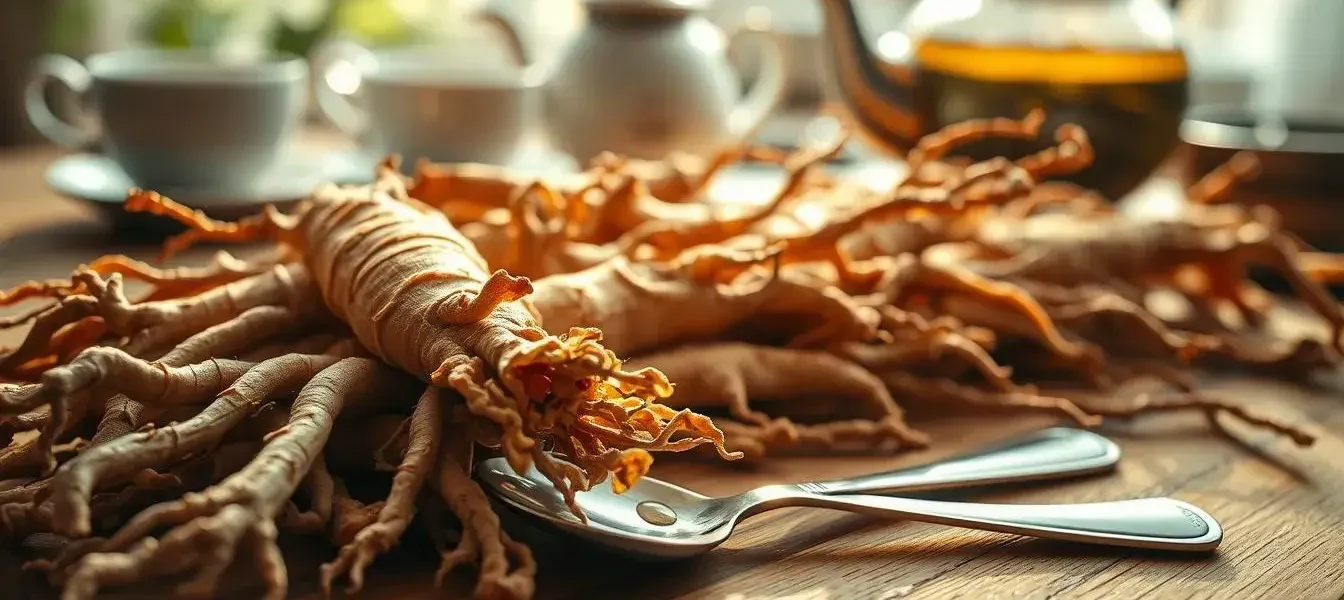
Ginseng root is a perennial plant used in traditional medicine for centuries. The root is the most valuable part, known for its adaptogenic properties.
The ginseng plant grows in mountainous regions. It needs specific conditions to thrive. The root is harvested after several years, when it’s believed to be at its peak potency.
Health Benefits of Ginseng Tea
Ginseng tea is made by infusing ginseng root in hot water. It’s a popular way to enjoy this herb. The tea boosts energy and enhances mental clarity.
Drinking ginseng tea offers several benefits, including:
Improved cognitive function
Enhanced physical performance
Antioxidant properties
Immune system support
Herbal medicine practitioners say ginseng tea is great for daily health. A study found ginseng can improve quality of life.
“Ginseng has been used for centuries in traditional medicine, and modern research continues to uncover its benefits.”— Journal of Herbal Medicine
Benefit
Description
Cognitive Enhancement
Ginseng tea may improve memory and concentration.
Physical Performance
Ginseng has been shown to enhance endurance and reduce fatigue.
Antioxidant Properties
The antioxidants in ginseng tea can help protect against cell damage.
Different Types of Ginseng for Tea
Exploring ginseng tea reveals several types, each with unique benefits. The most common are American Ginseng, Asian Ginseng, and Siberian Ginseng. Knowing the differences helps you choose the best one for you.
American Ginseng (Panax quinquefolius)
American Ginseng, known as Panax quinquefolius, comes from North America. It’s famous for its cooling effects and boosting mental clarity and energy. It’s gentle, making it great for beginners.
Asian Ginseng (Panax ginseng)
Asian Ginseng, or Panax ginseng, is well-known. It helps the body adapt to stress and boosts well-being. It’s also known to improve vitality and physical performance.
Siberian Ginseng (Eleutherococcus senticosus)
Siberian Ginseng, known as Eleutherococcus senticosus, is not a true ginseng but is called one due to its adaptogenic effects. It’s from Russia and Asia and boosts endurance and reduces fatigue. It also supports the immune system.
Type of Ginseng
Scientific Name
Primary Benefits
American Ginseng
Panax quinquefolius
Mental clarity, energy boost
Asian Ginseng
Panax ginseng
Adaptogenic properties, vitality
Siberian Ginseng
Eleutherococcus senticosus
Endurance, immune support
Knowing each ginseng type’s unique traits helps you choose the right one for your tea. Whether you want a gentle energy boost or strong adaptogenic effects, there’s a ginseng for you.
When brewing ginseng tea, the right amount of root is key. The best dosage depends on the ginseng type, your health needs, and what you like.
Standard Dosage Recommendations
The standard dose for ginseng root changes with fresh or dried root. For dried root, use 1-2 grams per cup. Fresh root might need 2-4 grams per cup.
Start with a small dose and slowly increase it. This helps you see how your body reacts to ginseng. Too much can cause side effects like trouble sleeping or stomach issues.
Measuring Ginseng Root Properly
Getting the right amount of ginseng root is important. Use a digital kitchen scale for precise measurement. If you don’t have a scale, estimate based on the root’s size.
For dried root, a good serving is 1-2 teaspoons per cup. With fresh root, slice it thinly and follow the weight guide. Keeping your measurements consistent is vital for the best flavor and benefits.
In short, the secret to great ginseng tea is the right root amount. Follow these tips and adjust as needed to enjoy ginseng tea’s many benefits.
Preparing Different Forms of Ginseng Tea
Ginseng tea comes in various forms, each with its own taste and benefits. The type of ginseng you pick can change how your tea tastes and how easy it is to make.
Fresh Ginseng Root Tea
Using fresh ginseng root for tea lets you enjoy its full flavor and health benefits. First, rinse the root under cold water. Then, slice it thinly or chop it into small pieces. Simmer the fresh ginseng in boiling water for 10-15 minutes, or until it reaches your desired strength. Fresh ginseng root tea is known for its strong flavor and is often seen as more potent than other forms.
Dried Ginseng Root Tea
Dried ginseng root is also a popular choice for ginseng tea. To make dried ginseng root tea, simply steep the dried root in hot water. Use about 1-2 grams of dried ginseng root per cup of water and steep for 5-10 minutes. Dried ginseng root tea is easy to use and lasts longer than fresh ginseng.
Ginseng Powder and Tea Bags
If you prefer something easier, ginseng powder and tea bags are great options. Ginseng powder can be mixed into hot water for a quick and healthy tea. Just add the recommended amount of powder (usually 1-2 grams) to your cup and stir well. Ginseng tea bags, on the other hand, are mess-free. They contain a precise amount of ginseng, making it easy to brew the perfect cup every time.
Step-by-Step Brewing Techniques for Perfect Ginseng Tea
To make the most of ginseng tea, you need to learn how to brew it right. This involves a few important steps. These steps can make your tea taste better and work better for you.
Water Temperature and Steeping Time
The water’s temperature and how long you steep it are key. For most ginseng teas, boiling water is too hot. It can ruin some of the tea’s delicate parts. So, aim for water between 160°F to 180°F (71°C to 82°C).
The steeping time depends on how strong you like your tea. But, start with 3 to 5 minutes. This is a good time for most people.
Choosing the right water temperature and steeping time brings out the best in ginseng tea. Try different temperatures and times to find your favorite cup.
Multiple Infusions: Getting the Most from Your Ginseng
Ginseng tea is special because you can brew it many times. This means you can make more than one cup from one piece of ginseng root. For the first brew, steep it for the recommended time.
For the next brews, steep it a bit longer. The root will give up more flavors and nutrients slowly.
Infusing your ginseng tea multiple times makes it last longer. It also lets you enjoy different flavors and smells. This makes your ginseng tea even more enjoyable.
Adjusting Ginseng Dosage for Different Purposes
To get the most out of ginseng tea, adjust the amount based on your goals. Whether you want more energy, a stronger immune system, or less stress, the right amount matters.
For Energy and Focus
For more energy and focus, use a moderate to high amount of ginseng tea. Aim for 1 to 2 grams of ginseng root per cup. Consistency is key for cognitive benefits, so make it a daily habit.
If you’re new to ginseng, start with 0.5 to 1 gram. Then, increase it as needed to find the perfect amount.
For Immune Support
Ginseng tea is great for boosting your immune system. Use 0.5 to 1 gram per cup for immune benefits. Regular consumption is more important than the exact amount for immune support.
Ginseng helps your body handle stress better. It promotes overall health, making it perfect for cold and flu season.
For Stress Relief
To relieve stress, aim for a dose that relaxes without making you sleepy. Use 0.5 to 1 gram of ginseng root per cup, best in the morning or early afternoon. Combining ginseng with calming herbs like chamomile or lavender can boost its effects.
Some might find 0.25 grams enough for stress relief. So, it’s good to experiment and see what works for you.
Finding the right ginseng dosage is a personal journey. It depends on several important factors. Your body’s reaction to ginseng can vary based on your unique characteristics. It’s key to think about these factors when choosing your ginseng dose.
Age and Body Weight
Your age and body weight play a big role in finding your ideal ginseng dose. Older adults or those with a smaller body weight might need a smaller dose. This is because they might be more sensitive or have a different metabolism.
A study found that older adults should start with a smaller dose. They can then increase it if needed.
Age Group
Recommended Starting Dose
18-64 years
400-800 mg
65 years and older
200-400 mg
Health Conditions
Health conditions can also affect how you react to ginseng. For example, people with diabetes need to watch their blood sugar levels closely. Ginseng can change blood sugar levels.
Those with bleeding disorders should be careful. Ginseng might increase the risk of bleeding.
Diabetes: Monitor blood sugar levels closely
Bleeding disorders: Consult with your healthcare provider
Autoimmune diseases: Be cautious of possible immune system interactions
Medication Interactions
Ginseng can also interact with certain medications. This includes blood thinners, diabetes medications, and some antidepressants. Always talk to your healthcare provider if you’re on any prescription drugs.
By considering these factors and talking to a healthcare professional, you can find the right ginseng dosage for you.
Signs You’re Using Too Much Ginseng Root
It’s important to know when you’re taking too much ginseng root. Ginseng is usually safe, but too much can cause problems.
Common Side Effects
Too much ginseng root can lead to several side effects. These include:
Insomnia or disturbed sleep patterns
Digestive issues such as diarrhea or stomach upset
Headaches or dizziness
Increased heart rate or palpitations
Herbal medicine experts say ginseng can affect other medications and health issues. It’s important to watch for these interactions.
When to Reduce Your Dosage
If you notice any of these signs, it’s time to cut back on ginseng:
Persistent or severe side effects
Interactions with other medications
Worsening of underlying health conditions
Lowering your dosage or talking to a doctor can solve these problems. Finding the right balance with supplements is key.
Conclusion
Now you know a lot about ginseng tea, from its benefits to how much to use. Finding the right amount of ginseng root is key. This way, you can enjoy all the good things it has to offer.
By using the right amount of ginseng, you can boost your energy and support your immune system. It can also help you relax and focus better. Ginseng tea is great for anyone looking to improve their health or just enjoy a nice drink.
As you try out ginseng tea, remember to find what works best for you. You now have the knowledge to start your ginseng tea adventure. Get ready to enjoy all the benefits it has to offer.
What is the recommended dosage of ginseng root for tea?
The right amount of ginseng root for tea depends on the type and your health goals. Start with 1-2 grams of dried root per 8 oz cup.
Can I use fresh ginseng root for tea?
Yes, fresh ginseng root works well for tea. Just remember, it’s more potent than dried root, so start with a smaller amount.
How do I measure ginseng root properly?
To accurately measure ginseng root, use a digital scale or a measuring spoon. Adjust the amount based on the type and desired strength.
Can I combine ginseng with other herbs for tea?
Yes, mixing ginseng with herbs like ginger, licorice root, or peppermint can create tasty and beneficial teas.
Are there any interactions between ginseng and medications?
Yes, ginseng can interact with some medications, like blood thinners and diabetes meds. Always check with a healthcare professional before drinking ginseng tea.
How long can I steep ginseng tea?
Steeping time for ginseng tea depends on the type and desired strength. A good starting point is 5-10 minutes.
Can I reuse ginseng root for multiple infusions?
Yes, you can reuse ginseng root for more infusions. Just remember, each infusion will be less potent.
What are the common side effects of consuming too much ginseng?
Too much ginseng can cause insomnia, stomach issues, and allergic reactions. Watch how your body reacts and adjust your dosage as needed.
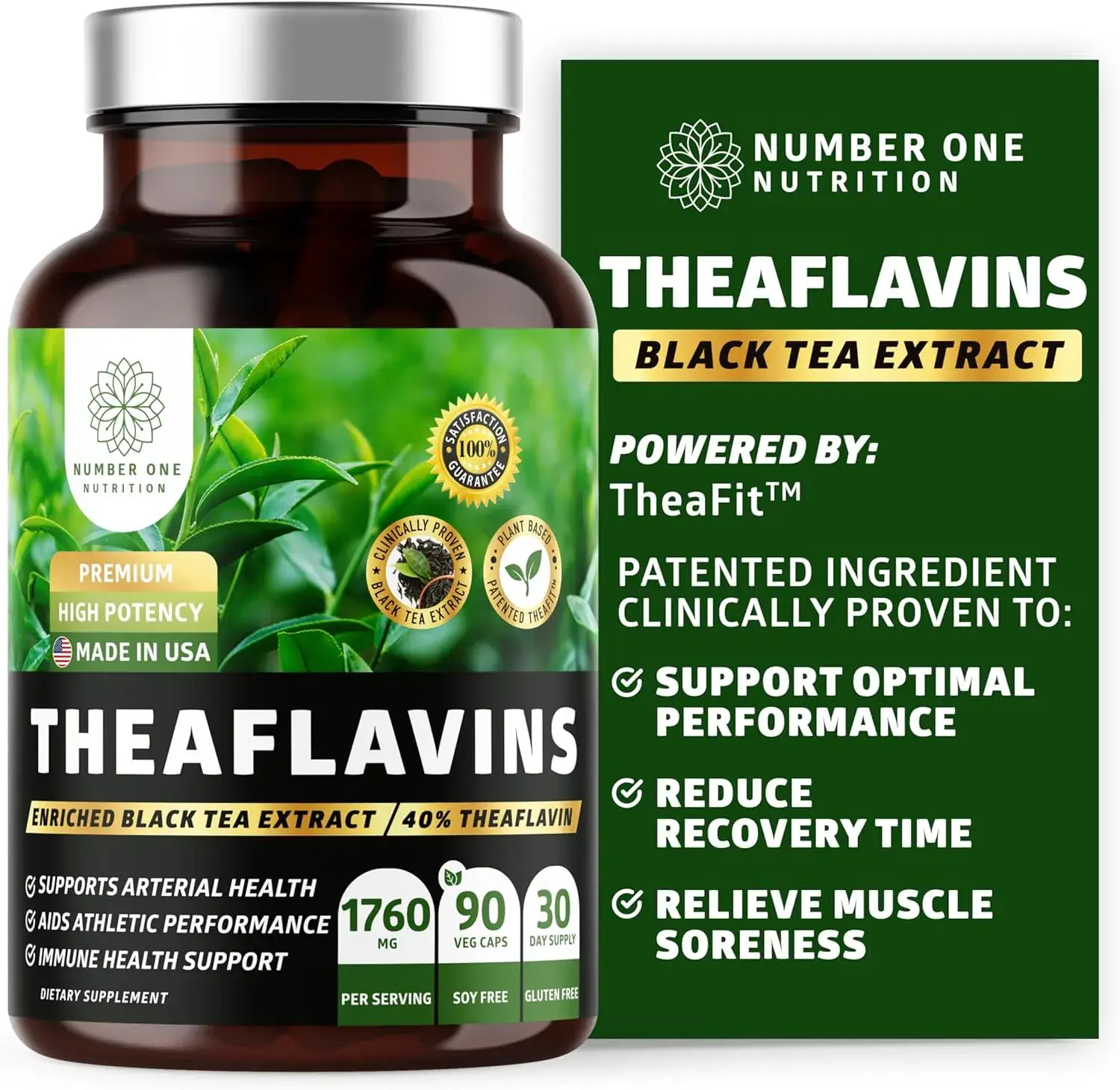
Black Tea Extract that is rich in natural theaflavins and polyphenols that help protect your body from free radicals, promoting overall immune health and well-being
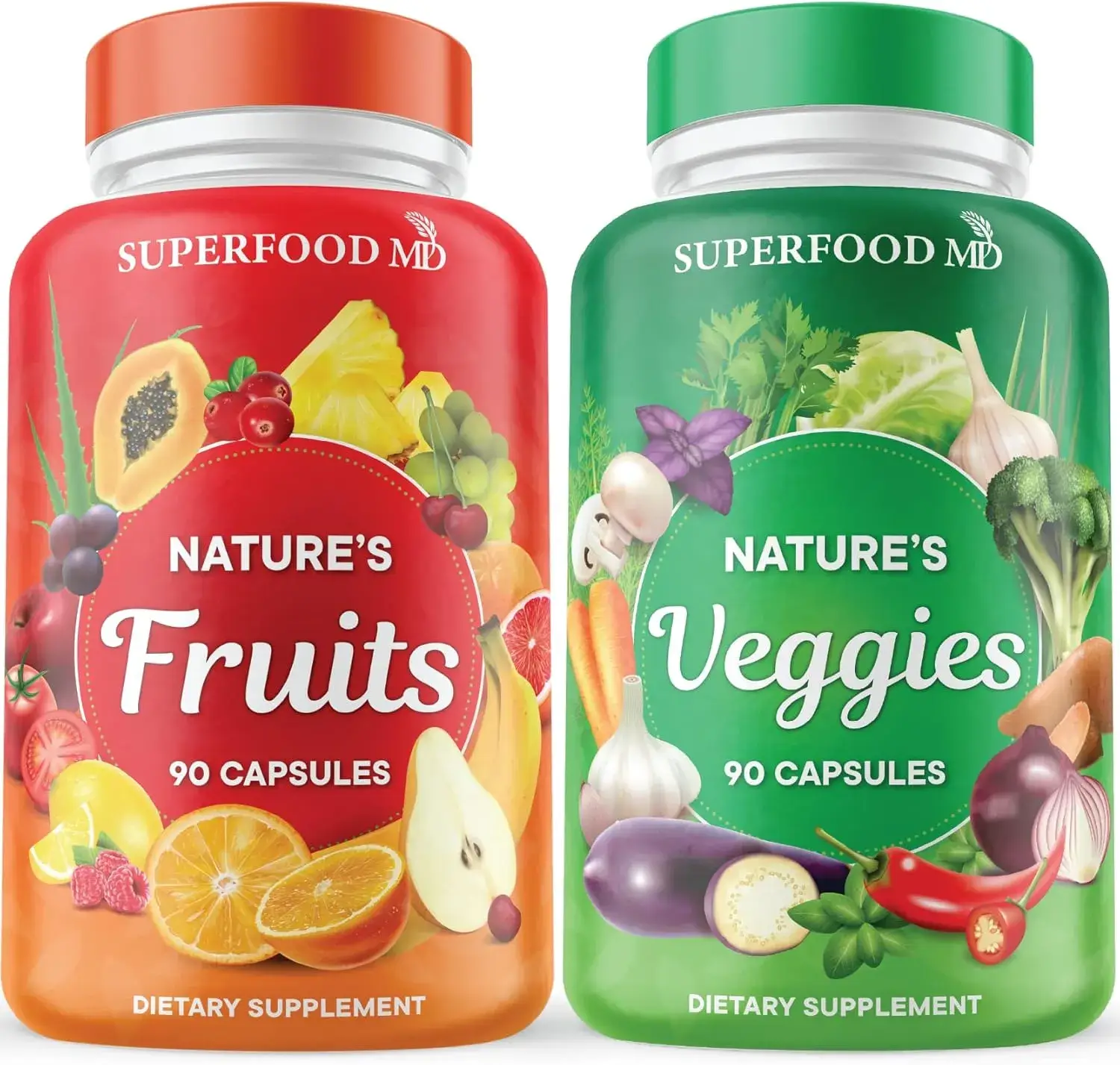
Contains blended amounts of Fruits and Veggies. All natural, with whole foods, fruit and vegetable supplement.Perfect for everyone looking to live a healthier lifestyle.