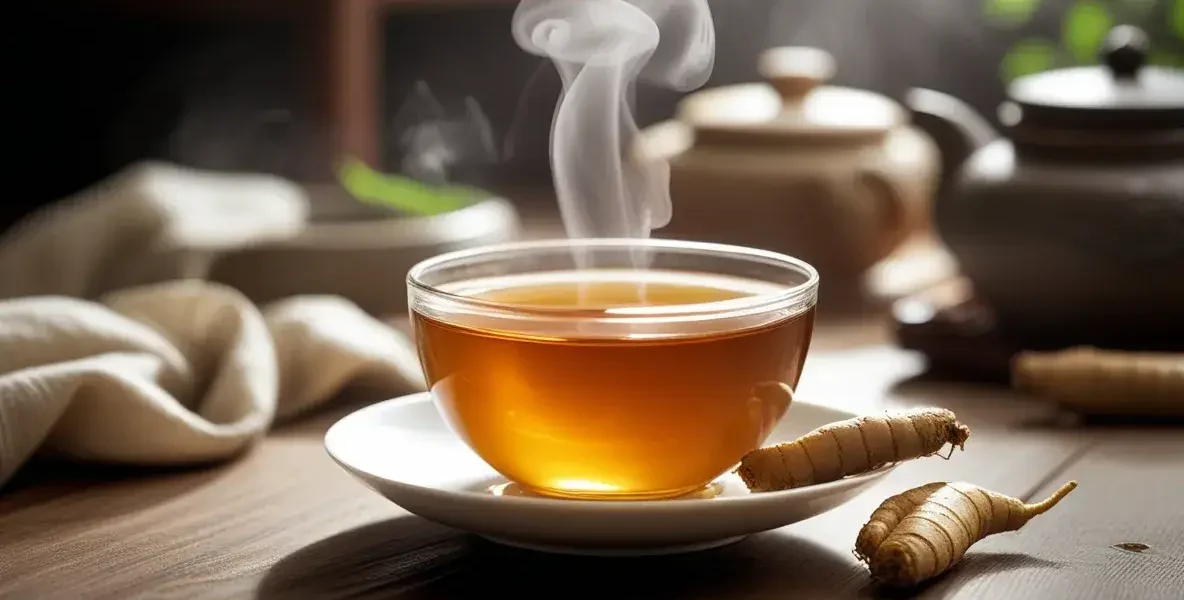
Hypertension is often called a “silent killer” because it damages your body without obvious symptoms. Is ginseng tea good for high blood pressure? This question has gained significant attention as more people seek natural remedies for this dangerous condition.
According to research, 4.5% of American adults use ginseng, with North American ginseng being particularly popular. While some studies show promising results for certain types, the evidence remains mixed. For instance, red ginseng demonstrated reductions of 6.5 and 5.0 mm Hg in systolic and diastolic blood pressure after 12 weeks of consumption. However, a study on North American ginseng found no significant difference in blood pressure compared to placebo.
In this comprehensive guide, we’ll examine what science really says about ginseng and blood pressure. We’ll explore different ginseng varieties, potential benefits and risks, and whether this ancient herb deserves a place in your heart health routine. With cardiovascular disease affecting millions of Americans and posing a lifetime risk of roughly 50% for men and 32% for women over 40, finding effective management strategies is more important than ever.
Understanding High Blood Pressure and Its Risks
Before exploring if ginseng tea is good for high blood pressure, we need to understand hypertension itself. Blood pressure is determined by the amount of blood your heart pumps and how difficult it is for blood to flow through your arteries. The higher these factors, the greater your blood pressure.
What causes high blood pressure?
For most adults with high blood pressure (primary hypertension), there’s no single identifiable cause. Instead, multiple factors contribute to its development over time:
Lifestyle factors:
Physical inactivity
High-sodium, low-potassium diets
Excessive alcohol consumption
Tobacco use
Chronic stress
Medical conditions:
Diabetes (affects 6 out of 10 people with diabetes)
Obesity or overweight
Chronic kidney disease
Sleep apnea
Genetic and demographic factors:
Family history
Age (blood pressure tends to rise as we age)
Race/ethnicity (higher prevalence in Black people)
In some cases, an underlying condition causes secondary hypertension, which typically appears suddenly and causes higher readings than primary hypertension.
Common symptoms and complications
High blood pressure is often called the “silent killer” since most people experience no symptoms, even with dangerously high readings. This explains why an estimated 46% of adults with hypertension don’t know they have it.
In rare cases of severe hypertension, symptoms might include:
Severe headaches
Chest pain
Dizziness
Vision changes
Heart palpitations
Left untreated, high blood pressure damages blood vessels and organs throughout your body. Complications include:
Eye problems: Vision loss from damaged blood vessels
Sexual dysfunction: Including erectile dysfunction
Why managing it early matters
Early intervention is crucial since high blood pressure damages your body progressively. Here’s why timely management matters:
First, hypertension affects nearly half (46.7%) of American adults and is the leading cause of death in the U.S. and globally. Despite this prevalence, blood pressure is adequately controlled in only about 50-60% of treated individuals.
Furthermore, proper blood pressure control significantly reduces risk of serious events: strokes by 35-40%, heart attacks by 20-25%, and heart failure by more than 50%. For high-risk groups like those with diabetes, maintaining lower blood pressure levels provides even greater protection.
Additionally, research confirms that blood pressure affects brain health. Early treatment with a goal systolic pressure below 130 mm Hg helps prevent cognitive impairment and dementia.
Early management also reduces economic burden. The estimated direct healthcare cost for hypertension treatment in the U.S. was $49.3 billion in 2007, rising to $66.4 billion when including productivity losses.
Before considering if ginseng tea is good for high blood pressure, remember that conventional treatment typically involves lifestyle changes and possibly medication. Your healthcare provider can create a personalized care plan that addresses your specific needs.
What Is Ginseng and How Does It Work?
Ginseng has earned a reputation as a medicinal powerhouse across cultures for thousands of years. This herbal remedy gets its name from the word “panacea,” meaning a cure for all diseases and a source of longevity and physical strength. Let’s explore what makes this ancient root so valued in traditional medicine and modern research.
Types of ginseng: Korean, American, Red
Ginseng belongs to the Panax genus within the Acanthopanax family. The three most prominent varieties include:
Korean/Asian Ginseng (Panax ginseng): Native to Korea, northeastern China, and far-eastern Siberia. It’s considered more stimulating and “yang” in traditional Chinese medicine, often described as the “king of herbs” because it tonifies all vital organs.
American Ginseng (Panax quinquefolius): Grows in North America and is generally milder than its Asian counterpart. Traditional medicine views it as more “yin” or calming. It’s particularly noted for clearing heat, replenishing fluids, and regulating blood sugar levels.
Red Ginseng: Not a separate species but rather Korean ginseng that undergoes specific processing. It’s produced by steaming and drying raw Korean ginseng, which enhances its safety, preservation, and potency through gelatinization of ginseng starch, resulting in higher ginsenoside content.
Beyond these main types, ginseng products vary based on processing methods and age. Fresh ginseng (under 4 years old), white ginseng (4-6 years old, peeled and dried), and sun ginseng (produced under high temperatures and pressure) each offer different properties.
What does ginseng do for the body?
Ginseng contains multiple chemically active ingredients that provide numerous potential benefits. Generally, both major varieties offer similar benefits, though with different intensities:
Korean ginseng primarily:
Strengthens immunity
Revitalizes energy and reduces fatigue
Improves heart health and blood circulation
Enhances cognitive function
Supports stress reduction
American ginseng typically:
Stimulates the immune system more gently
Regulates blood sugar
Calms the mind and relieves palpitations
Alleviates insomnia
Soothes intestinal irritation
These benefits stem from ginseng’s ability to act as an adaptogen—helping the body resist physiological and psychological stress. Furthermore, it may improve cognitive function, including abstract thinking, attention, arithmetic skills, and reaction time, particularly in middle-aged adults.
Ginsenosides and their role in health
The secret behind ginseng’s therapeutic properties lies primarily in compounds called ginsenosides (also known as ginseng saponins). These are the major bioactive components with a dammarane triterpenoid structure. Nearly 50 ginsenosides have been isolated from Panax ginseng root alone, with researchers continuously identifying new structures.
Ginsenosides fall into two major groups based on their chemical structure:
Protopanaxadiol (PPD)
Protopanaxatriol (PPT)
This structural diversity contributes to ginseng’s multiple pharmacological effects on cancer, diabetes, inflammation, stress, immunity, cardiovascular health, and the central nervous system. Interestingly, the coexistence of these different ginsenoside types explains ginseng’s dual effects—some compounds like Rb1 show depressant activity on the central nervous system, whereas others like Rg1 demonstrate stimulant activity.
Ginsenosides undergo structural transformation under various conditions, including high temperature (during preparation), acidic conditions in the stomach, or metabolism by intestinal bacteria. These transformations create different compounds with varying effects—explaining why different ginseng preparations might have distinct impacts on health.
Beyond ginsenosides, ginseng contains several valuable non-saponin components including essential oils, antioxidants, polyacetylenic alcohols, peptides, amino acids, polysaccharides, and vitamins—all contributing to its comprehensive health benefits.
Ginseng and Blood Pressure: What the Research Shows
Research on ginseng and blood pressure reveals a complex relationship with varying results across studies. The scientific findings offer important insights for anyone considering this herb for cardiovascular health.
Can ginseng raise blood pressure?
Early observational studies suggested ginseng could elevate blood pressure, causing concern considering 4.5% of American adults use ginseng. Nonetheless, more recent evidence paints a nuanced picture.
Notably, Panax ginseng at low doses can elevate blood pressure. This effect appears most beneficial for those with low blood pressure, actually helping restore it to normal levels. Korean red ginseng (KRG) has demonstrated effectiveness in maintaining blood pressure stability during hemodialysis rather than exacerbating hypotension.
For individuals with normal or high blood pressure, caution remains warranted. Some research indicates that side effects of ginseng could potentially worsen hypertension symptoms and even push blood pressure higher.
Does ginseng lower blood pressure?
Conversely, high-dose Panax ginseng has shown hypotensive (blood pressure lowering) effects in healthy subjects. Korean red ginseng specifically demonstrates antihypertensive effects at lower rather than higher doses of ginsenosides.
The mechanism appears tied to promoting vascular endothelial cell-derived nitric oxide secretion, which helps blood vessels relax and dilate. In fact, the blood pressure lowering activity relates to improved circulation through vasodilation.
A meta-analysis of 11 randomized controlled trials found that daily ginseng capsules (either Korean red or American ginseng) taken for 8-12 weeks resulted in average reductions of approximately 3 points in systolic and 2 points in diastolic blood pressure.
Clinical trials on red and American ginseng
Clinical evidence shows varying effects between ginseng types. A randomized, double-blind, placebo-controlled study with prehypertensive subjects consuming 5g of red ginseng daily for 12 weeks showed significant reductions of 6.5 mm Hg in systolic and 5.0 mm Hg in diastolic blood pressure.
Regarding American ginseng, a randomized, double-blinded controlled trial investigating its effect on 16 hypertensive individuals found a neutral acute effect on blood pressure. When six different batches of North American ginseng were tested against placebo, no difference in overall change in systolic or diastolic blood pressure was observed.
Is ginseng tea good for high blood pressure?
Research specifically on ginseng tea for hypertension is limited, as most studies examine ginseng in capsule or extract form. Supplements typically offer more concentrated and standardized forms of ginseng with higher potency compared to ginseng in food and drinks.
Given contradictory findings, many experts advise caution. As one specialist notes, “Given the mixed results of ginseng’s use in clinical studies, it should not be used for blood pressure management”. Mayo Clinic similarly suggests ginseng is best avoided by patients with blood pressure concerns.
Ultimately, the research lacks consensus on ideal dosing, making it difficult to recommend ginseng tea specifically for blood pressure management without professional guidance.
Is Ginseng Safe for People with High Blood Pressure?
Safety considerations are paramount for anyone with hypertension considering herbal supplements. Let’s examine what research tells us about ginseng’s safety profile for those with elevated blood pressure.
Potential side effects and interactions
Ginseng has a reasonably good safety record, yet side effects can occur. The most common reactions include nervousness and excitability, which typically decrease after the first few days. More serious concerns might involve headaches, allergic reactions, digestive problems, sleep disturbances, and menstrual irregularities.
Occasionally, troubling cardiovascular effects may emerge—including increased blood pressure, heart palpitations, and risk of abnormal heart rhythms. Nevertheless, a systematic review of 146 clinical trials representing over 8,500 individual exposures found ginseng to have the same adverse event profile as placebo.
Ginseng interacts with numerous medications. Those taking blood thinners (warfarin), diabetes medications, corticosteroids, digoxin, estrogen, MAOIs, or heart rhythm medications should exercise caution. Moreover, ginseng might enhance the side effects of imatinib by inhibiting CYP3A4, the main enzyme involved in its metabolism.
Is ginseng a blood thinner?
Contrary to expectations, ginseng can interfere with blood-thinning medications yet may promote bleeding independently. Research published in the Annals of Internal Medicine found that ginseng reduces warfarin’s effectiveness. Scientists were surprised by this finding because ginseng alone can delay clot formation.
The mechanism likely involves enhanced function of enzymes that break down warfarin, clearing it from the bloodstream more rapidly. Consequently, patients taking both substances might experience reduced anticoagulation effects, potentially increasing clot risk.
Can ginseng cause heart palpitations?
Indeed, cardiac effects remain among ginseng’s documented concerns. Research indicates that ginseng can affect heart rhythm and blood pressure slightly on the first day of use. One study found that Panax ginseng extract prolongs the QTc interval and reduces diastolic blood pressure two hours after consumption, although researchers noted these changes weren’t clinically significant.
Individuals with pre-existing heart conditions should be especially cautious. Furthermore, if ginseng is combined with certain medications affecting heart rhythm, such as amiodarone or thioridazine, irregular heart rhythms may occur.
Does ginseng root have caffeine?
Fortunately, ginseng does not contain caffeine, despite widespread misconceptions. This remains one of the most pervasive myths surrounding ginseng. Although ginseng promotes alertness and stamina, it isn’t a stimulant like coffee or energy drinks.
Unlike caffeine, ginseng doesn’t typically cause jitteriness or rapid energy crashes. Yet, it’s still recommended to take ginseng in the morning or early afternoon to avoid potential sleep interference. Korean Red Ginseng tea is caffeine-free because it’s extracted from ginseng roots which naturally contain no caffeine.
Proper usage of ginseng tea requires understanding both optimal timing and dosage. Following medical guidance ensures you maximize benefits while avoiding potential risks.
Best time to drink ginseng tea
The morning or early afternoon represents the ideal time for consuming ginseng tea. Taking it before breakfast often optimizes energy-boosting and cognitive benefits throughout the day. Due to its revitalizing properties, avoid drinking ginseng tea near bedtime as it may interfere with sleep. For those seeking improved physical stamina, consuming ginseng 30-60 minutes before workouts can provide sustained energy without caffeine jitters.
Recommended dosage and frequency
Standard recommendations suggest 1-2 grams of ginseng root 3-4 times daily. Korean Red Ginseng at 2g daily has been safely administered for up to 24 weeks. Accordingly, most experts advise not using Asian ginseng for more than 3 months at a time, Siberian ginseng for more than 2 months, or American ginseng beyond 1 month (certain extracts up to 4 months). First-time users should begin with 1-2 grams daily to assess tolerance.
Who should avoid ginseng tea?
Ginseng tea isn’t suitable for everyone. People with diabetes must exercise caution as ginseng may lower blood sugar excessively. Likewise, individuals with high blood pressure, heart problems, or bleeding disorders should consult healthcare providers. Pregnant or breastfeeding women should avoid ginseng entirely. Those with autoimmune disorders, mental health conditions like schizophrenia, or estrogen-sensitive conditions need medical clearance.
Combining ginseng with medications
Ginseng interacts with over 100 different drugs. Major concerns include blood thinners like warfarin, which may become less effective. Diabetes medications might require dosage adjustments as ginseng affects blood sugar. Other problematic combinations include immunosuppressants, MAO inhibitors, stimulants, and blood pressure medications. Thus, always inform your healthcare provider about ginseng consumption alongside prescribed medications.
Conclusion
Ginseng tea presents a complex picture for individuals with high blood pressure. Research findings remain mixed, with some studies showing potential benefits while others indicate possible risks. Korean red ginseng demonstrates the most promising results, potentially reducing systolic and diastolic blood pressure by 6.5 and 5.0 mm Hg respectively after consistent use. American ginseng, however, appears to have neutral effects on blood pressure according to clinical trials.
Understanding these distinctions proves crucial before adding any herbal remedy to your health routine. Ginseng contains numerous bioactive compounds called ginsenosides that affect the body differently based on dosage, type, and individual health factors. Surprisingly, low doses might raise blood pressure while higher doses could lower it—highlighting why standardized guidance remains challenging.
Safety concerns deserve serious attention, especially for those already taking medications. Ginseng can interact with blood thinners, diabetes medications, and heart medications, potentially causing adverse effects. People with certain medical conditions should exercise caution or avoid ginseng altogether. Additionally, side effects like headaches, digestive problems, and sleep disturbances may occur in some individuals.
Though ginseng lacks caffeine, its stimulating properties make morning or early afternoon the best time for consumption. First-time users should start with modest amounts (1-2 grams daily) and monitor their body’s response carefully.
Before trying ginseng tea for blood pressure management, consultation with a healthcare provider remains essential. This ancient herb offers potential benefits but cannot replace proven treatments like medication, regular exercise, and a heart-healthy diet. Your doctor can help determine whether ginseng fits safely within your overall treatment plan. After all, effective blood pressure management requires a personalized approach that considers your unique health profile and medical history.
Research on ginseng tea for high blood pressure reveals mixed results, with important safety considerations that require medical guidance before use.
• Korean red ginseng shows promise, reducing blood pressure by 6.5/5.0 mm Hg after 12 weeks, while American ginseng shows neutral effects in clinical trials.
• Ginseng’s effects are dose-dependent: low doses may raise blood pressure, high doses may lower it, making standardized recommendations challenging.
• Safety concerns include interactions with blood thinners, diabetes medications, and heart drugs—consultation with healthcare providers is essential before use.
• Ginseng tea cannot replace proven treatments like medication, exercise, and heart-healthy diet for effective blood pressure management.
While ginseng has been used medicinally for thousands of years, the scientific evidence for blood pressure benefits remains inconclusive. The herb’s complex bioactive compounds called ginsenosides affect individuals differently based on type, dosage, and personal health factors. Given these variables and potential medication interactions, ginseng tea should only be considered as part of a comprehensive, medically-supervised approach to hypertension management.
FAQs
Q1. Is ginseng tea safe for people with high blood pressure? Ginseng tea is not generally recommended for people with high blood pressure. Research shows mixed results, and it may interact with blood pressure medications. It’s essential to consult with a healthcare provider before consuming ginseng tea if you have hypertension.
Q2. How does ginseng affect blood pressure? Ginseng’s effects on blood pressure can vary. Some studies suggest that Korean red ginseng may lower blood pressure, while others indicate that low doses might raise it. The impact depends on the type of ginseng, dosage, and individual health factors.
Q3. Are there any side effects of drinking ginseng tea? Some people may experience side effects from ginseng tea, including headaches, sleep disturbances, and digestive problems. In rare cases, it may cause heart palpitations or affect heart rhythm. It’s important to start with a low dose and monitor your body’s response.
Q4. When is the best time to drink ginseng tea? The optimal time to drink ginseng tea is in the morning or early afternoon. This timing can help maximize its energy-boosting and cognitive benefits throughout the day while minimizing potential sleep interference.
Q5. Can ginseng tea interact with medications? Yes, ginseng can interact with various medications, including blood thinners, diabetes medications, and heart drugs. It’s crucial to inform your healthcare provider about ginseng consumption if you’re taking any prescribed medications to avoid potential adverse interactions.
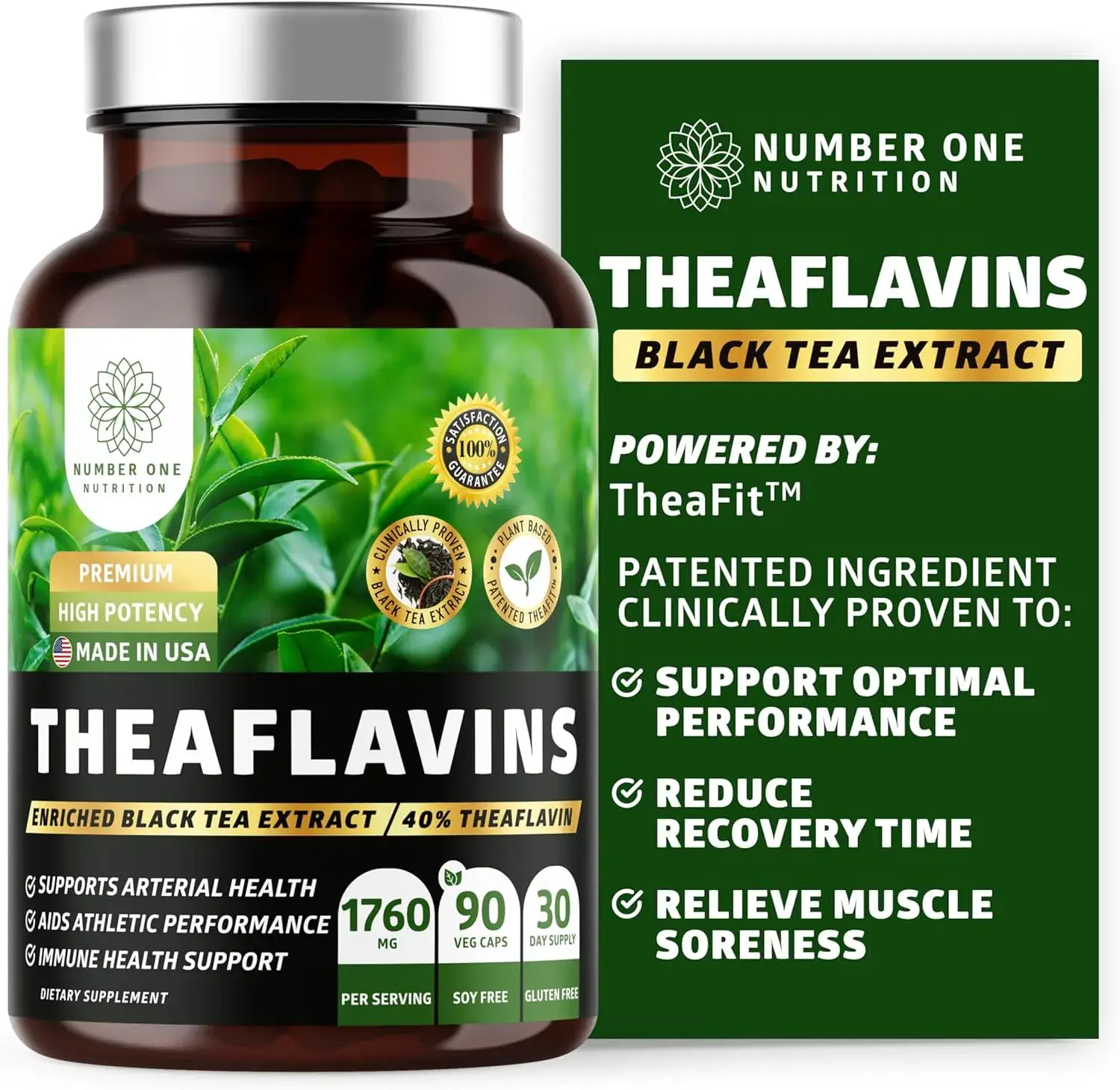
Black Tea Extract that is rich in natural theaflavins and polyphenols that help protect your body from free radicals, promoting overall immune health and well-being
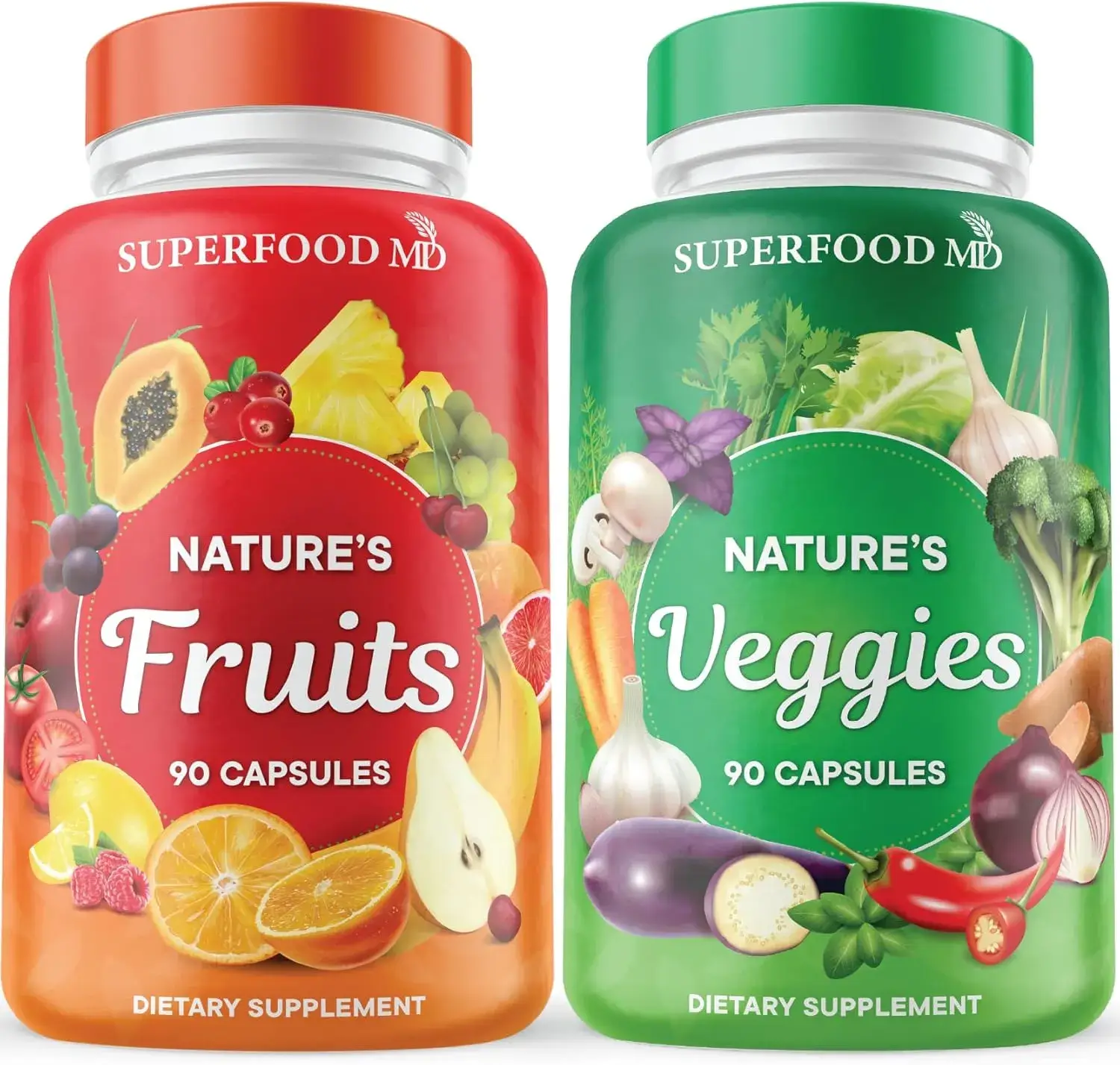
Contains blended amounts of Fruits and Veggies. All natural, with whole foods, fruit and vegetable supplement.Perfect for everyone looking to live a healthier lifestyle.