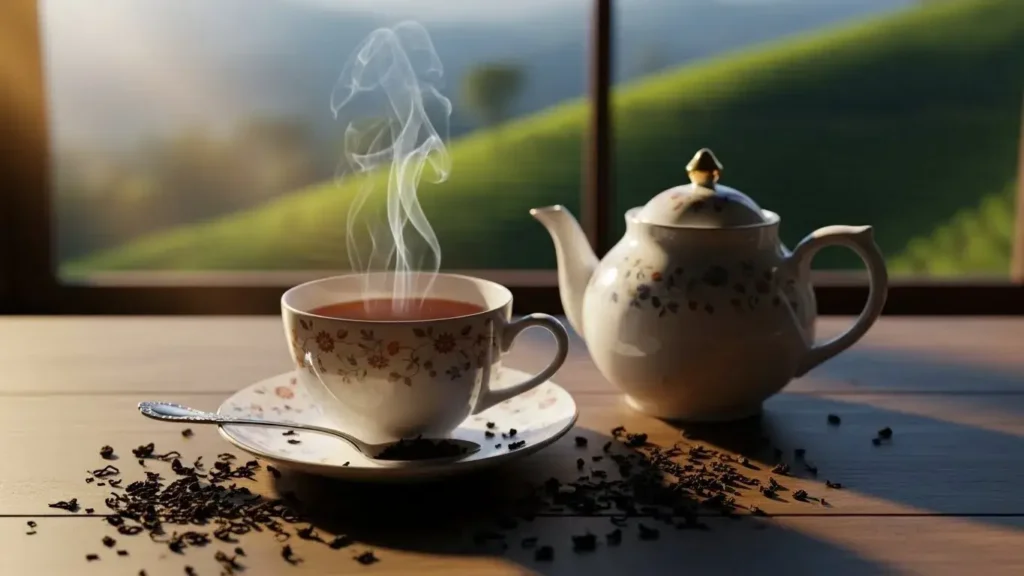
Is Darjeeling tea good for you? As the second most consumed beverage in the world, tea has earned its place in our daily routines. Darjeeling tea, often called the “Champagne” of teas, stands out for its exceptional flavor, aroma, and quality. I’ve found the health benefits of this prestigious tea particularly fascinating, especially considering that regular tea consumption can lower the risk of most causes of death by 15 percent and reduce the risk of heart disease and stroke by 20 percent.
What makes Darjeeling tea truly special is that it cannot be grown or manufactured anywhere else in the world. This geographical exclusivity contributes to its unique properties. Furthermore, Darjeeling tea is packed with powerful antioxidants like theaflavins and thearubigins that provide significant health benefits. Notably, Darjeeling Organic Green Tea contains the highest value of catechins (64 to 100 mg/g) among 77 tested teas, while Darjeeling Summer ranks in the top 10 for theaflavins content. In this article, I’ll explore what science really says about Darjeeling tea’s health benefits, from blood sugar regulation to heart health protection, and whether this renowned beverage deserves a permanent spot in your wellness routine.
What is Darjeeling Tea and Why is it Unique?
Nestled in the foothills of the Himalayas in West Bengal, India, Darjeeling produces some of the world’s most sought-after teas. This small region, spanning just 17,542 hectares across 87 tea gardens, creates less than 1% of India’s total tea production. Yet, this limited quantity has earned global recognition for its exceptional quality.
Origin and geographical significance
Darjeeling’s tea story began in 1841 when Dr. Campbell, a civil surgeon and the first superintendent of Darjeeling, planted tea seeds in his garden. The region’s unique geography—situated at elevations between 600 and 2,000 meters—creates ideal growing conditions. The combination of steep mountainous slopes, morning mist, cool air, and subtropical climate contributes to slow plant growth that develops complex flavors. Moreover, the slightly acidic loamy soils with high organic materials provide perfect growing conditions for the tea plants.
In 2011, Darjeeling tea received the Protected Geographical Indication (PGI) tag from the European Commission, making it the first Indian commodity to receive this recognition. This protection ensures that only tea grown in specific areas of Darjeeling and Kalimpong districts can be labeled as authentic Darjeeling tea.
How it differs from other black teas
Unlike other Indian teas, Darjeeling tea comes primarily from the Chinese variety of tea plants (Camellia sinensis var. sinensis) rather than the larger leaf var. assamica grown elsewhere in India. Though classified as black tea, Darjeeling teas are almost always less oxidized than typical black teas, giving them a lighter character. This unique combination of Chinese tea genetics with Indian terroir creates the distinctive Darjeeling character.
Flavor profile and aroma
Darjeeling tea offers a delicate, complex flavor profile often compared to fine wine. It’s lighter and less astringent than most black teas but more layered and complex than most greens. The signature “muscatel” flavor—described as a musky spiciness with fruity notes—is particularly pronounced in the second flush harvest.
Each flush (harvest period) produces distinctively different flavors. First flush teas from early spring offer delicate, fresh, floral notes with hints of alpine-minty mountain air. Second flush teas, harvested in summer, develop stronger wine-like qualities with fuller body. Autumn flush provides a balance of fruity and floral flavors.
Essentially, what makes Darjeeling special is its pleasant astringency balanced with sweetness and fragrance—complex enough to maintain interest but enjoyable for everyday consumption.
8 Science-Backed Health Benefits of Darjeeling Tea
Beyond its exquisite taste, Darjeeling tea offers impressive health benefits backed by scientific research. From antioxidant power to stress reduction, this exceptional brew provides numerous advantages for your wellbeing.
1. Rich in antioxidants like theaflavins and catechins
Darjeeling tea contains powerful antioxidants including theaflavins and thearubigins that combat free radicals, neutralize harmful chemicals during digestion, and eliminate toxins. These compounds protect against oxidative stress and cellular damage that can lead to chronic diseases. Interestingly, Darjeeling tea contains higher amounts of EGCG (a potent catechin) compared to regular black teas.
2. Supports heart health by lowering cholesterol
Regular consumption of Darjeeling tea helps improve cardiovascular health by increasing blood flow and reducing LDL cholesterol oxidation. It’s also rich in quercetin, a compound that reduces the risk of atherosclerosis—the buildup of plaque in arteries that can lead to heart attacks or strokes. Studies show black tea consumption reduces the risk of heart disease.
3. May help prevent certain cancers
Research indicates Darjeeling tea contains polyphenolic compounds that inhibit cancer growth and stop tumor development. Its anti-mutagenic properties can reduce cellular mutations by up to 58.6% against known mutagens. One study demonstrated Darjeeling tea extract significantly inhibited the growth of cancer cell lines in both dose and time-dependent ways.
4. Aids in blood sugar regulation
Black tea extracts have been shown to lower blood sugar levels, allowing people with diabetes to metabolize insulin more efficiently. Studies indicate that drinking at least three cups of tea daily reduced the risk of type 2 diabetes by approximately 42%. The EGCG in tea helps regulate glucose metabolism by suppressing genes involved in gluconeogenesis.
5. Promotes gut health and digestion
The polyphenols in Darjeeling tea stimulate good bacteria growth in your digestive system. These compounds have prebiotic effects, promoting a balanced gut microbiome essential for effective digestion, nutrient absorption, and overall well-being.
6. Helps with weight management
Studies show that drinking Darjeeling tea can reduce belly fat and accelerate weight loss. Semi-oxidized Darjeeling tea is particularly effective, likely due to its high concentration of catechins that increase fat burning and boost metabolism. It serves as a calorie-free alternative to sugary beverages.
7. May reduce stress and improve mood
Darjeeling tea helps regulate cortisol (a stress hormone) production in the body. Research found that inhaling Darjeeling tea aroma decreased tension and anxiety scores compared to water. The L-theanine present in the tea produces a calming effect that enhances parasympathetic (rest-and-digest) nervous system activity.
8. Could protect brain health
Several studies suggest bioactive compounds in Darjeeling tea, particularly L-theanine, might play an active role in preventing neurodegenerative diseases such as Parkinson’s. The polyphenols and catechins have neuroprotective properties, potentially shielding brain cells from damage. Additionally, these compounds may help reduce overactivity in brain regions associated with stress and worry.
Understanding Caffeine in Darjeeling Tea
For those mindful of their caffeine intake, understanding what’s in your cup matters. Darjeeling tea contains caffeine like all true teas from the Camellia sinensis plant, yet reports on exact amounts vary considerably.
Caffeine content compared to other teas
Most research indicates Darjeeling tea contains approximately 40-70mg of caffeine per 8-ounce cup. This places it in the mid-range compared to other teas globally. In comparison:
Herbal tea: 0mg
Green tea: 25mg
Oolong tea: 34mg
Black tea (average): 42mg
Matcha tea: 70mg
Coffee: 95-200mg
First, it’s worth noting that Darjeeling Black Tea contains more caffeine than Darjeeling Green Tea (40-70mg vs 20-45mg). Several factors influence caffeine content, including brewing time, water temperature, leaf tenderness, and which flush (harvest) the leaves come from.
Does Darjeeling tea give you energy?
Absolutely! The caffeine in Darjeeling provides mental alertness and improved focus. Yet what makes Darjeeling unique is how that caffeine is delivered. The presence of L-theanine, an amino acid found in tea leaves, helps moderate the caffeine response, promoting sustained concentration without uncomfortable energy spikes.
Unlike coffee, which releases caffeine quickly and intensely, Darjeeling delivers a more gradual energy boost without the sudden crash afterward.
Is Darjeeling tea safe for daily use?
For most individuals, consuming one to three cups daily is perfectly safe. This amount sits well below the FDA’s recommended maximum of 400mg caffeine per day. However, pregnant women or those with migraines, heart conditions, or mental health issues should limit intake to 200mg.
Despite its numerous health benefits, Darjeeling tea isn’t without potential drawbacks for certain individuals. Being mindful of these considerations helps ensure you enjoy this premium tea safely.
Caffeine sensitivity and sleep issues
The caffeine in Darjeeling tea affects people differently based on age, weight, and individual tolerance. For sensitive individuals, even small amounts can cause jitters, increased heart rate, or nausea. Consuming caffeine too close to bedtime disrupts sleep quality by blocking adenosine, a sleep-inducing chemical. Consequently, it’s best to avoid Darjeeling tea at least 8 hours before sleeping.
Tannins and iron absorption
Tannins in tea can significantly impact non-heme (plant-based) iron absorption. Research shows tea consumption may reduce iron absorption by up to 60%. This effect primarily concerns vegetarians, vegans, pregnant women, and growing children. If you’re iron-deficient, wait at least 1 hour before and 2 hours after meals to drink your tea.
Tooth staining and oral health
The tannins that give Darjeeling its distinctive flavor can unfortunately leave their mark on your teeth. Regular consumption may cause yellow or brown discoloration over time. To minimize staining, I recommend rinsing with water after drinking, using a straw, or adding a splash of milk. Green tea tends to leave grayish stains, whereas black tea variants like Darjeeling typically cause yellowish discoloration.
So, Is Darjeeling Tea Good For You?
Darjeeling tea truly stands out as an exceptional beverage with numerous health advantages backed by science. Throughout this article, we’ve seen how this “Champagne of teas” offers more than just its distinctive muscatel flavor and aroma. The remarkable antioxidant profile featuring theaflavins and catechins certainly explains why regular consumption might reduce mortality risk by 15 percent and heart disease risk by 20 percent.
After examining the evidence, I believe Darjeeling tea deserves consideration as part of a health-conscious lifestyle. The benefits span from heart health support and cancer prevention to blood sugar regulation and improved digestion. Additionally, its unique caffeine delivery system provides steady energy without the crash associated with coffee.
Nevertheless, moderation remains key. Despite its impressive benefits, some people should exercise caution due to caffeine sensitivity, potential iron absorption issues, or concerns about tooth staining. Generally speaking, one to three cups daily works well for most individuals.
What makes Darjeeling particularly special is its irreplaceable character – this tea cannot be replicated elsewhere in the world. The specific combination of elevation, climate, soil, and tea varietals creates something truly unique. Therefore, when you enjoy a cup of authentic Darjeeling tea, you’re experiencing both a geographical treasure and a wellness booster.
Ultimately, this prestigious tea offers a rare combination of exquisite taste and substantial health benefits. While no single food or beverage serves as a magic solution, Darjeeling tea undoubtedly represents one of the more beneficial additions you can make to your daily routine.
Science reveals that Darjeeling tea offers impressive health benefits beyond its prestigious reputation as the “Champagne of teas.”
• Powerful antioxidant protection: Contains high levels of theaflavins and catechins that combat free radicals and may reduce cancer risk by up to 58.6%
• Heart health champion: Regular consumption lowers cholesterol, reduces heart disease risk by 20%, and improves blood flow through quercetin compounds
• Blood sugar regulation: Drinking 3+ cups daily may reduce type 2 diabetes risk by 42% through improved insulin metabolism
• Moderate caffeine content: Provides 40-70mg caffeine per cup with L-theanine for sustained energy without coffee crashes
• Safe daily consumption: 1-3 cups daily is optimal for most people, but those with iron deficiency should drink between meals
Darjeeling’s unique geographical exclusivity and complex flavor profile make it both a wellness booster and an irreplaceable tea experience that supports multiple aspects of health when consumed mindfully.
FAQs
Q1. What makes Darjeeling tea unique compared to other teas? Darjeeling tea is unique due to its geographical exclusivity, being grown only in the Darjeeling region of India. It’s known for its complex flavor profile, often described as having a “muscatel” taste, and is produced from Chinese tea plant varieties grown in Indian terroir.
Q2. How does Darjeeling tea benefit heart health? Darjeeling tea supports heart health by improving blood flow, reducing LDL cholesterol oxidation, and lowering the risk of atherosclerosis. Regular consumption has been associated with a 20% reduction in heart disease risk.
Q3. Can Darjeeling tea help with weight management? Yes, Darjeeling tea can aid in weight management. It contains catechins that may increase fat burning and boost metabolism. As a calorie-free beverage, it’s an excellent alternative to sugary drinks for those looking to manage their weight.
Q4. How much caffeine is in Darjeeling tea? Darjeeling tea typically contains 40-70mg of caffeine per 8-ounce cup. This places it in the mid-range of caffeine content compared to other teas, providing a moderate energy boost without the intense spike and crash associated with coffee.
Q5. Are there any potential side effects of drinking Darjeeling tea? While generally safe, some potential side effects of Darjeeling tea include caffeine sensitivity in some individuals, reduced iron absorption due to tannins, and possible tooth staining with regular consumption. It’s best to consume in moderation and be aware of individual sensitivities.
Black Tea Extract that is rich in natural theaflavins and polyphenols that help protect your body from free radicals, promoting overall immune health and well-being
Contains blended amounts of Fruits and Veggies. All natural, with whole foods, fruit and vegetable supplement.Perfect for everyone looking to live a healthier lifestyle.