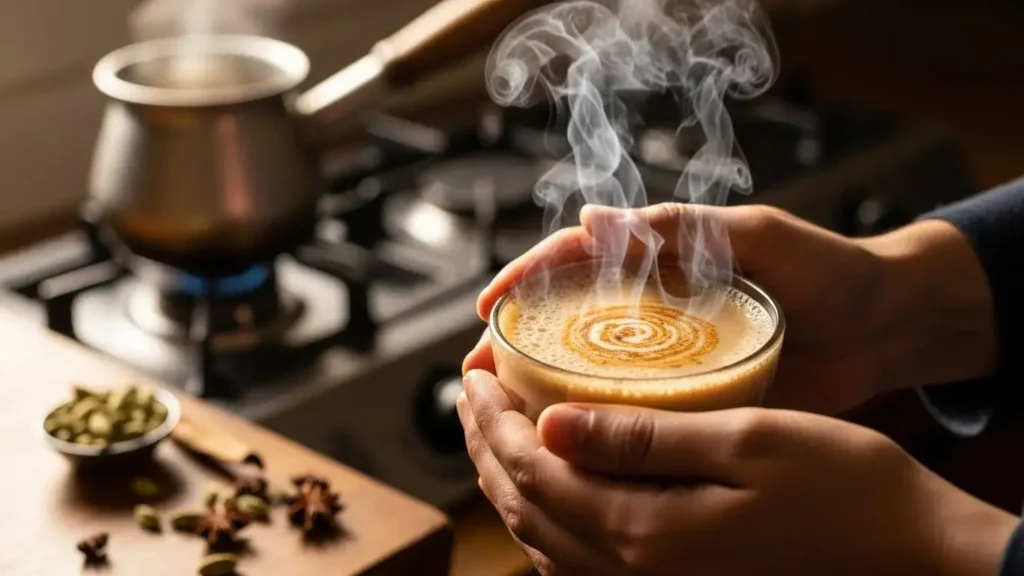
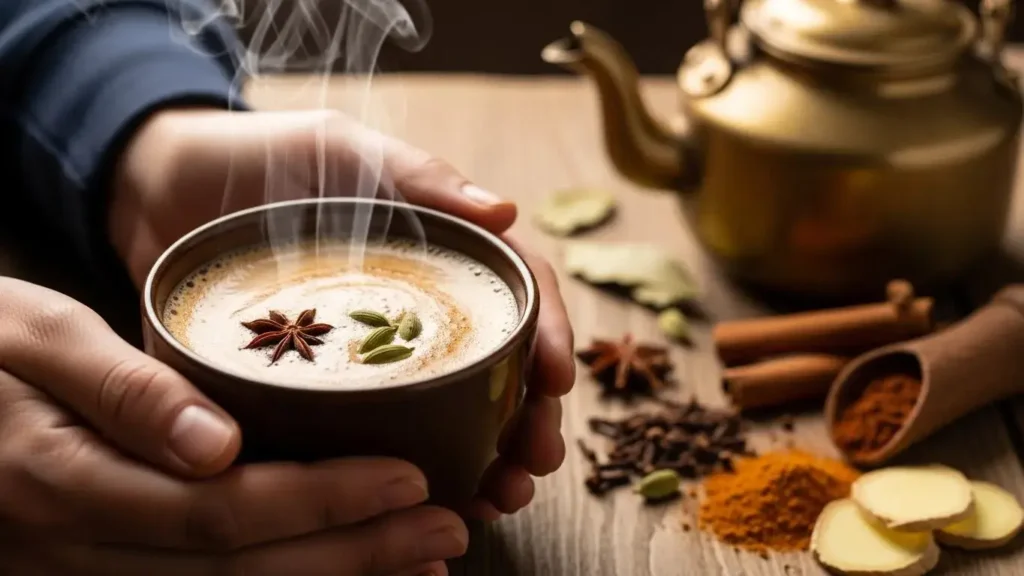
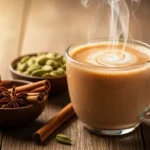
Masala chai translates to “spiced tea,” and I’m thrilled to share my favorite chai tea recipe with ground spices.
Actually, chai masala is an essential Indian spice blend that gives Masala Chai its distinctive character. In my family, we’ve always loved anything chai spice, and over the years, I’ve perfected a blend that balances the bold, aromatic flavors that make this beverage so beloved. Furthermore, what makes Masala Chai truly special is how it’s prepared—by simmering the tea with spices and cooking down the milk to create that rich, comforting flavor.
However, you should know that masala chai doesn’t have a single, fixed recipe. Each family has their own special blend of spices and brewing techniques. That’s why I’m excited to share our authentic chai recipe that uses ground spices instead of whole ones—making it more accessible for everyday brewing.
In this guide, I’ll walk you through everything from understanding what goes into a proper chai spice blend to brewing techniques that bring out the best flavors. Whether you’re new to chai or looking to perfect your technique, this family recipe will help you create that perfect cup of spiced tea right at home.
Understanding Chai and Its Roots
Throughout South Asia, the aromatic beverage we know as chai has been cherished for centuries. I’ve discovered that understanding this beloved drink requires exploring its fascinating cultural roots and traditional preparation methods.
What is masala chai?
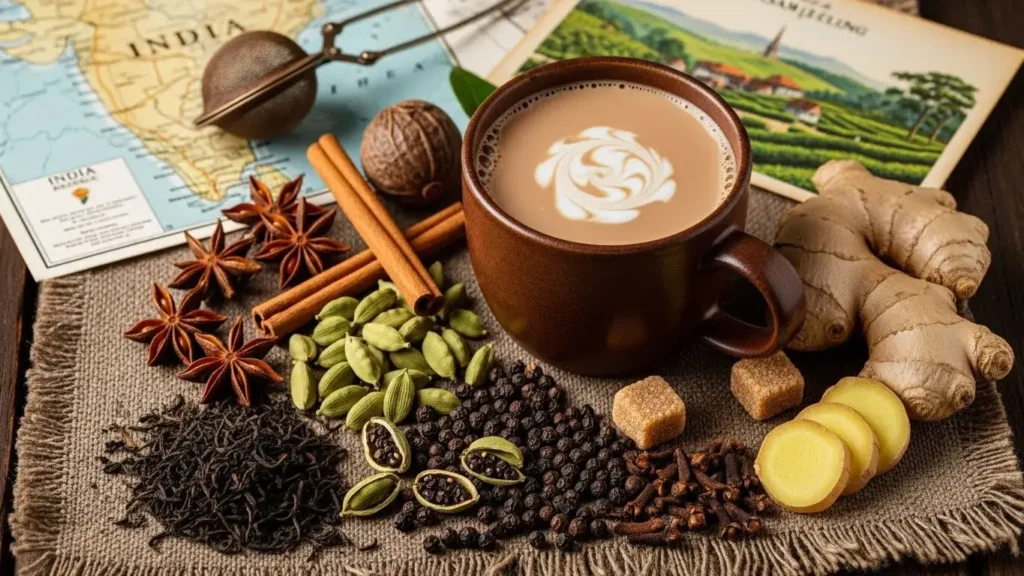
Masala chai is a popular milk-based tea originating from India, where “masala” means spice blend and “chai” simply means tea. Originally, chai referred to the medicinal spiced beverage without tea leaves, dating back over 5,000 years. During British colonization, black tea was introduced to India, and the locals combined it with their traditional spice blends to create what we now recognize as masala chai.
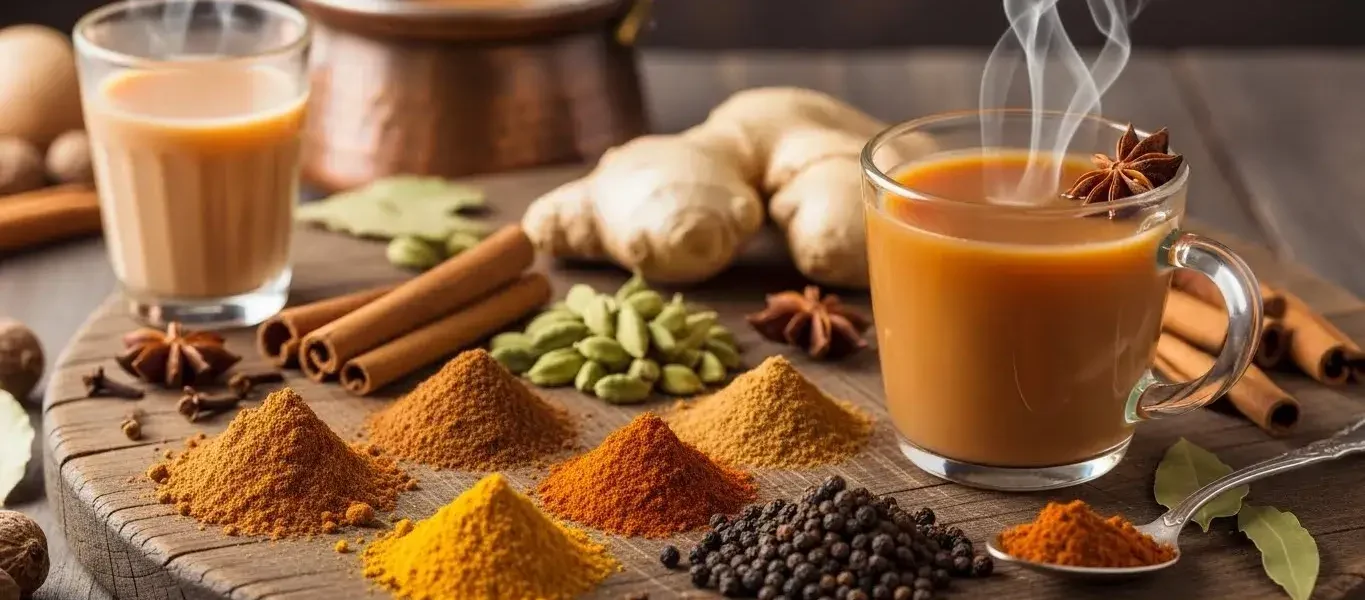
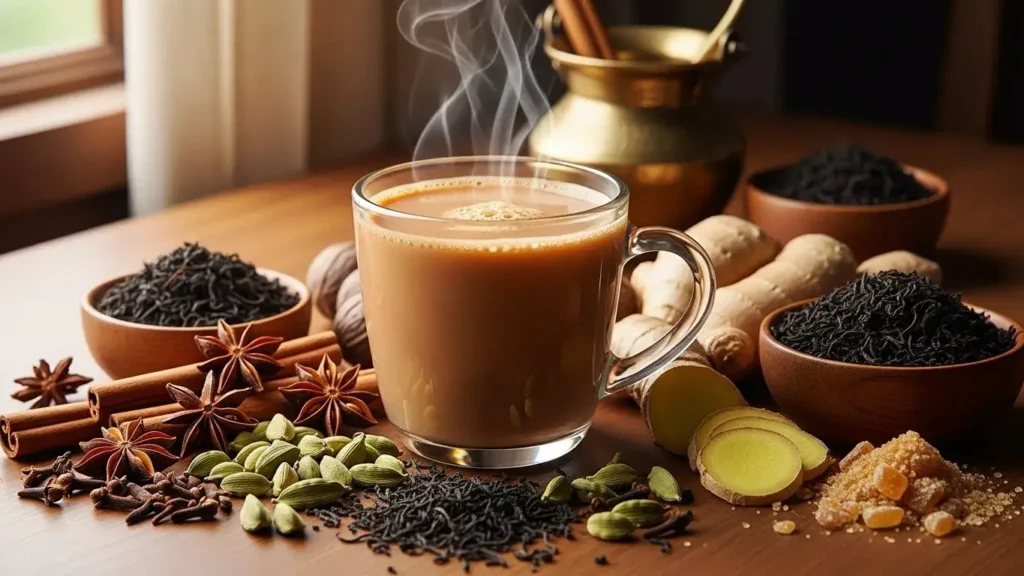
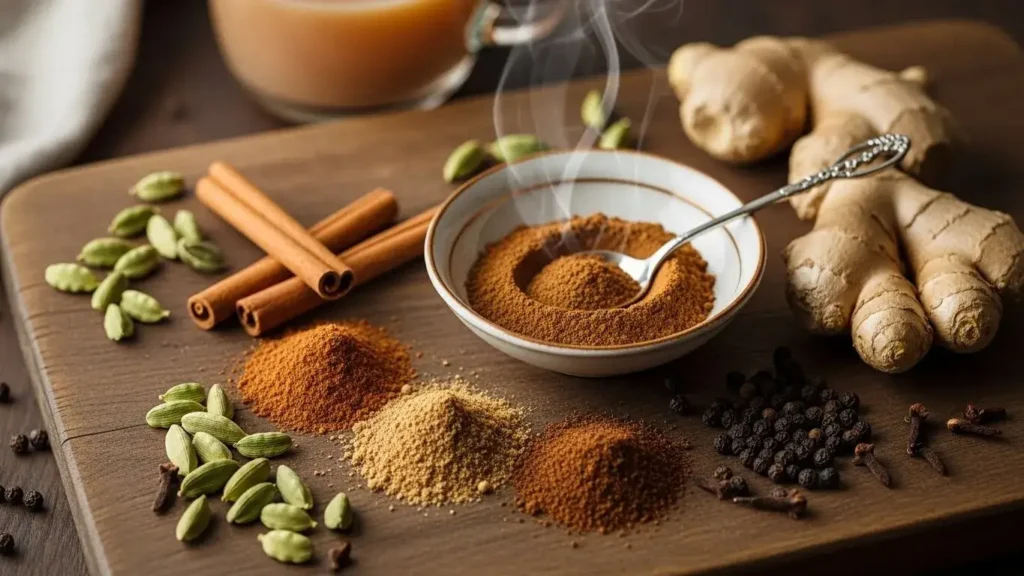
The basic components of authentic masala chai include black tea (typically CTC Assam), milk, sweetener, and a blend of aromatic spices. While recipes vary widely, the primary spices typically include:
Cardamom (the most prominent flavor)
Cinnamon
Fresh ginger
Cloves
Black peppercorns
Additional spices might include star anise, fennel seeds, nutmeg, or even bay leaves depending on regional preferences. These spices weren’t just for flavor—many were chosen for their healing properties according to Ayurvedic traditions.
Difference between chai and chai tea
Terminology can be confusing when discussing this beverage! In India and throughout South Asia, the word “chai” alone means “tea”. Therefore, saying “chai tea” is redundant—essentially saying “tea tea”. This misunderstanding is common in Western countries, where “chai” has become synonymous with the spiced milk tea preparation.
To be culturally accurate:
Chai = Tea (in Hindi and many Indian languages)
Masala Chai = Spiced tea (the proper term for the beverage)
Chai Tea Latte = Western adaptation, often made with concentrates or syrups
Additionally, it’s worth noting that masala chai is prepared differently from a chai latte. Traditional masala chai has the tea and milk simmered together to fully infuse the flavors, whereas a chai latte typically has the tea decoction poured into a cup and topped with frothy milk.
Why ground spices are used in this recipe
While traditional masala chai often uses whole spices, I’ve found ground spices offer several practical advantages. Primarily, ground spices are more accessible and affordable for everyday brewing. They also dissolve more readily into the tea, creating a consistent flavor throughout.
Spices can be handled in three main ways for chai preparation:
Left whole
Gently crushed
Fully ground
Each method produces a different flavor profile. Whole spices release their oils gradually but may result in a milder flavor. Crushed spices release their essential oils more quickly, providing more flavor in less time. Fully ground spices offer the strongest, most immediate flavor but begin losing potency once ground.
One notable benefit of using ground spices is shelf life—a properly stored ground chai masala blend can maintain its potency for approximately six months. Moreover, ground spices make preparation significantly faster and more convenient, especially for those new to making chai at home.
Ultimately, as chai recipes vary from region to region and family to family, using ground spices represents just one of many authentic approaches to creating this beloved beverage.
Essential Chai Ingredients and Spices
Creating the perfect cup of chai begins with understanding its core components. The magic of this beloved beverage lies not just in individual ingredients but in their harmonious combination.
Overview of chai tea ingredients
The foundation of any authentic chai recipe consists of four key elements: strong black tea, milk, sweetener, and spices. Black tea provides the robust base that carries the aromatic spices. Assam tea is traditionally preferred for its full-bodied flavor, though Darjeeling and Ceylon varieties are equally suitable alternatives. In fact, some chai enthusiasts combine different tea types—Assam for body and color, Darjeeling for aroma and flavor.
Milk plays a crucial role in extracting and carrying flavors, particularly from whole spices. Traditionally, whole milk from water buffaloes was used in India, though any milk type works. The tea-to-milk ratio typically follows a 2:1 proportion, creating that signature creamy texture without overwhelming the spice notes.
For sweetness, plain white sugar is most common, though jaggery (unrefined cane sugar) offers a more concentrated sweetness that beautifully complements the spices. Honey and maple syrup serve as excellent alternatives, particularly when added after removing the chai from heat.
What spices are in chai tea?
The soul of chai lies in its spice blend. Five essential spices form the backbone of most authentic chai recipes:
Cardamom: Green cardamom pods provide that distinctive chai flavor with their unique citrusy, minty undertones. Many consider this the non-negotiable spice in any chai blend.
Cinnamon: Adds natural sweetness and warming qualities that blend perfectly with more pungent spices.
Ginger: Contributes a lively bite and heat, often used fresh for maximum impact.
Cloves: Bring depth and subtle bitterness that balances sweeter spices (use sparingly as they can quickly dominate).
Black peppercorns: Provide fiery undertones and intensify the warming sensation chai is famous for.
Secondary spices often include star anise (with its licorice-like sweetness), fennel seeds (for a lighter anise flavor), nutmeg (adding comforting roundness), and occasionally star anise or allspice. The beauty of chai lies in its flexibility—no single “correct” recipe exists, as variations reflect regional preferences and family traditions.
Choosing between whole and ground spices
Both whole and ground spices produce excellent chai, with distinct advantages. Whole spices retain their flavor significantly longer because they have less surface area, preventing volatile oils from evaporating and oxidizing. They’re also easier to strain, preventing grittiness in your final beverage.
Conversely, ground spices release their flavors more immediately and thoroughly. This creates a more intense flavor profile in less time—ideal for quick preparation. While whole spices may waste some potential flavor, they preserve subtle compounds that ground spices often lose.
Steeping spices in milk extracts considerably more flavor than water alone since many aromatic compounds are more soluble in fat than water. This explains why chai tastes so rich and flavorful when prepared with milk.
Tips for sourcing quality chai spices
Quality spices fundamentally transform your chai experience. Rather than purchasing overpriced bottled spices from supermarket baking aisles, consider these alternatives:
First, explore ethnic markets, particularly Indian groceries, where spices are typically fresher, more diverse, and substantially more affordable. The price difference can be remarkable—a small container of whole cloves at standard supermarkets might cost nearly $5 for 0.62 oz, while Indian markets often sell 3.5 oz for under $2.50.
Secondly, utilize bulk spice sections at health food stores or co-ops. This approach allows purchasing precisely the quantity needed without packaging markups.
Properly store your spices in airtight containers away from light and heat. Whole spices maintain quality for approximately one year, whereas ground spices begin losing potency after about six months.
Remember, freshness significantly impacts flavor intensity—recently ground spices will produce noticeably more aromatic chai than pre-ground varieties that have sat on shelves for months.
Creating your own chai spice blend is surprisingly simple, yet it offers customization that store-bought versions cannot match. After assembling your spices, you’re ready to create a blend that will transform your tea experience.
Step-by-step chai spice recipe
Initially, I gather all my spices before starting. For a balanced traditional blend, I recommend these proportions:
3 tablespoons ground cinnamon (provides warmth and sweetness)
1-2 tablespoons ground ginger (adds spicy kick)
1 tablespoon ground cardamom (the signature chai flavor)
1 teaspoon ground cloves (use sparingly as they’re potent)
½-1 teaspoon ground black pepper (for that characteristic heat)
½ teaspoon ground nutmeg (for depth and complexity)
Combine all spices in a bowl or jar and mix thoroughly until the color appears uniform. No cooking required—simply blend until fully integrated.
For those who enjoy additional flavors, consider adding ½ tablespoon allspice or a pinch of saffron. Some family recipes even include tulsi (holy basil) or fennel seeds for a cooling effect.
Adjusting spice ratios to taste
Most first-time chai makers discover the blend might need tweaking based on personal preference. Subsequently, you can adjust your recipe after the initial batch.
If your blend tastes too spicy, reduce the black pepper by half. My family prefers starting with just ¼ teaspoon, then gradually increasing until finding the perfect heat level.
For those who find cardamom overwhelming, decrease the amount slightly—although most chai enthusiasts consider it the essential chai spice. Generally, the cinnamon-to-ginger-cardamom ratio defines your blend’s character.
Finding your perfect balance might take several attempts. Many chai enthusiasts recommend making small test batches before committing to larger quantities.
Storing your chai spice mix
Proper storage is crucial for maintaining flavor potency. Transfer your finished blend to an airtight glass jar or container. Plastic containers may absorb spice aromas and compromise flavor over time.
Store in a cool, dark place away from direct sunlight and heat sources, which can accelerate flavor degradation. Primarily, avoid moisture exposure as it causes clumping and potential spoilage.
Although whole spices maintain freshness longer, properly stored ground spice blends remain potent for 3-6 months. Adding a few grains of uncooked rice to the container helps absorb excess moisture, especially in humid climates.
For maximum freshness, I recommend making smaller batches more frequently rather than one large batch that sits unused. The aromatic quality noticeably diminishes over time, affecting your final chai preparation.
Brewing the Perfect Cup of Chai
Now that we have our chai spice blend ready, let’s dive into the brewing process. The magic of chai lies not just in the spices, but in how they’re prepared and combined.
How to make chai tea with ground spices
First, place a saucepan on medium-high heat and add 2 cups of water. Once the water begins to warm, add 1-2 teaspoons of your ground chai spice blend. For a stronger flavor, you might use up to 3 teaspoons of the blend. Unlike whole spices, ground spices release their flavors immediately, creating a more intense taste profile.
After adding your spices, bring the mixture to a rolling boil. Next, add 4-5 teaspoons of loose black tea leaves (preferably Assam or Darjeeling) or 3-4 tea bags. Reduce the heat to a simmer and allow the tea and spices to infuse for about 3-5 minutes.
Tea-to-spice-to-milk ratio explained
For the most balanced cup, follow this formula: 2 parts water to 1 part milk, with 1 teaspoon of spice blend and 1-2 teaspoons of tea per cup. This ratio creates harmony between the robust tea base, aromatic spices, and creamy milk.
Traditionally, whole milk is preferred as it extracts and carries flavors better than lower-fat alternatives. The fat in milk helps dissolve and distribute the essential oils from the spices throughout the beverage.
Simmering vs. steeping methods
Unlike regular tea that’s simply steeped, authentic chai requires simmering. Simmering extracts more flavor from the spices and helps everything blend together in a way that steeping alone cannot achieve. Additionally, the boiling process creates a characteristic texture and body that defines quality chai.
For ground spices specifically, simmering is even more critical as it helps distribute the fine particles evenly through the liquid, preventing grittiness in your final cup.
Sweeteners and milk options
Brown sugar or turbinado sugar works wonderfully with chai as their caramel notes enhance the spices rather than mask them. Honey or maple syrup are excellent alternatives but should be added after removing the chai from heat to preserve their delicate flavors.
For milk alternatives:
Oat milk provides a velvety texture similar to dairy
Soy milk offers neutral creaminess that complements any spice blend
Almond milk works well with bolder, spicier chai variations
Coconut milk pairs beautifully with fruitier chai blends
Double-straining your chai is recommended when using ground spices to ensure a smooth drinking experience without any gritty residue.
Beyond the basic brewing methods, chai offers endless possibilities for customization. I find that personalizing this aromatic beverage makes the experience even more enjoyable.
Vegan and dairy-free alternatives
Traditional chai uses dairy milk, yet plant-based alternatives work wonderfully too. Cashew milk stands out as the game-changer for vegan chai, delivering authentic taste without dairy. Oat milk ranks as the next best option, particularly the “Oatly” brand, providing excellent creaminess. Meanwhile, coconut milk imparts a distinct flavor that some find overpowering, whereas soy milk often leaves an undesirable aftertaste.
Iced chai and other variations
For refreshing summer options, transform your hot chai into iced versions. Simply prepare your chai concentrate, let it cool, then pour over ice with your preferred milk. Furthermore, you can freeze leftover chai in ice cube trays to enhance future iced drinks. Popular variations include dirty chai (adding espresso shots), brown sugar chai with oat milk, or chai with vanilla cream cold foam.
Pairing chai with snacks
Chai creates perfect harmony with numerous snacks. Masala chai pairs excellently with samosas, pakoras, and spiced nuts. Traditional chai complements shortbread, caramel slices, and ginger snaps. Chai lattes harmonize with banana bread, scones, and lamingtons. Iced chai matches wonderfully with fresh fruit salads and yogurt parfaits.
Using chai spice in baking
Chai spices elevate numerous baked goods. For cakes or quick breads, add 1-2 teaspoons of your chai blend per standard recipe. Moreover, chai spices marry beautifully with bourbon, nuts like pecans and almonds, winter fruits, and creamy dairy components in desserts.
Conclusion
Brewing the perfect cup of chai brings together centuries of tradition with personal preference and family recipes. Throughout this guide, we’ve explored everything from chai’s rich cultural history to practical brewing methods using ground spices. Actually, what makes chai so special is how each family develops their own unique blend reflecting their taste preferences.
Creating your own chai at home allows you to experience authentic flavors without specialized equipment or hard-to-find ingredients. Ground spices certainly make this process more accessible for everyday brewing while still delivering that rich, aromatic experience that defines quality masala chai.
Remember that experimentation remains key to finding your perfect cup. Adjust your spice ratios, try different tea bases, or explore various milk alternatives until you discover your ideal combination. My family recipe serves as a starting point, but chai ultimately becomes your own personal journey.
The versatility of chai extends beyond just the hot beverage. You can transform it into refreshing iced variations, incorporate the spice blend into baked goods, or pair it with complementary snacks for a complete experience. This adaptability explains why chai has captivated people worldwide, transcending its South Asian origins.
Most importantly, chai represents more than just a beverage—it embodies comfort, hospitality, and connection. Whether you’re brewing a quick morning cup with ground spices or preparing a traditional pot for friends, you’re participating in a cherished ritual shared across generations.
Therefore, I encourage you to embrace this chai-making journey. The perfect cup awaits, filled with aromatic spices, comforting warmth, and the satisfaction of creating something truly special with your own hands.
Key Takeaways
Master the art of authentic chai brewing with these essential insights from a traditional family recipe that makes this beloved spiced tea accessible for everyday preparation.
Use ground spices for convenience and intense flavor – they release oils immediately and create consistent taste throughout your chai
Follow the 2:1:1 ratio: 2 parts water, 1 part milk, with 1-2 teaspoons each of tea and spice blend per cup
Simmer rather than steep – boiling extracts maximum flavor from spices and creates chai’s signature rich texture
Store homemade chai spice blend in airtight containers for 3-6 months of peak flavor potency
Customize freely with plant-based milks, sweeteners, and spice ratios – chai has no single “correct” recipe
The beauty of chai lies in its adaptability – each family creates their own perfect blend, making this ancient beverage a personal journey of flavor discovery that connects you to centuries of tradition.
Q1. What are the essential spices for making chai tea? The key spices for chai tea typically include cinnamon, cardamom, ginger, cloves, and black pepper. Some recipes also incorporate nutmeg, star anise, or fennel seeds for added flavor complexity.
Q2. Is it better to use whole or ground spices for chai? Both whole and ground spices can be used for chai. Ground spices offer convenience and immediate flavor release, while whole spices provide a more gradual flavor infusion. The choice depends on personal preference and preparation time available.
Q3. How long should chai be simmered? Chai should be simmered for about 3-5 minutes after adding the tea leaves. This allows the flavors to fully develop and creates the characteristic rich texture of authentic chai.
Q4. What’s the ideal ratio of ingredients for chai? A good starting point is a 2:1:1 ratio – 2 parts water, 1 part milk, with 1-2 teaspoons each of tea and spice blend per cup. However, this can be adjusted to suit individual taste preferences.
Q5. Can chai be made with non-dairy milk? Yes, chai can be made with various non-dairy alternatives. Oat milk and cashew milk are popular choices that provide a creamy texture similar to traditional dairy milk. Soy milk and almond milk are also suitable options for vegan chai.
Black Tea Extract that is rich in natural theaflavins and polyphenols that help protect your body from free radicals, promoting overall immune health and well-being
Contains blended amounts of Fruits and Veggies. All natural, with whole foods, fruit and vegetable supplement.Perfect for everyone looking to live a healthier lifestyle.