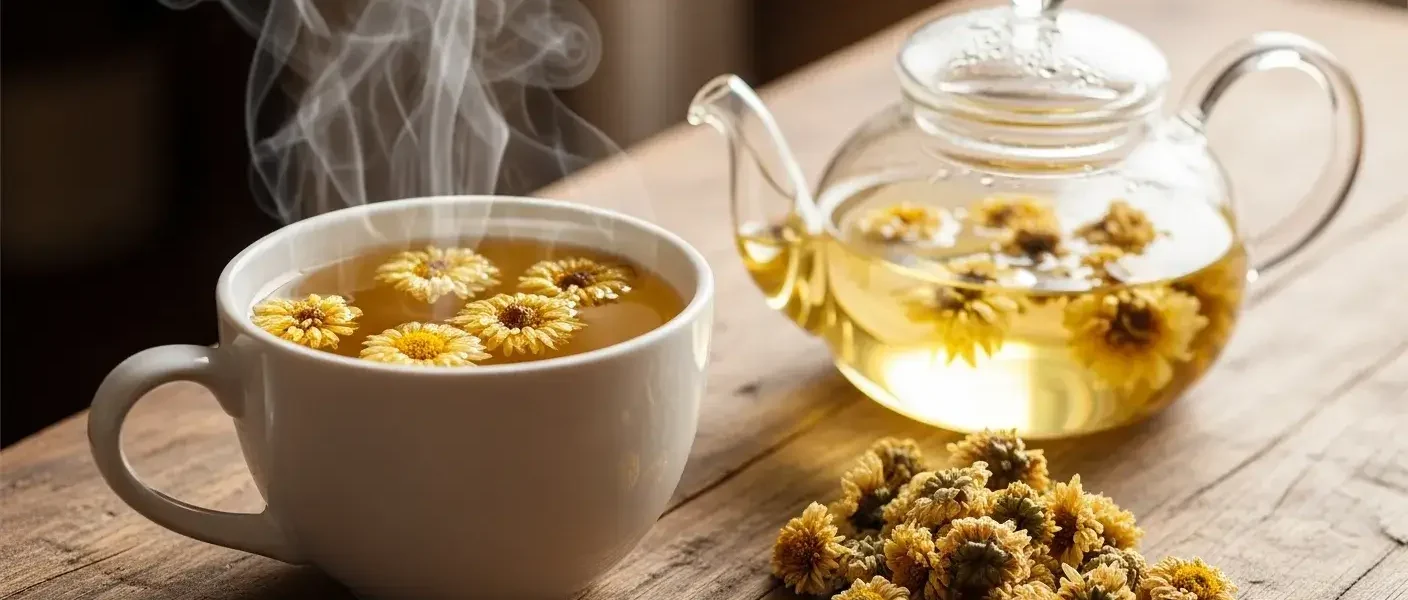
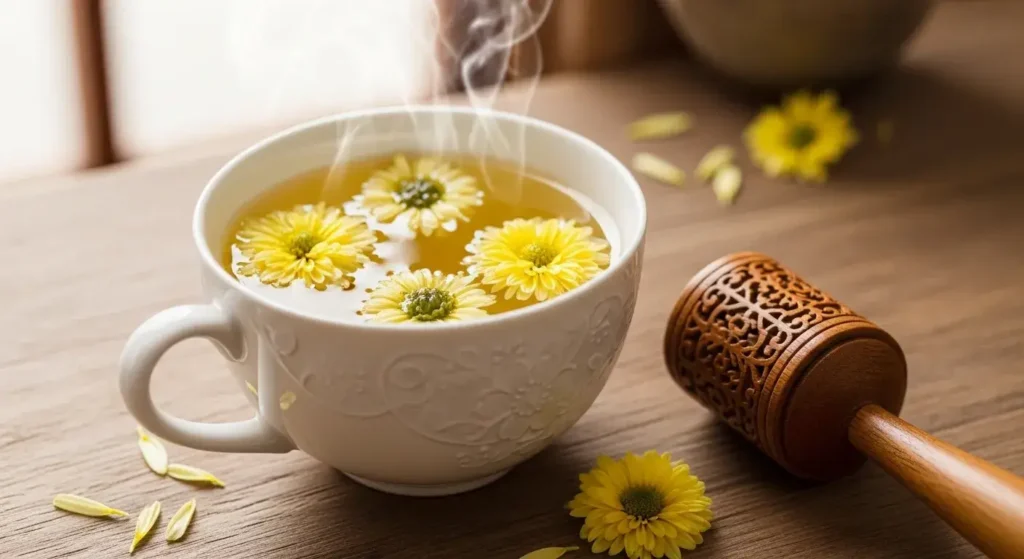
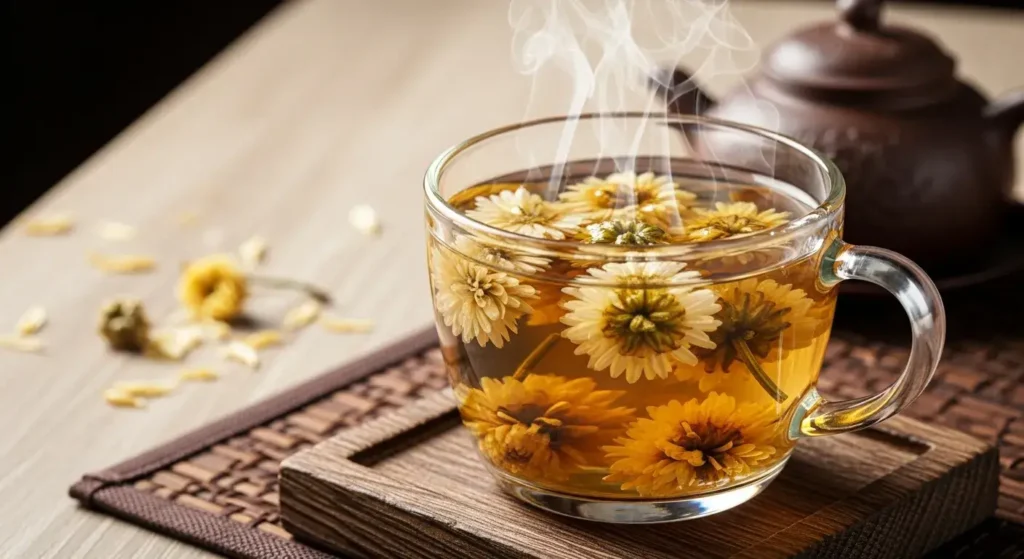
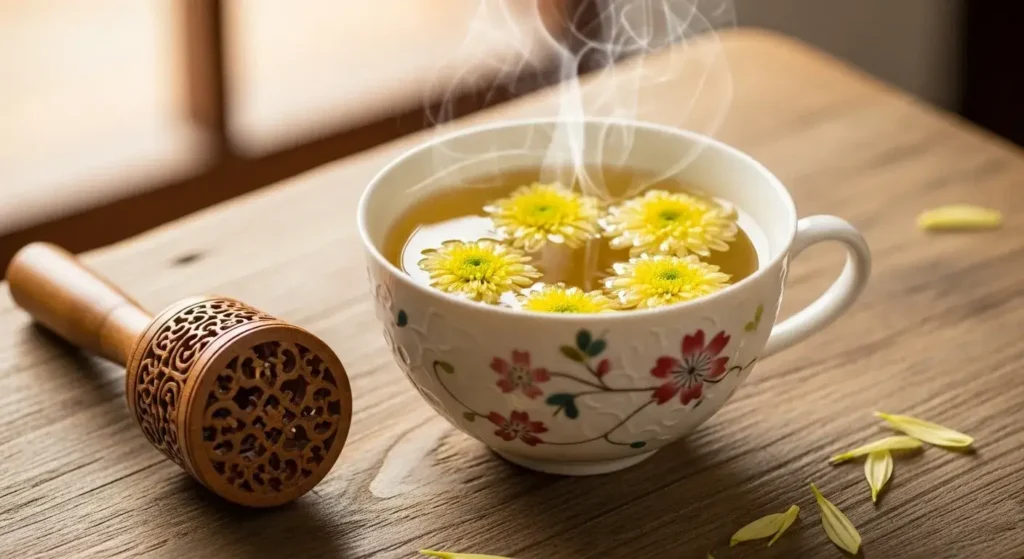
When searching for natural remedies, is chrysanthemum tea good for cough relief? This fragrant herbal beverage has been revered for over 2,000 years in Traditional Chinese Medicine, and its potential respiratory benefits deserve our attention.
According to the National Institutes of Health, warm liquids like tea can provide immediate relief for throat irritation, a common cause of coughing. What makes chrysanthemum tea particularly effective is its remarkable anti-inflammatory properties that help soothe discomfort in the throat and lungs. Additionally, for those wondering what tea is good for cough with phlegm, chrysanthemum offers cooling qualities that may help reduce heat in the body that leads to yellow or sticky phlegm.
In this article, I’ll examine the evidence behind chrysanthemum tea’s cough-relieving properties, explain how it affects the respiratory system, and provide practical guidance on using this traditional remedy effectively. Whether you’re dealing with a scratchy throat or looking for a tea for phlegm, understanding when and how chrysanthemum tea works can help you make informed decisions about incorporating it into your cough management approach.
How Chrysanthemum Tea Affects the Respiratory System
Chrysanthemum tea works through multiple pathways to relieve respiratory distress. Understanding these mechanisms helps explain why many people find it effective for cough relief.
Natural compounds that soothe the throat
The therapeutic effects of chrysanthemum tea come from its rich array of bioactive compounds. This herbal remedy contains powerful anti-inflammatory compounds including flavonoids and chlorogenic acid that directly soothe irritated throat tissues. Furthermore, research has identified specific phytochemicals like luteolin-7-glucoside, apigenin, and quercetin that contribute to its effectiveness.
These natural compounds don’t just mask symptoms—they actively reduce inflammatory responses in the respiratory tract. Quercetin, for instance, has demonstrated antiasthmatic activity by decreasing airway resistance and reducing histamine production. Similarly, apigenin works by inhibiting pro-inflammatory cytokines that trigger throat irritation.
Cooling properties and inflammation control
In Traditional Chinese Medicine, chrysanthemum is categorized as having “mildly cold energy” with special affinity to energy channels leading to the lungs. This cooling nature makes it especially suitable for treating what TCM practitioners identify as “Wind-Heat” patterns that manifest as red, painful throat inflammation.
Laboratory studies confirm these traditional observations—chrysanthemum extract significantly inhibits inflammatory reactions and shows antioxidant effects in lung tissue. Indeed, one study demonstrated that chrysanthemum extract blocked lipopolysaccharide-induced acute lung injury by reducing white blood cells, lymphocytes, and neutrophils in the affected area.
Impact on mucus and phlegm production
For those struggling with productive coughs, chrysanthemum tea offers relief by helping to clear accumulated phlegm. The tea’s natural vitamin C content plays a role in this process by relieving congestion and strengthening lung function.
Moreover, chrysanthemum tea helps address the root causes of excessive phlegm production by reducing inflammation in the respiratory tract. By calming the lungs and clearing away phlegm, this herbal remedy creates a dual action—it soothes irritated airways while simultaneously helping eliminate the excess mucus that triggers coughing spells.
This gentle yet effective approach explains why chrysanthemum tea remains a trusted remedy for respiratory complaints across generations.
8 Ways Chrysanthemum Tea May Help with Cough
Chrysanthemum tea offers specific benefits for different types of coughs. Based on both traditional wisdom and modern research, here’s how this floral brew can help soothe your respiratory symptoms.
1. Reduces throat inflammation
The anti-inflammatory compounds in chrysanthemum tea, including flavonoids and chlorogenic acid, directly target throat irritation. These natural chemicals work by decreasing inflammation in the respiratory tract, providing relief from the persistent urge to cough. Unlike harsh medications, chrysanthemum tea gently soothes inflamed tissues without unwanted side effects.
2. Helps clear phlegm buildup
Notably, chrysanthemum tea contains vitamin C that helps clear congestion and strengthens lung function. This natural remedy effectively clears away phlegm and calms the lungs, making breathing easier. Consequently, this helps reduce the frequency and intensity of productive coughs.
3. Soothes dry and irritated throat
For scratchy throats, chrysanthemum tea provides immediate comfort. Its cooling properties create a soothing effect on irritated tissues. Adding honey enhances this benefit—the combination helps hasten recovery from sore throats and fights bacterial infections.
4. Supports lung function
Chrysanthemum tea has a special affinity to energy channels leading to the lungs. Its soothing effect on the respiratory system helps treat symptoms like coughing and chest congestion. Essentially, it works by reducing irritation in the lungs and supporting overall respiratory function.
5. Eases symptoms of heat-induced cough
As a natural coolant, chrysanthemum tea is particularly effective for heat-related respiratory issues. Traditional Chinese Medicine practitioners recommend it specifically for “Wind-Heat” coughs that manifest as fever, cough, and sore throat. This makes it ideal for summer coughs or those accompanied by feelings of warmth.
6. Combats early cold symptoms
Drinking chrysanthemum tea at the first sign of illness helps address early-stage cold symptoms. It’s primarily effective in the initial phases of respiratory infections, potentially preventing coughs from worsening or becoming established.
7. Promotes hydration and relaxation
Besides its medicinal properties, chrysanthemum tea helps replenish fluids lost during illness. It promotes relaxation, which is crucial for recovery. Well-hydrated airways are less prone to irritation, reducing the frequency of coughing fits.
8. Enhances immune response
Rich in antioxidants and vitamin C, chrysanthemum tea strengthens the immune system. These compounds help protect the body from infections, potentially shortening the duration of cough-producing illnesses. Regular consumption may help prevent future respiratory issues.
Despite its many benefits, chrysanthemum tea is not a universal remedy for all coughs. Understanding when this herbal drink might fall short can help you make better choices for respiratory relief.
Coughs caused by bacterial infections
Although chrysanthemum tea can ease some symptoms like sore throat, it cannot address the root cause of bacterial infections. For these conditions, the tea might temporarily soothe discomfort but won’t eliminate the underlying infection. Therefore, seeking proper medical treatment rather than relying solely on herbal remedies becomes essential for bacterial respiratory issues.
Cold-induced coughs needing warming herbs
In Traditional Chinese Medicine, coughs are categorized by their nature—either “hot” or “cold.” Chrysanthemum possesses cooling properties that excel at treating heat-related conditions. However, this makes it inappropriate for cold-type coughs, which instead require warming herbs. Using chrysanthemum tea for cold-induced coughs might actually worsen symptoms by further cooling an already cold condition.
Overuse in people with cold body constitution
People with a cold body constitution should be particularly cautious with chrysanthemum tea. Excessive consumption can damage yang energy, weaken spleen and stomach function, cause blood and qi stagnation, and even trigger respiratory problems. Those experiencing symptoms like cold hands and feet, sensitivity to cold, or loose stools might find their condition worsening with regular chrysanthemum tea consumption. Additionally, individuals with weak digestive systems should avoid this cooling brew.
How to Use Chrysanthemum Tea for Cough Relief
Properly preparing chrysanthemum tea can maximize its cough-relieving benefits. Following these guidelines ensures you get the most from this traditional remedy.
Best time to drink it
For optimal results, drink chrysanthemum tea primarily at the first sign of respiratory issues or after heat exposure. It works best for early-stage colds with cough symptoms. Consume it after spending time in the sun or after long hours of working to prevent a heaty body constitution. For heat-induced coughs, enjoy a cup in the afternoon or evening when symptoms typically worsen.
How to brew it properly
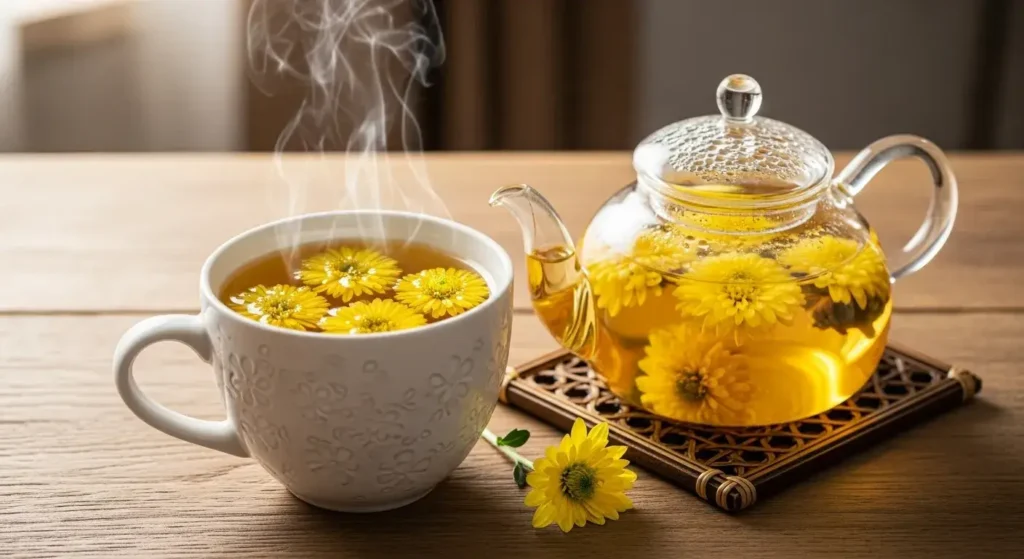
Place dried chrysanthemum flowers (about ¼ cup) in a pot
Add 3-4 cups of water and bring to a boil
Reduce heat, cover, and steep for 5-7 minutes
Strain and serve immediately
The tea is forgiving—it’s difficult to oversteep. Subsequently, you can experiment with brewing times to find your preferred strength.
Combining with honey or goji berries
Enhance effectiveness by adding natural sweeteners. Honey soothes irritated throats alongside the chrysanthemum’s cooling properties. Alternatively, goji berries create a powerful combination that’s both familiar and effective. This pairing strengthens the tea’s cooling effects as well as its immune-supporting properties.
How often to drink for results
Generally, moderation is key. Drink chrysanthemum tea approximately twice weekly, or daily for 3-5 consecutive days followed by a break. As a cooling herb, excessive consumption is not recommended for extended periods. Ultimately, the cooling nature requires careful usage—enough to ease symptoms without disrupting your body’s balance.
Conclusion: Why Is Chrysanthemum Tea Good for Cough?
Chrysanthemum tea stands as a remarkable natural remedy for certain types of coughs, particularly those stemming from heat-related conditions and throat inflammation. Throughout this exploration, we’ve seen how its rich array of compounds like flavonoids and chlorogenic acid work to reduce inflammation and soothe irritated tissues. Additionally, its cooling properties make it especially valuable for those specific “Wind-Heat” patterns described in Traditional Chinese Medicine.
However, this herbal remedy isn’t suitable for every coughing condition. Bacterial infections require proper medical treatment, while cold-type coughs actually need warming herbs instead. People with cold body constitutions should likewise approach this cooling beverage with caution.
The most effective approach involves using chrysanthemum tea strategically—drinking it at the first signs of heat-induced respiratory issues, brewing it properly, and perhaps enhancing its effects with honey or goji berries. Though powerful in the right circumstances, moderation remains essential due to its cooling nature.
Ultimately, chrysanthemum tea represents just one tool in our respiratory wellness toolkit. When used thoughtfully for the right conditions, this ancient remedy can provide gentle, effective relief without harsh side effects. Still, recognizing its limitations proves just as important as appreciating its benefits. Understanding both allows us to make informed choices about when this fragrant brew might help calm our coughs—and when we should seek alternative solutions instead.
Key Takeaways
Chrysanthemum tea offers targeted relief for specific types of coughs through its natural anti-inflammatory compounds and cooling properties, but it’s not a one-size-fits-all solution.
• Chrysanthemum tea works best for heat-induced coughs with inflammation, sore throat, and yellow phlegm through its cooling properties and anti-inflammatory compounds.
• It’s ineffective for bacterial infections or cold-type coughs – these conditions require medical treatment or warming herbs instead of cooling remedies.
• Proper brewing involves steeping dried flowers for 5-7 minutes and can be enhanced with honey for throat soothing or goji berries for immune support.
• Use strategically at first signs of respiratory issues – drink twice weekly or daily for 3-5 days maximum to avoid disrupting body balance.
• People with cold body constitution should avoid regular use as excessive consumption can worsen symptoms and weaken digestive function.
This traditional remedy shines when matched to the right type of cough, but understanding its limitations is crucial for safe and effective use. Always consider seeking medical advice for persistent or severe respiratory symptoms.
Q1. How effective is chrysanthemum tea for cough relief? Chrysanthemum tea can be effective for certain types of coughs, particularly those related to heat and inflammation. Its natural anti-inflammatory compounds help soothe irritated throats and reduce coughing. However, it’s most beneficial for heat-induced coughs and may not be as effective for bacterial infections or cold-type coughs.
Q2. What are the main benefits of drinking chrysanthemum tea for respiratory health? Chrysanthemum tea offers several benefits for respiratory health, including reducing throat inflammation, clearing phlegm, soothing dry and irritated throats, and supporting overall lung function. It’s particularly effective for heat-related respiratory issues and can help combat early cold symptoms.
Q3. How should chrysanthemum tea be prepared for maximum cough relief? To prepare chrysanthemum tea for cough relief, steep about ¼ cup of dried chrysanthemum flowers in 3-4 cups of boiling water for 5-7 minutes. You can enhance its effectiveness by adding honey for additional throat-soothing properties or goji berries for immune support.
Q4. Is it safe to drink chrysanthemum tea during pregnancy? While chrysanthemum tea is generally considered safe in moderation, pregnant women should consult with their healthcare provider before consuming it regularly. It’s important to choose high-quality, packaged chrysanthemum tea with less sugar and to drink it in moderation during pregnancy.
Q5. How often should one drink chrysanthemum tea for cough relief? For cough relief, it’s recommended to drink chrysanthemum tea about twice weekly or daily for 3-5 consecutive days, followed by a break. It’s best consumed at the first sign of respiratory issues or after heat exposure. However, moderation is key, as excessive consumption, especially for those with a cold body constitution, may lead to unwanted effects.
Black Tea Extract that is rich in natural theaflavins and polyphenols that help protect your body from free radicals, promoting overall immune health and well-being
Contains blended amounts of Fruits and Veggies. All natural, with whole foods, fruit and vegetable supplement.Perfect for everyone looking to live a healthier lifestyle.