Ever found yourself in your kitchen, looking at different dried leaves, unsure which one to choose? It can be tough for anyone who loves drinks in the United States.
White tea is light and simple, while oolong tea has deep flavors from a special process. This comparison will show you the special qualities and smells of each.
We’ll look at what makes these teas unique to help you pick the one you like best. We’ll talk about how they’re made and their health benefits too.
By the end, you’ll know which tea is right for you every day. Let’s begin our white tea vs oolong tea adventure to find your favorite drink.
Key Takeaways
Discovery of distinct production methods for each leaf type.
Understanding the spectrum from light floral notes to rich toasted flavors.
Comparison of antioxidant concentrations and wellness advantages.
Insight into how caffeine levels fluctuate between the varieties.
Tips on selecting the best brew for your personal taste preferences.
A detailed tea comparison focusing on leaf oxidation and its impact.
What Is White Tea and Why Should You Care
White tea is special because it’s processed very little. This keeps its flavor light and its health benefits strong. It’s perfect for those who want a tea that’s easy to drink and good for you.
The Basics of White Tea
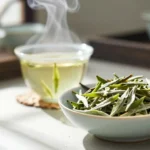
White tea comes from the young buds of the tea plant. These buds are picked before they’re fully open. This is why white tea tastes so light and smells so good.
Its unique look comes from the silvery-white hairs on the buds. This makes it stand out from other teas.
Why White Tea Is So Minimally Processed
White tea is processed the least of all teas. It’s just picked, withered, and dried. This keeps its natural antioxidants and flavor.
Minimal processing is key to white tea’s unique character. It lets the tea keep its natural essence, giving a pure taste.
Popular White Tea Varieties You’ll Encounter
Two well-known white teas are Silver Needle and White Peony. Silver Needle has a delicate taste and smell. White Peony has a stronger taste because it includes young leaves too.
Trying different white teas can help you find your favorite. Whether you like a light taste or something stronger, there’s a white tea for you.
What Is Oolong Tea and What Makes It Special
Oolong tea is a special brew that sits between green and black tea. It’s known for its partial fermentation. This makes it unique among teas.
The Basics of Oolong Tea
Oolong tea comes from the Camellia sinensis plant, like other teas. But its processing is different. The leaves are partially fermented through steps like withering and firing.
This process gives oolong tea a complex taste. It’s floral and fruity, with notes of honey and nuts.
Understanding Semi-Oxidation
Semi-oxidation is key in making oolong tea. It lets the leaves oxidize for a bit, from 10% to 80%. This controls the flavor.
This balance brings out the freshness of green tea and the richness of black tea.
Popular Oolong Tea Varieties You Should Try
Try Ti Kuan Yin, Wuyi Oolong, and Tieguanyin. These teas have complex flavors. They’re known for their smooth, floral notes.
Look for high-quality leaves when trying oolong tea. This ensures the best taste.
The journey of tea from plant to cup is fascinating. It changes a lot between white tea and oolong tea. The way it’s made greatly affects the taste, smell, and quality of your tea.
The Simple Journey of White Tea from Plant to Cup
White tea is made with very little processing. Young tea buds are picked and then dried fast to stop oxidation. This keeps the tea’s natural antioxidants and flavor.
The drying can be air drying or gentle heat. This makes sure the tea’s essence stays intact.
The Complex Craftsmanship Behind Oolong Tea
Oolong tea’s making is more complex. After picking, the leaves are withered, rolled, and partially oxidized. The oxidation level can be from 10% to 80%.
This semi-oxidation needs skill and craftsmanship. It greatly affects the tea’s taste and smell.
Why Processing Methods Matter for Your Tea Experience
The making of white tea and oolong tea changes your tea experience. White tea’s minimal processing gives a light flavor. Oolong tea’s complex making offers a rich taste.
Knowing these differences helps you appreciate the tea’s making. It also helps you pick the tea that fits your taste best.
Flavor Showdown: What Your Taste Buds Will Experience
When comparing white tea and oolong tea, you’ll see their unique flavors. These flavors come from how they’re made and how much they’re oxidized.
The Delicate and Subtle Notes of White Tea
White tea is known for its light and refreshing taste. It’s made with minimal processing, keeping its natural antioxidants. This gives it a floral and sweet flavor with a silky texture.
Its flavor is gentle and soothing. It’s perfect for those who like a milder tea.
The Rich and Varied Flavors of Oolong Tea
Oolong tea has a more complex taste than white tea. Its partial oxidation brings out a wide range of flavors. You might taste floral, fruity, nutty, or toasty notes.
Oolong tea can be both refreshing and rich. It has a smooth texture that stays with you. It suits anyone’s taste, whether you prefer light or rich flavors.
How Oxidation Creates Different Taste Profiles
Oxidation is key in shaping the flavors of white and oolong teas. White tea, with little oxidation, stays light and delicate. Oolong tea, with some oxidation, balances green and black tea qualities.
The oxidation level changes the tea’s taste, aroma, and character. Knowing this helps you appreciate the tea-making process. It also helps you choose the tea that suits your taste best.
Health Benefits: Which Tea Boosts Your Wellness More
Exploring tea reveals white and oolong teas are more than tasty drinks. They are packed with antioxidants and health benefits. Knowing their unique advantages helps you choose the best tea for your daily routine.
The Antioxidant Power of Both Teas
White and oolong teas are known for their antioxidants. These compounds fight off free radicals, which can harm your body. They help reduce inflammation, improve heart health, and may prevent cancer.
White tea, being minimally processed, keeps more antioxidants. It has catechins, which fight inflammation. Oolong tea, with its partial oxidation, offers a special mix of antioxidants for better health.
Unique Health Benefits of White Tea
White tea is celebrated for its antioxidants and health perks. It may aid in weight loss, improve heart health, and fight aging. It could also lower cancer risk.
Research shows white tea can:
Boost your immune system
Keep your skin healthy
Help with weight management
Unique Health Benefits of Oolong Tea
Oolong tea is great for weight loss and metabolism. It’s also good for your skin and heart health.
Oolong tea’s partial oxidation gives it special health benefits. It includes:
Boosting your metabolism
Supporting skin health
Possibly reducing disease risk
The Verdict on Which Tea Is Healthier
Both teas offer great health benefits. Your choice depends on your health goals. Let’s look at their antioxidant content and health perks.
Tea Type
Antioxidant Content
Health Benefits
White Tea
High in catechins and other antioxidants
Supports weight loss, cardiovascular health, and anti-aging
Oolong Tea
Unique blend due to partial oxidation
Aids in weight loss, improves metabolic rate, and supports skin health
Adding both white and oolong teas to your diet offers many health benefits. Enjoy their unique tastes and reap the rewards of their antioxidants.
Caffeine Content: Which Tea Gives You the Right Energy Boost
When picking between white and oolong tea, caffeine content is key. The caffeine in your tea affects your energy and overall experience.
How Much Caffeine Is in White Tea
White tea has less caffeine than other teas. A cup of white tea usually has 6-8 milligrams of caffeine. It’s great for those who are caffeine sensitive or want a light energy boost.
How Much Caffeine Is in Oolong Tea
Oolong tea has more caffeine than white tea but less than black tea. It has 30-50 milligrams of caffeine per cup. This amount gives a good energy boost without the jitters.
What Influences Caffeine Levels in Your Cup
Several things affect the caffeine in your tea. These include the tea leaves, steeping time, and how much tea you use. Steeping your tea longer releases more caffeine. Knowing this helps you make your tea just right for you.
By looking at caffeine content and adjusting how you brew, you can get the perfect energy boost from your tea.
How to Brew Each Tea for the Best Results
Brewing tea right is essential for enjoying its full flavor and health benefits. It’s not just simple; it needs careful attention. This is true for both white and oolong teas.
Your Step-by-Step Guide to Brewing White Tea
Brewing white tea is delicate. Start with fresh, filtered water at 150°F to 170°F. Use one teaspoon of loose-leaf tea or one tea bag for every 8 oz of water. Steep for 2-3 minutes, depending on your taste.
White teas like Silver Needle might need a bit longer steeping. Try different times to find your favorite cup.
Your Step-by-Step Guide to Brewing Oolong Tea
Oolong tea needs more precision. Heat water to 180°F to 200°F. Use one teaspoon of loose-leaf oolong for every 8 oz of water. Steeping times vary based on oxidation and taste.
For example, lightly oxidized oolongs steep shorter, while heavily oxidized ones steep longer. Experiment to find your perfect steeping time.
Common Mistakes That Ruin Your Tea
One big mistake is using boiling water, which can make tea bitter. Another is not adjusting steeping times for different teas. White tea, for instance, steeps shorter than oolong.
Using low-quality water can ruin the taste.
Incorrect tea leaf measurement can lead to unbalanced flavor.
Steeping too long or too short can also ruin the taste.
Avoid these mistakes and follow the guides for the best white and oolong teas.
“The art of tea brewing is not just about following a set of rules, it’s about understanding the nuances of the tea and adjusting your technique.”Tea Master
Cost and Availability: What to Expect When Shopping
Exploring white and oolong teas means understanding their cost and availability. Prices vary due to quality, production methods, and brand reputation.
What You’ll Pay for Quality White Tea
White tea prices can be quite different. High-quality teas like Silver Needle or Shou Mei cost between $10 to $30 per ounce. This depends on the producer and where it’s from.
What You’ll Pay for Quality Oolong Tea
Oolong tea prices also change a lot. Premium teas, like Ti Kuan Yin or Wuyi Oolong, can cost from $15 to over $50 per ounce. The cost comes from the complex process and the skill needed to make it.
Where to Find These Teas in the United States
You can find these teas in specialty shops, online, and some grocery stores. Online sites like Amazon or direct from tea estates offer many choices. A tea lover says, “The best tea is often found where the passion for tea is genuine,” highlighting the value of buying from trusted sellers.
Choosing between white tea and oolong tea involves several factors. Each tea has its own unique qualities, health benefits, and ways to brew. Your choice depends on what you like and need.
Processing and Oxidation Differences
White tea and oolong tea differ in how they’re made and how much they oxidize. White tea comes from the tea plant’s young buds and is barely processed, with little oxidation. This makes it light in taste and packed with antioxidants.
Oolong tea, on the other hand, is partially oxidized. It’s between green and black tea in oxidation level. Its making process includes withering, rolling, oxidation, and firing. This gives it a wide range of flavors.
Tea lovers often say that oxidation greatly affects taste and smell. White tea’s low oxidation keeps its flavor delicate. Oolong tea’s partial oxidation creates a complex taste.
Taste, Aroma, and Drinking Experience
The taste and smell of white tea and oolong tea are quite different. White tea is light and subtle, often sweet and floral. Oolong tea, with its partial oxidation, can taste floral, fruity, nutty, or toasty.
“The diversity in oolong tea’s flavor profile is unmatched, making it a favorite among those who enjoy exploring different tastes.”
Oolong tea’s complex taste comes from its unique making process. Its aroma can be floral or roasted, making it even more appealing.
Health Benefits and Caffeine Face-Off
Both white tea and oolong tea are full of antioxidants and offer health benefits. White tea is rich in catechins, which may fight off diseases. Oolong tea’s partial oxidation gives it a special mix of antioxidants that may help with weight loss and skin health.
White tea has less caffeine than oolong tea. It’s low in caffeine, perfect for those who are caffeine-sensitive. Oolong tea has moderate caffeine, giving a gentle energy boost without jitters.
Which Tea Should You Choose for Your Needs
Choosing between white tea and oolong tea depends on your preferences and needs. If you like a light flavor and low caffeine, white tea is good. For a tea with complex flavors and moderate caffeine, try oolong tea.
Think about what you value in a tea. Whether it’s white tea’s delicate taste or oolong tea’s complex flavors, both offer a unique and enjoyable experience.
Conclusion
White tea and oolong tea are both unique in their own ways. They offer different tastes and health benefits. Now, you can choose the one that suits you best.
Think about what you like in a tea. White tea is light and delicate. Oolong tea, on the other hand, has a complex flavor.
Now, you know more about white and oolong tea. This knowledge helps you pick the perfect tea for you. Reflect on what each tea offers and see which one fits your needs.
Does white tea have more caffeine than oolong tea?
Oolong tea usually has more caffeine than white tea. But, it depends on the type and brewing method. A light Silver Needle white tea is great for a gentle boost. A strong Da Hong Pao oolong gives a bigger energy lift for your afternoon.
Which tea is better for supporting weight loss?
Both teas boost your metabolism, but oolong is known for weight loss. Its unique compounds increase energy use. Many choose premium oolongs from Harney & Sons for their fitness and flavor.
What are the primary health benefits of drinking these teas?
Both teas are full of antioxidants, like catechins. White tea, with less processing, has more catechins to fight free radicals. They also have L-theanine for calm alertness, without coffee’s jitters.
I’m new to tea; which variety should I try first for a light flavor?
Start with Bai Mu Dan (White Peony). It’s smooth and floral, yet fuller than other whites. It’s a great choice for beginners, available at The Republic of Tea.
Do I need a gaiwan or special equipment to brew these properly?
A standard infuser works, but a gaiwan enhances your experience, esp. with oolong. It uses more leaves and shorter steep times. This lets you enjoy the flavor of a Tie Guan Yin with each pour.
Can I use boiling water to brew my white tea?
No, boiling water can scorch white tea leaves. Use water around 175°F. For oolong, water between 185°F and 205°F is best to bring out its complex flavors.
Where can I buy high-quality white and oolong teas in the United States?
Adagio Teas and Smith Teamaker are top choices. They offer artisanal teas with detailed info on sourcing and oxidation. This ensures you get a true, high-quality product that suits your taste.
Black Tea Extract that is rich in natural theaflavins and polyphenols that help protect your body from free radicals, promoting overall immune health and well-being
Contains blended amounts of Fruits and Veggies. All natural, with whole foods, fruit and vegetable supplement.Perfect for everyone looking to live a healthier lifestyle.