About 20% of the US population reports acid reflux symptoms, making it one of the most common digestive complaints. For those seeking natural relief, the question arises: is lavender tea good for acid reflux? While many people turn to herbal remedies for digestive comfort, understanding which teas actually help matters.
In this article, I’ll explore whether lavender tea can provide relief for acid reflux and examine the science behind it. We’ll also cover the best herbal teas for acid reflux, including chamomile tea for acid reflux and ginger tea, along with what to drink for acid reflux and which beverages to avoid. By the end, you’ll know exactly which tea for heartburn works best for your needs.
Key Takeaways
Understanding which beverages help or harm acid reflux can significantly improve your digestive comfort and quality of life.
• Lavender tea may help acid reflux by relaxing the lower esophageal sphincter, but avoid if pregnant, breastfeeding, or have gastric ulcers.
• Ginger, chamomile, and licorice root teas offer proven digestive benefits through anti-inflammatory compounds and muscle relaxation properties.
• Water and low-fat milk provide safe relief, while alcohol, coffee, and citrus juices can worsen acid reflux symptoms.
• Track your personal triggers in a symptom journal since individual responses to different beverages vary significantly.
• Sip beverages slowly throughout the day rather than consuming large amounts at once to minimize pressure on your digestive system.
While herbal teas can provide natural relief for many people, remember that chronic acid reflux occurring twice weekly may indicate GERD and requires medical evaluation for proper treatment.
Understanding Acid Reflux and GERD
Acid reflux happens when stomach contents flow backward into your esophagus, the tube connecting your mouth and stomach. This backflow occurs because of a malfunction in the lower esophageal sphincter (LES), a ring of muscles that acts as a valve between your stomach and esophagus.
What causes acid reflux
The LES normally relaxes to let food and liquid pass into your stomach, then closes to keep contents where they belong. When this muscle weakens or relaxes at the wrong times, acid escapes upward. Several factors contribute to this dysfunction.
Being overweight or having obesity increases abdominal pressure, which pushes against the LES. Pregnancy creates similar pressure while hormones like relaxin, estrogen, and progesterone further relax the sphincter. Smoking damages the LES directly, whether you’re inhaling firsthand or exposed to secondhand smoke. It also slows digestion and increases acid production.
A hiatal hernia occurs when part of your stomach pushes through your diaphragm into your chest cavity. This anatomical change compresses the esophagus and moves the LES above the diaphragm, where it loses muscular support from surrounding tissues.
Certain medications weaken the LES as well. Benzodiazepines, calcium channel blockers used for high blood pressure, NSAIDs like aspirin and ibuprofen, tricyclic antidepressants, and some asthma medicines can all trigger or worsen reflux symptoms.
Common symptoms to watch for
Heartburn creates a burning sensation in your chest, behind your breastbone, that may rise toward your throat. This pain often worsens after eating, when lying down, or when bending over. Regurgitation brings stomach contents back up through your esophagus, leaving a sour or bitter taste in your mouth.
Other symptoms include chest pain unrelated to your heart, nausea, difficulty swallowing, and the feeling of a lump in your throat. You might experience a chronic cough, hoarseness, sore throat, or bad breath. Some people develop asthma-like symptoms such as wheezing and shortness of breath when acid particles enter their airways. Bloating and frequent burping are common as well.
When acid reflux becomes GERD
Gastroesophageal reflux disease develops when acid reflux becomes chronic rather than occasional. If you experience symptoms twice a week for several weeks, you likely have GERD rather than simple reflux. The condition represents a constant mechanical problem where the mechanisms keeping acid out of your esophagus fail consistently.
GERD can damage your esophageal lining over time, leading to complications like esophagitis, strictures that narrow the passage, or Barrett’s esophagus, a precancerous condition. Seek medical attention if you experience frequent symptoms, unexplained weight loss, difficulty swallowing, or notice blood in vomit or stool.
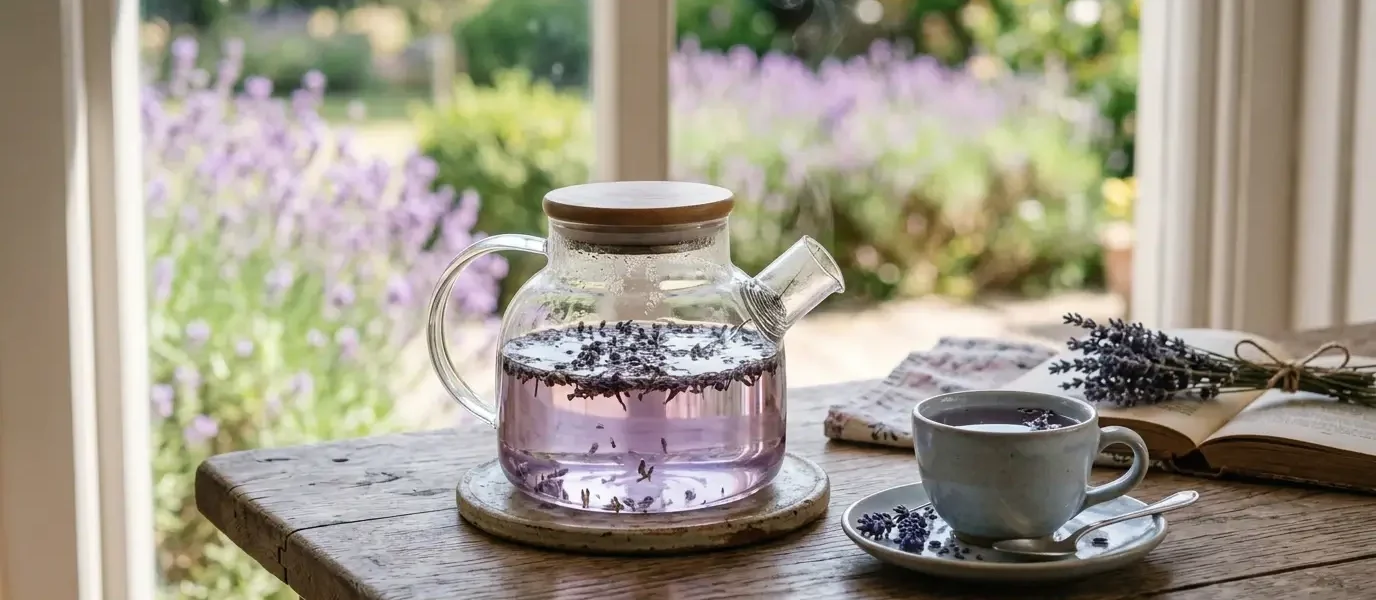
Lavender tea comes from steeping dried buds of the lavender flower in hot water. The plant, known scientifically as Lavandula angustifolia, originates from Mediterranean regions. This herbal infusion contains beneficial compounds including linalool and linalyl acetate, both recognized for their anti-inflammatory and antispasmodic properties.
The tea naturally provides vitamin C, magnesium, and calcium. These nutrients support immune function and help your body defend against infections. Because lavender contains eucalyptol, linalool, and β-ocimene, it strengthens immune system cells with antimicrobial and anti-inflammatory action.
How lavender affects digestion
Lavender’s linalool content gives it carminative, tonic, and digestive properties. The tea helps relax smooth muscles throughout your digestive tract, reducing cramps and spasms. In addition, the fragrance stimulates bile production, which breaks down food more efficiently.
The antispasmodic effects extend to relieving gas and bloating. Lavender’s anti-inflammatory properties soothe irritated stomach muscles, decreasing stomach pain and indigestion. The calming aroma triggers chemical reactions in your brain that can treat nausea.
Potential benefits for acid reflux symptoms
Lavender demonstrates an antispasmodic effect on the lower esophageal sphincter, helping it stay tight and preventing stomach acid from entering your esophagus. A 2017 study suggested that lavender tea may help reduce nausea associated with acid reflux. However, more research remains necessary to fully understand these benefits.
Possible side effects and precautions
Lavender tea can cause drowsiness, constipation, headache, nausea, or burping when consumed in excess. You should not take it if you’re pregnant, breastfeeding, under 12 years old, or have gastritis or gastric ulcers. Avoid driving or operating heavy machinery after drinking it. Don’t combine lavender tea with sedative medications, alcohol, or substances that depress your central nervous system.
Best Herbal Teas for Acid Reflux
Several herbal teas offer natural relief when acid reflux symptoms strike. Each works through distinct mechanisms to soothe your digestive system.
Ginger tea
Ginger contains compounds called gingerols that reduce inflammation in your digestive tract. The root speeds gastric emptying, moving food through your stomach more quickly so less sits there to potentially cause reflux. By aiding digestion, you’ll feel less full and there will be less content available to trigger heartburn. Ginger also counteracts bloating, gas, and nausea. You can prepare it by steeping fresh grated ginger in hot water for 10-15 minutes. Keep your intake around 4 grams daily, which equals less than an eighth of a cup.
Chamomile tea
Chamomile belongs to the Asteraceae family and contains apigenin, an antioxidant with anti-inflammatory properties. The tea helps relax muscles that move food through your intestines, dispelling gas and soothing your stomach. About a million cups are consumed every day worldwide. Chamomile reduces stress, which is a major contributor to acid reflux episodes. A 2023 review suggests it may offer benefits for GERD when consumed after meals or before bedtime.
Licorice root tea
Licorice increases gastric mucus secretion, protecting your esophagus and stomach lining from acid damage. A study found that 75 mg taken twice daily reduced heartburn symptoms over 30 days with no reported side effects. Choose deglycyrrhizinated licorice (DGL) over regular licorice extract to minimize interactions with medications and avoid elevated blood pressure.
Slippery elm tea
Slippery elm contains mucilage that forms a gel when mixed with water, coating inflamed tissues in your gastrointestinal tract. Mix 1 tablespoon of powdered bark with water or tea up to 3 times daily. The gel stimulates mucus production in your intestines, protecting against ulcers and excess acidity.
Marshmallow root tea
Marshmallow root’s mucilage makes up 10% to over 30% of the root’s dry weight. This gel-like substance creates a protective film coating your throat, esophagus, and stomach. Use cold water infusion rather than hot water to extract maximum mucilage, as high temperatures can denature the beneficial polysaccharides.
Water remains your safest choice. Normal tap water has a neutral pH of about 7.0, while alkaline water ranges from 8.8 to 9.0. Sipping small amounts throughout the day helps dilute stomach acid and clear irritants from your esophagus.
Low-fat milk and plant-based alternatives work better than whole milk. Full-fat dairy can relax the LES, but skim milk acts as a temporary buffer between your stomach lining and acidic contents. Almond milk provides natural alkaline properties that neutralize stomach acid. Oat milk supports digestive health through its fiber content, while coconut water offers electrolytes that promote pH balance.
Non-acidic fruit and vegetable juices include pear, cucumber, celery, carrot, and apple. Aloe vera juice soothes your stomach, though you should choose brands without added sugars.
Drinks that can worsen symptoms
Alcohol damages mucus in your gastric lining and impairs esophageal contractions. A 1993 study showed beer and wine as strong stimulants of stomach acid production. Research from 2019 found that drinking coffee, tea, and soda increased GERD risk in women.
Carbonated beverages cause abdominal distension, putting pressure on the sphincter muscle. Citrus juices from oranges and grapefruits are highly acidic and can irritate your esophagus.
Tips for drinking beverages with acid reflux
Sip slowly, as drinking too fast can trigger symptoms. Stay hydrated throughout the day rather than consuming large amounts at once. Avoid eating within three to four hours before bed. Keep a log to identify your personal triggers.
Conclusion
Lavender tea shows promise for acid reflux relief through its antispasmodic effects on the LES, though more research is needed. Similarly, you have several herbal options that work through different mechanisms to soothe your digestive system.
Start by trying one or two teas that appeal to you most. Keep a symptom journal to track which beverages provide the best relief for your specific triggers. Remember that what works for others might not work for you, so listen to your body as you experiment.
FAQs
Q1. Can lavender tea help with acid reflux symptoms? Lavender tea may provide some relief for acid reflux due to its antispasmodic effects on the lower esophageal sphincter, which helps keep it tight and prevents stomach acid from backing up into the esophagus. It also has anti-inflammatory properties that can soothe digestive discomfort. However, more research is needed to fully confirm these benefits.
Q2. Who should avoid drinking lavender tea? You should not drink lavender tea if you are pregnant, breastfeeding, under 12 years old, or have gastritis or gastric ulcers. Additionally, avoid it if you’re taking sedative medications or planning to drive or operate heavy machinery, as it can cause drowsiness. Excessive consumption may lead to side effects like constipation, headache, or nausea.
Q3. Which herbal teas are most effective for acid reflux relief? Chamomile tea is one of the most popular choices due to its anti-inflammatory properties and ability to relax digestive muscles. Ginger tea helps speed gastric emptying and reduces nausea. Licorice root tea increases protective mucus secretion in the stomach lining. Slippery elm and marshmallow root teas create a soothing gel-like coating that protects the esophagus and stomach from acid irritation.
Q4. What beverages should I avoid if I have acid reflux? Avoid alcohol, as it damages the stomach’s protective mucus lining and stimulates acid production. Carbonated beverages cause abdominal pressure that can push acid upward. Coffee, regular tea, and citrus juices are highly acidic and can irritate the esophagus. Full-fat dairy products may also relax the lower esophageal sphincter and worsen symptoms.
Q5. What are the best drinks to calm acid reflux quickly? Water is the safest option, especially alkaline water with a pH of 8.8 to 9.0, as it helps neutralize stomach acid. Low-fat or plant-based milk alternatives like almond milk provide natural alkaline properties. Aloe vera juice can soothe the stomach, and non-acidic vegetable juices such as cucumber, celery, or carrot juice are gentle options that won’t trigger symptoms.
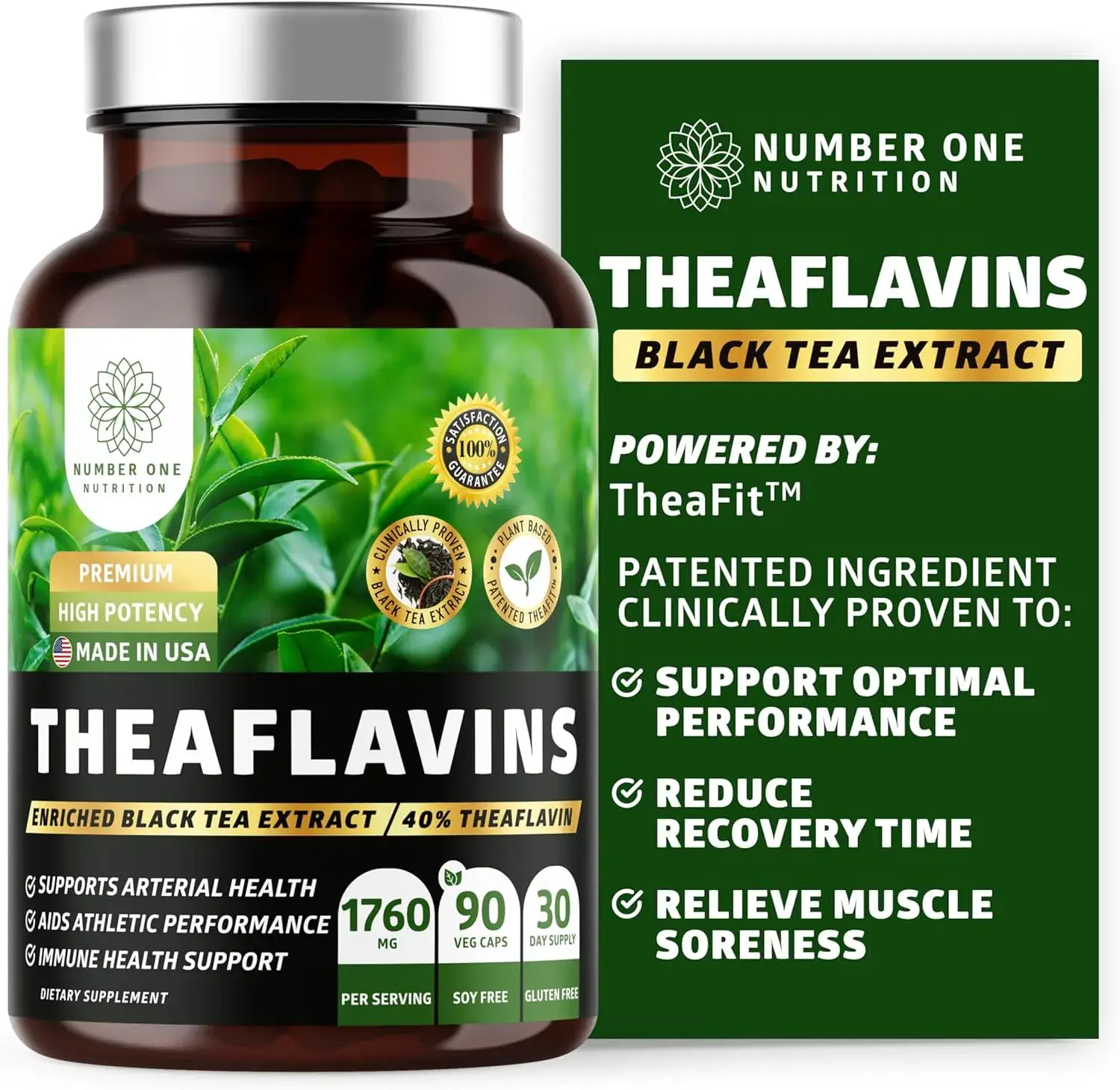
Black Tea Extract that is rich in natural theaflavins and polyphenols that help protect your body from free radicals, promoting overall immune health and well-being
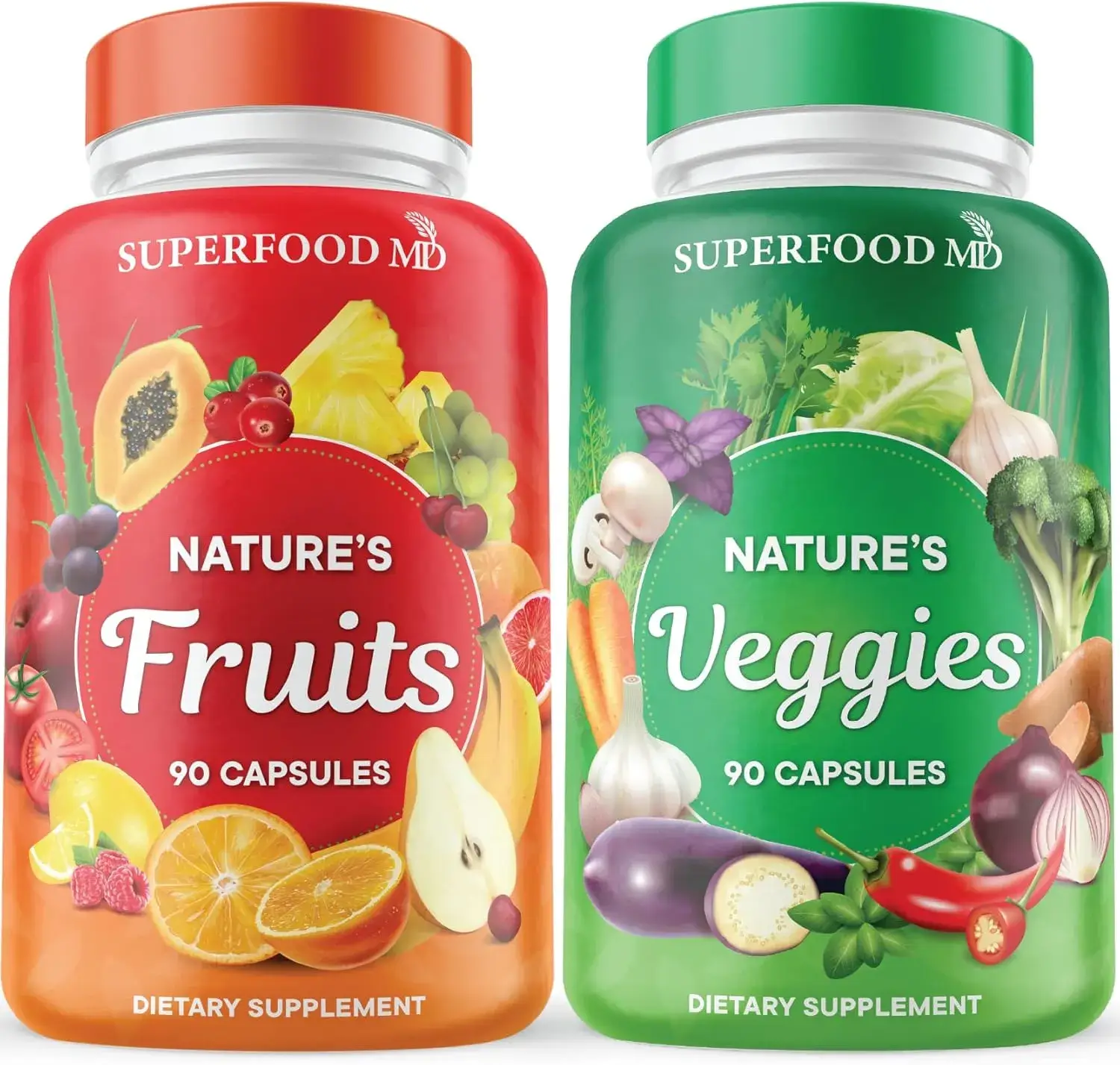
Contains blended amounts of Fruits and Veggies. All natural, with whole foods, fruit and vegetable supplement.Perfect for everyone looking to live a healthier lifestyle.