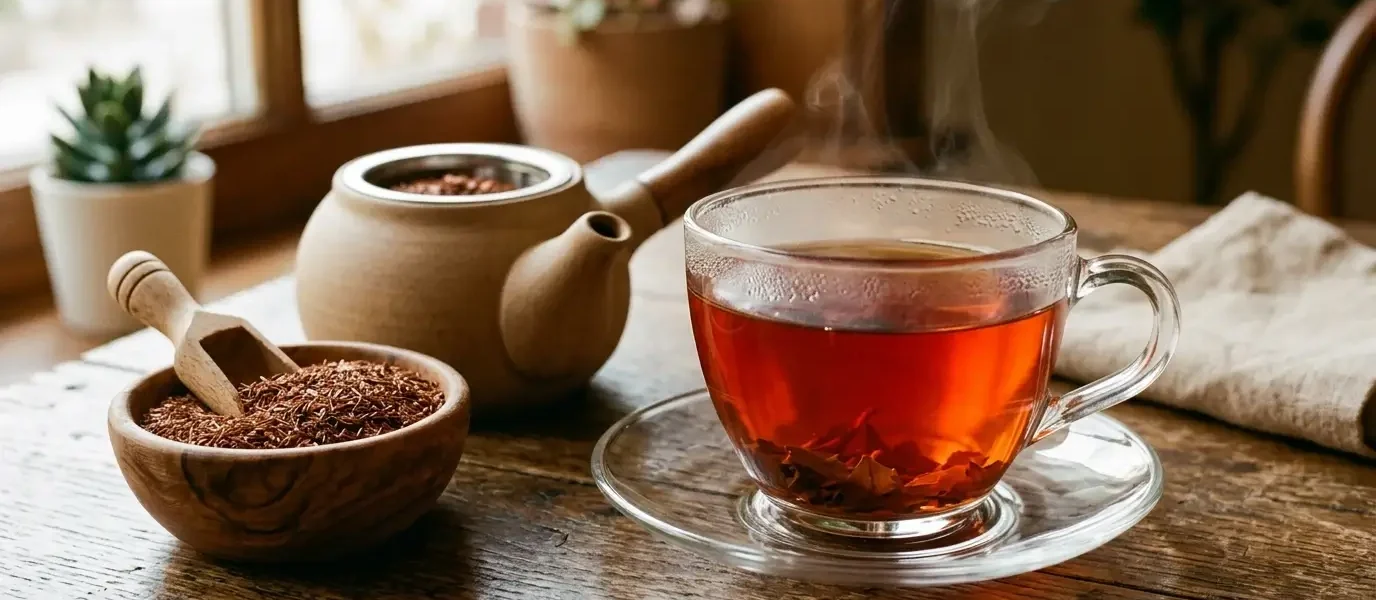
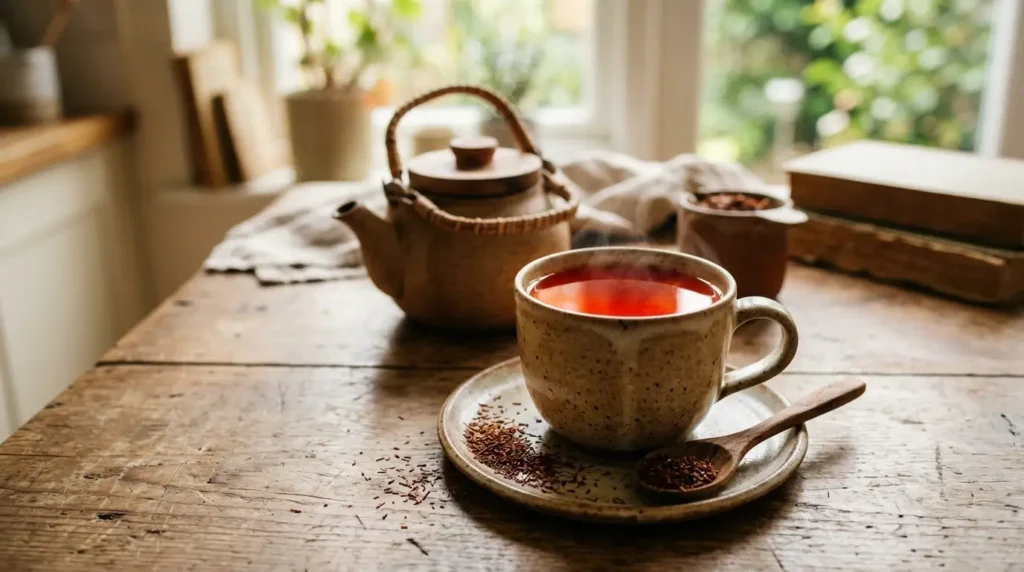
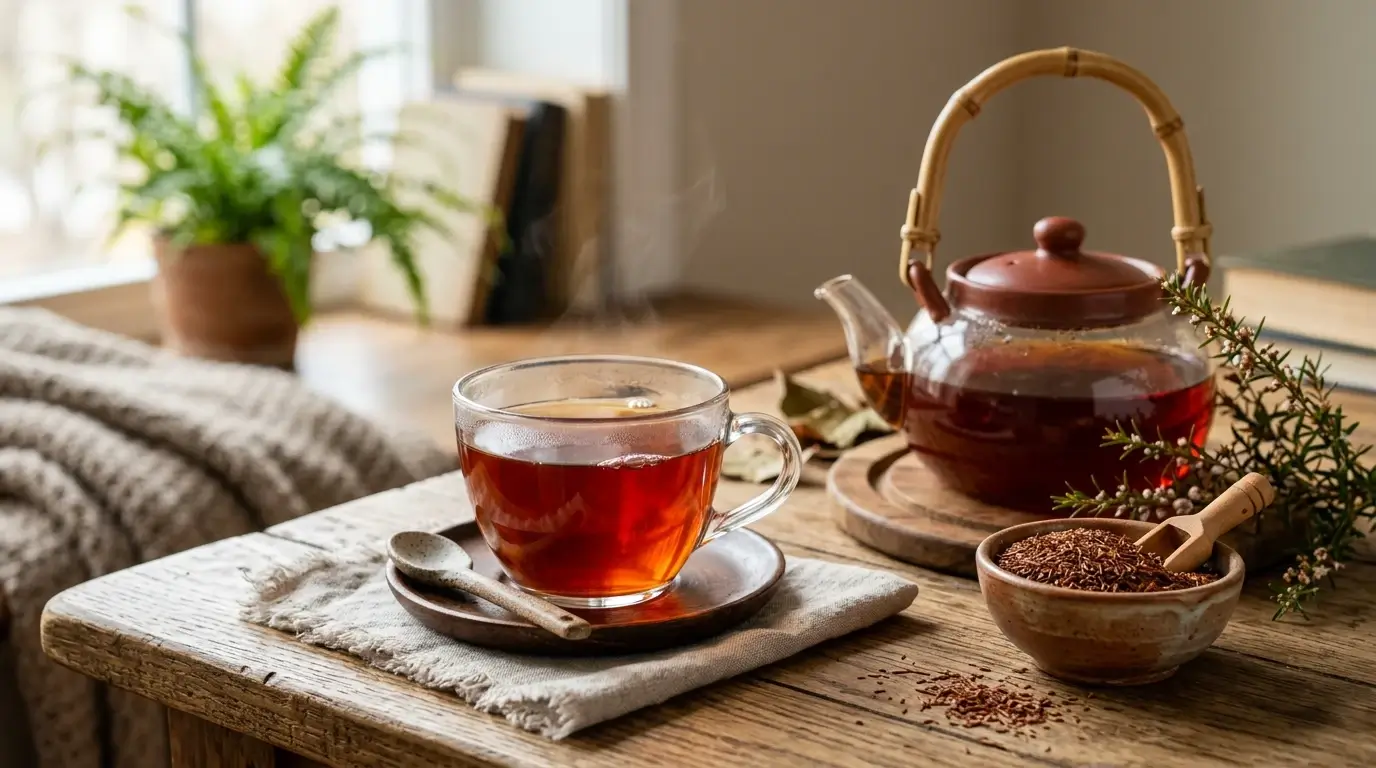
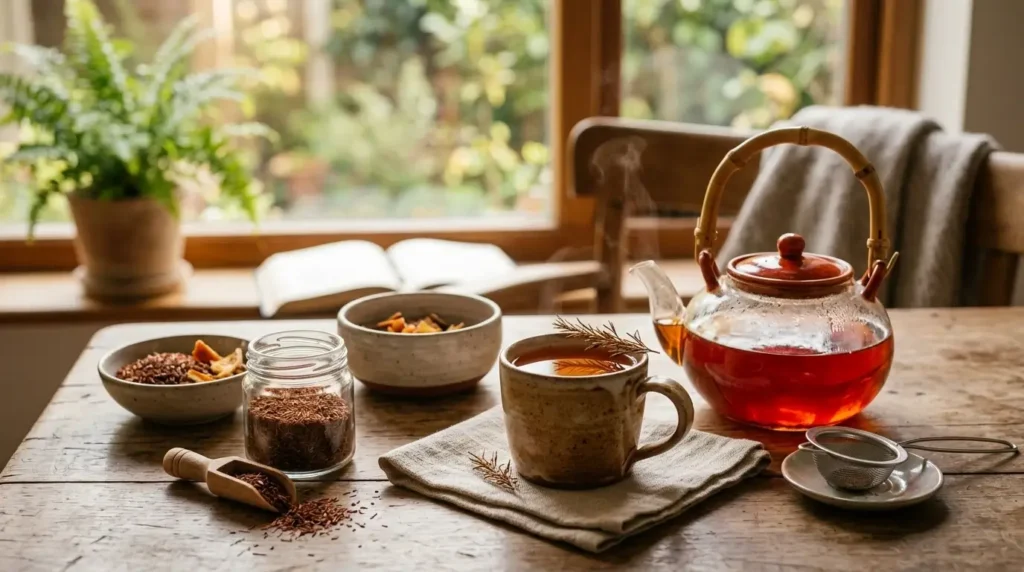
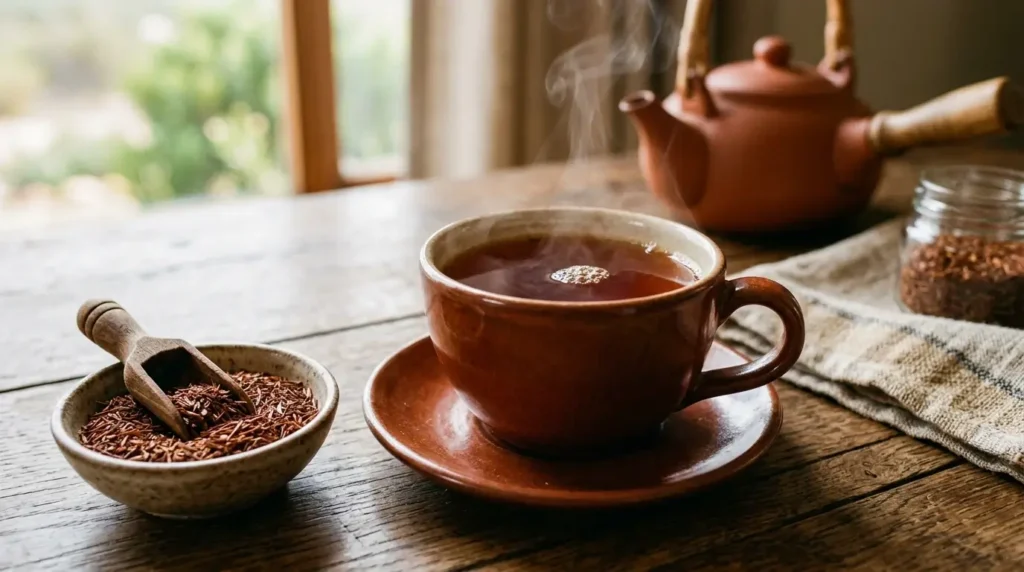
Most men don’t think twice about what’s in their cup. Coffee to wake up, maybe a sports drink before the gym, and that’s about it. But there’s a quiet conversation happening in wellness circles about a caffeine-free herbal tea from South Africa that’s turning heads — and for good reason.
Rooibos tea (pronounced ROY-boss) has been brewed for centuries by indigenous Khoisan people, long before it became a global health trend. What makes it especially interesting for men isn’t just its rich, earthy flavor — it’s what’s packed inside: a unique combination of antioxidants, anti-inflammatory compounds, and minerals that map surprisingly well onto the specific health pressures men face.
From hormonal balance to cardiovascular protection, prostate support to better sleep, the research behind rooibos tea benefits for men is building steadily. In this article, we break down the top 5 reasons why this red bush tea deserves a spot in your daily routine — backed by what the science actually says.
What Is Rooibos Tea and Why Are Men Paying Attention to It?
Origins of Rooibos (Red Bush Tea)
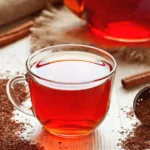
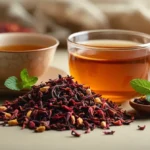
Rooibos comes from the Aspalathus linearis plant, a shrub native exclusively to the Cederberg mountains of South Africa’s Western Cape. The leaves are harvested, bruised, and left to oxidize — a process that turns them from green to the signature reddish-brown color and develops the tea’s characteristic mellow sweetness.
Commercially grown since the early 20th century, rooibos has since earned a reputation in European and Asian markets as a “wellness tea” — and the global sports and biohacking communities are catching on for specific, measurable reasons.
Key Bioactive Compounds
Rooibos is not just a pretty color. Its health value comes from a distinctive phytochemical profile that you won’t find in any other plant on Earth:
Aspalathin — a unique C-glucosyl dihydrochalcone found only in rooibos; shown to modulate cortisol and blood sugar
Nothofagin — a powerful antioxidant that works alongside aspalathin
Quercetin — a well-studied flavonoid with anti-inflammatory and cardioprotective properties
Luteolin — linked to reduced inflammation and potential anti-cancer activity
Chrysoeriol — shown in studies to relax blood vessels and support heart health
Minerals: calcium, magnesium, potassium, zinc, and manganese
Why It’s Different From Black or Green Tea
Unlike black or green tea, rooibos contains zero caffeine and extremely low tannin levels. That means no jitteriness, no sleep disruption, and no interference with iron absorption. For men who are already caffeinated, adding rooibos as an evening or recovery drink makes practical sense without the trade-offs.
Benefit #1 — Supports Healthy Testosterone and Hormonal Balance
How Cortisol Affects Male Testosterone Levels
Here’s something most men don’t know: cortisol and testosterone are biochemically at odds. When your stress response is chronically activated, your adrenal glands pump out cortisol — and elevated cortisol is one of the most well-documented suppressors of testosterone production.
Modern male life — demanding jobs, poor sleep, processed food, overtraining — is essentially a cortisol factory. Managing that stress response isn’t just about feeling calmer; it directly impacts your hormonal environment.
Aspalathin’s Role in Adrenal Function
This is where rooibos gets interesting for men specifically. Aspalathin, the compound unique to rooibos, has been shown in laboratory and animal studies to inhibit the adrenal secretion of stress hormones. A study published in Phytochemistry found that aspalathin and nothofagin reduced the synthesis of cortisol precursors in adrenal cells by inhibiting specific enzymes in the steroid pathway.
Less cortisol production, over time, creates a more favorable testosterone-to-cortisol ratio — a metric that athletes and men’s health practitioners monitor closely.
What the Research Suggests
It’s important to be measured here: rooibos is not a testosterone booster in the pharmacological sense. It doesn’t directly stimulate Leydig cells or mimic LH. But its indirect support through adrenal modulation and stress reduction is a legitimate and meaningful pathway — especially for men in high-cortisol lifestyles who are looking for natural support.
Pair it with consistent sleep, strength training, and adequate dietary fat, and rooibos becomes a useful piece of a larger hormonal puzzle.
Benefit #2 — Promotes Cardiovascular Health
Heart Disease and Men — The Risk Picture
Cardiovascular disease is the number one killer of men in most parts of the world, and it tends to strike earlier in men than women. Risk factors like oxidized LDL cholesterol, arterial stiffness, high blood pressure, and systemic inflammation begin accumulating silently in men’s 30s and 40s.
The good news is that diet and lifestyle interventions can meaningfully move the needle — and rooibos offers several mechanisms that target cardiovascular risk directly.
How Rooibos Antioxidants Protect Blood Vessels
Oxidative stress damages the endothelium — the delicate inner lining of blood vessels. When that lining is inflamed or damaged, plaque builds up more easily. Rooibos’s antioxidant activity, particularly from quercetin and chrysoeriol, has been shown to protect endothelial cells from oxidative damage and to reduce markers of vascular inflammation.
A study in the European Journal of Nutrition found that regular rooibos consumption in at-risk adults significantly reduced LDL (bad) cholesterol and increased HDL (good) cholesterol over a six-week period, compared to a control group. The subjects who drank six cups of rooibos daily showed the most pronounced lipid improvements.
Effects on Cholesterol and Blood Pressure
Chrysoeriol, one of rooibos’s unique flavonoids, has demonstrated vasodilatory effects — meaning it helps relax blood vessel walls, which can contribute to lower blood pressure. Combined with the tea’s potassium content and its role in reducing oxidative arterial damage, rooibos presents a multi-pronged cardiovascular support profile that few herbal teas can match.
Benefit #3 — Reduces Oxidative Stress and Inflammation
What Oxidative Stress Does to Men’s Bodies
Every time you exercise hard, work long hours, drink alcohol, or simply breathe polluted air, your body generates free radicals — unstable molecules that damage cells, proteins, and DNA. Your body has its own antioxidant defenses, but when the load exceeds their capacity, the result is oxidative stress.
Chronic oxidative stress in men has been linked to accelerated aging, reduced sperm quality, increased cardiovascular risk, joint degradation, and higher cancer risk. Fighting it with a high-antioxidant diet isn’t optional if long-term performance and health matter to you.
Quercetin and Luteolin in Rooibos
Rooibos contains meaningful amounts of quercetin — one of the most studied flavonoids in the world. Quercetin inhibits several pro-inflammatory enzymes (including COX-2, the same enzyme targeted by ibuprofen) and has been shown to reduce inflammatory cytokines like TNF-α and IL-6.
Luteolin, another rooibos flavonoid, adds a further anti-inflammatory layer and has shown promising activity against NF-κB — a molecular switch that controls inflammation throughout the body. In practical terms, this matters for men dealing with joint soreness, post-exercise inflammation, or early metabolic syndrome.
Benefits for Muscle Recovery and Joint Health
For active men — whether you’re a weekend warrior or a regular gym-goer — post-exercise inflammation is a given. Incorporating rooibos as a post-workout recovery drink offers antioxidant support without the blood-thinning risks of NSAIDs, the added sugar of recovery drinks, or the cortisol spike of another coffee.
Over time, reducing baseline inflammation also supports better joint mobility, less chronic soreness, and more consistent training capacity.
Benefit #4 — Supports Prostate and Kidney Health
Prostate Health Challenges in Aging Men
By the time men reach their 50s, prostate issues are a near-universal concern. Benign prostatic hyperplasia (BPH) — enlargement of the prostate — affects over half of men by age 60. Prostate cancer is the most common non-skin cancer in men worldwide. Inflammation plays a central role in both conditions.
While no tea is going to replace medical screening or treatment, anti-inflammatory and antioxidant support from the diet is a recognized part of prostate health maintenance.
Rooibos’s Anti-Inflammatory Action on the Prostate
Quercetin — abundant in rooibos — has been studied specifically in the context of prostate health. It has demonstrated the ability to inhibit the growth of prostate cancer cells in vitro and to reduce BPH-related inflammation in animal models. While human clinical data is still developing, the mechanism is sound and the compound is widely regarded as prostate-protective.
Additionally, rooibos contains zinc, a mineral that concentrates in the prostate gland and plays an essential role in regulating prostate cell growth. Most men are mildly zinc-deficient, and regularly sipping zinc-containing beverages like rooibos contributes (modestly but consistently) to daily intake.
Kidney Stone Prevention — The Oxalate-Free Advantage
This is a benefit that often surprises people. Many common teas — black tea especially — are high in oxalates, compounds that bind with calcium and form kidney stones. Men are significantly more prone to kidney stones than women, and high tea consumption is a known dietary risk factor.
Rooibos is naturally low in oxalates, which means it can be enjoyed freely without contributing to stone formation risk. For men who are prone to kidney stones but want the benefits of a tea habit, rooibos is one of the safest choices available.
Benefit #5 — Improves Sleep Quality and Stress Response
The Caffeine-Free Advantage for Men
Men in their 30s and 40s are often running on inadequate sleep. Whether it’s work pressure, young children, or simply poor sleep hygiene, sleep deprivation is epidemic — and it wreaks havoc on testosterone, mood, focus, and metabolic health.
The problem with most beverages men reach for is that they contain caffeine. Even green tea, widely praised for its health properties, contains enough caffeine to delay sleep onset and reduce deep sleep quality when consumed in the afternoon or evening.
Rooibos contains zero caffeine. It can be consumed at any time of day without affecting sleep architecture — making it an ideal evening wind-down ritual.
Rooibos and the Nervous System
Beyond being caffeine-free, rooibos may have an active calming effect. Some research has pointed to rooibos’s potential as a mild inhibitor of phosphodiesterase — an enzyme that breaks down cyclic AMP, which is involved in the relaxation of smooth muscle and nerve signaling. In simpler terms: rooibos may actively support a calmer nervous system state, not just passively avoid stimulating it.
The magnesium content in rooibos also supports GABA receptor function — the main inhibitory neurotransmitter system involved in relaxation and sleep regulation.
Evening Rituals and Cortisol Management
Building a consistent evening ritual is one of the most underrated tools in men’s wellness. The act of preparing and slowly drinking a warm, calming beverage signals to the nervous system that the “work mode” is winding down. Combined with rooibos’s biochemical cortisol-modulating properties, this creates a compounding benefit — behavioral and physiological together.
Replace your second or third evening coffee with a cup of rooibos, and you may notice improvements in how quickly you fall asleep, the quality of your rest, and your morning energy levels within just a few weeks.
How to Drink Rooibos Tea for Maximum Men’s Health Benefits
Best Time of Day to Drink It
One of rooibos’s most practical advantages is its flexibility. Because it’s caffeine-free, there’s no wrong time to drink it. That said, timing can optimize specific benefits:
Morning: Pairs well with breakfast; the antioxidants kick-start your body’s defenses for the day
Post-workout: Anti-inflammatory support during the recovery window
Afternoon: A smart swap for a third coffee; keeps focus without cortisol-spiking caffeine
Evening: Best time for cortisol management and sleep preparation — 1–2 cups 60–90 minutes before bed
How to Brew It Properly
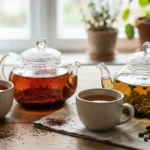
Rooibos is forgiving and hard to over-brew — unlike green tea, it won’t turn bitter with extra steeping time. Here’s a straightforward method:
Use 1 teaspoon of loose rooibos (or one tea bag) per 250ml of water
Heat water to around 95–100°C (just off the boil)
Steep for 5–7 minutes for a full-flavored, antioxidant-rich cup
Enjoy plain, or with a splash of milk and a small amount of honey
For maximum antioxidant extraction, opt for loose-leaf rooibos over bags, and avoid adding cow’s milk if possible — some research suggests dairy proteins may bind to and reduce the bioavailability of tea polyphenols.
Red vs. Green Rooibos — Which Is Better?
Most people are familiar with red rooibos (fermented/oxidized) — the classic version. But green rooibos (unoxidized) is increasingly available and contains significantly higher levels of aspalathin, since the oxidation process degrades this compound.
If your primary interest is hormonal or metabolic support (Benefit #1), green rooibos may offer an edge. For general antioxidant and cardiovascular support, either version performs well. Many men alternate between the two for variety and complementary benefits.
Feature
Red Rooibos
Green Rooibos
Aspalathin content
Lower (oxidized)
Higher
Flavor
Sweet, earthy, mellow
Grassy, lighter, slightly vegetal
Availability
Widely available
Less common, specialty stores
Best for
General wellness, heart health
Cortisol, blood sugar, hormones
Caffeine
None
None
Frequently Asked Questions About Rooibos Tea Benefits for Men
How much rooibos tea should a man drink daily?
Most studies that have shown benefits used 2–6 cups per day. For general wellness, 2–3 cups is a practical and sustainable daily amount. There’s no established upper limit, and since it’s caffeine-free and low in tannins, drinking more isn’t problematic for most healthy men. If you have kidney disease or are on medications, check with your doctor about consistent high consumption.
Can rooibos tea actually raise testosterone levels?
Rooibos won’t directly raise testosterone the way pharmaceutical interventions do. Its mechanism is indirect — primarily through reducing cortisol secretion, which creates a more favorable hormonal environment. Think of it as removing a hand that’s been pressing testosterone down, rather than actively boosting it. The benefit is real but subtle, and works best as part of a comprehensive wellness approach.
Is rooibos tea safe for men to drink every day?
Yes. Rooibos has a strong safety profile and is generally recognized as safe for daily consumption. It’s free of caffeine, very low in tannins, and contains no known toxins at normal consumption levels. Some men with hormone-sensitive conditions should consult a healthcare provider before making it a daily ritual, but for the average healthy man, daily use is entirely appropriate.
Does rooibos tea affect sperm quality or fertility?
There’s limited direct research on rooibos and male fertility, but the general direction is positive. Its antioxidant compounds — particularly quercetin — have been shown in studies to protect sperm cells from oxidative DNA damage, which is a leading cause of reduced sperm quality. For men concerned about fertility, rooibos makes a sensible addition to a broader dietary strategy.
Can I drink rooibos tea if I take medications?
Rooibos has demonstrated mild interactions with certain liver enzymes involved in drug metabolism (specifically CYP1A2 and CYP3A4). If you take medications processed by these enzymes — including some statins, anticoagulants, or antidepressants — it’s worth mentioning your rooibos habit to your prescribing doctor. For most men, this is not a concern, but it’s good practice to be informed.
What’s the best rooibos tea brand for men’s health?
Look for single-origin South African rooibos with minimal additives, preferably organic certified. Loose-leaf options from specialty tea companies generally offer better quality and higher antioxidant concentrations than mass-market tea bags. For maximum aspalathin content (the cortisol-modulating compound), seek out green rooibos specifically.
Conclusion — Make Rooibos Your Daily Wellness Ritual
The case for rooibos tea as part of a men’s wellness routine isn’t built on hype or wishful thinking — it’s built on a steadily growing body of research that identifies specific, male-relevant mechanisms in a genuinely unique plant.
To recap what the science and traditional use suggest about rooibos tea benefits for men:
Hormonal support — through cortisol modulation and adrenal health
Cardiovascular protection — via antioxidants that guard vessels and improve lipid profiles
Prostate and kidney health — quercetin, zinc, and low oxalate content all play a role
Better sleep and stress resilience — caffeine-free, calming, and cortisol-reducing
None of these benefits requires a dramatic lifestyle overhaul. You don’t need a prescription, a supplement stack, or an expensive protocol. You just need a kettle, some good-quality loose rooibos, and the discipline to make it a daily habit.
Start simple: replace your last coffee of the day with a cup of rooibos for two weeks. Pay attention to your sleep, your stress levels, and how you feel. The changes may be subtle at first — but that’s often how the most sustainable wellness shifts begin.
Your health doesn’t have to be complicated. Sometimes it starts with a single cup.
Disclaimer: This article is for informational purposes only and does not constitute medical advice. Always consult a qualified healthcare professional before making significant changes to your diet or wellness routine, especially if you have underlying health conditions or take medications.
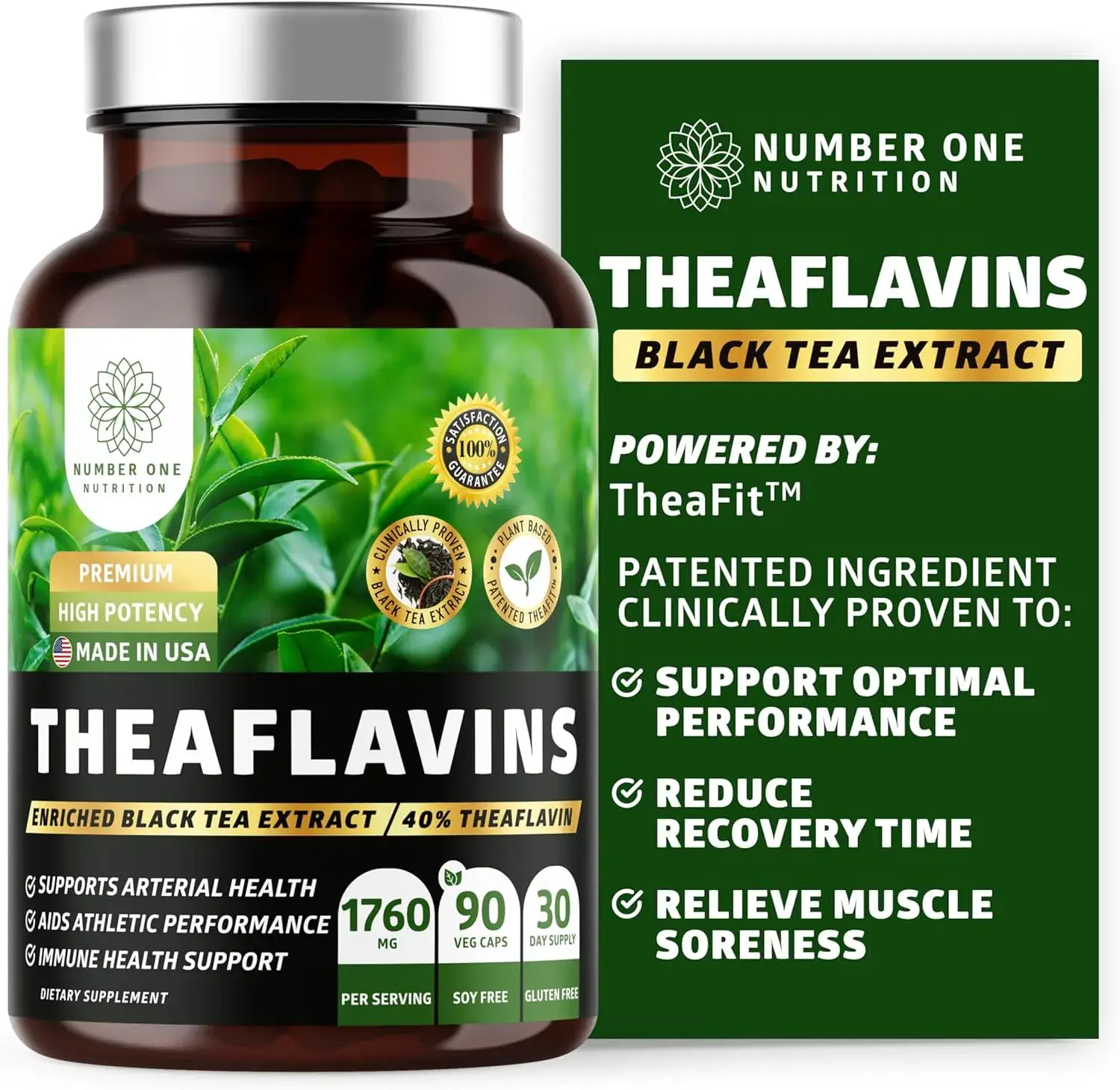
Black Tea Extract that is rich in natural theaflavins and polyphenols that help protect your body from free radicals, promoting overall immune health and well-being
Contains blended amounts of Fruits and Veggies. All natural, with whole foods, fruit and vegetable supplement.Perfect for everyone looking to live a healthier lifestyle.