Ginseng tea does it have caffeine? This question comes up often, and the answer might surprise you. Despite its energizing reputation, ginseng does not contain caffeine. Korean Red Ginseng, for instance, has been used for centuries to support health and vitality, but its energy-boosting effects come from ginsenosides, not caffeine.
In this guide, we’ll clear up the confusion around does ginseng have caffeine and explain how Korean Red Ginseng and Panax ginseng actually work. We’ll also cover ginseng tea benefits, compare it to coffee, and show you how to use it safely for maximum results.
Key Takeaways
Understanding the truth about ginseng tea’s caffeine content helps you make informed decisions about natural energy alternatives and avoid common misconceptions.
• Ginseng tea contains zero caffeine but provides sustained energy through ginsenosides, which support cellular function without causing jitters or crashes.
• The energy confusion stems from ginseng’s alertness-boosting effects that feel similar to caffeine but work through stress regulation rather than stimulation.
• Korean Red Ginseng offers warming, energizing properties while American Ginseng provides cooling, relaxing effects – both caffeine-free options.
• Take ginseng tea in the morning or early afternoon (1-2 grams) to maximize benefits while avoiding sleep disruption.
• Ginseng provides additional health benefits including immune support, anti-inflammatory effects, and blood sugar management that coffee cannot offer.
Unlike caffeine-based drinks that create dependency and tolerance, ginseng tea offers a sustainable approach to natural energy enhancement without the typical stimulant side effects.
Does Ginseng Tea Have Caffeine? The Direct Answer
No, ginseng tea does not have caffeine. It contains zero caffeine, theobromine, or any alkaloid stimulants found in coffee or traditional tea. This makes ginseng tea a caffeine-free option for anyone looking to avoid stimulants while still experiencing natural energy support.
What is Ginseng Tea?
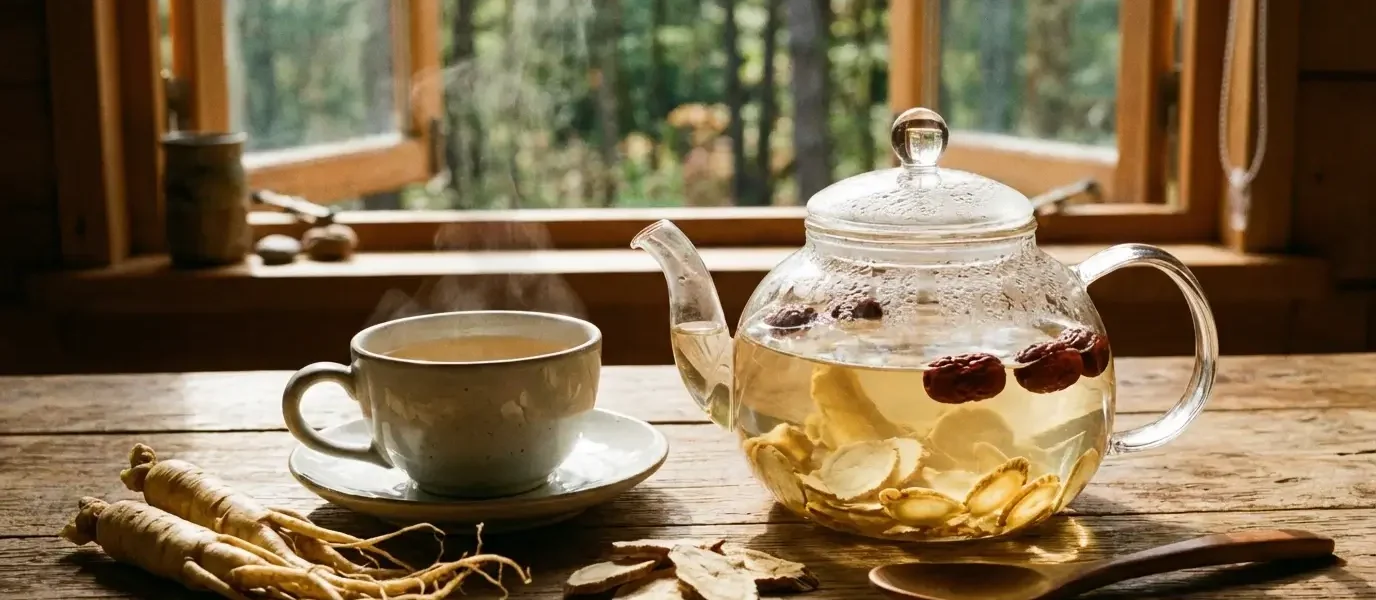
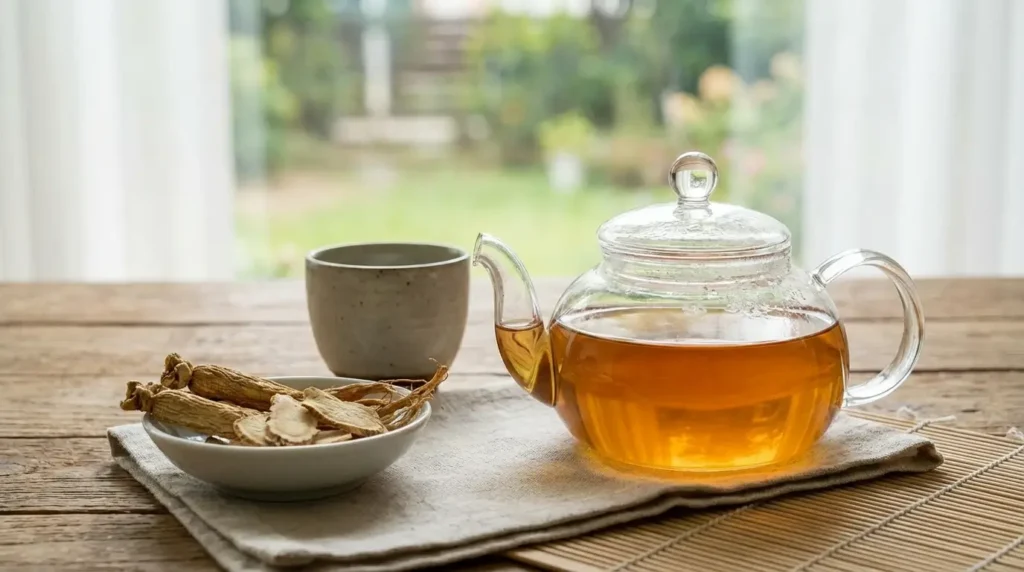
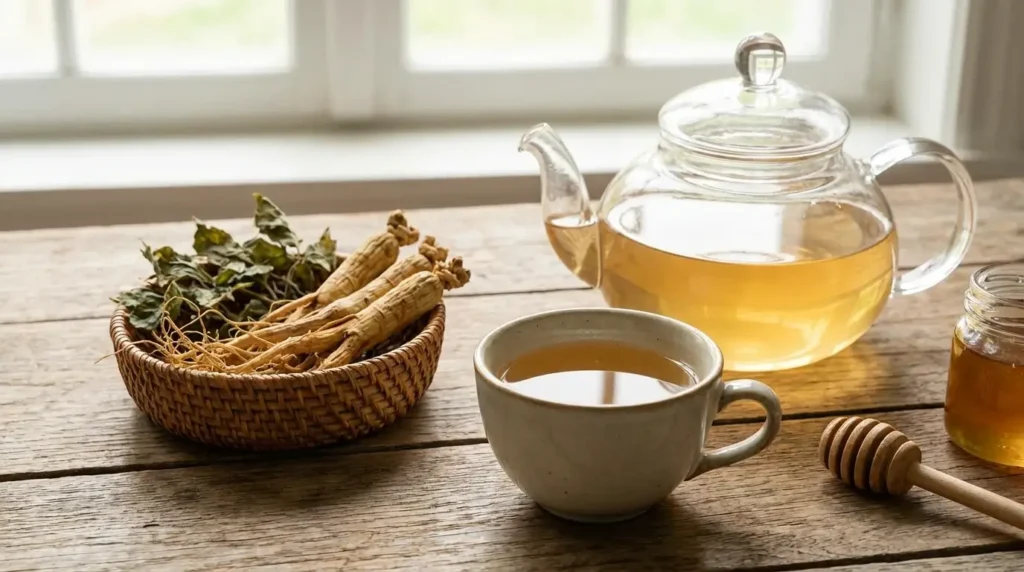
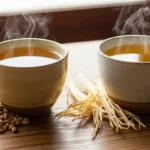
Ginseng tea is not actually tea in the traditional sense. While it’s called a tea, it doesn’t contain any leaves from the Camellia sinensis plant. In reality, it’s an herbal infusion made from the root of ginseng plants, primarily from the genus Panax.
The roots grow slowly and require careful cultivation. Most ginseng needs four to six years before harvest. This lengthy growth period contributes to the concentration of ginsenosides, the active compounds responsible for ginseng’s health benefits. These ginsenosides work through entirely different mechanisms than caffeine, supporting mental function and physical endurance without causing jitters.
Ginseng comes in two main processing forms. White ginseng is simply air-dried or sun-dried raw root. Red ginseng undergoes steaming at high temperatures for several hours, then drying. This steaming process concentrates the active compounds and gives red ginseng its distinctive color and enhanced potency.
Korean Red Ginseng vs. American Ginseng
Korean Red Ginseng (Panax ginseng) and American Ginseng (Panax quinquefolius) are different species with distinct properties. Korean Red Ginseng grows in East Asia and is known for its warming properties. It promotes blood circulation and is considered more energizing.
American Ginseng, native to eastern North America, has cooling properties. It’s often used to promote relaxation and support immune function. For instance, those who find Korean ginseng too stimulating might prefer American ginseng’s milder effects.
Both varieties contain ginsenosides, but the specific compounds differ between species. Korean Red Ginseng undergoes unique steaming and drying that boosts potency and increases ginsenoside content through starch gelatinization.
Why Korean Red Ginseng Tea Comes in Granules
Korean Red Ginseng tea typically comes in granule packets that dissolve quickly. The reason is simple: ginseng tea is extracted from roots, not leaves. Roots cannot be steeped like traditional tea leaves, so manufacturers extract the beneficial compounds and process them into soluble granules. This format makes dosing easier and ensures you get consistent ginsenoside content in each serving.
The confusion around ginseng and caffeine stems from one simple fact: both make you feel more alert. Many users report increased focus and reduced tiredness after taking ginseng, which feels similar to drinking coffee. As a result, people assume ginseng must contain caffeine or work the same way.
The Energy Boost Confusion
Ginseng increases alertness and fights fatigue without being a stimulant. A 2018 review of 10 studies found that ginseng significantly improved chronic fatigue symptoms compared to placebo, even after just 15 days. This mental clarity can last up to six hours, making it effective for long meetings or tasks requiring sustained attention.
The difference lies in how you feel afterward. Coffee spikes energy quickly followed by a crash, while ginseng provides a steady rise in energy. In one study comparing endurance athletes who took either caffeine or Panax ginseng, both groups showed significant performance improvements. The ginseng results matched the caffeine group closely. Yet ginseng users don’t experience jitters or anxiety that stimulants often cause.
Ginseng in Energy Drinks
Commercial energy products frequently combine ginseng with caffeine, creating major confusion. When you see ginseng listed alongside caffeine in drinks like Monster or Red Bull, it’s easy to assume ginseng itself is a stimulant. In truth, energy drink manufacturers add ginseng for its separate benefits, not because it contains caffeine.
How Ginseng Actually Works Without Caffeine
Ginsenosides help your body regulate stress and energy usage rather than artificially stimulating the central nervous system. These compounds work through the hypothalamic-pituitary-adrenal (HPA) axis, which controls stress response and energy regulation. By modulating this system, ginseng prevents energy depletion from chronic stress.
Ginseng also enhances mitochondrial function, improving how cells produce energy. Ginsenosides may influence neurotransmitter pathways including dopamine, serotonin, and acetylcholine. This supports cognitive functions like memory and focus without overstimulating your nervous system. Likewise, you don’t build tolerance to ginseng the way you do with caffeine.
Ginseng Tea Benefits and How It Compares to Coffee
Ginseng root delivers multiple health benefits backed by scientific research. Understanding what ginseng is good for helps you decide whether it fits your wellness routine better than coffee.
Key Benefits of Ginseng Tea
Anti-inflammatory properties stand out as a primary benefit. In one study with 18 young male athletes, participants taking ginseng three times daily showed lower inflammatory markers compared to the placebo group. Ginsenosides provide potent antioxidant protection at the cellular level.
Brain function improvements include enhanced memory, alertness, and behavior. Studies demonstrate positive effects on cognitive performance, with one British research center noting improved mental arithmetic after eight days. For those experiencing cognitive decline, ginseng showed benefits for memory and mood.
Immune system support comes from ginseng’s ability to strengthen your body’s defenses. Research suggests regular consumption may reduce your chance of getting a cold by 16%. If you do catch one, symptoms may be shorter and less severe.
Energy and fatigue reduction work through cellular mechanisms. A 2018 review found ginseng significantly improved chronic fatigue symptoms after just 15 days. One clinical trial with 39 female participants showed the ginseng group experienced greater fatigue reduction by week twelve compared to both drug and placebo groups.
Blood sugar management shows promise for diabetes support. One study with 19 diabetic volunteers found six grams daily for 12 weeks helped maintain good control, with a 38% decrease in fasting insulin and 33% increase in insulin sensitivity.
Ginseng Tea vs. Coffee: Side-by-Side Comparison
Coffee delivers quick energy through caffeine stimulation but often leads to crashes. Ginseng provides sustained energy by supporting mitochondrial function and reducing oxidative stress. You won’t experience the highs and lows common with stimulants.
Tolerance differs significantly. Coffee requires increasing amounts over time as your body adapts. Ginseng doesn’t create dependency or tolerance.
Can You Drink Ginseng Tea with Coffee?
Yes, Korean Red Ginseng can be safely combined with coffee. American ginseng may counteract some negative caffeine effects through its adaptogenic, stress-reducing properties. However, if you’re sensitive to caffeine, try ginseng alone first to assess its unique benefits.
Take ginseng tea in the morning or early afternoon for optimal results. Morning consumption helps you maintain consistent energy throughout the day without disrupting sleep. The main side effect reported is trouble sleeping, so consuming it early reduces this risk. If you take it before exercise, aim for an hour prior to your workout, but still keep it early in the day.
Potential Side Effects and Precautions
Side effects are generally mild but can include headaches, sleep problems, and digestive issues. Women may experience breast tenderness or irregular menstrual cycles. Rare but serious reactions include severe allergic responses and liver inflammation. Ginseng interacts with blood thinners, diabetes medications, and immunosuppressants. If you take warfarin or diabetes medicine, consult your doctor before using ginseng.
Who Should Avoid Ginseng Tea
Pregnant and breastfeeding women should avoid ginseng due to safety concerns. Children should not use it, as it has been linked to fatal poisoning in newborns. Skip ginseng if you have breast cancer, bleeding disorders, autoimmune conditions, or heart problems. Those with diabetes need close blood sugar monitoring.
Recommended Dosage and Preparation
Standard dosing ranges from 1 to 2 grams of root taken 3 to 4 times daily. Clinical trials have used 200mg to 3 grams daily. Limit use to 3 to 6 months maximum. Taking it with food reduces stomach upset.
Conclusion: Ginseng Tea Does It Have Caffeine? Now You Know
Ginseng tea delivers natural energy without any caffeine, making it a smart alternative to coffee. The energy boost comes from ginsenosides that support your body’s stress response and cellular function rather than artificial stimulation.
For the most part, you’ll get better results with Korean Red Ginseng if you want sustained energy throughout the day. Just remember to take it in the morning or early afternoon to avoid sleep disruption, and stick to the recommended 1-2 grams per serving for optimal benefits.
FAQs
Q1. Who should avoid drinking ginseng tea? Certain individuals should not consume ginseng tea, including pregnant or breastfeeding women, children, and people with specific health conditions such as breast cancer, bleeding disorders, autoimmune diseases, or heart problems. Those with diabetes should exercise caution and monitor blood sugar levels closely. If you’re taking blood thinners, diabetes medications, or immunosuppressants, consult your healthcare provider before using ginseng.
Q2. Can Korean ginseng tea interfere with sleep? Yes, Korean Red Ginseng can potentially cause sleep disturbances if taken too late in the day. Due to its energizing properties, it’s best consumed in the morning or early afternoon to avoid restlessness or difficulty falling asleep. The sustained energy boost from ginsenosides can last several hours, which is why timing your consumption earlier in the day helps prevent sleep disruption.
Q3. What makes ginseng tea different from regular caffeinated tea? Ginseng tea is not actually a true tea—it’s an herbal infusion made from ginseng root rather than leaves from the Camellia sinensis plant. Unlike regular tea or coffee, ginseng contains zero caffeine and works through ginsenosides that support your body’s natural energy production and stress response, providing sustained energy without the jitters or crashes associated with caffeine.
Q4. Can you combine ginseng tea with coffee? Yes, ginseng tea can be safely combined with coffee. In fact, American ginseng may help counteract some of coffee’s negative effects through its adaptogenic and stress-reducing properties. However, if you’re sensitive to caffeine, it’s recommended to try ginseng alone first to experience its unique benefits before combining the two.
Q5. How much ginseng tea should you drink daily? The recommended dosage ranges from 1 to 2 grams of ginseng root taken 3 to 4 times daily, with clinical studies using between 200mg to 3 grams per day. It’s best to limit continuous use to 3 to 6 months maximum. Taking ginseng with food can help reduce potential stomach upset, and consuming it early in the day optimizes its energy-boosting benefits.
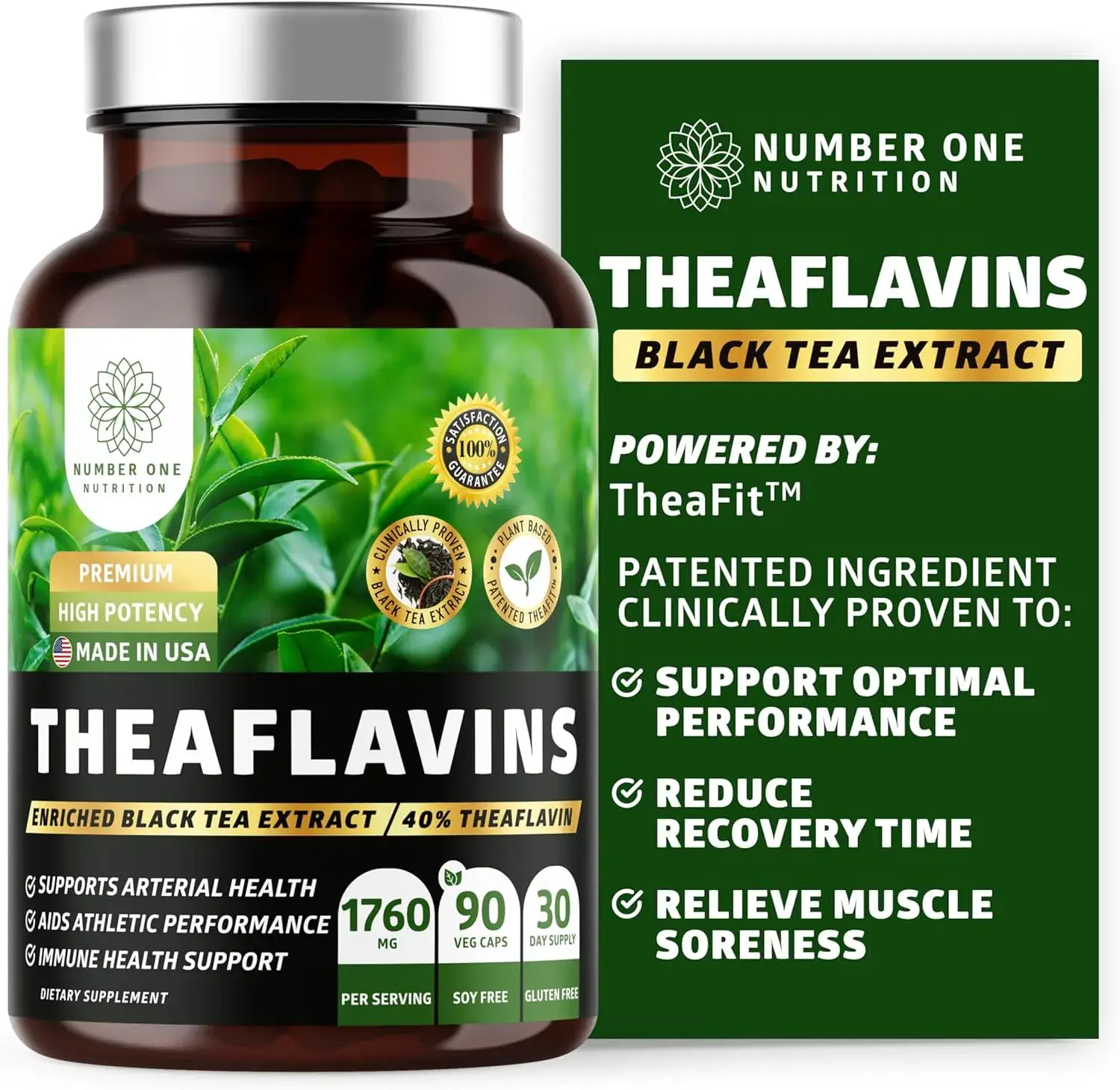
Black Tea Extract that is rich in natural theaflavins and polyphenols that help protect your body from free radicals, promoting overall immune health and well-being
Contains blended amounts of Fruits and Veggies. All natural, with whole foods, fruit and vegetable supplement.Perfect for everyone looking to live a healthier lifestyle.