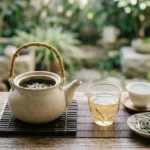
Does dandelion tea make you pee more? The short answer is yes. Dandelion tea acts as a natural diuretic and increases urine output. This property has made dandelion root a popular remedy in folk medicine for centuries.
In this article, we’ll explore the science behind why you drink dandelion tea and experience more frequent bathroom trips. We’ll examine what research says about dandelion root tea benefits, how it compares to pharmaceutical diuretics, and the health benefits of dandelion root tea for your kidneys and liver. To be sure, we’ll also cover safe dosage and who should avoid this herbal brew.
Key Takeaways
Yes, dandelion tea does make you pee more due to its natural diuretic properties backed by scientific research. Here’s what you need to know about this herbal remedy:
• Dandelion tea increases urination within 2-6 hours – Clinical studies show significant increases in both frequency and volume of urination after consumption.
• High potassium content drives the diuretic effect – Dandelion leaves contain 3x more potassium than other botanical diuretics, naturally supporting kidney function without depleting electrolytes.
• Gentle alternative to pharmaceutical diuretics – Unlike harsh prescription medications, dandelion maintains electrolyte balance while providing mild to moderate diuretic effects.
• Safe daily dosage is 2-3 cups – Start with one cup to assess tolerance, but avoid if pregnant, breastfeeding, or taking blood thinners or diuretics.
• Multiple health benefits beyond increased urination – Supports liver and kidney health, reduces bloating and water retention, and may help prevent UTIs naturally.
The research validates traditional medicine’s use of dandelion as a natural diuretic, offering a gentler approach to fluid management compared to synthetic alternatives. However, always consult healthcare providers before adding dandelion tea to your routine, especially if you have existing medical conditions or take medications.
What Is Dandelion Tea and How Does It Work?
Dandelion tea comes from the Taraxacum officinale plant, a perennial herb found on every continent except Antarctica. Every part of this plant is edible, including the flower, root, and stems. When you drink dandelion tea, you’re consuming either an infusion made from the leaves or one brewed from the roots.
The Different Types of Dandelion Tea
The two main varieties of dandelion tea differ in both preparation and effect. Dandelion leaf tea offers a fresh, slightly bitter taste similar to arugula. The leaves are harvested in spring, then cleaned and dried to preserve their properties. This variety tastes light and grassy, making it suitable for daily consumption.
Dandelion root tea has a deeper, earthy flavor profile. The roots grow deep into soil, absorbing nutrients during their growth. After harvest, processors clean and dry them. Many producers roast the roots to create a coffee-like beverage without caffeine. Roasting changes the aroma and deepens the flavor but doesn’t alter the core compounds. Both roasted and unroasted versions contain the same active ingredients, so choosing between them comes down to taste preference rather than effectiveness.
Active Compounds in Dandelion Root and Leaves
The diuretic properties of dandelion stem from several bioactive compounds working together:
Potassium: Dandelion leaves contain exceptionally high potassium levels, ranging from 23.3 mg/g to 59.9 mg/g of dried leaf, with median figures around 42.5 mg/g. This is three times the amount found in other botanical diuretics.
Inulin: A prebiotic fiber concentrated in the root that supports gut bacteria and digestive function
Sesquiterpene lactones: Including eudesmanolide and germacranolide, substances unique to dandelion
Flavonoids and polyphenols: Antioxidant compounds found throughout the plant
Vitamins: The leaves provide vitamins A, C, K, and E, plus folate and B vitamins
Minerals: Iron, calcium, and magnesium appear in significant amounts
These compounds work synergistically to produce the tea’s effects on urination and fluid balance.
Traditional Uses as a Diuretic
Dandelion has served as a diuretic remedy for over 2,000 years in both Traditional Chinese Medicine and Ayurvedic medicine. The plant appeared in European herbal texts before 1734, when Elizabeth Blackwell published her Curious Herbal documenting its use. In fact, the French name for dandelion is “pissenlit,” which directly describes its diuretic activity.
Various cultures have employed dandelion for urinary and renal diseases to enhance fluid elimination. The German Commission E approves dandelion specifically for diuresis, and German Standard License includes stimulation of urinary output as an approved indication. Traditional Chinese medicine texts from the Tang Dynasty (657-659 AD) first recorded dandelion as a powerful medicine. The 2020 edition of the Chinese Pharmacopeia lists 39 prescriptions containing dandelion as a principal active component.
Both leaves and roots appear in traditional remedies, though leaves produce stronger diuretic effects compared to roots.
Does Dandelion Tea Make You Pee More? The Science-Backed Answer
Research confirms what traditional medicine has long claimed: dandelion tea does increase urination frequency and volume. Clinical studies provide specific data on how much more you’ll pee and when to expect the effect.
How Dandelion Acts as a Natural Diuretic
Dandelion contains chemicals that decrease swelling and increase urine production. The plant works through multiple pathways to stimulate fluid elimination. Sesquiterpene lactones, particularly taraxacin and erythricine, support kidney function and increase glomerular filtration rate. These compounds work alongside the plant’s high potassium content to gently prompt your kidneys to release more fluid.
Unlike pharmaceutical diuretics that force rapid water elimination, dandelion operates as a milder, gentler option suitable only as supportive wellness use. The active compounds in dandelion root, including potassium and sesquiterpene lactones, may play a role in this effect. Animal studies show that dandelion extract produces mild diuretic activity in laboratory models, validating centuries of traditional application.
What the Research Says About Increased Urination
A pilot study involving 17 healthy volunteers provides the strongest human evidence for dandelion’s diuretic effects. Participants consumed a high-quality fresh leaf hydroethanolic extract three times daily while researchers tracked their urination patterns and fluid intake.
The results showed a significant increase (p < 0.05) in urination frequency within the 5-hour period after the first dose. Following the second dose, researchers observed a significant increase (p < 0.001) in the excretion ratio, which measures urination volume relative to fluid intake. This increase stemmed from both higher urination volume per bathroom visit (p < 0.1) and increased frequency (p < 0.1).
Interestingly, the third evening dose failed to change any measured parameters. This suggests dandelion leaf may be fast acting and rapidly cleared from the body. Another study demonstrated increased urine output after participants consumed two 1-cup servings of dandelion tea made from the leaves.
How Much More You Can Expect to Urinate
The clinical data provides concrete numbers. The mean daily urination frequency for participants increased from 8.0 times on the control day to 9.0 times on the trial day. While one additional bathroom trip might seem modest, the excretion ratio increased significantly, meaning more total fluid left the body.
Individual responses vary based on hydration status, kidney function, and dosage. Some people experience noticeable changes within a week of regular consumption. The effect relieves temporary bloating but may cause concerns if overused.
Timeline: When You’ll Notice the Diuretic Effect
Most individuals notice increased urination within 2 to 6 hours of drinking dandelion tea. A small clinical trial observed increased urine output within hours after participants consumed dandelion extract. In the detailed study, the most significant increase in frequency occurred from 8:00 am to 1:00 pm, coinciding with the first dose.
The effects typically diminish by evening, particularly when tea is consumed in the morning or early afternoon. For optimal results as a diuretic, consume 2 to 3 cups daily for at least 3 to 5 days to allow cumulative effects to develop. This timeline allows your body to adjust to the herb’s gentle action while building consistent benefits.
Understanding the mechanism behind dandelion’s diuretic properties requires examining three interconnected factors: potassium content, fluid regulation pathways, and how this herbal approach differs from synthetic medications.
The Role of Potassium in Kidney Function
Potassium serves as the primary driver of dandelion’s diuretic effect. Dandelion leaves contain 397 mg of potassium per serving, with dried leaf measurements showing exceptionally high concentrations. This mineral stimulates your heartbeat and plays a direct role in how your kidneys filter toxins.
When you consume potassium, it interacts with your kidneys to remove excess sodium from your body. This mineral also reduces strain on blood vessel walls, which supports overall heart health. Dandelion contains three times the amount of potassium found in other botanical diuretics. In fact, dandelion greens have higher potassium levels than bananas.
Notably, dandelion provides more potassium than the amount lost through diuresis induced by ingesting the plant itself. This creates a self-sustaining cycle where the tea promotes urination without depleting your body’s potassium stores. Pharmaceutical diuretics typically require potassium supplementation because they cause significant mineral loss. Dandelion could offer a therapeutically significant potassium contribution by replacing the loss most diuretics create.
How Dandelion Affects Fluid Balance
Dandelion supports fluid elimination through multiple pathways rather than forcing rapid water loss. The plant’s bioactive compounds, including polyphenols and minerals, work together to maintain overall fluid and electrolyte balance. This matters because fluid balance involves managing water and electrolytes together, not just removing water.
The mechanism operates through three coordinated steps. First, dandelion demonstrates mild diuretic activity that encourages fluid movement. Second, the high potassium content handles electrolyte management naturally. Third, the plant provides nutrient support that helps your body maintain normal fluid dynamics in response to diet, hormones, and environmental factors.
This gentle approach positions dandelion as a supportive tool rather than an aggressive intervention. The plant prevents crystals from forming in urine that could lead to kidney and urinary tract infections.
Comparison to Pharmaceutical Diuretics
Pharmaceutical diuretics achieve rapid results through a single mechanism called loop diuresis, which affects sodium reabsorption in the loop of Henle. Eight drugs classified as loop diuretics exist, including furosemide, though they share little chemical structural similarity. Animal studies found dandelion root to have comparable diuretic activity to furosemide in mice.
The differences between dandelion and pharmaceutical options become clear when examining their profiles. Natural alternatives like dandelion take 2-7 days to reach full effect, while furosemide works within 1-2 hours. Dandelion offers mild to moderate potency compared to the high potency of prescription diuretics. Most significantly, dandelion generally preserves electrolyte balance, whereas pharmaceutical diuretics can deplete potassium and magnesium.
Taking dandelion alongside existing diuretic drugs could maintain potassium levels even if dandelion itself doesn’t produce additional diuretic effects.
Health Benefits of Dandelion Tea’s Diuretic Properties
The diuretic action of dandelion tea produces several measurable health benefits beyond frequent bathroom visits. These effects range from temporary relief of bloating to longer-term support for organ function.
Reducing Water Weight and Bloating
Dandelion leaf acts as a gentle natural diuretic that helps your kidneys excrete excess fluid. The mechanism involves increasing kidney filtration rate and reducing sodium reabsorption, which allows your body to release stored water. This makes it useful for cyclical water retention before periods, mild swelling from long flights or heat, or puffiness during hormonal transitions.
One study showed increased urine output after two 1-cup servings of dandelion tea made from the leaves, providing relief for those feeling bloated. When you brew dandelion leaf tea and drink it 2-3 times daily, you can expect increased urination within hours and reduced puffiness within 24-48 hours if fluid is your issue. Dandelion addresses fluid accumulation in tissues, not gas in your digestive tract.
Supporting Kidney and Liver Health
Dandelion root has long been held as a liver tonic in folk medicine. Preliminary studies suggest this is due, in part, to its ability to increase the flow of bile. A 2017 study suggests that polysaccharides in dandelion may indeed be beneficial to liver function. The European Scientific Cooperative on Phytotherapy certifies the action of the root as a restorer of liver and biliary function.
Dandelion tea helps your liver and kidneys flush out toxins through increased urination. The tea supports and maintains liver health, which supports the process of releasing toxins. Dandelion might also help reduce crystal deposition in the urinary tract. The tea is believed to reduce your risk of kidney stones by keeping your kidneys flushed and functioning at optimal levels.
Managing Blood Pressure Naturally
Dandelion can be beneficial in treating hypertension due to its diuretic action. In turn, this reduces the risk of coronary artery disease. Dandelions are also rich in antioxidants like beta carotene, which have been shown in animal studies to reduce hypertension in mice and rabbits. Dandelion leaves are believed to have a positive effect on the cardiovascular system due to their high potassium content.
Preventing Urinary Tract Infections
Dandelion tea contains an enzyme that can eliminate certain bacteria such as E. coli, which is the most common cause of urinary tract infections. Paired with another herb, uva ursi, dandelion roots and leaves may help prevent urinary tract infections. This combination works because of anti-bacterial compounds in uva ursi, and the increased urination associated with dandelion. The increased urine production helps to remove bacteria that might be causing an infection.
Most people tolerate dandelion tea well, but safe consumption requires understanding proper dosage, potential risks, and when to skip this herbal brew altogether.
How Much Dandelion Tea Should You Drink Daily
Traditional medicine guidelines recommend drinking one cup up to three times daily. The general recommendation stands at 2-3 cups of dandelion tea each day for optimal benefits. If you’re new to the tea, start with one cup and observe how your body responds.
For those using other forms, older 1996 guidelines suggest 4-10 grams daily of fresh or dried leaves, 2-8 grams of fresh roots daily, or 250-1,000 mg of dried powder four times per day. No clear dosage guidelines exist due to limited human research. Safe and effective use has not been established for individuals under 18.
Who Should Avoid Dandelion Tea
Pregnant and breastfeeding women should avoid dandelion tea due to insufficient safety research. Children under 12 should not consume it. People allergic to ragweed, daisies, chrysanthemums, or marigolds face higher allergy risk since dandelion belongs to the Asteraceae family.
Those with kidney problems, gallbladder disease, bile duct blockages, or bleeding disorders need medical clearance before drinking dandelion tea. People with eczema show a higher chance of allergic reactions. Anyone scheduled for surgery should stop dandelion at least 2 weeks beforehand on account of its effects on blood clotting and blood sugar.
Potential Interactions with Medications
Dandelion interacts with several medication classes. Taking it with prescription diuretics increases fluid and electrolyte loss, raising dehydration risk. The vitamin K content may reduce blood thinner effectiveness. Dandelion’s diuretic effect may reduce lithium excretion, increasing toxicity risk. It can slow antibiotic absorption, namely Cipro and Levaquin. Combined with diabetes medications, dandelion may drop blood sugar too low.
Signs You’re Drinking Too Much
Watch for dizziness, unusual fatigue, or darker urine pointing to dehydration from excessive diuretic effects. Persistent stomach upset, bloating, or heartburn signals intolerance. Unexpected blood sugar dips require immediate attention. Common side effects include abdominal discomfort, diarrhea, and excessive urination.
Conclusion
Dandelion tea does make you pee more, and research confirms this centuries-old wisdom. The high potassium content drives gentle diuretic action that increases urination within hours of consumption. Unlike pharmaceutical diuretics that deplete minerals, dandelion naturally maintains electrolyte balance while supporting your kidneys and liver.
For most people, 2-3 cups daily offers a safe approach to reducing bloating and water retention. That said, check with your doctor if you take medications or have existing health conditions. When used properly, this herbal brew provides a natural alternative to harsh diuretics with the added benefit of supporting overall wellness.
Q1. What effects can you expect if you drink dandelion tea regularly? Drinking dandelion tea regularly increases urination frequency and volume due to its natural diuretic properties. You may notice reduced bloating and water retention, typically within 2-6 hours of consumption. The tea also supports kidney and liver function while providing essential nutrients like potassium, vitamins A, C, and K. Most people tolerate 2-3 cups daily well, experiencing gentle fluid elimination without the harsh effects of pharmaceutical diuretics.
Q2. Can dandelion tea help cleanse your kidneys? Yes, dandelion tea helps flush toxins from your kidneys by increasing urine production and maintaining optimal kidney function. The tea’s diuretic action keeps your kidneys working efficiently while potentially reducing crystal deposition in the urinary tract. This flushing effect may lower the risk of kidney stones and supports overall kidney health through its high potassium content and bioactive compounds.
Q3. Does dandelion tea benefit bladder health? Dandelion tea can benefit bladder health by promoting increased urination, which helps flush out bacteria that may cause infections. The tea contains enzymes that can eliminate certain bacteria like E. coli, the most common cause of urinary tract infections. When paired with proper hydration, the increased urine flow helps prevent bacterial buildup in the bladder and urinary tract.
Q4. How does dandelion root eliminate excess water from the body? Dandelion root contains compounds called taraxasterols and taraxerol that stimulate the kidneys to release more fluid. These compounds work alongside the plant’s exceptionally high potassium content to increase kidney filtration rate and reduce sodium reabsorption. This gentle mechanism promotes natural water elimination, helping reduce water retention and bloating without depleting essential electrolytes like pharmaceutical diuretics do.
Q5. How quickly does dandelion tea produce its diuretic effect? Most people notice increased urination within 2 to 6 hours after drinking dandelion tea. Clinical studies show the most significant increase in urination frequency occurs within the first 5 hours following consumption. The effects typically diminish by evening, especially when consumed in the morning or early afternoon. For optimal cumulative benefits, consistent consumption of 2-3 cups daily for 3-5 days is recommended.
Black Tea Extract that is rich in natural theaflavins and polyphenols that help protect your body from free radicals, promoting overall immune health and well-being
Contains blended amounts of Fruits and Veggies. All natural, with whole foods, fruit and vegetable supplement.Perfect for everyone looking to live a healthier lifestyle.