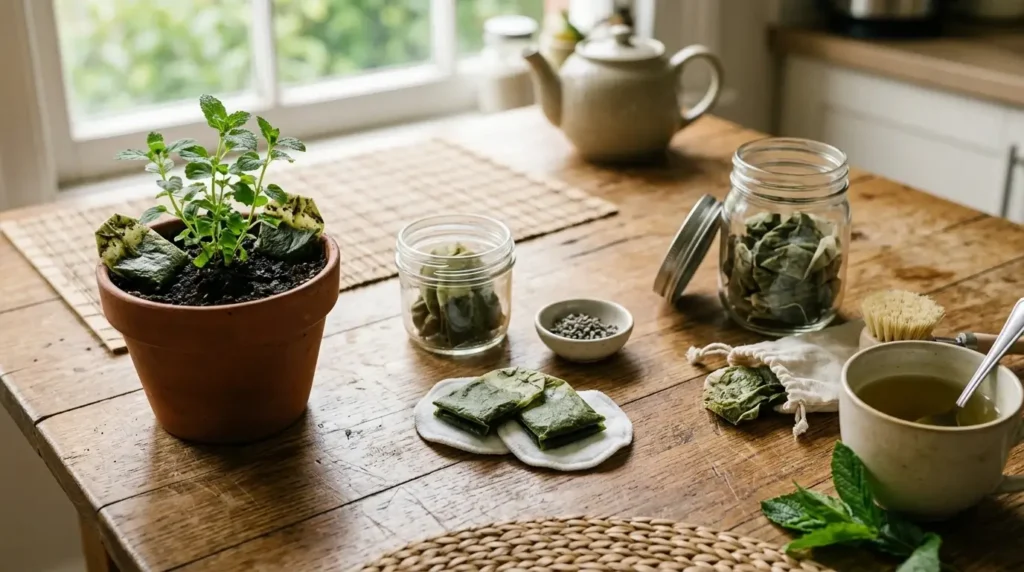
Most of us toss our tea bags right after one steep. But learning how to use used green tea bags can transform your approach to sustainable living.
Tea isn’t just for sipping. Making the most of your already-brewed bags saves money and encourages less waste. Used green tea bags can tackle everything from dark circles and sunburns to greasy dishes and garden pests. The tannic acids in tea restrict blood flow in your capillaries, fighting inflammation and reducing pain, while also breaking down grease on dirty dishes. What’s more, tea contains about 4% nitrogen, making it valuable for composting and plant care.
We’ll show you exactly what to do with used tea bags across beauty routines, household cleaning, gardening, and creative projects.
Key Takeaways
Transform your sustainability habits by discovering the surprising versatility of used green tea bags across beauty, cleaning, gardening, and creative applications.
• Beauty powerhouse: Refrigerated used tea bags reduce eye puffiness and dark circles in 10-15 minutes thanks to caffeine’s blood vessel constriction properties.
• Natural cleaning solution: Tannic acid in tea bags breaks down grease and deodorizes surfaces – soak greasy dishes overnight or place dried bags in refrigerators to absorb odors.
• Garden nutrition boost: Tea leaves contain 4% nitrogen, making them perfect compost additions that accelerate decomposition and provide natural fertilizer for acid-loving plants.
• Zero-waste creativity: Repurpose bags for natural fabric dye, aromatherapy foot soaks, and flavoring rice dishes – extending their usefulness far beyond the initial brew.
• Cost-effective sustainability: These simple reuse methods require no expensive products or complicated steps, making eco-friendly living accessible while reducing household waste.
Start with one application that fits your routine – whether it’s skincare, cleaning, or gardening – and gradually incorporate more methods to maximize the value from every tea bag while supporting zero-waste living goals.
Beauty and Personal Care Uses for Used Green Tea Bags
Your skin and hair benefit from the same antioxidants and caffeine you get when drinking green tea. Used green tea bags contain polyphenols, tannins, and other compounds that address common beauty concerns without requiring expensive products.
Reduce Dark Circles and Eye Puffiness
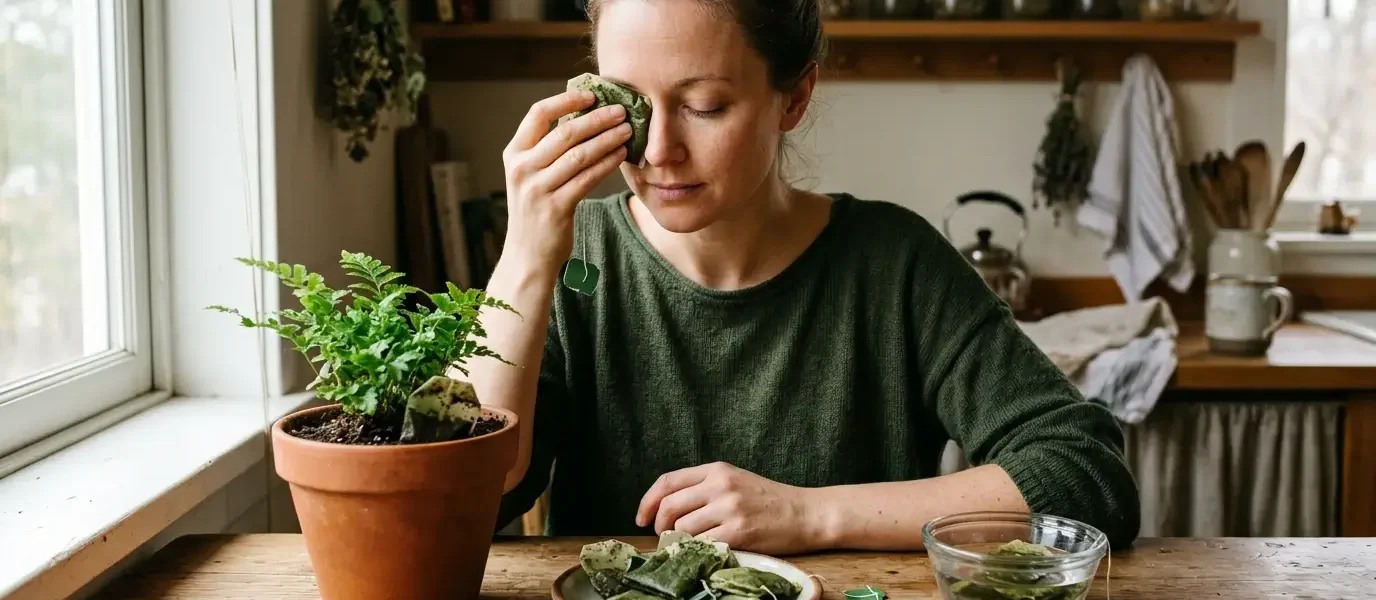
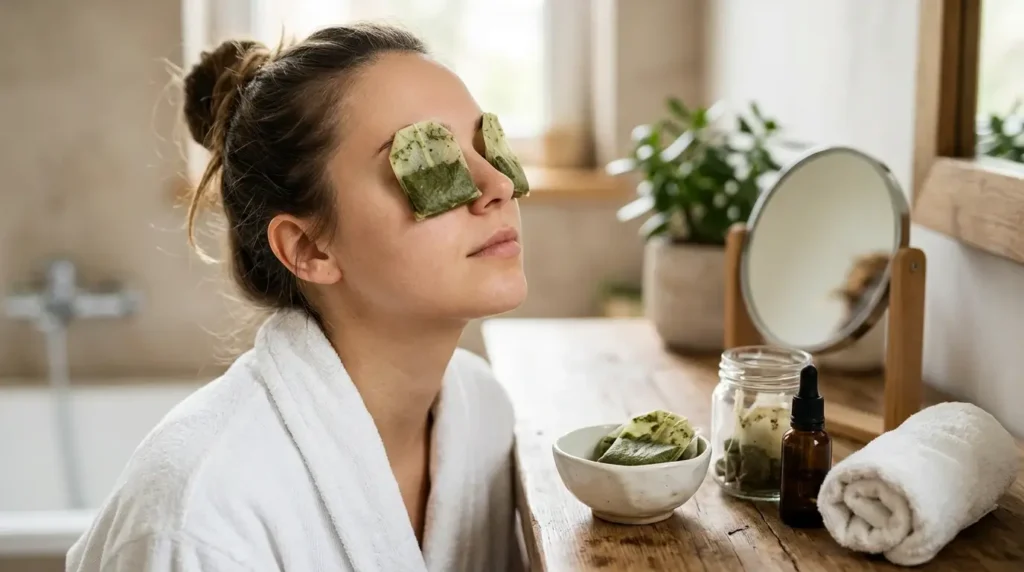
Caffeine constricts blood vessels around your eyes, which reduces inflammation and fluid buildup. After brewing, refrigerate your tea bags for 15-20 minutes. Place the chilled bags over closed eyes for 10-15 minutes. The cooling effect combined with caffeine provides visible results, particularly after poor sleep or extended screen time. You can repeat this treatment several times per day until puffiness subsides. The tannins in green tea also reduce swelling and bruising if you have a black eye.
Soothe Sunburns and Skin Irritation
Green tea’s anti-inflammatory properties relieve sunburn pain and redness. Cool your used tea bags in the refrigerator, then place them directly on sunburned areas for 20-30 minutes. For larger surface areas, steep several bags in cool water, soak a clean washcloth in the liquid, and apply it as a compress. The polyphenols work to soothe skin and reduce discomfort. This method also helps with general skin irritation and redness.
Green Tea Face Toner for Clearer Skin
Transform used green tea bags into a facial toner that fights acne and balances skin oils. Steep the bags in hot water for 15 minutes, allow the tea to cool completely, then transfer it to a spray bottle. Green tea functions as an effective toner because of its antibacterial and anti-inflammatory qualities. The antioxidants combat free radicals while vitamins, including vitamin E, provide moisture for a smoother complexion. Apply the toner after cleansing your face and before moisturizing. You can add tea tree oil or witch hazel to enhance acne-fighting properties.
DIY Hair Rinse for Shine and Growth
Green tea contains caffeine that blocks DHT, a hormone linked to hair loss. Steep four tea bags in two cups of boiled water for at least one hour, ensuring the mixture has cooled. After shampooing, pour the tea rinse onto your scalp and hair, massage for 1-2 minutes, then rinse with lukewarm water before conditioning. This treatment reduces shedding, adds shine, and strengthens hair strands. Use the rinse weekly for best results.
Home Cleaning and Deodorizing with Used Tea Bags
Tannic acid gives used green tea bags surprising cleaning power throughout your home. The same compounds that provide health benefits when you drink tea also break down grease, absorb odors, and remove grime from various surfaces.
Degrease Dishes and Remove Stuck-On Food
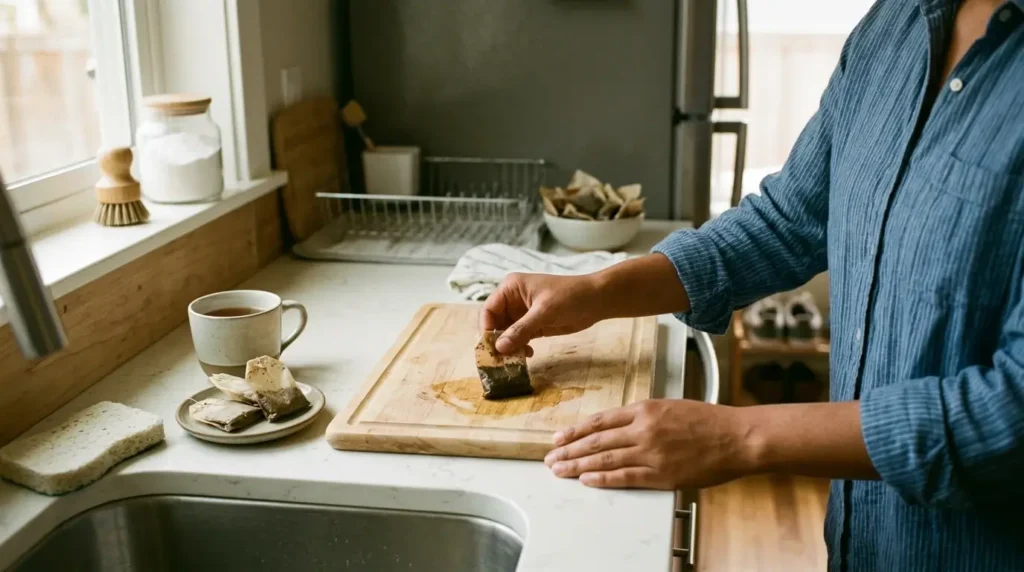
Fill greasy pots and pans with hot water, drop in your used tea bags, and let them soak overnight. Tannic acid breaks down grease and loosens stuck-on food, making scrubbing nearly effortless the next morning. For stubborn cheese or baked-on residue, rub the wet tea bag directly on the surface as a natural scrubber. You can also press tea bags onto dirty silverware or wipe down microwave turntables.
Freshen Your Refrigerator Naturally
Place dried used tea bags in a small bowl on a middle or lower shelf where air circulates freely. The tannins absorb odors and moisture while releasing a subtle fresh scent. For enhanced effectiveness, cut a slit in each bag to expose more tea leaves. Replace the bags every few days. Black tea and green tea work best because of their high tannic acid content.
Deodorize Carpets and Rugs
Cut open dried tea bags and sprinkle the leaves over your carpet or rug. Allow them to sit for 15 to 20 minutes to absorb odors. Vacuum up the leaves afterward. The tea leaves should be completely dry or only slightly damp, as wet leaves can stain carpets.
Clean Glass and Mirrors Streak-Free
Brew several used tea bags in hot water for 10 to 15 minutes, then let the mixture cool. Transfer to a spray bottle and apply to glass surfaces. Wipe with a microfiber cloth for a streak-free shine. The tannins cut through fingerprints and grime without leaving residue.
Polish Wood Furniture
Steep two to four used tea bags in boiling water until it cools. Dip a microfiber cloth in the tea, wring it out until damp, then wipe wooden surfaces. This removes old polish buildup that traps dirt, revealing a natural shine.
Garden and Plant Care Applications
Your garden benefits from the nutrients locked inside used green tea bags. Tea leaves contain approximately 4% nitrogen along with potassium and phosphorus, making them valuable additions to outdoor spaces.
Add to Compost for Nutrient-Rich Soil
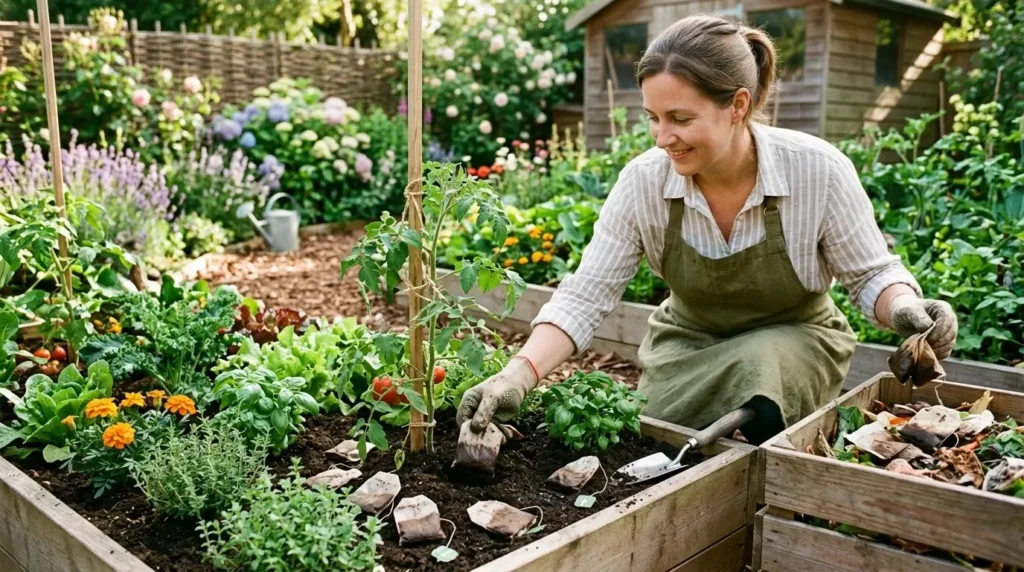
Green tea leaves qualify as “green” compost material because of their nitrogen-rich composition. The nitrogen content accelerates decomposition by fueling the microorganisms that break down organic matter. Add your used bags or loose leaves to the compost pile along with fruit peels and vegetable scraps. Balance these nitrogen-rich materials with carbon-rich “browns” like dried leaves or shredded newspaper at roughly a 1:3 ratio for optimal results.
Loose tea leaves decompose within 2-4 weeks during warm months, while intact tea bags take longer even when made from organic materials. Check your tea bags for polypropylene plastic before composting, as this material does not break down. Empty the leaves from questionable bags to avoid contamination.
Natural Fertilizer for Potted Plants
Scatter cooled, dried tea leaves in a thin layer around the base of plants. The leaves decompose in place, releasing nutrients directly into the root zone. Bury tea bags near plant roots when transplanting to improve soil quality and moisture retention. For a liquid boost, steep used bags a second time, let the weak tea cool, then water your plants. This method works particularly well for acid-loving varieties including azaleas, blueberries, roses, and hydrangeas.
Repel Garden Pests and Insects
Sprinkle tea leaves around plants vulnerable to slugs and snails. Caffeine acts as a natural insecticide, while strong flavors from mint or cinnamon teas enhance the deterrent effect.
Feed Earthworms in Vermicomposting
Earthworms digest tea leaves and produce castings that provide readily available nutrients. Empty tea bags before adding them to worm bins for faster processing.
Creative Ways to Reuse Green Tea Bags
Used green tea bags extend into artistic and culinary applications that add uniqueness to everyday routines.
Natural Fabric and Paper Dye
Steep multiple used tea bags to create natural dye for fabric and paper. The longer you brew, the darker the color becomes. Submerge your material in the tea solution for varied shades of tan and brown.
Aromatherapy Foot Soak
Re-brew used tea bags in hot water for a footbath. Green tea acts as a powerful astringent, closing pores and removing dirt. The soothing properties energize tired feet. Add Epsom salts or essential oils to enhance relaxation.
DIY Potpourri and Home Fragrance
Dry used tea leaves in an oven at 170 degrees or use a dehydrator. Mix with dried herbs, flowers, or spices, then add about 50 drops of essential oils per pound of potpourri. Seal in a glass jar for one week before using. Place in bowls as air fresheners or fill fabric bags for drawers.
Bath Tea for Relaxation
Add several used green tea bags to bathwater for muscle pain relief and skin softening. The antioxidants soothe while providing aromatherapy benefits.
Flavor Rice and Grain Dishes
Cook rice using a 2:1 tea-to-rice ratio instead of water. The grains absorb herbal flavors, creating aromatic side dishes. Green tea pairs well with jasmine rice.
Infuse Cocktails and Beverages
Steep used tea bags in spirits or cold beverages to add subtle flavor layers. Green tea complements gin-based cocktails and iced drinks.
Conclusion: How to Use Used Green Tea Bags for Zero-Waste Living
You now have practical ways to reuse your green tea bags instead of tossing them after one steep. From reducing eye puffiness and cleaning dishes to feeding your plants and creating natural dyes, these applications save money while reducing waste.
Most important, you don’t need expensive products or complicated steps. Start with one or two methods that fit your lifestyle. Your wallet and the environment will both benefit from these simple changes.
FAQs
Q1. Can used green tea bags really help reduce dark circles and puffy eyes? Yes, used green tea bags can effectively reduce dark circles and puffiness. The caffeine in green tea constricts blood vessels around the eyes, reducing inflammation and fluid buildup. For best results, refrigerate the used tea bags for 15-20 minutes, then place them over closed eyes for 10-15 minutes. The combination of cooling and caffeine provides visible improvement, especially after poor sleep or extended screen time.
Q2. Are tea bags actually compostable or do they contain plastic? Not all tea bags are compostable. Many tea bags contain polypropylene plastic or plastic mesh that won’t break down in compost. Even paper tea bags may use plastic glue to seal the seams. Check with your tea brand to confirm if their bags are fully compostable. If uncertain, it’s best to cut open the bags, compost the loose tea leaves, and dispose of the bag material separately. Loose leaf tea is always the most compostable option.
Q3. How can used tea bags help with cleaning dishes? Used tea bags contain tannic acid, which naturally breaks down grease and loosens stuck-on food. Fill greasy pots and pans with hot water, add your used tea bags, and let them soak overnight. The tannic acid will break down the grease, making scrubbing much easier the next morning. You can also rub wet tea bags directly on stubborn residue as a natural scrubber.
Q4. Can I use green tea bags as fertilizer for my plants? Yes, used green tea bags make excellent natural fertilizer. Tea leaves contain approximately 4% nitrogen along with potassium and phosphorus, which are valuable nutrients for plants. You can scatter cooled, dried tea leaves around the base of plants, bury tea bags near roots when transplanting, or steep used bags a second time to create a weak tea for watering. This works particularly well for acid-loving plants like azaleas, roses, and hydrangeas.
Q5. What’s the best way to switch from tea bags to a more zero-waste option? The most zero-waste approach is switching to loose leaf tea with a reusable stainless steel steeper or tea ball. Loose leaf tea is generally higher quality, produces better flavor, and eliminates packaging waste entirely. The tea leaves can then be composted directly without worrying about plastic components. If you prefer the convenience of bags for travel, save a few while transitioning your daily routine to loose leaf tea.
Black Tea Extract that is rich in natural theaflavins and polyphenols that help protect your body from free radicals, promoting overall immune health and well-being
Contains blended amounts of Fruits and Veggies. All natural, with whole foods, fruit and vegetable supplement.Perfect for everyone looking to live a healthier lifestyle.