High blood pressure is a comorbid factor in 69% of people who have their first heart attack and 75% of those with chronic heart failure. The good news is that even modest reductions matter. Clinical data shows that a 5 mmHg blood pressure reduction can decrease stroke risk by 34%.
So, which tea helps to lower blood pressure effectively? We’ve researched nine science-backed options that may support your cardiovascular health. From hibiscus to green tea, we’ll explore the best herbal tea for high blood pressure, recommended dosages, and how drinking about 2 cups of tea daily may contribute to meaningful blood pressure reductions over time.
Key Takeaways
These nine science-backed teas offer natural pathways to support cardiovascular health through proven mechanisms like ACE inhibition and vessel relaxation.
Hibiscus tea leads effectiveness – delivers 7.2 mmHg systolic reduction after 6 weeks, working through ACE inhibition and natural diuretic effects
Consistency drives results – most teas require 4+ weeks of daily consumption (2-3 cups) to achieve meaningful blood pressure reductions
Multiple mechanisms work together – teas activate potassium channels, boost nitric oxide production, and reduce inflammation for comprehensive cardiovascular support
Green and black tea provide daily benefits – contain catechins and theaflavins that improve endothelial function with 1.8-4.8 mmHg reductions
Medical supervision remains essential – these teas complement but don’t replace prescribed medications; consult healthcare providers before combining treatments
Even modest 5 mmHg reductions can decrease stroke risk by 34%, making these natural options valuable additions to heart-healthy lifestyles when used consistently and safely.
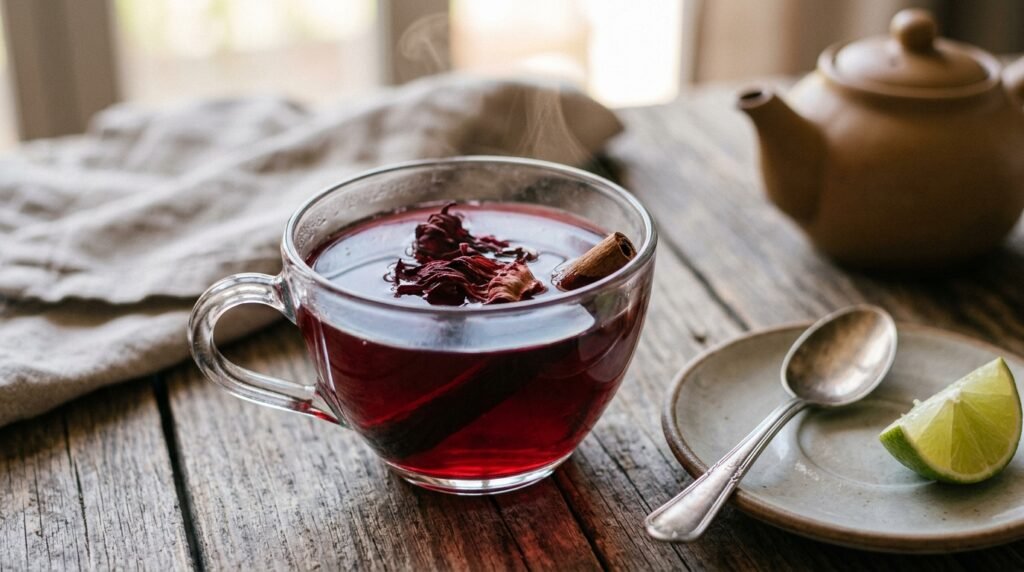
Hibiscus Tea
Hibiscus sabdariffa, known as roselle or sour tea, delivers antihypertensive effects through multiple physiological pathways. A randomized, double-blind, placebo-controlled trial involving 65 adults with pre- and mild hypertension demonstrated that consuming hibiscus tea lowered systolic blood pressure by 7.2 mmHg compared to just 1.3 mmHg in the placebo group after six weeks. Participants with higher baseline readings experienced even greater reductions.
What Makes Hibiscus Tea Effective
The tea works through three primary mechanisms. First, it inhibits angiotensin-converting enzyme (ACE), preventing blood vessel constriction. Second, it functions as a natural diuretic by increasing sodium and chloride excretion while boosting kidney filtration. Third, it promotes vasodilation by blocking calcium influx into vascular smooth muscle cells.
These mechanisms operate simultaneously. The ACE inhibition prevents production of angiotensin II, a compound that narrows blood vessels. Meanwhile, the diuretic effect reduces fluid volume in your bloodstream. Studies comparing hibiscus to prescription medications like Captopril and hydrochlorothiazide found comparable blood pressure reductions without disrupting electrolyte balance.
Key Compounds and Benefits
Anthocyanins drive most of hibiscus tea’s cardiovascular benefits. The calyces contain delphinidin 3-sambubioside and cyanidin 3-sambubioside as primary anthocyanins, with delphinidin 3-glucoside and cyanidin 3-glucoside present in smaller amounts. These compounds compete with substrates at ACE active sites, acting as competitive inhibitors.
In addition to blood pressure management, hibiscus demonstrates cholesterol-modulating effects. Supplementation reduced total cholesterol by 8.3% to 14.4% in adults consuming 1000 mg three times daily. LDL cholesterol decreased significantly when doses exceeded 500 mg for more than four weeks. The tea also lowered fasting blood glucose levels.
Recommended Dosage
Clinical studies show effectiveness with doses ranging from 500 mg to over 1 gram daily. For practical application, this translates to 2-3 cups of brewed hibiscus tea per day. One effective protocol uses three 240-mL servings daily.
Duration matters as much as dosage. Blood pressure reductions become significant after four weeks of consistent consumption. A systematic review of 17 studies found that doses exceeding 1 gram daily showed the strongest blood pressure effects.
Best Practices for Consumption
Brew one tablespoon of dried hibiscus flowers in 8 ounces of boiling water, steeping for 5-10 minutes. For larger batches, use half a cup of dried flowers in four cups of water.
Timing flexibility exists, though morning consumption between 6 a.m. and 10 a.m. may address the natural blood pressure surge that occurs upon waking. Some people prefer drinking it after meals to support blood sugar regulation. Consistency trumps timing. Establish a routine that fits your schedule.
Space hibiscus tea at least two hours away from prescription diuretics to prevent excessive fluid loss. Women who are pregnant, trying to conceive, or breastfeeding should avoid hibiscus tea due to its phytoestrogen content. Those taking blood pressure medications need medical supervision, as combining treatments may cause hypotension. Do not exceed one quart daily due to manganese content.
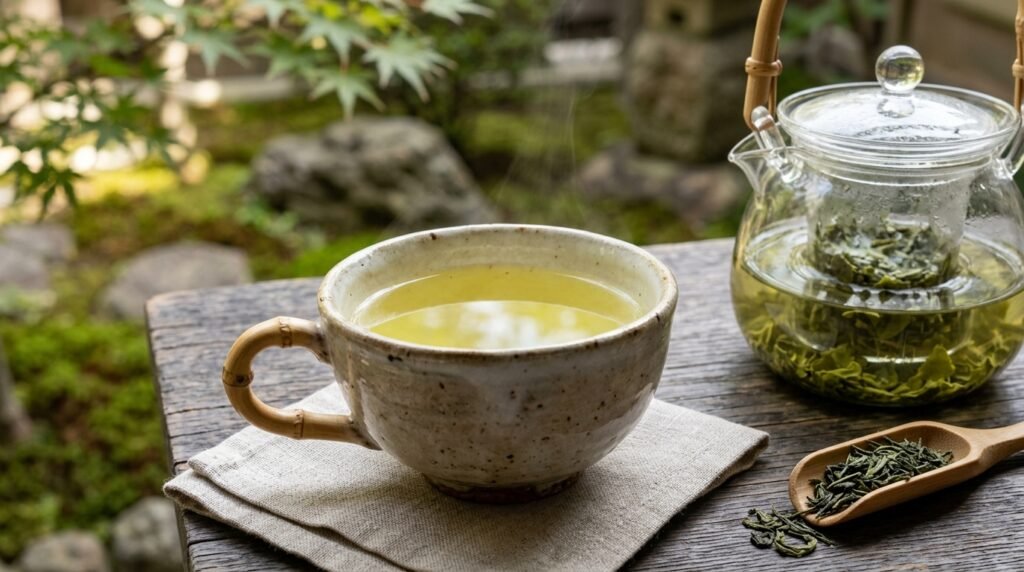
Green Tea
Camellia sinensis leaves produce a beverage rich in catechins that influences cardiovascular function through ion channel activation. Research from the University of California, Irvine revealed that green tea compounds activate KCNQ5, a specific ion channel protein in blood vessel walls. This activation allows potassium ions to exit cells, reducing cellular excitability and prompting blood vessel relaxation.
What Makes Green Tea Effective
The cardiovascular benefits stem from catechins’ ability to modulate multiple physiological pathways. These compounds stimulate nitric oxide production through endothelium-dependent mechanisms, promoting vasodilation. Green tea extract regulates endothelial nitric oxide synthase activation while managing reactive oxygen species production. Coupled with this, the polyphenols improve endothelial function by reducing inflammatory markers including interleukin-6, tumor necrosis factor-alpha, and adhesion molecules like ICAM-1 and VCAM-1.
Epigallocatechin gallate inhibits nuclear factor-kappa B, a transcription factor responsible for inflammation-related cascades. The tea also maintains vascular tone by balancing vasoconstricting substances such as angiotensin II and endothelin-1 with vasodilating factors. Warming green tea to 35 degrees Celsius alters its chemical composition, rendering it more effective at activating the KCNQ5 channels.
Key Compounds and Benefits
Green tea contains approximately 37-56% flavonoids, with catechins comprising 25-35% of the dry weight. The four primary catechins are epigallocatechin-3-gallate (EGCG), epicatechin-3-gallate, epigallocatechin, and epicatechin. EGCG accounts for 50-70% of total catechins, making it the most abundant bioactive compound.
Meta-analysis of randomized controlled trials demonstrated that regular green tea consumption reduced systolic blood pressure by 1.98 mmHg and diastolic blood pressure by 1.92 mmHg. Another systematic review found reductions of 4.81 mmHg in systolic and 1.98 mmHg in diastolic pressure among people with elevated blood pressure. In obese individuals, an 8-week EGCG treatment reduced systolic blood pressure by 6.92 mmHg and diastolic by 4.77 mmHg.
Recommended Dosage
Studies indicate optimal benefits occur with daily EGCG intake of approximately 200 mg, equivalent to 5-6 cups of tea. Above this dosage, adverse events become more frequent. Green tea polyphenol content in clinical trials ranged from 208 to 1207 mg per day, with a median of 582.8 mg.
Duration matters significantly. Blood pressure reductions become apparent after 12 weeks of consistent consumption, with more pronounced effects occurring after three months. One study found that consuming 7 or more cups daily reduced mortality risk by 62% in stroke survivors and 53% in those with myocardial infarction.
Best Practices for Consumption
Brew green tea for five minutes to release most polyphenols. A standard serving uses one tablespoon (2 grams) of tea leaves per 240 ml of water. Each cup contains 22-40 mg of caffeine, considerably less than coffee’s 95 mg per serving.
While adding milk when tea contacts cells blocks KCNQ5 activation, the stomach environment separates catechins from milk proteins, preserving beneficial effects. Decaffeinated green tea retains many antioxidants, though regular versions contain higher flavonoid content. Avoid exceeding 300 mg of caffeine daily if pregnant.
Matricaria chamomilla produces dried flowers that have been used since ancient Greek times for their calming effects. Research from the University of California, Irvine identified chamomile as one of the most efficacious KCNQ5 potassium channel activators, alongside lavender and fennel seed extract. This activation represents a unifying molecular mechanism explaining why this botanical folk medicine lowers blood pressure.
What Makes Chamomile Tea Effective
The primary mechanism involves stress reduction, which addresses a root cause of elevated blood pressure readings. Stress manifests in various ways and impacts health negatively, yet chamomile creates a peaceful environment conducive to restful sleep. This improved sleep quality plays a crucial role in lowering blood pressure levels over time.
Beyond its calming effect, chamomile demonstrates direct cardiovascular action through vasodilation. The herb helps relax blood vessels and arteries, while its natural antioxidants reduce inflammation and support heart health. Studies show that chamomile has anti-hypertensive properties, including effects that can improve sleep quality.
Key Compounds and Benefits
Apigenin drives most of chamomile’s cardiovascular benefits. This flavonoid, found at concentrations of 0.8% to 1.2% in brewed tea, binds to benzodiazepine and GABA receptors in the brain, producing anti-anxiety properties. The dried flowers contain 3,000 to 5,000 μg/g of apigenin.
Chamomile tea provides 21 mg of potassium per cup. This mineral helps nerves function, protects bones, prevents kidney stones, and keeps heart rhythm steady. Eating foods with potassium can help lower the chance of high blood pressure and heart problems from excessive salt intake. Men need at least 3,400 mg daily, while women require 2,600 mg.
Regular chamomile consumption helps lower LDL cholesterol and triglycerides, which are risk factors for artery constriction and elevated blood pressure. The tea contains flavonoids, terpenoids, and coumarins that contribute to its therapeutic properties. Similarly, it may improve cardiovascular health through multiple pathways.
Research indicates it may take several weeks to a few months of regular consumption to produce modest blood pressure reductions.
Recommended Dosage
For most people, drinking one to two cups daily is safe. Those with severe allergies should restrict themselves to this maximum due to pollen content in chamomile flowers. Clinical observations suggest consistent daily consumption yields better results than sporadic use.
Best Practices for Consumption
Steep a chamomile tea bag in 8 ounces of hot water for 5-10 minutes in a mug covered with a saucer. For dried chamomile flowers, place them in a tea infuser or tea ball. You can add honey or lemon juice for flavor, then sip when cooled to a safe temperature.
The tea contains no caffeine, making it an excellent choice for evening consumption. Pregnant women should avoid chamomile because it might cause early labor. People with allergies to chrysanthemums, daisies, marigolds, or ragweed face increased risk of allergic reactions.
Black Tea
Fermentation of Camellia sinensis leaves creates black tea, transforming green tea catechins into theaflavins through enzymatic oxidation. A meta-analysis of 11 randomized controlled trials involving 378 participants found that daily black tea consumption reduced systolic blood pressure by 1.8 mmHg and diastolic blood pressure by 1.3 mmHg. Study durations ranged from one week to six months, with daily tea intake between 400 to 1800 mL.
What Makes Black Tea Effective
Black tea activates KCNQ5 potassium channels in blood vessel walls, allowing potassium ions to exit cells and triggering vasodilation. This mechanism operates independently of caffeine content. According to research, warming black tea to body temperature (37 degrees Celsius) enhances this channel activation.
The tea improves endothelial function by increasing nitric oxide bioavailability. A study of grade I hypertensive patients showed that consuming two cups daily increased flow-mediated dilation from 5.0% to 6.6%, with maximal response occurring two hours after intake. Black tea also reduces arterial stiffness and wave reflections, decreasing peripheral vascular resistance. Specifically, nighttime blood pressure variation dropped by 10% during hours between 10 p.m. and 6 a.m..
Effects intensify with higher baseline readings. Each 10 mmHg elevation in baseline systolic pressure corresponds to a 1 mmHg larger reduction.
Key Compounds and Benefits
Theaflavins distinguish black tea from other varieties, comprising 10% of total flavonoids. These compounds form during fermentation when catechins undergo enzymatic oxidation. Research shows 300 mg of theaflavins increased reactive hyperemia index by 0.28.
A six-month trial using 429 mg of polyphenols daily (equivalent to three cups) reduced 24-hour systolic pressure by 2.7 mmHg at three months and 2.0 mmHg at six months. Diastolic pressure decreased by 2.3 mmHg and 2.1 mmHg at the same intervals. These reductions translate to a 10% decrease in hypertension prevalence and 7-10% reduction in cardiovascular disease risk at population level.
Recommended Dosage
Optimal benefits occur with three cups daily, providing approximately 429 mg of polyphenols and 96 mg of caffeine. One cup contains roughly 47 mg of caffeine. Studies testing doses from 240 to 1500 mg of flavonoids daily found consistent blood pressure improvements.
Best Practices for Consumption
Brew black tea for adequate polyphenol extraction. While milk proteins can bind to catechins in laboratory settings, stomach acids separate these compounds, preserving cardiovascular benefits. Consume your tea without added sugar, as sweeteners offset heart-healthy properties. Pregnant individuals should limit caffeine to 200 mg daily.
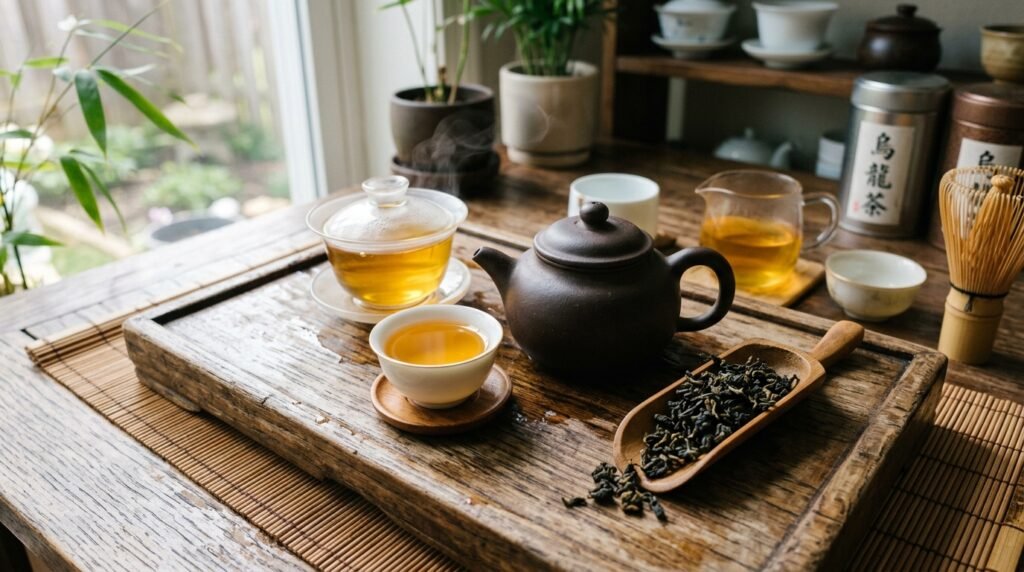
Oolong Tea
Partial oxidation sets oolong tea apart from its fully fermented and unoxidized counterparts. Oxidation levels ranging from 10% to 85% create a distinctive polyphenol profile that addresses blood pressure through mechanisms not found in other tea varieties. Research utilizing GABA-fortified oolong revealed that daily consumption reduced systolic blood pressure on day 21 and diastolic blood pressure on day 28 among participants with an average age of 55.4 years. Surprisingly, 51.5% of study participants had pre-hypertension at baseline.
What Makes Oolong Tea Effective
GABA content distinguishes therapeutic oolong preparations from standard varieties. Manufacturing technology produces oolong containing above 150 mg of GABA per 100 grams. This amino acid demonstrates anti-hypertensive effects through direct physiological action. The tea works by alleviating autonomic imbalance in people experiencing acute stress.
Anti-inflammatory properties reduce inflammation in blood vessels and arteries. A study examining 1,507 Chinese men found that those drinking at least half a cup of oolong tea daily had a 46% lower risk of developing high blood pressure. Research attributes this protection to the unique combination of compounds generated during partial fermentation.
Heart rate reductions accompany blood pressure improvements. Participants experienced a 5.9 bpm decrease after four weeks of daily consumption. In light of these findings, oolong demonstrates both immediate and sustained cardiovascular benefits.
Key Compounds and Benefits
L-theanine and caffeine work synergistically to promote relaxation while maintaining alertness. Each cup provides approximately 38 mg of caffeine, less than black tea but more than most green varieties. Polyphenols including EGCG account for the metabolic and cardiovascular effects.
Alpha brain wave activity increased 1.8 times within 30 minutes of consumption and 2.3 times after 28 days of continuous use. This neurological response correlates with stress reduction and improved quality of life scores. Equally, participants showed positive improvements across all quality of life indices measured.
Recommended Dosage
Clinical trials demonstrating blood pressure benefits used consistent daily intake over extended periods. The GABA-fortified study protocol lasted 28 consecutive days. Traditional oolong consumption guidelines suggest 2-3 cups daily, though some research examined higher amounts. One investigation of 76,000 Japanese adults found that men drinking 8 ounces or more daily had a 61% lower heart disease risk.
Best Practices for Consumption
Brew oolong at temperatures between 85-95°C (185-203°F) for optimal compound extraction. Steeping duration ranges from 1 to 5 minutes depending on desired strength. Use high-quality loose leaf tea from reputable sources. The leaves can be steeped 2-4 times, with each infusion revealing different flavor profiles and bioactive compounds.
Consume between meals for best results. Pregnant individuals should limit intake to two cups daily on account of caffeine content.
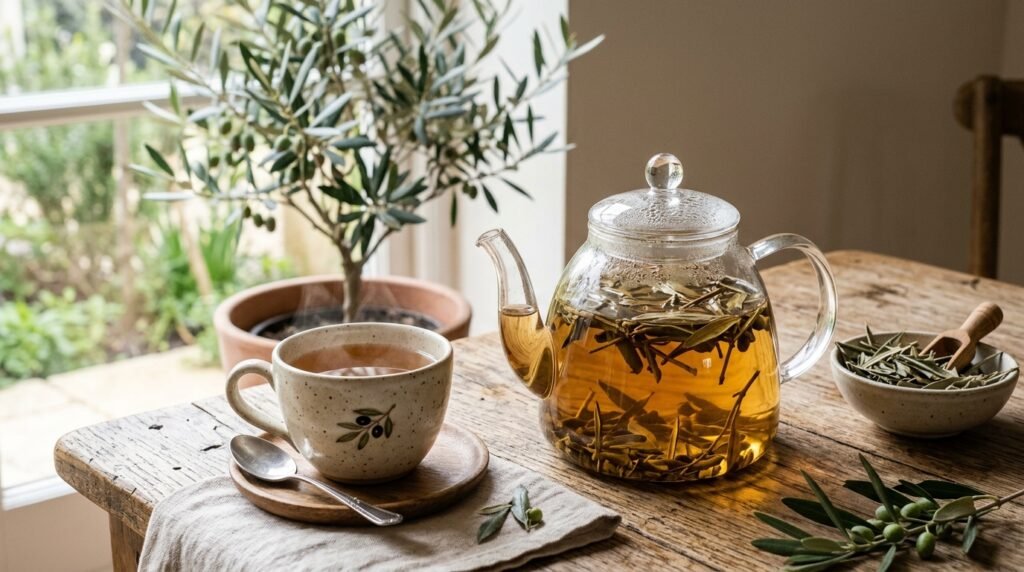
Olive Leaf Tea
Mediterranean olive trees (Olea europaea) produce leaves containing substantially higher concentrations of therapeutic compounds than their fruit or oil derivatives. Oleuropein content reaches 1-14% in olive leaves compared to merely 0.005-0.12% in olive oil. This concentration difference explains why olive leaf tea demonstrates more pronounced cardiovascular effects than consuming olive oil alone.
What Makes Olive Leaf Tea Effective
Oleuropein inhibits angiotensin-converting enzyme, preventing blood vessel constriction through the same mechanism as pharmaceutical ACE inhibitors. A double-blind study comparing 1000 mg of olive leaf extract to Captopril found comparable blood pressure reductions of 11.5 and 4.8 mmHg for systolic and diastolic readings respectively. The pharmaceutical drug showed reductions of 13.7 and 6.4 mmHg.
Beyond ACE inhibition, olive leaf extract reduces oxidative stress while enhancing nitric oxide production. The polyphenols work by inhibiting lipid peroxidation through induced catalase activity. Accordingly, these multiple pathways create synergistic effects on vascular health.
Key Compounds and Benefits
Oleuropein functions as a ligand of peroxisome proliferator-activated receptor-alpha, modulating lipid profiles and addressing insulin resistance. A systematic review of 248 participants confirmed that 1000 mg daily doses reduced systolic and diastolic blood pressure by 11.45 and 4.65 mmHg respectively.
In addition to blood pressure management, olive leaf extract significantly reduced total cholesterol by 0.32 mmol/L, LDL cholesterol by 0.19 mmol/L, and triglycerides by 0.18 mmol/L from baseline. These lipid improvements occurred without the adverse effects associated with pharmaceutical interventions. Furthermore, the extract contains hydroxytyrosol, which provides antioxidant protection exceeding 5 mg daily when consumed regularly.
Recommended Dosage
Clinical trials demonstrate effectiveness with 500-1000 mg daily. Studies examining stage 1 hypertension used 500 mg twice daily for eight weeks. One crossover trial provided 136.2 mg oleuropein and 6.4 mg hydroxytyrosol per day for 12 weeks. For practical application, this translates to one to two cups daily.
Best Practices for Consumption
Steep one teaspoon of cut olive leaves or eight whole dried leaves in one cup of just-boiled water. Olive leaves require 10-15 minutes of infusion due to their tough composition. You can consume the tea hot or cold throughout the day.
Pregnant and breastfeeding women should avoid olive leaf tea due to unknown safety profiles. Those with low blood pressure need caution, as the tea may further reduce readings. Consult a healthcare provider before combining olive leaf tea with blood pressure medications.
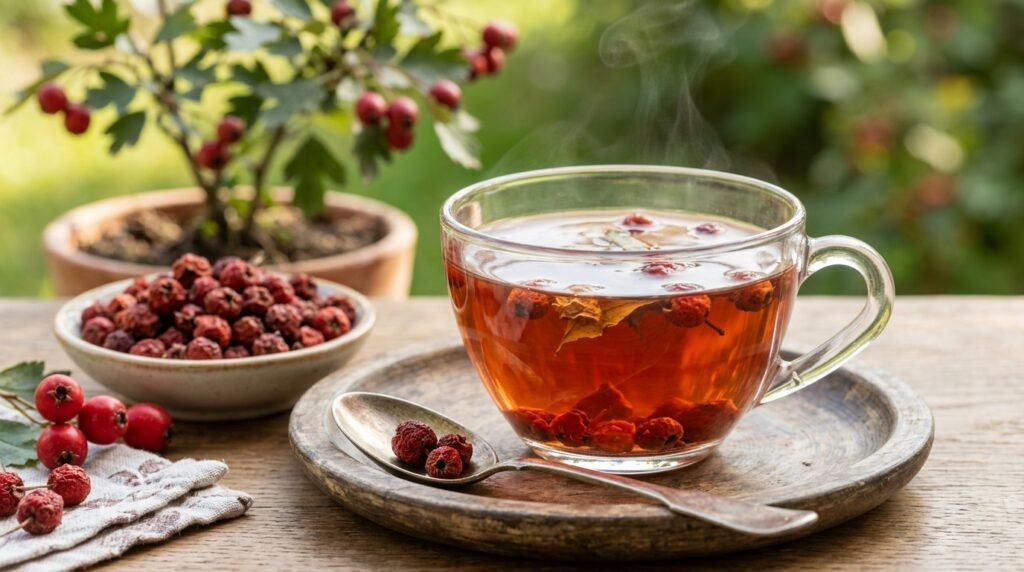
Chinese healers documented hawthorn’s cardiovascular applications as early as 659 AD. Modern research validates this centuries-old wisdom, with a 2024 meta-analysis of six randomized controlled trials involving 428 participants demonstrating clinically significant reductions in both systolic and diastolic blood pressure.
What Makes Hawthorn Berry Tea Effective
Hawthorn operates through four distinct pathways. The flavonoids and proanthocyanidins stimulate nitric oxide production by endothelial cells, relaxing vascular smooth muscle. In addition to vasodilation, these compounds exhibit ACE inhibitory activity, affecting the renin-angiotensin system that regulates blood pressure.
Research reveals a third mechanism through bile acid metabolism regulation. A seven-week intervention study found that hawthorn extract and its monomer hyperoside significantly reduced blood pressure while normalizing bile acid levels through the primary bile acid biosynthesis pathway. Moreover, the plant reduces inflammation and improves endothelial function. Hawthorn also enhances oxygen supply to the myocardium while increasing contractile force, improving the heart’s pumping capacity.
Key Compounds and Benefits
Berries contain high hyperoside levels, while leaves provide elevated vitexin-2-rhamnoside concentrations. Over 150 chemical compounds have been identified, including flavonoids like quercetin and hyperoside, triterpenoids, and oligomeric proanthocyanidins comprising epicatechin and procyanidin. The pectin content in fresh fruit reaches 20.5%.
Studies show these constituents possess higher antioxidant activity than established drugs like glutathione and N-acetylcysteine. Clinical data confirms low toxicity with an LD50 of 25 mg/kg. Accordingly, trials using doses up to 1800 mg reported no side effects.
Recommended Dosage
Clinical studies utilized standardized extracts providing 160-900 mg daily, roughly equivalent to 3-6 cups of properly prepared tea. Traditional Chinese medicine recommends 9-12 grams of dried fruit, consumed 2-3 times daily. Similarly, another protocol suggests starting with 1-2 cups daily and gradually increasing over 2-3 weeks. Benefits accumulate with consistent use, with measurable improvements appearing after 4-8 weeks.
Best Practices for Consumption
Place 1-2 teaspoons of dried berries per cup in cold water, bring to a gentle boil, then reduce heat and simmer for 15-20 minutes. This extended extraction allows oligomeric procyanidins and flavonoid glycosides to transfer into water fully. For concentrated benefits, perform a double decoction by simmering the spent berries in fresh water for another 10 minutes, then combining both liquids. Hawthorn may interact with blood pressure medications through additive effects.
Garlic Tea
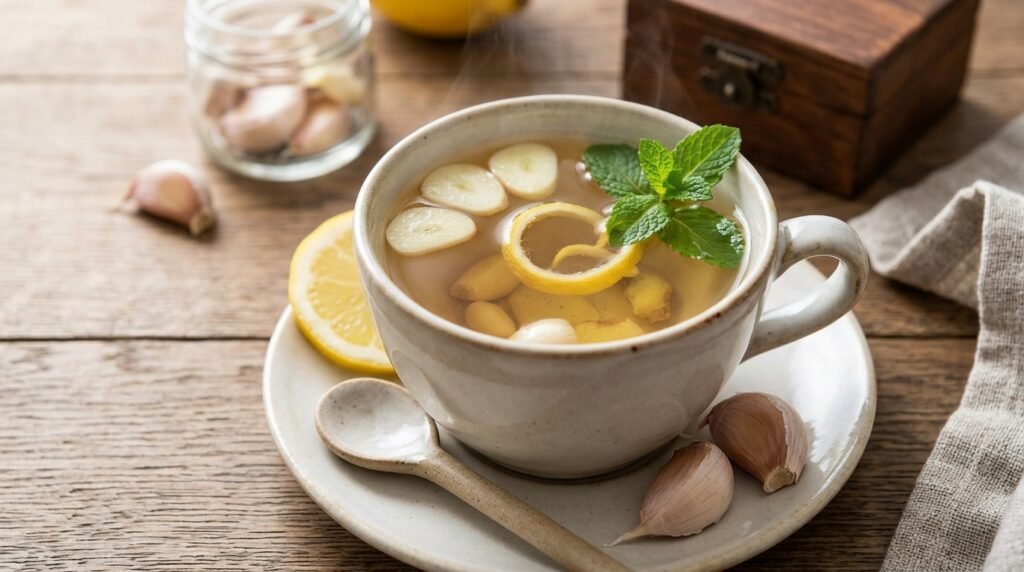
Crushing or chopping fresh garlic releases allicin, a sulfur compound that addresses blood pressure through multiple pathways. This activation step proves critical, as allicin forms only when the enzyme alliinase converts alliin into its active state. While research on garlic tea remains limited, studies on garlic supplements demonstrate significant blood pressure reductions, particularly among those with existing hypertension.
What Makes Garlic Tea Effective
Allicin prevents angiotensin II production, a hormone responsible for blood vessel constriction. By inhibiting this compound, allicin allows blood to flow freely without the tightening effect that elevates pressure readings. In addition to blocking angiotensin, the compound increases hydrogen sulfide and nitric oxide production, two molecules crucial for regulating vascular tone.
The anti-inflammatory and antioxidant properties further contribute to blood pressure management. These mechanisms operate simultaneously, creating cumulative cardiovascular benefits.
Key Compounds and Benefits
A review of 11 clinical trials published in BMC Cardiovascular Disorders found that 10 studies demonstrated blood pressure reductions among patients with high systolic readings. Specifically, participants in the European Journal of Clinical Nutrition trial who took 480 mg or 960 mg of garlic extract showed significant systolic blood pressure decreases, while those receiving 240 mg experienced no change.
Recommended Dosage
Clinical trials used varying forms and amounts: 188 mg of garlic powder daily for 12 weeks, 400 mg of raw garlic daily for six months, 240-2,400 mg of aged garlic extract daily for 2-23 weeks, 600-2,400 mg of garlic powder daily for 8-24 weeks, or 12.3 mg of garlic oil daily for 16 weeks. Aged garlic extract may provide the most benefits.
Best Practices for Consumption
Chop garlic and let it stand for 10 minutes to activate alliinase. Bring water to a boil, add the chopped cloves, reduce heat, and simmer for 5-10 minutes. Add lemon juice and honey to soften the pungent flavor. Limit consumption to two cups daily.
Ginger Tea
Fresh ginger root simmered in hot water releases gingerols and shogaols, bioactive compounds that relax blood vessels and reduce cardiovascular inflammation. Studies show that consuming 3 grams or more of ginger daily effectively treats high blood pressure.
What Makes Ginger Tea Effective
Gingerols function similarly to calcium channel blocker medications, allowing blood vessels to relax while slowing heart rate. The compound 6-gingerol acts as an ACE inhibitor by blocking 13 amino acid residues in the ACE binding site. A comparative study found ginger tea more effective than hibiscus tea at lowering blood pressure in hypertensive patients after eight weeks.
Meta-analysis revealed that ginger supplementation reduced systolic blood pressure by 4.20 mmHg and diastolic by 1.61 mmHg. Research suggests consuming 2-6 grams daily may help protect against heart disease.
Key Compounds and Benefits
Beyond blood pressure management, ginger reduced LDL cholesterol and triglycerides in people with obesity taking up to 1.8 grams daily. In type 2 diabetes patients, 1,600 mg daily for three months lowered fasting blood sugar and improved insulin sensitivity.
Recommended Dosage
The FDA considers up to 4 grams daily safe. Studies recommend 1,000 mg of fresh ginger as a safe daily dose.
Best Practices for Consumption
Simmer fresh ginger slices in hot water for 10-15 minutes. Those on blood thinners should consult healthcare professionals before consuming extra ginger.
Consult healthcare provider if on blood thinners; FDA limit 4g daily
Final Thoughts: Which Tea Helps to Lower Blood Pressure?
The nine teas we’ve explored offer science-backed pathways to naturally support healthy blood pressure levels. Hibiscus delivers the most significant reductions, while green and black tea provide consistent daily benefits. Each option works through distinct mechanisms, from ACE inhibition to potassium channel activation.
Consistency matters more than perfection. Pick one or two teas that appeal to your taste preferences and commit to daily consumption for at least four weeks. Remember that even modest reductions translate to meaningful cardiovascular protection.
These teas complement, not replace, medical treatment. Consult your healthcare provider before adding herbal teas to your routine, especially if you take blood pressure medications.
FAQs
Q1. Which tea is most effective for reducing blood pressure? Hibiscus tea shows the most significant blood pressure reductions, lowering systolic pressure by 7.2 mmHg in clinical studies. Green tea and olive leaf tea also demonstrate strong effectiveness, with consistent reductions when consumed daily over several weeks.
Q2. How long does it take for tea to lower blood pressure? Most teas require consistent daily consumption for 4-8 weeks before measurable blood pressure reductions occur. Some teas like oolong show effects within 21-28 days, while green tea may take 12 weeks or longer for optimal benefits.
Q3. Can I drink blood pressure-lowering tea if I’m on medication? You should consult your healthcare provider before adding these teas to your routine if you take blood pressure medications. Some teas like hibiscus and olive leaf can enhance medication effects, potentially causing blood pressure to drop too low.
Q4. How many cups of tea should I drink daily for blood pressure benefits? Most studies show benefits with 2-3 cups daily. Hibiscus tea works well at 2-3 cups, green tea at 5-6 cups, and black tea at 3 cups. Consistency matters more than quantity—regular daily consumption produces better results than occasional higher amounts.
Q5. Are there any side effects from drinking tea for blood pressure? While generally safe, some precautions apply. Pregnant women should avoid hibiscus and limit caffeinated teas. Those with allergies to certain plants should avoid chamomile. Garlic and ginger tea may interact with blood thinners, requiring medical consultation before use.
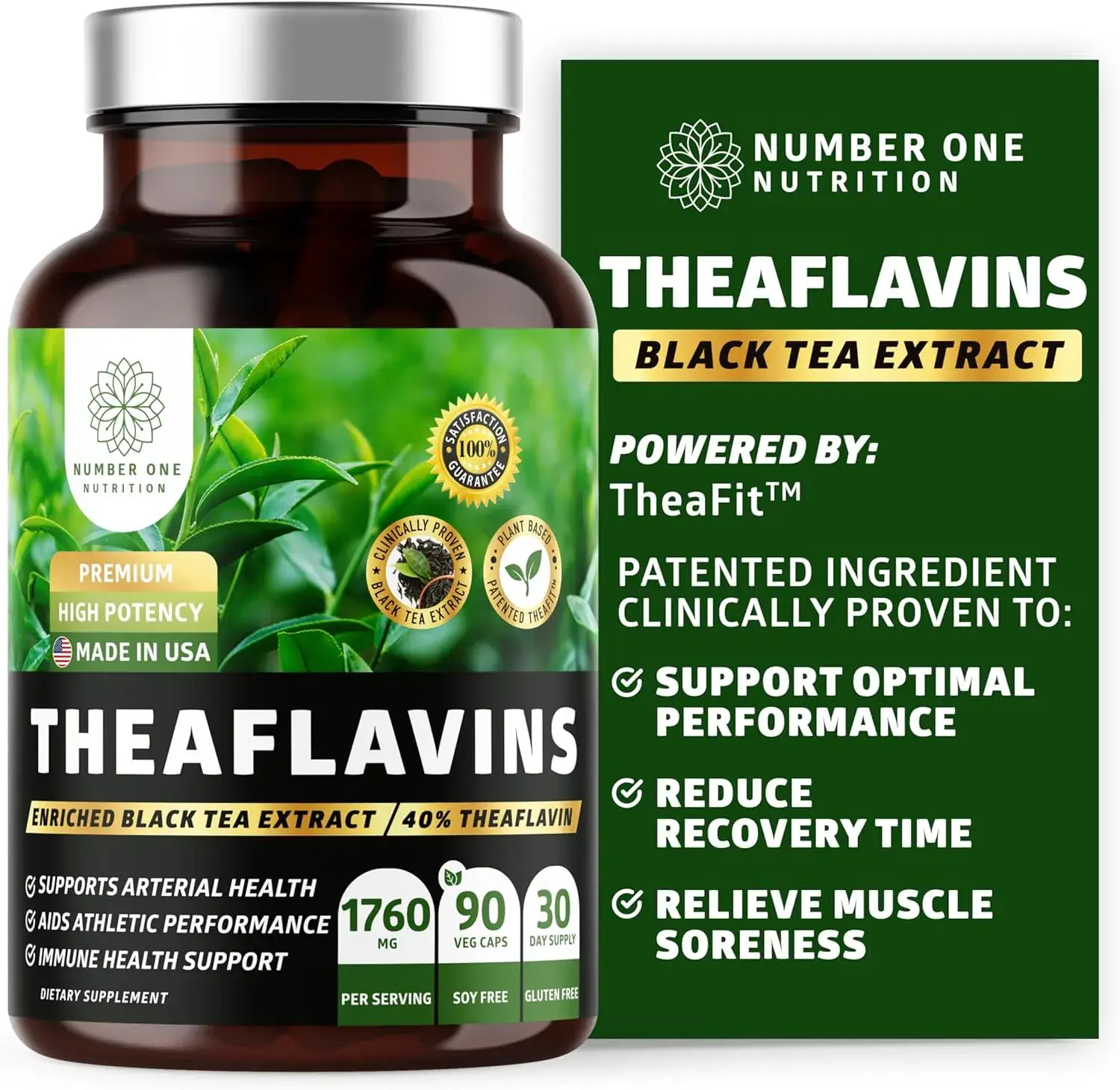
Black Tea Extract that is rich in natural theaflavins and polyphenols that help protect your body from free radicals, promoting overall immune health and well-being
Contains blended amounts of Fruits and Veggies. All natural, with whole foods, fruit and vegetable supplement.Perfect for everyone looking to live a healthier lifestyle.