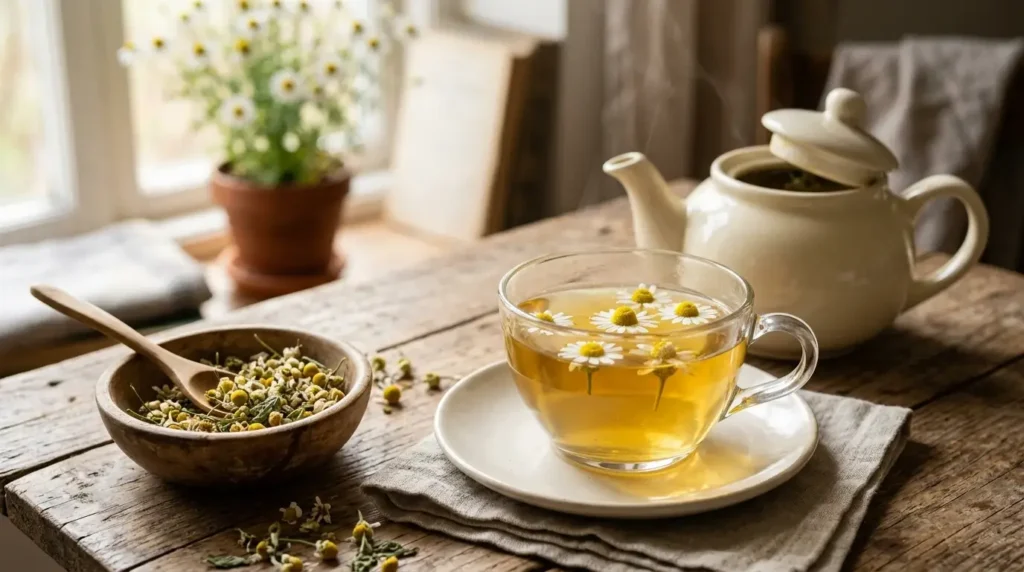
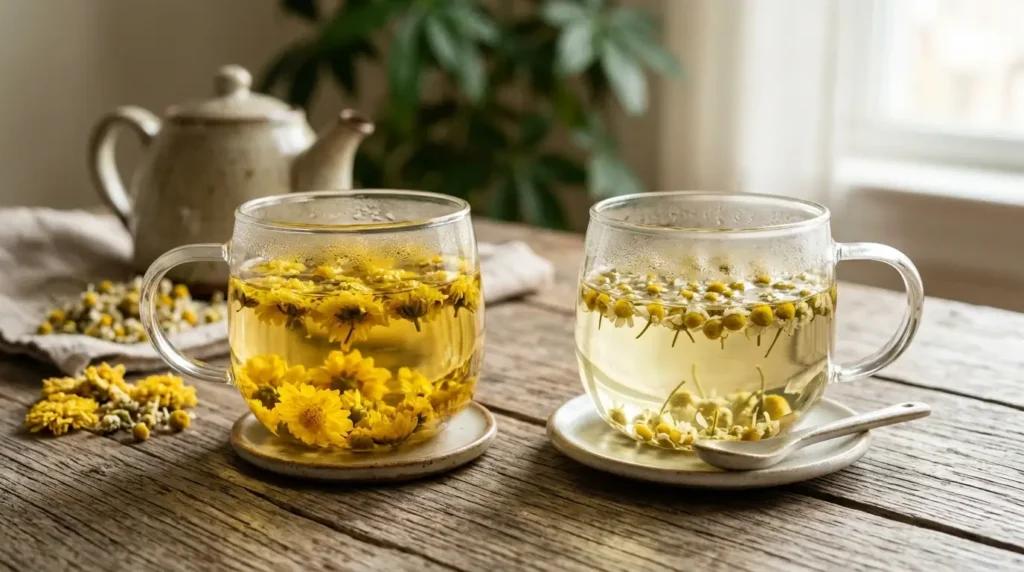
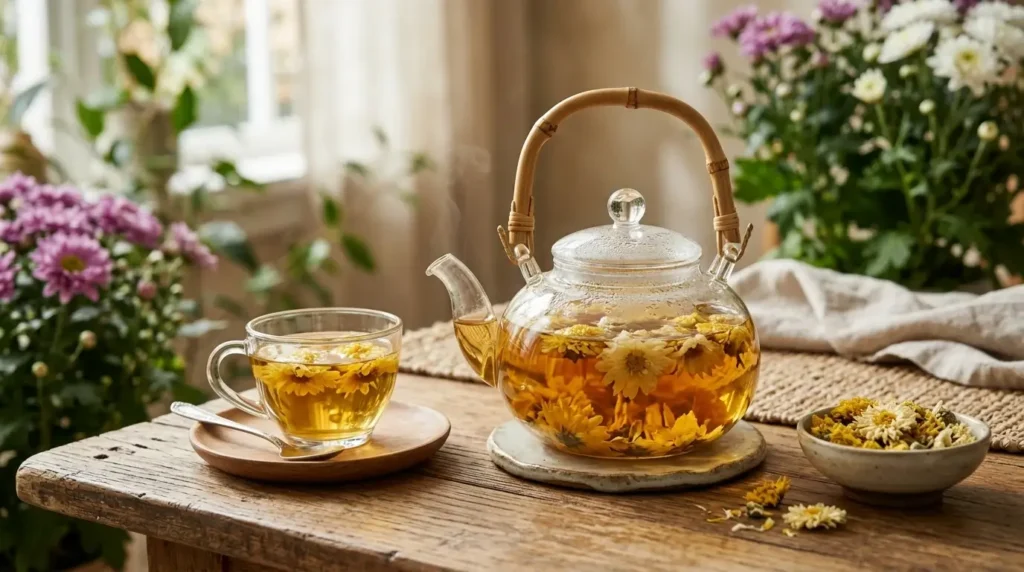
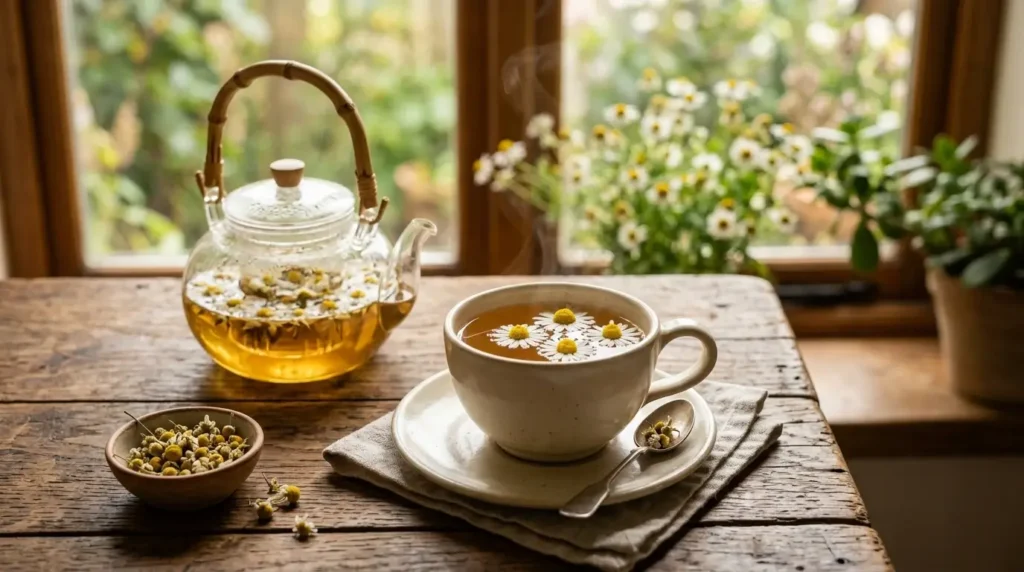
If you’ve ever stood in the tea aisle wondering whether to reach for chrysanthemum tea or chamomile tea, you’re not alone. Both are golden-hued, caffeine-free floral teas with long traditions of use in herbal medicine. They look similar in the cup, they both smell beautiful — and yet they are profoundly different in their origins, health benefits, and best uses.
This guide breaks down everything you need to know about chrysanthemum tea and chamomile tea — from taste and antioxidant content to specific health benefits and who each tea is best suited for. By the end, you’ll know exactly which one deserves a spot in your pantry, or whether you need both.
What Is Chrysanthemum Tea?
Origins and Cultural History
Chrysanthemum tea has a history spanning over a thousand years in East Asia. Originating in China during the Song Dynasty (960–1279 AD), it has long been consumed as a medicinal beverage, particularly in Traditional Chinese Medicine (TCM). The tea is made from the dried flowers of Chrysanthemum morifolium or Chrysanthemum indicum, two species cultivated specifically for their medicinal and culinary properties.
In Chinese culture, chrysanthemum tea is considered a “cooling” drink — a concept in TCM that refers to its ability to reduce internal heat, soothe inflammation, and counterbalance conditions like fever, sore throat, and red, irritated eyes. It remains one of the most widely consumed herbal teas across China, Taiwan, Hong Kong, and Vietnam.
How It’s Made
Making chrysanthemum tea is simple. Dried chrysanthemum flowers — either whole or compressed into flower shapes — are steeped in hot water (around 90–95°C) for 3 to 5 minutes. The resulting brew ranges from pale yellow to light gold. Many Chinese households sweeten it with rock sugar or honey, and it’s also available in teabag form.
Premium varieties such as Hangzhou Chrysanthemum (Hang Ju) are prized for their clean floral aroma and sweet aftertaste. Some blends also combine chrysanthemum with goji berries or wolfberries for an added health boost.
Flavor Profile
Chrysanthemum tea has a light, subtly sweet, and floral flavor. It is less herbal and earthy than chamomile — closer to delicate dried flowers with a hint of natural sweetness. The aftertaste is clean and refreshing. When brewed lightly, it can taste almost like fragrant warm water; brewed stronger, it takes on a more pronounced floral depth.
What Is Chamomile Tea?
Origins and Cultural History
Chamomile tea has roots in ancient Egypt, Greece, and Rome, where it was used as a remedy for fevers, indigestion, and skin conditions. The name “chamomile” derives from the Greek khamaimelon, meaning “earth apple” — a nod to its fresh, apple-like scent.
Two main types are used for tea: Matricaria chamomilla (German chamomile) and Chamaemelum nobile (Roman chamomile). German chamomile is by far the most popular variety in herbal teas sold worldwide. For centuries, chamomile has been a staple in European herbal medicine, known especially for its calming, sleep-promoting, and digestive properties.
How It’s Made
Chamomile tea is typically made by steeping dried chamomile flower heads in hot water (around 90°C) for 5 to 10 minutes. Longer steeping produces a stronger, slightly more bitter cup. It’s widely available in teabag form and as loose-leaf dried flowers. Unlike chrysanthemum tea, chamomile is commonly drunk plain without sweetener, though honey pairs beautifully with it.
Flavor Profile
Chamomile tea is warm, earthy, slightly sweet, and gently apple-like. It has a softer, rounder flavor than chrysanthemum — more comforting and creamy on the palate. Some people describe it as hay-like or mildly grassy, with a soothing warmth that makes it an ideal bedtime drink. It is more aromatic and heavier in scent than chrysanthemum.
Chrysanthemum Tea and Chamomile Tea: Head-to-Head Comparison
Now that we understand each tea individually, here’s how chrysanthemum tea and chamomile tea compare directly across the most important dimensions:
Category
Chrysanthemum Tea
Chamomile Tea
Origin
East Asia (China)
Europe, North Africa
Plant species
Chrysanthemum morifolium / indicum
Matricaria chamomilla
Flavor
Light, floral, subtly sweet
Earthy, warm, apple-like
Aroma
Delicate, fragrant
Rich, herbal, apple-honey
Caffeine
Caffeine-free
Caffeine-free
Key antioxidants
Flavonoids, luteolin, chlorogenic acid
Apigenin, quercetin, flavonoids
Primary benefit
Cooling, eye health, anti-inflammatory
Sleep, anxiety, digestion
TCM classification
Cooling herb
Not typically used in TCM
Color in cup
Pale yellow to gold
Golden yellow to amber
Availability
Asian grocery stores, online
Mainstream supermarkets, worldwide
Price
Moderate
Widely affordable
Nutritional and Antioxidant Content
Both teas are rich in flavonoids and antioxidants, but their specific compounds differ in meaningful ways. Chrysanthemum tea contains luteolin, acacetin, and chlorogenic acid — antioxidants associated with anti-inflammatory and neuroprotective effects. Chamomile is particularly rich in apigenin, a flavonoid that binds to benzodiazepine receptors in the brain and is primarily responsible for chamomile’s calming and sleep-inducing properties.
In terms of raw antioxidant capacity, studies suggest chrysanthemum tea may edge ahead — particularly for free-radical scavenging — but chamomile’s targeted neurological effects through apigenin make it more potent for specific wellness goals like sleep and anxiety relief.
Caffeine Content
Both teas are completely caffeine-free, making them safe to consume at any time of day, including in the evening. This is one of the most important features they share, and it makes them both excellent alternatives to black or green tea for those managing caffeine intake.
Price and Availability
Chamomile tea is one of the most globally available herbal teas — you’ll find it in virtually every supermarket, health food store, and café. Chrysanthemum tea is extremely common in Asian households and Asian grocery stores but may require a specialty shop or online order in Western countries. Pricing for both is reasonable, though premium loose-leaf chrysanthemum (particularly Hangzhou varieties) can be more expensive.
Health Benefits of Chrysanthemum Tea
Cooling and Anti-Inflammatory Effects
One of chrysanthemum tea’s most celebrated properties in Traditional Chinese Medicine is its ability to “clear heat” — reduce internal inflammation, soothe sore throats, and lower mild fevers. Modern research has started to validate this: chrysanthemum extracts contain anti-inflammatory compounds such as luteolin and apigenin that inhibit pro-inflammatory cytokines.
For people who experience frequent headaches triggered by “heat” (such as tension headaches after screen time or hot weather), chrysanthemum tea is a go-to remedy in East Asian wellness culture.
Eye Health Support
This is perhaps chrysanthemum tea’s most unique benefit. It has long been used in TCM to address eye strain, redness, dryness, and blurred vision — conditions caused by what TCM calls “liver heat.” Research supports this traditional use: chrysanthemum contains beta-carotene and other carotenoids that support retinal health, and its anti-inflammatory properties may help with dry eye conditions and eye fatigue from prolonged screen exposure.
In an era where screen fatigue is near-universal, this makes chrysanthemum tea particularly relevant as a daily wellness drink for office workers and students.
Immune System Boost
Chrysanthemum tea contains significant levels of Vitamin C, Vitamin A, and various minerals including potassium, calcium, and iron. These micronutrients support immune function, and the antioxidants in the tea help neutralize free radicals that can weaken immunity over time. Regular consumption has been linked in traditional practice to fewer colds and faster recovery.
Cardiovascular Benefits
Studies on chrysanthemum extract have shown potential benefits for blood pressure regulation and cardiovascular health. Chlorogenic acid and flavonoids in chrysanthemum may help dilate blood vessels, improve blood flow, and reduce LDL (“bad”) cholesterol oxidation. While this research is still developing, the cardiovascular case for chrysanthemum tea is growing.
Chamomile’s most famous benefit is its ability to promote restful sleep. The key compound at work is apigenin, which binds to GABA-A receptors in the brain — the same receptors targeted by prescription sleep medications like benzodiazepines, though in a far gentler, non-habit-forming way. Multiple clinical studies have confirmed that chamomile extract significantly improves sleep quality and reduces nighttime waking.
A 2017 study published in Sleep Medicine found that elderly adults who took chamomile extract showed measurably improved sleep quality compared to a placebo group. For those dealing with mild insomnia or restless nights, a cup of chamomile 30–60 minutes before bed is one of the most evidence-backed natural interventions available.
Reduces Anxiety and Stress
Apigenin’s action on the central nervous system doesn’t stop at sleep — it also produces notable anxiolytic (anti-anxiety) effects. A long-term clinical trial at the University of Pennsylvania found that chamomile extract significantly reduced generalized anxiety disorder symptoms compared to placebo, and that those who stopped taking chamomile were more likely to relapse into anxiety.
For daily stress management, sipping chamomile tea during a stressful afternoon or as part of an evening wind-down routine can meaningfully reduce feelings of tension and mental overwhelm.
Supports Digestive Health
Chamomile has been used for centuries as a digestive remedy, and modern science confirms its effectiveness. It relaxes smooth muscle in the gastrointestinal tract, which can relieve cramping, bloating, and spasms. It also has mild antimicrobial properties that may help manage gut bacteria imbalance.
Chamomile is particularly helpful for irritable bowel syndrome (IBS) discomfort, indigestion, and stomach aches related to stress. Drinking a cup after meals can ease post-meal heaviness and support healthy digestion.
Skin and Anti-Inflammatory Benefits
Chamomile is one of the most widely used botanicals in skincare for a reason — it’s a powerful natural anti-inflammatory and skin soother. Internally, drinking chamomile tea can reduce systemic inflammation that manifests as skin redness, acne, and eczema flares. The antioxidants also support collagen production and may slow visible signs of skin aging.
Topically, cooled chamomile tea can be applied to irritated or sunburned skin for relief — a benefit chrysanthemum tea doesn’t typically share in the same way.
Side Effects and Who Should Avoid Each Tea
Both teas are generally very safe for most healthy adults, but there are important precautions to know.
Chrysanthemum Tea Precautions
Allergy risk: Chrysanthemum belongs to the Asteraceae/Compositae plant family. People allergic to ragweed, daisies, marigolds, or other plants in this family may react to chrysanthemum tea.
Cold sensitivity: Because it’s considered a “cooling” herb in TCM, people with cold-type conditions (feeling perpetually cold, weak digestion, or low energy) should limit intake, particularly in winter.
Pregnancy: Consult a healthcare provider before regular use during pregnancy.
Blood pressure medications: Due to potential vasodilatory effects, those on blood pressure medication should speak to a doctor before drinking chrysanthemum tea regularly.
Chamomile Tea Precautions
Allergy risk: Chamomile is also in the Asteraceae family, so the same allergy concerns apply — and cross-reactivity with ragweed is well-documented. Those with ragweed allergies should use caution.
Drug interactions: Chamomile may enhance the effects of blood thinners (like warfarin) and sedatives. If you take either, consult your doctor before regular chamomile consumption.
Pregnancy: High doses of chamomile are not recommended during pregnancy, as it may stimulate uterine contractions in large amounts.
Drowsiness: Due to its sedative properties, drinking chamomile before driving or operating heavy machinery is not advisable.
The honest answer is: it depends on what you need from your cup. These two teas have genuinely different strengths, and the best choice depends on your personal health goals and lifestyle.
Choose Chrysanthemum Tea If…
You spend long hours in front of screens and experience eye strain or fatigue
You often feel “overheated” — prone to flushing, headaches from heat, or sore throats
You want an antioxidant-rich daily beverage to support immune and cardiovascular health
You’re looking for a culturally rich East Asian herbal tea tradition to explore
Choose Chamomile Tea If…
You struggle with falling asleep or staying asleep
You experience regular anxiety, stress, or nervous tension
You have digestive issues like IBS, bloating, or stomach cramping
You want a widely researched, evidence-backed herbal tea
You prefer a warm, comforting cup as part of an evening wind-down ritual
Can You Drink Both?
Absolutely — and many herbal tea enthusiasts do. A practical approach is to drink chrysanthemum tea during the day (it’s refreshing, cooling, and great for eye health after screen time) and switch to chamomile tea in the evening (for its sleep-promoting and calming benefits).
Some tea blends even combine both flowers into a single cup, creating a delicate, layered floral drink that draws on both traditions. If you’re curious to experiment, look for mixed floral herbal tea blends at specialty tea shops.
Ready to start exploring? Try adding one cup of chrysanthemum tea to your midday routine and one cup of chamomile to your evening wind-down for one week — and pay attention to how your body responds. Small, consistent rituals like these are where the real wellness benefits show up.
Frequently Asked Questions About Chrysanthemum Tea and Chamomile Tea
Is chrysanthemum tea the same as chamomile tea?
No, they are entirely different plants. Chrysanthemum tea comes from flowers of the Chrysanthemum morifolium plant, native to China and used in East Asian medicine. Chamomile tea is made from Matricaria chamomilla, a plant from the European and North African tradition. They share some similarities — both are caffeine-free and floral — but differ significantly in flavor, active compounds, and primary health benefits.
Which tea is better for sleep — chrysanthemum or chamomile?
Chamomile tea is the clear winner for sleep. Its active compound, apigenin, directly binds to sleep and relaxation receptors in the brain, producing a well-documented sedative effect. Chrysanthemum tea has mild calming properties but is not specifically a sleep-promoting tea. If better sleep is your goal, chamomile is the right choice.
Can I drink chrysanthemum tea and chamomile tea every day?
Yes, both teas are safe for daily consumption for most healthy adults. A reasonable amount is 1–3 cups per day of either tea. However, if you have allergies to the Asteraceae plant family (including ragweed, daisies, or marigolds), you should exercise caution or consult a healthcare provider before drinking either tea regularly.
Which tea has more antioxidants — chrysanthemum or chamomile?
Both teas are antioxidant-rich, but chrysanthemum tea generally has a higher overall antioxidant capacity in terms of free-radical scavenging, containing compounds like chlorogenic acid and luteolin. Chamomile’s antioxidants, particularly apigenin, are more targeted in their neurological effects. The “better” antioxidant profile depends on what health outcome you’re looking for.
Can chrysanthemum tea help with eye strain?
Yes — this is one of chrysanthemum tea’s most distinctive benefits. In Traditional Chinese Medicine, it is specifically prescribed for eye-related complaints including dryness, redness, and fatigue. Modern research supports this through chrysanthemum’s carotenoid content and anti-inflammatory compounds. It won’t replace professional eye care, but it’s a meaningful supportive drink for anyone experiencing screen-related eye fatigue.
Can you mix chrysanthemum tea and chamomile tea together?
Yes, you can blend these two teas, and some herbal blends already do so. They both have floral, caffeine-free profiles that complement each other reasonably well. Combining them would give you a blend that draws on chrysanthemum’s cooling and eye-health benefits alongside chamomile’s calming and digestive benefits. Brew each separately and combine, or look for pre-made floral herbal blends.
Conclusion
Both chrysanthemum tea and chamomile tea are outstanding herbal beverages with deep roots in their respective wellness traditions — and both deserve more attention from modern tea drinkers.
If your days involve long hours on screens, heat-related discomfort, or a need for immune and cardiovascular support, chrysanthemum tea is a beautiful, refreshing choice that’s been trusted in East Asian wellness culture for over a millennium.
If your evenings involve stress, restlessness, or digestive discomfort — or if you simply want the most research-backed natural sleep aid available — chamomile tea remains one of herbal medicine’s greatest gifts to the modern world.
The good news? You don’t have to choose just one. Build a tea ritual that honors both: chrysanthemum for clarity and vitality during the day, chamomile for calm and restoration at night. Your body — and your cup — will thank you.
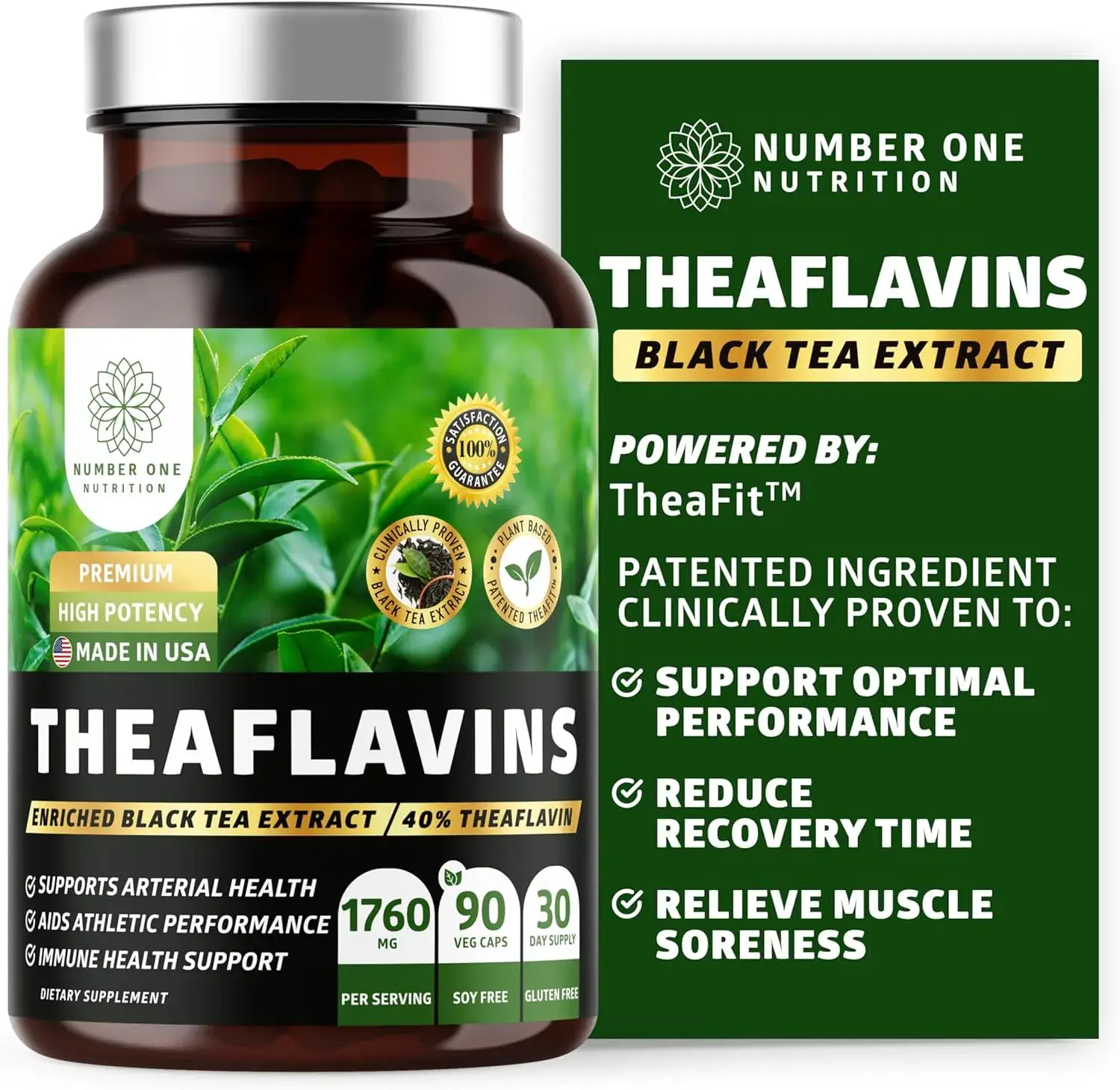
Black Tea Extract that is rich in natural theaflavins and polyphenols that help protect your body from free radicals, promoting overall immune health and well-being
Contains blended amounts of Fruits and Veggies. All natural, with whole foods, fruit and vegetable supplement.Perfect for everyone looking to live a healthier lifestyle.