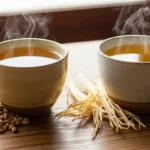
Did you know over 12 million visits to doctors in the U.S. each year are for simple pharyngitis? When we feel that scratchy, painful sensation, many of us grab a warm mug for sore throat relief.
I often choose natural infusions when I feel a cold coming. It’s a comforting ritual that feels like a warm hug from the inside. You might wonder if ginger tea good for sore throat issues is science-backed or just a comforting myth.
In this article, we’ll explore ginger tea’s wellness properties. We’ll see how it works in your body to help you feel better faster. My aim is to give you clear, reassuring info to help you feel confident in your recovery journey.
Key Takeaways
Natural remedies often provide significant comfort during the early stages of illness.
Scientific research supports the anti-inflammatory properties of certain herbal infusions.
Hydration remains a critical component of any recovery plan.
Understanding how ingredients work helps you make informed wellness choices.
Simple, home-based solutions can effectively manage mild discomfort.
My Personal Journey with Natural Remedies
I, like many, searched for years to soothe my throat naturally. I used store-bought syrups but grew tired of their artificial ingredients. So, I started looking for natural sore throat remedies in my kitchen.
My early tries were full of trial and error. I gargled with salt water and drank honey-lemon mixtures for some relief. But, I couldn’t find a lasting solution for winter’s irritation.
Then, I tried fresh ginger root. It quickly reduced inflammation, unlike other home remedies for throat pain I’d tried. Ginger became a key part of my wellness routine fast.
“The best remedies are often the ones we overlook in our own pantries, waiting to be discovered.”
Finding the right remedy is personal. While some like herbal teas or steam, ginger was my go-to. Trying these home remedies for throat pain taught me to trust simple, plant-based solutions.
My journey shows that natural sore throat remedies don’t have to be hard. With patience and trying different things, you can find what works for you. I hope my story inspires you to find your own path to healing.
Ginger Tea Good For Sore Throat: The Science Behind It
Exploring ginger’s science reveals amazing compounds that back its healing claims. It’s not just a myth; there’s real science behind ginger tea’s ability to soothe sore throats. Understanding these elements helps me see how this drink aids in my healing.
Anti-inflammatory Properties of Gingerols
Gingerols, the plant’s main active parts, offer key ginger health benefits. They act as a natural ginger anti-inflammatory inside us. Drinking the tea, these molecules soothe my sore throat’s irritated tissues.
Many miss the ginger root’s specific benefits in fighting swelling. Gingerols cut down on inflammatory cytokines, reducing throat redness and pain. This is why the tea feels so calming when I’m sick.
Antimicrobial Effects on Throat Pathogens
Ginger also has strong antimicrobial properties that boost my immune system. Drinking ginger tea for inflammation makes it harder for bad bacteria to thrive. This two-pronged strategy makes ginger a powerful ally.
Scientific studies show ginger extracts can stop pathogens that irritate the throat. It’s not a cure-all, but it’s a strong natural defense against minor infections. I trust this remedy to fight off my discomfort’s source.
How Ginger Tea Soothes Throat Irritation
There’s something magical about a hot drink soothing a sore throat. When I’m sick, I turn to this ritual to soothe throat irritation and feel better. The heat and natural compounds in ginger tea offer a warm hug to my sore tissues.
Reducing Pain and Swelling
I choose ginger tea for its ginger anti-inflammatory effects. When my throat is tight and swollen, ginger’s compounds calm the inflammation. This dulls the sharp pain that makes swallowing hard.
Choosing soothing drinks for sore throat helps my body heal. Ginger tea quickly reduces throat redness and swelling. It’s a natural way to ease symptoms without synthetic drugs.
The Role of Warmth in Mucus Relief
The tea’s heat is also key to my recovery. It acts as a natural expectorant, loosening stubborn mucus in my throat. This makes it easier to breathe and clear my airways.
The steam from the tea also hydrates my nasal passages. This soothing warmth offers quick relief during a cold. It’s a simple way to clear congestion and feel better.
The secret to great herbal tea for throat relief is in your ingredients. A good ginger tea recipe ensures every sip soothes your throat.
Selecting Fresh Ginger Root
At the grocery store, I look for ginger roots that are firm and heavy. Stay away from shriveled or soft, dark spots. These will have less potent oils.
The skin should be thin and smooth, showing it’s fresh. Fresh ginger has more gingerols, which are key for healing.
Step-by-Step Brewing Techniques
Good ginger tea preparation is more than just hot water and ginger. I wash the root and slice it thinly to increase surface area.
Put the slices in a pot with two cups of water and boil. Then, lower the heat and simmer for ten minutes to release oils.
Extracting Maximum Potency
For a stronger brew, grate the ginger instead of slicing. This ginger tea brewing guide tip lets water reach deeper fibers, making the tea more concentrated.
Cover the pot while simmering to keep oils in. This step keeps the tea’s medicinal strength in your mug.
Balancing Flavor with Honey and Lemon
Ginger can be spicy, so I add raw honey to coat my throat. Honey works with ginger to calm irritation.
Then, squeeze fresh lemon juice in. The lemon’s acidity balances the ginger’s heat, making the tea more enjoyable.
Comparing Ginger Tea to Over-the-Counter Medications
When my throat gets scratchy, I often think about natural cough and cold relief versus what’s in the pharmacy. I wonder if ginger tea vs medicine is the better choice for feeling better. It’s a common question for those looking for sore throat relief without pills.
Natural Relief Versus Pharmaceutical Options
Going natural means choosing ingredients that are gentle and work with your body. Ginger is great because it’s an anti-inflammatory that soothes from the inside. It’s different from some medicines that might make you sleepy or dry out your throat.
Medicines like lozenges or syrups work fast and target pain. They have ingredients like benzocaine or menthol for quick relief. But, they might not fight inflammation as well as ginger tea does.
When to Choose Ginger Over Lozenges
I pick ginger tea for mild or early symptoms. If I just feel a tickle or a bit of discomfort, the tea’s warmth usually helps. It’s great for avoiding synthetic stuff when you’re just starting to feel sick.
But, if my throat hurts a lot or makes it hard to swallow, I look for stronger help. Lozenges are better for quick pain relief during tough times. Finding the right balance helps me take care of my health wisely.
Feature
Ginger Tea
OTC Medications
Primary Benefit
Reduces inflammation
Provides instant numbing
Best For
Mild, early symptoms
Severe, acute pain
Ingredients
Natural root
Synthetic compounds
Side Effects
Rarely any
Possible drowsiness
Potential Side Effects and Precautions
Adding ginger tea to your routine is usually safe. But, it’s key to know some precautions. Ginger tea side effects can happen if you drink too much. Start with small amounts to see how you react.
Understanding Ginger Sensitivity
Everyone’s body is different. What helps one person might upset another. Some might get heartburn, gas, or an upset stomach from too much ginger tea. Listening to your body is the best way to ensure safe ginger consumption during your recovery.
If you feel any irritation, it’s a sign to drink less or make the tea weaker. Drinking in moderation is the key to enjoying ginger tea without digestive problems.
Interactions with Common Medications
Natural remedies can sometimes affect how medicines work. If you’re on blood thinners or blood pressure meds, talk to your doctor before drinking ginger tea regularly. These substances can make your medicines work too strongly, leading to problems.
To ensure safe ginger consumption, remember these tips:
Always check with your healthcare provider if you are on long-term medication.
Limit your intake to one or two cups per day to avoid possible ginger tea side effects.
Watch your body for any unusual reactions after starting the tea.
Choose high-quality, fresh ingredients for the best results.
By being informed and careful, you can enjoy ginger’s healing benefits without worry. Taking these steps helps you stay healthy while soothing your throat.
Making ginger tea a daily habit has really helped me recover faster. By setting a routine, you can soothe throat irritation all day. Being consistent is key to feeling better sooner.
Frequency of Consumption for Best Results
I drink a warm ginger tea every three to four hours. This keeps my throat moist and hydrated, giving me consistent comfort. It’s a great way to get natural cough and cold relief when you’re feeling down.
Starting with a cup in the morning helps clear out morning congestion. A cup in the afternoon fights off inflammation. Ending the day with a warm mug helps you sleep better, even with a sore throat.
Combining Ginger with Other Soothing Ingredients
You can make your tea even better by adding other ingredients. These soothing drinks for sore throat are more effective when tailored to your needs. I like to try different mixes to see what works best for me.
Turmeric: A pinch of turmeric adds extra anti-inflammatory benefits.
Peppermint: A few drops of peppermint oil or fresh leaves can open up your airways.
Apple Cider Vinegar: A small amount can help balance your throat’s pH levels.
Using this herbal tea for throat health as a base lets you create a recovery plan that’s just for you. Feel free to mix and match ingredients to find what works best. Taking care of yourself proactively helps your body heal naturally.
Common Myths About Ginger and Throat Health
Exploring natural sore throat remedies means knowing what’s real and what’s not. I’ve seen many claims that ginger is a cure-all for sore throats. But, it’s key to know what it can really do.
Debunking Quick-Fix Misconceptions
One big myth is that ginger is a magic bullet for serious infections. People think drinking lots of tea will make infections go away fast. But, ginger is better as a helper, not a cure-all.
I always remember that ginger health benefits mainly help with symptoms. It reduces swelling and eases pain. But, it can’t fight off serious infections by itself. Relying only on ginger when you’re really sick can hold off the help you need.
Understanding the Limits of Natural Remedies
Seeing these throat health tips as part of a bigger health plan is smart. Natural remedies work best when they help your body heal, not replace it. This way, I don’t get disappointed when a simple remedy doesn’t fix everything right away.
Consistency is important, but so is being practical. If your symptoms don’t get better or get worse, you need more help. Knowing what ginger can and can’t do helps you make better health choices.
When to See a Doctor for Your Sore Throat
Knowing when to see a doctor is key to managing your health. While I often use home remedies for throat pain for comfort, they’re not a fix for all problems. It’s important to balance natural care with medical advice.
Identifying Warning Signs of Serious Infection
Some signs mean you need more than just a warm drink. A high fever, trouble breathing, or swelling that won’t go away are red flags. These often mean you need antibiotics, not just tea.
Watching how long symptoms last is also important. If your throat pain doesn’t get better in three to five days, see a doctor. Ignoring these signs can lead to complications that are harder to treat later.
“The most important aspect of recovery is knowing your limits. When symptoms escalate, professional intervention is the only safe path forward.”— Medical Health Advisory
Knowing When Home Remedies Are Not Enough
While ginger tea is great for comfort, it can’t replace medical advice for serious infections like strep throat. My best throat health tips remind me that natural options support, but don’t replace, clinical care. If you’re unsure about your illness, when to see a doctor for sore throat is a simple question of safety.
Symptom Type
Home Care Suitable
Doctor Visit Required
Fever
Low-grade (under 100°F)
High (over 101°F)
Breathing
Normal
Difficulty or wheezing
Duration
1-3 days
Over 5 days
Swallowing
Mild discomfort
Severe pain or inability
Always put your long-term wellness first. If your condition gets worse despite your best efforts, make that appointment. Your health is too valuable to risk.
Conclusion
Managing a sore throat needs both wisdom and patience. Ginger tea is a trusted friend when my throat hurts. It’s a natural way to help my body heal.
True wellness means listening to your body. A warm ginger tea can help, but it’s part of a bigger self-care plan. Rest and staying hydrated are key to keeping my immune system strong.
Watch how your body reacts to these natural remedies. If your pain doesn’t go away or gets worse, see a doctor. You deserve the best care, and knowing when to ask for help is important.
Be proactive in your recovery by staying informed and paying attention. I hope ginger tea becomes a helpful part of your wellness routine. Small, thoughtful choices can make a big difference in your health.
Is ginger tea truly effective for relieving a sore throat?
Yes, it’s one of the best natural remedies. It contains gingerols and shogaols, which are anti-inflammatory. Drinking it helps reduce swelling and the scratchy feeling in my throat.
Should I use fresh ginger root or pre-packaged tea bags?
Fresh ginger root is better because it has more essential oils. But, if you’re in a hurry, Traditional Medicinals or Yogi Tea are good organic options.
How often should I drink ginger tea when I’m feeling sick?
Drinking two to three cups a day helps the most. It keeps your throat soothed and keeps you hydrated. But, watch out if you have a sensitive stomach.
Can I add other ingredients to my tea to make it more powerful?
Yes! Adding Manuka honey for its antibacterial properties and fresh lemon juice for Vitamin C is great. For congestion, try adding turmeric or cayenne pepper.
Is ginger tea better for my throat than over-the-counter lozenges?
It’s different. Ginger tea offers systemic benefits and warmth. It helps thin mucus and heals more holistically than just numbing.
Are there any side effects I should be aware of before drinking it?
Ginger is usually safe, but it can thin your blood. If you’re on Coumadin (Warfarin) or have surgery soon, talk to your doctor. It might cause heartburn in some.
Can ginger tea cure a bacterial infection like Strep throat?
No, it’s for symptom relief, not a cure. If you have a bacterial infection, you need antibiotics. See a doctor if you have a fever or white patches.
What is the best way to brew the tea for maximum potency?
Peel and slice an inch of ginger root. Let it simmer in boiling water for 10 to 15 minutes. This extracts the most bioactive compounds for benefits.
Black Tea Extract that is rich in natural theaflavins and polyphenols that help protect your body from free radicals, promoting overall immune health and well-being
Contains blended amounts of Fruits and Veggies. All natural, with whole foods, fruit and vegetable supplement.Perfect for everyone looking to live a healthier lifestyle.