Black tea is the most widely drunk tea in the Western world, and for many people it is the first thing they reach for in the morning. It is comforting, affordable and endlessly adaptable. But is it actually good for you?
The honest answer is: mostly yes, with a few important caveats. A growing body of research links regular black tea drinking to better heart health, steadier focus and even a modestly lower risk of early death. At the same time, black tea contains caffeine, tannins and oxalates, and for some people those compounds cause real problems.
This guide walks through black tea benefits and side effects in plain language. You will see what the evidence supports, where it is still thin, who should be cautious, and how to build a daily cup that works for your body rather than against it.
What Is Black Tea and What Makes It Special?
Black tea, green tea, white tea and oolong all come from the same plant, Camellia sinensis. What separates them is processing. Black tea leaves are fully oxidized, which turns them dark and gives the brew its robust, malty character.
That oxidation also changes the chemistry. Fresh tea leaves are rich in catechins, the antioxidants green tea is famous for. During oxidation many of those catechins convert into two groups of larger polyphenols, called theaflavins and thearubigins. These compounds give black tea its color, its bold flavor and much of its research interest.
The Key Compounds in a Cup of Black Tea
Flavonoids and polyphenols: plant antioxidants linked to vascular and metabolic health.
Caffeine: a mild stimulant that sharpens alertness.
L-theanine: an amino acid associated with calm, steady focus.
Tannins: compounds that give tea its astringency and can bind to minerals such as iron.
Oxalates: natural compounds that matter mainly for people prone to kidney stones.
Fluoride: present in small amounts and sometimes cited for dental benefits.
Nearly every benefit and every side effect discussed below traces back to one of these ingredients. Keeping that in mind makes the whole topic much easier to navigate.
Proven and Promising Black Tea Benefits
Research on black tea ranges from randomized trials to very large population studies. Some findings are fairly consistent, while others are early and should be treated as promising rather than proven. Here is how the evidence stacks up.
1. Supports Heart Health and Healthy Blood Pressure
Heart health is where black tea has the strongest track record. Flavonoids in tea appear to improve how blood vessels widen and relax, which helps explain the effect on blood pressure.
A 2020 review of studies in people with high blood pressure found that regular tea drinking lowered systolic pressure by about 4.8 mm Hg and diastolic pressure by about 2 mm Hg. That is a modest drop, but at a population level even small reductions matter. People who kept up the habit for longer than three months saw larger changes.
Other research, including trials in which volunteers drank around three cups a day, has reported improved blood flow and reduced night-time blood pressure variability. Benefits have generally been seen at intakes between one and four cups daily.
2. May Improve Cholesterol Levels
Several meta-analyses suggest that black tea can lower LDL (“bad”) cholesterol, with larger improvements in people who start with higher cardiovascular risk. The effect is not dramatic, so tea should be seen as a helpful supporting habit rather than a replacement for medication or dietary changes your doctor recommends.
3. Linked to Lower Risk of Early Death
One of the most cited studies comes from the UK Biobank, which followed nearly 500,000 adults for a median of about 11 years. Compared with non-drinkers, people who drank two or more cups of tea a day had a 9 to 13 percent lower risk of dying from any cause. Nearly 90 percent of the tea drinkers in the study reported drinking black tea.
Inverse associations also appeared for deaths from heart disease and stroke. The benefit held regardless of whether people added milk or sugar, and regardless of genetic differences in how they metabolize caffeine.
One caution: this was an observational study. It shows an association, not proof that tea itself caused the lower risk. Tea drinkers may differ from non-drinkers in other ways that were hard to fully account for.
4. Helps You Stay Alert Without the Coffee Crash
Black tea contains caffeine, but less than coffee, and it arrives with L-theanine. Many people describe the result as calm, steady focus rather than jittery stimulation. In a small Dutch trial, people who drank real black tea scored better on attention tests and reported higher alertness than those given a look-alike placebo drink.
5. May Help Blood Sugar After Meals
Some studies suggest black tea can reduce the spike in blood sugar that follows a meal or snack. The polyphenols may slow carbohydrate digestion and improve how the body responds to insulin. The research is encouraging but not conclusive, and unsweetened tea is key here, since sugar cancels out the potential advantage.
6. Possible Gut and Oral Health Support
Early research suggests tea polyphenols may act as food for beneficial gut bacteria, supporting a more balanced microbiome. Black tea also contains small amounts of fluoride, which is good for tooth enamel. Both areas need more human research before strong claims can be made.
What About Cancer and Weight Loss?
You will often see black tea marketed as a cancer fighter or a fat burner. The evidence does not support those claims firmly. Lab studies are interesting, but human results are mixed or limited. Treat any article that promises dramatic results with skepticism.
Black Tea Side Effects You Should Know About
For most healthy adults, moderate black tea drinking is safe. Problems tend to show up with heavy intake, drinking tea on an empty stomach, or when a person has a health condition that makes them more sensitive to its compounds.
1. Sleep Problems, Anxiety and Restlessness
Caffeine is the most obvious culprit. In sensitive people, or when you drink tea late in the day, it can delay sleep, reduce sleep quality and trigger jitters or a racing mind. Caffeine tolerance varies widely between individuals, so the same cup that barely affects one person can keep another awake for hours.
2. Headaches and Caffeine Dependence
Regular caffeine intake can lead to mild physical dependence. If you skip your usual cups, you may notice headaches, irritability or fatigue. Heavy intake can also cause headaches on its own. If this sounds familiar, tapering down gradually is gentler than stopping suddenly.
3. Heartburn, Nausea and Digestive Upset
Tannins and caffeine can irritate the stomach, especially if you drink strong tea on an empty stomach. Some people notice nausea, heartburn or an uneasy feeling. Caffeine also speeds up intestinal movement, which can loosen stools in some people, while others report the opposite effect from tannins.
4. Reduced Iron Absorption
Tannins and other polyphenols bind to iron in food and make it harder to absorb. The effect is stronger for non-heme iron, the type found in plant foods such as lentils, spinach and fortified cereals, than for iron from meat.
Most studies find little impact in healthy people with adequate iron stores. The concern is mainly for those who are already low in iron, including vegetarians, vegans, people with heavy periods and those diagnosed with anemia.
5. Kidney Stone Risk From Oxalates
Black tea contains more oxalate than green or herbal teas. Oxalate can combine with calcium to form calcium oxalate stones, the most common kind. Still, the oxalate in tea is not absorbed very efficiently, and one controlled study found that large daily volumes of black tea did not significantly raise urinary oxalate, partly because tea also increases citrate, which helps prevent stones.
The real risk lies with extreme intake. Isolated medical cases have linked massive daily consumption of black tea to kidney damage. If you have had stones before, ask your doctor how much tea fits your situation.
6. Heart Palpitations and Dizziness
Too much caffeine can cause a fast or irregular heartbeat and light-headedness. If you notice palpitations after drinking tea, cut back and speak with a healthcare professional, especially if you have a known heart rhythm condition.
7. Teeth Staining
Like coffee, black tea can gradually stain teeth. The fluoride may help enamel, but the pigments still leave a mark over time. Rinsing with water afterward and keeping up regular dental cleanings helps.
8. Trace Contaminants
Tea plants can absorb small amounts of metals such as lead, cadmium and arsenic from soil. Levels in brewed tea are typically low, but heavy daily drinkers may prefer to buy from reputable brands that test their products.
A standard cup of black tea contains roughly 40 to 70 mg of caffeine, which is notably less than the typical cup of brewed coffee. Exact amounts depend on the leaf grade, how much tea you use, the water temperature and especially the steeping time. The longer it steeps, the more caffeine ends up in your cup.
Drink (about 8 oz / 240 ml)
Approximate caffeine
Black tea
40–70 mg
Green tea
20–45 mg
Brewed coffee
80–100 mg
Decaffeinated black tea
2–5 mg
Herbal tea (most types)
0 mg
Figures are approximate and vary by brand and brewing method.
For healthy adults, the commonly cited upper limit is about 400 mg of caffeine a day. That equals around five or six strong cups of black tea, but remember that coffee, soda, energy drinks and chocolate count toward the same total. Pregnant people are usually advised to stay well below that figure, as discussed in the next section.
Who Should Limit or Avoid Black Tea?
Black tea suits most people, but a few groups should be more careful.
Pregnant and Breastfeeding Women
High caffeine intake during pregnancy has been associated with complications such as miscarriage and lower birth weight, although the data is mixed and the exact safe amount is unclear. Many health authorities advise keeping total caffeine to around 200 mg a day or less during pregnancy, which is roughly two to three cups of black tea. Your own doctor or midwife can give personal guidance.
People With Low Iron or Anemia
You do not necessarily have to give up tea. Drink it between meals rather than with them, and consider waiting at least an hour before or after iron-rich foods or supplements.
People Prone to Kidney Stones
If you have a history of calcium oxalate stones, keep your intake modest, drink plenty of water, and follow your doctor’s dietary advice. Lower-oxalate options such as green, white or many herbal teas may be easier to fit in.
People With Heart Rhythm Issues, Anxiety or Sleep Problems
If caffeine worsens palpitations, anxiety or insomnia, decaffeinated black tea gives you the flavor without most of the stimulation.
People Taking Certain Medications
Caffeine can interact with some medicines, including certain stimulants, heart medications and psychiatric drugs. If you take regular prescriptions, ask your pharmacist whether tea intake matters.
Children and Teenagers
Young people are generally advised to limit caffeine. An occasional weak cup is not a concern, but black tea should not replace water or milk in a child’s day.
How to Enjoy Black Tea Safely: Practical Tips
You do not need to overthink this. A few simple habits capture most of the upside and minimize most of the downside.
Aim for a Sensible Daily Amount
For most healthy adults, two to four cups a day is a reasonable range, and it lines up with where most of the research benefits have been observed. Go lower if you are sensitive to caffeine or in one of the groups above.
Time Your Cups Well
Drink your last caffeinated cup at least six to eight hours before bed.
Avoid strong tea on a completely empty stomach if it upsets you.
Keep tea about an hour away from iron-rich meals or supplements if iron is a concern.
Control Your Steeping
Three to five minutes in freshly boiled water is a good standard. A shorter steep lowers caffeine and bitterness. Over-steeping increases both, along with astringent tannins.
Watch What You Add
Plain black tea is the version most research supports. A splash of milk is fine, and the UK Biobank study found benefits regardless of milk. Heavy sugar, syrups and sweetened bottled teas are a different story, since they add calories and may offset the metabolic perks.
Choose Quality Leaves
Loose-leaf or good-quality tea bags from reputable brands tend to be fresher and better tested. Store tea in a cool, dry, airtight container.
Stay Hydrated
Tea counts toward your fluid intake, but water should still be your main drink, particularly if you are kidney-stone-prone.
Frequently Asked Questions About Black Tea Benefits and Side Effects
Is it safe to drink black tea every day?
For most healthy adults, yes. Daily consumption of two to four cups is generally considered safe and is associated with several health advantages. If you have a medical condition, are pregnant or take medication, check with your healthcare provider about the right amount for you.
How many cups of black tea per day is too much?
There is no single cutoff, but side effects become more likely beyond roughly four to five cups for many people, mainly because of caffeine. The UK Biobank study did not find higher mortality even among very heavy tea drinkers, yet that does not mean large amounts are comfortable or appropriate for everyone. Listen to your body, and reduce your intake if you notice poor sleep, palpitations or stomach upset.
Does black tea cause dehydration?
Not in any meaningful way at normal intakes. Caffeine has a mild diuretic effect, but the water in the tea more than makes up for it, so moderate tea drinking contributes to your daily fluids.
Is black tea better than green tea?
Neither is universally better. Green tea is higher in catechins, while black tea contains theaflavins and thearubigins and generally has a bit more caffeine and oxalate. Both are associated with heart benefits. Choose the one you enjoy and will drink consistently, or enjoy both.
Can black tea help you lose weight?
There is limited and inconsistent evidence that black tea may support weight management, possibly through its flavonoids and mild caffeine effect. It is not a weight-loss solution on its own. Use it as an unsweetened substitute for sugary drinks rather than a miracle fix.
Should I drink black tea on an empty stomach?
It depends on your digestion. Some people feel fine, while others experience nausea or heartburn. If tea upsets your stomach, have it with or after a light snack, but remember to keep it away from iron-rich meals if you are low in iron.
Final Thoughts: Is Black Tea Good for You?
For most people, black tea is a healthy habit. The best-supported black tea benefits include better blood pressure, improved cholesterol, steady alertness and a modestly lower risk of heart-related and overall mortality in large observational studies. Other claims, from cancer protection to weight loss, remain unproven.
The side effects are real but largely dose-dependent. Caffeine can disturb sleep and cause jitters, tannins can interfere with iron absorption, oxalates matter for those prone to kidney stones, and pregnancy calls for a lower caffeine ceiling. Most problems disappear when you moderate your intake and adjust your timing.
If you enjoy a cup or three of black tea each day, there is good reason to feel comfortable about it. Pay attention to how you feel, keep it mostly unsweetened, and check in with a healthcare professional if you have a medical condition or take regular medication. Ready to explore more? Browse our other tea guides to find your next favorite brew.
This article is for general information only and is not medical advice. Speak with a qualified healthcare professional about your individual needs.
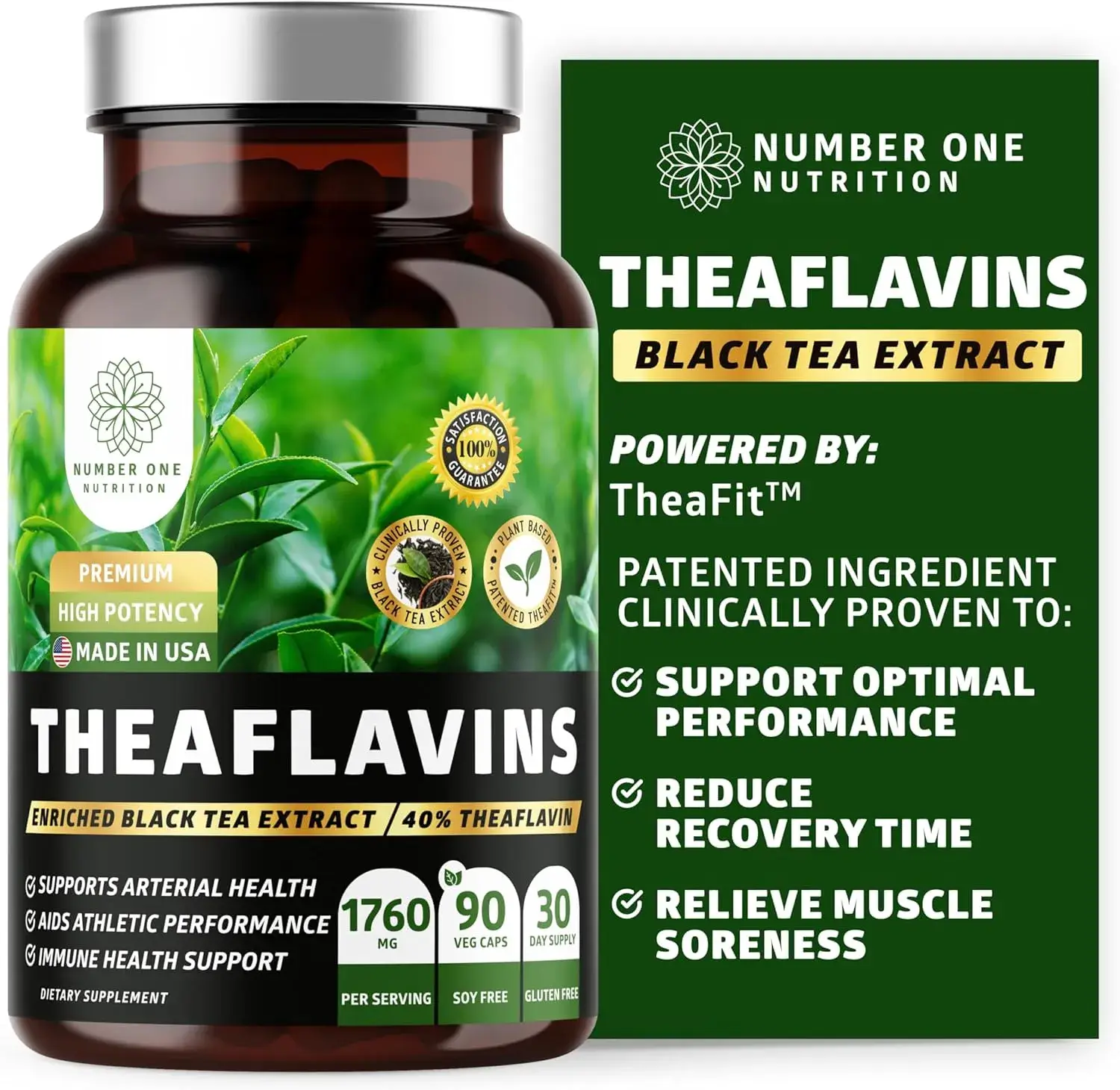
Black Tea Extract that is rich in natural theaflavins and polyphenols that help protect your body from free radicals, promoting overall immune health and well-being
Contains blended amounts of Fruits and Veggies. All natural, with whole foods, fruit and vegetable supplement.Perfect for everyone looking to live a healthier lifestyle.