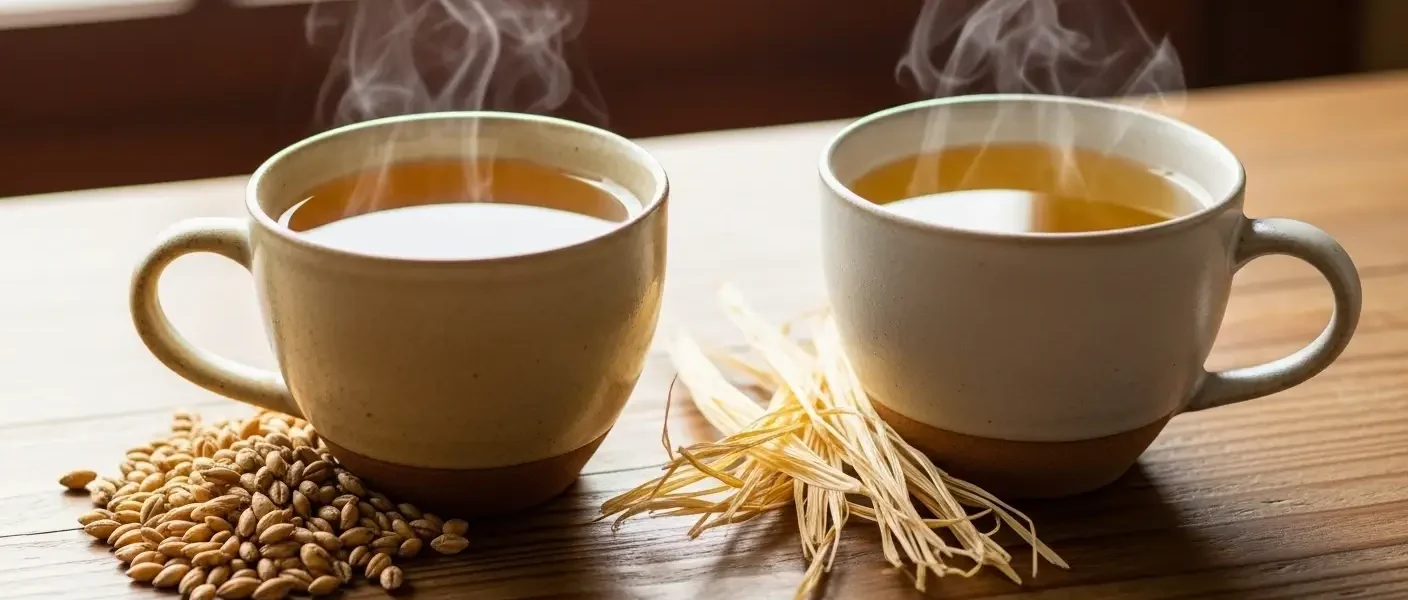
Thinking about what to drink besides your usual coffee or water? Barley tea and corn silk tea are two interesting options that have been around for ages. They both offer a different kind of refreshment, and figuring out which one is right for you can be a fun little quest. This article is all about breaking down the barley tea vs corn silk tea debate, looking at how they taste, how to make them, and what makes each one special. Let’s get into it!
Key Takeaways
Barley tea has a toasty, nutty flavor from roasted barley grains, offering a robust and satisfying taste.
Corn silk tea is delicate and subtly sweet, with a mild, slightly floral aroma, making it a gentle choice.
Brewing temperatures and times differ; barley tea can handle hotter water and longer steeps, while corn silk tea needs cooler water and shorter times to avoid bitterness.
Barley tea is often associated with digestive benefits and antioxidants, while corn silk tea is traditionally used for its diuretic and soothing properties.
When choosing between barley tea vs corn silk tea, consider your preference for a rich, roasted flavor versus a light, sweet profile, and the specific wellness goals you have in mind.
Understanding Barley Tea vs Corn Silk Tea
So, you’re curious about barley tea and corn silk tea, huh? It’s a pretty common question, especially if you’re looking to swap out your usual coffee or just explore some new, healthy drinks. Both are popular in different parts of the world, and they definitely have their own vibe going on. Let’s break down what makes each one tick.
The Unique Profile of Barley Tea
Barley tea, often called mugicha in Japan, is made from roasted barley grains. Think of it like a coffee, but without the caffeine. The roasting process is key here; it gives the tea a really distinct, toasty, almost nutty flavor. It’s not sweet at all, but it has this comforting, full-bodied taste that many people find really satisfying. It’s a staple in many East Asian households, especially during the summer, served chilled as a refreshing beverage. People often talk about the barley tea health benefits, like its potential to aid digestion. It’s definitely one of the best caffeine-free teas out there.
Exploring the Delicate Nature of Corn Silk Tea
Now, corn silk tea is a whole different story. It’s made from the silky threads found inside corn husks. Unlike barley tea, corn silk tea has a much lighter, more subtle flavor. It’s often described as having a delicate, slightly sweet, and faintly floral taste. It’s not as robust as barley tea, making it a gentler option. This tea is often sought after for its corn silk tea benefits, particularly its reputation as a natural diuretic tea. It’s one of those healthy herbal teas that people turn to for a gentle cleanse.
Key Differences in Flavor and Aroma
When you’re comparing herbal tea flavors, barley and corn silk are pretty far apart on the spectrum. Barley tea hits you with that roasted, nutty, sometimes even slightly bitter note. It’s got a noticeable body to it. Corn silk tea, on the other hand, is all about subtlety. Its aroma is mild, and the taste is light and clean, with just a hint of sweetness. It’s a great example of comparing herbal infusions where one is bold and the other is whisper-quiet.
Here’s a quick look at how they stack up:
Feature
Barley Tea (Mugicha)
Corn Silk Tea
Main Ingredient
Roasted Barley Grains
Corn Silk Threads
Flavor Profile
Nutty, Roasted, Toasty
Delicate, Slightly Sweet, Faintly Floral
Body/Mouthfeel
Medium to Full
Light
Aroma
Toasted Grain
Mild, Faintly Sweet
Caffeine
None
None
Choosing between these two often comes down to personal preference and what you’re looking for in a drink. Are you after a comforting, robust flavor, or something light and delicate? It’s a fun part of comparing herbal teas and figuring out which tea tastes better for your mood.
So, when you’re thinking about which tea is better for you or which is better barley or corn silk tea, it’s not really about one being superior. It’s more about understanding their unique characteristics and how they fit into your day. Both are great options for natural detox drinks and are considered among the best herbal teas for health, just in different ways. If you’re looking for best tea for digestion, barley might be your go-to, while corn silk is often chosen for its gentle diuretic properties. It’s all about comparing herbal teas to find your perfect match.
Getting the water temperature just right is key to unlocking the best flavors from both barley and corn silk tea. Too hot, and you risk scorching the delicate leaves or grains, leading to a bitter taste. Too cool, and you won’t extract enough of their subtle notes.
For barley tea, which has a more robust, roasted character, you can afford to be a bit more generous with the heat. Aim for water that’s just off the boil, around 90-95°C (194-203°F). This higher temperature helps to draw out those lovely nutty and toasty flavors.
Corn silk tea, on the other hand, is much more delicate. Think of it like a gentle whisper rather than a bold statement. To preserve its subtle sweetness and floral undertones, use cooler water, ideally between 80-85°C (176-185°F). This prevents any harshness from creeping in.
Steeping Times for Maximum Flavor
Once your water is at the right temperature, the next step is steeping. This is where the magic happens, as the water works its magic to infuse the tea.
Barley Tea: Because of its roasted nature, barley tea can handle a slightly longer steep. Try steeping for 4-5 minutes. This gives it enough time to release its full-bodied flavor. If you prefer a lighter taste, you can shorten this a bit.
Corn Silk Tea: This tea needs a gentler approach. Steep corn silk for 2-3 minutes. Any longer, and you might find the flavor becoming too faint or even a little grassy. It’s all about capturing that fleeting sweetness.
Tips for Enhancing Your Brew
Want to take your barley or corn silk tea experience to the next level? Here are a few simple tricks:
Rinse the Grains/Silk (Optional): For barley tea, a quick rinse of the roasted grains under cool water before brewing can remove any dust. For corn silk, some people like a very brief rinse, but be gentle!
Adjust to Taste: Don’t be afraid to play around with the amount of tea and steeping time. What one person finds perfect, another might want to tweak. That’s the beauty of making tea at home.
Add a Touch of Sweetness: While both teas are lovely on their own, a tiny bit of honey or a slice of lemon can complement barley tea’s nuttiness. For corn silk, a whisper of agave or a few drops of stevia can highlight its natural sweetness without overpowering it.
Consider Cold Brewing: For a super refreshing twist, especially with corn silk tea, try cold brewing. Just combine the tea with cold water and let it steep in the refrigerator for several hours (or overnight). It results in an incredibly smooth and delicate flavor.
Remember, brewing tea is a personal journey. These guidelines are a great starting point, but the best cup is always the one you enjoy the most. Experimentation is part of the fun!
Flavor Profiles and Sensory Experience
Barley Tea’s Nutty and Roasted Notes
Barley tea, often called mugicha in Japan, has a really distinct flavor that’s hard to miss. When you brew it, it gives off this warm, toasty smell, kind of like freshly baked bread or roasted nuts. The taste itself is usually described as nutty and a little bit earthy. It’s not sweet at all, which is a big part of its appeal for many people. Some folks even say it has a hint of popcorn. It’s a comforting, grounding flavor that feels really satisfying. It’s the kind of drink that makes you feel cozy, especially on a cooler day.
Corn Silk Tea’s Subtle Sweetness
Now, corn silk tea is a whole different ballgame. It’s made from the silky threads you find inside an ear of corn. The aroma is much lighter and more delicate than barley tea. You might catch a faint, sweet scent, almost like fresh corn but much, much milder. The flavor is subtle, with a gentle, natural sweetness. It’s not sugary, but it has a clean, slightly vegetal taste that’s really refreshing. It’s a very mild tea, so it doesn’t overpower your palate at all. It’s the kind of drink you might not even notice at first, but then you find yourself enjoying its quiet charm.
Comparing the Mouthfeel and Finish
When you compare how these teas feel in your mouth and what they leave behind, the differences become even clearer. Barley tea tends to have a fuller body. It feels a bit more substantial on the tongue, with that roasted character lingering. The finish is usually clean but can have a slight dryness, similar to some darker roasted coffees. Corn silk tea, on the other hand, is very light and smooth. It feels almost watery but in a pleasant, clean way. The finish is typically very brief and leaves a faint, clean sweetness. It doesn’t coat your mouth or leave any strong aftertaste, making it incredibly easy to drink.
Here’s a quick rundown:
Barley Tea:
Mouthfeel: Medium-bodied, sometimes slightly robust.
Aroma: Toasted, nutty, roasted grain.
Flavor: Nutty, earthy, roasted, sometimes a hint of popcorn.
Finish: Clean, sometimes slightly dry, lingering roasted notes.
Corn Silk Tea:
Mouthfeel: Light, smooth, almost watery.
Aroma: Delicate, faintly sweet, fresh corn.
Flavor: Mildly sweet, subtly vegetal, clean.
Finish: Very short, clean, faint sweetness.
The sensory experience of these two teas highlights their contrasting origins. One comes from roasted grains, bringing warmth and depth, while the other comes from delicate corn silk, offering a light and refreshing profile. It’s a study in how different plant parts and preparation methods create such distinct beverages.
Barley tea, often called mugicha in Japan, has been around for ages, and for good reason. It’s not just a tasty drink; it’s packed with stuff that’s good for you. For starters, it’s loaded with antioxidants. These little helpers fight off nasty free radicals in your body, which can cause all sorts of problems down the line. Think of them as tiny bodyguards. Plus, barley tea is known for being easy on your stomach.
Some people find it helps with digestion and can even be a bit of a comfort drink when you’re feeling a little off. It’s also naturally caffeine-free, which is a big win if you’re trying to cut back on caffeine or just want something soothing before bed. It’s a simple, wholesome beverage that fits well into a balanced lifestyle, and you can find quality barley tea online.
Wellness Properties of Corn Silk Tea
Corn silk tea, made from the silky threads found on corn cobs, has a long history in traditional medicine, especially in Native American cultures. It’s often used as a diuretic, meaning it helps your body get rid of extra fluid and salt. This can be helpful for things like reducing bloating or supporting kidney health.
It also contains compounds that might have anti-inflammatory effects, which is always a good thing. Some folks also drink it for its potential to help manage blood sugar levels, though more research is always needed in that area. It has a very mild, slightly sweet flavor that’s incredibly refreshing, especially when served chilled on a warm day. It’s a gentle way to support your body’s natural processes.
A Comparative Look at Nutritional Content
When you stack barley tea and corn silk tea up against each other nutritionally, they offer different perks. Barley tea is a good source of minerals like manganese and selenium, and as mentioned, it’s rich in antioxidants. Corn silk tea, on the other hand, is known for its potassium content and certain flavonoids. Neither tea is a significant source of calories or macronutrients, making them excellent choices for hydration without adding unwanted extras to your diet. They both contribute to your daily fluid intake, which is a fundamental part of staying healthy.
Here’s a quick look at what you might find:
Nutrient
Barley Tea (per cup)
Corn Silk Tea (per cup)
Calories
~0-5
~0-5
Antioxidants
High
Moderate
Potassium
Low
Moderate
Manganese
Moderate
Low
Caffeine
None
None
Both teas are naturally caffeine-free and low in calories, making them fantastic choices for anyone looking to stay hydrated without the jitters or extra sugar often found in other beverages. They are simple, clean drinks that support overall well-being.
Culinary Pairings and Occasions
Best Food Pairings for Barley Tea
Barley tea, with its toasty, slightly nutty flavor, is incredibly versatile when it comes to food. It’s a fantastic palate cleanser, making it a great companion for richer dishes. Think about pairing it with anything that has a bit of savory depth. It works wonderfully with grilled meats, roasted vegetables, and even heartier seafood like salmon. For a lighter touch, it complements simple rice dishes or noodle soups beautifully. It’s also a surprisingly good match for certain baked goods, especially those with nutty or caramel notes. Don’t shy away from trying it with slightly spicy foods; the tea’s mildness can balance the heat.
Here are a few ideas:
Savory: Grilled chicken or pork, roasted root vegetables, stir-fries, sushi, and ramen.
Slightly Sweet: Shortbread cookies, almond biscotti, or even a simple pound cake.
Snacks: Popcorn, pretzels, or a cheese board.
Ideal Settings for Enjoying Corn Silk Tea
Corn silk tea has a much more delicate and subtly sweet profile, often described as having a light, grassy, or even faintly corn-like flavor. This makes it perfect for more serene moments. It’s the kind of tea you want when you’re looking for something soothing and gentle. It pairs wonderfully with light, fresh foods. Think delicate pastries, fruit tarts, or even just a simple bowl of fresh berries. It’s also excellent on its own, especially during a quiet morning or a relaxing afternoon break. It’s the kind of drink that encourages you to slow down and savor the moment. It’s also a great choice for a gentle start to the day.
Consider these settings:
Morning Ritual: A quiet start to your day, perhaps with a light breakfast.
Afternoon Refreshment: A calming break during a busy workday.
Dessert Complement: A light, sweet finish to a meal, especially with delicate sweets.
Corn silk tea’s subtle sweetness makes it a wonderful alternative to sugary drinks, offering a refreshing taste without overwhelming the palate. Its mild nature means it won’t compete with the flavors of your food, making it a versatile choice for many occasions.
When to Choose Barley Tea vs. Corn Silk Tea
Deciding between the two really comes down to the mood and the meal. If you’re having something robust, savory, or a bit greasy, barley tea is your go-to. Its toasty notes and cleansing properties cut through richness like a champ. It’s the perfect companion for a hearty meal or a snack that needs a grounding beverage.
On the other hand, if you’re seeking something light, refreshing, and subtly sweet, corn silk tea is the way to go. It’s ideal for lighter fare, delicate desserts, or simply when you want a comforting, mild drink. For instance, if you’re enjoying traditional Korean rice cakes like chapssaltteok, both barley tea and corn silk tea are excellent choices, but they’ll offer different experiences – barley tea providing a more robust contrast, while corn silk tea offers a gentler harmony.
Here’s a quick guide:
Occasion/Food Type
Best Choice
Why?
Hearty Meals (e.g., roasts)
Barley Tea
Toasty notes cut through richness; acts as a palate cleanser.
Light Desserts (e.g., tarts)
Corn Silk Tea
Subtle sweetness complements delicate flavors without overpowering.
Spicy Foods
Barley Tea
Mildness balances heat, offering a refreshing counterpoint.
Quiet Relaxation
Corn Silk Tea
Gentle, soothing flavor ideal for unwinding.
Savory Snacks (e.g., pretzels)
Barley Tea
Its roasted character pairs well with salty, crunchy textures.
Delicate Pastries
Corn Silk Tea
Its mild sweetness won’t clash with subtle pastry flavors.
So, you’ve decided you want to try some barley tea or maybe corn silk tea. That’s great! Finding these unique beverages is easier than you might think, but knowing where to look can make all the difference in quality.
Sourcing Quality Barley Tea
Barley tea, often called mugicha in Japanese culture, is pretty widely available. You can find it in most Asian grocery stores, usually in the tea or beverage aisle. It often comes in tea bags, loose leaf form, or even as a ready-to-drink bottled beverage. For the best quality, look for brands that specify roasted barley. Some specialty tea shops might also carry premium versions. Don’t be afraid to check the ingredients list to make sure it’s just roasted barley and nothing else.
Finding Authentic Corn Silk Tea
Corn silk tea is a bit more niche, but still accessible. It’s most commonly found in health food stores or stores specializing in natural remedies and herbal teas. You might also find it in the international foods section of larger supermarkets, particularly those with a good selection of Latin American products, as corn is a staple there. Online retailers are a fantastic resource for corn silk tea, often offering a wider variety and more specific sourcing information. Look for tea made from 100% pure corn silk for the best flavor and benefits.
Online vs. In-Store Purchasing Options
When it comes to buying either tea, you’ve got options:
Asian Markets: Best bet for a wide variety of barley tea, often at good prices.
Health Food Stores: Good for finding both barley and corn silk teas, especially organic or specialty brands.
Supermarkets: Check the international aisle for barley tea and sometimes herbal tea sections for corn silk.
Online Retailers: Offers the broadest selection, convenience, and often detailed product descriptions. This is often the easiest way to find authentic corn silk tea.
Online shopping is often the most convenient way to compare brands and read reviews before buying. If you prefer to see and smell the tea before purchasing, visiting a local market or specialty store is the way to go. For corn silk tea, specifically, online often yields the best results for purity and variety.
When selecting your tea, consider the form it comes in. Loose leaf teas generally offer a fresher flavor, but tea bags are incredibly convenient for a quick brew. Ready-to-drink bottles are great for on-the-go, but check the sugar content if that’s a concern.
So, Which Tea Reigns Supreme?
Alright, so we’ve sipped our way through barley tea and corn silk tea, and honestly, it’s not a clear win for either. Barley tea gives you that comforting, toasty vibe, kind of like a warm hug in a mug, especially if you’re looking for something without caffeine. Then you’ve got corn silk tea, which is a bit lighter, maybe a touch sweeter, and feels really good when you want something refreshing.
Neither is going to blow your socks off with intense flavor, but that’s kind of their charm, right? They’re both chill, easy-drinking options that fit into your day without being too much. So, pick the one that sounds good for your mood – cozy and toasty or light and refreshing. You really can’t go wrong with either.
Frequently Asked Questions
What does barley tea taste like?
Barley tea has a really unique taste! It’s often described as nutty and toasty, kind of like roasted nuts or popcorn. It’s not sweet at all, but it has a warm, comforting flavor that many people enjoy, especially when they want something different from regular tea.
Is corn silk tea sweet?
Corn silk tea is known for being very mild and having a subtle sweetness. It doesn’t have a strong flavor like some other teas. Think of it as a very light, slightly sweet drink that’s refreshing and easy to sip on.
Which tea is better for a hot day?
For a hot day, corn silk tea might be a better choice if you’re looking for something super light and refreshing. Barley tea can be enjoyed cold too, but its roasted flavor is often preferred when it’s warm or at room temperature.
Can I drink these teas every day?
Yes, both barley tea and corn silk tea are generally considered safe to drink every day. They are often enjoyed as healthy alternatives to sugary drinks and are caffeine-free, making them good choices for daily hydration.
How do I make barley tea or corn silk tea at home?
To make barley tea, you usually steep roasted barley grains in hot water for about 5-10 minutes. For corn silk tea, you steep dried corn silk (the silky threads from corn cobs) in hot water for a shorter time, maybe 3-5 minutes, to keep its delicate flavor.
Do these teas have caffeine?
No, both barley tea and corn silk tea are naturally caffeine-free. This makes them excellent choices for people who are sensitive to caffeine or want a relaxing drink any time of the day or night.
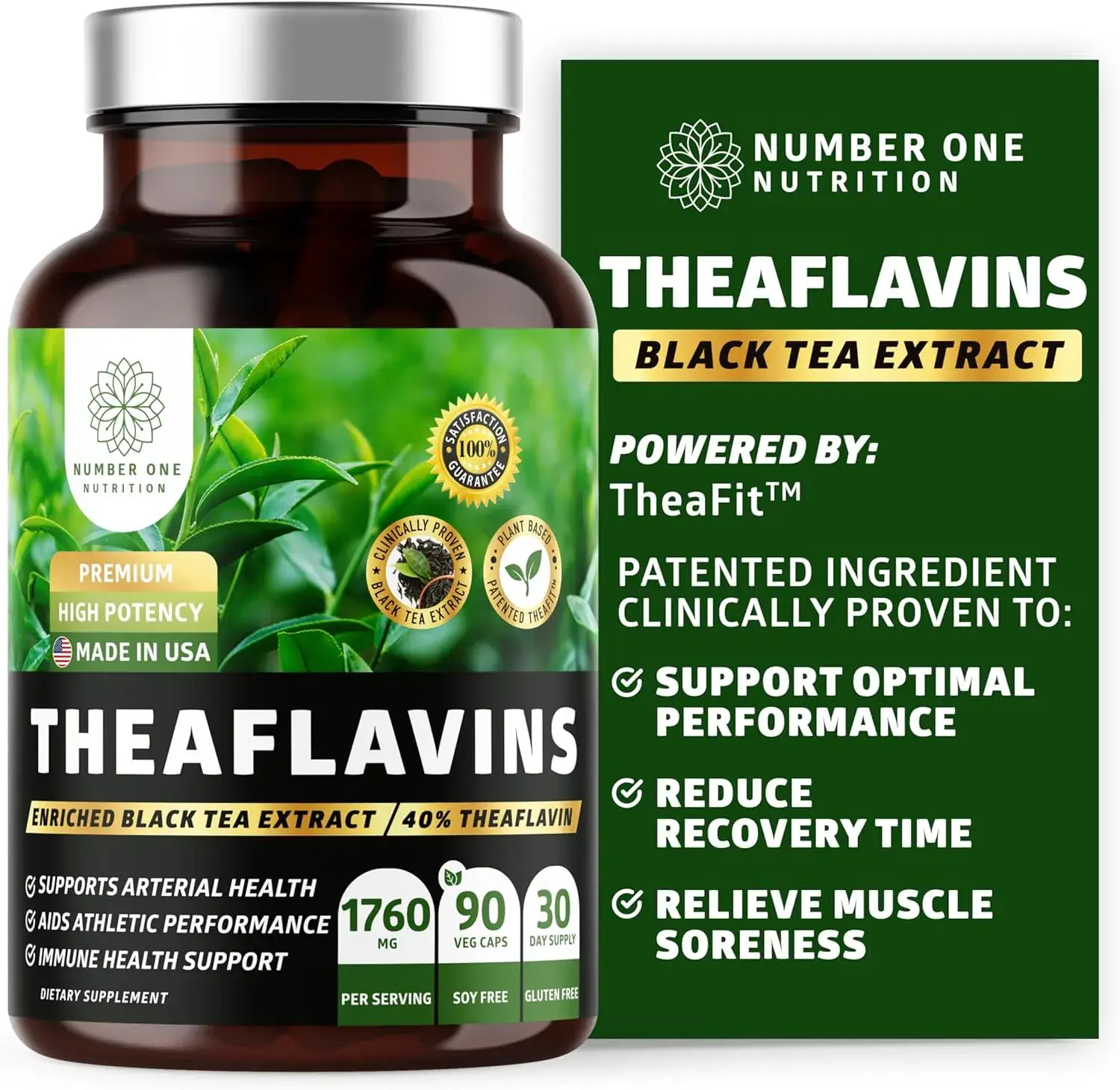
Black Tea Extract that is rich in natural theaflavins and polyphenols that help protect your body from free radicals, promoting overall immune health and well-being
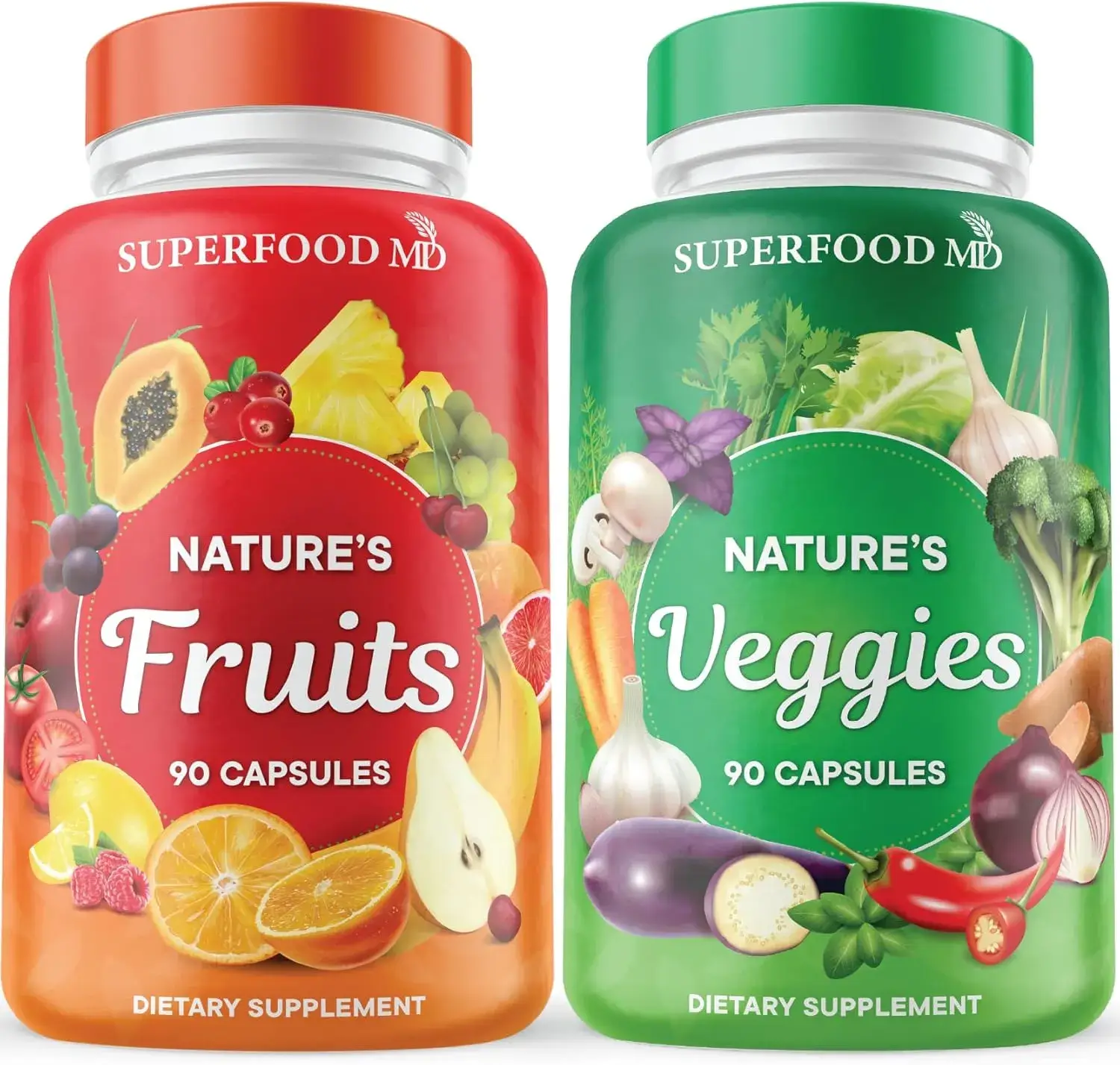
Contains blended amounts of Fruits and Veggies. All natural, with whole foods, fruit and vegetable supplement.Perfect for everyone looking to live a healthier lifestyle.