When the day starts, two popular drinks often battle for our attention: coffee and tea. Many people have their favorite, but which one is actually better for you? If you’ve ever wondered about earl grey tea vs coffee caffeine levels, you’re not alone. We’re going to look at the big differences and see how these two beloved beverages truly stack up. It’s not just about waking up; it’s about what you’re putting into your body.
Key Takeaways
A typical 8-ounce cup of coffee has about 95 mg of caffeine, while Earl Grey tea usually contains around 45 mg.
While tea leaves can have a higher caffeine percentage by weight than coffee beans, brewing methods extract less caffeine from tea.
Coffee offers a stronger, quicker energy boost due to its higher caffeine levels, whereas tea provides a gentler lift.
Both beverages contain antioxidants, but tea is often linked to more calming effects due to its lower caffeine.
Choosing between Earl Grey tea and coffee depends on whether you need a significant energy surge or a more mellow start to your day.
Earl Grey Tea vs Coffee Caffeine: The Content Showdown
When we talk about that morning jolt, coffee usually comes to mind first. But how does it stack up against a cup of Earl Grey? Let’s break down the caffeine content in these popular drinks.
Understanding Caffeine Levels in Coffee
Coffee is pretty well-known for its caffeine punch. A standard 8-ounce cup of brewed coffee can pack anywhere from 70 to over 200 milligrams (mg) of caffeine, with an average hovering around 95 mg. This wide range depends on a few things, like the type of coffee bean used and how it’s brewed. Darker roasts sometimes have a bit less caffeine than lighter ones, which might surprise you!
Caffeine in Earl Grey Tea: A Closer Look
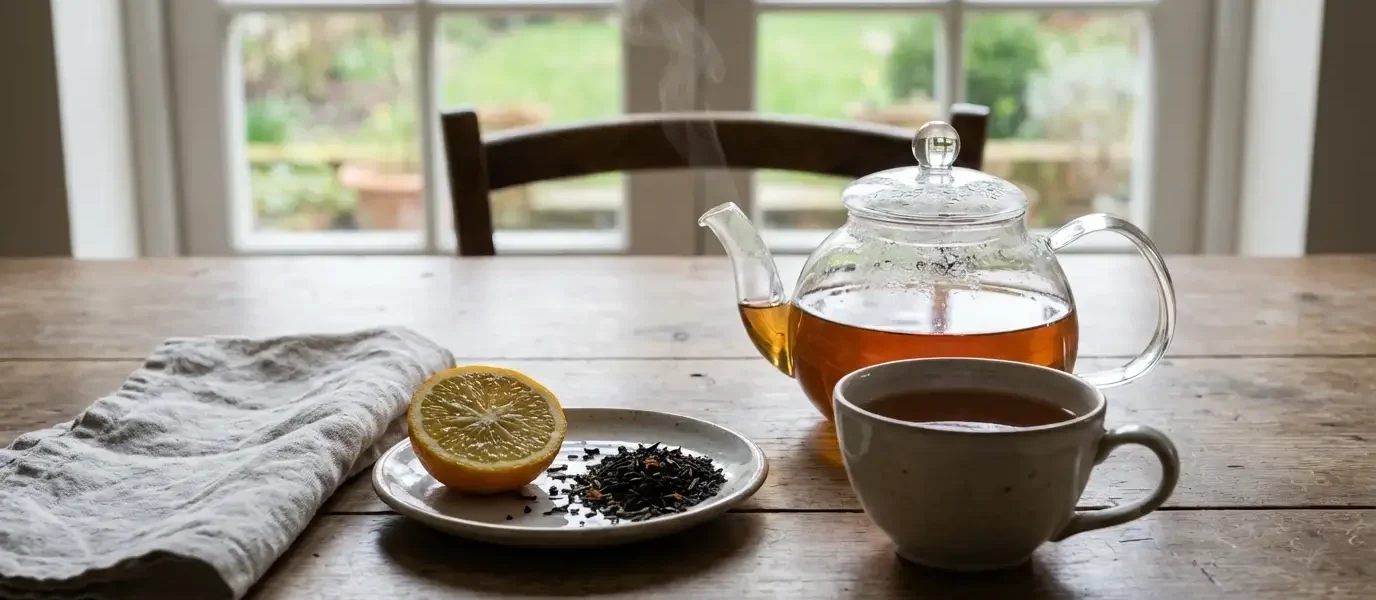
Earl Grey, a classic black tea flavored with bergamot, also contains caffeine, but generally less than coffee. An 8-ounce serving of Earl Grey tea typically has between 40 and 120 mg of caffeine. While this is less than the average cup of coffee, it’s still enough to provide a noticeable energy boost. It’s interesting to note that tea leaves themselves can have a higher percentage of caffeine by weight than coffee beans, but the way tea is brewed means less caffeine is extracted into your cup compared to coffee.
Comparing Daily Caffeine Intake
So, which has more caffeine, tea or coffee? Generally, coffee has more caffeine per serving than Earl Grey tea. This means if you’re looking for a significant energy kick, coffee is usually the way to go. However, Earl Grey offers a gentler lift, which many people prefer for a less intense, more sustained feeling of alertness. For those sensitive to caffeine or looking for a milder option, Earl Grey is a great choice. It’s all about finding that sweet spot for your personal caffeine needs.
Here’s a quick look at typical caffeine content:
Beverage
Serving Size
Caffeine (mg)
Brewed Coffee
8 oz
70-200+ (avg 95)
Earl Grey Tea
8 oz
40-120
Green Tea
8 oz
20-45
Herbal Tea
8 oz
0
The amount of caffeine you get can really change based on how long you steep your tea or brew your coffee, and even the specific type of bean or leaf used. It’s not always a simple number!
While caffeine gets a lot of the spotlight, both Earl Grey and coffee bring more to the table than just a jolt. They’re packed with compounds that can do good things for your body and mind, though in different ways. It’s not just about the coffee versus tea energy levels; it’s about the whole package.
Antioxidant Powerhouses: Tea vs. Coffee
Both beverages are surprisingly good sources of antioxidants. These are compounds that help fight off damage in your body caused by unstable molecules called free radicals. Think of them as little protectors for your cells. Earl Grey, being a black tea, contains flavonoids, which are known for their antioxidant properties. Coffee, on the other hand, is also a major source of antioxidants in the Western diet, with compounds like chlorogenic acids being particularly notable. While both offer protection, the specific types and amounts can vary.
Beverage
Key Antioxidants
Notes
Earl Grey Tea
Flavonoids (e.g., theaflavins, thearubigins)
Contribute to the tea’s color and potential health benefits.
Coffee
Chlorogenic acids, Melanoidins
Formed during roasting; coffee is a significant source in many diets.
Cognitive and Physical Boosts
When we talk about coffee versus tea energy boost, coffee usually wins the race for immediate impact. Its higher caffeine content often leads to a more pronounced increase in alertness and focus. Coffee can also improve physical performance by increasing adrenaline levels, making it a popular pre-workout drink. Earl Grey, with its moderate caffeine, offers a gentler lift. It contains L-theanine, an amino acid that works with caffeine to promote a state of calm focus, reducing the jitters sometimes associated with coffee. This makes Earl Grey a great choice for sustained mental clarity without the sharp peak and crash.
Potential Health Risks and Side Effects
It’s important to remember that moderation is key for both. Too much caffeine from any source, whether it’s coffee or strong black tea like Earl Grey, can lead to anxiety, sleep disturbances, and an upset stomach. Coffee, in particular, can sometimes cause heart palpitations or acid reflux in sensitive individuals. On the flip side, while tea is often seen as a healthier caffeine alternative, excessive consumption of very strong teas could also lead to issues. Choosing healthier caffeine alternatives means being mindful of your own body’s response and the quantity you consume.
While both drinks offer benefits, the way they make you feel can be quite different. Coffee tends to provide a more intense, immediate surge of energy, whereas tea, especially Earl Grey with its L-theanine, offers a smoother, more sustained alertness. This difference is a major factor when considering coffee vs tea health benefits for your daily routine.
So, when weighing coffee vs tea health benefits, it’s not a simple case of one being definitively ‘better’. It really depends on what you’re looking for: a powerful kickstart or a more balanced, calm focus. Both can be part of a healthy lifestyle, but understanding their unique profiles helps you make the healthier caffeine choice tea or coffee for your specific needs.
The Ritual and Experience
Coffee’s Energizing Dynamo Effect
For many, coffee isn’t just a drink; it’s a whole morning production. The grinding of beans, the gurgle of the brewer, that first deep inhale of rich aroma – it’s a sensory experience designed to kickstart the day. Coffee acts like a personal alarm clock, jolting us awake and preparing us for whatever lies ahead. It’s the fuel for early risers, the companion for late-night study sessions, and the social lubricant for quick catch-ups. That bold, sometimes bitter, taste is often associated with getting things done, with tackling that to-do list head-on. It’s the go-to for when you need a serious boost, a mental shake-up to get the gears turning.
Tea’s Calming and Sophisticated Elixir
Tea, on the other hand, often brings a different vibe to the table. Think of the gentle unfurling of leaves in hot water, the subtle fragrance, the warmth spreading through your hands as you cradle the mug. It’s a more deliberate act, a moment to pause. Whether it’s a soothing chamomile before bed or a brisk Earl Grey to ease into the afternoon, tea often feels like a gentle nudge rather than a shove. It’s associated with quiet contemplation, with moments of calm amidst the chaos. The variety of teas means there’s a perfect brew for almost any mood or time of day, offering a nuanced experience that can be both comforting and refined.
Cultural Perceptions of Each Beverage
Culturally, these drinks carry different weight. Coffee often gets painted as the drink of the hustler, the go-getter, the one burning the midnight oil. You see it in movies and TV shows as the fuel for ambitious characters. Tea, however, is frequently linked to relaxation, mindfulness, and even a certain old-world elegance. It’s the drink of quiet afternoons, of thoughtful conversations, and of self-care rituals. These perceptions aren’t always accurate, of course, but they shape how we approach and enjoy our daily cups.
The way we prepare and consume our chosen beverage often reflects our personal needs and the pace of our lives. Coffee’s quick preparation and potent effect align with a desire for immediate energy, while tea’s more involved steeping process can encourage a slower, more mindful approach to consumption.
Here’s a quick look at the general vibe:
Coffee: Associated with energy, productivity, boldness, and a fast-paced lifestyle.
Tea: Linked to calmness, mindfulness, sophistication, and a more relaxed pace.
Both: Can be enjoyed socially, offer comfort, and provide a moment of personal ritual.
When you need that serious jolt to kickstart your day or power through an afternoon slump, coffee is usually the go-to. Its higher caffeine content delivers a more immediate and potent energizing effect. Think of those mornings where you can barely keep your eyes open – a strong cup of coffee can feel like a lifesaver, helping you focus and get things done. It’s the beverage of choice for tackling big projects, early meetings, or any time you need to be sharp and alert.
When to Opt for Tea for Calmness
On the flip side, if you’re looking for a moment of peace or a gentle lift without the jitters, tea often fits the bill. Black teas like Earl Grey offer a moderate caffeine boost, but they also contain L-theanine, an amino acid that promotes relaxation and focus. This combination can lead to a state of calm alertness, perfect for creative work, mindful reflection, or winding down in the evening. For those sensitive to caffeine or seeking a soothing ritual, tea is a fantastic option.
Finding Your Personal Preference
Ultimately, the best choice between coffee and tea comes down to your individual needs and how your body reacts. It’s not just about caffeine levels; it’s about the entire experience. Do you crave the bold, robust flavor of coffee, or do you prefer the nuanced, aromatic qualities of tea? Experimenting is key. Try starting your day with a cup of coffee and see how you feel, then perhaps switch to a cup of Earl Grey in the afternoon. Pay attention to your energy levels, your mood, and any potential side effects.
Here’s a quick look at what each might offer:
For a Quick Kick: Coffee generally provides a faster, stronger energy boost.
For Calm Focus: Tea, especially black or green varieties, can offer a more balanced, relaxed alertness.
For Antioxidants: Both beverages are good sources, but green tea is particularly noted for its high antioxidant content.
For Ritual: Coffee often involves a quick brew, while tea can be part of a more elaborate, calming ceremony.
The most important thing is to listen to your body. What works wonders for one person might not be ideal for another. Don’t be afraid to mix it up and enjoy the unique benefits each drink brings to your day.
The Final Sip
So, after all that talk about caffeine levels, antioxidants, and morning routines, what’s the verdict? Honestly, it seems like both Earl Grey and coffee have their own special place in our lives. Coffee might give you that immediate jolt to tackle your to-do list, while tea, like a comforting friend, offers a gentler wake-up call and a moment of calm. Neither is definitively ‘better’ for everyone; it really just boils down to what you need at that moment and what tastes good to you. Maybe you’ll stick with your usual, or perhaps you’ll find yourself reaching for the other depending on the day. Either way, enjoy your brew!
How much caffeine is actually in a cup of Earl Grey tea?
A standard 8-ounce cup of Earl Grey tea usually has about 45 milligrams of caffeine. It’s a good choice if you want a little wake-up boost without going overboard.
Is coffee or tea healthier overall?
Both coffee and tea offer health perks! Tea is packed with antioxidants and can be calming, while coffee gives you a bigger energy kick and might lower the risk of some diseases. The best choice often depends on what you need at that moment and what you enjoy.
Can drinking too much tea or coffee cause problems?
Yes, too much of either can cause issues. Drinking too much tea might make you feel anxious or unable to sleep. Too much coffee can make your heart race and also mess with your sleep. It’s all about drinking them in moderation.
Which drink is better if I want to feel calm?
If you’re looking to relax, tea is generally the better option. It usually has less caffeine than coffee, which helps you feel more chilled out and less jittery.
Do coffee beans and tea leaves naturally have caffeine?
They sure do! Both coffee beans and tea leaves naturally create caffeine. For tea leaves, it’s like a built-in bug repellent for the plant’s buds and tips. Coffee beans have it to protect themselves from hungry critters.
Can caffeine help with losing weight?
Caffeine can give you the energy to work out harder, which can help with weight loss. Just be mindful of what you add to your drink – sugary additions can cancel out the benefits. Keeping your caffeinated drink simple is key!
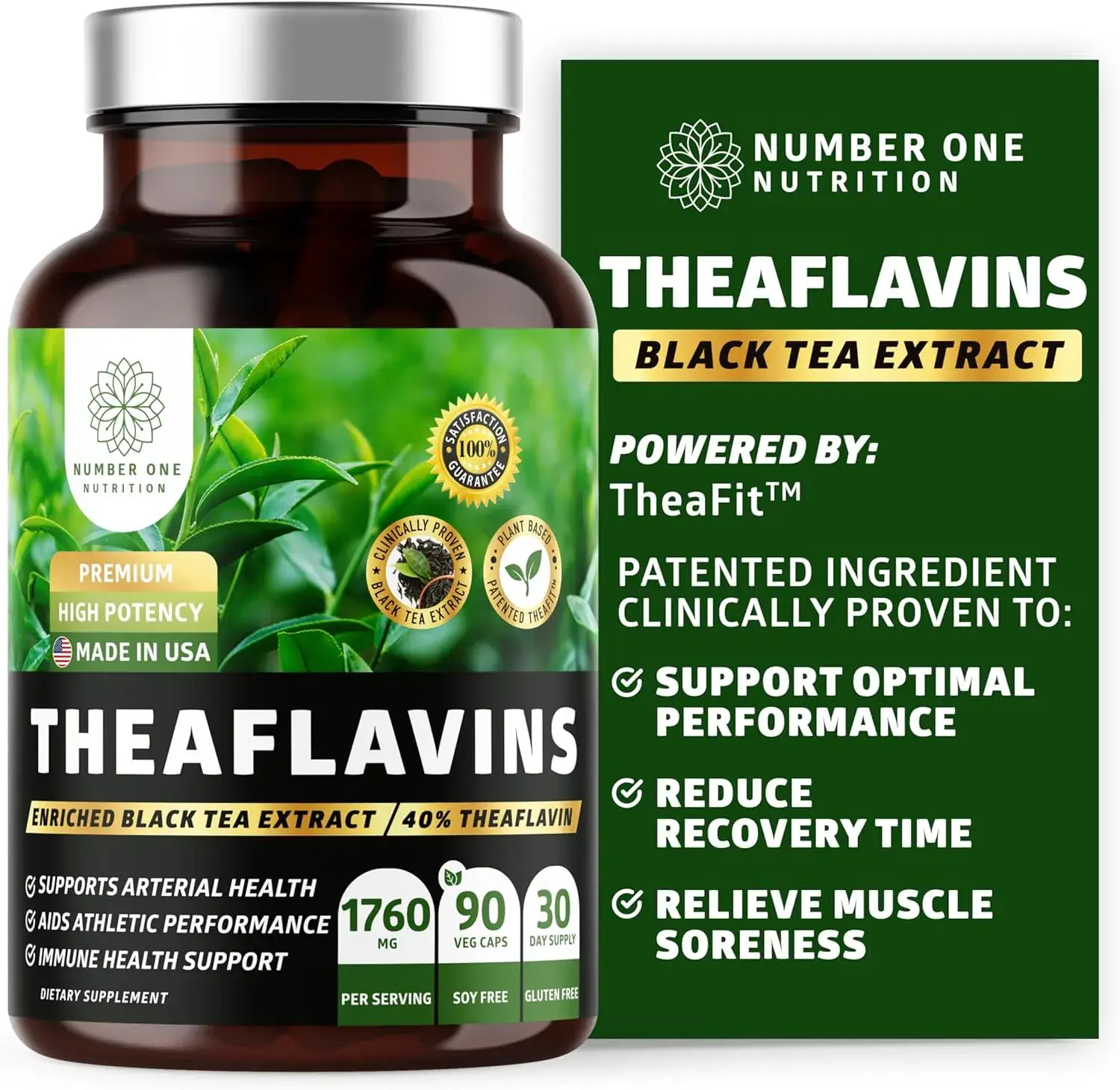
Black Tea Extract that is rich in natural theaflavins and polyphenols that help protect your body from free radicals, promoting overall immune health and well-being
Contains blended amounts of Fruits and Veggies. All natural, with whole foods, fruit and vegetable supplement.Perfect for everyone looking to live a healthier lifestyle.