Fruit tea with pineapple juice might just be the most refreshing combination I’ve ever discovered. The natural bitterness of tea balances perfectly with the sweet-tart punch of pineapple, creating what many consider “the most magical summer combination out there”.
When the temperature rises, I find myself constantly reaching for this tropical tea twist. Actually, what makes this pineapple tea recipe so appealing is its simplicity – sometimes the most straightforward recipes are indeed the most rewarding. Whether you prefer your pineapple sweet tea iced for those hot summer days or as a warm, comforting beverage, tea with pineapple juice delivers a consistently delightful experience.
In this guide, I’ll walk you through exactly how to create the perfect pineapple fruit tea at home. We’ll cover everything from selecting the ideal ingredients to step-by-step brewing instructions and even some creative variations to try. This refreshing beverage works wonderfully as an everyday treat or as an impressive offering for your next gathering.
Choosing the Right Ingredients for Pineapple Fruit Tea
The perfect pineapple fruit tea begins with selecting quality ingredients. From choosing the right tea base to deciding between fresh or store-bought pineapple juice, each component plays a crucial role in creating that ideal tropical flavor profile.
Best tea types to use (black, green, herbal)
The tea you choose forms the foundation of your pineapple fruit tea. Each variety creates a distinctly different experience:
Black tea offers a robust, earthy flavor that results from full oxidation of the leaves. This stronger base provides an excellent contrast to pineapple’s sweetness. Furthermore, black tea contains more caffeine than other varieties, making it ideal for a morning or afternoon refresher.
Green tea, being unoxidized, maintains its original green color and delivers a lighter, more refreshing taste. Its delicate flavor allows the pineapple notes to shine brightly. Many specialized blends combine green tea with pineapple directly – like blueberry pineapple green tea that creates a “smooth, tropical tune”.
Herbal options provide caffeine-free alternatives. Green rooibos pairs beautifully with pineapple, as demonstrated in several commercial blends. These caffeine-free options work perfectly for evening consumption or for those sensitive to stimulants.
Fresh vs. store-bought pineapple juice
Fresh pineapple juice dramatically outperforms store-bought options. As one expert notes, “I encourage you to do it with fresh pineapples instead of store-bought pineapple juice. You don’t need all those additives and refined sugars”.
Bottled pineapple juice often contains added sugars and preservatives that can overpower the delicate tea flavors. Additionally, canned pineapple juice lacks bromelain, an important enzyme found in fresh pineapple, since the canning process destroys it.
If you can’t find whole pineapples, look for freshly cut chunks in your produce section as an acceptable alternative. However, avoid canned pineapple entirely for this recipe.
Optional sweeteners and flavor enhancers
Natural sweeteners can elevate your pineapple tea without overwhelming it:
Honey: Adds floral, aromatic sweetness that pairs wonderfully with both black and green teas
Maple syrup: Offers two options—light syrup for enhancing natural flavors or dark syrup for a richer, caramel-like taste
Stevia: A zero-calorie alternative that’s 300 times sweeter than sugar
Beyond sweeteners, consider flavor enhancers like ginger for a spicy kick, lemon for brightness, or coconut water for an enhanced tropical vibe. Each addition creates a unique variation on the basic recipe.
For those seeking extra complexity, spices like cinnamon sticks and star anise can introduce warm, comforting notes that balance the fruit’s acidity.
Now that we’ve gathered our ingredients, let’s jump right into creating this refreshing fruit tea with pineapple juice. The process is straightforward yet results in a perfectly balanced tropical beverage every time.
1. Brew the tea
Begin by bringing 4-8 cups of water to a boil in a large pot or saucepan. Once boiling, remove from heat and add your tea bags – generally 1 tea bag per cup for individual servings, or 2 family-sized tea bags for a full pitcher. Allow black tea to steep for 8-10 minutes, while green tea needs just 3-5 minutes. For a smoother taste, add 1/4 teaspoon of baking soda to reduce bitterness.
2. Mix in pineapple juice
After removing the tea bags (gently squeeze out excess liquid), stir in your pineapple juice. The ideal ratio is approximately 3 cups of pineapple juice to 4 cups of brewed tea. For a stronger pineapple flavor, you can increase this proportion accordingly. Stir thoroughly to ensure even distribution.
3. Add sweetener (optional)
Depending on your preference, incorporate sweetener at this stage. Options include 1 cup of sugar dissolved in hot water to create simple syrup, 2-4 tablespoons of stevia, or honey to taste. Remember that pineapple juice already contains natural sweetness, therefore adjust accordingly.
4. Chill or serve hot
For iced pineapple tea, allow the mixture to cool slightly at room temperature before refrigerating for at least 1-2 hours. Alternatively, serve immediately over ice for quick enjoyment. For hot pineapple tea, simply skip the cooling step and serve immediately while still warm.
5. Garnish and serve
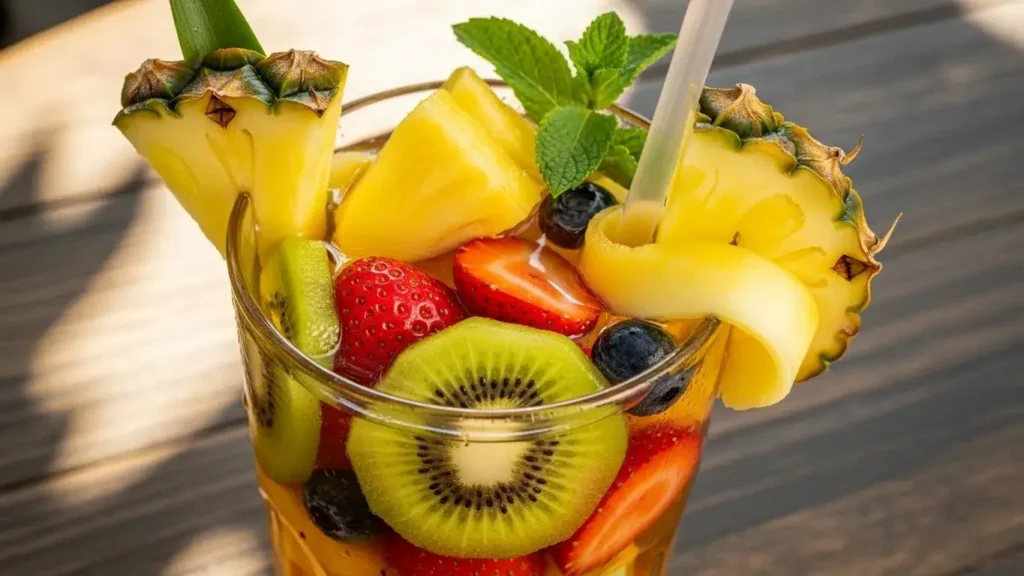
Complete your pineapple fruit tea with appropriate garnishes. Fresh pineapple slices or spears make an excellent decoration, while mint leaves add a refreshing aromatic element. Pour over ice cubes in tall glasses for the perfect presentation. For extra flair, consider freezing pineapple chunks in ice cube trays to use as decorative cooling elements.
Creative Variations to Try
Once you’ve mastered the basic pineapple fruit tea recipe, it’s time to experiment with exciting variations that take your refreshment to the next level. These simple tweaks can transform your pineapple fruit tea into something truly special.
Make it sparkling with soda water
Adding club soda or sparkling water creates a delightful fizzy experience. Pour your prepared pineapple tea into a large glass with ice, then top with 2-3 ounces of club soda for instant effervescence. This quick addition creates a sparkling pineapple passion tea that’s ready in less than a minute! The bubbles not only enhance the refreshment factor but also help release the tropical aromas.
Add orange juice for a citrus twist
The combination of pineapple and orange juices creates a perfect balance of sweet and tangy flavors. Tennessee fruit tea enthusiasts swear by “sweet tea cut slightly by the sweetness and acidity of an orange-and-pineapple juice blend”. For a balanced orange-pineapple tea, combine 4 cups of orange juice with your pineapple tea base. Fresh mint leaves make an excellent addition to this citrus variation, enhancing the tea with a cool, aromatic element.
Turn it into a cocktail with rum or vodka
For adult gatherings, transform your pineapple fruit tea into a sophisticated cocktail. Light or coconut rum particularly enhances the tropical flavors. Alternatively, try vodka for a cleaner flavor profile that lets the fruit shine through. One mixologist suggests: “These Pineapple Green Tea Martinis are super refreshing and have little to no added sugar”. For an exciting twist, mix in a splash of amaretto liquor.
Use coconut water for a tropical vibe
Coconut water and pineapple form a “match made in tropical heaven”. For best results, choose “pure, unsweetened coconut water to keep the flavors balanced and natural”. This combination creates a healthier option that’s lower in sugar while maintaining that vacation-in-a-glass feeling. The subtle coconut undertones complement the bright pineapple flavors without overwhelming them.
Presenting your pineapple fruit tea can elevate the entire drinking experience. Let me share some practical tips for serving and storing this tropical refresher.
Best ways to serve iced pineapple tea
Serving pineapple tea over ice is essential for maximum refreshment. For an Instagram-worthy presentation, add fresh pineapple strips and mint leaves as garnish. I like creating pineapple wedges from fresh fruit rather than using canned options. For gatherings, consider serving your pineapple sweet tea alongside light foods like charcuterie boards or chicken salads.
How to store leftovers
Your pineapple iced tea will remain fresh for up to 3 days in the refrigerator when properly stored. For longer preservation, some enthusiasts report their fruit tea lasting up to 10 days refrigerated. Always use covered containers to maintain freshness. Most importantly, never add ice cubes until you’re ready to serve – this prevents dilution. If your tea becomes too concentrated after storage, simply dilute with water according to your preference.
Make-ahead tips for parties
Preparing for a gathering? Complete most prep work the day before your guests arrive. For large parties, keep extra chilled club soda on hand to maintain the sparkle as guests serve themselves. Float citrus slices atop your punch bowl for visual appeal. Consider setting up a garnish station with fresh mint, pineapple wedges, and citrus slices so guests can personalize their drinks.
Conclusion
Pineapple fruit tea stands as one of the most refreshing beverages you can create at home. Throughout this guide, we’ve explored everything from selecting quality ingredients to mastering the basic recipe and trying creative variations. Fresh pineapple juice undoubtedly makes the biggest difference in this tropical delight, though careful selection of your tea base comes in as a close second.
The beauty of this recipe lies in its adaptability. You can enjoy it hot during cooler months or iced when temperatures rise. Additionally, transforming it into a sparkling drink or adult cocktail takes just one extra step. The combination of tea’s subtle bitterness with pineapple’s natural sweetness creates a perfectly balanced flavor profile that never disappoints.
Remember to store your leftover tea properly for maximum freshness, and consider preparing larger batches ahead of time for gatherings. Your guests will certainly appreciate this impressive yet simple offering. Whether you prefer black tea for a robust morning pick-me-up or herbal options for evening enjoyment, pineapple fruit tea delivers consistent satisfaction.
So grab a fresh pineapple, brew your favorite tea, and start experimenting with this versatile recipe. After all, sometimes the simplest creations bring the most joy to our everyday lives. The perfect cup of pineapple fruit tea awaits you!
Key Takeaways
Master this refreshing tropical beverage with these essential insights for creating the perfect pineapple fruit tea at home.
Use fresh pineapple juice over store-bought – Fresh juice eliminates additives and preserves natural enzymes for superior flavor
Choose your tea base wisely – Black tea provides robust contrast, green tea offers delicate balance, herbal options work caffeine-free
Follow the 3:4 ratio – Mix 3 cups pineapple juice with 4 cups brewed tea for optimal flavor balance
Add sparkle with club soda – Transform basic tea into effervescent refreshment with 2-3 ounces of sparkling water
Store properly for freshness – Refrigerate up to 3 days in covered containers, never add ice until serving to prevent dilution
This versatile recipe adapts beautifully from hot morning comfort drink to iced summer refresher, and even transforms into sophisticated cocktails for entertaining. The key is balancing tea’s natural bitterness with pineapple’s tropical sweetness.
Q1. What’s the best type of tea to use for pineapple fruit tea? The best tea depends on your preference. Black tea offers a robust flavor that contrasts well with pineapple’s sweetness. Green tea provides a lighter, more delicate taste that lets the pineapple shine. For a caffeine-free option, herbal teas like green rooibos pair beautifully with pineapple.
Q2. Can I use store-bought pineapple juice instead of fresh? While you can use store-bought juice, fresh pineapple juice is highly recommended. It provides a superior flavor without added sugars or preservatives. If fresh pineapples aren’t available, look for freshly cut pineapple chunks in the produce section as an alternative.
Q3. How long can I store pineapple fruit tea in the refrigerator? Properly stored pineapple fruit tea can remain fresh for up to 3 days in the refrigerator. Always use covered containers to maintain freshness and avoid adding ice until you’re ready to serve to prevent dilution.
Q4. What are some creative variations I can try with pineapple fruit tea? You can make your pineapple fruit tea sparkling by adding club soda, create a citrus twist by incorporating orange juice, or turn it into a cocktail with rum or vodka. For a tropical twist, try using coconut water instead of regular water when brewing the tea.
Q5. How can I make pineapple fruit tea for a party? For parties, prepare most of the tea a day in advance and refrigerate. Keep extra chilled club soda on hand for a sparkling option. Set up a garnish station with fresh mint, pineapple wedges, and citrus slices so guests can personalize their drinks. Consider using a punch bowl with floating citrus slices for visual appeal.
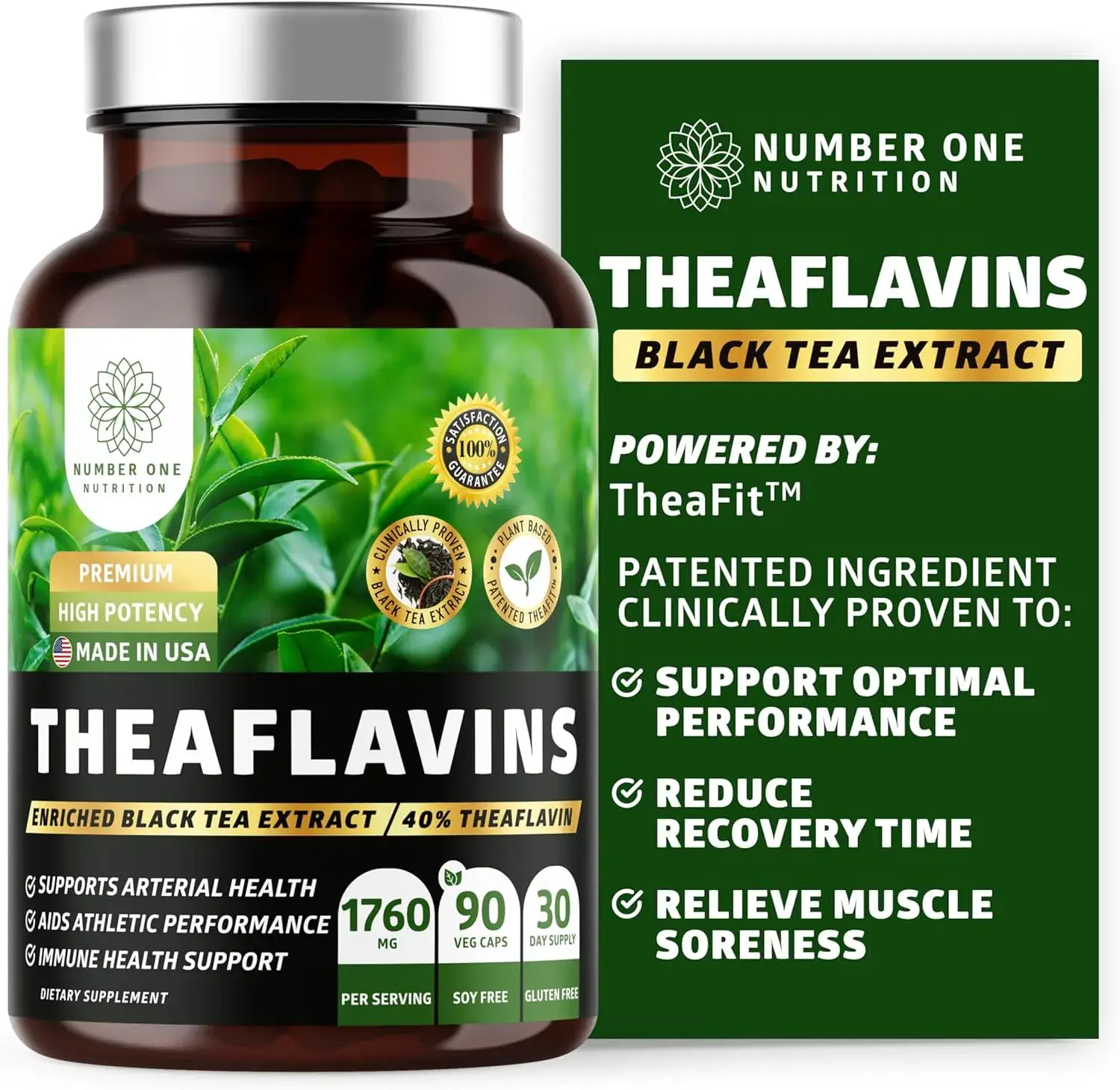
Black Tea Extract that is rich in natural theaflavins and polyphenols that help protect your body from free radicals, promoting overall immune health and well-being
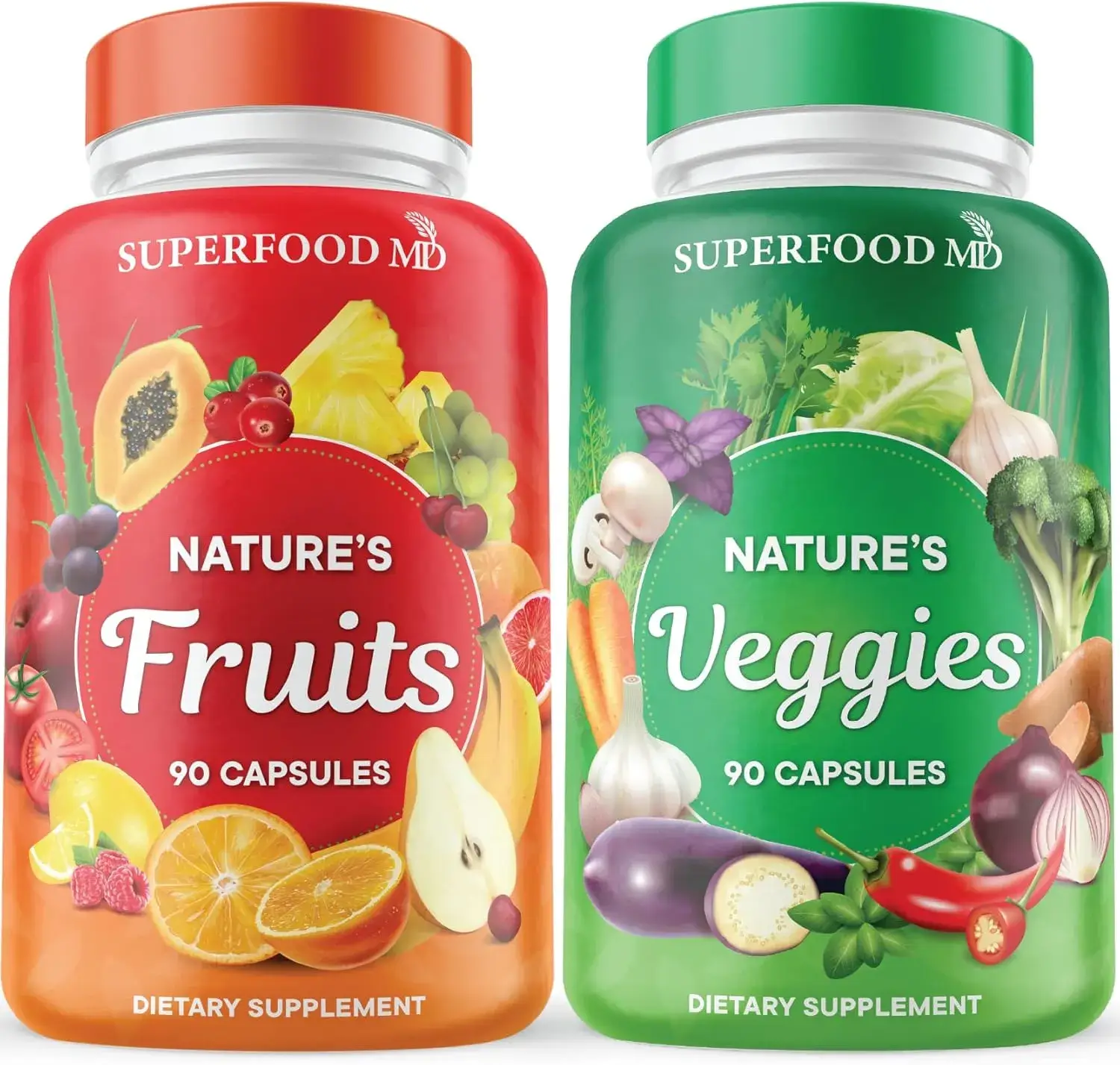
Contains blended amounts of Fruits and Veggies. All natural, with whole foods, fruit and vegetable supplement.Perfect for everyone looking to live a healthier lifestyle.