Are you curious about the traditional Japanese drink that’s becoming popular worldwide? Genmaicha, a mix of green tea and roasted brown rice, has been a favorite in Japan for centuries. But what’s so special about it, and is it good for you?
As you uncover the full genmaicha tea benefits and side effects, you’ll find out about its rich history and unique mix. It has a light, nutty taste and many health benefits. Genmaicha is perfect for those looking for a low-caffeine, antioxidant-rich drink.
Key Takeaways
Genmaicha tea combines the health benefits of green tea and roasted brown rice.
It offers a unique, nutty flavor profile and is low in caffeine.
Genmaicha may aid in weight management and improve cardiovascular health.
The antioxidants in genmaicha can help protect against cell damage.
Potential side effects include allergic reactions and interactions with certain medications.
What is Genmaicha Tea?
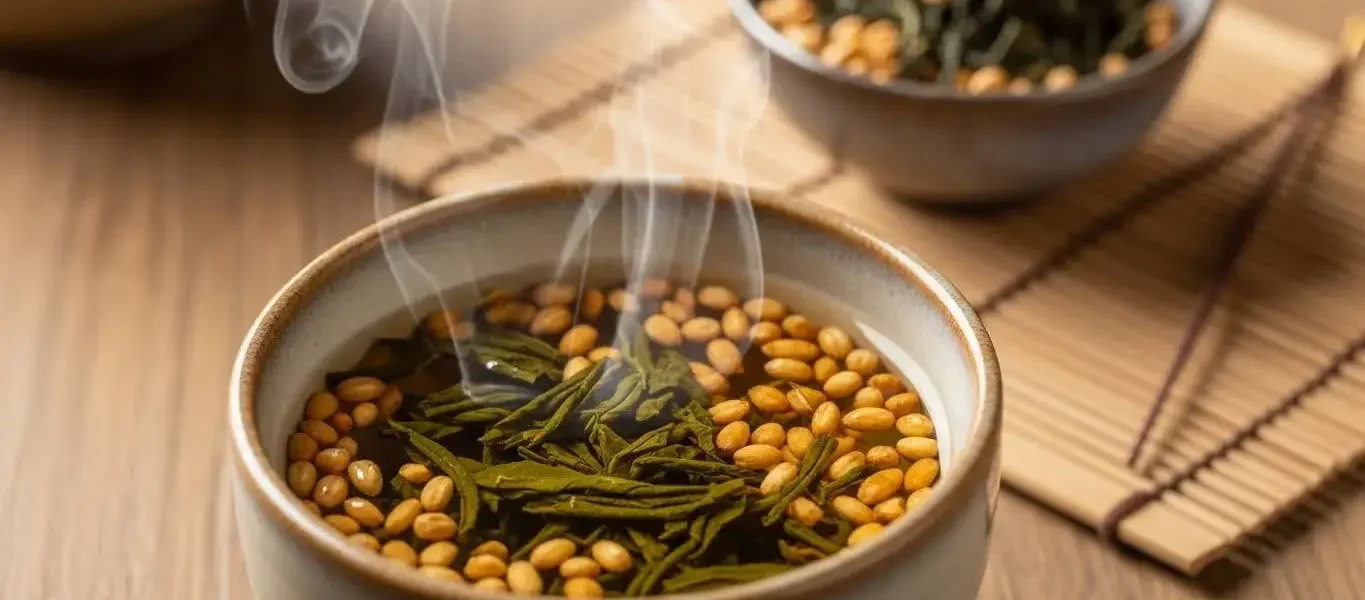
Genmaicha, or ‘brown rice tea,’ is a Japanese green tea mix. It blends green tea with roasted brown rice. This traditional drink has been loved in Japan for centuries, known for its unique taste and health perks.
The Origins and History of Genmaicha
Genmaicha has been enjoyed in Japan for centuries. It was a favorite among the common folk because it was filling, thanks to the rice. It soon became popular across all social levels in Japan. Its history shows Japan’s love for simple, healthy foods.
The Composition of Genmaicha Tea
Genmaicha is made of green tea and roasted brown rice. These ingredients together make a special flavor and health benefits.
Green Tea Component
The green tea in genmaicha is packed with antioxidants and may help with metabolism. It’s usually sencha or another Japanese green tea, known for its light taste.
Roasted Brown Rice Component
The roasted brown rice in genmaicha adds a nutty flavor and aroma. It’s thought to help with digestion and add antioxidants.
Genmaicha’s mix of green tea and roasted brown rice offers a unique taste. It’s also good for your health.
The Unique Flavor Profile of Genmaicha
Exploring genmaicha tea reveals its special flavor. It’s a mix of green tea and roasted rice. This blend offers a soothing yet invigorating taste.
Tasting Notes and Aroma
Tasting genmaicha, you’ll find its nutty undertones. These come from the roasted brown rice. The aroma is warm and inviting, with a hint of toasted nuts.
How Roasted Rice Affects the Flavor
The roasted rice in genmaicha changes its flavor a lot. Here are some key points:
The Nutty UndertonesThe roasting process brings out a nutty flavor that complements the green tea.
Reduced Bitterness Compared to Regular Green TeaThe roasted rice balances out the green tea’s bitterness, making it smoother.
Genmaicha’s unique flavor makes it a great choice. It’s soothing and full of flavor.
Nutritional Profile of Genmaicha Tea
Genmaicha tea is a healthy choice for your diet. It’s a Japanese green tea mixed with roasted rice. This blend offers nutrients from both ingredients.
Calories and Macronutrients
Genmaicha tea has almost no calories, making it great for those watching their diet. It’s mostly water, so it’s very low in calories. The small amounts of tea solids and rice add a bit of carbs.
Vitamins and Minerals
Genmaicha tea is rich in vitamins and minerals. It has vitamins C and K, and some B vitamins from the green tea. It also has potassium and manganese.
Polyphenol Content
Genmaicha tea is packed with polyphenols from the green tea. Polyphenols are antioxidants that fight cell damage and reduce inflammation. Catechin, a polyphenol in green tea, is in genmaicha too. It’s known for its health benefits.
Trace Minerals from Rice and Tea Leaves
The roasted rice in genmaicha adds trace minerals like silicon and magnesium. The tea leaves also have minerals like selenium and zinc, but in small amounts.
Nutrient
Amount per Cup
% Daily Value
Vitamin C
0.5 mg
1%
Vitamin K
2.5 mcg
3%
Potassium
10 mg
0.2%
Manganese
0.2 mg
10%
“The combination of green tea and roasted rice in genmaicha not only creates a unique flavor profile but also enhances its nutritional value.”
Exploring Genmaicha reveals its health perks and possible downsides. This traditional Japanese green tea mix with roasted brown rice has been enjoyed for centuries. It offers unique benefits and things to consider.
Overview of Health Properties
Genmaicha tea is packed with antioxidants, protecting your body from harm. It also has vitamins and minerals like vitamin C and potassium. This makes it nutritious. The green tea and roasted rice combo may help with digestion and metabolism.
Potential Adverse Reactions
Genmaicha tea is usually safe but can cause issues for some. Its caffeine might make you jittery, anxious, or keep you awake. Too much can upset your stomach or affect medications.
Who Should Avoid Genmaicha
Certain groups should be careful with Genmaicha tea.
Pregnancy and Breastfeeding Considerations
Pregnant or breastfeeding women should watch the caffeine. High amounts might harm the baby or disrupt their sleep. It’s wise to limit it or talk to a doctor.
Medication Interactions
People on medications, like blood thinners or antidepressants, should talk to their doctor. Genmaicha tea might affect how these drugs work.
Antioxidant Properties of Genmaicha
Genmaicha tea is known for its high antioxidant content. These compounds help protect your cells from damage. They fight off free radicals, which can harm your cells.
Types of Antioxidants Present
Genmaicha tea has many antioxidants, like catechins and EGCG. These are also found in green tea. They have been studied for their health benefits.
Catechins and EGCG Content
Genmaicha’s catechins, mainly EGCG, are very powerful antioxidants. EGCG has been shown to fight inflammation and cancer. This makes Genmaicha tea very beneficial.
Comparison to Other Antioxidant Sources
Genmaicha tea has a unique mix of antioxidants. It may not have as much EGCG as some green teas. But its overall antioxidant profile is impressive.
How These Antioxidants Benefit Your Body
The antioxidants in Genmaicha tea are good for you. They protect your cells and support your health. They may also lower the risk of chronic diseases.
Cellular Protection Mechanisms
Genmaicha’s antioxidants neutralize free radicals. This keeps your cells healthy. It can improve your overall health and lower the risk of certain diseases.
Anti-Aging Effects
Genmaicha’s antioxidants may also help with aging. They protect your cells, which can keep your skin healthy. This might reduce the signs of aging.
Genmaicha and Weight Management
Genmaicha tea might be a great choice for managing your weight. It’s a mix of green tea and roasted rice. This unique blend could help you lose weight.
How Genmaicha May Support Weight Loss
Genmaicha could help with weight loss in a few ways. It has fat-burning properties and can help control hunger.
Fat Oxidation Properties
Genmaicha contains catechins, like EGCG, which boost fat burning. This is great for burning fat, even when you’re not exercising.
Appetite Regulation Effects
Drinking genmaicha might also curb your appetite. The mix of catechins and caffeine can make you feel fuller. This makes it easier to eat less and stay on a diet.
Metabolism-Boosting Properties
Genmaicha can also speed up your metabolism. This is thanks to its thermogenic effects and the green tea’s impact on metabolism.
Thermogenic Effects
The thermogenic properties of genmaicha increase your metabolic rate. This means your body burns more calories, even when you’re not moving. Caffeine and catechins in the green tea are responsible for this.
Research on Green Tea and Weight Loss
Many studies have looked into green tea’s role in weight loss. Even though there’s not much research on genmaicha, its green tea content suggests it could be beneficial. It might be a useful tool for managing your weight.
Genmaicha, a mix of green tea and roasted rice, offers surprising digestive perks. Drinking it daily can boost your gut health and ease digestive issues.
Gut Health Improvements
Genmaicha’s prebiotic properties are key to better gut health. The roasted rice in it is rich in fiber. This fiber feeds good gut bacteria, helping your gut microbiome thrive.
Prebiotic Properties
Genmaicha’s prebiotics encourage the growth of good gut bacteria. This supports a balanced digestive system.
Effects on Gut Microbiome
Genmaicha promotes a healthy gut microbiome. This can lead to better digestion, a stronger immune system, and even vitamin production.
Relief from Digestive Discomfort
Genmaicha is known for easing digestive problems. Modern studies back up its traditional uses, showing it can soothe digestive discomfort.
Traditional Uses for Digestive Ailments
In Japan, Genmaicha has been used for centuries to calm digestive issues. It’s known to help with bloating and nausea.
Modern Research on Digestive Benefits
Recent studies have found Genmaicha can reduce inflammation and improve digestive health.
Digestive Benefit
Description
Prebiotic Properties
Supports beneficial gut bacteria
Gut Microbiome Health
Fosters a balanced digestive system
Relief from Discomfort
Soothes bloating and nausea
Genmaicha Tea and Mental Wellbeing
Exploring genmaicha’s mental health benefits reveals the power of L-theanine. This tea, a mix of green tea and roasted rice, is a unique way to support mental health.
L-Theanine Content and Stress Reduction
L-theanine is an amino acid in green tea, and genmaicha has it too. Studies show it can lower stress levels.
How L-Theanine Affects Brain Waves
L-theanine changes brain wave activity, leading to relaxation without sleepiness. It boosts alpha brain waves, which help us stay calm and alert.
The Calming Effect Without Drowsiness
L-theanine gives a calm feeling without making us sleepy. This makes it perfect for drinking every day.
Cognitive Benefits and Focus
Genmaicha also boosts cognitive function. Its mix of caffeine and L-theanine improves focus and mental clarity.
The Synergistic Effect of Caffeine and L-Theanine
The mix of caffeine and L-theanine in genmaicha balances alertness and calmness. Caffeine keeps us awake, while L-theanine prevents jitters.
Potential Neuroprotective Properties
New research hints at genmaicha’s neuroprotective effects. It might help protect the brain over time.
How to Prepare the Perfect Cup of Genmaicha
Preparing Genmaicha is an art that needs careful attention. To make the perfect cup, you must consider water temperature, steeping time, and tea-to-water ratio.
Water Temperature and Steeping Time
The best water temperature for Genmaicha is between 160°F and 170°F. Steeping time is key; 1-2 minutes is usually enough for the first infusion. Adjusting the steeping time can help you find the perfect flavor balance.
Tea-to-Water Ratio
The traditional ratio for Genmaicha is 1 teaspoon of tea leaves for every 8 ounces of water. But, you can adjust this to your liking. Trying different ratios can help you find your favorite flavor.
Multiple Infusions Technique
Genmaicha can be infused multiple times, each time revealing a new flavor.
First Infusion Characteristics
The first infusion is light and refreshing. It has a delicate mix of green tea and roasted rice flavors.
Second and Third Infusion Differences
Later infusions are stronger and more complex. The flavors deepen and become more nuanced. The second infusion may highlight the roasted rice notes, while the third infusion can be even more robust.
Genmaicha is more than just a drink. It’s a versatile ingredient for cooking and beauty routines. You can use it in many creative ways in your daily life.
Culinary Applications
Genmaicha can make any dish better. It adds a nutty flavor to both sweet and savory dishes.
Genmaicha in Desserts and Baking
Genmaicha brings a unique taste to desserts. You can add it to ice cream, cakes, and cookies. For example, genmaicha ice cream is refreshing, and genmaicha cookies are a tasty twist.
Savory Dishes Featuring Genmaicha
Genmaicha is great for savory dishes too. It can marinate meats or season soups and stews. The roasted rice in genmaicha adds a nutty taste that goes well with many ingredients. You can also make a flavorful broth or rub for grilled meats.
Dish Type
Genmaicha Use
Flavor Outcome
Desserts
Ice cream, cakes
Unique, nutty flavor
Savory
Marinades, soups
Enhanced depth, nutty
Genmaicha in Beauty and Wellness Routines
Genmaicha is good for your skin too. It has antioxidants and other benefits for beauty treatments.
Face Treatments and Masks
Make nourishing face masks with genmaicha. Mix it with honey and yogurt for a soothing mask. It can calm and rejuvenate your skin.
Bath Soaks and Aromatherapy
Genmaicha in your bath water makes for a relaxing soak. The tea’s aroma helps you unwind. You can also use it in aromatherapy to reduce stress.
Cultural Significance and Traditions
Exploring tea reveals Genmaicha’s special role in Japanese traditions. For centuries, it has been a key part of Japanese tea culture. Its mix of green tea and roasted rice is unique.
Genmaicha in Japanese Tea Culture
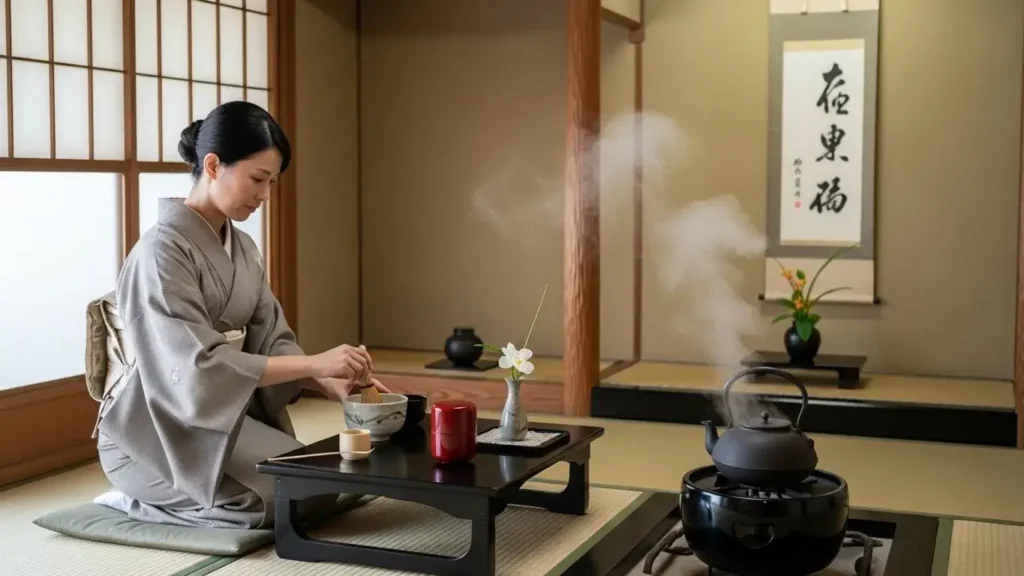
In Japan, Genmaicha is a favorite at traditional tea ceremonies. It’s loved for its subtle taste and aroma. It’s also enjoyed with Japanese food during daily meals.
Modern Popularity and Global Spread
Genmaicha’s fame has grown beyond Japan. It’s now known worldwide for its distinct taste and health perks.
Genmaicha’s Rise in Western Tea Markets
In the West, Genmaicha is prized for its unique flavor. It’s both calming and refreshing. Tea lovers try different ways to brew it.
Contemporary Variations and Blends
Today, tea makers offer Genmaicha blends with new flavors like cherry blossom or citrus. These creations attract more fans to Genmaicha.
Conclusion
Exploring genmaicha tea has given you a deep understanding of its benefits and risks. It’s packed with antioxidants, can help with weight management, and aids digestion. Adding it to your wellness routine can be very beneficial.
It’s easy to make genmaicha a part of your daily life. Try drinking it instead of regular tea, use it in cooking, or even in beauty routines. Genmaicha’s flexibility lets you find the best ways to enjoy it.
Choosing genmaicha means you’re adopting a healthy habit and connecting with a rich culture. Its unique taste and many benefits make it a great choice for those looking for a holistic approach to health.
Genmaicha tea is a traditional Japanese green tea. It combines green tea leaves with roasted brown rice.
What are the health benefits of genmaicha tea?
Genmaicha tea is full of antioxidants. It may help with weight loss and improve digestive health. This is thanks to its prebiotic properties.
How do I prepare genmaicha tea?
To make genmaicha tea, use water at 160°F to 170°F. Steep for 1-2 minutes. Adjust the tea-to-water ratio to your liking.
Can genmaicha tea help with stress and anxiety?
Yes, genmaicha tea has L-theanine. This amino acid promotes relaxation and reduces stress. It doesn’t make you sleepy.
Is genmaicha tea suitable for pregnant or breastfeeding women?
Pregnant or breastfeeding women should talk to their healthcare provider first. Genmaicha tea has caffeine and other compounds that might affect the fetus or baby.
How does the roasted rice in genmaicha tea affect its flavor?
The roasted rice in genmaicha tea adds a nutty flavor and aroma. It balances out the bitterness of the green tea, making it taste better.
Can I use genmaicha tea for culinary purposes?
Yes, you can use genmaicha tea in cooking. It’s great in desserts, baking, and savory dishes. It adds a unique flavor and nutritional benefits.
What are the antioxidant properties of genmaicha tea?
Genmaicha tea is packed with antioxidants like catechins and EGCG. These help protect cells and contribute to overall health and wellbeing.
How does genmaicha tea support weight management?
Genmaicha tea may aid in weight loss. It has fat oxidation properties, can regulate appetite, and boost metabolism.
Are there any potentially side effects of drinking genmaicha tea?
Genmaicha tea is usually safe. But too much might cause jitteriness, nausea, or stomach upset. This is because of its caffeine content.
Black Tea Extract that is rich in natural theaflavins and polyphenols that help protect your body from free radicals, promoting overall immune health and well-being
Contains blended amounts of Fruits and Veggies. All natural, with whole foods, fruit and vegetable supplement.Perfect for everyone looking to live a healthier lifestyle.