So, you’re curious about sleepy tea, huh? It’s that herbal brew folks often reach for when they want to wind down for the night. You might be wondering, ‘how long does sleepy tea take to work?’ It’s a pretty common question, especially when you’re hoping for a quick ticket to dreamland. Let’s break down what goes into it and what you can realistically expect.
Key Takeaways
Sleepy tea, often featuring ingredients like chamomile and valerian, can help promote relaxation. The exact time it takes to feel its effects varies from person to person.
Key ingredients like chamomile and valerian root are thought to have calming properties that may aid sleep, though individual responses can differ.
The ritual of preparing and sipping warm tea before bed can act as a psychological cue, signaling your body it’s time to relax and prepare for sleep.
To figure out how long does sleepy tea take to work for you, try drinking it about 30 to 60 minutes before your intended bedtime and pay attention to your body’s signals.
While generally safe, be aware of potential side effects like allergic reactions or morning grogginess, and always check with a doctor if you’re on medication or have health concerns.
Understanding How Long Does Sleepy Tea Take to Work
So, you’re curious about how quickly those sleepy teas actually kick in, right? It’s a common question when you’re looking for a little help winding down. The truth is, there isn’t a single, exact answer because it really depends on a few things. We’re talking about how fast does herbal sleep aid work, and it’s not like flipping a switch. It’s more of a gentle nudge towards relaxation.
The Role of Key Ingredients in Sleepy Tea
At the heart of most sleepy teas are herbs known for their calming properties. Think chamomile, valerian root, spearmint, and lemongrass. These aren’t just thrown in for flavor; they have compounds that can interact with your body. For instance, chamomile contains an antioxidant called apigenin, which might attach to certain brain receptors, helping you feel more relaxed. Valerian root is another big player, often studied for its potential to ease anxiety and promote sleep. It’s these natural components that are working behind the scenes.
How Chamomile and Valerian Contribute to Calmness
Let’s get a bit more specific about chamomile and valerian. You might wonder, how fast does chamomile tea work for sleep? Chamomile is generally considered to have mild sedative effects. It’s not going to knock you out, but it can help take the edge off a busy day. Valerian root, on the other hand, is a bit more potent for some people. Some research suggests it might influence neurotransmitters linked to sleep regulation. So, when you combine these, you’re getting a gentle, natural approach to feeling more at ease before bed.
The Psychological Impact of a Bedtime Ritual
Beyond the herbs themselves, there’s a significant psychological aspect to drinking sleepy tea. The simple act of preparing and sipping a warm beverage can become a signal to your brain that it’s time to transition from the day’s activities to rest. This ritual, combined with the potential effects of the herbs, can be quite powerful.
It’s about creating a consistent cue for your body and mind that sleep is approaching. This is why consistency is so important when you’re trying to figure out how fast do sleep teas work for you. Making it a regular part of your wind-down routine can amplify its effectiveness over time. For many, this ritual is as important as the ingredients themselves, helping to prepare the body for rest.
The effectiveness of sleepy tea isn’t just about the herbs; it’s also about the routine you build around it. Consistency helps signal to your body that it’s time to relax and prepare for sleep.
Factors Influencing Sleepy Tea’s Onset Time
So, you’ve brewed a cup of sleepy tea, hoping for a quick ticket to dreamland. But how long does it actually take to feel those calming effects? The sleepy tea onset time isn’t a one-size-fits-all situation. Several things can play a role in how quickly you feel the relaxation kick in, influencing the onset of action for sleep tea.
Personal Sensitivity and Individual Responses
Everyone’s body is a little different, right? What might make one person feel drowsy within 30 minutes could have a milder effect on someone else, or it might take them an hour. This is especially true for the onset of action for herbal sleep aids. Your unique physiology means you might absorb and process the ingredients at a different pace. Paying attention to your own body’s signals is key. Some people find that the effects of sleepy tea build up over time with regular use, while others notice a more immediate impact.
The Importance of a Consistent Bedtime Routine
Think of your sleepy tea as part of a larger wind-down process. If you drink it at the same time every night, your body starts to associate that warm mug with sleep. This ritual helps signal that it’s time to relax. It’s not just about the tea itself, but the whole experience. Dimming the lights, putting away screens, and maybe even reading a book can all work together. This consistency can really impact the factors affecting sleepy tea efficacy.
Avoiding Disruptions for Optimal Sleep
One thing to watch out for is drinking your tea too close to bedtime. While you want it to work quickly, you also don’t want to be up all night needing the bathroom. Aim to finish your tea at least 30 to 45 minutes before you plan to actually fall asleep. This gives the herbs time to do their thing without causing unwanted interruptions. It’s a balancing act to get the best sleepy tea onset time for you.
So, you’ve got your favorite sleepy tea ready to go, but when’s the best time to actually drink it? It’s not quite as simple as just chugging it right before you hop into bed. Getting the timing right can make a big difference in how well it works for you. Think of it like this: you wouldn’t chug a coffee right before trying to nap, right? Same idea here, but in reverse.
General Guidelines for Pre-Bedtime Consumption
Most folks find that drinking sleepy tea about 30 to 60 minutes before hitting the hay works best. This gives the natural ingredients, like chamomile and valerian, a chance to get into your system and start doing their thing. It’s a good idea to finish your tea at least an hour before you plan to sleep, especially if you’re someone who tends to wake up needing the bathroom. Nobody wants a midnight trip to the loo interrupting their much-needed rest. For many, this window is the sweet spot for experiencing the full calming effects.
Experimenting to Find Your Ideal Window
Honestly, everyone’s body is a little different. What works like a charm for your best friend might not be as effective for you. That’s why experimenting is key. Try drinking your tea 45 minutes before bed one night, then maybe 75 minutes the next. Pay attention to how you feel. Do you start feeling relaxed sooner? Do you drift off to sleep more easily? Keeping a little sleep diary can be super helpful here. You might discover that a specific timeframe for sleep tea benefits works best for your unique system. It’s all about listening to your body and finding that personal sweet spot.
Balancing Effectiveness with Avoiding Nighttime Disruptions
Finding that perfect moment is all about balance. You want to give the tea enough time to work its magic, but not so much time that you’re up and down all night. Consider your personal sensitivity to the herbs and how quickly you tend to feel their effects. If you’re sensitive, you might need to drink it a bit earlier.
If you’re less sensitive, you might be able to get away with drinking it closer to bedtime. The goal is to feel relaxed and ready for sleep, not to be jolted awake by a sudden need to visit the restroom. So, when to drink tea for sleep? It’s a personal journey, but starting with that 30-60 minute window is a solid plan.
The ritual of preparing and sipping a warm cup of tea can itself be a powerful signal to your brain that it’s time to wind down. This psychological cue, combined with the natural properties of the herbs, helps create a peaceful transition into sleep. Don’t underestimate the power of a consistent bedtime routine.
When to Expect Sleepy Tea to Take Effect
So, you’ve brewed a cup of sleepy tea, hoping for a peaceful transition to dreamland. But how long does it actually take to feel those calming effects? The truth is, there’s no single answer that fits everyone. The onset of action for sleepy tea can really depend on a few things, including the specific ingredients and how your own body reacts.
Typical Timeframe for Experiencing Relaxation
Generally speaking, many people start to feel a sense of relaxation and mild drowsiness within 30 to 60 minutes after drinking a cup of sleepy tea. This timeframe allows the body to absorb the beneficial compounds from herbs like chamomile and valerian. Think of it as a gentle nudge towards sleep, rather than an immediate knockout.
Chamomile: Known for its calming properties, chamomile’s effects can often be felt within this 30-60 minute window.
Valerian Root: This herb might take a little longer for some, but its sedative qualities can contribute to sleepiness over a similar period.
Ritual Effect: The simple act of sipping a warm, soothing beverage can also trigger a psychological signal to your brain that it’s time to wind down, adding to the perceived speed of its effectiveness.
How Long Before Bed Should You Drink Sleepy Tea?
To get the most out of your sleepy tea, timing is key. Most experts suggest drinking your tea about an hour before you plan to go to sleep. This gives the tea enough time to work its magic without causing you to wake up in the middle of the night needing the bathroom. It also allows you to fully enjoy the calming ritual as part of your wind-down routine.
Here’s a general guideline:
Start the Ritual: Begin preparing your tea about 60 minutes before your target bedtime.
Sip and Relax: Enjoy your tea slowly over 10-15 minutes.
Wind Down: Use the remaining time for other relaxing activities like reading or light stretching.
Head to Bed: Aim to be in bed shortly after the 60-minute mark.
The Accumulation of Effects with Regular Use
While you might feel a noticeable difference after just one cup, some people find that the sleep aid tea effectiveness timeline becomes more pronounced with consistent use. If you drink sleepy tea regularly as part of your nightly routine, your body may become more attuned to its calming signals. This doesn’t mean it stops working, but rather that the transition to sleep might feel even smoother and more natural over time. It’s like training your body to recognize that this specific ritual means it’s time to rest.
The effectiveness of sleepy time tea isn’t just about the herbs; it’s also about creating a consistent habit. When you pair a warm cup with a calm environment, you’re sending strong signals to your body that sleep is approaching. This combination can be more powerful than the tea alone.
While a warm cup of sleepy tea can be a nice way to wind down, it’s not always smooth sailing for everyone. Just like with any herbal blend, there are a few things to keep in mind. Most of the time, people don’t run into any trouble, but it’s good to be aware of what could happen.
Understanding Possible Allergic Reactions
Sometimes, our bodies just don’t agree with certain plants. If you’ve ever had a reaction to flowers like daisies or ragweed, you might want to be extra careful with chamomile, as they’re related. Other herbs in sleepy teas could also trigger allergies in some folks. It’s always a good idea to check the ingredient list if you have known sensitivities. If you notice any itching, swelling, or breathing trouble after drinking the tea, stop using it right away.
Managing Drowsiness and Alertness Levels
This one might seem obvious – you’re drinking it to get sleepy, right? But sometimes, the effects can linger a bit longer than you’d like. Some ingredients, like valerian root, can leave you feeling a bit groggy or even give you a headache the next morning. This is especially something to watch out for if you need to be sharp and alert soon after waking up, like if you’re driving or operating machinery.
Interactions with Medications and Health Conditions
This is a big one. Herbal teas, even ones meant for sleep, can sometimes mix with medications you’re already taking. For instance, certain herbs might interact with blood thinners, sedatives, or even medications for blood pressure. If you have any ongoing health issues or are on prescription drugs, it’s really smart to have a quick chat with your doctor or pharmacist before making sleepy tea a regular part of your routine. They can tell you if there are any potential clashes.
Here’s a quick rundown of what to watch out for:
Allergies: Be mindful of known plant allergies.
Morning Grogginess: Some ingredients can cause lingering drowsiness.
Medication Interactions: Always check with a healthcare provider if you’re on other meds.
Pregnancy/Breastfeeding: It’s best to get professional advice before using during these times.
Digestive Upset: A sensitive stomach might react to certain herbs.
It’s always wise to start with just one cup and see how your body responds. What works wonders for one person might not be the best fit for another, and listening to your own body is key.
Maximizing the Benefits of Sleepy Tea
So, you’ve got your sleepy tea, and you’re ready to wind down. That’s a great start! But how do you make sure you’re getting the most out of that warm mug before bed? It’s not just about the herbs themselves; it’s about how you use them.
Incorporating Tea into Your Sleep Hygiene Practices
Think of sleepy tea as a helpful little nudge towards better sleep, not a magic wand. To really make it work, you need to weave it into your overall routine. This means creating a consistent wind-down period each night. Making sleepy tea a regular part of your pre-sleep ritual can signal to your brain that it’s time to relax. It’s like telling your body, “Okay, we’re getting ready for sleep now.” This consistency is key.
Here are a few ways to make it part of your routine:
Set a Time: Decide on a consistent time each night to prepare and drink your tea, ideally 30-60 minutes before you plan to go to sleep.
Create a Calm Environment: Sip your tea in a quiet, dimly lit space. Avoid screens or stressful activities during this time.
Mindful Sipping: Really focus on the warmth and the taste. This simple act of mindfulness can help calm your thoughts.
The Science Behind Sleep-Promoting Herbs
Sleepy teas often contain herbs like chamomile and valerian root. Chamomile has compounds, like apigenin, that can attach to certain spots in your brain, helping you feel more relaxed. Valerian root is another one that’s been used for ages to help with sleep and anxiety. While research is ongoing, these natural ingredients are thought to interact with brain chemicals that help regulate your sleep-wake cycle. It’s pretty neat how nature can offer a helping hand for rest.
Complementary Activities for Enhanced Relaxation
Drinking tea is just one piece of the puzzle. To really boost its effects, pair it with other relaxing activities. Think about what helps you personally unwind. Maybe it’s reading a physical book (not on a bright screen!), listening to some calm music, or doing some gentle stretching. Even a warm bath can work wonders. The goal is to create a multi-sensory experience that tells your body and mind it’s time to switch off from the day’s demands.
The ritual of preparing and enjoying a warm beverage before bed can be just as impactful as the ingredients themselves. It’s the pause, the quiet moment, that truly sets the stage for sleep.
Remember, everyone’s body is a little different. What works like a charm for one person might take a bit more time for another. So, pay attention to how you feel and adjust your routine as needed. Consistency and a relaxed mindset are your best allies when it comes to maximizing the benefits of your sleepy tea.
So, Does Sleepytime Tea Actually Work?
Ultimately, whether Sleepytime tea helps you drift off to dreamland seems to be a bit of a personal journey. Lots of folks report that a warm cup before bed makes falling asleep easier, but hey, not everyone gets the same results. It’s not a magic potion for everyone, and sometimes, it might just be the cozy ritual itself that does the trick. If you’re thinking about giving it a try, especially if you have any health stuff going on or take other meds, it’s always a good idea to chat with your doctor first. They can help you figure out if it’s a good fit for you and what to look out for.
Sleepytime tea uses herbs like chamomile and valerian root. Chamomile has a calming effect, kind of like a gentle nudge for your brain to relax. Valerian root is also known for helping to ease worries and improve sleep. Together, these ingredients help your body and mind feel more peaceful, getting you ready for sleep.
When should I drink Sleepytime tea before bed?
It’s a good idea to drink your Sleepytime tea about 30 minutes to an hour before you plan to go to sleep. This gives the herbs time to start working their magic. Think of it as part of your wind-down routine, like brushing your teeth or reading a book.
How long does it usually take for Sleepytime tea to make me feel sleepy?
Everyone’s body is a little different, so it can vary. Most people start to feel a sense of calm and relaxation within 30 to 60 minutes after drinking the tea. Some might feel it a bit sooner, while others might need a little longer. It’s all about finding what feels right for you.
Can drinking Sleepytime tea too close to bedtime cause problems?
Yes, drinking any liquid too close to bedtime could mean you have to wake up in the middle of the night to use the bathroom. To avoid this, try to finish your tea at least an hour, or even two, before you plan to fall asleep. This way, you can enjoy the calming effects without the interruption.
Are there any side effects from drinking Sleepytime tea?
For most people, Sleepytime tea is safe. However, some might have allergies to the herbs, like chamomile. A few people might feel a little dizzy or groggy the next morning if they drink too much. If you’re taking any medications or have health issues, it’s always smart to chat with your doctor first.
Does drinking Sleepytime tea help if I have sleep apnea?
Sleepytime tea is great for helping you relax and wind down, which can be nice if you have trouble falling asleep. However, it’s not a treatment for sleep apnea. Sleep apnea is a medical condition that needs to be diagnosed and treated by a doctor. Tea can’t fix the breathing issues that happen during sleep apnea.
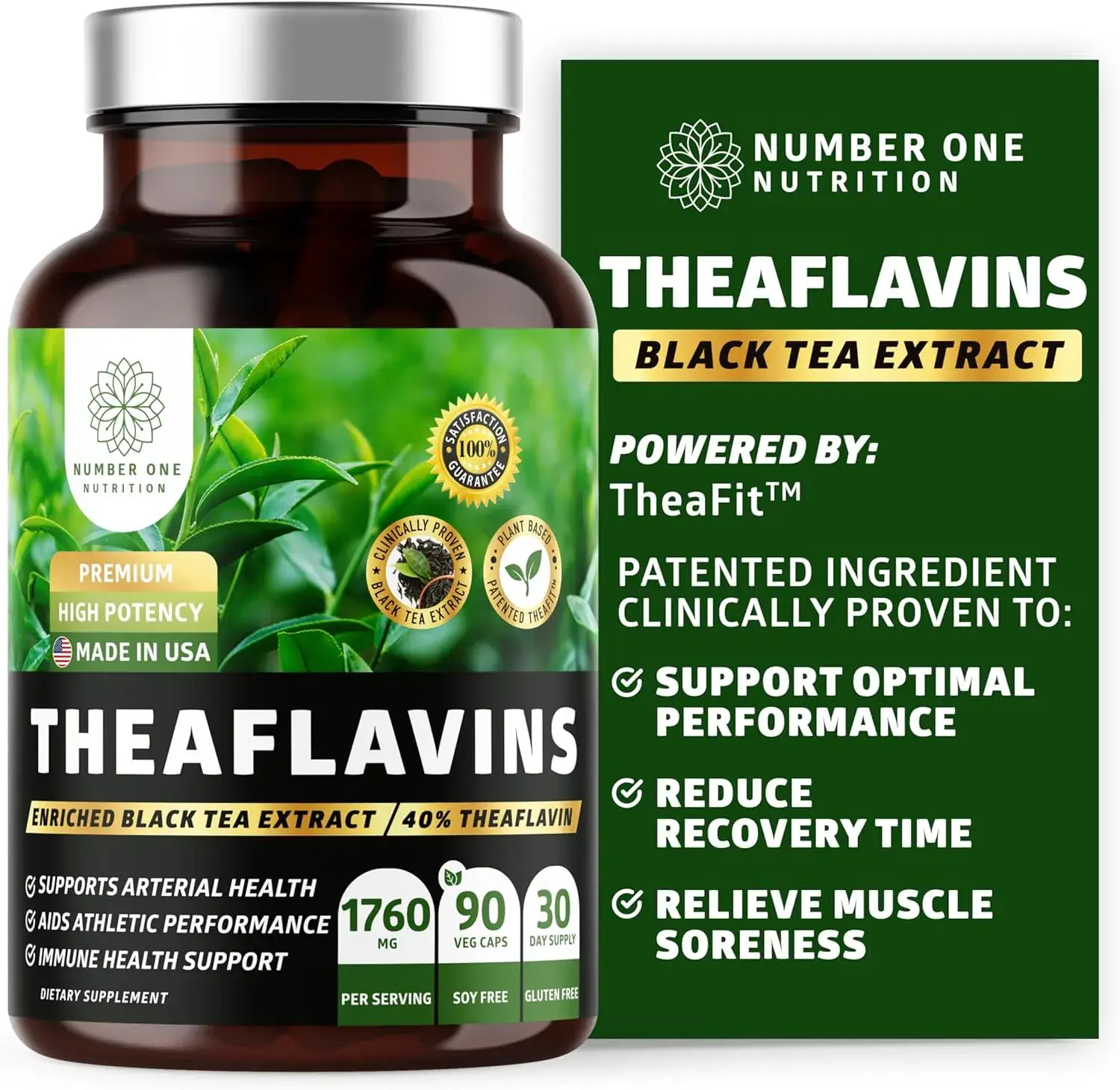
Black Tea Extract that is rich in natural theaflavins and polyphenols that help protect your body from free radicals, promoting overall immune health and well-being
Contains blended amounts of Fruits and Veggies. All natural, with whole foods, fruit and vegetable supplement.Perfect for everyone looking to live a healthier lifestyle.