Ever find yourself tossing and turning at night, wondering what to do? Maybe you’ve heard whispers about barley tea being a good option for sleep. It’s a popular drink in many parts of Asia, but many still ask, does barley tea make you sleepy? Let’s break down what’s in this humble brew and if it can actually help you catch some Z’s.
Key Takeaways
Barley tea contains natural compounds like melatonin and tryptophan, which are known to help with sleep.
It also has GABA, a neurotransmitter that promotes relaxation and can be found in sleep aids.
Unlike many traditional teas, barley tea is completely caffeine-free, making it a good choice before bed.
The tea’s ingredients work together to calm the nervous system and signal to your body that it’s time to wind down.
Beyond sleep, barley tea offers other benefits like supporting digestion and providing antioxidants, though its direct impact on sleep needs more study.
So, what exactly makes barley tea a potential go-to before bed? It’s not just some old wives’ tale; there are actual compounds in barley that seem to play a role in helping us wind down. Think of them as nature’s little helpers for your nervous system.
The Role of Melatonin in Sleep Regulation
Melatonin is often called the ‘sleep hormone,’ and for good reason. Your body naturally produces it, especially when it gets dark, signaling that it’s time to rest. It helps manage your internal clock, making sure your sleep-wake cycles are in sync. Having a bit more melatonin around can definitely make you feel more drowsy and calm, which is pretty handy if you’re tossing and turning.
Tryptophan and Its Connection to Relaxation
Another key player is tryptophan. This is an amino acid that your body can’t make on its own, so you have to get it from food. Tryptophan is a precursor to serotonin, a neurotransmitter that helps regulate mood and relaxation. When serotonin levels are balanced, it can lead to a feeling of well-being and calm, setting the stage for sleep.
GABA: A Neurotransmitter for Peaceful Sleep
Then there’s GABA, which stands for gamma-aminobutyric acid. It’s a neurotransmitter that acts like a brake pedal for your brain. GABA helps to quiet down nerve activity, reducing feelings of anxiety and stress. By calming the brain’s chatter, GABA promotes a sense of peace, making it easier to drift off into a restful sleep. Some studies even suggest barley can be a good source of this calming compound.
Barley Tea’s Natural Ingredients for Better Sleep
When you’re looking for a way to wind down, barley tea might just be your new best friend. It’s not magic, though; it’s all about what’s inside this humble brew. Think of it as a gentle nudge towards relaxation, thanks to a few key players that work together to help you feel more at ease.
How Melatonin Affects Your Body Clock
Melatonin is often called the ‘sleep hormone,’ and for good reason. Your body naturally produces it when it gets dark, signaling that it’s time to rest. Barley tea contains a bit of this natural compound, which can help reinforce that signal. It’s like a little helper for your internal clock, making it easier to transition into sleep mode when bedtime rolls around. This makes barley tea a great choice for those struggling with irregular sleep patterns.
Tryptophan’s Impact on Neurotransmitters
Tryptophan is an amino acid that your body uses to create other important things, including serotonin and melatonin. Serotonin is known for its mood-boosting effects, and when it converts to melatonin, it contributes to that sleepy feeling. So, when you sip on barley tea, you’re giving your body a little boost of tryptophan, which can indirectly lead to a more relaxed state and prepare you for sleep. It’s one of those natural sleep remedies barley tea offers.
GABA’s Function as an Inhibitory Neurotransmitter
Gamma-aminobutyric acid, or GABA, is a neurotransmitter that acts like a brake pedal for your brain. It calms down nerve activity, reducing feelings of anxiety and stress. Some studies suggest that barley contains compounds that can increase GABA levels in the brain. This calming effect is exactly what you want when trying to drift off to sleep, making barley tea a soothing bedtime drink.
Barley tea has a bit of melatonin in it. You know, that hormone your body makes when it gets dark? It’s like a signal to your brain that it’s time to wind down. Melatonin helps keep your internal clock, your circadian rhythm, ticking along nicely. When this clock is off, sleep can be a real struggle. Having a little extra melatonin from something like barley tea might just help nudge things back into place, making it easier to drift off when your head hits the pillow.
Tryptophan’s Pathway to Sleepiness
There’s also tryptophan in barley tea. This is an amino acid, and it’s kind of a building block for other important things in your body. One of those things is serotonin, which can then turn into melatonin. So, it’s like a chain reaction. Tryptophan itself can also make you feel a bit more relaxed. It’s not a direct knockout punch for sleep, but it contributes to that overall feeling of calm that’s pretty helpful when you’re trying to get some rest.
GABA’s Role in Anxiety and Insomnia Relief
This is where things get really interesting. Barley tea has been found to contain GABA, or gamma-aminobutyric acid. GABA is a neurotransmitter that acts like a brake pedal for your brain. It calms down nerve activity, which is exactly what you want when you’re feeling anxious or can’t switch off your thoughts. Think of it as the opposite of a stimulant. Some medications for anxiety and sleep work by boosting GABA levels, so finding it naturally in barley tea is pretty neat. It suggests a gentler way to help quiet a busy mind.
Here’s a quick look at how these compounds might work together:
Melatonin: Regulates your sleep-wake cycle.
Tryptophan: Precursor to serotonin and melatonin, promotes relaxation.
GABA: Calms the nervous system, reduces anxiety.
While research specifically on barley tea and sleep is still developing, the presence of these known sleep-supporting compounds gives us a good reason to explore its potential. It’s not magic, but it’s certainly a natural ingredient worth considering for a more peaceful night.
Barley Tea: A Caffeine-Free Sleep Aid
When you’re winding down for the night, the last thing you want is a beverage that jolts you awake. This is where barley tea really shines. Unlike many traditional teas, barley tea is completely caffeine-free. This makes it a fantastic choice for a bedtime drink. You know, like how some people swear by warm milk? Barley tea offers a similar comforting ritual without the stimulating effects that can keep you tossing and turning.
Why Caffeine-Free Matters Before Bed
Caffeine is a well-known stimulant. It works by blocking adenosine, a chemical in your brain that makes you feel tired. So, if you’re trying to catch some Z’s, anything with caffeine is generally a no-go. This is why many people turn to herbal teas, but even some of those can have trace amounts of caffeine or other compounds that might not be ideal right before sleep. Barley tea, however, is brewed from roasted barley grains, not tea leaves, meaning it naturally lacks caffeine.
Barley Tea vs. Traditional Teas
Traditional teas, like black tea, green tea, and even oolong, come from the Camellia sinensis plant. This plant naturally contains caffeine. The amount can vary, but it’s present. Barley tea, on the other hand, is made from roasted barley. It has a distinct nutty, sometimes slightly toasty flavor. It’s a different kind of beverage altogether, offering a unique taste profile and, importantly for our discussion, a caffeine-free experience. So, if you’re looking for a barley tea sleep aid, this lack of caffeine is a major plus.
The Absence of Stimulants in Barley Tea
Beyond just caffeine, barley tea is free from other common stimulants. This means you don’t have to worry about unexpected energy boosts or jitters. It’s a simple, pure beverage. This makes it a reliable option for those seeking a gentle barley tea for sleep aid. It’s a straightforward way to add a calming drink to your evening routine. So, to answer the question, does barley tea have caffeine? No, it does not. And is roasted barley tea a sleep aid? For many, its caffeine-free nature and potential sleep-promoting compounds make it a strong contender.
Beyond Sleep: Other Potential Benefits of Barley Tea
While we’re focusing on how barley tea might help you catch some Z’s, it’s worth noting that this humble brew offers a whole lot more. It’s not just about winding down for the night; there are some other pretty neat benefits of barley tea at night, and throughout the day, that make it a great addition to your routine.
Digestive Health and Fiber Content
Barley tea is a good source of dietary fiber. This fiber can be really helpful for keeping your digestive system running smoothly. It adds bulk to your stool, which can help prevent constipation and keep things moving along nicely. Plus, that feeling of fullness from the fiber can help curb late-night snacking, which is a win-win if you’re trying to avoid extra calories before bed.
Immune System Support
This tea is packed with antioxidants. Think of antioxidants as your body’s little helpers, fighting off damage from things called free radicals. These compounds can help support your immune system, giving it a bit of a boost. While more research is always ongoing, the presence of these helpful compounds suggests barley tea could play a role in keeping your body’s defenses strong.
Antioxidants and Overall Well-being
Beyond just immune support, the antioxidants found in barley tea are linked to a range of positive effects. They’re known to help protect your cells from damage, which is good for your overall health. Some studies even suggest potential benefits for things like heart health and reducing inflammation, though these areas require more specific research related to barley tea consumption.
Here’s a quick look at some of the key components:
Nutrient/Compound
Potential Benefit
Fiber
Digestive health
Antioxidants
Cell protection
Melatonin
Sleep regulation
GABA
Relaxation
Drinking barley tea can be a simple, enjoyable way to support your body in various ways. It’s a caffeine-free beverage that offers a pleasant, nutty flavor, making it a refreshing choice any time of day, but especially nice as part of a relaxing evening ritual.
How Barley Tea Contributes to Feeling Sleepy
So, you’re wondering if barley tea can actually make you feel sleepy? It’s a fair question, especially when you’re looking for something to help you wind down. The answer is a pretty solid yes, and it all comes down to what’s naturally inside this humble brew. It’s not magic, but rather a clever combination of compounds that work together to signal to your body that it’s time to rest.
The Synergistic Effect of Melatonin and Tryptophan
Barley tea contains a couple of key players that are well-known for their role in sleep. First up is melatonin, often called the sleep hormone. Your body naturally produces this when it gets dark, helping to regulate your internal clock. When you drink barley tea, you’re giving your body a little extra boost of this. Then there’s tryptophan. This amino acid is a precursor to serotonin, which then gets converted into melatonin. So, you’ve got melatonin directly, and tryptophan helping to make more of it. This one-two punch is a big reason why barley tea can help you feel drowsy. It’s not just one thing; it’s how they work together.
GABA’s Calming Influence on the Brain
Beyond melatonin and tryptophan, barley tea also offers GABA. Now, GABA (gamma-aminobutyric acid) is a neurotransmitter that acts like a brake pedal for your brain. It helps to calm down nerve activity, reducing feelings of anxiety and stress. Think of it as nature’s way of telling your brain to chill out. When your brain is less active and less anxious, it’s much easier to drift off to sleep. This calming effect is why some people find barley tea particularly good for sleep, especially if they struggle with racing thoughts at night. It’s a gentle way to quiet the mental chatter.
Barley Tea as a Relaxing Bedtime Ritual
Sometimes, the act of preparing and sipping a warm drink before bed is just as important as the drink itself. Making a cup of barley tea can become a comforting part of your evening routine. The warm liquid is soothing, and the gentle, nutty aroma can be quite pleasant. This ritual signals to your brain that it’s time to transition from the day’s activities to rest.
It’s a mindful pause that helps you disconnect from screens and worries. So, while the ingredients are doing their work, the experience of drinking barley tea also contributes to that feeling of restfulness. It’s a simple, caffeine-free way to prepare for a good night’s sleep, and it’s definitely worth trying if you’re looking for natural ways to relax.
After looking into it, it seems like barley tea might actually help you catch some Z’s. It’s got stuff like melatonin and tryptophan in it, which are known to make you feel more relaxed and ready for sleep. Plus, there’s this thing called GABA that barley tea has a good amount of, and it’s supposed to help you get more peaceful sleep. It’s caffeine-free too, so you don’t have to worry about that keeping you up. While more research would be great, the ingredients are definitely promising if you’re looking for a natural way to wind down at night. Give it a try and see if it works for you!
Frequently Asked Questions
What makes barley tea help you feel sleepy?
Barley tea has natural stuff like melatonin and tryptophan. Melatonin is like your body’s sleep signal, telling it when to rest. Tryptophan helps your brain make feel-good chemicals that calm you down. It also has something called GABA, which is like a chill-out button for your brain, helping you relax and sleep better.
Is barley tea a good alternative to sleep medicine?
Barley tea can be a gentle way to help you relax before bed. It contains GABA, which is similar to what some sleep and anxiety medicines do, but without the strong side effects. It’s a natural option to help you unwind.
Does barley tea have caffeine?
Nope, barley tea is totally caffeine-free! This is great because caffeine can keep you awake. Since it doesn’t have caffeine, it’s a perfect drink to have in the evening without worrying about messing with your sleep.
How does melatonin in barley tea work?
Melatonin is a hormone your body makes naturally, especially when it gets dark. It helps control your body’s internal clock, telling you when it’s time to sleep. Drinking barley tea, which has melatonin, can support this natural process and make you feel more ready for sleep.
Can drinking barley tea help with stress?
Yes, it can! Barley tea contains GABA, a brain chemical that helps calm things down. When your brain is more relaxed, it can help reduce feelings of stress and anxiety, making it easier to fall asleep peacefully.
Are there other health benefits to drinking barley tea besides sleep?
Absolutely! Barley tea is packed with antioxidants that are good for your body. It can also help with digestion because it has fiber, and some people believe it can help support your immune system. Plus, it’s a healthy, low-calorie drink.
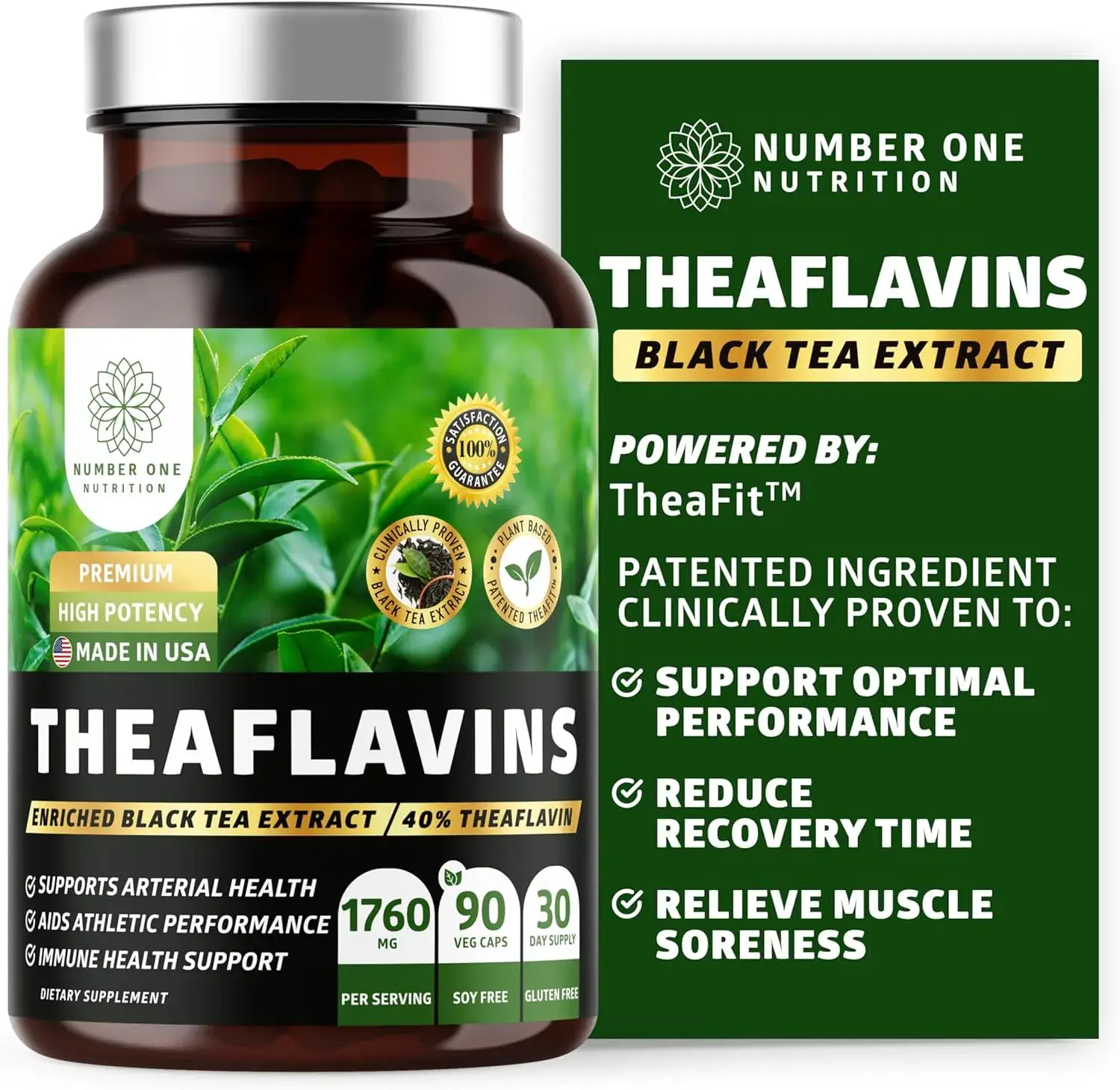
Black Tea Extract that is rich in natural theaflavins and polyphenols that help protect your body from free radicals, promoting overall immune health and well-being
Contains blended amounts of Fruits and Veggies. All natural, with whole foods, fruit and vegetable supplement.Perfect for everyone looking to live a healthier lifestyle.