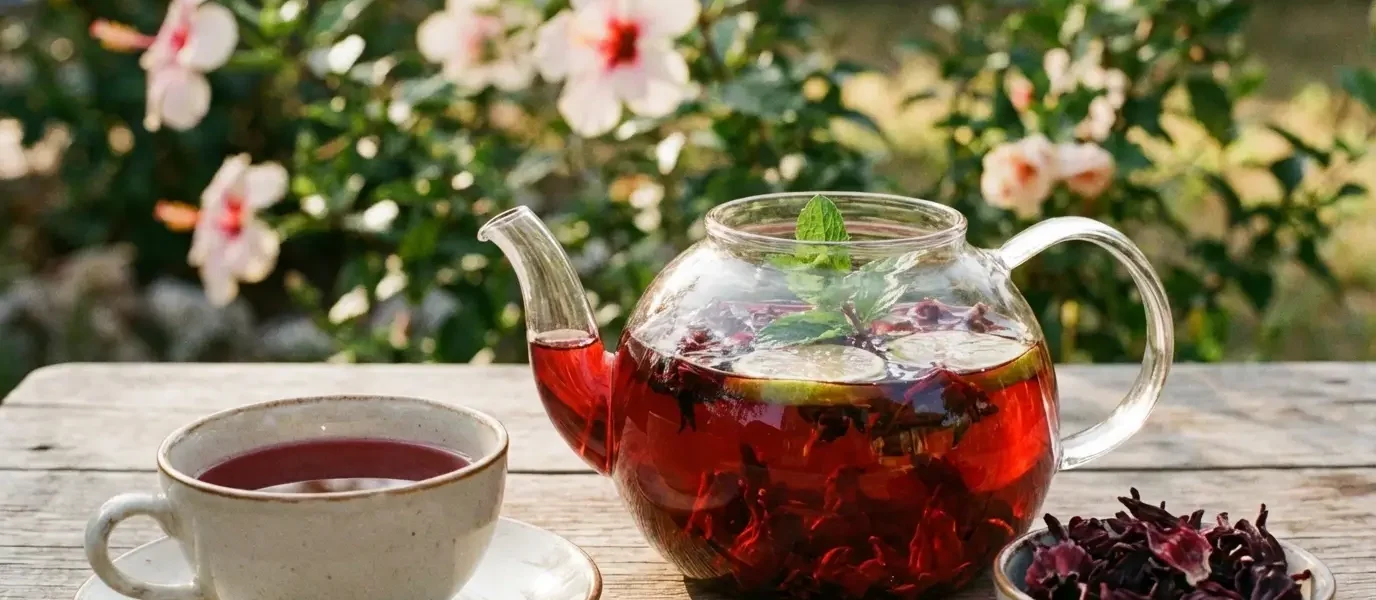
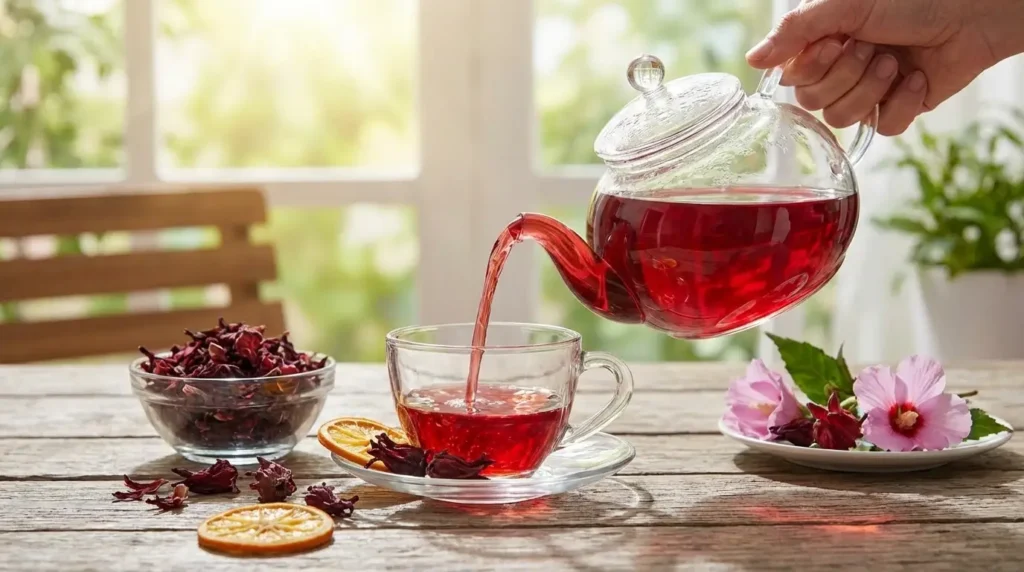
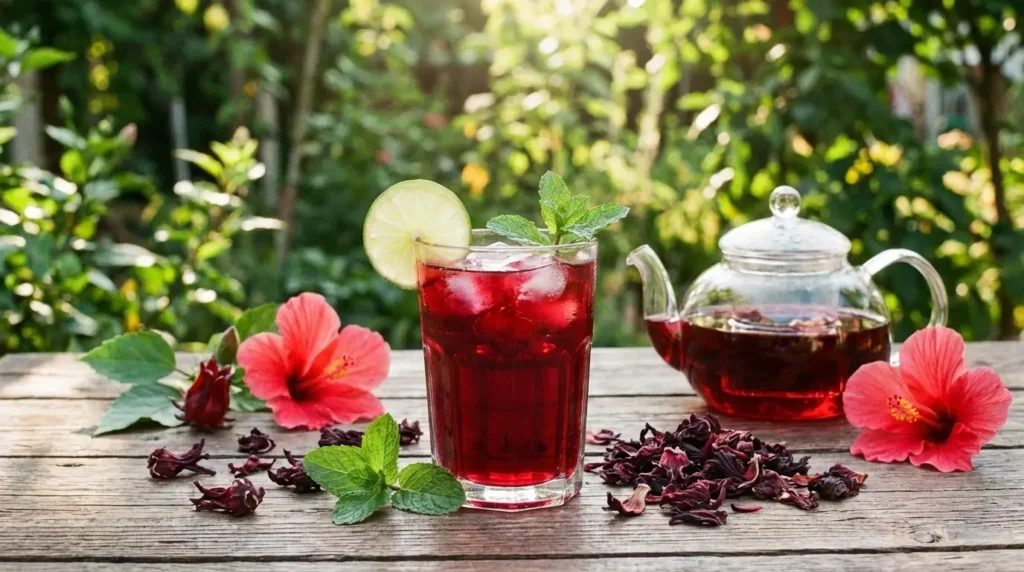
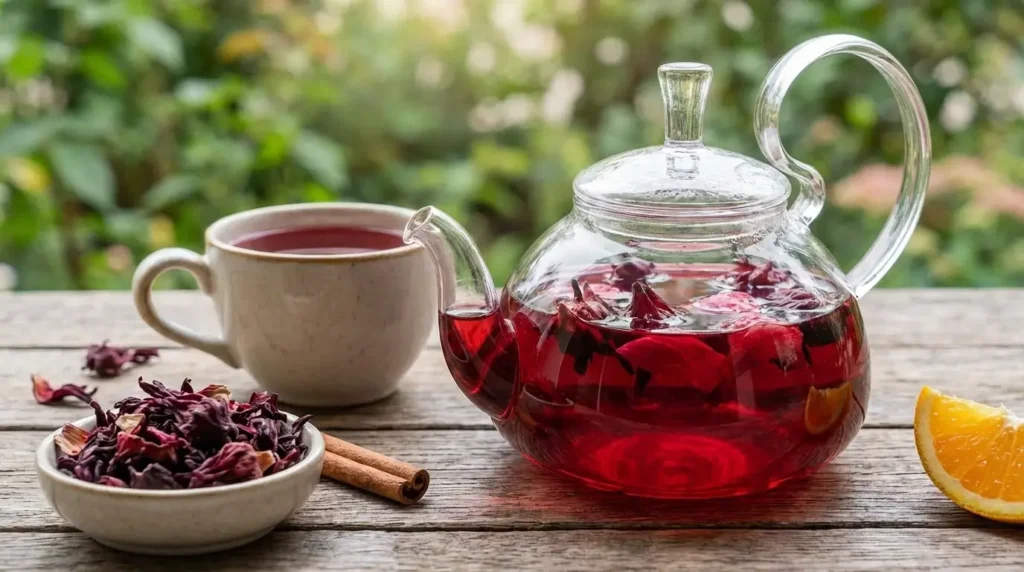
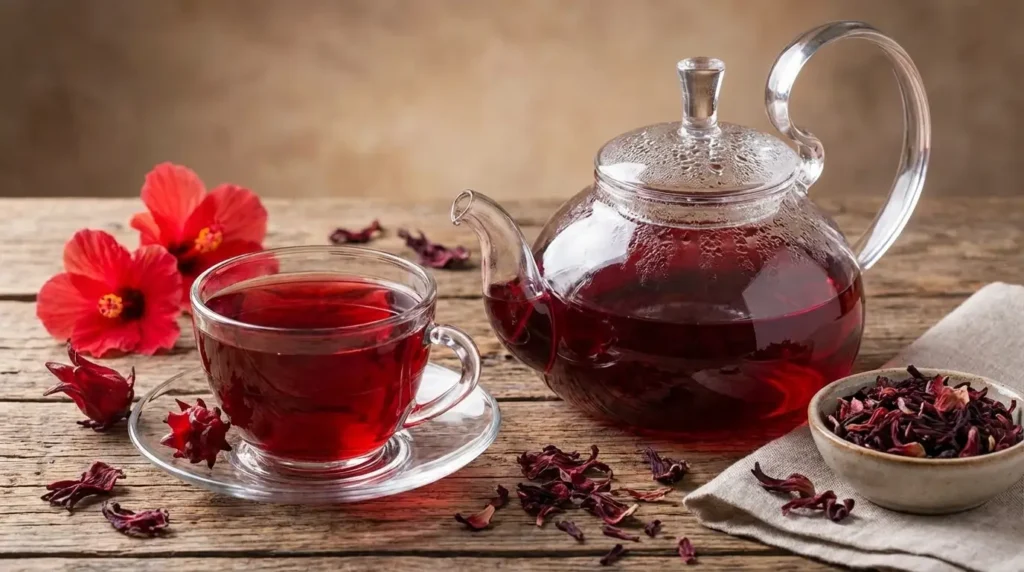
Is hibiscus tea good for fasting? This question comes up frequently among intermittent fasting enthusiasts searching for flavorful, fast-friendly beverage options. The good news is that hibiscus tea contains minimal calories, with most sources showing 0-2 calories per serving and approximately .5 grams of carbohydrates, making it an attractive choice during fasting windows.
Does hibiscus tea break a fast? The answer depends on your fasting goals and how strictly you follow caloric restrictions. In this guide, we’ll explore what is hibiscus tea good for during fasting periods, examine hibiscus tea benefits and side effects, and help you determine whether this tangy herbal beverage deserves a spot in your fasting routine.
Key Takeaways
Here’s what you need to know about drinking hibiscus tea during your fasting periods:
• Hibiscus tea won’t break your fast – Contains only 0.5g carbs and 0-2 calories, staying well under the “one gram rule” for maintaining fasted state
• Drink 1-3 cups daily for optimal benefits – This amount supports appetite suppression and blood pressure reduction without exceeding safe limits
• Keep it plain and unsweetened – Adding milk, honey, or sugar triggers insulin release and breaks your fast; stick to pure hibiscus flowers only
• Consult your doctor if taking medications – Hibiscus interacts with blood pressure meds, diabetes drugs, and ACE inhibitors, potentially altering their effectiveness
• Avoid if pregnant or have low blood pressure – The tea’s blood pressure-lowering effects can be dangerous for these groups
Hibiscus tea offers a flavorful way to stay hydrated during fasting while potentially supporting your weight loss and metabolic health goals, provided you follow these safety guidelines.
Does Hibiscus Tea Break a Fast?
Fasting triggers metabolic changes when we avoid consuming macronutrients that spike insulin. The storing hormone insulin, when elevated, shuts off the weight loss and health benefits we seek from intermittent fasting. Understanding how hibiscus tea interacts with these processes helps you make informed choices during your fasting window.
Understanding the One Gram Rule
The One Gram Rule provides a practical framework for determining what breaks a fast. This guideline allows small amounts of protein or carbohydrates during fasting periods, provided the total stays below one gram. Protein and carbs are the two macronutrients that raise insulin levels. Staying under this threshold keeps most people in a fasted state without triggering significant insulin responses.
Pure hibiscus tea fits comfortably within this rule. When you brew dried hibiscus flowers in hot water, the final cup contains approximately .5 grams of carbohydrates and around 2 calories. This falls well below the one-gram threshold, making a single brewed cup unlikely to interfere with your fast.
Calories and Carbs in Hibiscus Tea
The nutritional content of hibiscus tea varies based on preparation method and form. Unsweetened brewed hibiscus tea contains 0 calories, 0 grams of carbohydrates, and 0 grams of protein. Some sources report slightly higher values at 16 calories and 0.89 grams of carbohydrates per 100 grams of the hibiscus plant.
Fresh hibiscus calyces show different numbers: one cup contains 28 calories, 6.5 grams of carbohydrates, and 0.5 grams of protein. These higher values apply to consuming the actual flowers rather than steeped tea. Brewed tea extracts minimal nutrients from the dried flowers, resulting in negligible caloric content. Hibiscus contains no fat and no caffeine.
What Makes Hibiscus Fast-Friendly
Plain, unsweetened herbal teas have virtually zero effect on insulin and won’t break a fast. Hibiscus tea specifically enhances insulin sensitivity and reduces the risk of metabolic diseases. Research found that hibiscus tea mitigated insulin resistance, promoted normal blood sugar regulation, and supported balanced cholesterol levels.
Moreover, hibiscus shows promising mTOR suppression effects. Suppressing mTOR (mechanistic target of rapamycin) can support autophagy, the cellular cleanup process many people seek through fasting. Adding milk, creamers, sugar, honey, or any carbohydrate-containing additives triggers insulin release and breaks your fast. Stick to plain hibiscus tea during fasting windows.
Hibiscus tea offers several advantages beyond simply being fast-friendly. The compounds in this tart beverage actively support fasting goals through appetite regulation, cardiovascular benefits, and proper hydration.
Appetite Suppression Benefits
Hibiscus influences appetite-regulating hormones that control hunger signals. Research shows hibiscus increases adiponectin levels while decreasing leptin concentrations. Adiponectin promotes fat burning and improves metabolic health, whereas elevated leptin often indicates leptin resistance, a condition where your body stops responding to satiety signals.
The weight loss effects extend beyond hormonal regulation. Studies demonstrate hibiscus reduces body weight, white adipose tissue, and liver weight in controlled trials. One human study found participants lost five pounds compared to three pounds in the placebo group while consuming the same caloric intake. The mechanism involves blocking fat absorption. Hibiscus compounds bind to lipase, the fat-digesting enzyme, increasing fecal fat excretion rather than allowing fat storage.
Blood Pressure and Metabolic Support
Blood pressure management stands out as one of hibiscus tea’s most researched benefits. A clinical trial with 65 pre-hypertensive and mildly hypertensive adults showed drinking three cups daily lowered systolic blood pressure by 7.2 points compared to 1.3 points in the placebo group. Participants with higher baseline readings experienced even better results, with systolic pressure dropping 13.2 points and diastolic pressure decreasing 6.4 points.
These effects come from hibiscus acting like ACE inhibitors, the same mechanism found in prescription blood pressure medications. Additionally, hibiscus functions as a natural diuretic, helping eliminate excess fluid. The tea also improves cholesterol profiles by increasing HDL (good) cholesterol while reducing LDL (bad) cholesterol, total cholesterol, and triglycerides.
Hydration Without Breaking Your Fast
Staying hydrated prevents dehydration symptoms like fatigue, dizziness, and confusion during fasting windows. Water remains your primary hydration source, but plain hibiscus tea adds variety without triggering insulin responses. Some fasters find proper hydration helps manage hunger pangs, making extended fasting periods more sustainable.
Best Ways to Use Hibiscus Tea While Fasting
Getting the most from hibiscus tea during fasting requires understanding proper quantities, preparation methods, and timing strategies that align with your fasting protocol.
How Much Hibiscus Tea Per Day During Fasts
Studies examining blood pressure effects found two to three cups daily hit the sweet spot for measurable benefits. Dr. Michael Greger drinks up to four cups of hibiscus tea every day and suggests limiting consumption to no more than four cups daily. For most healthy adults, one to three cups per day qualifies as moderate intake.
The World Health Organization advises a 150-pound person not to exceed 15 cups per day. However, staying within the more conservative range prevents potential issues. Starting with one cup daily and observing your body’s response provides a practical approach. Individual tolerance varies, particularly for those with existing blood pressure conditions.
Plain Hibiscus vs Added Ingredients
Plain, unsweetened hibiscus tea preserves your fasted state. Adding milk, creamers, sugar, honey, or any carbohydrate-containing ingredients triggers insulin release. Stick to dried hibiscus flowers or tea bags containing only dried flowers with no other ingredients.
Some people create tea blends with lemon or ginger, but verify these additions align with your fasting goals. Pure hibiscus maintains the approximately .5 grams of carbohydrates that keeps you under the one-gram threshold.
Timing Your Hibiscus Tea Consumption
Drinking hibiscus tea between 6 a.m. and 10 a.m. may optimize blood pressure benefits, as blood pressure peaks naturally during morning hours. That said, consistency matters more than specific timing. Since hibiscus contains no caffeine, you can enjoy it any time without affecting sleep.
Space hibiscus consumption two hours from diuretic medications to prevent excess fluid loss and dizziness. Blood pressure improvements require at least four weeks of consistent use.
Hibiscus Tea Side Effects and Precautions for Fasting
While hibiscus tea offers fasting benefits, certain safety considerations require attention before incorporating it into your routine.
Potential Drug Interactions
Hibiscus interacts with several medications, altering their effectiveness. The tea reduces chloroquine absorption, making this malaria medication less effective. Studies show two weeks of hibiscus consumption significantly decreased captopril levels, reducing the ACE inhibitor’s AUC and peak plasma concentration. Similar interactions occur with other ACE inhibitors including lisinopril, ramipril, and enalapril.
Diabetes medications combined with hibiscus may cause dangerous blood sugar drops. The tea speeds simvastatin elimination from your body, potentially reducing cholesterol control. Hibiscus also affects acetaminophen clearance and may cause hydrochlorothiazide buildup. Taking hibiscus with losartan increases drug levels and side effects.
Blood Pressure Concerns
People with pre-existing low blood pressure face risks when drinking hibiscus tea. The beverage’s blood pressure-lowering properties could push levels dangerously low, causing dizziness and fainting.
Who Should Avoid Hibiscus Tea While Fasting
Pregnant women should avoid hibiscus tea. The phytoestrogens might stimulate menstruation or terminate pregnancy. Breastfeeding women should also skip it owing to potential infant harm. Stop hibiscus consumption two weeks before scheduled surgery, as it affects blood sugar control[173]. One study reported mild gastrointestinal symptoms during the first week, though these subsided quickly.
So, Is Hibiscus Tea Good for Fasting?
Hibiscus tea fits comfortably within most fasting protocols when consumed plain and unsweetened. With virtually zero calories and approximately 0.5 grams of carbohydrates, it won’t break your fast while offering appetite suppression and blood pressure benefits.
Stick to one to three cups daily during your fasting windows, and as a result, you’ll enjoy flavorful hydration without compromising your metabolic goals. Just remember to check with your doctor if you take medications or have pre-existing health conditions.
FAQs
Q1. Does hibiscus tea kick you out of ketosis? No, hibiscus tea won’t kick you out of ketosis. Unsweetened hibiscus tea contains negligible carbohydrates (approximately 0.5 grams per cup), which fits well within the daily carb restrictions of a ketogenic diet. As long as you drink it plain without added sweeteners or milk, it remains keto-friendly.
Q2. Can I safely drink hibiscus tea during my fasting window? Yes, you can safely drink hibiscus tea while fasting. Plain, unsweetened hibiscus tea contains minimal calories (0-2 per serving) and stays well below the one-gram carbohydrate threshold that would trigger an insulin response. This makes it an excellent choice for maintaining your fasted state while enjoying a flavorful beverage.
Q3. Which tea works best for managing hunger during fasting? Green tea is particularly effective for managing hunger during fasting as it helps soothe hunger pangs and reduces discomfort. Hibiscus and ginger teas are also excellent choices—they support energy levels without causing the jittery feeling associated with coffee, while providing calming effects during your fasting period.
Q4. How much hibiscus tea should I drink per day while fasting? For optimal benefits during fasting, consume one to three cups of hibiscus tea daily. Studies show that two to three cups provide measurable health benefits, particularly for blood pressure support. While some experts suggest up to four cups is safe, starting with one cup and gradually increasing allows you to monitor your body’s response.
Q5. Who should avoid drinking hibiscus tea during fasting? Pregnant and breastfeeding women should avoid hibiscus tea due to potential risks. Additionally, people taking blood pressure medications, diabetes medications, or ACE inhibitors should consult their doctor before consuming hibiscus tea, as it can interact with these medications. Those with naturally low blood pressure should also exercise caution, as hibiscus can lower blood pressure further.
Black Tea Extract that is rich in natural theaflavins and polyphenols that help protect your body from free radicals, promoting overall immune health and well-being
Contains blended amounts of Fruits and Veggies. All natural, with whole foods, fruit and vegetable supplement.Perfect for everyone looking to live a healthier lifestyle.