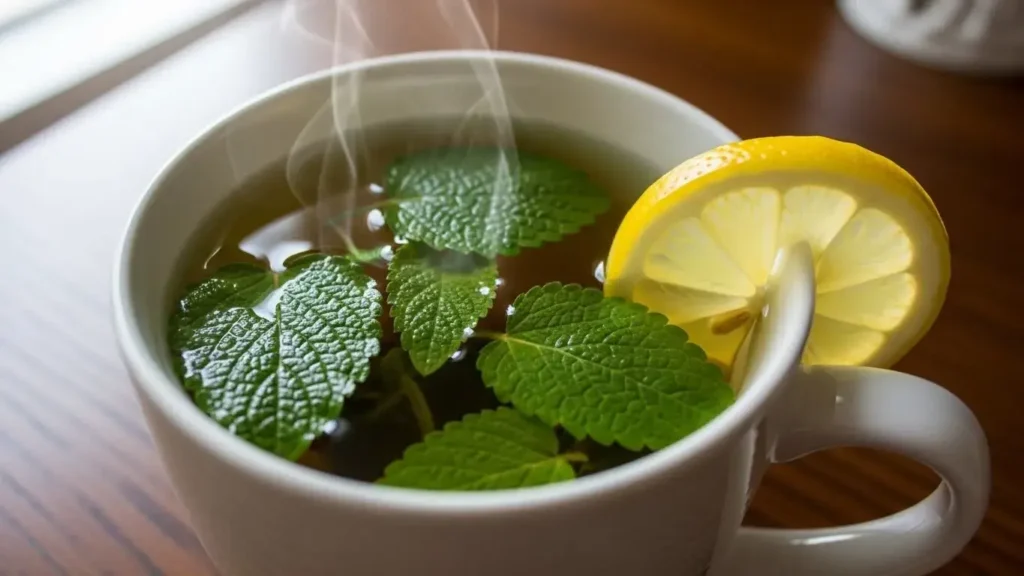
Is lemon balm tea good for you? The evidence speaks for itself. This often-overlooked herbal remedy can reduce anxiety by 18%, decrease insomnia by 42%, and significantly improve cognitive function compared to placebo treatments.
When I first discovered lemon balm tea, I was skeptical about its purported health benefits. However, after diving into the research, I found compelling scientific evidence supporting its effectiveness. In fact, studies show that lemon balm benefits extend beyond just relaxation – a combination of lemon balm and valerian supports healthy sleep cycles in menopausal women, while a lemon balm and valerian tea blend could reduce sleeping problems by an impressive 80% and restlessness by 70%.
Additionally, lemon balm has shown promise for blood pressure management. One study demonstrated that individuals with high blood pressure experienced improvements in both systolic and diastolic readings after just 10 weeks of lemon balm consumption. Whether you’re dealing with stress, sleep issues, or cognitive concerns, this versatile herb delivers results at various dosages, with research supporting benefits from 300mg to 600mg daily.
In this article, I’ll explore 8 science-backed reasons why adding lemon balm tea to your routine might be one of the best decisions for your health.
Improves Sleep Quality
Sleep troubles affect millions of people worldwide. First and foremost, quality sleep isn’t just about quantity—it’s about how well you rest throughout the night. As someone who has experienced sleep issues firsthand, I’ve found lemon balm tea to be a surprisingly effective natural remedy.
What does improved sleep quality mean?
Quality sleep involves falling asleep quickly, staying asleep throughout the night, and waking feeling refreshed. According to research, adults need seven hours or more of sleep per night for optimal health, yet approximately 40% of Americans get six hours or less. Furthermore, around one-third of American adults suffer from acute insomnia—frustrating bouts of sleep loss lasting several days—while one-tenth experience chronic insomnia persisting for three months or more.
Sleep is a fundamental biological process essential for human health. During sleep, your body saves energy, repairs tissues, restores energy sources, and develops metabolic and immunologic adaptations. Beyond physical recovery, sleep plays a crucial role in memory consolidation and clearing harmful metabolites like beta-amyloid from the brain.
How lemon balm tea helps with sleep quality
Lemon balm (Melissa officinalis) works through several mechanisms to improve sleep. The herb contains bioactive compounds that effectively trigger GABAergic modulation in the brain. This process is particularly important because GABA (gamma-aminobutyric acid) is an inhibitory neurotransmitter that helps calm the central nervous system.
Specifically, rosmarinic acid—one of lemon balm’s key compounds—affects GABA-T, an enzyme responsible for breaking down GABA. By slowing certain brain functions through this pathway, lemon balm creates a natural calming effect that can help with sleep onset and maintenance.
Moreover, lemon balm’s anti-stress and anxiety-reducing properties directly contribute to sleep improvements. Scientists have observed that its ability to reduce stress and anxiety is closely linked with its positive impact on sleep quality.
Scientific evidence for lemon balm and sleep
Recent clinical studies provide compelling evidence for lemon balm’s sleep-enhancing effects. A 2024 prospective, double-blind, placebo-controlled, cross-over study demonstrated that a highly standardized lemon balm extract (formulated as Phytosome™) significantly reduced Insomnia Severity Index scores by an average of 2.9 points compared to placebo.
The same study revealed that slow-wave sleep phase duration increased by an average of 15%, while REM phase decreased by 10%. Remarkably, 87% of participants using lemon balm reported improved sleep quality, compared to just 30% in the placebo group.
Other research has demonstrated lemon balm’s ability to:
Help you fall asleep faster
Reduce sleep disturbances
Boost overall sleep quality
Increase total sleep time
A comprehensive 2024 meta-study from Reading University concluded that lemon balm extract can effectively help manage and potentially prevent symptoms of sleep disturbance. For menopausal women specifically, a study found that 160mg daily of lemon balm coupled with 320mg valerian showed significant improvements in sleep quality compared to a placebo.
Consequently, consuming lemon balm tea before bedtime may provide a natural solution for those seeking better sleep. Unlike many prescription sleep medications, lemon balm is generally considered safe with minimal side effects, though some people may experience dizziness at high doses.
Given these findings, is lemon balm tea good for you? For sleep quality, the research certainly suggests so—especially when combined with good sleep hygiene practices and a consistent bedtime routine.
Reduces Anxiety and Stress
Anxiety and stress have become nearly universal experiences in our modern lives. Yet, these common conditions don’t have to control your days. I’ve explored how lemon balm tea can be a natural ally against these mental health challenges.
What does reducing anxiety and stress mean?
Reducing anxiety and stress involves lowering excessive worry, nervousness, and the body’s physiological stress response. This includes decreasing persistent thoughts, easing physical tension, and restoring emotional balance.
The biological impacts of chronic stress extend beyond just feeling worried—they affect your entire body. Your cortisol levels rise, your digestive system becomes disrupted, and even your sleep patterns suffer. Instead of merely masking these symptoms, true anxiety reduction addresses the root neurochemical imbalances.
How lemon balm tea helps with anxiety and stress
Lemon balm’s anxiety-reducing effects primarily work through the brain’s GABA system. This calming herb increases levels of gamma-aminobutyric acid (GABA), a neurotransmitter that essentially acts as your brain’s natural tranquilizer.
The active compounds in lemon balm work through several pathways:
Rosmarinic acid, the major compound in lemon balm, inhibits an enzyme called GABA-T that breaks down GABA, thereby increasing available GABA in your brain
The terpenes in lemon balm may help calm agitation by reactivating specific brain circuits
Lemon balm can influence neurotransmitters and receptors in the central nervous system
Most notably, when you drink lemon balm tea, its calming effects typically begin within 15-30 minutes after consumption. This makes it ideal for situational anxiety or stress that arises throughout your day.
Scientific evidence for lemon balm and stress relief
Clinical research provides substantial support for lemon balm’s anxiety-reducing properties. A comprehensive meta-analysis of randomized clinical trials revealed that lemon balm significantly improved anxiety scores compared to placebo treatments.
The evidence appears particularly strong for acute or situational anxiety. Among the most impressive findings:
A study of patients who had undergone heart bypass surgery showed a remarkable 49% reduction in anxiety levels after just 7 days of lemon balm treatment
Another clinical trial found full remission of anxiety in 70% of patients with mild-to-moderate anxiety after 15 days of lemon balm extract
Research at the University of Northumbria found that participants reported significantly less anxiety and greater alertness after taking a 600mg dose of standardized lemon balm extract
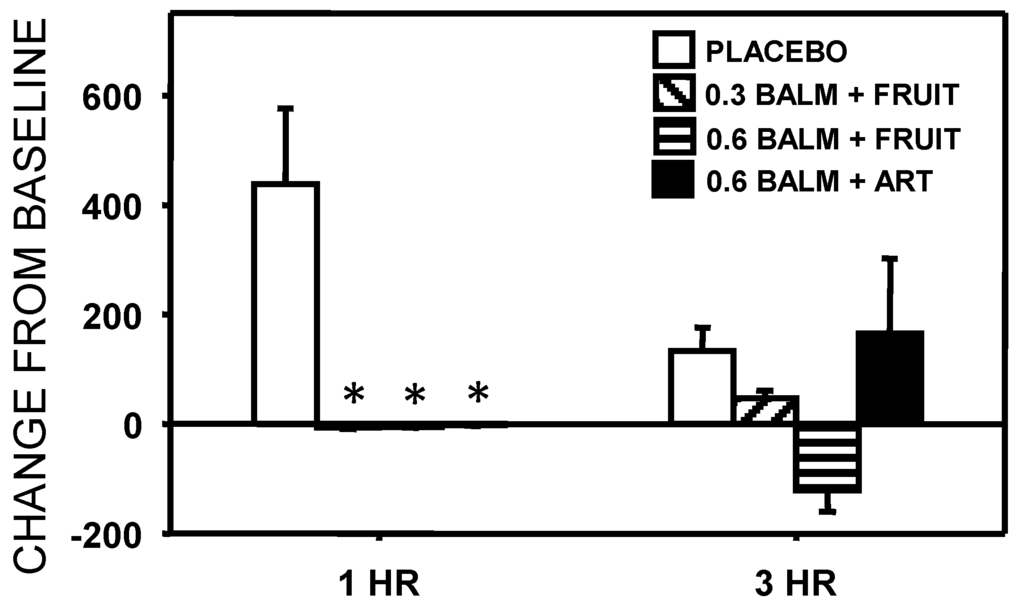
Beyond subjective reports, physiological measurements support these benefits. In one study, cortisol (the stress hormone) was elevated one hour post-treatment in the placebo condition, yet this elevation was not apparent in any of the active lemon balm treatment conditions.
The research suggests lemon balm may be more effective for immediate anxiety relief than for long-term chronic anxiety. Yet, studies examining office workers and patients with chronic conditions still showed moderate anxiety-reducing effects.
Is lemon balm tea good for you if you’re dealing with stress? The evidence strongly suggests yes—it offers a natural approach to calming your nervous system without the side effects typically associated with prescription anti-anxiety medications. At last, we have a natural remedy with actual scientific backing for stress reduction.
Beyond its calming properties, lemon balm offers remarkable benefits for your brain function. After exploring the herb’s sleep and anxiety benefits, I wanted to examine its impact on cognitive performance—the results proved fascinating.
What does supporting cognitive function mean?
Supporting cognitive function involves enhancing various mental processes including memory, attention, information processing, and problem-solving abilities. These skills are fundamental to our daily functioning and quality of life.
Optimal cognitive function depends on proper neurotransmitter activity, particularly involving acetylcholine—the brain chemical crucial for memory and learning. As we age or experience stress, these cognitive processes may naturally decline, resulting in memory lapses, reduced focus, or decreased mental clarity.
How lemon balm tea helps with brain performance
Lemon balm tea contains several bioactive compounds that actively support brain health:
Rosmarinic acid – The primary active compound in lemon balm that inhibits acetylcholinesterase (AChE), the enzyme responsible for breaking down acetylcholine
Essential oils and terpenoids – These compounds further inhibit AChE, leading to increased acetylcholine levels and enhanced cholinergic transmission
Phenolic compounds – These provide antioxidant protection against oxidative damage in brain cells
The mechanisms behind lemon balm’s cognitive effects are multifaceted. First, by modulating cholinergic activity, lemon balm helps maintain healthy levels of acetylcholine in the brain. Additionally, its rich content of phenolic compounds, flavonoids, and essential oils provides potent antioxidant activity that helps neutralize free radicals, thereby protecting brain cells from damage.
Furthermore, lemon balm may increase gamma-aminobutyric acid (GABA) levels through inhibition of GABA transaminase. This creates a balanced effect—providing both cognitive enhancement and mild relaxation simultaneously.
Scientific evidence for lemon balm and cognition
Research findings on lemon balm’s cognitive benefits have been increasingly compelling. In one notable study, healthy participants who received 600mg of lemon balm showed significant improvements in accuracy of attention at all time points post-intervention.
Different dosages appear to affect different cognitive domains. For mathematical processing, a 600mg dose significantly improved performance at 1 hour post-consumption. Similarly, tracking performance was significantly improved over placebo by the 600mg dose at both 1 and 3 hours.
Interestingly, a lower dose of 300mg improved working memory at both 1 and 3 hours. In a subsequent study, the 300mg dose also significantly improved alertness at both 1 and 3 hours, plus enhanced immediate recall and math performance.
Higher doses show different patterns—a 1600mg dose improved memory performance at all post-dose time points. Nevertheless, the benefits vary with dosage; decrements in timed memory task performance occurred with decreasing doses.
Of particular interest, lemon balm extract has shown promise for people with mild to moderate Alzheimer’s disease. After four months of treatment, lemon balm produced significantly better outcomes on cognitive function than placebo and helped reduce agitation.
In light of these findings, is lemon balm tea good for you if you’re seeking cognitive enhancement? Based on scientific evidence, the answer appears to be yes—particularly when consumed at appropriate dosages for your specific cognitive goals. Whether you’re looking to improve memory, enhance focus, or maintain long-term brain health, lemon balm tea offers evidence-backed benefits worth considering.
Fights Cold Sores and Herpes
Cold sores can appear at the most inconvenient times, disrupting both comfort and confidence. Among lemon balm tea’s many health applications, its ability to fight herpes infections stands out as particularly noteworthy. I’ve researched how this herb tackles these persistent viral infections.
What does fighting cold sores mean?
Fighting cold sores involves reducing the severity, duration, and recurrence of herpes simplex virus (HSV) outbreaks. Cold sores are painful blister-like lesions that typically appear around the mouth and lips, primarily caused by the HSV-1 virus, although HSV-2 (typically associated with genital herpes) can occasionally cause oral lesions too.
The herpes simplex virus is remarkably common. Once infected, the virus remains dormant in your nerve cells, periodically reactivating to cause outbreaks. These reactivations often occur during periods of stress, illness, or weakened immunity.
Cold sores progress through distinct stages:
Initial tingling or burning sensation (prodrome stage)
Formation of fluid-filled blisters
Rupture and oozing of blisters
Crusting and scabbing
Healing and disappearance
Without treatment, cold sores typically heal in about 7-10 days. First, identifying the early signs—that characteristic tingling sensation—is crucial for effective intervention.
How lemon balm tea helps with herpes symptoms
Lemon balm (Melissa officinalis) contains powerful antiviral compounds that directly combat herpes viruses. The herb’s primary mechanism appears to be inhibiting the virus from penetrating cells and replicating, as demonstrated in laboratory studies.
When dealing with a cold sore outbreak, there are several ways to use lemon balm:
Topical application: Applying lemon balm cream directly to affected areas at the first sign of tingling (most effective method)
Drinking lemon balm tea: Consuming tea daily may help prevent outbreaks by supporting the immune system
Lemon balm essential oil: When properly diluted with a carrier oil like coconut or sweet almond oil, it can be applied to affected areas
For preparing lemon balm tea specifically for cold sores, steep 2-4 teaspoons of crushed lemon balm leaves in a cup of boiling water for 10-15 minutes. After cooling, apply directly to lesions several times daily using a cotton swab.
Scientific evidence for lemon balm and antiviral effects
Clinical research strongly supports lemon balm’s efficacy against herpes. A double-blind, placebo-controlled study of people with early-stage cold sores found that lemon balm cream significantly reduced discomfort, number of blisters, and lesion size by the second day of application.
Another double-blind study involving 116 participants with oral or genital herpes showed significantly better recovery rates with lemon balm cream compared to placebo. In laboratory settings, lemon balm extract reduced the cytopathic effect of HSV-2 by up to 60% at a concentration of 0.5 mg/mL.
The science behind lemon balm’s effectiveness lies in its rich phytochemical profile. Rosmarinic acid, which comprises about 4.1% of lemon balm extract, appears to be one of the key compounds responsible for its antiviral properties. Although lemon balm doesn’t prevent the initial entry of the virus into cells, it interferes with viral replication after infection.
Given that conventional treatments like acyclovir can produce toxic side effects and resistant viral strains, lemon balm offers a promising alternative. In fact, one study indicated that topical lemon balm might be better at reducing pain than topical acyclovir, though potentially slower at promoting healing.
For optimal results, timing is essential—lemon balm is most effective when applied during the prodromal (tingling) stage or within 48 hours of blister appearance. Regular consumption of lemon balm tea may potentially reduce outbreak frequency, although more research is needed in this area.
Is lemon balm tea good for you if you suffer from cold sores? The evidence demonstrates clear benefits, particularly when used promptly at the first sign of an outbreak.
For centuries, herbalists have recognized lemon balm’s ability to soothe digestive troubles. Indeed, this herb has earned its place among traditional remedies for a variety of gastrointestinal issues. As I’ve discovered through my research, its benefits extend far beyond just anxiety and sleep.
What does easing digestive discomfort mean?
Digestive discomfort encompasses a range of symptoms that affect the gastrointestinal tract, making daily activities uncomfortable. These include bloating, gas, indigestion, stomach cramps, and even more serious conditions like gastric ulcers. Such issues often arise from stress, poor diet, or underlying health conditions.
Relieving these symptoms involves calming the digestive tract, reducing spasms in the intestinal muscles, promoting healthy digestion, and protecting the stomach lining from damage. Effectively, it’s about restoring balance to your digestive system so it can function optimally.
How lemon balm tea helps with digestion
Lemon balm (Melissa officinalis) contains several compounds that make it particularly effective for digestive health:
Antispasmodic properties – Lemon balm helps relax the smooth muscles in your digestive tract, reducing cramping and discomfort
Carminative action – Its high essential oil content helps disperse gas in the lower gastrointestinal tract, relieving bloating
Gastroprotective effects – The ethanolic extract and phenolic compounds in lemon balm may help protect the stomach lining against damage
The herb’s calming influence extends beyond the nervous system to directly impact digestive function. Primarily, lemon balm works through its essential oils – mostly citral, citronellal, linalool, and geraniol – which give it that characteristic lemony scent. These compounds help stimulate proper digestion while simultaneously calming intestinal spasms.
Historically, lemon balm was an ingredient in a 16th-century preparation called Carmelite Water or Spirit of Melissa, made by Carmelite nuns. This formulation combined lemon balm with spices and was used specifically for indigestion alongside anxiety.
Scientific evidence for lemon balm and gut health
Research supports lemon balm’s traditional use for digestive issues. A 2023 study conducted both test tube and animal experiments to investigate lemon balm’s digestive benefits. Their findings in rats suggest that lemon balm extract has gastroprotective properties that may help prevent alcohol-induced ulcers.
Multiple clinical observations indicate that lemon balm can help with various digestive complaints. The Cleveland Clinic notes that lemon balm can calm spasms in the gastrointestinal tract, providing relief from mild stomach troubles. Hence, many over-the-counter herbal digestive remedies incorporate lemon balm alongside other herbs like ginger and mint.
Additionally, research shows that lemon balm may increase food transit time, potentially helping with symptoms like constipation and bloating. Interestingly, this research revealed that while lemon balm affected certain parts of the small intestine, it did not impact the colon.
For those suffering from colic, particularly infants, lemon balm has shown promise. When combined with herbs like German chamomile and fennel, it has been used to reduce discomfort caused by colic, decreasing crying time and potentially even resolving the condition entirely with consistent use.
Is lemon balm tea good for you if you have digestive issues? Based on both traditional use and emerging scientific evidence, it appears to be a gentle yet effective option for many common digestive complaints. Nevertheless, for persistent or severe digestive problems, it’s important to consult with a healthcare provider rather than relying solely on herbal remedies.
Relieves PMS and Menstrual Cramps
Many women face monthly challenges from premenstrual syndrome and menstrual pain. Throughout my research, I’ve discovered that lemon balm offers promising relief for these common female health issues.
What does PMS relief mean?
Premenstrual Syndrome (PMS) ranks among the most common conditions affecting women before menopause. This condition manifests during the luteal phase—the week preceding menstruation—characterized by irritability, tension, low mood, and physical discomfort including pelvic, breast, back, and abdominal pain.
Effectively, these symptoms occur as serotonin levels drop while progesterone and estrogen fluctuate. Once pregnancy doesn’t occur, both hormone levels decrease, triggering menstruation. Dysmenorrhea (painful menstruation) affects 50-70% of women, with prevalence in Iran reaching 71-89.9%.
Such pain often accompanies systemic symptoms including:
Nausea and vomiting (90%)
Fatigue (85%)
Diarrhea and lower back pain (60%)
Headache (45%)
How lemon balm tea helps with menstrual symptoms
Lemon balm works primarily through several mechanisms to alleviate menstrual discomfort:
First, it possesses antispasmodic properties that help relieve cramping. These properties make it effective against both stomach discomfort and menstrual pain.
Second, lemon balm supports GABA production—a non-excitatory neurotransmitter contributing to calmness and focus. This neurochemical effect helps relieve both pain and mood disruptions commonly experienced during PMS.
Third, the compound rosmarinic acid in lemon balm minimizes the severity of menstrual symptoms like cramps and fatigue. Additionally, lemon balm contains antispasmodic and analgesic properties specifically helpful for menstrual cramp relief.
Scientific evidence for lemon balm and PMS
Clinical research increasingly supports lemon balm’s effectiveness for menstrual symptoms. A study involving teenage females showed remarkable results: after just one month of daily lemon balm use, PMS symptom intensity decreased by one-third. By the third month, symptoms had decreased by two-thirds.
Another clinical trial demonstrated that 500mg of Melissa officinalis twice daily during the luteal phase significantly reduced PMS symptoms compared to placebo. This study included 93 female students who took lemon balm for two consecutive menstrual cycles.
For dysmenorrhea specifically, research confirms lemon balm reduces the severity of systemic symptoms associated with painful periods, including fatigue, neurological changes, and lethargy. Interestingly, lemon balm did not increase menstrual bleeding or duration—important considerations for women concerned about potential side effects.
Is lemon balm tea good for you if you suffer from monthly discomfort? Based on these findings, it appears to offer substantial relief with minimal side effects.
Free radicals and oxidative stress silently damage our cells every day. As I investigated natural antioxidants, lemon balm repeatedly emerged as a powerful ally against these invisible threats.
What does antioxidant protection mean?
Antioxidant protection involves neutralizing harmful free radicals—unstable molecules produced naturally in your body through stress, illness, and exposure to pollutants. Unchecked, these molecules damage cells, increase inflammation, and accelerate aging. This cellular damage, known as oxidative stress, has been linked to cardiovascular diseases, cancer, and neurodegenerative disorders like Alzheimer’s and Parkinson’s.
Ultimately, antioxidants serve as your body’s defense system, preventing free radicals from causing future damage and potentially reversing existing cellular harm.
How lemon balm tea helps fight free radicals
Lemon balm’s remarkable antioxidant capacity stems from its rich phytochemical profile. The leaves—the part used for tea—contain the highest concentration of these beneficial compounds, primarily:
Rosmarinic acid and caffeic acid (powerful phenolic compounds)
Flavonoids (plant pigments with protective properties)
Ferulic acid (a potent free radical scavenger)
These compounds work synergistically to neutralize free radicals through multiple mechanisms. Beyond simply scavenging free radicals, lemon balm inhibits lipid peroxidation, chelates metal ions, and modulates the activity of antioxidant enzymes.
Scientific evidence for lemon balm and oxidative stress
Scientific research confirms lemon balm’s antioxidant benefits. A clinical trial involving radiology workers—professionals regularly exposed to low-dose radiation—found that drinking lemon balm tea twice daily for 30 days significantly improved catalase, superoxide dismutase, and glutathione peroxidase levels while reducing DNA damage, myeloperoxidase, and lipid peroxidation.
Afterward, researchers concluded that lemon balm infusion “markedly improve[s] oxidative stress condition and DNA damage”.
Laboratory studies likewise demonstrate lemon balm’s protective effects against UVB radiation damage, showing decreased UVB-induced reactive oxygen species production and reduced DNA damage.
Is lemon balm tea good for you from an antioxidant perspective? Research undeniably suggests yes—its significant oxidative stress reduction and lipid peroxidation inhibition properties provide compelling evidence for adding this pleasant-tasting tea to your routine.
Enhances Mood and Alertness
Looking for a natural mood booster that doesn’t sacrifice mental clarity? Lemon balm might be just what you need. Throughout my exploration of this versatile herb, I’ve been intrigued by its unique ability to simultaneously calm and sharpen the mind.
What does mood enhancement mean?
Mood enhancement involves improving emotional well-being while maintaining cognitive alertness. Fundamentally, it’s about creating a balanced mental state where you feel both relaxed and mentally sharp. This delicate balance is often difficult to achieve with conventional remedies, which tend to either stimulate or sedate.
How lemon balm tea helps with mood and focus
Lemon balm works through multiple pathways in your brain to create this balanced effect:
It influences GABAergic activity by enhancing GABA, an inhibitory neurotransmitter that promotes calmness
Rosmarinic acid, a key compound in lemon balm, directly binds to GABA receptors similar to anti-anxiety medications
Alongside calming effects, it modulates cholinergic activity, which supports alertness and cognitive function
This dual action explains why lemon balm can make you feel simultaneously relaxed yet mentally sharp—unlike many substances that provide one benefit at the expense of the other.
Scientific evidence for lemon balm and mood
Research consistently demonstrates lemon balm’s positive effects on mood. In one noteworthy study, participants rated feelings of calmness significantly higher one hour after consuming 300mg and 900mg doses compared to placebo. With the 300mg dose, this increased calm persisted even at 2.5 hours post-consumption.
Another study found that a 600mg dose ameliorated negative mood effects under stressful conditions. At higher doses of 1600mg, participants experienced both improved memory performance and increased calmness at all post-dose time points.
Is lemon balm tea good for you if you’re seeking both relaxation and mental clarity? Based on the research, the answer appears to be yes—it offers a rare combination of benefits that few other natural remedies can match.
Reduces bloating, cramping, and protects stomach lining
Relieves PMS and Menstrual Cramps
Rosmarinic acid
Antispasmodic properties
PMS symptoms decreased by 2/3 after 3 months
500mg twice daily
Reduces cramps, fatigue, and mood disruptions
Provides Antioxidant Protection
Rosmarinic acid, Caffeic acid, Flavonoids
Free radical neutralization
Improved antioxidant enzyme levels; reduced DNA damage
Two cups daily
Reduces oxidative stress and cellular damage
Enhances Mood and Alertness
Rosmarinic acid
GABAergic and Cholinergic modulation
Increased calmness at 1 hour post-consumption
300-900mg
Simultaneous relaxation and mental sharpness
Conclusion
Lemon balm tea stands out as a remarkable herbal remedy backed by substantial scientific evidence. Throughout this article, we’ve explored eight compelling health benefits that make this simple herb worth adding to your daily routine. After reviewing the research, I’m convinced that lemon balm deserves more recognition for its versatile healing properties.
The evidence speaks for itself – lemon balm effectively improves sleep quality, reduces anxiety, enhances cognitive function, and fights herpes virus infections. Additionally, it soothes digestive issues, eases menstrual discomfort, provides powerful antioxidant protection, and uniquely balances mood while maintaining mental alertness.
What makes lemon balm particularly valuable is its dual action on the nervous system. Unlike many remedies that either stimulate or sedate, lemon balm creates balance by simultaneously calming anxiety while supporting cognitive function. This remarkable property explains why people report feeling both relaxed and mentally sharp after consumption.
Safety remains another significant advantage of lemon balm tea. Most studies show minimal side effects even at higher dosages, though some people may experience dizziness with very high amounts. Therefore, starting with a lower dose and gradually increasing it based on your response makes good sense.
The recommended dosage varies depending on your specific health goals. Research supports benefits ranging from 300mg to 1600mg daily, with different amounts targeting different symptoms. For general wellness, drinking 1-2 cups of lemon balm tea daily provides a good starting point.
Though skeptical at first, my deep dive into the research has convinced me of lemon balm’s legitimate health benefits. This humble herb offers a natural, evidence-backed option for anyone seeking better sleep, reduced stress, sharper thinking, or relief from common ailments. Simply put, lemon balm tea represents one of nature’s most versatile and effective remedies for modern life’s challenges.
Key Takeaways
Lemon balm tea offers scientifically-proven health benefits that can significantly improve your daily well-being and address common health concerns naturally.
• Sleep and anxiety relief: Lemon balm reduces insomnia by 42% and anxiety by 18% through GABAergic modulation, with effects beginning within 15-30 minutes of consumption.
• Cognitive enhancement: Contains rosmarinic acid that inhibits acetylcholinesterase, improving memory, attention, and mathematical processing while maintaining mental alertness.
• Antiviral properties: Reduces herpes virus cytopathic effects by up to 60%, making it effective against cold sores when applied topically or consumed as tea.
• Women’s health support: Decreases PMS symptoms by two-thirds after three months of use and provides antispasmodic relief for menstrual cramps.
• Antioxidant protection: Rich in phenolic compounds that neutralize free radicals, reduce DNA damage, and improve cellular health markers in clinical studies.
The research consistently shows that 300-600mg daily dosages provide optimal benefits across multiple health areas. Unlike many remedies that either stimulate or sedate, lemon balm uniquely balances relaxation with mental clarity, making it an ideal natural solution for modern stress-related health challenges. With minimal side effects and centuries of traditional use now backed by rigorous scientific evidence, lemon balm tea represents one of nature’s most versatile and accessible wellness tools.
Q1. What are the main health benefits of drinking lemon balm tea regularly? Regular consumption of lemon balm tea can improve sleep quality, reduce anxiety and stress, enhance cognitive function, ease digestive discomfort, and provide antioxidant protection. It may also help with menstrual symptoms and cold sores.
Q2. How does lemon balm tea affect mood and mental clarity? Lemon balm tea has a unique dual action on the nervous system. It can simultaneously promote calmness by increasing GABA levels while also supporting alertness and cognitive function through cholinergic modulation. This results in a balanced state of relaxation and mental sharpness.
Q3. Is lemon balm tea effective for managing cold sores? Yes, lemon balm tea has shown effectiveness against cold sores. Its antiviral properties can reduce the severity and duration of herpes outbreaks when applied topically or consumed as tea. It’s most effective when used at the first sign of an outbreak.
Q4. Can lemon balm tea help with premenstrual syndrome (PMS)? Studies indicate that lemon balm tea can significantly reduce PMS symptoms. Regular consumption over several months has been shown to decrease symptom intensity by up to two-thirds, particularly helping with cramps, fatigue, and mood disruptions.
Q5. What is the recommended dosage for lemon balm tea to experience its benefits? The optimal dosage of lemon balm varies depending on the specific health goal. Generally, research supports benefits from 300mg to 600mg daily. For general wellness, drinking 1-2 cups of lemon balm tea daily is a good starting point, but it’s advisable to start with a lower dose and gradually increase based on individual response.
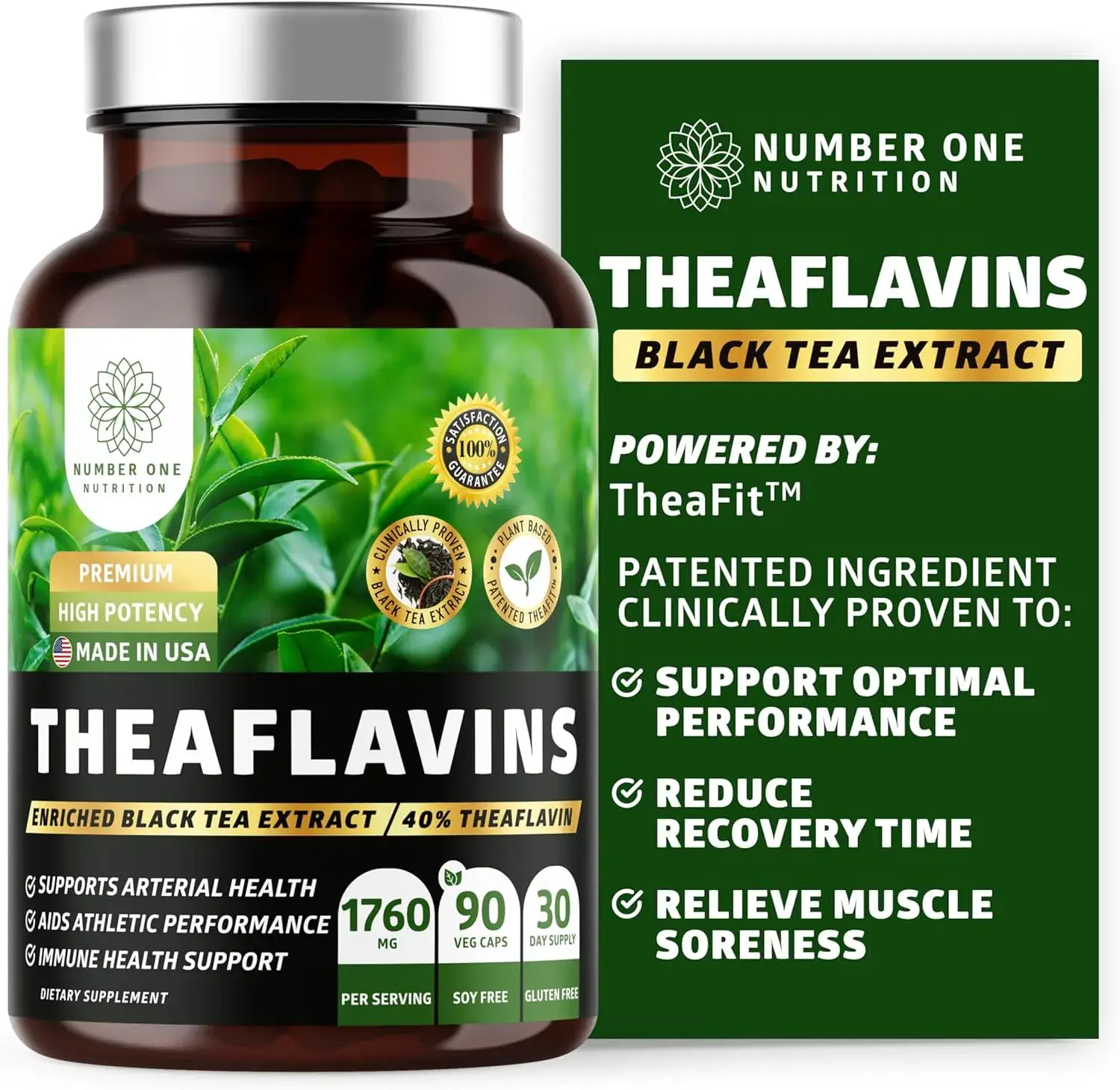
Black Tea Extract that is rich in natural theaflavins and polyphenols that help protect your body from free radicals, promoting overall immune health and well-being
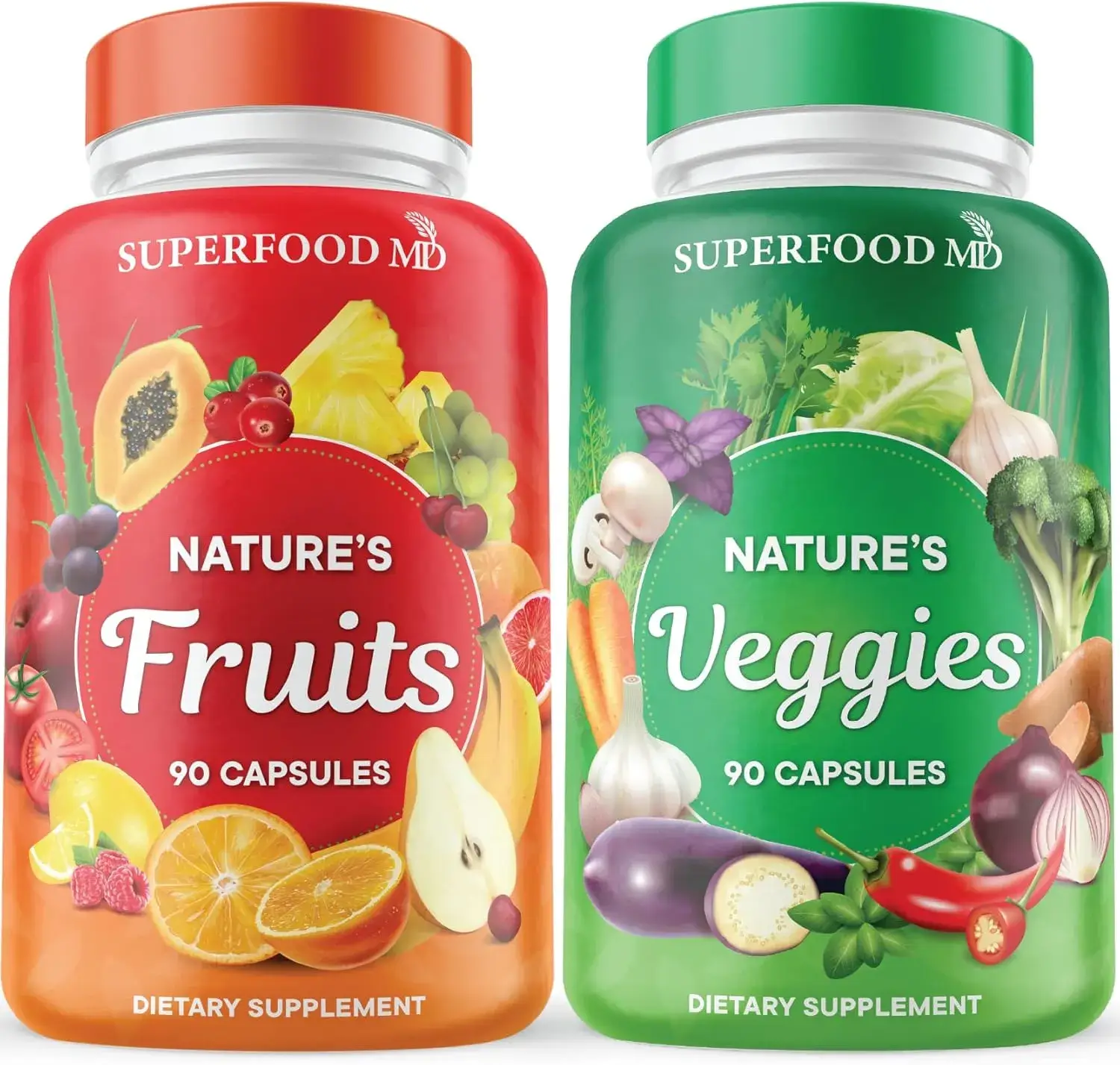
Contains blended amounts of Fruits and Veggies. All natural, with whole foods, fruit and vegetable supplement.Perfect for everyone looking to live a healthier lifestyle.