So, what’s the big deal about tea time in British culture? It’s more than just a cuppa and a biscuit, really. It’s a whole thing, a tradition that’s been around for ages and still holds a special place. From fancy hotels to cozy cafes, this ritual of gathering for tea and treats is a big part of what makes British life, well, British. We’re going to take a look at where it all started, what goes into a proper tea time, and why it’s still so popular today.
Key Takeaways
The tradition of afternoon tea started in the 1840s with Anna, the Duchess of Bedford, who wanted a snack between lunch and a late dinner.
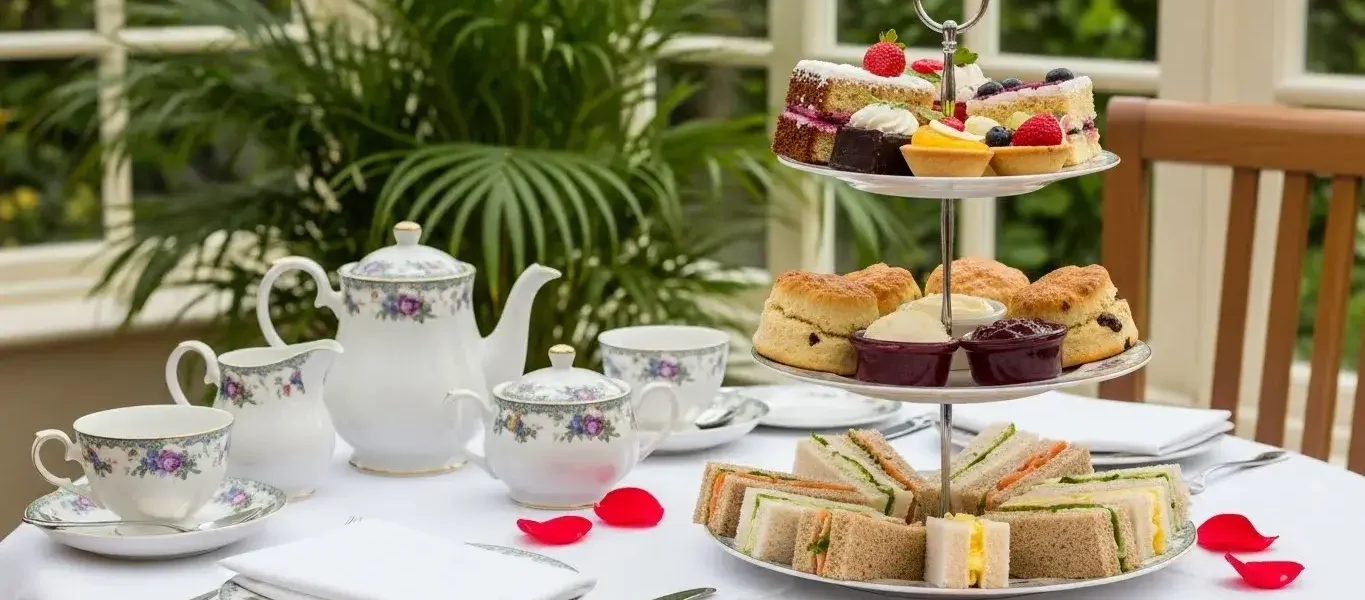
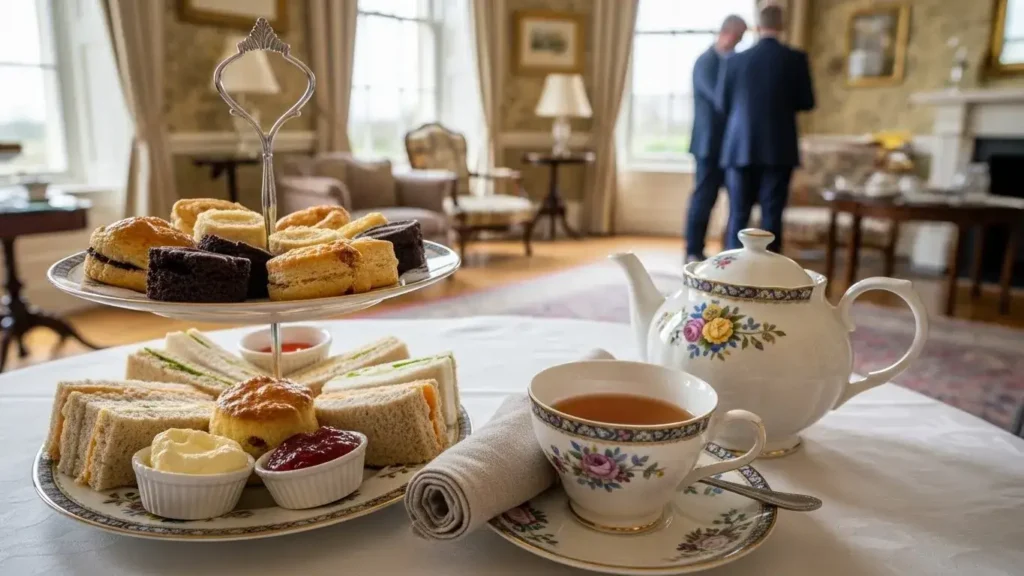
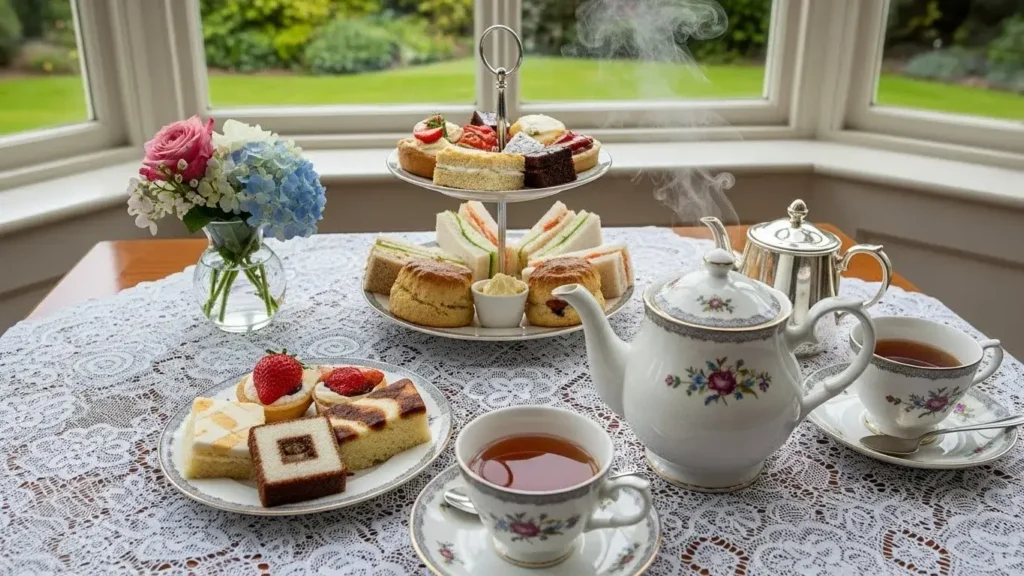
A proper tea time usually includes finger sandwiches, scones with cream and jam, and various small cakes and pastries.
The cultural significance of tea time lies in its ability to bring people together for connection and relaxation, and it’s often used to celebrate special occasions.
Experiencing authentic tea time can be done at historic inns, regional spots known for cream tea, or elegant hotels, especially in places like London.
You can recreate the charm of tea time at home by preparing a menu, focusing on tea preparation, and setting a nice ambiance for guests.
The Origins And Evolution Of Tea Time In British Culture
A Duchess’s Hunger Pangs
So, how did this whole afternoon tea thing even start? It wasn’t some ancient ritual passed down through generations. Nope, it’s actually a pretty recent invention, relatively speaking. The whole tradition really kicks off in the mid-19th century, thanks to Anna Maria Russell, the Duchess of Bedford. Back then, people usually only had two main meals: breakfast and a late dinner.
The Duchess, however, found herself getting quite peckish between lunch and dinner. She started asking for a tray of tea, some bread and butter, and maybe a little cake to be brought to her room in the late afternoon. This little habit, born out of a simple need for a snack, was the spark that ignited a new social phenomenon.
From Private Rooms To Social Phenomenon
What began as a private indulgence for the Duchess soon spilled over. She started inviting her friends to join her for these afternoon tea breaks. It wasn’t long before this became the height of fashion among the upper classes. By the 1880s, it was a full-blown social event. Women would dress up in their finest gowns, gloves, and hats, gathering between four and five o’clock for tea and conversation. It was a chance to see and be seen, a sophisticated way to pass the time and catch up on gossip. This shift from a personal snack to a public gathering really cemented the history of tea drinking in Britain as something more than just a beverage.
The Rise Of Dedicated Tea Rooms
As afternoon tea grew in popularity, it naturally led to the development of dedicated spaces for it. Soon, tea rooms started popping up, offering a convenient and elegant place for people to enjoy this new tradition. These establishments became social hubs, places where people could meet, chat, and enjoy a delightful spread. It was no longer just an activity for the wealthy at home; it was becoming accessible to more people. This evolution is a key part of the heritage of British tea rituals, showing how a simple idea can grow and adapt to become a lasting part of a culture. The history of tea in Britain is fascinating, and afternoon tea is a big part of that story.
The practice of drinking tea itself has a much longer history, arriving in Britain in the 17th century. However, it was the specific ritual of ‘afternoon tea’ that took hold in the 19th century, transforming a simple beverage into a social occasion and a cornerstone of british social customs tea.
Here’s a quick look at how it evolved:
1840s: Duchess of Bedford introduces the concept of a late afternoon tea break.
1880s: Afternoon tea becomes a fashionable social event for the upper classes.
Late 19th/Early 20th Century: Dedicated tea rooms emerge, making the tradition more widespread.
This journey from a personal hunger pang to a celebrated cultural practice highlights the adaptability and enduring appeal of afternoon tea traditions.
So, what actually goes into a proper British tea time? It’s not just about boiling some water and dunking a bag, oh no. There’s a whole ritual to it, and getting the components right makes all the difference.
Selecting The Perfect Tea
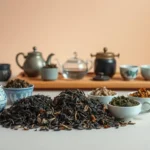
First things first, the tea itself. While you can technically use any tea, traditionalists lean towards black teas. Think Earl Grey, with its distinctive bergamot aroma, or a robust Assam. Darjeeling is another popular choice, often called the ‘champagne of teas’. If you’re feeling adventurous, some people like to experiment with different blends or even green teas, but for that classic experience, stick to the black varieties. It’s also a nice touch to offer milk, sugar, or a slice of lemon on the side so everyone can fix their cup just how they like it. You can find some lovely loose-leaf options at various tea suppliers.
Savory Delights: Finger Sandwiches
Next up are the savory bits. These are typically small, crustless sandwiches, cut into neat little fingers or triangles. The fillings are usually quite simple but delicious. Classic options include cucumber, smoked salmon with cream cheese, egg mayonnaise, and sometimes even ham and mustard. The key here is delicate flavors and easy-to-handle portions. You don’t want anything too messy or overpowering.
Sweet Indulgences: Scones And Pastries
Ah, the scones! These are arguably the heart of the sweet selection. They should be light and fluffy, served warm with clotted cream and jam. And yes, there’s a debate about whether jam or cream goes first, but that’s a story for another time! Beyond scones, you’ll often find a small assortment of other sweet treats. Think mini cakes, tarts, or delicate pastries. Again, the focus is on small, bite-sized portions that are easy to enjoy.
Elegant Presentation: Setting The Scene
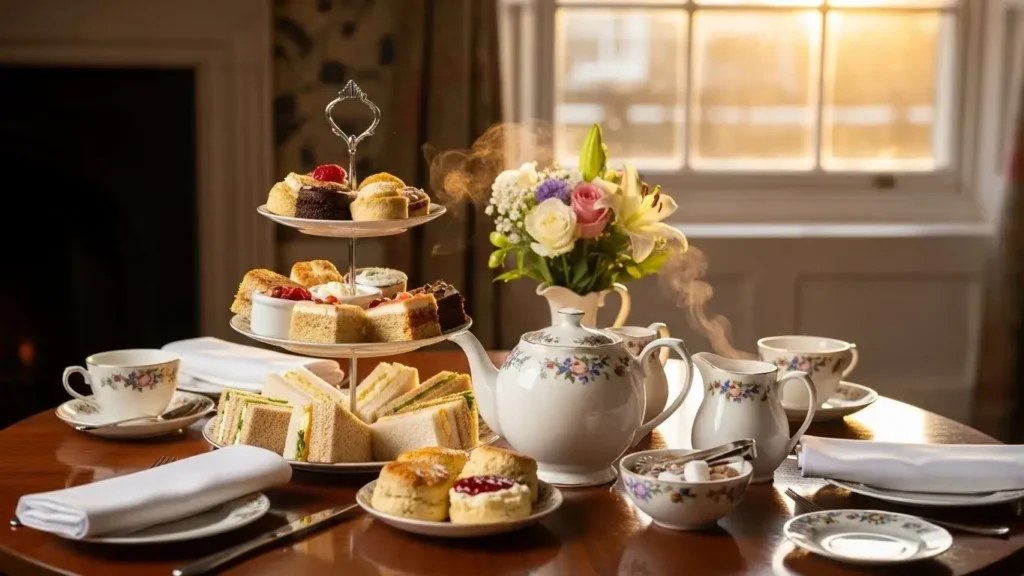
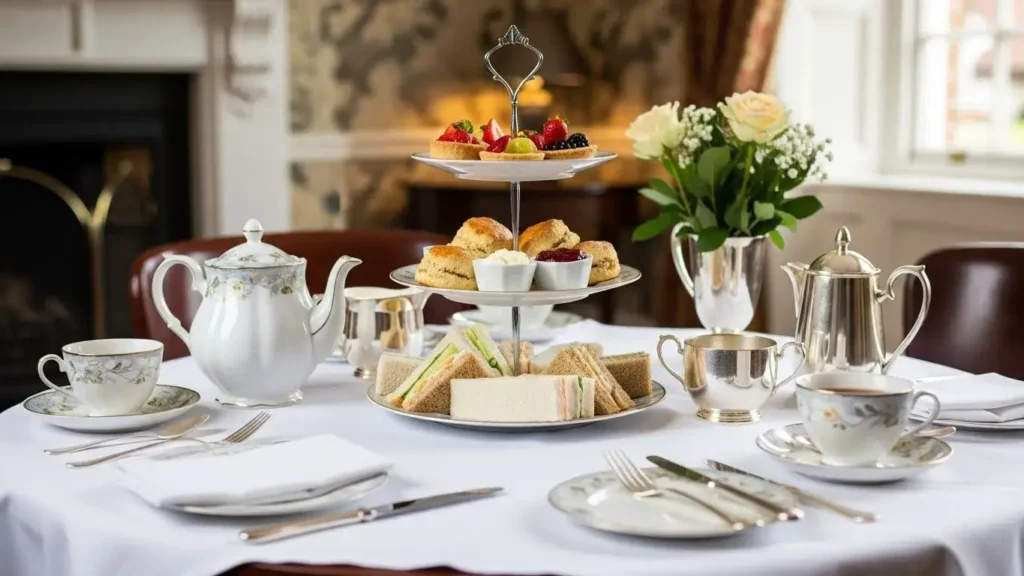
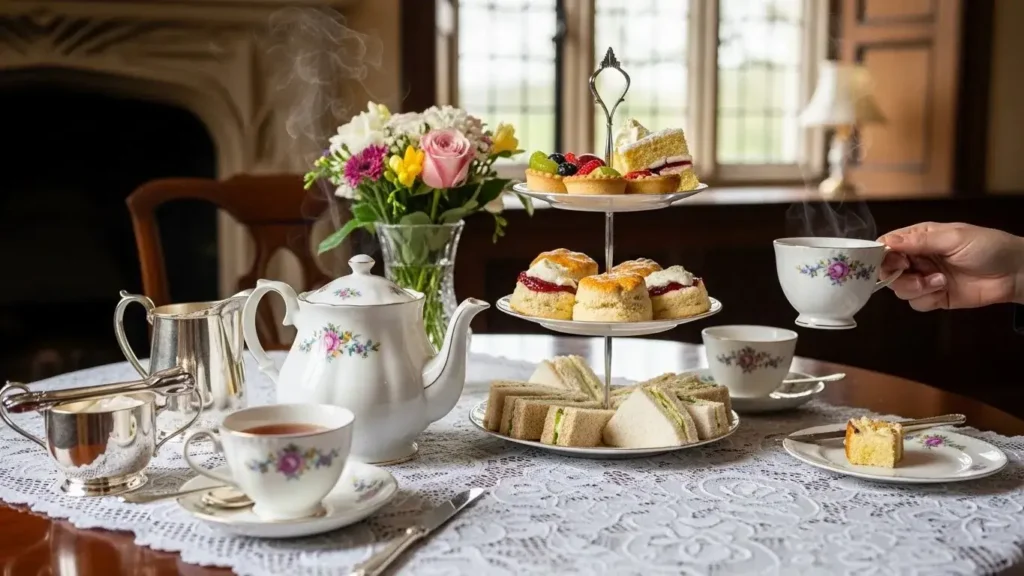
Presentation is a big part of the whole affair. It’s not just about the food and drink; it’s about the atmosphere. Traditionally, everything is served on a tiered stand. Sandwiches usually go on the bottom tier, scones in the middle, and the pastries and cakes on the top. Fine china teacups, a teapot, a milk jug, and a sugar bowl all add to the charm. Even a small vase with some fresh flowers can make a world of difference. It’s about creating a little moment of calm and beauty.
The entire setup is designed to be visually appealing and easy to manage, encouraging conversation and a relaxed pace. It’s a thoughtful arrangement that shows care and attention to detail.
Here’s a quick rundown of what you’d typically find:
Tea: Earl Grey, Assam, Darjeeling (black teas are traditional)
Sweet: Scones with clotted cream and jam, small cakes, pastries
Accompaniments: Milk, sugar, lemon slices
The Cultural Significance Of Tea Time
Tea time, particularly the afternoon variety, is more than just a chance to grab a bite; it’s a cornerstone of British social life. It’s a moment carved out of the day, a deliberate pause that allows people to connect and unwind. Think of it as a scheduled breath of fresh air in a busy world. The social significance of tea breaks in the UK really comes down to this shared experience. It’s a ritual that brings people together, whether it’s for a quick catch-up with a friend or a more formal family gathering.
A Moment For Connection And Relaxation
At its heart, tea time is about slowing down. It’s an opportunity to step away from the daily grind and enjoy some quiet time with others. This tradition has deep roots in the cultural importance of tea drinking across Britain. It’s a time for conversation, for sharing stories, and for simply being present with one another. This pause is especially important in modern life, where we’re often rushing from one thing to the next. The simple act of preparing and sharing tea can be incredibly grounding.
Celebrating Life’s Moments
Beyond the everyday, tea time also plays a role in marking special occasions. It’s a popular choice for celebrating birthdays, anniversaries, or even just a successful week. The cultural significance of tea in England is tied to its role as a gracious host. Offering tea is a gesture of hospitality and warmth. It transforms ordinary moments into something a bit more memorable and special. It’s a way to show you care, to mark an event with a touch of elegance and comfort.
Enduring Symbol In Popular Culture
Tea time has also cemented its place in British popular culture. From classic literature like Lewis Carroll’s Mad Hatter’s tea party to countless films and television shows, the image of tea being served is instantly recognizable. It’s a symbol of British identity, representing a certain charm and tradition. The social significance of tea in the UK is so ingrained that it appears everywhere, from everyday conversations to fictional narratives. It’s a visual shorthand for comfort, conversation, and a touch of class. The cultural importance of tea ceremonies might seem grand, but even the simple act of afternoon tea carries this weight.
The ritual of tea time, whether a quick cuppa or a full afternoon spread, provides a consistent thread of connection and calm. It’s a practice that bridges generations and social divides, offering a moment of shared humanity.
Here’s a look at how tea time fits into the week for many:
Weekdays: Often a quick break, perhaps a single cup mid-morning or afternoon.
Weekends: More leisurely affairs, often with friends or family, sometimes involving a full afternoon tea spread.
Special Occasions: Birthdays, anniversaries, baby showers, and even simple get-togethers are frequently marked with a dedicated tea time.
The social importance of tea breaks in Britain is undeniable, acting as both a personal respite and a communal ritual.
So, you want to know how to really do tea time like a Brit? It’s more than just dunking a biscuit, you know. It’s a whole vibe, a little pause in the day that’s become a national treasure. Whether you’re planning a trip or just want to bring a bit of that charm home, understanding where to find the best tea experiences is key.
The Great Inns of Britain: A Gateway to Tradition
For a truly authentic taste of British hospitality, you can’t go wrong with The Great Inns of Britain. These aren’t just places to sleep; they’re steeped in history, often centuries old, and they serve up some of the best traditional food and drink. Many of them offer a proper afternoon tea, giving you a chance to soak in the atmosphere and enjoy regional specialties. It’s a fantastic way to connect with the country’s heritage, often found in beautiful, picturesque settings.
Exploring Regional Cream Tea Variations
When you venture out for tea, especially in the West Country, you’ll run into the great cream tea debate. It’s a friendly rivalry, really, between places like Devon and Cornwall. The core components are usually the same: a warm scone, clotted cream, and jam. But the burning question? Which goes on first – the cream or the jam? While opinions are strong, and everyone has their favorite, experiencing these regional differences is part of the fun. It’s a simple pleasure, but one that’s deeply loved.
Iconic London Hotels For An Elegant Affair
If you’re looking for the full, fancy experience, London’s grand hotels are the place to be. Think places like The Ritz, Claridge’s, or The Savoy. These establishments have been perfecting the art of afternoon tea for ages. You’ll find impeccable service, delicate finger sandwiches, exquisite pastries, and of course, a wide selection of fine teas. It’s a bit of a splurge, sure, but it’s a classic way to experience british afternoon tea etiquette and enjoy a moment of pure indulgence. It’s definitely one of the popular British tea rituals that draws visitors from all over.
The best time for tea in Britain, traditionally, is between 3:30 PM and 5:00 PM. This timing allows for a pleasant break between lunch and dinner, fitting perfectly into the rhythm of the day for a relaxing interlude.
Here’s a quick look at what you might expect:
Tea Selection: Usually a choice of black teas like Earl Grey, Assam, or Darjeeling, though herbal options are often available.
Savory Bites: Delicate finger sandwiches with classic fillings such as cucumber, egg mayonnaise, and smoked salmon.
The Scone Course: Warm scones served with clotted cream and strawberry jam – the heart of the experience.
Sweet Treats: A selection of small cakes, pastries, and tarts to finish.
Remembering high tea etiquette and british tea break customs can add to the enjoyment, but honestly, the most important thing is to relax and savor the moment. It’s a wonderful part of the British tea etiquette guide and a chance to enjoy traditional British tea rituals.
Bringing The Charm Of Tea Time Home
Even if you can’t hop on a plane to Britain right now, you can totally recreate that special tea time feeling in your own place. It’s not as complicated as you might think, and honestly, it’s a really nice way to slow down for a bit.
Crafting Your Own Tea Time Menu
When you’re planning your own tea spread, think about a mix of savory and sweet. The classic approach is to have finger sandwiches, scones, and some little cakes or pastries. For sandwiches, keep them small and easy to eat. Cucumber and cream cheese is a good one, or maybe some smoked salmon. For the sweet side, scones are a must, of course! Serve them with jam and clotted cream if you can find it. And don’t forget a few small cakes or biscuits.
Here’s a simple menu idea:
Savory:
Cucumber and Cream Cheese Finger Sandwiches
Egg Salad Tea Sandwiches
Sweet:
Plain Scones with Jam and Butter
Mini Lemon Tarts
Shortbread Cookies
The Art Of Tea Preparation At Home
Choosing the right tea is pretty important. Earl Grey is a classic for a reason, with that lovely bergamot scent. But you could also try an English Breakfast blend or even a nice Darjeeling. The key is to use good quality loose-leaf tea if possible, as it really makes a difference in flavor. When you brew it, use freshly boiled water and let it steep for the recommended time – usually around 3-5 minutes for black tea. Have milk, sugar, and maybe a slice of lemon on the side so everyone can fix their cup just how they like it.
Creating The Ambiance
Setting the scene makes a big difference. You don’t need fancy china, but using your nicest plates and cups can make it feel more special. A little tablecloth, maybe some flowers from the garden if you have them, and a quiet playlist can really help. It’s all about creating a calm, pleasant space. Think about how you’ll serve everything too. A tiered stand looks really authentic, with sandwiches on the bottom, scones in the middle, and cakes on top. But even just arranging things nicely on a tray works perfectly well.
This whole ritual is really about taking a break. It’s a chance to step away from the everyday hustle and enjoy a quiet moment, either by yourself or with people you care about. It’s a simple pleasure, but a really lovely one.
More Than Just a Cuppa
So, while the world keeps spinning and life gets faster, that moment set aside for tea, a few treats, and good company remains a really special thing in Britain. It’s not just about the fancy sandwiches or the warm scones, though those are great. It’s about hitting the pause button, connecting with people, and enjoying a bit of calm. Whether you’re doing it at home with family or treating yourself at a nice spot, this tradition keeps a bit of that old-school charm alive. It’s a simple pleasure, really, but one that means a lot.
Afternoon tea became a thing around the 1840s. A Duchess named Anna Maria Russell felt hungry between lunch and dinner, which were served much later back then. She started having tea and snacks brought to her room, and soon invited friends to join her. It quickly became a popular social event for fancy folks.
What are the main foods served at afternoon tea?
The classic afternoon tea includes three main parts. First, there are small, crustless sandwiches with fillings like cucumber or salmon. Then come the scones, which are like small, slightly sweet breads, served warm with jam and clotted cream. Finally, there are sweet treats like cakes and pastries.
What kind of tea is usually served?
Black teas are the most traditional choice for afternoon tea. Popular options include Earl Grey, which has a bergamot flavor, Darjeeling, and Assam. Sometimes, people also enjoy green teas or fruit-flavored herbal teas.
What’s the difference between ‘afternoon tea’ and ‘high tea’?
Originally, ‘afternoon tea’ was a lighter, more elegant meal for the upper class, served in the afternoon. ‘High tea’ was a heartier meal, often the main meal of the day, for the working class, usually eaten later in the evening. Today, the terms can sometimes be used interchangeably, but they started out quite differently.
Why is afternoon tea considered special in British culture?
Afternoon tea is special because it’s more than just eating. It’s a time to slow down, relax, and connect with others. It’s a way to celebrate special moments, show hospitality, and enjoy a bit of tradition and elegance in a busy world.
Can I have afternoon tea at home?
Absolutely! You can easily bring the charm of afternoon tea into your own home. Just prepare some small sandwiches, bake or buy scones and pastries, choose a nice tea, and set a pretty table with your best dishes. Inviting friends or family makes it even more special.
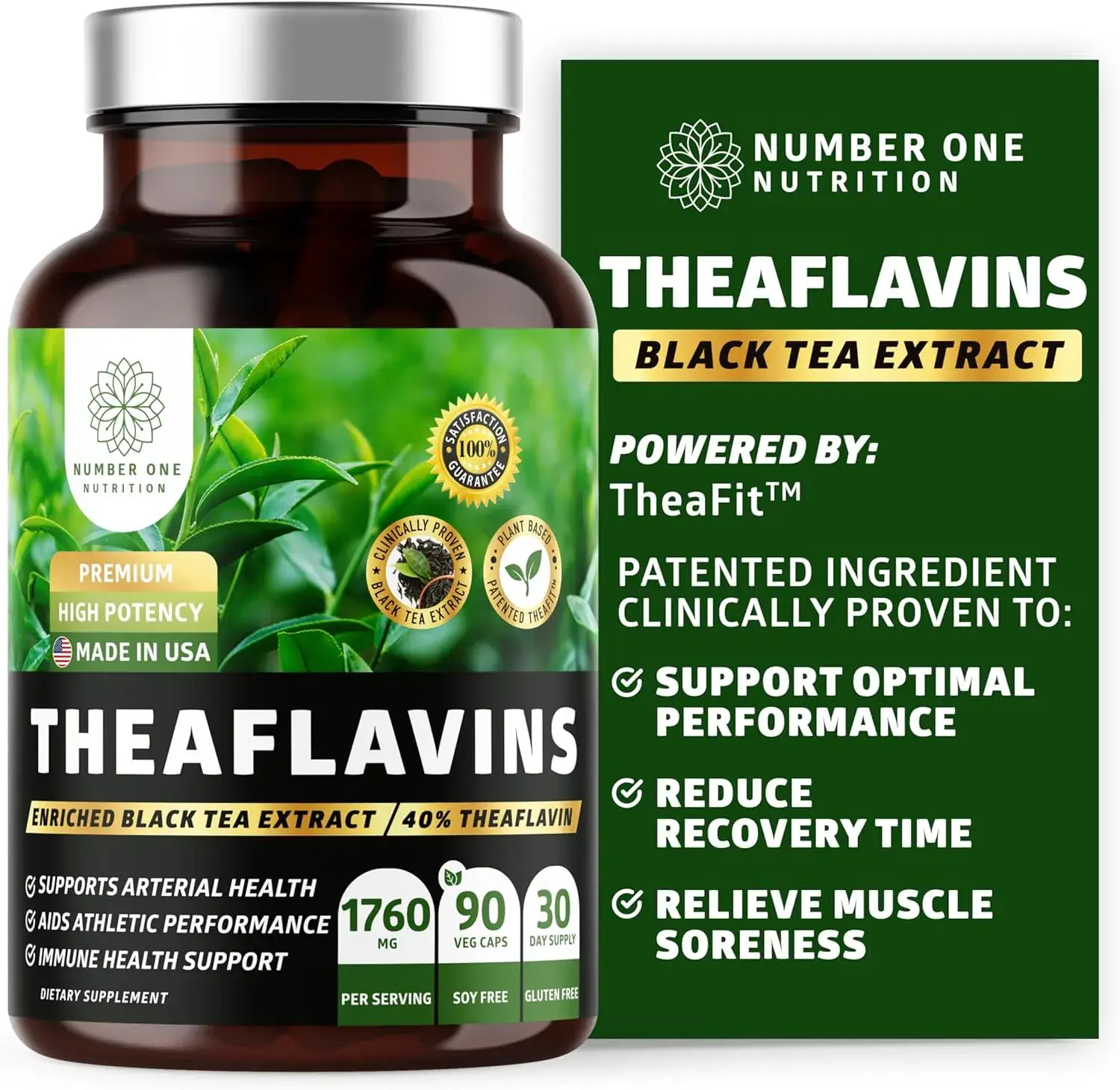
Black Tea Extract that is rich in natural theaflavins and polyphenols that help protect your body from free radicals, promoting overall immune health and well-being
Contains blended amounts of Fruits and Veggies. All natural, with whole foods, fruit and vegetable supplement.Perfect for everyone looking to live a healthier lifestyle.