Most people know about green, black, and oolong teas. But did you know there are other types out there, like white and yellow tea? They’re less common, and honestly, I didn’t know much about them either until recently. I decided to look into what makes yellow tea vs white tea different, and it turns out there’s quite a bit to learn about their origins, how they’re made, and what they taste like. Let’s break down these two interesting teas.
Key Takeaways
White tea is minimally processed, mainly involving withering and drying, which preserves its delicate nature.
Yellow tea has a unique ‘mēn huáng’ step, a gentle heating and wrapping process that gives it a mellow taste and yellowish hue, setting it apart from green tea.
Yellow tea is significantly rarer than white tea, with fewer varieties and limited production primarily in China.
Both teas are best brewed at lower temperatures (around 70-80°C) to avoid bitterness, though steeping times can vary.
White tea often has lighter, more subtle flavors, while yellow tea is known for its smooth, mellow, and slightly sweet taste profile.
Origins and Rarity of Yellow and White Tea
Regional Production Differences
White and yellow teas, while both delicate, hail from distinct regions and have unique production stories. White tea primarily originates from the Fujian Province in China. It’s now also grown in places like India and Sri Lanka, often mimicking the high-quality styles like Bai Hao Yin Zhen. Yellow tea, on the other hand, is much rarer and almost exclusively found in China, with specific provinces like Hunan, Anhui, and Sichuan being its main homes. This geographical concentration plays a big role in how available these teas are.
Historical Background
Both teas have deep roots in Chinese tea history, but their paths diverged. White tea is considered the least processed, with its origins tied to simple methods of withering and drying. Yellow tea, while sharing some similarities with green tea processing, has a unique historical step that sets it apart. This special process, known as mēn huáng or “sealed yellowing,” is what gives yellow tea its distinctive character and contributes to its rarity. Understanding yellow tea production reveals a fascinating historical technique.
How Rarity Influences Market Availability
The rarity of yellow tea significantly impacts its market presence. Because it’s primarily produced in limited quantities within China and requires a labor-intensive, unique processing step, it’s much harder to find compared to white tea. While white tea, especially varieties like Shou Mei, is more accessible and accounts for a larger portion of production, true yellow tea is often a special find for tea enthusiasts.
This scarcity means yellow tea can be more expensive and harder to source, making it a bit of a treasure hunt for those looking to explore its mellow flavors. White tea, while some varieties are prized and costly, has more widely available options, offering a gentler introduction to the world of less processed teas. You can find more about white tea varieties if you’re curious.
Processing Methods: Comparing Yellow Tea vs White Tea
When we’re talking about tea, the way it’s made really changes everything, doesn’t it? It’s not just about where the leaves come from, but what happens to them afterward. Comparing tea types like yellow and white tea shows this really clearly. They start from the same plant, but their journeys to your cup are quite different, leading to those delicate tea flavors we enjoy.
Withering and Drying in White Tea
White tea processing is pretty straightforward, focusing on minimal intervention. The main steps are withering and drying. Withering is basically letting the leaves lose some moisture, either out in the sun or in a controlled, airy room. For white tea, this happens for a longer time than most other teas – sometimes for days! This slow process helps develop its subtle character. After withering, the leaves are dried to get rid of most of the remaining moisture, usually down to about 3%. Then, they’re sorted, and that’s pretty much it. This minimal processing is key to white tea’s delicate nature.
The Unique Men Huang Step in Yellow Tea
Yellow tea, on the other hand, takes a detour that white tea doesn’t. While it also involves withering and drying, it has an extra step called mēn huáng, which translates to ‘sealed yellowing’. Think of it like this: after the initial processing, the leaves are wrapped in damp cloths and piled up. This creates a warm, humid environment where the leaves slowly change color and develop a slightly different character. This step is what gives yellow tea its name and its distinct mellow taste. It’s a bit like a gentle fermentation, but controlled.
Oxidation and Enzymatic Changes
Here’s where the real difference lies in comparing white tea and yellow tea. White tea undergoes very little oxidation. The long withering and quick drying process halts most enzymatic activity, preserving the leaf’s natural state. This is why white tea often has such a light, fresh taste. Yellow tea, with its mēn huáng step, experiences a controlled, mild oxidation. This process breaks down some of the chlorophyll and other compounds in the leaf, mellowing out the grassy notes you might find in green tea and contributing to its smoother profile. It’s a subtle but significant change that impacts both flavor and appearance.
When you’re sipping on tea, the taste and smell are a huge part of the experience, right? It’s fascinating how just a few tweaks in how the leaves are handled can lead to such different results. Both yellow and white teas come from the same plant, Camellia sinensis, but their unique processing gives them distinct personalities in the cup.
Delicate Notes in White Tea
White tea is known for being super subtle. Think of it as the quietest voice in the tea family. It usually has a very light, clean taste, often with hints of floral notes or a gentle sweetness. The aroma is typically soft and fresh, not overpowering at all. It’s the kind of tea that makes you pause and really pay attention to what you’re tasting. Because it’s processed so minimally, it really lets the natural character of the tea leaf shine through. It’s a delicate and fragrant tea hailing from China.
Mellow and Smooth Taste of Yellow Tea
Yellow tea, on the other hand, is often described as mellow and smooth. It’s like a gentle hug for your taste buds. While it shares some of the delicate qualities of white tea, it often has a bit more body and a rounder flavor. You might pick up on notes that are a little richer, perhaps a touch nutty or even slightly toasty, but still without any harshness. The aroma tends to be a bit more present than white tea, but still very pleasant and inviting. It is golden in color and has a mild and mellow taste.
How Processing Affects Flavor
The big difference maker here is that unique step in yellow tea production called ‘Men Huang,’ or the smothering process. This is where the leaves are wrapped and left to sit for a bit, allowing for a slow, gentle oxidation. This process is what gives yellow tea its signature mellow character and slightly different flavor profile compared to white tea, which skips this step entirely. The minimal processing of white tea, mainly withering and drying, preserves its natural, delicate flavors. The distinctions between various types of tea stem from the processing of fresh leaves, including wilting, heating, rolling, oxidation, fermentation, and aging. These methods, rather than added flavors, define the unique characteristics of each tea.
Here’s a quick look at what you might expect:
White Tea: Very light, sweet, floral, sometimes with a hint of apricot. Aroma is delicate and fresh.
Yellow Tea: Mildly sweet, smooth, sometimes nutty or toasty notes. Aroma is soft and inviting.
The way tea leaves are treated after picking is the main reason for the vast differences in taste and smell we experience. It’s not magic, it’s just careful handling of the plant’s natural chemistry. Understanding these subtle changes helps you appreciate each cup even more.
Types and Varieties of Yellow Tea vs White Tea
Popular White Tea Varieties
White tea, known for its minimal processing, offers a delicate range of varieties, mostly originating from Fujian Province in China. While often perceived as pricey, some types are quite accessible. Shou Mei is a popular choice, making up a significant portion of white tea production. It’s known for its larger leaves and stems, and a pleasant fruity, honeyed flavor.
For those seeking the highest quality, Bai Hao Yin Zhen, or White Hair Silver Needle, is the pinnacle, consisting solely of the tea plant’s buds. Bai Mu Dan sits in the middle, a good value option featuring both buds and leaves. White tea isn’t exclusive to China anymore; you can find similar styles like Darjeeling Silver Tips from India and Sri Lanka Silver Tips, prized for their light yet complex taste. Understanding these varieties helps in choosing between yellow and white tea.
Notable Yellow Tea Types
Yellow tea is considerably rarer than white tea, with most varieties hailing exclusively from China. The most famous is Jun Shan Yin Zhen, also called Junshan Silver Needle, from Hunan Province. It’s often cited as one of China’s most famous teas. Another significant category is Huang Ya tea, which includes sub-types like Huoshan Huang Ya (Anhui Province), Meng Ding Huang Ya (Sichuan Province), and Mo Gan Huang Ya (Zhejiang Province). These are celebrated for their smooth, sweet profiles, a noticeable departure from the sometimes astringent taste of green tea. It’s worth noting that sometimes teas are labeled as yellow tea, but due to the complex ‘mēn huáng’ process, they might actually be green teas.
Comparative Availability of Each
When it comes to finding these teas, yellow tea is generally much harder to come by than white tea. Its rarity means you might have a tougher time locating it, especially outside of China. White tea, while still a specialty item, has a broader market presence. You’re more likely to find a decent selection of white teas, from the more affordable Shou Mei to the premium Bai Hao Yin Zhen, in tea shops or online.
For beginners looking to explore, starting with a white tea like Shou Mei or Bai Mu Dan might be more straightforward than hunting down a specific yellow tea. The taste difference yellow white tea can be subtle, but the availability is a more significant factor for many.
The journey to understanding tea varieties is fascinating. While white tea offers a spectrum of delicate flavors and is relatively accessible, yellow tea presents a more elusive experience. Its unique processing gives it a distinct character, but its scarcity means it’s often a treasure to discover. When considering which is better, yellow or white tea, it often comes down to personal preference and what you can find.
Brewing Techniques: Getting the Best Cup
Getting the most out of yellow tea and white tea can feel like a bit of a project. Brewing either style really brings out what makes them special, but they’re not brewed quite the same way. If you miss the details, it’s easy to get a cup that’s too bitter or too weak. If you’re new to both, here’s what actually works.
Ideal Water Temperatures
White tea is best prepared with water heated between 70°C and 80°C (158°F–176°F). Too much heat ruins those mild flavors.
Yellow tea can handle water a bit hotter, about 75°C to 85°C (167°F–185°F).
Tea Type
Ideal Water Temp
White
70–80°C (158–176°F)
Yellow
75–85°C (167–185°F)
Steeping Times and Methods
For white tea, steep 2 to 5 minutes. If you like it lighter, start at 2 minutes. Longer steeps will pull out more body.
Yellow tea likes a short, controlled steep—around 2 to 3 minutes, or it gets noticeably bitter.
Loose leaves need space. Opt for a basket infuser or just steep directly and strain. Bags work if you’re in a hurry, but they’re not ideal for either tea.
Multiple Infusions and Flavor Changes
Both yellow and white teas are great for multiple infusions:
For white tea, each steep can taste almost like a brand new tea—sometimes grassier, sometimes sweeter.
Yellow tea holds onto its mellow character for two or three infusions before fading.
Try to add about 30 seconds each time after the first steep. This keeps the flavor balanced and stops it from going flat or harsh.
With these teas, brewing is a way to explore subtle taste changes. If you rush through it, you’ll miss what makes them special—so be patient and try different timings.
In short, the right temperature and timing aren’t just suggestions; they’re the difference between a forgettable mug and a really good cup.
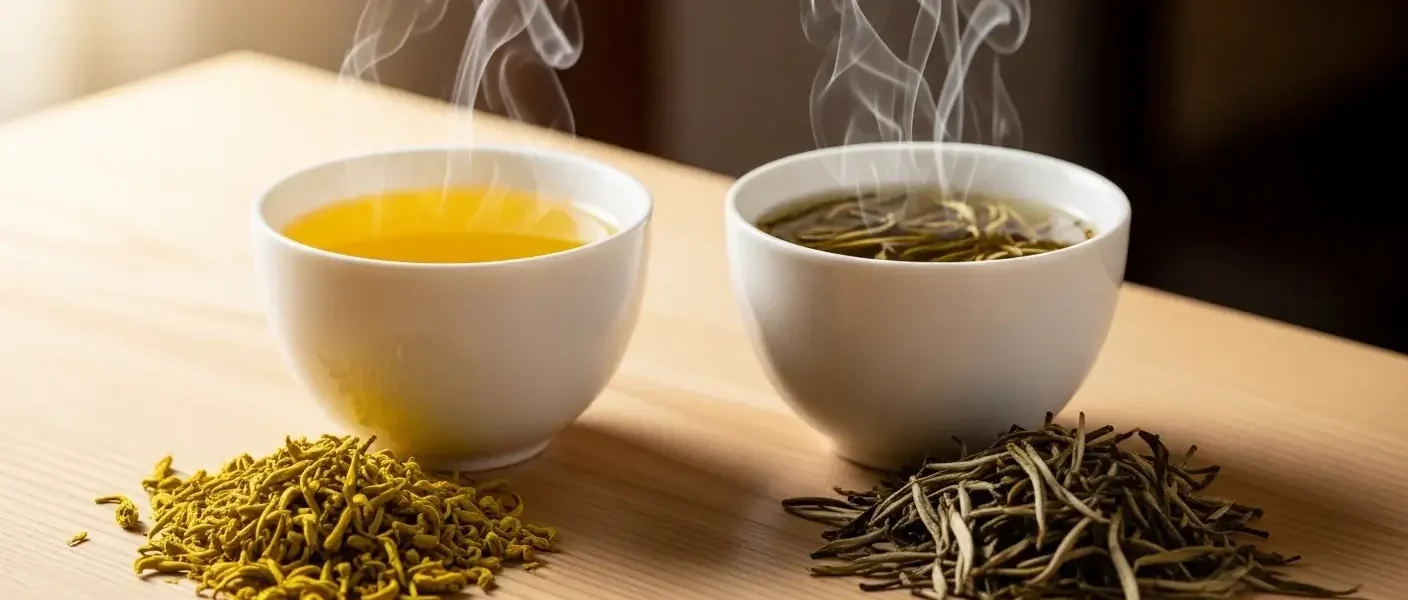
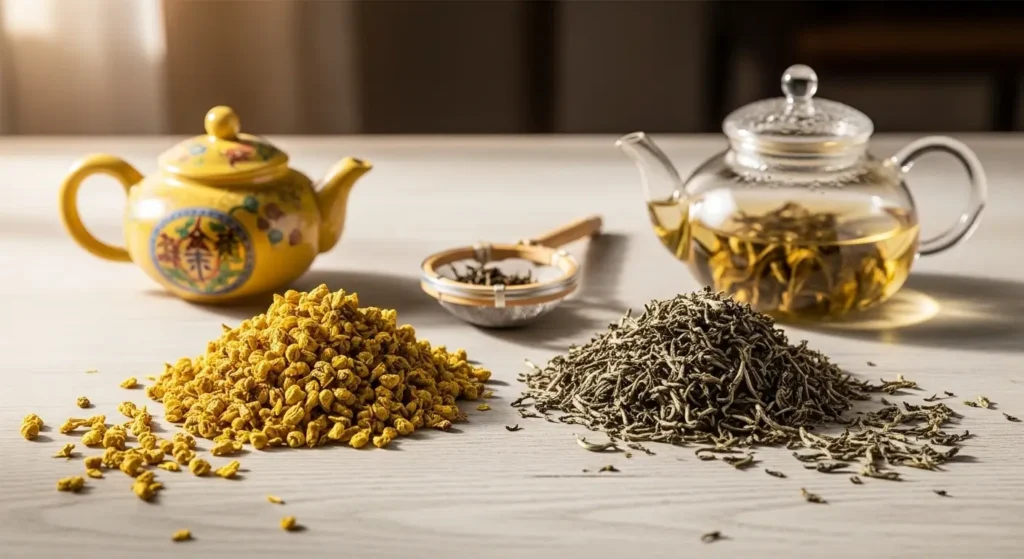
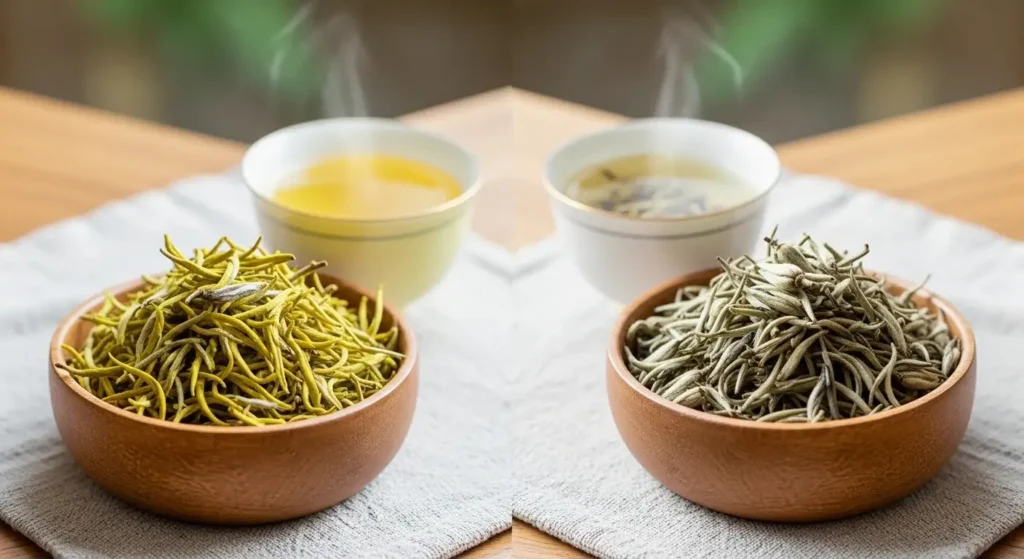
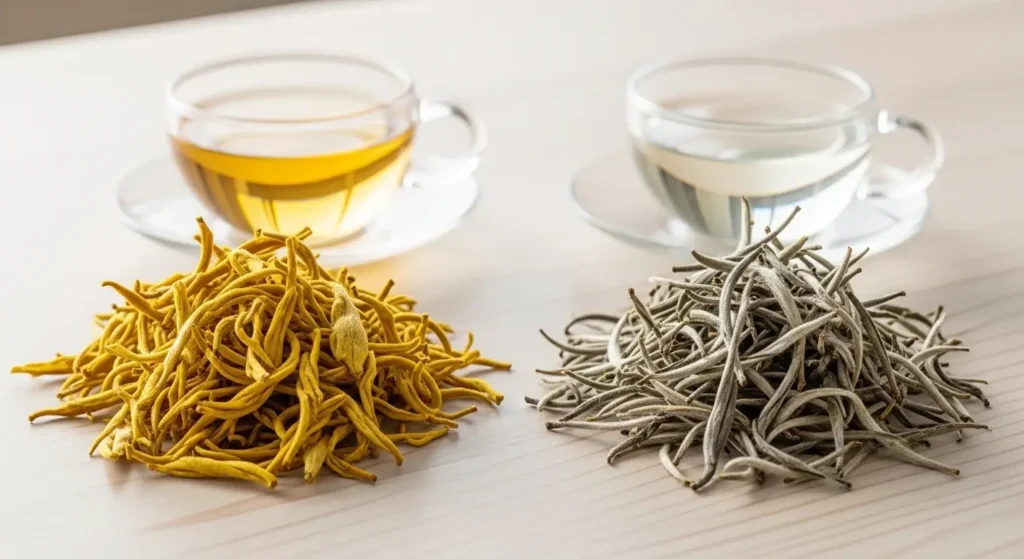
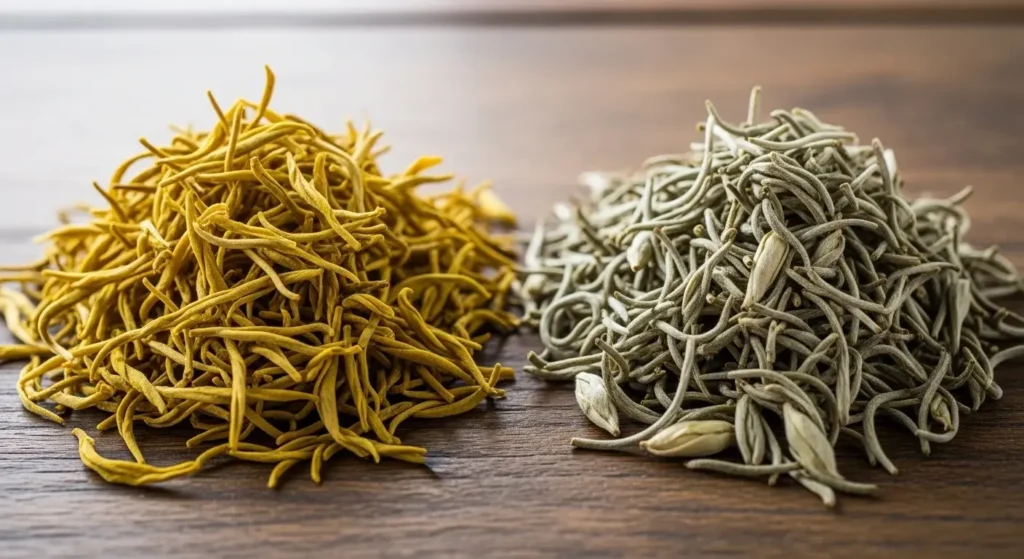
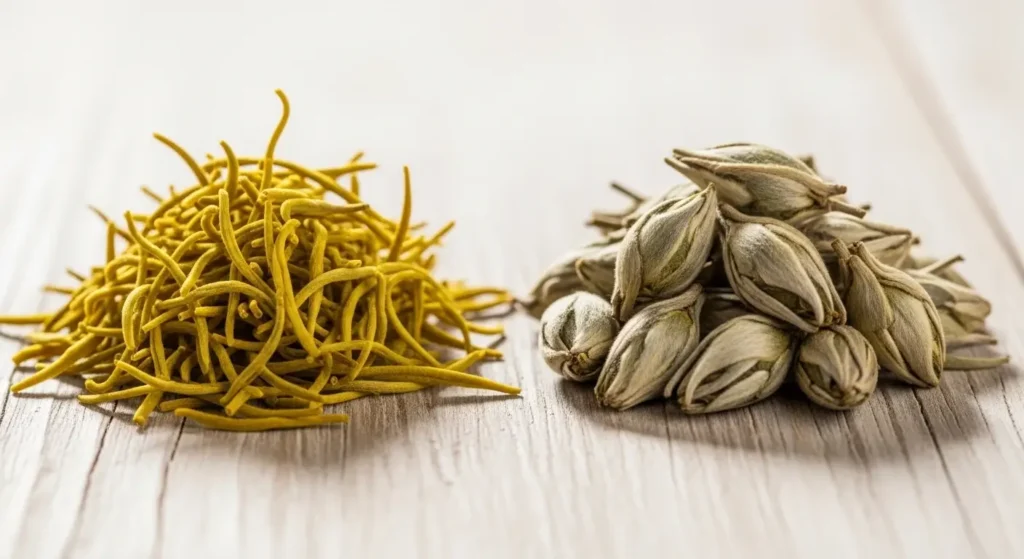
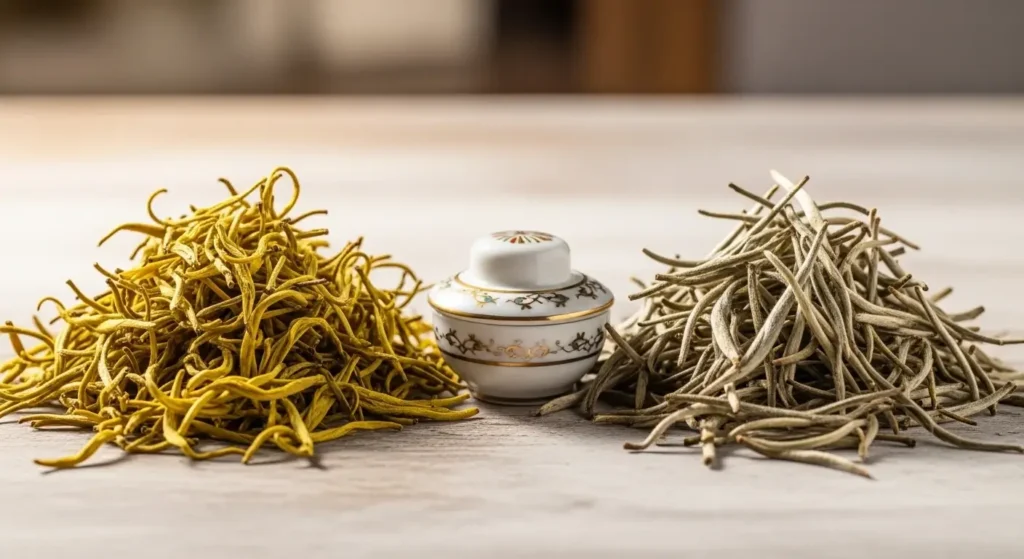
When you look at yellow and white teas side-by-side, you’ll notice some pretty distinct differences in how the leaves themselves appear. White tea, especially varieties like Silver Needle, often features delicate, downy buds that are covered in fine, silvery hairs. These buds are usually whole and intact, giving the tea a very pristine and natural look. The texture can feel almost fuzzy to the touch. On the other hand, yellow tea leaves might be more varied.
While some can be quite delicate, they often undergo a unique ‘men huan’ process, which involves a gentle wrapping and steaming step. This can sometimes lead to leaves that are a bit more compressed or slightly altered in shape compared to the untouched buds of white tea. You might find whole leaves, but they can sometimes appear a bit more robust or less uniformly shaped than the pure buds found in high-grade white teas.
Visual Differences in Brewed Tea
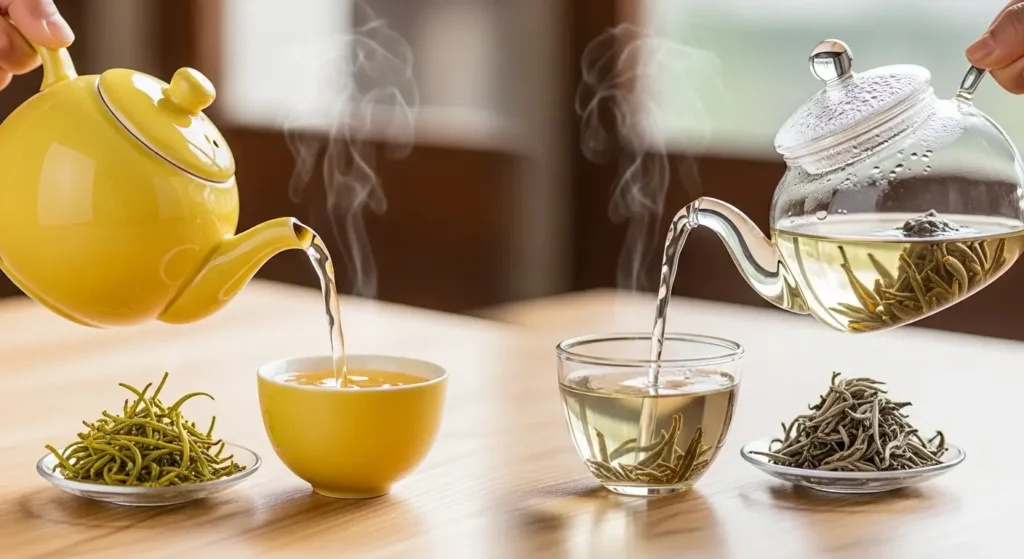
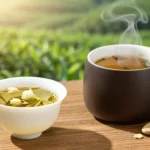
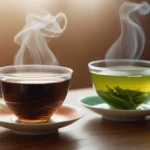
The color of the brewed liquor is where things get really interesting and often quite beautiful. White tea typically brews into a very pale, almost translucent liquid. Think of a light straw, pale gold, or a very faint peachy hue. It’s incredibly delicate and clear, reflecting the minimal processing the leaves have undergone.
Yellow tea, however, usually presents a slightly deeper color. It often brews into a warm, golden yellow, sometimes leaning towards a light amber or a soft, mellow orange. This richer color is a direct result of the ‘men huan’ process, where a slight oxidation occurs, giving the liquor a more pronounced hue than the ethereal pale shades of white tea. The subtle color difference is a key visual cue to distinguish between these two tea types.
What Color Reveals About Processing
The color of both the dry leaf and the brewed tea tells a story about how it was made. White tea’s pale appearance is a testament to its minimal processing – primarily just withering and drying. There’s very little oxidation happening, so the leaves retain much of their natural color and character, resulting in that light, clear brew. The silvery down on buds, for instance, remains visible. Yellow tea’s golden or amber liquor, however, signals that extra step: the ‘men huan’ or smothering process.
This controlled, gentle oxidation, even if slight, changes the chemical compounds within the leaf, leading to a warmer color in the cup. It’s a deliberate step that differentiates it from the more passive changes in white tea. So, that richer yellow hue isn’t just pretty; it’s a direct indicator of that unique yellow tea production method.
Health Benefits and Caffeine Content
When it comes to health benefits and caffeine, both yellow and white teas are generally considered gentle options, especially when compared to more heavily processed teas. They both come from the Camellia sinensis plant, which means they share some common beneficial compounds.
Antioxidant Levels in Both Teas
Both yellow and white teas are packed with antioxidants, primarily catechins and polyphenols. These compounds are known for helping your body fight off damage from free radicals. Because white tea undergoes minimal processing, some believe it retains a slightly higher concentration of these beneficial compounds. Yellow tea, with its unique ‘men huang’ step, also preserves a good amount of antioxidants, though the exact levels can vary based on specific processing.
Caffeine Differences
Caffeine content can be a significant factor for many tea drinkers. Generally, white tea tends to have a lower caffeine level than yellow tea. This is largely due to the young buds and leaves often used in white tea production, which typically contain less caffeine. Yellow tea, depending on the specific leaves used and processing, might have a bit more. However, it’s important to remember that caffeine levels can fluctuate quite a bit.
Here’s a general idea:
Tea Type
Approximate Caffeine (mg per 240ml)
White Tea
15-30
Yellow Tea
20-45
Black Tea
40-70
For comparison, a standard cup of black tea can have 40–70 mg of caffeine, while green tea typically falls between 20–45 mg. So, both white and yellow teas are good choices if you’re looking for a milder caffeine experience.
Health Considerations Unique to Each
While both teas are celebrated for their antioxidant properties, the subtle differences in processing might lead to slightly different effects. White tea’s minimal processing means it’s often lauded for its purity and gentle nature. Yellow tea’s ‘men huang’ process, while unique, is carefully controlled to avoid over-oxidation, aiming to mellow the flavor without destroying beneficial compounds.
It’s always a good idea to consult with a healthcare professional if you have specific health concerns or are considering using tea for medicinal purposes. While teas offer many potential benefits, they are not a substitute for professional medical advice or treatment.
Wrapping It Up: White vs. Yellow Tea
So, there you have it. While both white and yellow teas are less common than your everyday green or black teas, they each bring something unique to the table. White tea, with its minimal processing, offers a delicate and often subtle flavor, making it a gentle introduction for those new to the world of tea. Yellow tea, on the other hand, goes through that special ‘sealed yellowing’ step, giving it a smoother, mellow taste that’s quite distinct. Both are worth exploring if you’re looking to branch out from the usual suspects. Finding them might take a little more effort, but the reward of discovering these less-traveled tea paths is definitely there.
Yellow tea goes through an extra step called ‘mēn huáng,’ where the leaves are wrapped and piled up. This makes them turn yellow and gives them a smoother taste. White tea is only withered and dried, with no extra steps like this.
Is yellow tea hard to find?
Yes, yellow tea is quite rare, even rarer than white tea. It’s mostly found in China, and only a few types are common. This rarity can make it difficult to find and sometimes more expensive.
How are white and yellow teas brewed?
Both white and yellow teas are delicate and need cooler water, usually around 70-80 degrees Celsius. White tea is often steeped for 1-2 minutes, while yellow tea can be steeped for a shorter time, like 30 seconds to 2 minutes, to avoid bitterness.
What do white and yellow teas taste like?
White tea usually has a very light, delicate, and sometimes fruity or honey-like flavor. Yellow tea is known for being mellow, smooth, and slightly sweet, with less of the grassy taste you might find in green tea.
Are white and yellow teas healthy?
Both teas are considered healthy because they contain antioxidants. White tea is thought to have very high levels of antioxidants due to its minimal processing. Yellow tea also offers health benefits, similar to green tea, but with a milder profile.
What do the leaves of white and yellow tea look like?
White tea often uses young buds covered in fine white hairs, like in Silver Needle tea, giving it a delicate appearance. Yellow tea leaves can have a yellowish hue due to the processing, and their shape can vary depending on the specific type.
Black Tea Extract that is rich in natural theaflavins and polyphenols that help protect your body from free radicals, promoting overall immune health and well-being
Contains blended amounts of Fruits and Veggies. All natural, with whole foods, fruit and vegetable supplement.Perfect for everyone looking to live a healthier lifestyle.