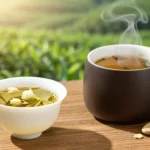
So, you’re curious about the Starbucks Hojicha Tea Latte and how it fits into your day, calorie-wise. It’s a bit of a unique drink, right? With that roasted green tea flavor, it’s definitely not your average latte. We’re going to break down what goes into it and give you a clearer picture of the Starbucks hojicha tea latte calories.
Key Takeaways
A standard Starbucks Hojicha Tea Latte has about 83 calories per 100ml.
The calorie count can change based on the type of milk and any added sweeteners or toppings.
So, you’re curious about the Starbucks Hojicha Tea Latte calorie count? It’s a pretty popular drink, especially if you’re looking for something a little different from the usual coffee options. This Starbucks roasted green tea latte offers a unique flavor profile, but understanding its nutritional impact is key for making informed choices. Let’s break down what goes into this drink and how it stacks up.
Calorie Breakdown of Starbucks Hojicha Tea Latte
When you’re looking at the Starbucks menu hojicha tea, it’s helpful to know where the calories come from. A standard Hojicha Tea Latte, typically made with milk and sweetener, has a certain number of calories per serving. For instance, per 100ml, you’re looking at around 83 kcal. This gives you a baseline for understanding the energy content.
Key Nutritional Components
The hojicha latte Starbucks ingredients contribute to its overall nutritional makeup. The main components are usually milk, hojicha powder, and a sweetener. The milk provides fat and protein, while the sweetener adds carbohydrates, primarily in the form of sugar. The hojicha powder itself has a small nutritional contribution but is the source of that distinctive roasted green tea flavor.
Daily Value Percentage
Understanding the daily value percentage helps put the calorie count into perspective. For example, a serving might contribute about 4% to your daily recommended intake of calories. This is a good reminder that even seemingly simple drinks can add up, especially if you’re tracking your intake closely. It’s always good to be aware of the Starbucks drink calorie count for your favorites.
The exact calorie count can fluctuate based on the size of the drink and any customizations you make. It’s not just about the base recipe; how you order it matters.
Here’s a quick look at the general breakdown per 100ml:
Nutrient
Amount
Percentage of Daily Value*
Calories
83 kcal
4%
Fat
3.7g
N/A
Carbohydrates
9.2g
N/A
Sugar
9.1g
N/A
Protein
3.2g
N/A
*Based on a 2000 calorie diet. These are approximate values and can vary.
If you’re interested in how to order a low calorie hojicha latte Starbucks, or want to know more about how to make Starbucks hojicha latte healthier, keep reading. We’ll explore the impact of milk choices and sweeteners, and how to customize your drink to fit your needs. For comparison, other lattes like the Iced Pistachio Oatmilk Pure Matcha Latte have different nutritional profiles, which we’ll touch on later.
Starbucks Hojicha Tea Latte Nutritional Profile
Energy Content Per Serving
When you’re looking at the Starbucks hojicha nutrition facts, it’s good to know what you’re getting in terms of energy. A standard serving of the Hojicha Tea Latte provides a moderate amount of calories. It’s not the lowest calorie option on the menu, but it’s also not the highest. For a typical 100ml serving, you’re looking at around 83 calories. This makes it a decent choice if you’re trying to keep track of your intake, especially when compared to some of the more decadent coffee-based drinks.
Macronutrient Distribution
The Starbucks hojicha latte breakdown shows a balance across the main macronutrients. Roughly, the calories come from about 45% carbohydrates, 40% fat, and 15% protein. This distribution means you get a mix of energy sources from the drink. It’s worth noting that the fat content contributes significantly to the calorie count, which is common in milk-based beverages.
Sugar and Fat Content
Let’s talk specifics. In a 100ml serving, you’ll find approximately 9.2g of carbohydrates, with about 9.1g of that being sugar. The fat content is around 3.7g per 100ml, and of that, about 2.2g is saturated fat. These numbers are important for understanding the Starbucks hojicha latte nutrition. While it’s not loaded with sugar like some other drinks, it does contain a fair amount, primarily from the milk and any added sweeteners. Considering these figures helps in making informed choices, especially if you’re looking for healthier Starbucks tea options.
When you’re looking at Starbucks drinks, it’s easy to get lost in all the options. The Starbucks iced hojicha latte is a bit different from your typical latte, and knowing how it stacks up can help you make choices. It’s not as common in the US as some other drinks, but it offers a unique flavor profile.
Hojicha Tea Latte vs. Other Lattes
Compared to many other lattes at Starbucks, the Hojicha Tea Latte can be a lighter choice, especially if you’re mindful of customizations. For instance, a standard Vanilla Latte or Caramel Macchiato often packs more sugar and calories due to the syrups used. The Hojicha latte’s flavor comes from the roasted tea itself, which has a naturally nutty and slightly sweet taste, meaning it might not need as much added sweetener.
Here’s a rough comparison, keeping in mind that exact numbers vary with size and modifications:
Drink Type
Typical Calories (Grande)
Key Differences
Hojicha Tea Latte
~200-250 kcal
Roasted green tea, less sweet by default
Vanilla Latte
~250-300 kcal
Vanilla syrup, often more sugar
Caramel Macchiato
~280-330 kcal
Caramel drizzle, vanilla syrup, more sugar/fat
Matcha Latte
~220-270 kcal
Matcha powder, can be sweeter, vegetal notes
Hojicha Variations and Their Calories
Starbucks doesn’t offer a Hojicha Tea Latte in all regions, and when it is available, it might come in different forms. For example, a Hojicha Tea Crème Frappuccino would be significantly higher in calories due to the blended ice, cream base, and sweeteners. Even within the latte itself, choices matter. Using whole milk versus non-fat milk, or adding extra pumps of syrup, will change the calorie count.
Impact of Ingredients on Calorie Count
It’s the little things that add up. The base of the Starbucks iced hojicha latte is tea and milk. The type of milk you choose makes a big difference – whole milk has more fat and calories than almond or oat milk. Then there’s the sweetener. While the hojicha itself has a pleasant flavor, many people opt for added sugar or syrups. If you’re looking for healthy Starbucks latte options, being aware of these additions is key. Asking for fewer pumps of syrup or opting for sugar-free alternatives can make a significant impact.
When considering how to order healthy Starbucks drinks, remember that the base ingredients are often less of a concern than the additions. Syrups, whipped cream, and even certain milk alternatives can quickly increase the calorie, sugar, and fat content of your beverage. Focusing on the core components and making simple swaps can lead to a much healthier choice.
Making informed decisions about your drink is part of enjoying it guilt-free. The hojicha latte, with its unique roasted flavor, can be a great option if you’re looking for something a little different and potentially lower in calories than some of the more traditional, syrupy drinks.
Factors Influencing Hojicha Tea Latte Calories
So, you’re curious about what makes the calorie count of a Starbucks Hojicha Tea Latte tick up or down? It’s not just one thing, really. Several elements play a role, and knowing them can help you make smarter choices.
Serving Size and Calorie Estimates
First off, the size of your drink matters. A Grande will naturally have more calories than a Tall. Starbucks typically lists nutritional information for a standard size, but remember that “standard” can still vary a bit. For reference, a 100ml serving of the Hojicha Tea Latte is around 83 calories. This gives you a baseline, but your actual drink will be larger.
Milk Choice and Sweetener Impact
This is where things get interesting. The type of milk you choose can significantly alter the calorie count. Whole milk adds more fat and calories than skim milk or non-dairy alternatives like almond milk. If you’re looking to reduce calories, opting for a lower-fat milk is a good start. Similarly, sweeteners add up quickly. While the Hojicha itself has a pleasant, slightly sweet roasted flavor, many people add extra sugar or syrups. Brown sugar syrup, for instance, contributes calories and sugar. If you’re trying to cut back, consider asking for fewer pumps of syrup or skipping it altogether.
Customization Effects on Nutrition
Starbucks lets you customize your drinks, which is great for taste but can also change the nutritional profile. Adding whipped cream, for example, is a surefire way to boost the calorie and fat content. Even small changes, like adding an extra shot of espresso or a different flavor syrup, will impact the final numbers.
If you’re aiming for a lighter version, think about what you’re adding and if it’s truly necessary for your enjoyment of the drink. Asking for “less sweet” or “no whip” are simple ways to adjust. For those wondering about how to make a hojicha latte at home less calories, controlling the milk and sweetener is key. And if you’re trying to order a lighter hojicha latte at the cafe, remember these customization options.
Making informed choices about your drink’s components is the best way to manage its calorie and nutritional impact. Don’t be afraid to ask questions or request modifications to suit your preferences and dietary goals.
So, what exactly is Hojicha, and why does it taste the way it does? It’s not your typical green tea, that’s for sure. The name itself, “Hojicha,” literally means “to roast” in Japanese. This roasting process is what gives the tea its distinctive character.
What is Hojicha?
Hojicha is a Japanese green tea that starts its life like many others, but then takes a different path. Instead of the usual steaming and drying, the tea leaves and sometimes even the stems are roasted over charcoal. This isn’t just a quick toast; it’s a deliberate process that transforms the tea’s color, aroma, and flavor. You can find it in a few forms: loose leaves, tea bags, or a finely ground powder, much like matcha.
Taste Characteristics of Roasted Green Tea
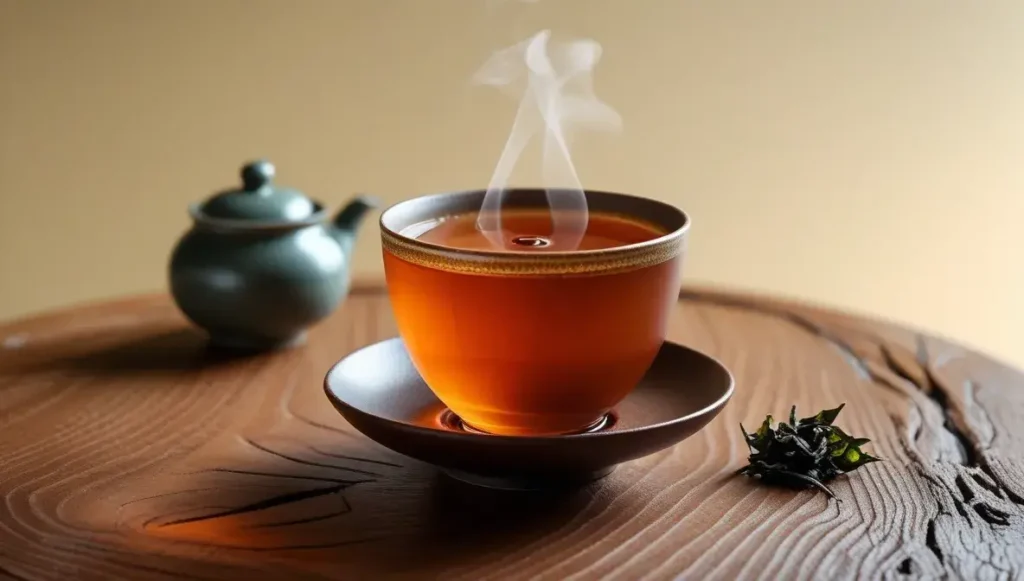
This roasting really changes things up. Forget that grassy, sometimes bitter taste you might associate with green tea. Hojicha has a warm, nutty, and slightly smoky flavor. Some people say it reminds them of toasted almonds or even a hint of dark chocolate, but without any bitterness. It’s a really comforting taste, especially when mixed with milk to make a latte. It’s smooth and mellow, making it a great alternative if you find regular green tea a bit too intense.
Here’s a quick rundown of what makes Hojicha stand out:
Color: It’s a warm, reddish-brown, not the vibrant green of matcha.
Aroma: Toasted, nutty, and inviting.
Flavor: Smooth, mellow, with notes of caramel and roasted nuts.
Bitterness: Significantly less bitter than many other green teas due to the roasting process.
The roasting process is key here. It breaks down some of the compounds that can make tea taste bitter or astringent, resulting in a much gentler beverage. It’s this transformation that gives Hojicha its unique appeal.
Caffeine Content Comparison
If you’re looking for a less caffeinated option compared to coffee or even matcha, Hojicha is a solid choice. The roasting process seems to reduce the caffeine content. While it still has some caffeine, it’s generally lower than what you’d find in a cup of coffee or a matcha latte. This makes it a good pick-me-up without the intense jitters some people get from higher-caffeine drinks. It also contains L-Theanine, which is known for its calming effects, so it’s a nice balance.
Drink Type
Approximate Caffeine (mg per serving)
Coffee (8 oz)
95
Matcha Latte
70
Hojicha Tea
7.7 (per 250g)
So, What’s the Verdict?
Alright, so we’ve looked at the numbers. A Starbucks Hojicha Tea Latte comes in at around 83 calories per 100ml, with a good chunk of that being from fat and carbs. It’s not exactly a health drink, but it’s also not the worst offender on the menu. If you’re keeping an eye on your calorie intake, it’s good to know what you’re sipping on. Maybe you’ll decide it’s worth it for that unique roasted tea flavor, or perhaps you’ll opt for something lighter next time. Either way, now you’ve got the info to make your choice!
What exactly is a Hojicha Tea Latte from Starbucks?
A Hojicha Tea Latte from Starbucks is a special drink made with hojicha, which is a Japanese green tea that’s been roasted. This roasting gives it a unique, toasty flavor that’s a bit like nuts and caramel, and less bitter than regular green tea. It’s mixed with milk and usually a sweetener to create a creamy, comforting beverage.
How many calories are in a Starbucks Hojicha Tea Latte?
The exact number of calories can change depending on how it’s made, but a standard Hojicha Tea Latte from Starbucks has about 83 calories for every 100 ml. So, a regular-sized drink will have more calories than that.
What are the main ingredients that add calories to this latte?
The biggest calorie contributors are the milk and any sweeteners used. Whole milk has more calories than skim or plant-based milks. Sugars like brown sugar or syrups also add to the total calorie count.
Is Hojicha Tea Latte high in sugar?
Yes, like many flavored lattes, it can be quite high in sugar, especially if you add extra sweeteners or choose a larger size. The sugar content comes from the milk itself and any added sugar or syrups used to make the drink taste sweet.
Can I make a Hojicha Tea Latte with fewer calories?
Absolutely! To lower the calories, you can ask for fewer pumps of syrup, or choose a non-fat milk or a plant-based milk alternative like almond or soy milk. Skipping the whipped cream topping also helps reduce the calorie and fat content.
Does Starbucks Hojicha Tea Latte have caffeine?
Yes, it does contain caffeine, but generally less than a coffee-based drink. Hojicha tea itself has a moderate amount of caffeine, making it a good option if you want a little energy boost without the strong jolt you might get from coffee.
Black Tea Extract that is rich in natural theaflavins and polyphenols that help protect your body from free radicals, promoting overall immune health and well-being
Contains blended amounts of Fruits and Veggies. All natural, with whole foods, fruit and vegetable supplement.Perfect for everyone looking to live a healthier lifestyle.