So, you’re wondering about darjeeling tea or assam tea, huh? It’s a pretty common question for anyone getting into tea. Both are super popular, especially here in India, and they come from regions that are pretty close to each other. But even though they’re neighbors, they taste totally different. It’s kind of like comparing apples and oranges, but with tea leaves. We’re going to break down what makes each one special, so you can figure out which one you’d like best.
Key Takeaways
Assam tea grows in a warm, wet climate in northeastern India, giving it a strong, malty flavor that’s great with milk.
Darjeeling tea comes from higher, cooler mountain slopes in West Bengal, resulting in a lighter, more floral taste, often called the ‘champagne of teas‘.
The taste of darjeeling tea or assam tea can change a lot depending on when it’s harvested; Darjeeling has four harvest seasons, while Assam has two main ones.
When choosing between darjeeling tea or assam tea, think about what you like: bold and strong or light and delicate. Assam usually has more caffeine than Darjeeling.
Both teas have good stuff in them for your health, like antioxidants, but Assam is often seen as more energizing while Darjeeling might be more calming.
Understanding The Origins Of Darjeeling Tea Or Assam Tea
When we talk about the origins of popular tea varieties, especially the origin of Indian teas, two names immediately come to mind: Assam and Darjeeling. These aren’t just names on a package; they represent distinct geographical regions in India, each with its own unique story and influence on the tea it produces. Understanding where your tea comes from is the first step to appreciating its character.
Assam Tea: A Product Of Tropical Climates
Assam tea hails from the northeastern state of Assam, a region known for its lush, tropical climate and low-lying plains. Think hot temperatures, plenty of rainfall, and rich, loamy soil, often found in the Brahmaputra river valley. These conditions are pretty much perfect for the Camellia sinensis var. assamica plant, allowing it to thrive and produce tea leaves that are full of character. It’s no wonder Assam is one of the world’s most productive tea-growing areas, and much of India’s tea output comes from here.
Darjeeling Tea: Cultivated On Misty Slopes
Now, Darjeeling tea is a different story. It’s grown in the district of Darjeeling in West Bengal, high up on the slopes of the Himalayas, near the Kanchenjunga peaks. The climate here is much cooler and often misty, with less rainfall compared to Assam. This more challenging environment slows down the tea plant’s growth, which is believed to contribute to the tea’s delicate and complex flavor profile. It’s often called the “Champagne of Teas,” and for good reason – it’s quite special.
Geographical Influences On Tea Characteristics
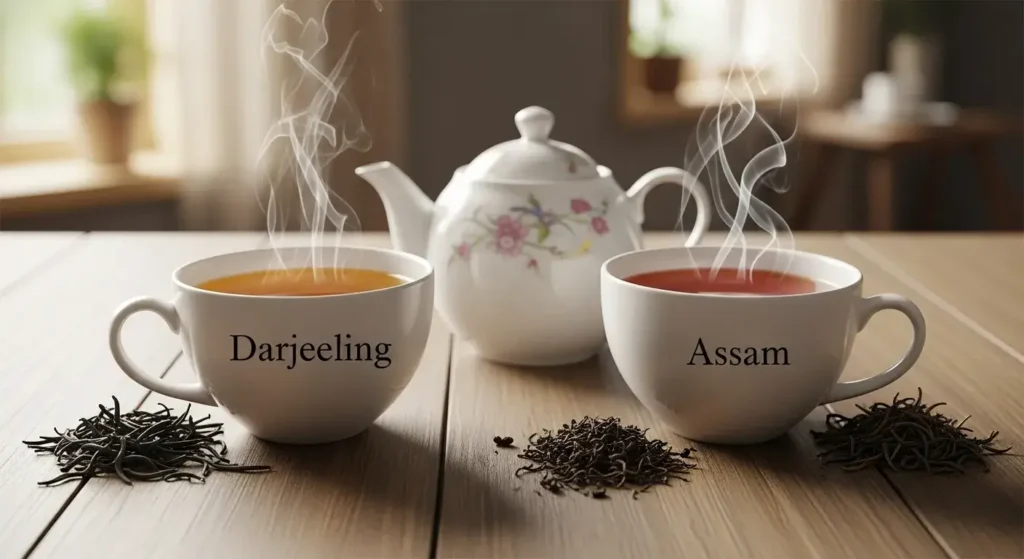
The differences in geography between Assam and Darjeeling have a direct impact on the tea. Assam’s warm, wet climate leads to a robust, malty flavor, perfect for a strong morning cup. The cooler, misty conditions in Darjeeling, on the other hand, result in a lighter, more aromatic tea with floral and sometimes fruity notes. It’s fascinating how a few degrees of latitude and altitude can create such distinct differences in the final cup.
Assam: Low altitude, hot, humid, high rainfall.
Darjeeling: High altitude, cooler, misty, moderate rainfall.
The soil composition and climate in each region play a significant role in shaping the unique characteristics of the tea leaves. This is why teas from these areas are so distinct from one another, even though they originate from the same country.
When we talk about the flavor profiles of Indian teas, Assam and Darjeeling stand out as two very different, yet equally captivating, experiences. It’s like comparing a hearty stew to a delicate pastry; both are delicious, but in completely different ways. Understanding these differences is key to appreciating the full spectrum of what these regions offer.
The Robust Malty Notes Of Assam Tea
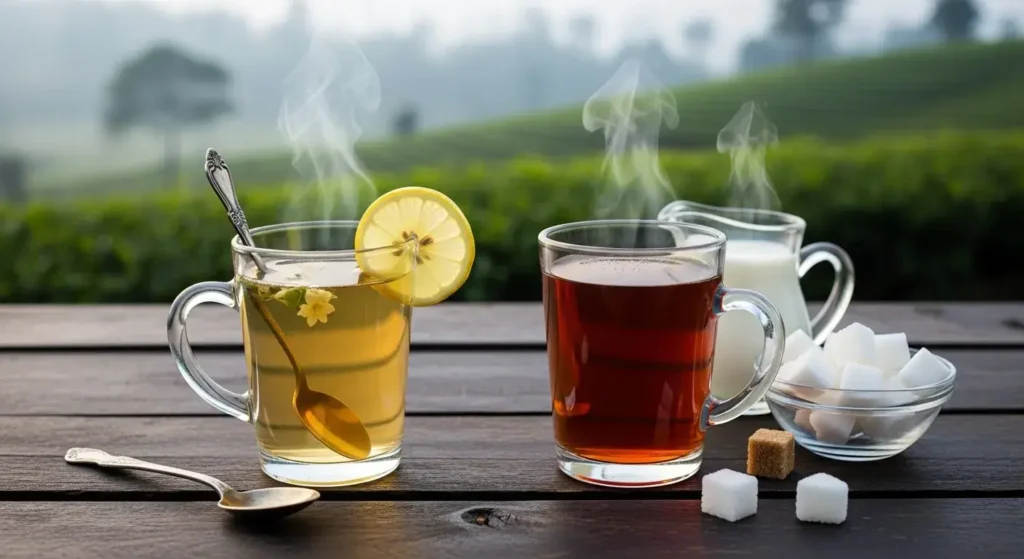
Assam tea is famous for its bold, full-bodied character. Imagine waking up on a chilly morning; a cup of Assam is like a warm hug. It often carries a distinct malty flavor, a richness that comes from the tropical climate and fertile soil of the region. This robust profile means it stands up beautifully to additions like milk and sugar, making it a popular choice for breakfast blends. If you enjoy a strong, invigorating cup that leaves a lasting impression, Assam is likely your go-to.
The Delicate Floral Nuances Of Darjeeling Tea
Darjeeling tea, often called the “Champagne of Teas,” offers a much more refined and complex taste. Grown on the misty, high-altitude slopes, these leaves develop a lighter, more aromatic quality. You’ll often find delicate floral notes, sometimes hints of fruit, and a pleasant astringency. It’s a tea that whispers rather than shouts. Most enthusiasts prefer to drink Darjeeling teawithout milk or sugar to fully appreciate its subtle nuances. It’s a tea for contemplation, for those moments when you want to savor something truly special.
How Harvest Seasons Impact Taste
The time of year a tea is harvested, known as the ‘flush,’ significantly changes its flavor. This is especially true for Darjeeling, which has four distinct flushes, each offering a unique taste experience:
First Flush (March-April): Light, floral, and often a bit grassy. It’s the freshest, most delicate cup.
Second Flush (May-June): This is where the famous muscatel notes start to appear – a richer, fruitier flavor.
Third Flush (July-September): Often bolder than the second flush, with a more pronounced astringency.
Autumn Flush (October-November): Typically darker and smoother, with a different kind of fruity sweetness.
Assam also has flushes, but they tend to produce a more consistent profile. The first flush offers a fresh, golden character, while the second flush is generally stronger and spicier, often with visible golden tips on the leaves. These variations are a big part of the tea tasting notes comparison between the two regions and are a fascinating aspect of exploring flavor profiles of Indian teas.
The subtle differences in processing and terroir mean that even within the same region, no two batches of tea are exactly alike. This variability is part of the charm for many tea lovers.
Here’s a quick look at how the flushes generally compare:
Tea Type
Flush
Typical Flavor Notes
Darjeeling
First Flush
Light, floral, grassy, delicate
Darjeeling
Second Flush
Fruity, muscatel, fuller-bodied
Assam
First Flush
Fresh, flowery, golden hue
Assam
Second Flush
Strong, spicy, malty, often with golden tips (tippy)
So, whether you’re drawn to the comforting strength of Assam or the elegant complexity of Darjeeling, there’s a whole world of flavor waiting to be discovered in every cup.
Health Benefits: Assam Tea Versus Darjeeling Tea
When we talk about the best Indian black teas, both Assam and Darjeeling stand out, and thankfully, they both bring a good dose of wellness to your cup. It’s not just about the taste; these teas offer some pretty neat health perks.
Assam Tea’s Energy Boosting Properties
If you’re looking for a pick-me-up, Assam tea is your friend. It’s known for its higher caffeine content, which can really help shake off that morning grogginess or afternoon slump. Think of it as a natural way to get a bit more focus and alertness without reaching for coffee. The characteristics of Assam tea, like its robust nature, often mean it’s a go-to for a strong start to the day.
Darjeeling Tea’s Antioxidant Richness
Darjeeling tea, often called the “Champagne of Teas,” might be more delicate in flavor, but it’s still a powerhouse when it comes to antioxidants. These compounds are great for your body, helping to fight off damage from free radicals. While the difference between Darjeeling and Assam tea is significant in flavor, their shared benefit of providing antioxidants is a big plus for both. You can enjoy its subtle notes without milk or sugar to really appreciate its unique profile without the addition of milk or sugar.
Supporting Well-being With Both Teas
Both Assam and Darjeeling teas contribute to overall well-being in their own ways. While Assam might give you that energy boost, Darjeeling offers its own set of benefits, sometimes linked to aiding digestion or promoting a sense of calm. It’s interesting how these two popular Indian teas, grown in different conditions, can offer such varied, yet beneficial, health properties. Ultimately, incorporating either into your routine is a step towards a healthier lifestyle.
Here’s a quick look at some general benefits:
Energy Boost: Primarily from Assam tea’s caffeine.
Antioxidant Power: Present in both, helping protect your cells.
Digestive Support: Often associated with the briskness of Assam.
Relaxation: Sometimes attributed to the more nuanced Darjeeling.
It’s clear that the health benefits of Indian teas like Assam and Darjeeling are substantial. They offer a natural way to support your body’s functions, from boosting energy to providing protective antioxidants. Choosing between them often comes down to what specific benefit you’re seeking, or simply which taste you prefer.
So, you’ve learned a bit about where these two fantastic Indian teas come from and what they taste like. Now comes the big question: which one is for you? It really boils down to what you’re looking for in your cup.
Considering Personal Flavor Preferences
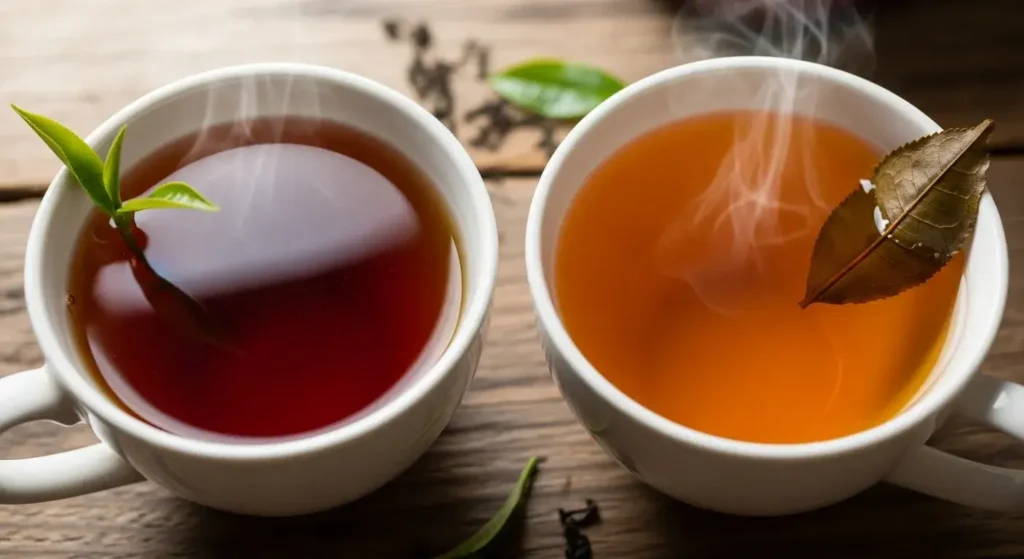
This is probably the biggest factor. If you’re someone who enjoys a strong, bold cup of tea that can stand up to milk and sugar, then Assam tea is likely your jam. Its malty, robust flavor profile makes it a classic choice for breakfast blends. On the other hand, if you prefer something more delicate, aromatic, and nuanced, Darjeeling tea might be more your speed. Think of it as choosing between a hearty stew and a light, flavorful salad – both are great, but they offer very different experiences. The flavor profile of Darjeeling tea can be quite complex, often described as floral or even fruity, especially depending on when it was harvested.
Caffeine Content: A Key Differentiator
If you’re looking for a morning pick-me-up, Assam tea generally packs a bit more caffeine than Darjeeling. This makes it a popular choice for those who need a good start to their day. Darjeeling tea, while still a black tea, tends to have a bit less caffeine. This can be a good thing if you’re sensitive to caffeine or enjoy a cup later in the afternoon or evening without worrying too much about sleep.
Here’s a quick look:
Tea Type
Typical Caffeine Level
Best For
Assam Tea
Higher
Morning boost, strong flavor lovers
Darjeeling Tea
Lower
Afternoon tea, delicate flavor lovers
Availability and Cost Considerations
Generally speaking, Assam tea is more widely available and often a bit more budget-friendly than Darjeeling tea. This is partly because the Assam region is larger and has a climate that supports year-round production, leading to higher yields. Darjeeling, grown at higher altitudes in a more specific climate, produces less tea annually, which can drive up the price. So, if you’re looking for an everyday, go-to tea that’s easy on the wallet, Assam might be the winner. If you’re looking for something a bit more special, perhaps for a treat or a specific occasion, Darjeeling could be worth the splurge.
Ultimately, the best way to decide between Darjeeling and Assam tea is to try both! Your personal taste buds are the ultimate judge. Don’t be afraid to experiment with different flushes and grades to find your perfect cup.
The Art Of Tea Leaf Grading
Understanding Standard Tea Grades
So, you’ve got your hands on some lovely loose leaf tea, maybe it’s a rich Assam or a delicate Darjeeling. Ever wonder what all those letters like OP, FOP, or TGFOP mean? It’s all about the grading system, which basically tells you about the size and appearance of the tea leaves after they’ve been processed. It’s not just for show; it actually gives you a clue about the tea’s quality and potential flavor.
Think of it like this: after the tea leaves are withered, rolled, and oxidized, they’re sorted. This sorting separates them based on how big or small they are, and whether they’re whole leaves, broken pieces, or even just dust. This process helps make brewing more consistent and gives us a way to talk about what we’re drinking. It’s a pretty standard way to categorize loose leaf tea types explained.
Here’s a quick rundown of some common grades you might see:
OP (Orange Pekoe): This is a basic grade, usually for black teas. It refers to whole, long, wiry leaves without many tips.
FOP (Flowery Orange Pekoe): This grade indicates larger leaves that come from new shoots, often with a few golden tips mixed in.
GFOP (Golden Flowery Orange Pekoe): As the name suggests, this grade means there are golden tips present, which usually points to a higher quality leaf.
TGFOP (Tippy Golden Flowery Orange Pekoe): This grade signifies a good number of golden tips, suggesting a finer tea.
FTGFOP (Finest Tippy Golden Orange Pekoe): This is for exceptionally fine teas, really top-notch stuff.
SFTGFOP (Special Finest Tippy Golden Orange Pekoe): This is a rare grade, reserved for the very best of the best.
How Grading Affects Quality
So, does a higher grade always mean a better cup of tea? Well, not exactly, but it’s a good indicator. Generally, grades with more ‘tips’ (like the golden tips in GFOP or TGFOP) tend to come from younger leaves and buds, which often have a more complex and nuanced flavor. These teas are usually processed using the orthodox method, which is more traditional and labor-intensive, resulting in whole leaves that retain more of their natural character.
The grading system helps us understand the physical characteristics of the processed tea leaves. While it’s a useful guide, personal preference plays a huge role in what makes a tea ‘good’. Sometimes, a broken leaf grade might brew up faster and stronger, which is exactly what some people are looking for.
For example, a high-grade Darjeeling might have a delicate floral aroma and a light body, while a high-grade Assam might be more robust with malty notes. The grading helps you know what to expect in terms of leaf integrity, but the actual taste will depend on the origin, harvest season, and processing methods. It’s all part of the fun of exploring different teas!
Alright, so we’ve talked about Assam and Darjeeling tea, and honestly, it’s not really about one being ‘better’ than the other. It really just comes down to what you’re in the mood for. If you want something bold and malty to kickstart your morning, Assam is probably your jam. But if you’re looking for something a bit more delicate, maybe with floral or fruity notes to sip on later in the day, Darjeeling might be more your speed. Both have their own cool history and health perks, so you can’t really go wrong. The best part? You can totally enjoy both, depending on the day. So go ahead, try them both, and figure out which one makes your perfect cup.
Frequently Asked Questions
Which tea is better, Darjeeling or Assam?
It really comes down to what you like! If you enjoy a strong, malty taste, Assam tea is probably your favorite. But if you prefer something lighter with a lovely smell and taste, Darjeeling tea might be more your style. Both are delicious in their own way.
Is Assam tea the strongest?
Yes, Assam tea is known for being one of the strongest black teas. It has a bold flavor that really wakes you up, making it a popular choice for morning tea.
Where do Assam and Darjeeling teas grow?
Assam tea grows in the northeastern part of India called Assam. Darjeeling tea, on the other hand, is grown high up on the misty hills in the Darjeeling area of West Bengal, India.
Which tea is healthier, Assam or Darjeeling?
Both teas are good for you! Assam tea can give you an energy boost and help with digestion. Darjeeling tea is also full of good stuff that can help your body and might even help you relax.
What’s the difference in their taste?
Assam tea tastes bold and malty, kind of like toast. Darjeeling tea is more delicate and can taste floral or even fruity, like a light perfume. It’s often called the ‘champagne of teas’ because it’s so special.
Can I drink both Assam and Darjeeling tea?
Absolutely! Many people love both types of tea. You might prefer Assam for your morning wake-up call and Darjeeling for a relaxing afternoon cup. Trying both is the best way to see which you like best for different occasions.
Black Tea Extract that is rich in natural theaflavins and polyphenols that help protect your body from free radicals, promoting overall immune health and well-being
Contains blended amounts of Fruits and Veggies. All natural, with whole foods, fruit and vegetable supplement.Perfect for everyone looking to live a healthier lifestyle.